The 8 Low-Water Shrubs Perfect For California Front Yards
A front yard in California has a lot to deal with. Hot sun, dry stretches, water restrictions, and the pressure to look good while handling all of it like a pro.
That is exactly why low-water shrubs are having a moment. They bring structure, color, and curb appeal without demanding constant soaking or turning your weekend into a landscaping chore.
Even better, the right shrubs can make a front yard look polished and inviting while quietly cutting back on water use and maintenance. That is a win all around.
Some stay neat and compact, some show off with flowers or bold foliage, and some are tough enough to thrive with very little attention once they settle in.
For California homeowners who want a yard that looks sharp without acting needy, these shrubs are a smart upgrade.
Less thirst, less fuss, and a lot more style sounds like a pretty great deal for the front of the house.
1. Ceanothus
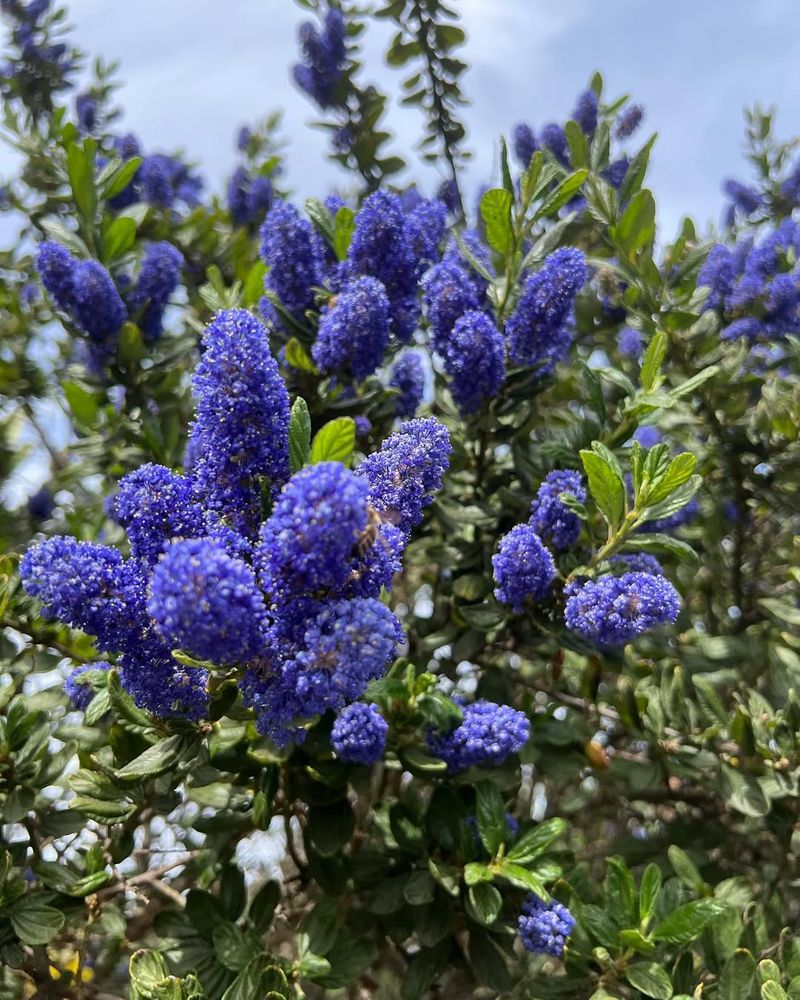
Few plants put on a springtime show quite like Ceanothus. This California native bursts into clouds of bright blue, violet, or white flowers every spring, turning an ordinary front yard into something neighbors stop to admire.
It is one of the most beloved native shrubs across the state.
Ceanothus thrives in full sun and well-drained soil. Once it gets established, it needs very little water, making it a top pick for California landscapes dealing with dry summers.
It grows quickly and can reach anywhere from two to twelve feet tall depending on the variety you choose.
There are dozens of Ceanothus varieties available at California nurseries, so you can find one that fits your space perfectly. Compact varieties work great along walkways, while larger ones make excellent privacy screens.
Pollinators like bees and butterflies absolutely love the flowers.
Planting Ceanothus in fall gives it the best start. The cool, wet winter months help it develop strong roots before summer heat arrives.
Avoid overwatering once established, as too much water can actually cause root problems. This shrub is proof that going native in California means getting beauty without the water bill.
2. Manzanita
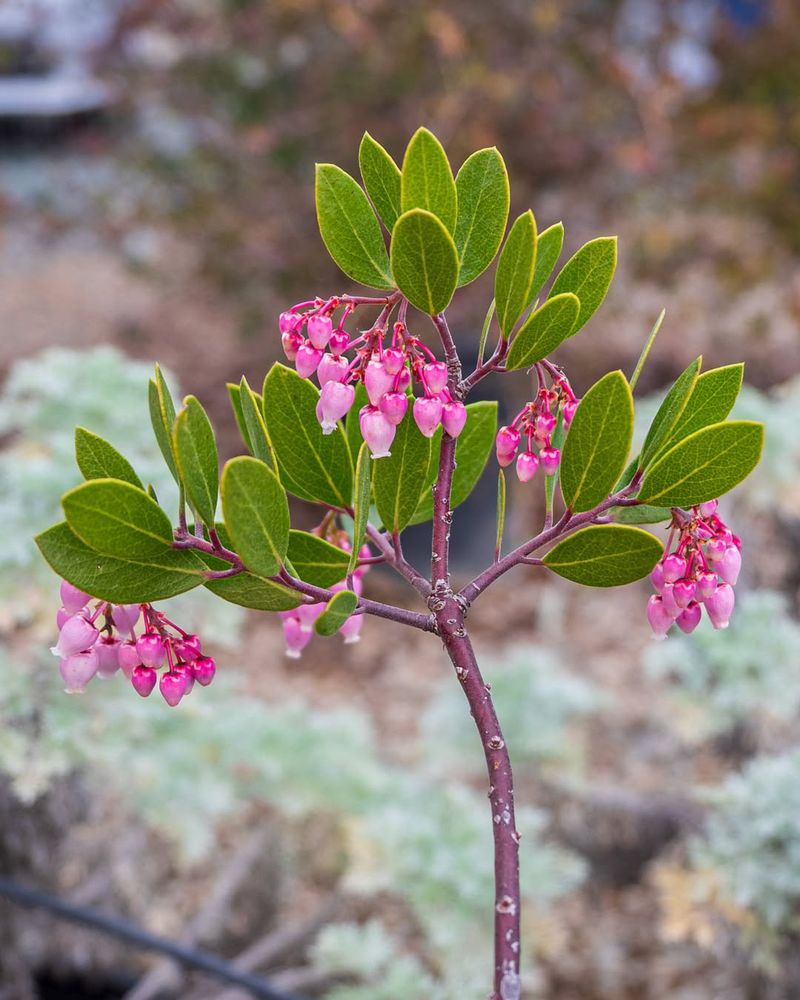
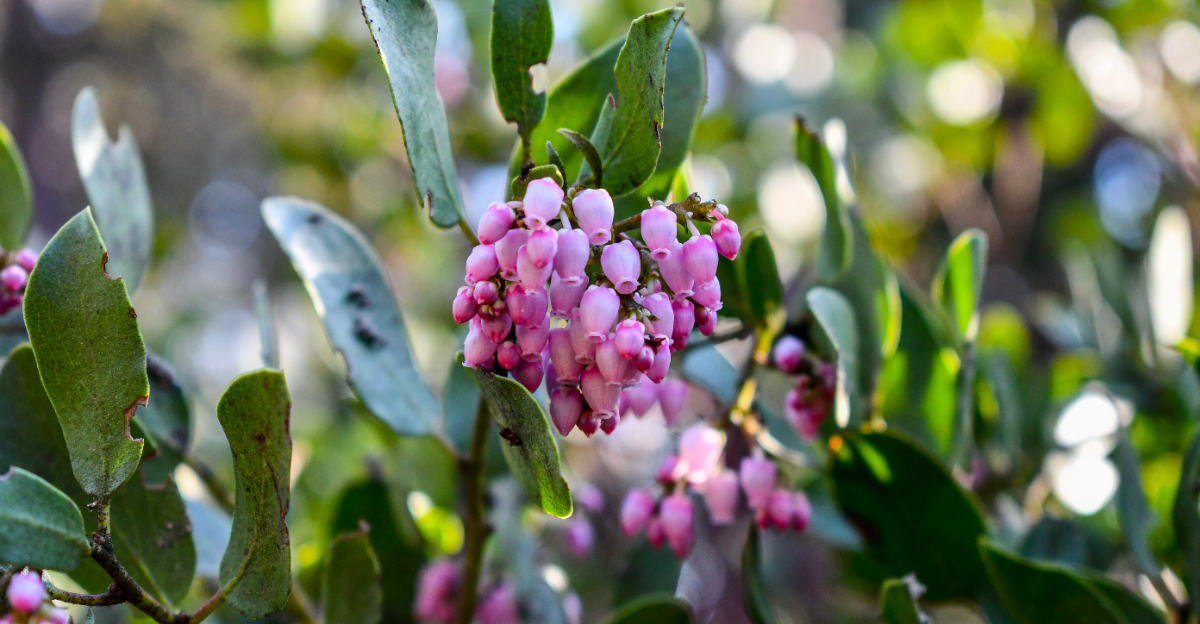
Manzanita is one of those plants that looks like it belongs in a nature documentary. Its smooth, reddish-brown bark peels back in layers, giving it a sculptural quality that most shrubs simply cannot match.
Even without flowers, it looks stunning in a California front yard.
This shrub is incredibly tough. It handles poor soils, rocky ground, and long dry spells without complaint.
In late winter and early spring, it produces clusters of delicate pink or white bell-shaped flowers that attract hummingbirds and bees. Small berry-like fruits follow the flowers and are a favorite snack for local wildlife.
Manzanita prefers full sun and excellent drainage. It does not like sitting in wet soil, especially during summer.
Once established, it rarely needs supplemental watering, which is a huge win for California homeowners trying to cut back on irrigation costs.
There are many Manzanita varieties native to California, ranging from low-growing groundcovers to tall, multi-stemmed shrubs. Choosing a locally native variety gives you the best chance of success.
Your California Garden Changes Every Week. Your Plan Should Too.
Gardening in California changes quickly throughout the season. Every Friday you’ll receive a simple weekly plan showing exactly what to plant, prune, fertilize, harvest, and protect so you never miss the right timing.
Plant it in fall, give it some water through its first dry season, and then let it do its thing. It truly rewards patience.
3. Coffeeberry
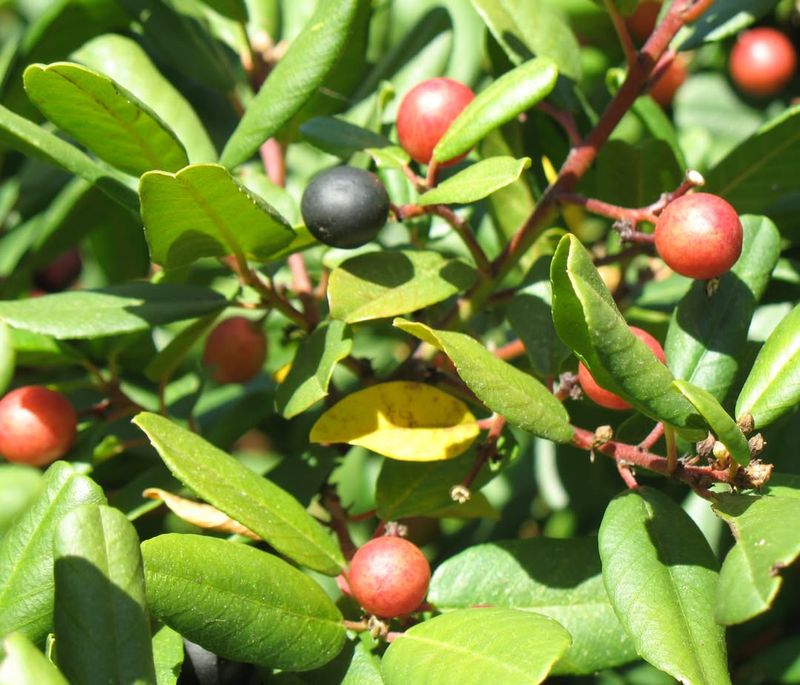
It does not show off with flashy blooms, but what it lacks in drama it makes up for in dependability. This evergreen shrub stays green all year, provides dense cover, and supports local wildlife in a big way.
The berries are the real attraction. They start out green, then turn red, then deep purple or black as they ripen.
Birds go crazy for them, so planting Coffeeberry is like setting up a free bird feeder in your front yard. The small, creamy-white spring flowers are subtle but attract plenty of pollinators.
One of the best things about Coffeeberry is how adaptable it is. It grows in full sun or partial shade, handles a range of soil types, and tolerates both coastal fog and inland heat.
That flexibility makes it a reliable choice across many different parts of California.
Coffeeberry can grow six to ten feet tall, making it excellent for privacy hedges or background planting. Trim it lightly to keep it tidy, or let it grow naturally for a more relaxed look.
Once established, it needs very little water, which fits perfectly into a low-water California landscape plan.
4. Toyon
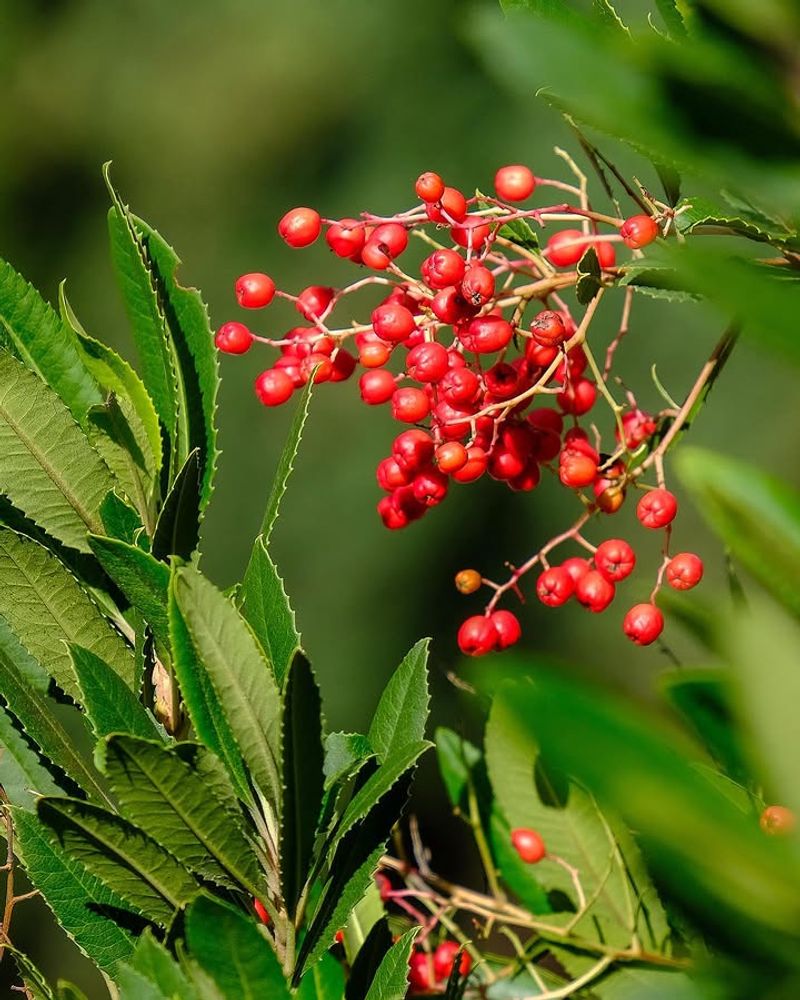
Toyon is the plant that gave Hollywood its name. Early settlers saw its bright red winter berries and thought of holly, so they called the area Hollywood.
That piece of California history alone makes Toyon worth having in your front yard.
Also called Christmas Berry, Toyon produces clusters of small white flowers in summer. By winter, those flowers become bunches of vivid red berries that light up the landscape when most other plants look dull.
Birds flock to the berries, making your yard a lively spot even in the coldest months.
Toyon is a tough, resilient shrub that handles California’s dry summers with ease. It grows in full sun to partial shade and tolerates a range of soil conditions.
Once established, it needs very little supplemental water, which makes it a great fit for water-conscious California homeowners.
It can grow quite large, sometimes reaching fifteen feet or more, but regular pruning keeps it manageable. Smaller garden varieties are also available at many California native plant nurseries.
Plant it as a focal point, a backdrop for smaller plants, or as a wildlife-friendly screen. Toyon is a true California classic that earns its place in any drought-tolerant front yard.
5. Cleveland Sage
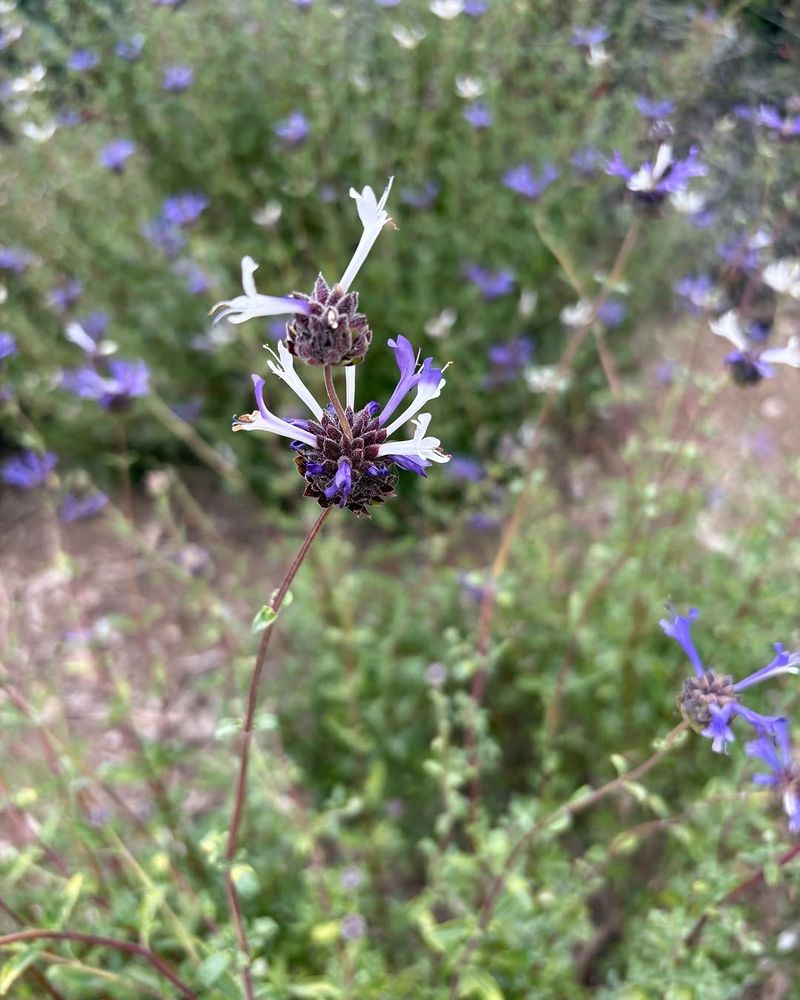
Walk past a Cleveland Sage on a warm California afternoon and you will immediately understand why people love it. The leaves release a powerful, clean, herbal fragrance when brushed or warmed by the sun.
It is the kind of scent that makes your yard feel like a nature retreat.
Cleveland Sage is a California native that grows naturally in the dry, rocky hills of Southern California and Baja California. It produces tall spikes of purple-blue flowers in spring and early summer that hummingbirds absolutely cannot resist.
The silvery-green foliage looks great all year, even when the plant is not in bloom.
This shrub is built for California’s dry summers. Once established, it barely needs any supplemental irrigation.
In fact, too much water during summer can stress the plant. Plant it in a well-drained, sunny spot and let the natural rainfall do most of the work during cooler months.
Cleveland Sage grows three to five feet tall and wide, making it a solid mid-sized shrub for front yard borders or mixed plantings. It pairs beautifully with other California natives like Manzanita and Toyon.
Prune it back lightly after flowering to keep it compact and tidy. It is a fragrant, low-fuss favorite across California gardens.
6. Westringia
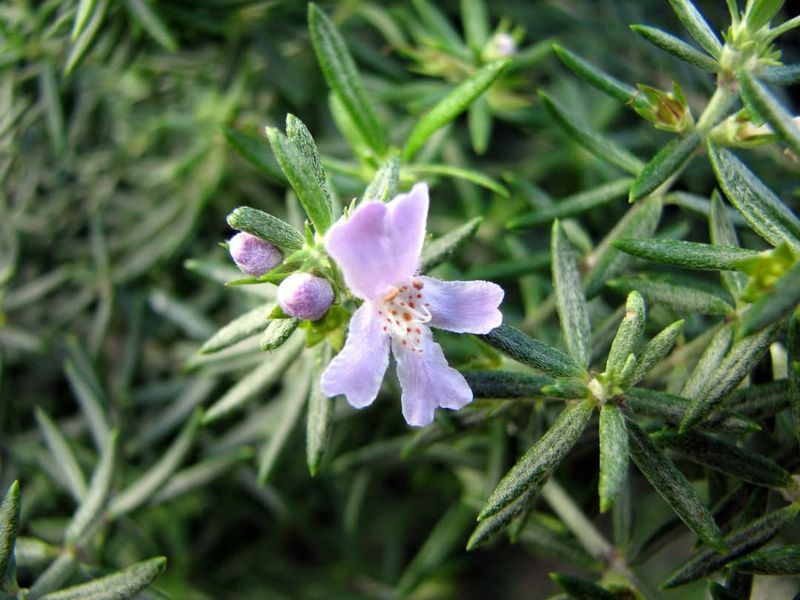
If you want a shrub that looks polished, stays tidy, and handles California’s dry summers without drama, Westringia is your answer. Originally from Australia, this plant has found a very comfortable home in California landscapes, where its climate needs match up almost perfectly.
Westringia looks a lot like rosemary at first glance, with its narrow gray-green leaves and small white or lavender flowers. The blooms appear off and on throughout the year, which means your front yard gets a little color in almost every season.
That kind of year-round interest is hard to find in a single shrub.
It handles coastal winds, heat, and drought with equal ease. Full sun is ideal, but it tolerates some shade as well.
Once established in a California yard, it needs very little water. It also responds well to pruning, so you can shape it into a neat hedge, a rounded mound, or a natural flowing form.
Westringia typically grows three to six feet tall and wide, depending on the variety. Compact versions are great for low borders or container planting near entryways.
Larger varieties make excellent informal hedges or privacy screens. It is a versatile, low-maintenance shrub that fits beautifully into the water-smart California landscaping movement.
7. Bush Germander
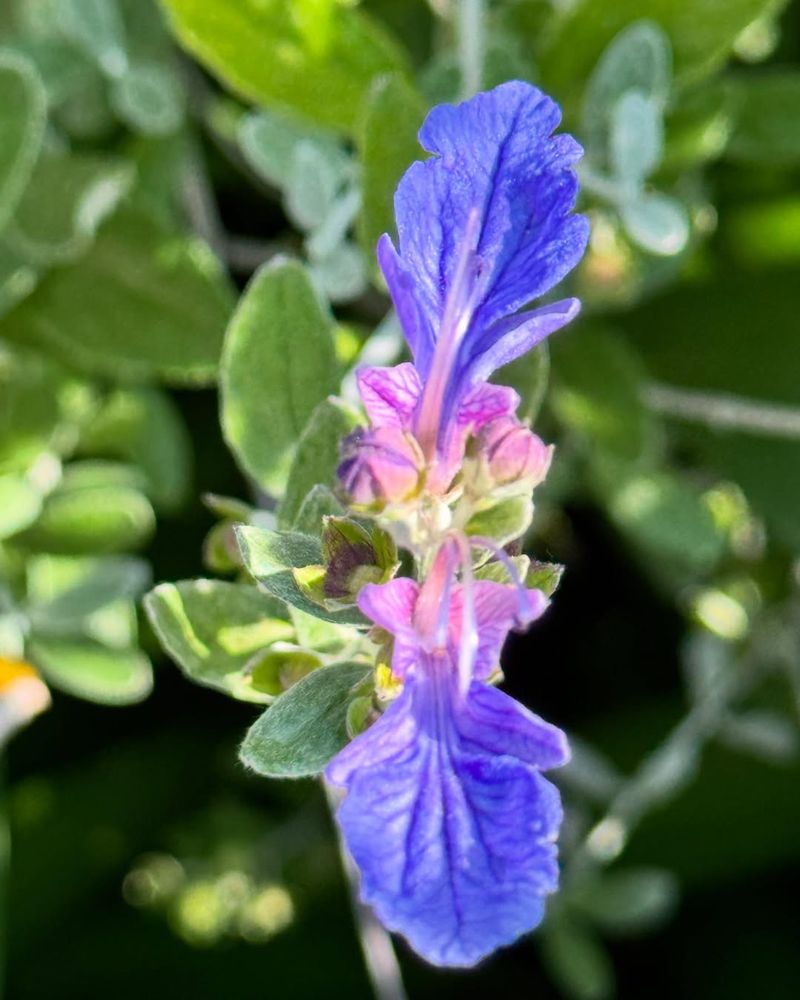
Bush Germander brings a Mediterranean flair to California front yards, and honestly, it fits right in. This tough little shrub originates from the Mediterranean region, which has a climate very similar to California’s.
That shared weather pattern means Bush Germander is naturally suited to hot, dry summers and mild, wet winters.
The plant produces small, bright purple flowers nearly year-round in mild California climates. The leaves are small, silvery-green, and slightly fuzzy, giving the plant a soft, textured look that pairs well with bolder plants.
Bees and butterflies visit the flowers regularly, adding life and movement to your front yard.
Bush Germander is very forgiving. It handles poor soils, reflected heat from pavement, and long stretches without rain.
Full sun brings out its best performance, though it can manage in light shade. Once established, it rarely needs watering beyond what California’s natural rainfall provides.
It stays compact, usually reaching two to four feet tall and wide. That manageable size makes it perfect for edging walkways, planting under windows, or filling in gaps between larger shrubs.
A light trim after heavy flowering keeps it looking full and tidy. For a low-effort, high-reward shrub in a California front yard, Bush Germander rarely disappoints.
8. Rockrose
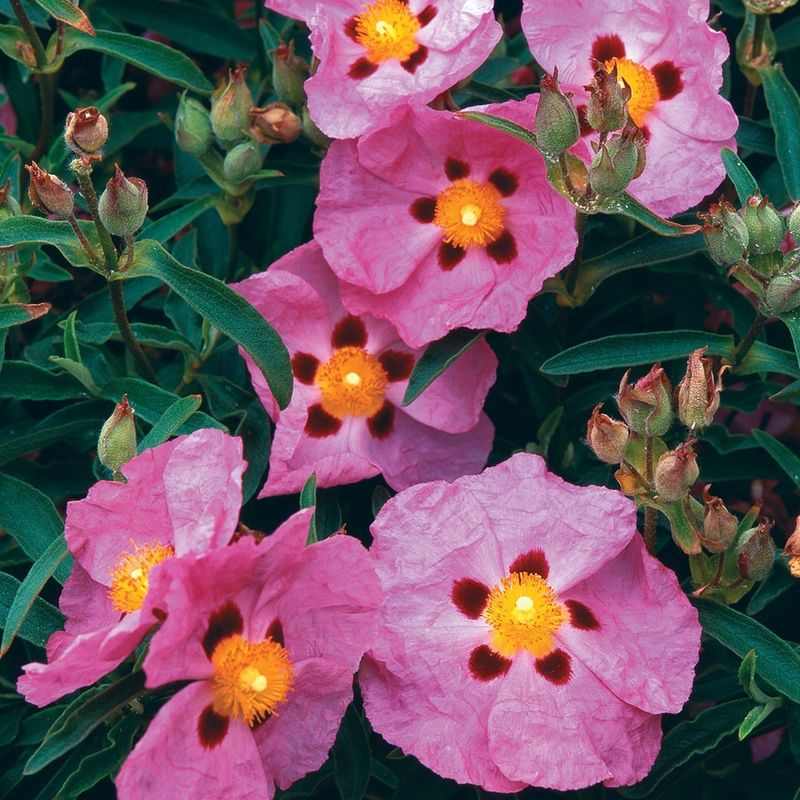
When it blooms in late spring, it covers itself in large, papery flowers that look almost like wild roses. The blooms can be white, pink, or magenta, and each flower lasts just one day, but the plant produces so many that the show goes on for weeks.
This shrub is tailor-made for California’s toughest growing conditions. It loves heat, handles poor rocky soil, and thrives in full sun with very little water.
Coastal areas, inland valleys, and hillside gardens across California are all great spots for Rockrose to shine.
Rockrose grows quickly, which is great news if you want to fill a bare front yard in a hurry. Most varieties reach three to five feet tall and spread just as wide.
Some larger types can grow even bigger. It is also fire-resistant, which is a practical bonus for many California homeowners living in fire-prone areas.
After the main bloom period, give it a light trim to keep it from getting woody. Avoid heavy pruning into old wood, as Rockrose does not always recover from severe cuts.
Plant it in fall, water it through the first summer, and enjoy seasons of low-water beauty in your California front yard.