This Is Why California Gardeners Are Mulching Right Now
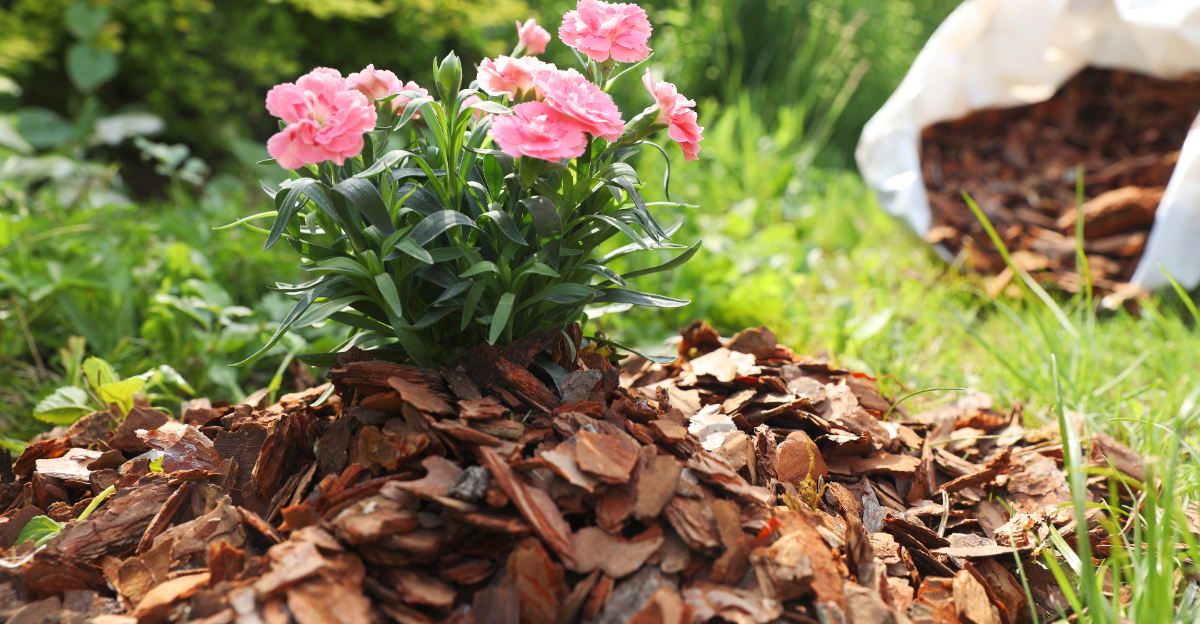
California gardeners are not mulching right now just to make their beds look tidier. This is one of the smartest times to lock in moisture, protect soil, and give plants a better shot at handling the warm months ahead.
As spring temperatures rise and dry stretches become more common, bare soil can lose water fast, crust over, and invite weeds to move in. A good layer of mulch helps slow that process down while also keeping roots cooler and soil conditions more stable.
In many parts of California, that can make a noticeable difference before summer heat really kicks in.
Mulching now also gives spring plantings a stronger start, especially while the ground still holds some seasonal moisture.
It is a simple job, but one that pays off in healthier plants, fewer weeds, and a garden that needs less effort as the season gets hotter.
1. Spring Mulch Helps Soil Hold Moisture
Water is precious in California, and anyone who has watched their garden soil dry out by noon knows exactly how frustrating that can be. Mulch acts like a protective blanket over the soil, slowing down evaporation so moisture stays where roots actually need it.
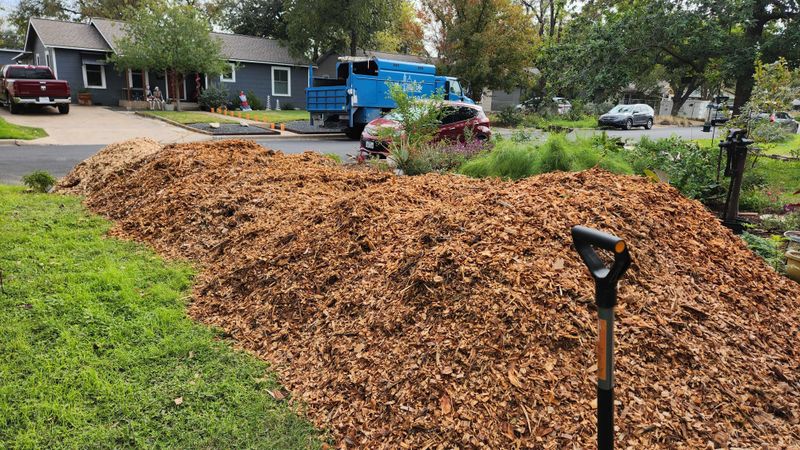
When you apply a two to four inch layer of organic mulch, like wood chips or straw, the soil underneath stays noticeably damp longer. That means less time dragging the hose around and lower water bills.
During California’s dry spring and summer months, that savings really adds up fast.
The California Department of Food and Agriculture actually encourages mulching as part of healthy soil practices across the state. Organic materials break down slowly, feeding the soil while also locking in moisture.
Think of it as getting two benefits from one simple step. Whether you are gardening in Sacramento, Fresno, or San Diego, consistent moisture retention makes a visible difference in how healthy and strong your plants look all season long.
2. It Keeps Roots Cooler Sooner
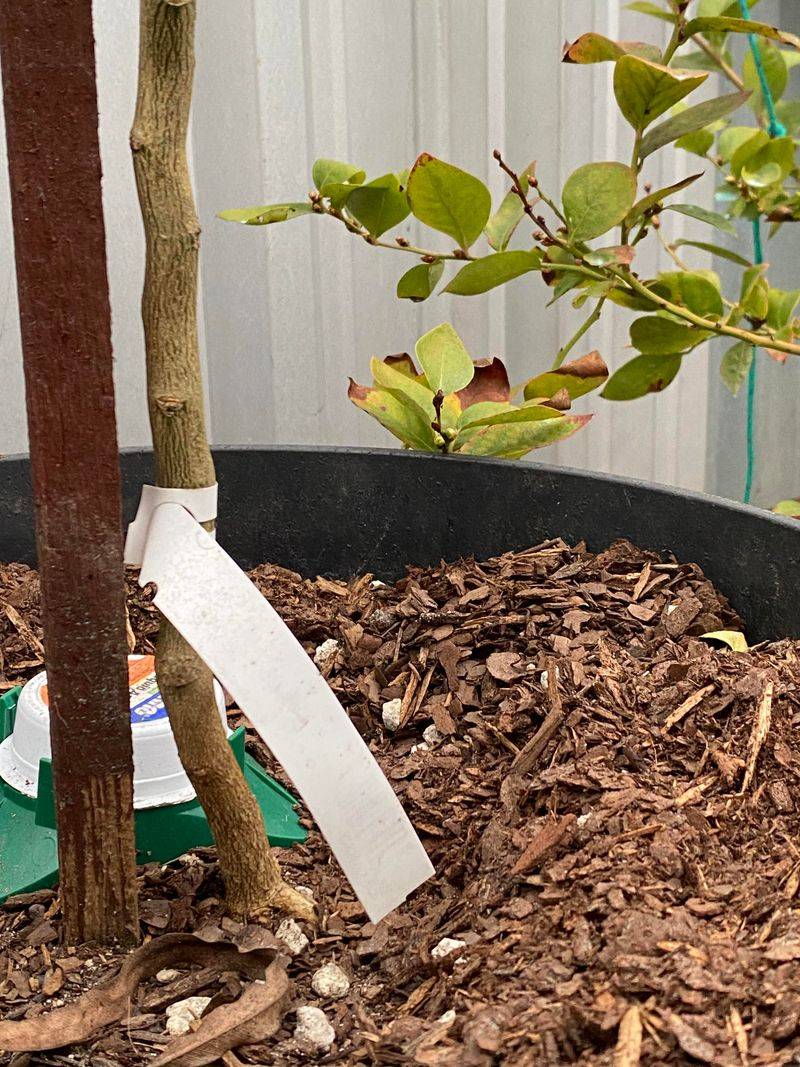
Most people think about mulch in summer when the heat is brutal, but applying it in spring gives roots a head start before temperatures climb. Soil heats up fast in California, especially in inland areas like the Central Valley where afternoons get scorching early in the season.
A good layer of mulch keeps the soil temperature several degrees cooler than bare ground. That cooler environment helps roots stay active and healthy instead of getting stressed by sudden heat spikes.
Plants with cooler roots grow stronger and absorb water more efficiently, which makes a real difference when warm days arrive earlier than expected.
Grass clippings work especially well for this purpose because they are lightweight and easy to spread. Wood chips are another solid option that lasts longer through the season.
The key is getting that layer down before the warm weather fully sets in. California gardeners who mulch in early spring consistently notice that their plants handle the transition from mild to hot temperatures with far less stress and wilting compared to bare garden beds nearby.
3. Fewer Weeds Get A Head Start
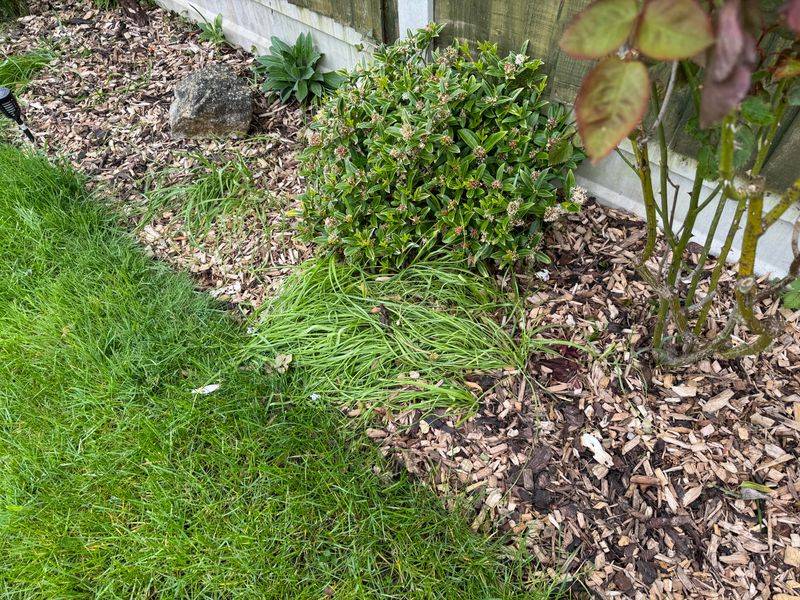
Weeds are opportunists. The moment bare soil gets a little warmth and light, they move in fast.
Your California Garden Changes Every Week. Your Plan Should Too.
Gardening in California changes quickly throughout the season. Every Friday you’ll receive a simple weekly plan showing exactly what to plant, prune, fertilize, harvest, and protect so you never miss the right timing.
Mulching in spring is one of the smartest ways California gardeners stop weeds before they even get started.
By blocking sunlight from reaching the soil surface, mulch prevents most weed seeds from germinating. Those seeds need light to sprout, and a solid two to four inch layer of mulch cuts off that supply almost completely.
Fewer weeds mean less time pulling them and more time actually enjoying the garden.
In regions like the Bay Area and Southern California, where weed pressure picks up quickly in spring, early mulching makes a noticeable difference within just a few weeks. You will still see the occasional stubborn weed pop through, but the overall workload drops significantly.
Pairing mulch with a layer of cardboard underneath, a method called sheet mulching, gives even stronger weed control.
Many community gardens and volunteer programs across California, including events in Oakland, use this technique regularly to keep shared garden spaces clean, productive, and easy to maintain without relying on chemical weed control products.
4. Mulch Softens California Temperature Swings
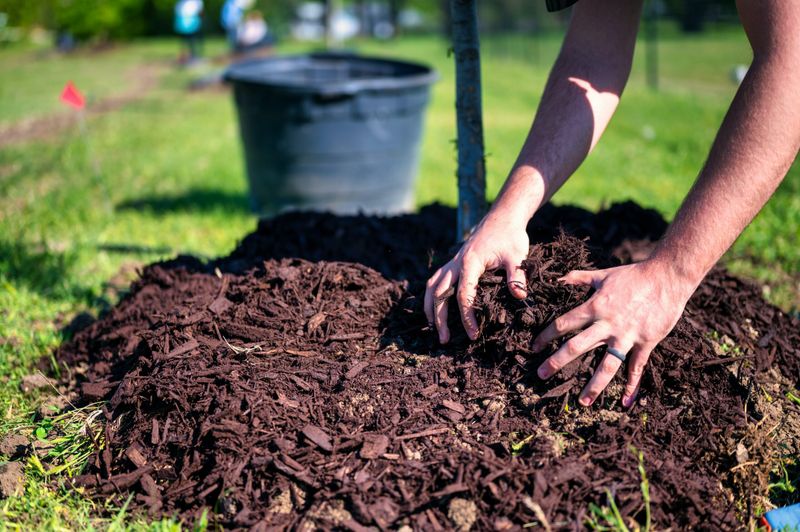
California weather can be unpredictable. A warm afternoon can follow a surprisingly cool morning, and those temperature swings can stress plants more than most gardeners realize.
Mulch acts as a natural buffer, keeping soil temperatures more stable throughout the day and night.
When soil heats and cools rapidly, plant roots struggle to keep up. That stress shows up as wilting, yellowing leaves, or slow growth.
A consistent layer of mulch slows those temperature changes down, giving roots a steadier environment to work with. This is especially helpful in areas like the Inland Empire or the Sacramento Valley, where spring temperature swings can be dramatic.
Organic mulches like wood chips and shredded bark are particularly effective at this job because they have natural insulating properties. They absorb heat during the day and release it slowly at night, which keeps the soil from dropping too sharply after sunset.
Gardeners who have started mulching earlier in the season often notice that their plants recover faster after cold snaps or surprise heat waves. A stable root zone is a healthy root zone, and mulch is one of the easiest ways to create that stability in California gardens.
5. It Protects Soil From Drying Winds
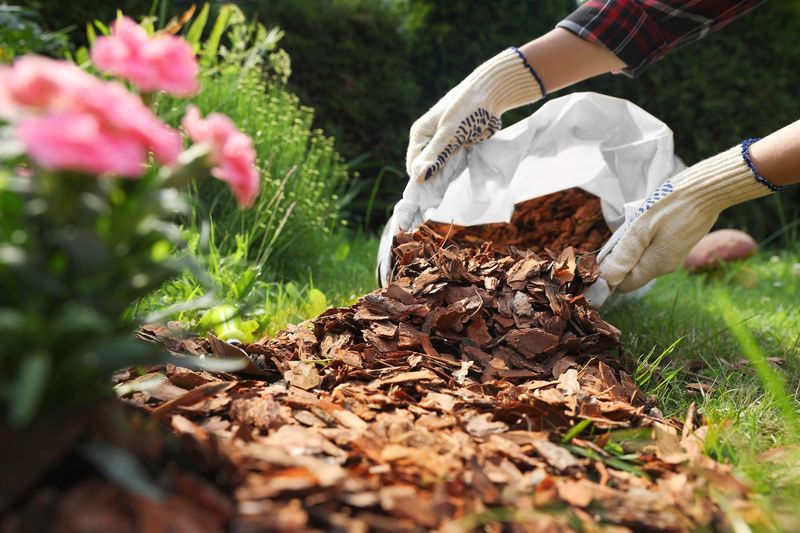
Wind is one of those garden problems that does not always get enough attention. In many parts of California, especially along the coast and in open valley areas, spring winds can strip moisture from the soil surface surprisingly fast.
Bare soil just cannot hold up against a persistent dry breeze.
Mulch creates a physical shield that holds the top layer of soil in place. It reduces the direct exposure of soil to wind, which slows down moisture loss significantly.
That protective layer also prevents the fine top layer of soil from blowing away, which matters a lot because that top layer holds a lot of the nutrients plants depend on.
Coastal California gardeners in areas like Santa Barbara, Monterey, and Marin County deal with consistent wind that can dry out beds quickly. Applying a generous layer of mulch early in spring helps those gardeners maintain soil health even on breezy days.
Straw and wood chips both perform well in windy conditions because they are heavy enough to stay in place without being packed down too tightly. Protecting your soil from wind is protecting your whole garden, and mulch handles that job quietly and effectively every single day.
6. Garden Beds Look Better Fast
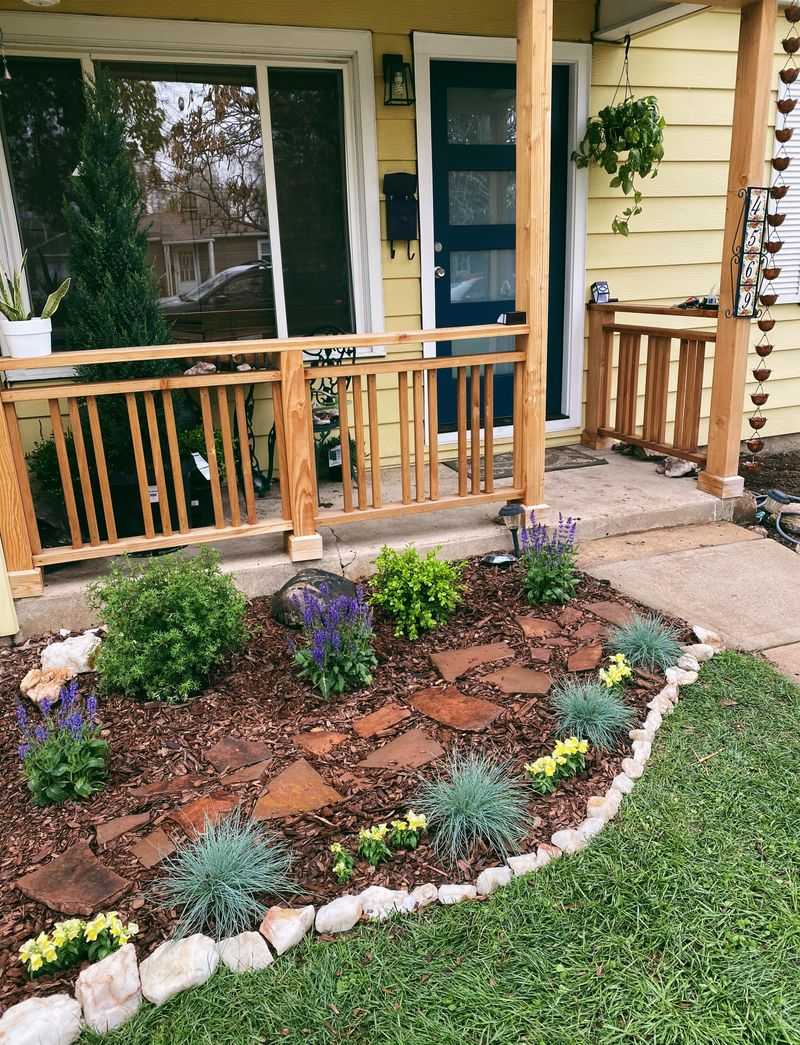
Here is something gardeners do not always talk about enough: mulch makes everything look more polished almost instantly. Fresh wood chips or dark bark mulch spread across a garden bed gives the whole yard a clean, well-kept appearance without a lot of extra effort.
That visual upgrade is not just about looks either. A neatly mulched bed signals to neighbors and visitors that the garden is being actively cared for.
It creates contrast between the mulch and the plants, making colors pop and the overall layout feel intentional. Many California gardeners use mulch as a quick seasonal refresh before outdoor gatherings or simply because a tidy yard genuinely feels good.
Dark-colored mulches like shredded bark or cocoa hull mulch tend to give the most dramatic visual effect. Lighter options like straw or wood shavings have a more natural, rustic look that works well in vegetable and cottage-style gardens.
Whichever type you choose, the improvement is immediate and satisfying. Spreading mulch takes an afternoon, but the results last for months.
Across California neighborhoods, from Los Angeles to the East Bay, a freshly mulched garden bed is one of the easiest ways to boost curb appeal and personal garden pride at the same time.
7. Timing Matters More Than Most Think
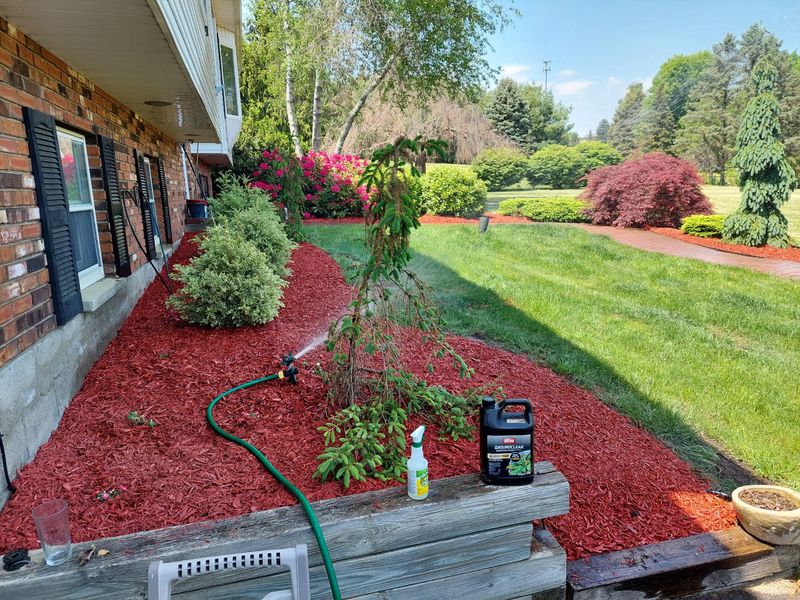
Most people assume mulching can happen anytime, but experienced California gardeners know that timing changes how well it actually works. Early spring is the sweet spot, right after the last rains but before consistent heat sets in.
That window gives mulch a chance to lock in soil moisture before the dry season takes hold.
Applying mulch too early in a wet season can trap excess moisture and create conditions that invite root problems. Waiting too long means the soil has already started drying out and weeds have already found their footing.
Getting the timing right makes everything else mulch does work better and more efficiently.
Across California, that ideal mulching window generally falls between late February and early April, depending on your region. Gardeners in Southern California often start earlier, while those in Northern California and the Sierra foothills might wait until March.
Watching local soil conditions and your extended weather forecast helps nail that timing down precisely. Community gardening events in cities like Oakland have also highlighted spring mulching as a key seasonal priority.
A well-timed application of mulch is not just a small detail. It is what separates a garden that thrives all season from one that struggles to keep up with California’s demanding climate.