7 Mistakes That Keep Mountain Laurel From Blooming In Pennsylvania
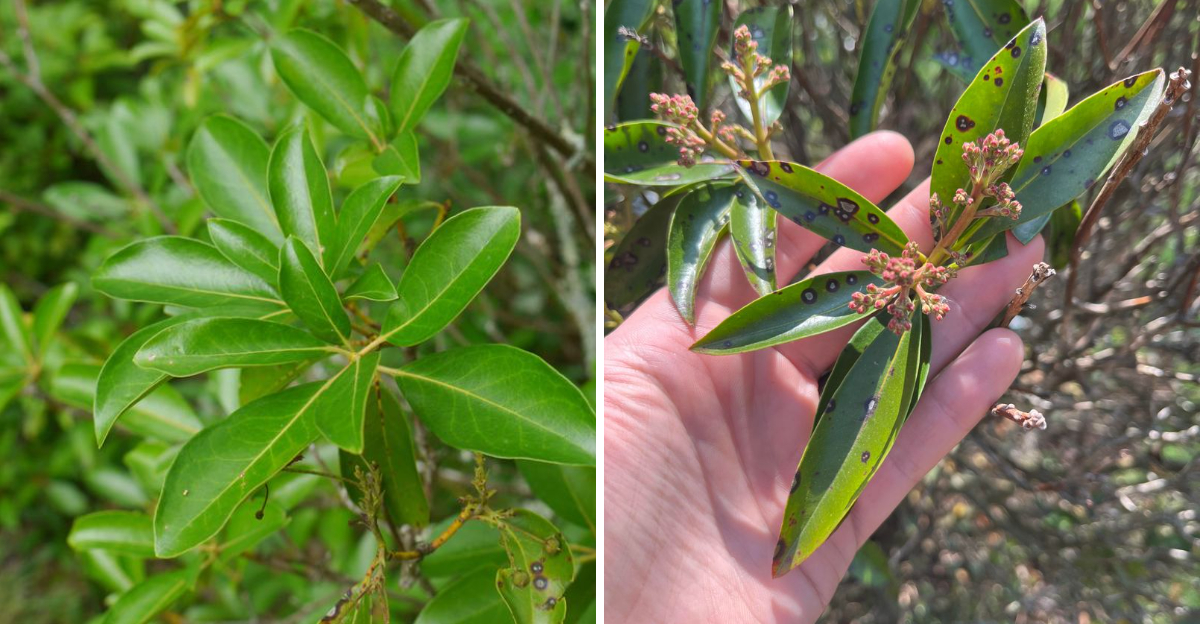
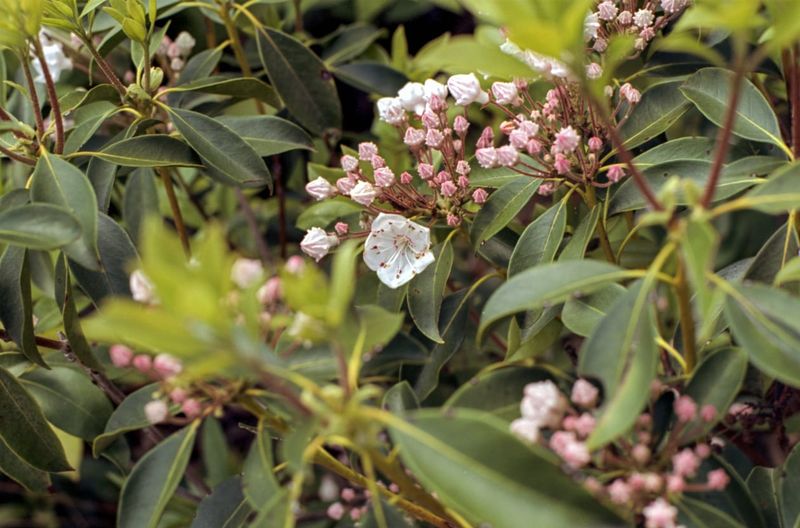
Mountain laurel has a way of raising expectations. When people picture it in bloom, they imagine those striking clusters of flowers lighting up the yard and making the whole plant look almost unreal.
So when a mountain laurel stays green but refuses to put on that show, it can be seriously frustrating. In Pennsylvania, where this native shrub seems like it should grow beautifully without much trouble, a lack of blooms often leaves gardeners wondering what went wrong.
The plant looks alive, the leaves are there, and yet the flowers never really happen the way they should.
That is usually where a few common mistakes come into play. Mountain laurel can be a little picky about its growing conditions, and when something is off, blooming is often the first thing to suffer.
Too much sun, the wrong soil, poor pruning timing, or even giving it more attention than it wants can all get in the way. The tricky part is that these mistakes are easy to make without realizing it.
If your mountain laurel looks healthy but keeps skipping the best part, there is a good chance the problem is something small that can be fixed once you know where to look.
1. Planting In Too Much Sun
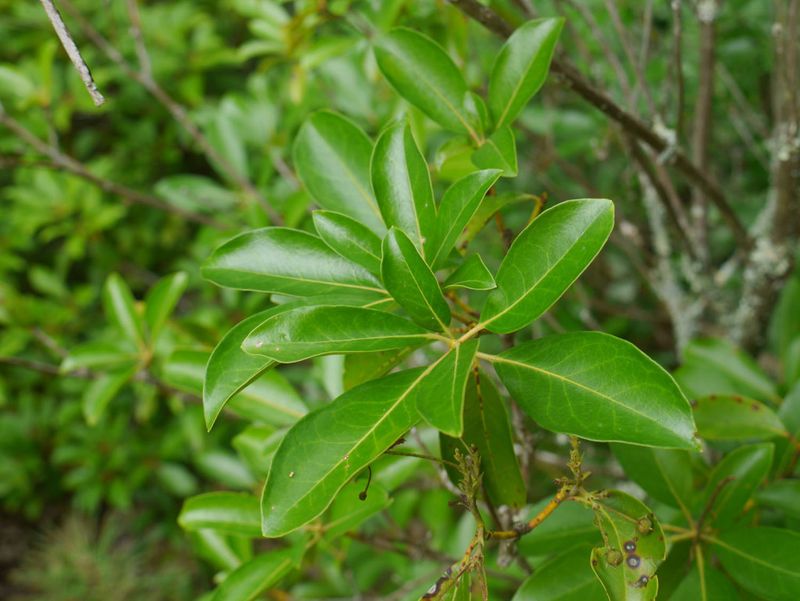
Believe it or not, too much sunshine can actually work against your mountain laurel. Pennsylvania summers can get surprisingly intense, and full afternoon sun puts a lot of stress on this plant.
Mountain laurel is a woodland shrub by nature, so it evolved under the canopy of trees where light is softer and more filtered.
When planted in a spot that gets blasted by direct sun all day long, mountain laurel uses most of its energy just trying to cope with the heat and light intensity. That leaves very little energy left over for producing flower buds.
You may notice the leaves looking washed out, scorched at the edges, or curling slightly. These are signs the plant is struggling, not thriving.
The sweet spot for mountain laurel in Pennsylvania is a location with morning sun and afternoon shade, or consistent dappled light throughout the day. Think about the edges of wooded areas, the north or east side of your house, or spots under tall deciduous trees.
These locations mimic the natural habitat where mountain laurel grows best across Pennsylvania’s forests and hillsides.
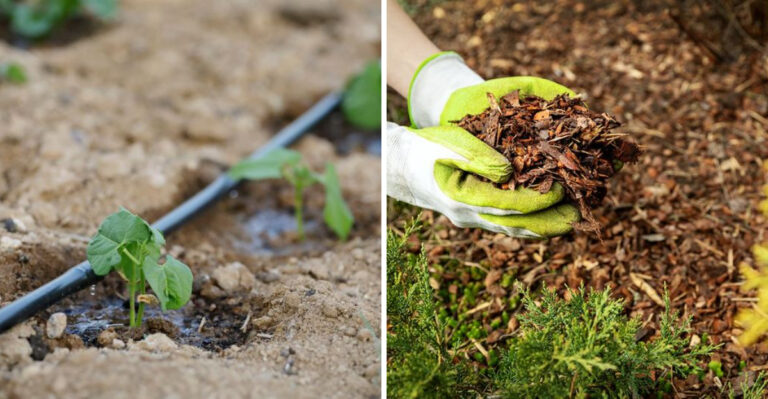
If your plant is already in a too-sunny spot, consider adding a shade structure or transplanting it during early fall when temperatures cool down. Mulching around the base also helps keep roots cooler during hot spells.
With the right light balance, mountain laurel can shift its energy back to where you want it: producing those gorgeous clusters of blooms that make Pennsylvania’s state flower so beloved.
2. Wrong Soil PH (Not Acidic Enough)
Soil pH might sound like a science class topic, but it’s one of the most practical things you can understand as a Pennsylvania gardener. Mountain laurel needs acidic soil, with a pH between 4.5 and 6.0.
Your Pennsylvania Garden Changes Every Week. Your Plan Should Too.
Gardening in Pennsylvania changes quickly throughout the season. Every Friday you’ll receive a simple weekly plan showing exactly what to plant, prune, fertilize, harvest, and protect so you never miss the right timing.
When soil pH is too high, the plant simply cannot absorb the nutrients it needs, even if those nutrients are present in the ground.
Many parts of Pennsylvania have naturally acidic soil, which is great news for mountain laurel growers. But if your yard has been limed for a lawn, or if you’re gardening near concrete foundations or driveways, the soil pH may be too alkaline.
Yellowing leaves, known as chlorosis, are a classic sign that something is off with soil chemistry. The veins stay green while the rest of the leaf turns yellow, which is a telltale nutrient deficiency signal.
Testing your soil is simple and inexpensive. You can pick up a soil test kit at most garden centers across Pennsylvania, or send a sample to your local Penn State Extension office for a more detailed analysis.
Once you know your pH, you can adjust it by adding sulfur to lower it, or by using acidifying fertilizers designed for acid-loving plants like azaleas and rhododendrons.
Mixing in organic matter like pine bark mulch or composted oak leaves also helps maintain soil acidity over time. Getting the pH right is one of the most important steps you can take to unlock your mountain laurel’s blooming potential in Pennsylvania.
3. Overwatering Or Poor Drainage
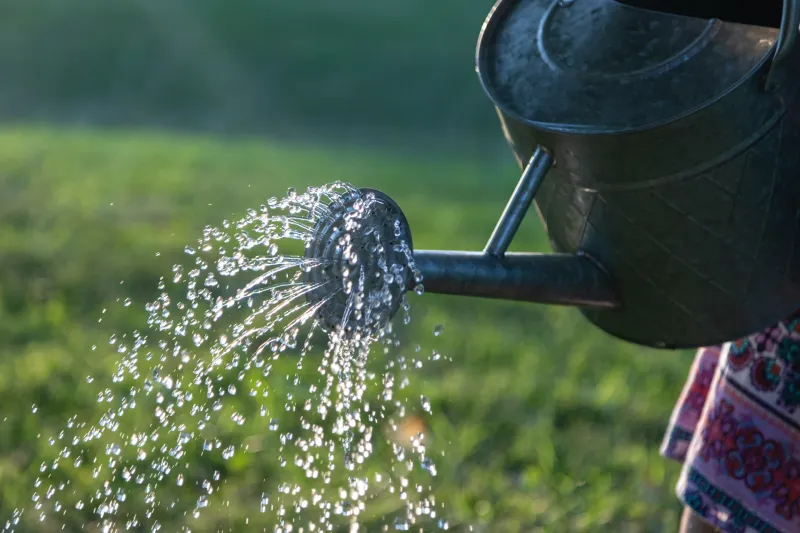
Mountain laurel has a reputation for being a low-maintenance plant, and that’s mostly true. But one thing it absolutely cannot stand is soggy roots.
Overwatering or planting in a poorly drained spot is one of the fastest ways to stop this plant from blooming in Pennsylvania.
When roots sit in waterlogged soil for too long, they can’t get the oxygen they need to function properly. The plant becomes stressed and weakened.
Instead of putting energy into flower bud development, it focuses on basic survival. You might notice the foliage looking dull or droopy even when the soil is wet, which is a confusing sign that often leads gardeners to water even more, making the problem worse.
Good drainage is non-negotiable for mountain laurel. Before planting, check how quickly water drains from the spot you have in mind.
Dig a hole about 12 inches deep, fill it with water, and see how long it takes to drain. If it’s still sitting there after a few hours, that location needs improvement before planting.
Raised beds and berms are popular solutions used by Pennsylvania gardeners dealing with heavy clay soil. You can also improve drainage by amending the soil with coarse sand and organic matter before planting.
Once established, mountain laurel only needs supplemental watering during dry spells. Letting the soil dry out slightly between waterings is actually better for this plant than keeping it consistently moist. Less water often means more blooms.
4. Pruning At The Wrong Time
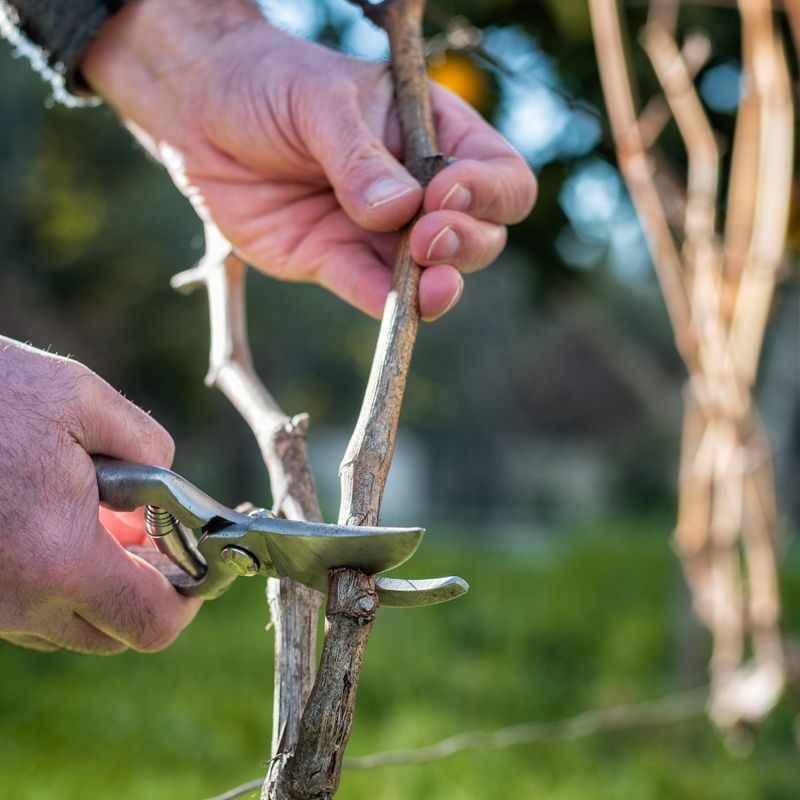
Timing is everything when it comes to pruning mountain laurel, and getting it wrong is one of the most common reasons Pennsylvania gardeners end up with a shrub full of leaves but no flowers.
Mountain laurel blooms on old wood, meaning the flower buds for next spring are set on growth from the current year.
Prune at the wrong time, and you’re literally cutting off next year’s blooms before they get a chance to develop.
Many people make the mistake of pruning in late summer or fall, thinking they’re tidying up the plant before winter. But by that point, the flower buds are already formed and sitting on the branches waiting for spring.
Cutting them off means waiting another full year before you see blooms again. It’s a frustrating and entirely avoidable mistake.
The best time to prune mountain laurel in Pennsylvania is right after it finishes blooming, which is usually sometime in June. At that point, the old flowers have faded and the plant hasn’t yet started developing next year’s buds.
You have a window of a few weeks to shape the shrub, remove dry or crossing branches, or reduce its overall size without affecting future flowering.
Deadheading, which means removing spent flower clusters, is also a good habit after blooming. It redirects the plant’s energy away from seed production and toward new growth and bud development.
A little thoughtful pruning done at the right time can actually encourage a stronger bloom display the following spring across your Pennsylvania garden.
5. Too Much Fertilizer
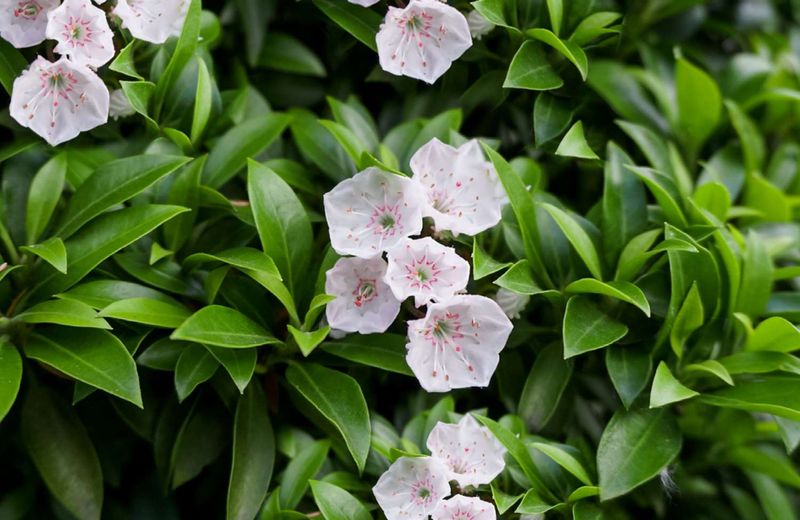
More fertilizer does not always mean a better garden. With mountain laurel, over-fertilizing is actually a surprisingly common mistake that backfires in a very specific way.
When you give this plant too much fertilizer, especially products high in nitrogen, it responds by pushing out lots of lush, dark green leafy growth. That sounds good on the surface, but all that vegetative energy comes at the expense of flower production.
Mountain laurel is naturally adapted to grow in lean, nutrient-poor forest soils across Pennsylvania. It doesn’t need rich, heavily amended garden beds to thrive.
When you mimic those natural conditions, the plant focuses on reproducing, which means making flowers. When you over-feed it, it just keeps growing leaves instead.
If your mountain laurel looks incredibly healthy and full but refuses to bloom, too much fertilizer could be the culprit.
Think back to whether you’ve been applying lawn fertilizer near the shrub, or adding compost and organic amendments regularly. Runoff from nearby fertilized areas can also reach the roots without you realizing it.
Mountain laurel typically needs very little fertilization. If you want to give it a boost, use a slow-release fertilizer formulated for acid-loving plants, such as those designed for azaleas or rhododendrons.
Apply it just once in early spring and skip it entirely in subsequent years if the plant looks healthy.
Pennsylvania gardeners who feed their mountain laurel less often report better and more consistent blooming season after season. Sometimes restraint is the best gardening strategy.
6. Not Enough Light
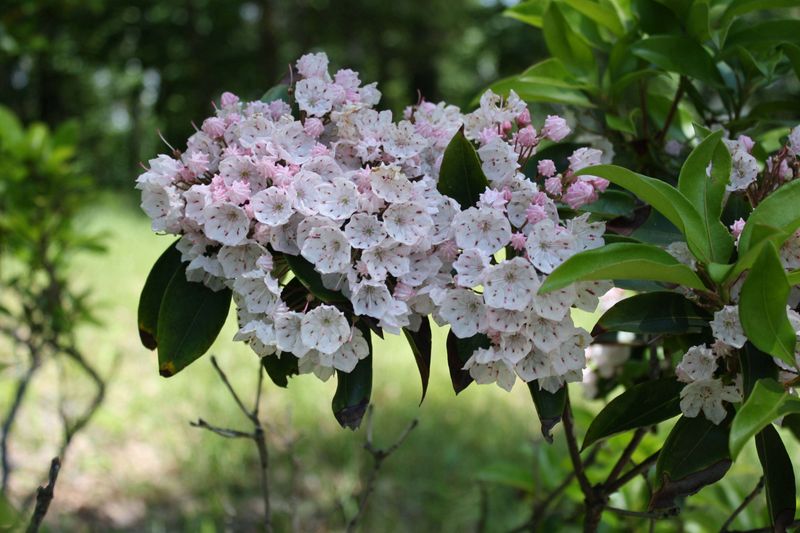
Just like too much sun can cause problems, too little light is equally bad for mountain laurel blooming. Deep shade is one of the sneakiest reasons Pennsylvania gardeners struggle to get flowers from their plants.
Mountain laurel can survive in fairly shady conditions, but surviving and thriving are two very different things.
Flower bud formation requires energy, and energy comes from photosynthesis. When a plant is stuck in dense, heavy shade, it simply doesn’t have enough light to produce the energy needed for both leaf maintenance and flower development.
The plant stays alive and green, but it quietly skips the blooming process year after year. Many gardeners assume the plant is just slow to establish, when really it’s a light problem that’s been there from the start.
Pennsylvania’s mature tree canopies can be beautiful, but they also create deeply shaded spots that aren’t ideal for mountain laurel. If your shrub is tucked under a dense evergreen or in a corner that barely sees any sky, that could explain the lack of blooms.
Filtered or dappled light, where sunlight breaks through moving leaves throughout the day, is what mountain laurel really craves.
Thinning out overhead tree branches to let more light filter through is one solution. Moving the plant to a brighter location is another option, especially if it’s still young and manageable in size.
Aim for a spot that gets at least four to six hours of filtered or indirect light daily. That level of light gives mountain laurel enough energy to both stay healthy and put on a spectacular flower show across your Pennsylvania yard.
7. Plant Stress Or Transplant Shock
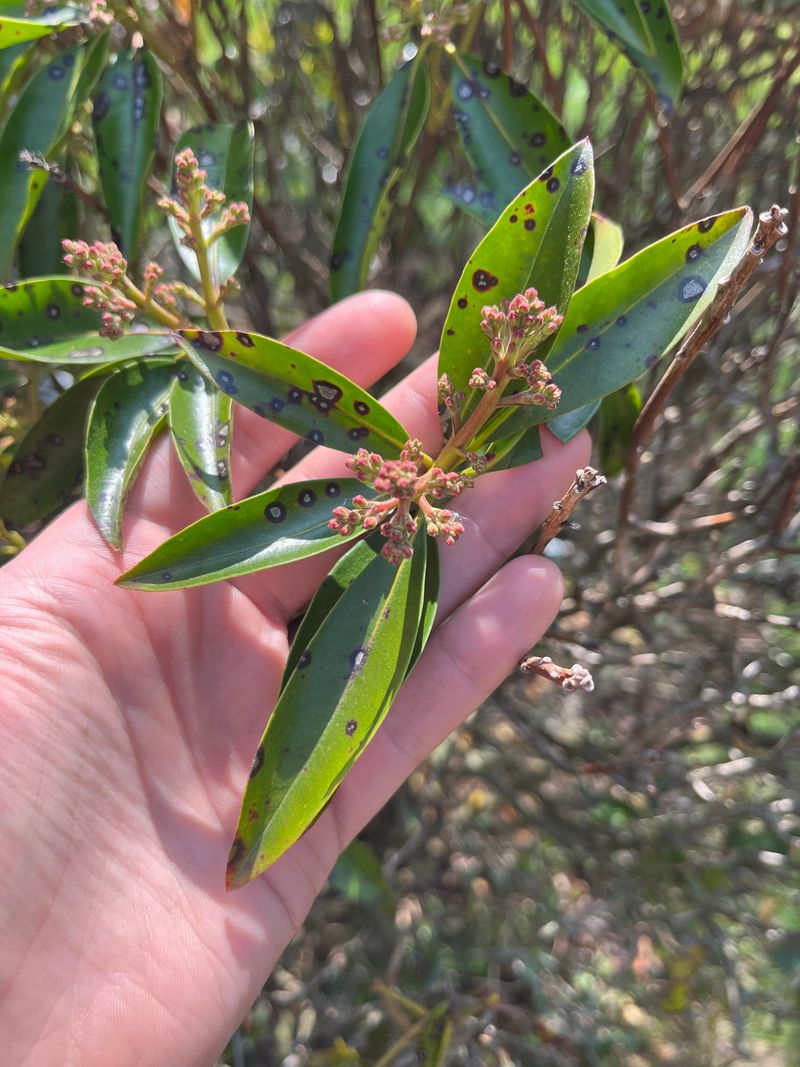
Fresh off the nursery truck or just moved from one spot in your yard to another, mountain laurel can go through a tough adjustment period.
Transplant shock is real, and it’s one of the most overlooked reasons why a mountain laurel won’t bloom in Pennsylvania, especially during its first year or two in a new location.
When mountain laurel is moved, its root system gets disturbed. The plant suddenly has to work hard to re-establish itself in unfamiliar soil while also managing water and nutrient uptake with a compromised root system.
During this recovery phase, blooming is simply not a priority for the plant. It’s focused entirely on survival and getting its roots back into a stable rhythm.
Pennsylvania gardeners sometimes panic when a newly planted mountain laurel skips its first blooming season. But patience is the most important tool here.
Most healthy mountain laurels begin blooming reliably once they’ve had one to three years to settle into their new home. Rushing the process with extra fertilizer or excessive watering often makes things worse, not better.
The best way to minimize transplant shock is to plant mountain laurel in early fall or early spring when temperatures are mild. Water it consistently but not excessively during the first growing season.
Mulching around the base with two to three inches of shredded bark helps retain moisture and keeps soil temperatures stable. Avoid pruning a newly transplanted shrub for at least the first full year.
Give it time, keep conditions steady, and your Pennsylvania mountain laurel will reward your patience with beautiful blooms.