These Simple Steps Help Carrots Grow Like Crazy In Pennsylvania Gardens
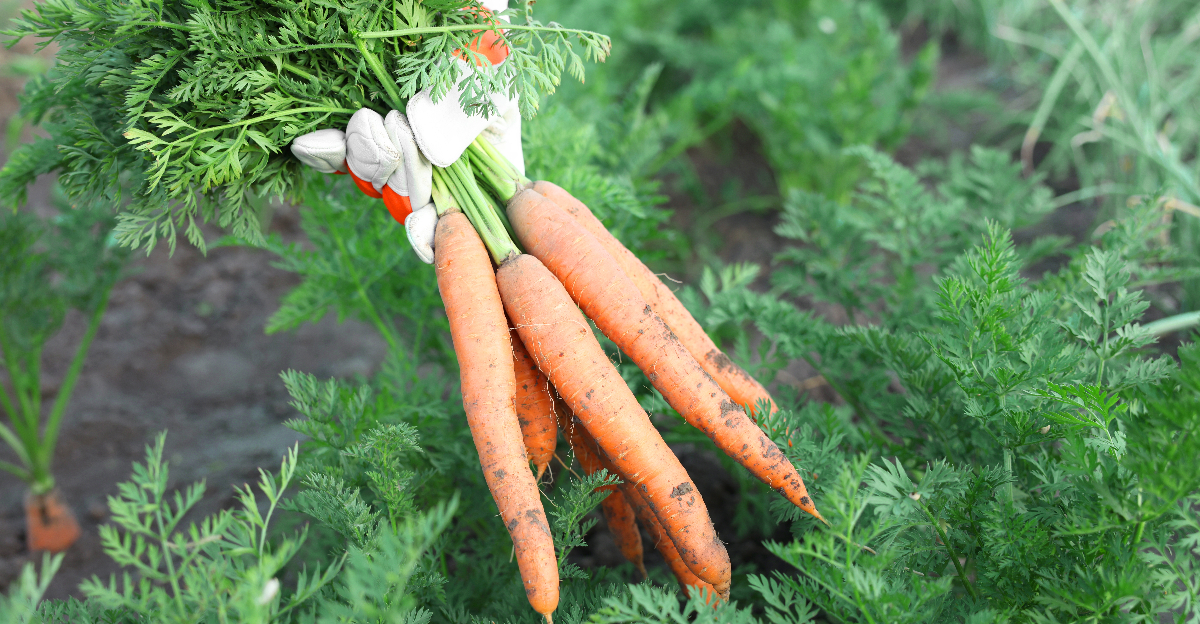
Many gardeners in Pennsylvania plant carrots and hope for the best. They sprinkle some seeds and are then surprised when they get roots that don’t resemble what they expected.
The reality is that growing carrots isn’t difficult. They just require certain conditions to really thrive, and when you provide those, they grow quickly.
Pennsylvania has a hidden advantage: the cool spring weather and the naturally fertile soil in many areas that carrots really enjoy. However, most gardeners don’t fully utilize this benefit.
By making a few easy changes to how you prepare the planting area, you can dramatically improve your harvest.
1. Loosen Deep Soil Before You Sow
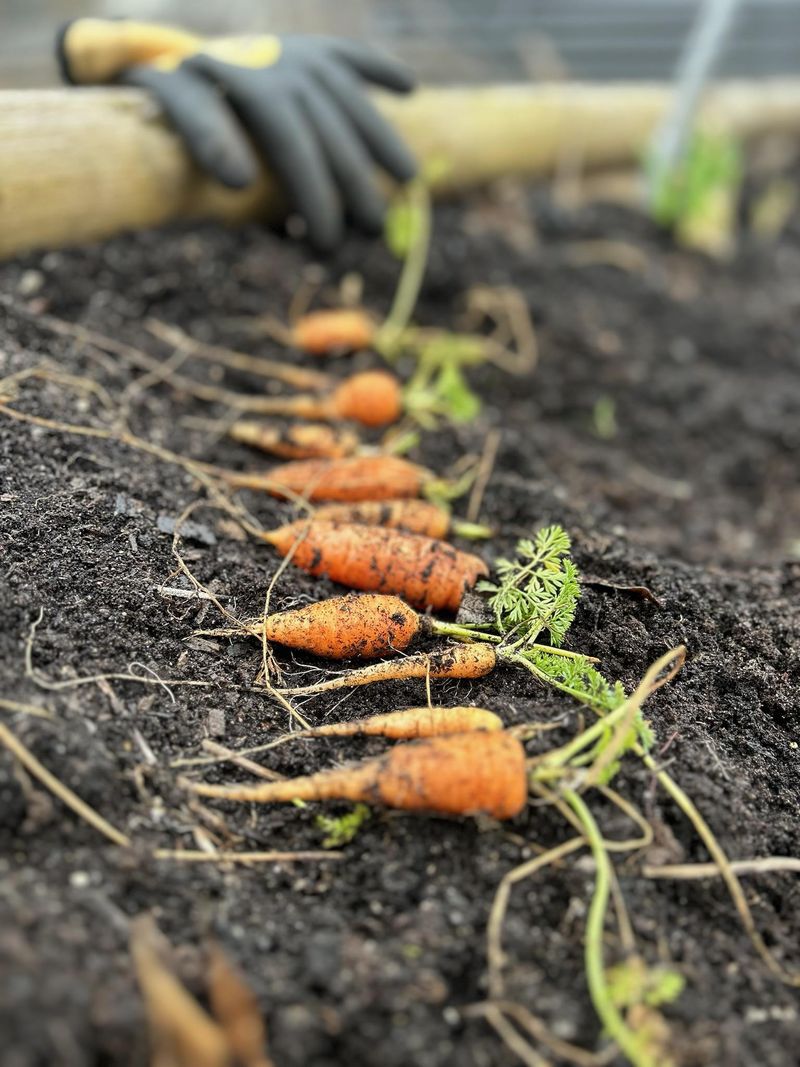
A bumpy, compacted bed is pretty much a carrot’s worst enemy. These are root veggies. Their main job is to push down through the ground, and dense soil makes that job feel like an obstacle course. Roots can fork, twist, and even give up too soon.
The good news? You don’t need any fancy tools to achieve this. A garden fork or spade that goes down 12 inches does the job. Make sure to break apart every clump you come across.
Sneaky hard layers can redirect a root sideways before you even realize it. Sandy loam is usually the best choice because it stays naturally loose. Clay soil can be good too, but it requires more effort.
If you loosen it well and add some organic matter, it can really help. Raised beds are also totally worth the setup effort for gardeners dealing with tough native soil. The bottom line: give your carrots a clear path down, and they will love it.
2. Plant Carrots During Cool Spring Weather
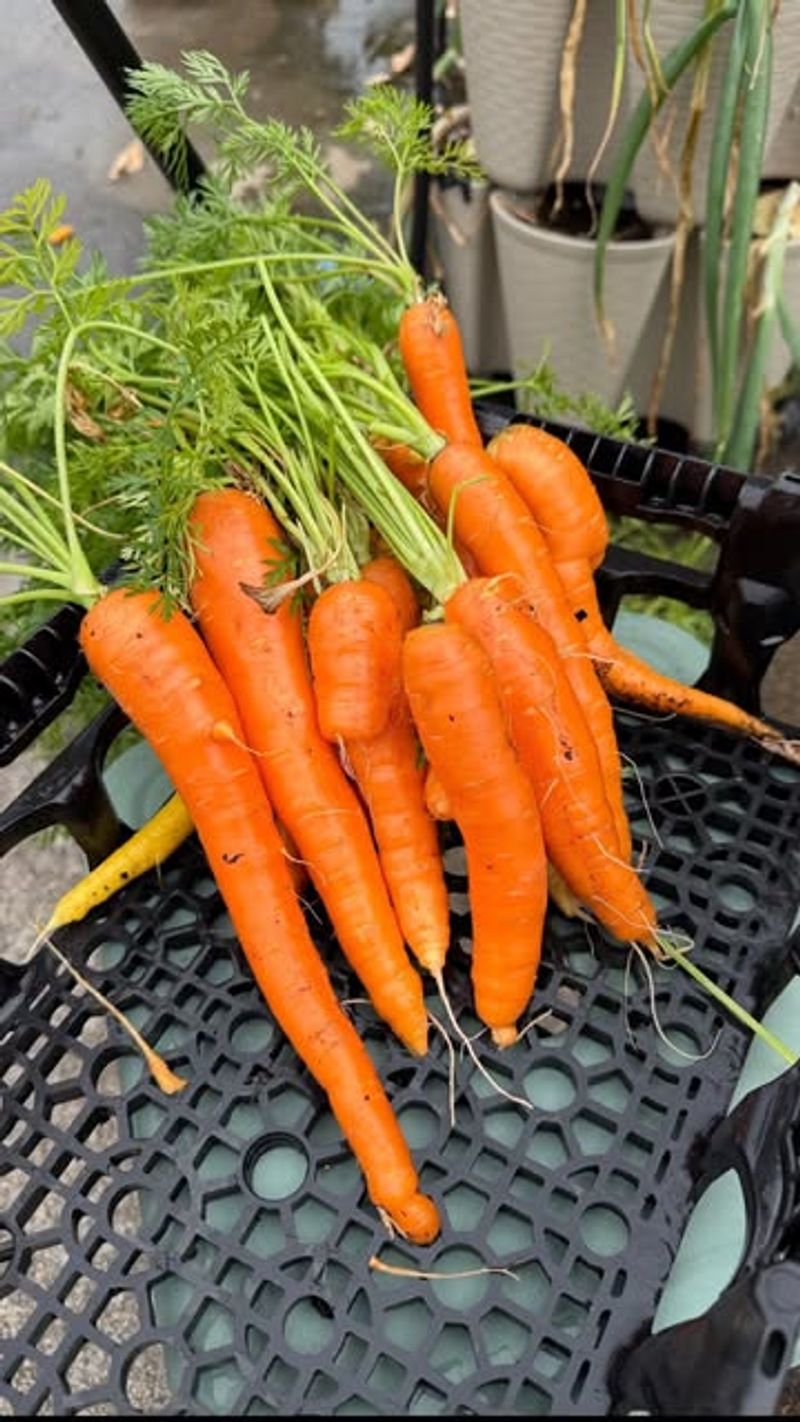
Pennsylvania’s spring weather is like a blessing for carrot farmers. Carrots prefer cooler seasons, and they do best when the temperatures are moderate.
If you plant them during the hot summer, you’ll end up with slow germination, weak roots, and a lot of frustration. April is the perfect time for planting in Pennsylvania. The temperature of the soil is the key factor.
Carrot seeds can sprout in soil as cool as 45 degrees Fahrenheit, but they really thrive when the temperature is between 60 and 70 degrees. Cool weather has another important benefit. It encourages the plant to accumulate more sugars in the root.
Carrots that are grown in the spring and harvested in the fall are usually sweeter than those grown in the hot summer months. However, if you miss the spring planting time, don’t worry. Sowing seeds in late summer can still lead to a good fall harvest.
Many gardeners often grow two crops each season, ensuring they have fresh carrots from April all the way through autumn.
3. Clear Stones So Roots Grow Straight
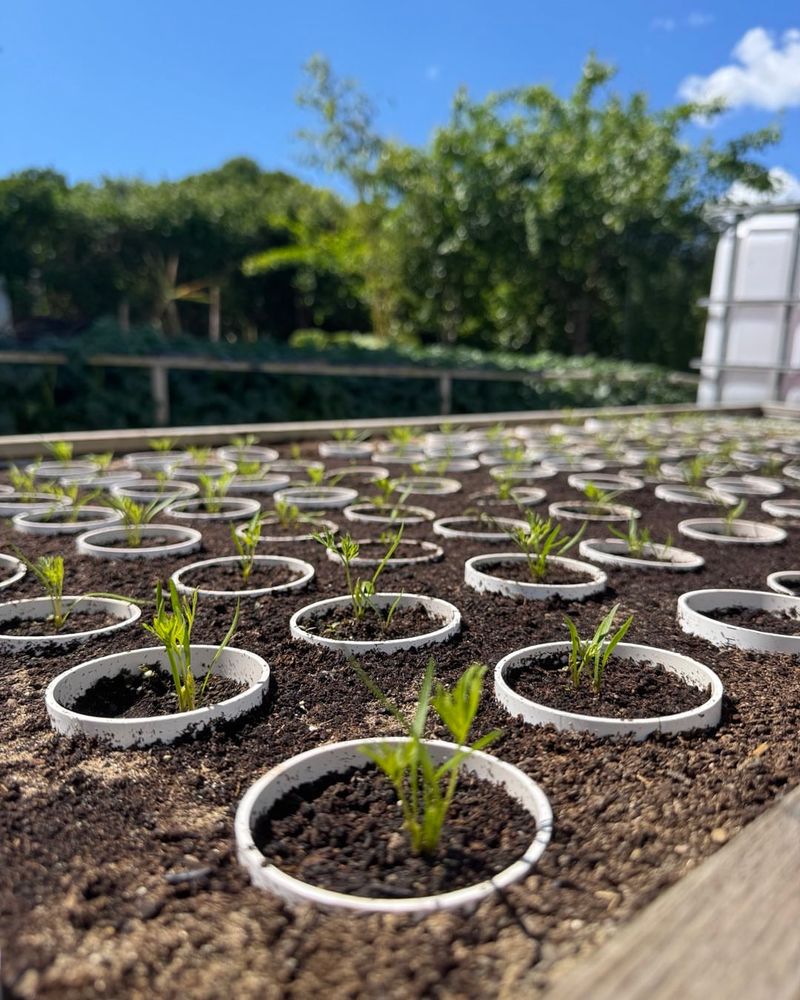
Rocky soil and carrots don’t mix well. If there’s even one pebble or a hard clod in the wrong place, a growing root can hit a snag.
A few stones are enough to send the carrots sideways, split them in two, or cause them to wrap around the obstruction entirely.
Your Pennsylvania Garden Changes Every Week. Your Plan Should Too.
Gardening in Pennsylvania changes quickly throughout the season. Every Friday you’ll receive a simple weekly plan showing exactly what to plant, prune, fertilize, harvest, and protect so you never miss the right timing.
Before you plant any seeds, make sure to sift through the top 10 to 12 inches of your garden bed, either by hand or using a garden rake. Remove every rock, clump, and piece of debris you come across. It might seem boring, but it’s worth it.
For gardeners who have to deal with naturally rocky or heavy soil, there’s a great alternative. Raised beds filled with a special mix of topsoil, compost, and coarse sand provide roots with a clear, obstacle-free path right from the start.
Make sure to clear the way before you plant. Your carrots will grow straight, and your harvest will reflect that.
4. Keep Seeds Moist Until Sprouts Appear
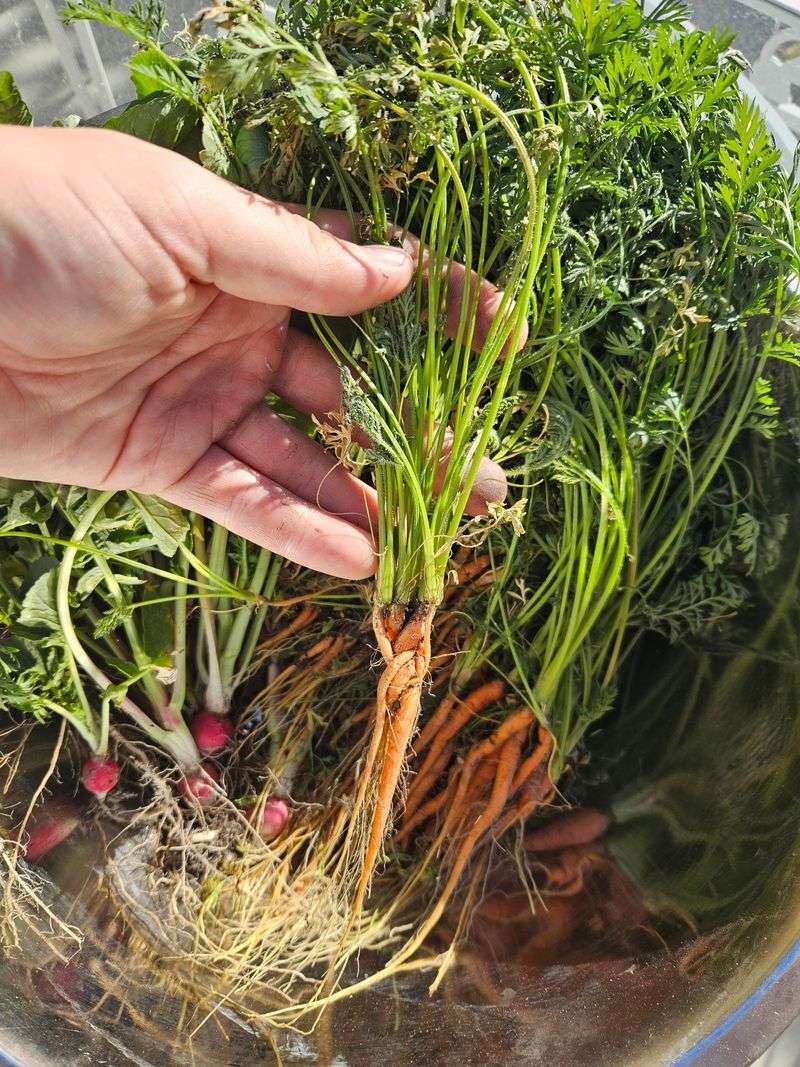
Carrot seeds are known for being really slow to germinate. Unlike bigger seeds, they require steady surface moisture to start growing their first roots into the soil.
If the bed dries out even once during this crucial time, germination can either stall or completely fail.
It’s important to keep the soil moist until the seedlings are at least 1 inch tall, which can take anywhere from one to three weeks. The tricky part, however, is watering gently enough to maintain moisture without displacing the seeds.
Using a watering can with a fine rose head or a hose with a mist setting is much more effective than a strong stream during this phase.
Some gardeners in Pennsylvania place a thin piece of burlap or row cover over the seeded area to retain moisture and reduce evaporation between waterings. Just remember to take it off as soon as you notice the first green shoots breaking through.
Checking the bed every day is also a smart practice during germination. Lightly press a finger into the soil surface; if it feels dry at all, give it a drink. Keeping consistent moisture during this time is key to establishing a healthy carrot crop.
5. Thin Carrots Before They Crowd
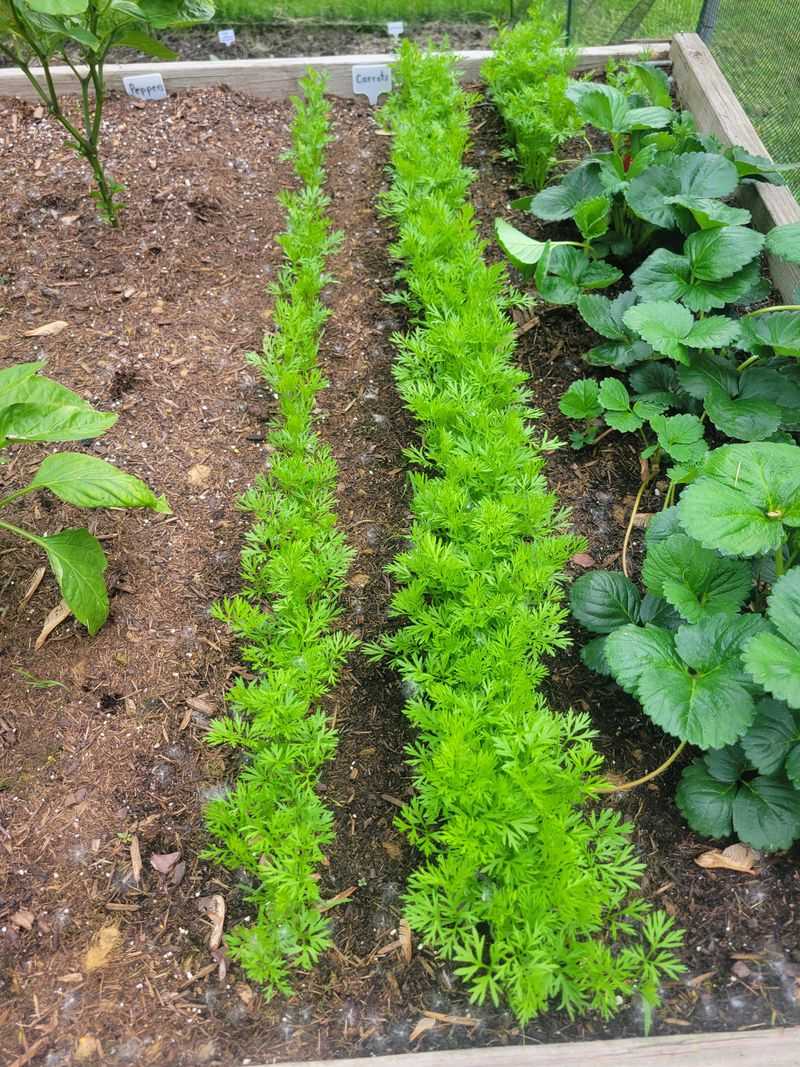
I know, removing healthy seedlings might seem wrong. But go ahead and do it anyway. Thinning is one of the most impactful steps in the whole process, and skipping it is one of the biggest reasons why harvests can be disappointing.
Carrot seeds are really small and almost impossible to space out perfectly when you plant them. When seedlings are crowded, they compete for water, nutrients, and space, and none of them really succeed.
The roots become thin, twisted, and stunted before they even get a fair chance to grow. Once the seedlings reach about 2 inches in height, go through the row and thin them out to be 2 to 3 inches apart. Use small scissors to snip at soil level instead of pulling them out.
Tugging can disturb the roots of the neighboring plants that you actually want to keep. Nothing is wasted here, either. The seedlings you thin out are edible.
You can toss them into a salad and enjoy a mild, grassy carrot flavor as a nice early-season treat. Remember: thinning isn’t a loss. It’s a trade-off. You sacrifice a few seedlings now for a truly impressive harvest later.
6. Keep Weeds Out While Carrots Get Started
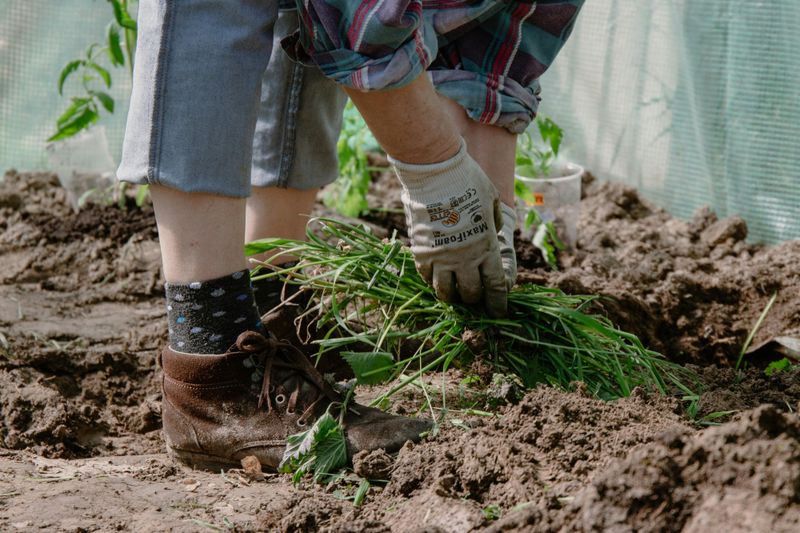
Fresh carrot seedlings are incredibly delicate. In their first few weeks, they consist of just two thin leaves that are hardly noticeable above the ground.
Weeds, however, grow without any hesitation. They emerge quickly and begin to take away water and nutrients before your carrots can establish themselves.
Remember, the first month is crucial. If you keep up with the weeds during this time, your carrots actually stand a good chance. If you fall behind, the harm could be done before you even realize it.
The safest way to remove weeds near the row is by hand. Using tools can accidentally cut the roots of your young plants without you knowing. It’s best to pull weeds when they are small, when the soil is damp, and be careful around your seedlings.
Wait to use heavy mulch until your seedlings are a few inches tall. If you apply it too soon, it can hinder their growth.
Once the plants are established, a light layer of straw or shredded leaves serves two purposes: it keeps weeds down and helps retain moisture in the soil. A neat garden bed in the spring leads to a fruitful harvest. It’s really that simple.
7. Rotate Beds To Protect Soil Health
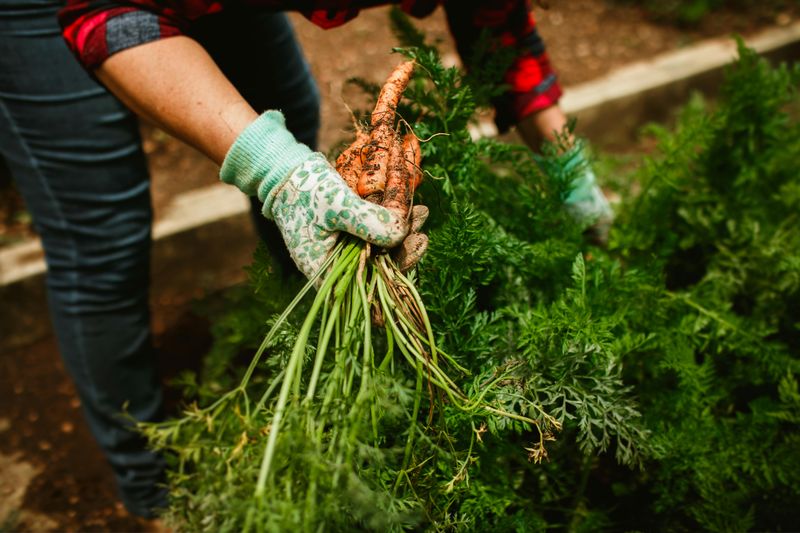
What you grew last season is just as important as what you plant this time around. If you keep planting carrots in the same spot every year, it can drain specific nutrients and attract pests that specifically target that crop.
This process happens slowly, which is why many gardeners don’t realize that the decline in their plants is linked to this repetition.
However, the good news is that crop rotation can solve this problem. By moving plant families to different areas of the garden each season, the soil has a chance to recover in between plantings.
Carrots are part of the Apiaceae family, which includes parsley, dill, and celery. If you rotate this entire group together, make sure not to plant them in the same spot more than once every three to four years.
The system doesn’t have to be complicated. You can divide your garden into three or four sections. Then, move each plant family according to a yearly schedule.
If you stick with this method over several seasons, you’ll see the benefits add up. You’ll have better soil and stronger harvests.
8. Add Compost Based On Soil Needs
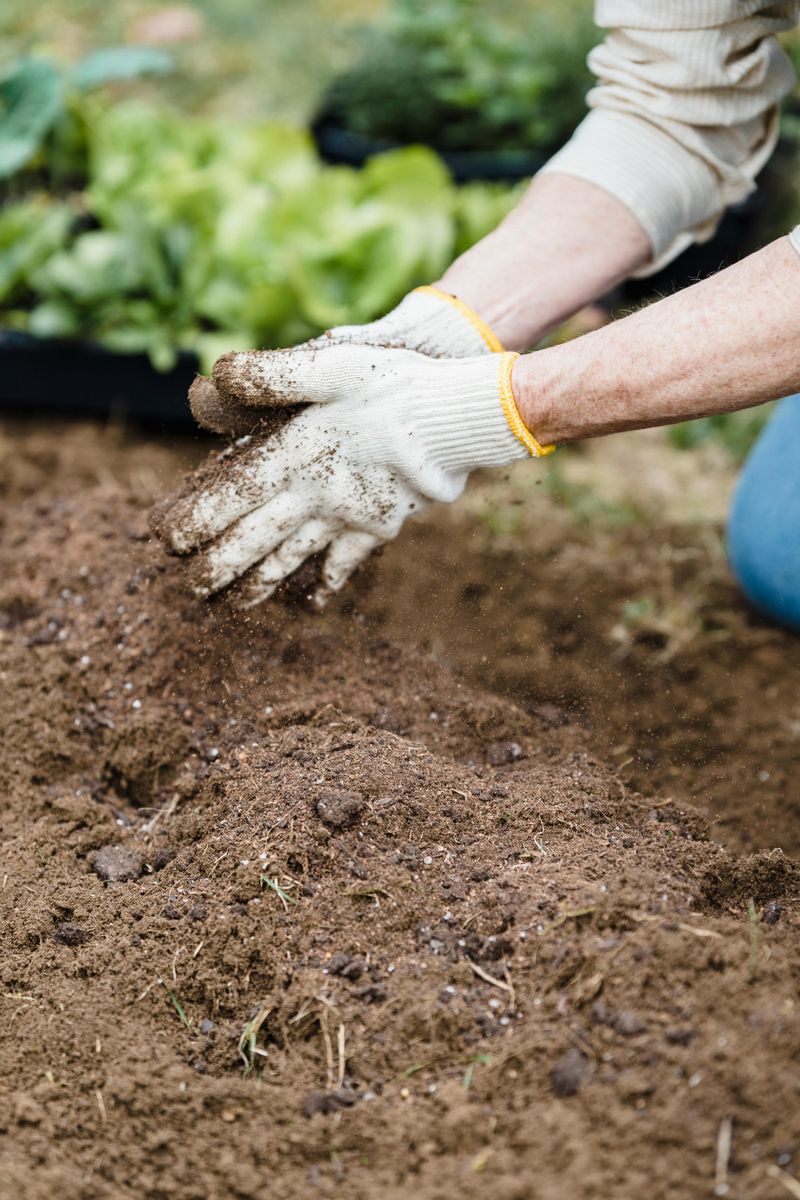
Compost is one of the most effective tools for vegetable gardeners. However, it can be easy to use too much.
If you add too much organic matter to a carrot bed, especially if it’s fresh compost, it can lead to many issues. The plant will focus its energy on growing green tops while ignoring the roots.
The best approach is to listen to your soil and understand its needs. A simple soil test can eliminate any guesswork.
It will reveal what nutrients your garden has, what it lacks, and what you can avoid adding this season.
For most gardens, adding a one to two inch layer of well-aged, finished compost into the top few inches before planting is sufficient. This practice enhances soil structure, nourishes beneficial microbes, and aids in moisture retention without disrupting the plant’s balance.
Is your soil already rich in organic matter? Your soil test will indicate that. In that case, you can skip the compost for that season.
Remember, compost is a tool. It’s better if you use it according to your soil’s actual needs rather than out of habit. And that’s how your carrot bed will thrive!