Here’s How April Weather In North Carolina Shapes Hydrangea Blooms
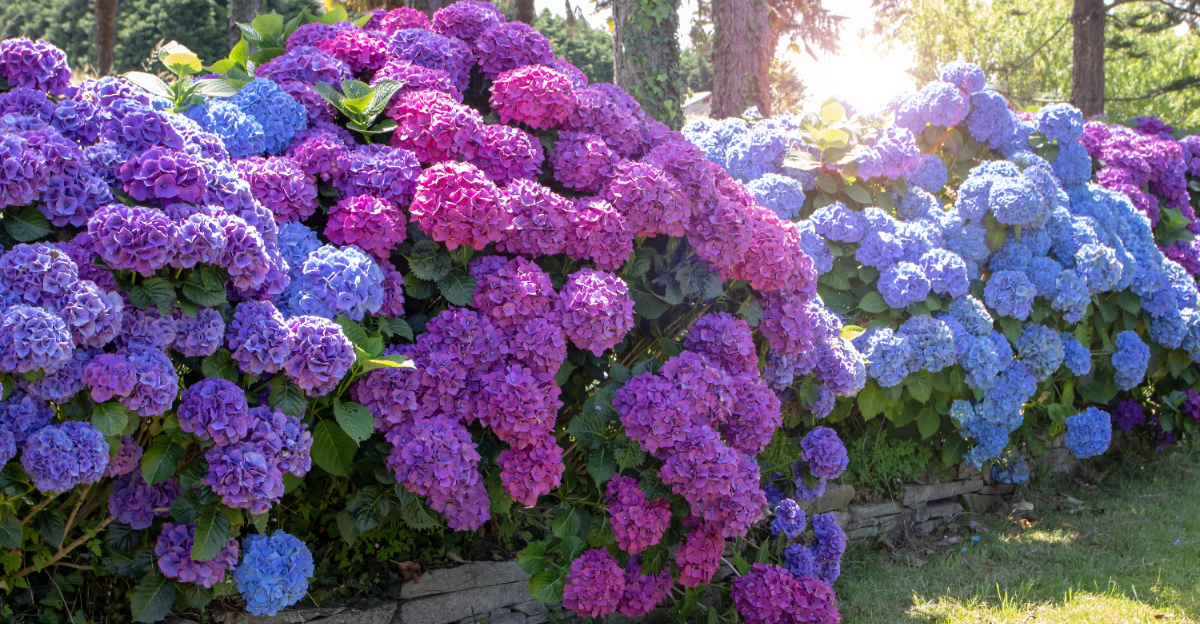
April weather can quietly decide what kind of hydrangea season North Carolina gardeners end up with. A few warm weeks can push out tender new growth early, while a sudden cold snap can damage buds before they ever get the chance to open.
Too much rain can affect root health, and dry stretches can slow the strong start these shrubs need in spring. That is why hydrangeas can look amazing one year and disappointing the next, even when they seem to get the same care.
In North Carolina, April often brings the shifts that matter most. This is the month when blooms are being shaped long before they appear.
For gardeners hoping for big color and healthy plants, it helps to understand how spring weather affects bud growth, bloom timing, and overall plant strength. What happens in April can echo through the entire hydrangea season.
1. Warm April Days Can Wake Buds Up Too Early
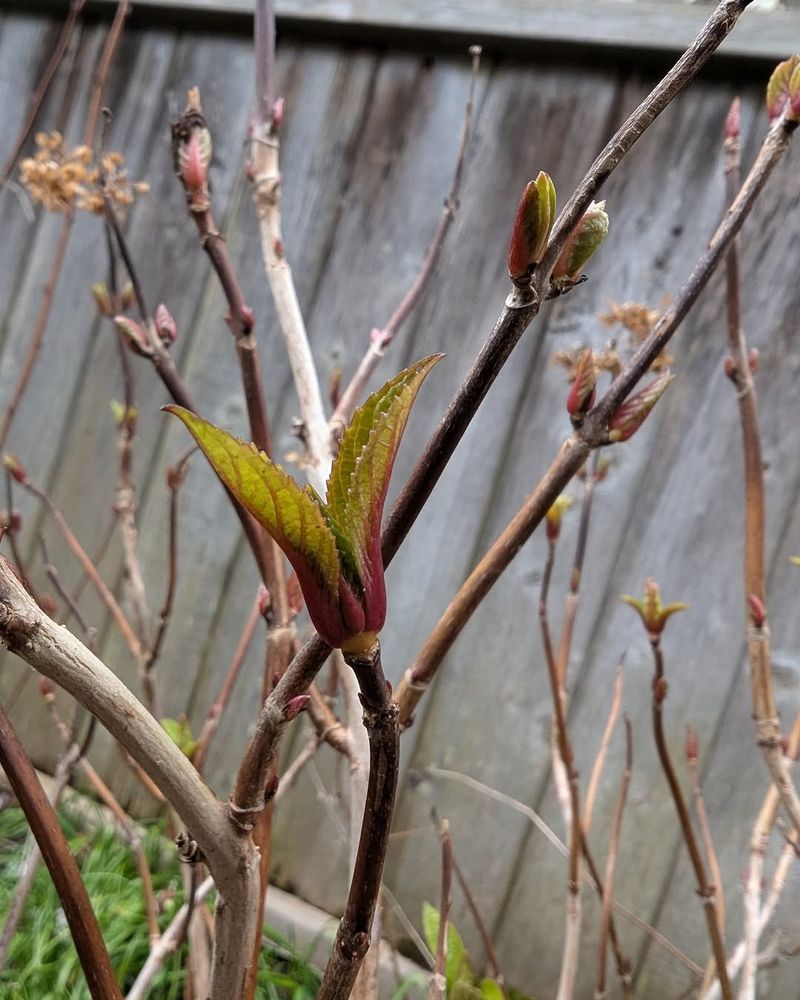
Something quietly exciting happens in North Carolina gardens when April delivers an unusually warm stretch of days. Hydrangea buds that have been resting through winter start to swell and push open faster than most gardeners expect.
That early surge of energy can feel like great news, but it comes with a real catch that is worth paying attention to.
Bigleaf and oakleaf hydrangeas carry their flower buds on older stems from the previous season. When warm temperatures arrive ahead of schedule, those buds break open and become exposed to whatever weather comes next.
If the warmth holds steady, things can go beautifully, but North Carolina springs are not always predictable.
Across the Piedmont, the Coastal Plain, and especially the mountain regions, spring warming does not happen at the same pace. Coastal areas may warm up faster, while mountain gardens stay cooler and more protected from early warmth.
Gardeners in the Piedmont often experience the most dramatic swings, where a warm week can be followed by a cold snap that catches open buds off guard.
Watching your local forecast closely during April is one of the smartest habits you can build. If a warm spell arrives early, consider keeping frost cloth nearby just in case temperatures drop again after buds begin opening.
Being prepared can make a big difference in how your hydrangea bloom season unfolds.
2. Late Frost Can Change The Whole Bloom Season
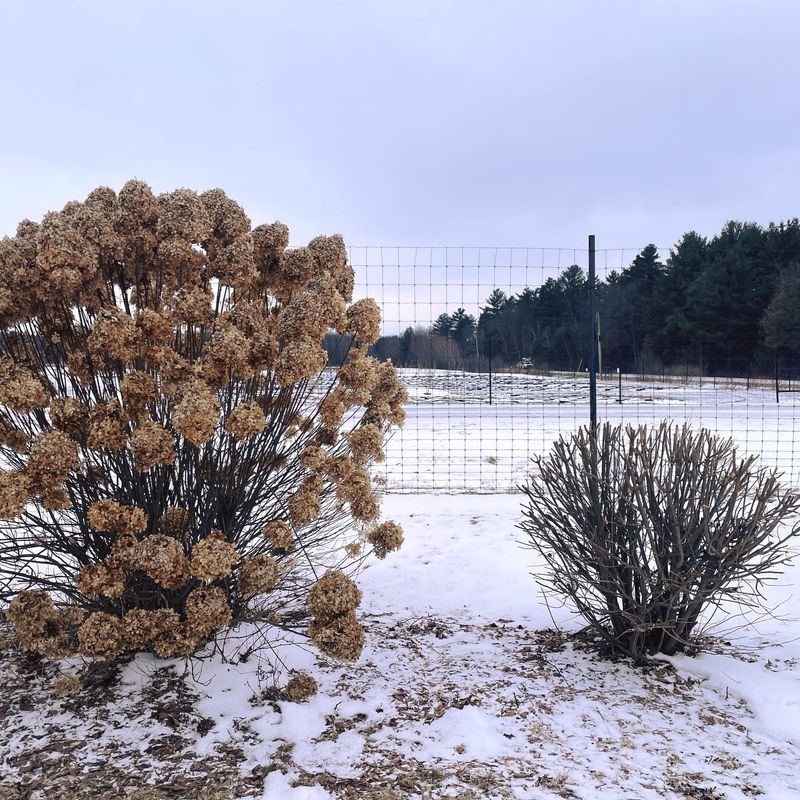
Few things are more frustrating for a gardener than watching hydrangea buds open up in April, only to have a surprise frost roll in overnight.
Late frost events in North Carolina are more common than many people realize, especially in inland and mountain areas where cold air can settle into low spots after a stretch of warmer days.
Hydrangeas that bloom on old wood, like the popular bigleaf varieties, set their flower buds before spring even arrives. By the time April temperatures start climbing, those buds are already swelling and reaching for the light.
A cold snap at that stage can reduce blooming significantly, sometimes cutting the flower count for the entire season.
Your North Carolina Garden Changes Every Week. Your Plan Should Too.
Gardening in North Carolina changes quickly throughout the season. Every Friday you’ll receive a simple weekly plan showing exactly what to plant, prune, fertilize, harvest, and protect so you never miss the right timing.
Mountain regions in North Carolina tend to feel this pattern most strongly. Higher elevations stay cooler longer, and temperature swings between day and night can be dramatic well into April.
Even in the Piedmont, a warm week followed by a frosty night is not unusual, so gardeners there should stay alert.
Protecting your plants during a late frost warning does not have to be complicated. Covering hydrangeas with a light frost cloth or old bedsheet overnight can shield those precious buds from damage.
Removing the cover the next morning once temperatures rise again keeps air and light flowing freely. A little preparation during April can protect the whole bloom season ahead.
3. Old Wood Hydrangeas Feel April Weather The Most
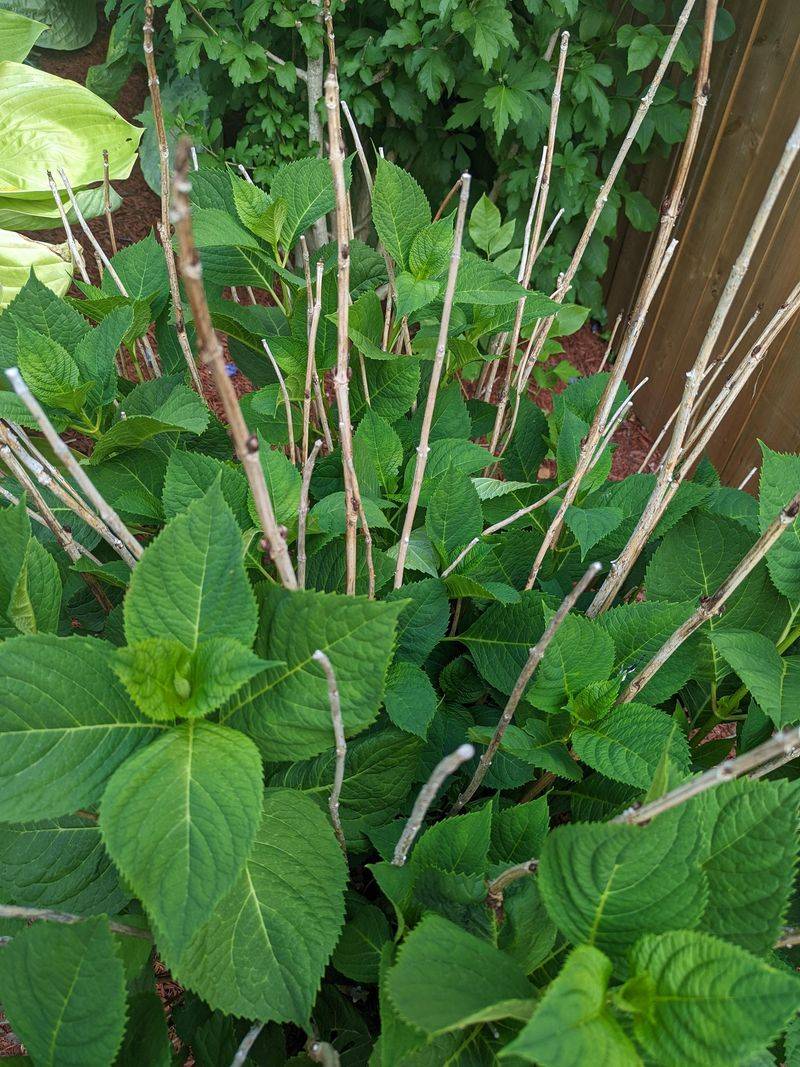
Not all hydrangeas respond to April weather the same way, and the ones that feel every temperature shift the most are those that bloom on old wood.
Bigleaf hydrangeas and oakleaf hydrangeas both fall into this category, and they are also two of the most popular varieties grown across North Carolina.
Old wood simply means the stems that grew and matured during the previous season. Those stems carry the flower buds that will open later in spring and early summer.
Because those buds are already present when April begins, whatever the weather does during this month directly affects whether they survive and develop properly.
A warm April that stays consistent gives old wood buds the best chance to progress smoothly. But if temperatures bounce around unpredictably, as they often do across the Piedmont and mountain areas of North Carolina, those buds can struggle.
Gardeners who notice that their bigleaf hydrangeas rarely bloom reliably may be experiencing this exact pattern without realizing it.
One helpful step is to avoid pruning old wood hydrangeas in fall or early spring, since cutting those stems removes the buds before they ever get a chance. Letting the plant hold onto its older stems through winter and into April gives the buds the best possible start.
Paying attention to how your specific variety responds to spring conditions each year helps you learn what your garden truly needs.
4. New Wood Types Handle Spring Setbacks Better
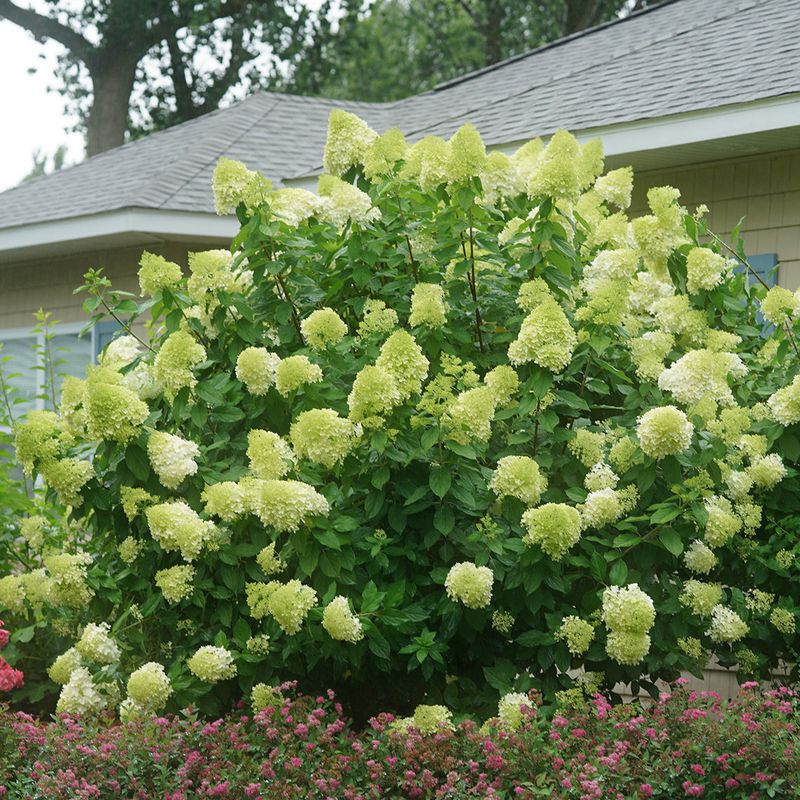
While old wood hydrangeas can be vulnerable to April weather surprises, there is another group of hydrangeas that handles spring setbacks with much more ease.
Smooth hydrangeas and panicle hydrangeas bloom on new wood, meaning they produce their flower buds on fresh growth that emerges each spring season.
Because these varieties build their blooms from scratch every year, a rough April does not carry the same weight. Even if cold snaps or frost events affect the plant early in the season, new stems will continue pushing out and forming buds as conditions improve.
That built-in flexibility makes them a reliable choice for gardens where spring weather can be unpredictable.
Across North Carolina, especially in areas where late cold is a recurring issue, smooth and panicle hydrangeas have earned a loyal following among gardeners who want dependable blooms. The Annabelle smooth hydrangea and the Limelight panicle hydrangea are two well-known examples that consistently perform well even after a difficult spring.
Choosing new wood varieties does not mean giving up on beautiful blooms. These plants produce stunning flower heads that can last well into summer and even into fall.
If your garden sits in a spot where April frosts show up regularly, mixing in at least one or two new wood hydrangea varieties gives you a reliable bloom anchor no matter what the season brings. North Carolina gardeners often find this strategy works beautifully.
5. Rainy April Weather Can Push Leaf Growth More Than Flower Power
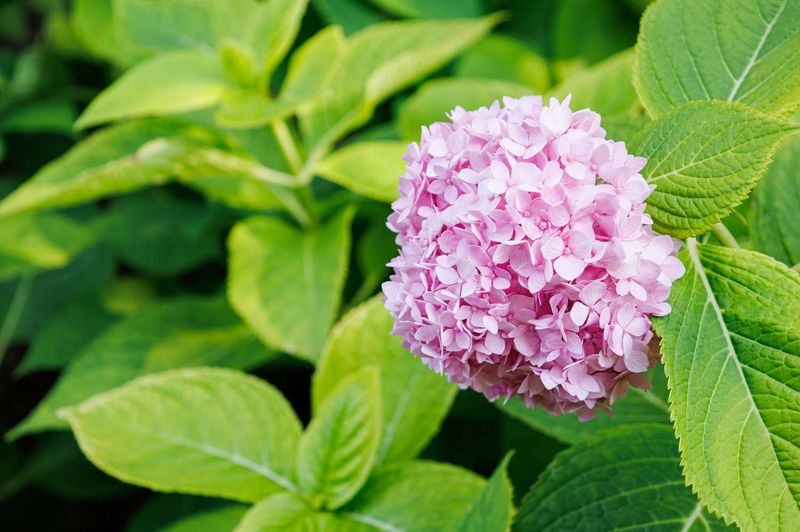
April in North Carolina often brings generous rainfall, and hydrangeas absolutely soak it up. Moisture during this month supports strong root activity and encourages new stems and leaves to push out with real energy.
Watching a hydrangea bush fill out during a rainy April can feel incredibly satisfying for any gardener paying attention.
However, cool and consistently cloudy April weather can tip the plant’s energy more toward leafy growth than toward building flowers.
When sunlight is limited for extended stretches, photosynthesis slows down, and the plant focuses on producing foliage rather than developing buds.
This is a natural response, but it can leave gardeners wondering why their plants look so full yet produce fewer blooms later on.
Too much damp weather combined with poor airflow also creates conditions that favor fungal issues, especially in crowded garden beds or spots with heavy shade.
Hydrangeas growing in tight spaces with limited air circulation are more likely to struggle when April stays wet and overcast for long periods.
Spacing plants properly and avoiding overly shaded locations helps reduce these risks considerably.
Thinning nearby shrubs or trimming overhanging branches to let more light reach your hydrangeas is a simple step that can make a real difference. Even a few extra hours of sunlight each day during April can shift the plant’s focus back toward blooming.
North Carolina gardeners who pay attention to light and airflow tend to see much stronger bloom results as the season progresses.
6. Mountain, Piedmont, And Coastal Plain Gardens Do Not Move At The Same Speed
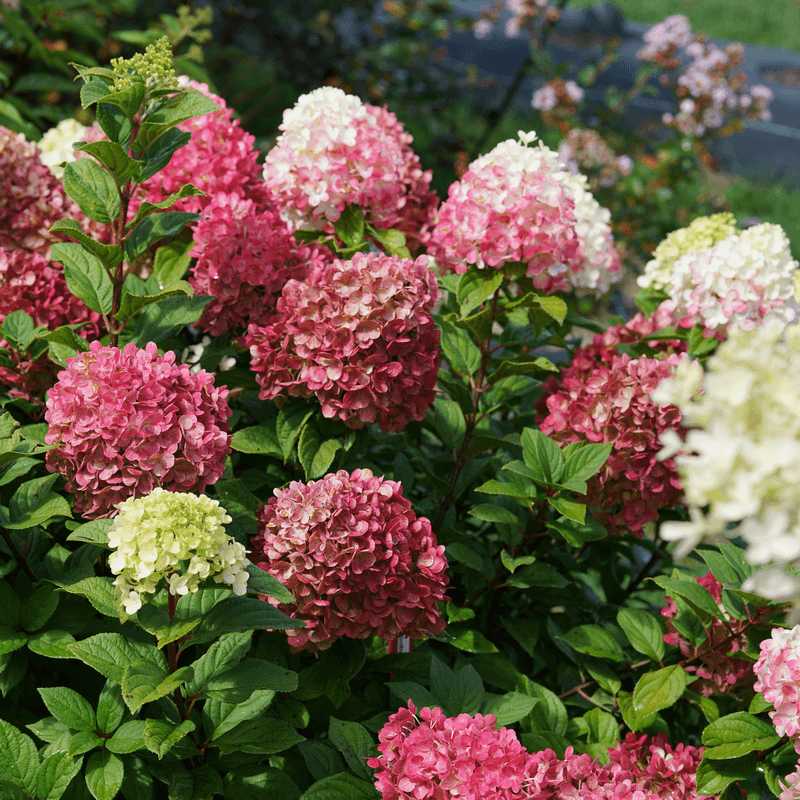
North Carolina is a state with remarkable geographic variety, and that variety shows up clearly in how April weather affects hydrangeas from one region to the next.
The mountains, the Piedmont, and the Coastal Plain each follow their own spring rhythm, and hydrangeas in each zone respond on very different timelines.
Mountain gardens in western North Carolina stay cooler well into April, which actually offers some protection for old wood buds. The slower warming pace means buds break later and are less likely to be caught off guard by a sudden cold snap.
That said, mountain areas can also see frost well into late April, so the risk never fully disappears during this month. The Piedmont sits in the middle, both geographically and climatically.
Spring temperatures here can swing dramatically from week to week, which makes April one of the most unpredictable months for hydrangea growers in cities like Charlotte, Greensboro, and Raleigh.
Bud development can start early and then stall if a cold front moves through.
Along the Coastal Plain, warming happens faster and more consistently. Hydrangeas in eastern North Carolina often show active bud development earlier in April than their mountain counterparts, and frost risk drops off sooner.
Knowing which region your garden sits in helps you set realistic bloom expectations and time any protective measures correctly. Regional awareness is one of the most underused tools in a North Carolina gardener’s toolkit.
7. April Weather Often Decides Whether A Hydrangea Bloom Show Starts Strong Or Stalls
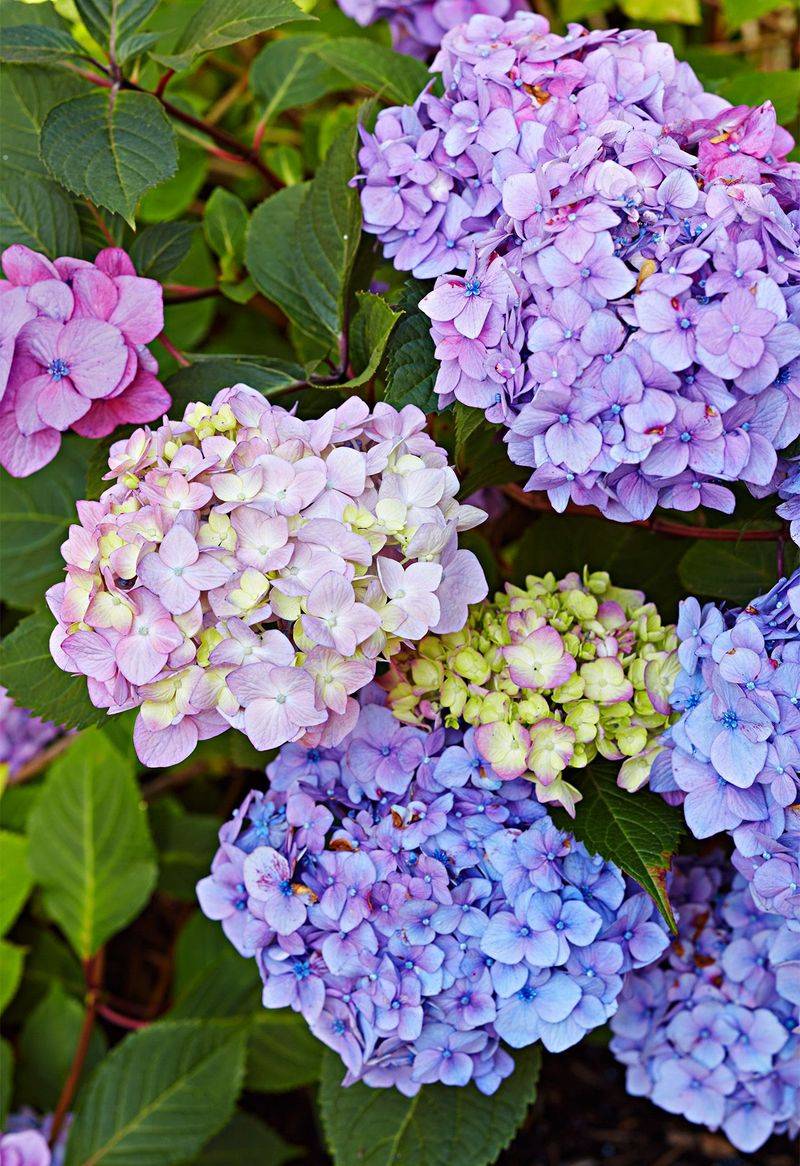
When gardeners look back at a great hydrangea season, April is almost always where the story really began. The combination of temperatures, rainfall, frost timing, and sunlight during this one month sets the foundation for everything that follows.
A favorable April in North Carolina can lead to a bloom season that feels almost effortless, while a rough April can leave even experienced gardeners scratching their heads in June.
Warm spells that arrive and hold steady give old wood buds the encouragement they need without exposing them to unnecessary risk.
Adequate rainfall supports deep root health and stem development, while enough sunny days keep the plant focused on building flowers rather than just leaves.
When all of those factors line up, the results can be spectacular across North Carolina gardens.
Frost risk during April is the wild card that keeps many gardeners on edge. Even one late frost event at the wrong moment can reduce bloom coverage on bigleaf and oakleaf hydrangeas for the entire season.
Varieties that bloom on new wood sidestep this concern, which is why mixing hydrangea types in your garden gives you a more reliable overall display.
Paying close attention to April conditions each year, keeping frost protection on hand, choosing the right varieties for your region, and understanding how your specific garden handles spring weather all add up to better results. April in North Carolina is not just another spring month.
For hydrangea lovers, it is the month that shapes everything that comes next.