Bird Feeders Can Bring Rats To Michigan Yards And Here’s What Really Causes The Problem
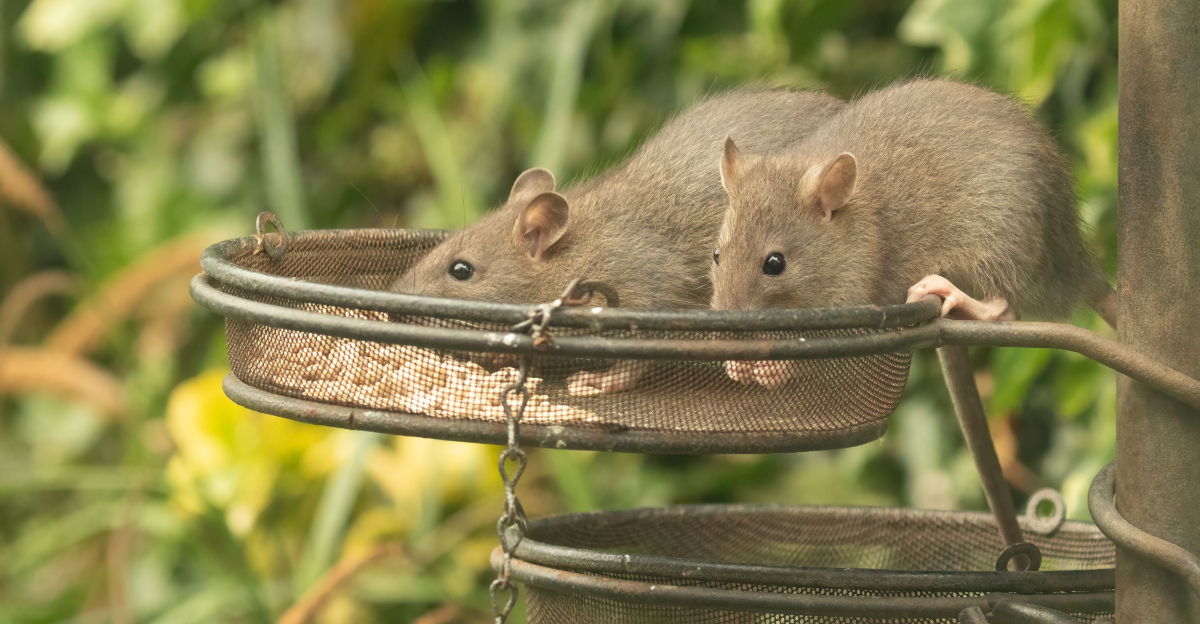
A bird feeder may seem like a simple way to bring more life into a Michigan yard, but it can also invite the wrong kind of visitors.
Many homeowners are shocked when rats start showing up near areas meant for birds, especially when the feeder itself seems harmless. The real problem usually is not the feeder alone.
It is everything that comes with it, like spilled seed, easy shelter, and a steady food source that keeps pests coming back.
Once rats find a spot that gives them what they need, they do not leave in a hurry. That is what makes this issue so frustrating for people who only wanted to enjoy birds in the first place.
In Michigan yards, the trouble often starts with small habits that seem harmless at first, but quickly turn a backyard bird setup into a place rats are happy to claim.
1. It’s The Spilled Seed, Not The Birds
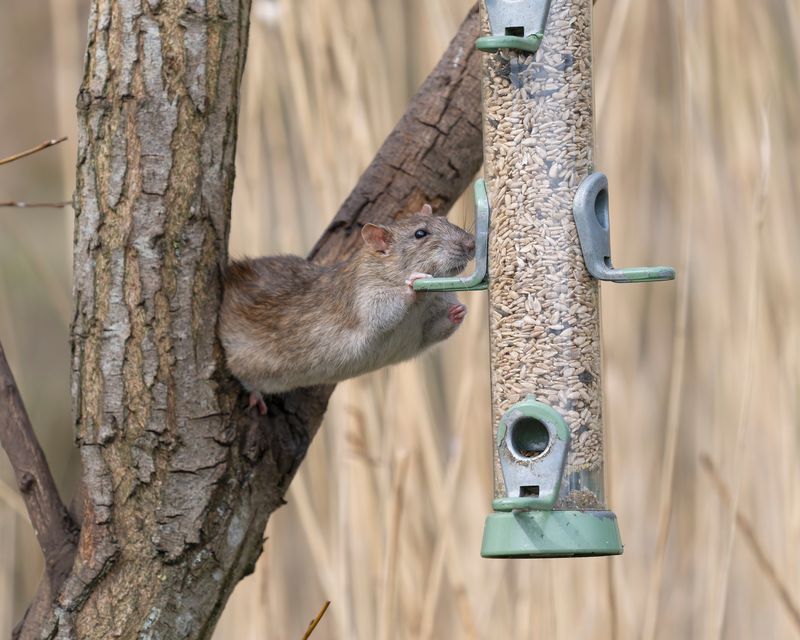
Many Michigan homeowners are shocked to discover rats near their feeders, but here is the truth: the birds are not the ones luring rodents in.
The real magnet is the spilled seed sitting on the ground beneath your feeder, waiting to be eaten.
Norway rats, known scientifically as Rattus norvegicus, are the most common rat species found across Michigan, and they are always looking for an easy, high-calorie meal. Bird feeders create a steady stream of dropped seed throughout the day.
Every time a bird lands, grabs a bite, and tosses aside what it does not want, that rejected seed piles up fast.
Over time, a thick layer of uneaten seed can build up under a feeder without anyone noticing until rats have already moved in.
Norway rats are smart, adaptable, and incredibly good at finding food sources close to the ground. A pile of seed under a feeder is basically a free buffet for them.
Removing the spilled seed regularly is one of the most powerful steps Michigan gardeners can take to break the cycle.
Raking or sweeping beneath your feeder every day or two makes the yard far less attractive to rodents looking for an easy snack.
2. Rats Are Already Present In Many Michigan Areas
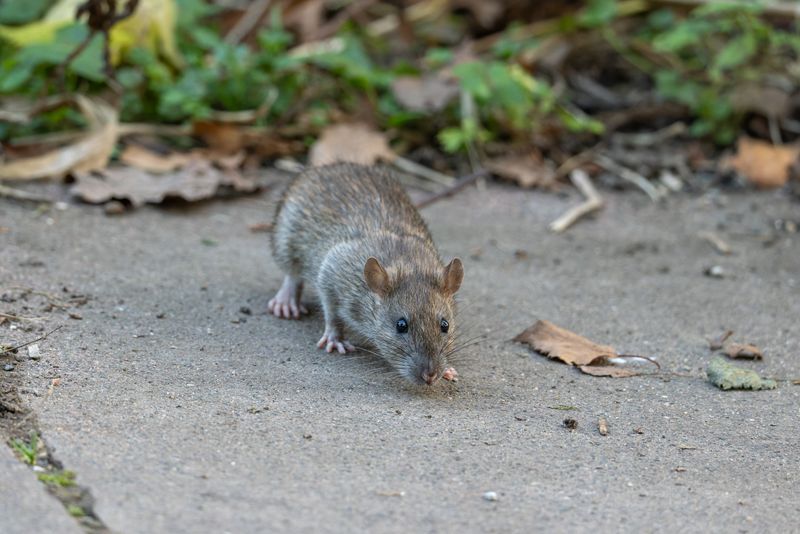
Here is something that might surprise you: rats probably do not travel miles just because you put up a new bird feeder.
In most urban and suburban areas across Michigan, rats are already living nearby, tucked behind woodpiles, inside dense shrubs, or beneath old decks and sheds.
They are quiet, cautious, and very good at staying out of sight. What a bird feeder actually does is give rats already in the neighborhood a reason to stick around.
Instead of moving on in search of food, they find a reliable, easy source right in your yard and settle in.
Once they feel comfortable and well-fed, they reproduce quickly, which is when a small problem turns into a much bigger one.
Cities like Grand Rapids, Lansing, and Detroit have seen growing rat populations in residential neighborhoods over recent years.
Your Michigan Garden Changes Every Week. Your Plan Should Too.
Gardening in Michigan changes quickly throughout the season. Every Friday you’ll receive a simple weekly plan showing exactly what to plant, prune, fertilize, harvest, and protect so you never miss the right timing.
Older neighborhoods with mature trees, thick landscaping, and older home foundations give rats plenty of places to hide and nest.
Simply being aware that rats may already be close to your property is an important first step.
Managing your feeder setup thoughtfully means you are not adding fuel to a fire that may already be smoldering just a few feet away from your garden.
3. Cool Spring Weather Ramps Up Rat Activity Around Feeders
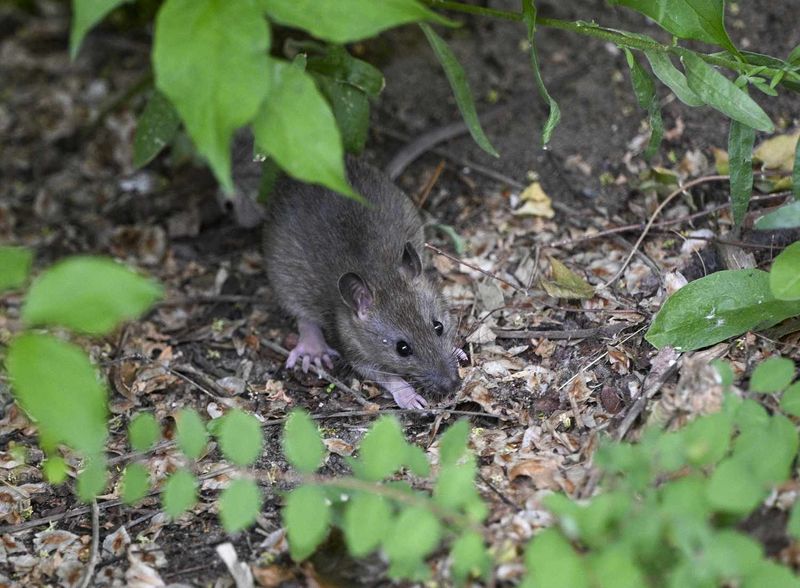
Early spring in Michigan is a tricky time for wildlife. Snow is melting, temperatures are still cold, and natural food sources are almost nonexistent.
For rats, March and April can be genuinely tough months, which is exactly why they become so much more active around backyard bird feeders during this period.
After a long Michigan winter, rats that have been surviving on stored scraps or minimal food are hungry and highly motivated to find anything edible. A bird feeder loaded with seed is almost impossible for them to resist.
The combination of food scarcity and a reliable ground-level food source creates the perfect storm for rodent activity to spike right when gardeners are starting to enjoy their yards again.
Many Michigan homeowners notice signs of rodent activity in spring without connecting it to their feeders.
Disturbed soil, small burrow holes near garden beds, and disappearing seed overnight are all clues worth paying attention to.
Increasing how often you clean up beneath your feeder during these months makes a real difference.
Switching to a no-waste seed blend during early spring can also reduce the amount of material that ends up on the ground, cutting off the easy food supply that rats count on during the leanest weeks of the year.
4. Feeding Habits Of Birds Lead To A Lot Of Waste
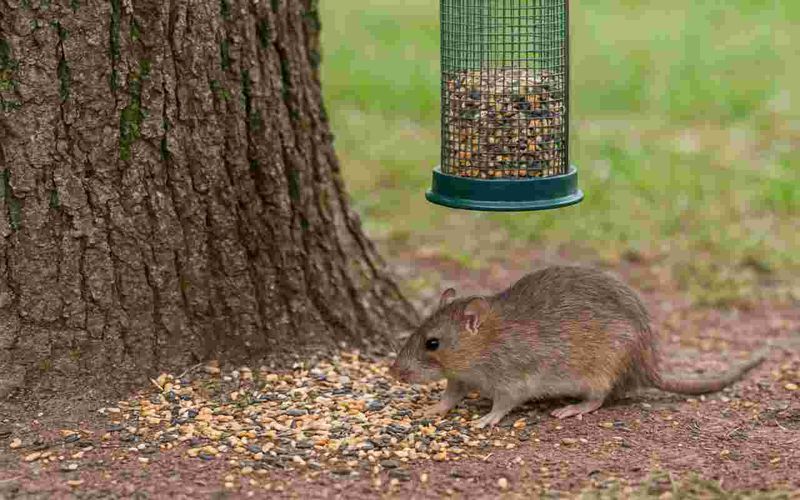
Watch your backyard feeder for just a few minutes and you will notice something pretty quickly: birds are messy eaters.
Species like the Northern cardinal and house sparrow are especially guilty of tossing seeds around as they search for their preferred pieces.
It is completely natural behavior, but it creates a steady supply of food on the ground that most people never think much about.
Cardinals crack open seeds and drop the hulls, while sparrows scratch and flick through mixed seed looking for the bits they actually want.
Over the course of a single day, a busy feeder in a Michigan yard can drop a surprising amount of seed onto the ground below.
Multiply that by a week or two, and you have a significant pile building up without much effort. The birds themselves are not doing anything wrong, of course. Managing the mess they leave behind is simply part of responsible feeder ownership.
Placing a wide seed-catching tray beneath your feeder is one of the easiest ways to intercept fallen seed before it hits the ground.
Cleaning that tray every couple of days keeps things tidy and removes the easy food source before rats get a chance to discover it. A little extra effort goes a long way toward keeping your Michigan yard rodent-free.
5. Certain Seed Types Make The Rat Problem Much Worse
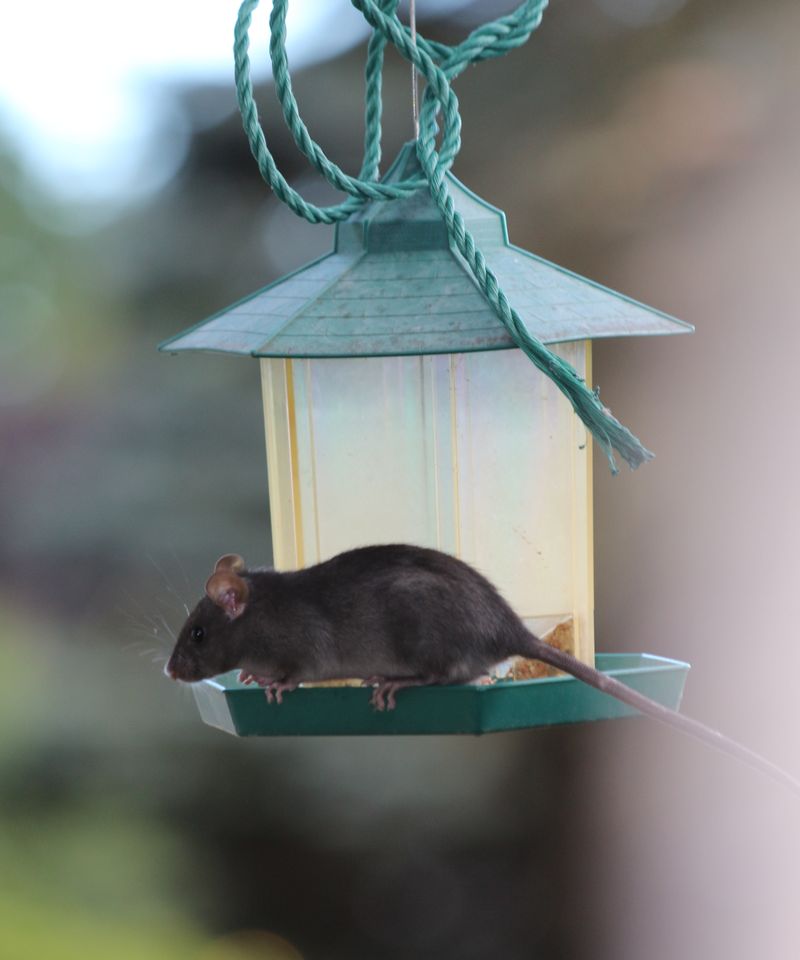
Not all bird seed is created equal, and the type you choose actually has a big impact on how much waste ends up on your yard. Budget seed mixes are often packed with fillers like millet, milo, and cracked corn.
Most backyard birds in Michigan have little interest in these ingredients, so they toss them aside almost immediately, and that rejected seed goes straight to the ground.
Cracked corn is a particular problem because it is inexpensive, commonly added to cheap mixes, and almost irresistible to rats. Milo, a small round grain, is another filler that birds frequently discard.
When these ingredients pile up under a feeder week after week, they create a consistently available food source that keeps rats coming back regularly. Switching to a higher-quality seed makes a noticeable difference.
Hulled sunflower seeds, also called sunflower hearts, are eaten almost entirely by birds with very little waste left behind. Safflower seeds are another great option that many Michigan backyard birds enjoy.
Spending a little more on better seed actually saves you trouble in the long run because there is far less material hitting the ground.
Fewer crumbs on the ground means far fewer reasons for a hungry rat to visit your yard and set up camp beneath your feeder.
6. Feeder Placement Can Make Rats Feel Right At Home
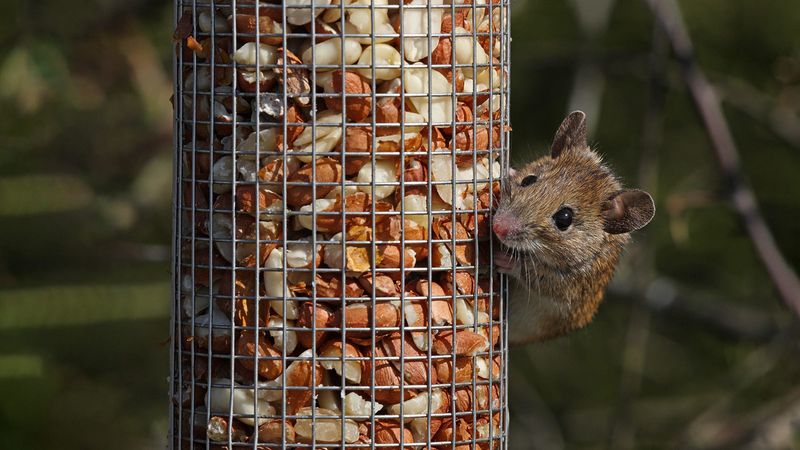
Where you hang your bird feeder matters more than most people think. Placing a feeder close to your deck, the side of your house, or thick shrubs gives rats exactly what they need: food and shelter in the same convenient location.
Rats are cautious animals that feel safest when they can dart in, grab food, and retreat to cover within seconds.
A feeder positioned right next to a dense evergreen bush or a stack of firewood basically rolls out the welcome mat for rodents.
Michigan gardeners who notice rat activity often find that the feeder is within just a few feet of a structure or heavy vegetation where rats can nest and hide safely.
Moving the feeder even ten to fifteen feet away from these sheltered spots can make a surprisingly big difference.
Experts generally recommend placing feeders in open areas where rats feel exposed and vulnerable. Open ground without nearby cover makes rats uncomfortable because they prefer to avoid wide, visible spaces.
Positioning your feeder on a pole in the middle of a lawn, away from fences, decks, and bushes, reduces the sense of safety that encourages rats to linger.
Michigan gardeners who make this simple adjustment often find that rodent activity around their feeders drops noticeably within just a few weeks of moving things around.
7. Night Feeding Activity Is A Clear Rodent Warning Sign
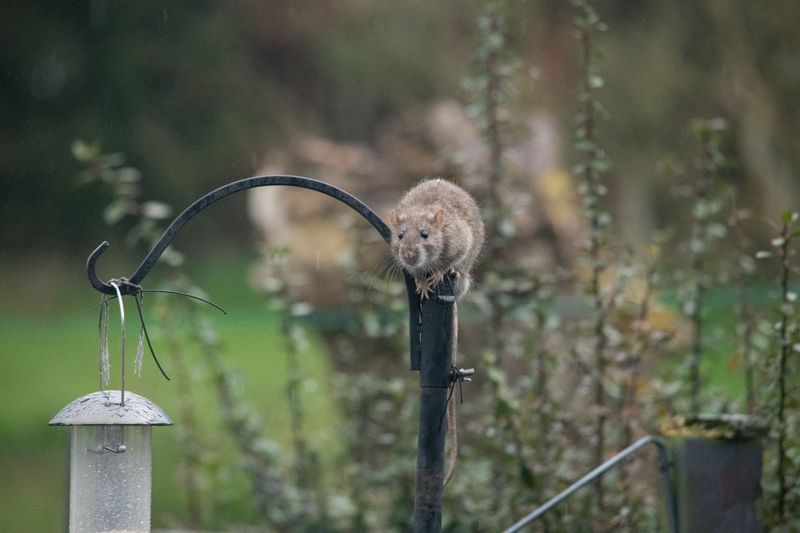
Rats are nocturnal creatures, which means they do most of their eating and exploring after the sun goes down.
If you notice that your feeder seems to empty faster than usual overnight, or if you spot disturbed ground and small digging marks beneath it in the morning, those are strong signals that rats have found your yard.
Many Michigan homeowners mistake this overnight activity for squirrels at first, but squirrels are active during the day, not at night.
Checking beneath your feeder each morning is a smart habit to develop. Fresh digging, small tunnels, and runways pressed into the grass or soil are all telltale signs of rat activity.
Some gardeners also notice small droppings near the feeder base, which is another clear indicator that something with four paws has been visiting after dark.
One very effective strategy is bringing your feeder indoors at night, or at least removing the seed from it before sunset.
Rats quickly learn when and where food is available, so cutting off their nighttime access disrupts the routine they have built around your feeder.
Motion-activated lights near the feeder can also discourage nocturnal visitors, since rats prefer darkness and tend to avoid brightly lit areas. Michigan gardeners who combine these nighttime strategies often see results remarkably fast.
8. Simple Changes Prevent Most Bird Feeder Rat Problems
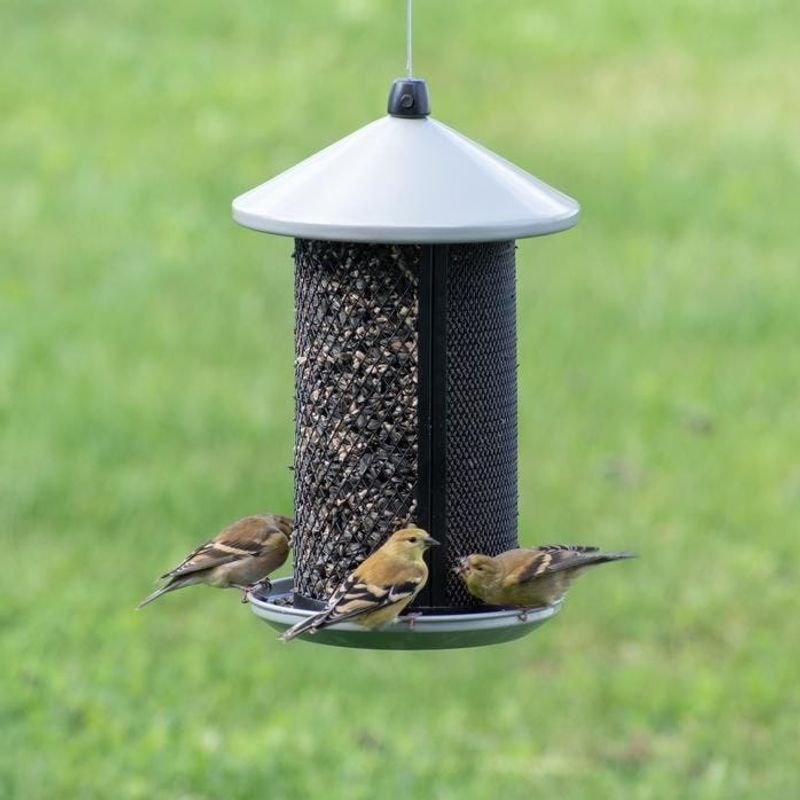
The great news for Michigan bird lovers is that you do not have to choose between enjoying your feeder and keeping rats away.
A handful of practical changes can solve the problem without making bird feeding complicated or stressful. Starting with the right seed is one of the biggest wins.
Hulled sunflower seeds leave almost no waste behind because birds eat the entire seed, leaving nothing for rats to scavenge from the ground.
Adding a seed-catching tray to your feeder setup is another smart move that many Michigan gardeners swear by.
These trays attach beneath the feeder and catch dropped seed before it reaches the ground. Cleaning the tray every two to three days keeps seed from building up and going stale.
Raking or sweeping the area beneath your feeder regularly removes any material that does slip through.
Storing your bird seed in a sealed metal container rather than a plastic bin is also worth doing, since rats can chew through plastic with ease.
Bringing feeders inside at night removes the overnight food source that nocturnal rats rely on. Choosing an open placement away from structures, as mentioned earlier, rounds out a solid prevention plan.
Put these steps together and most Michigan gardeners find that they can keep feeding the birds they love without rolling out an accidental welcome mat for neighborhood rats.