What Georgia Camellias Need In March To Support Healthy Blooms
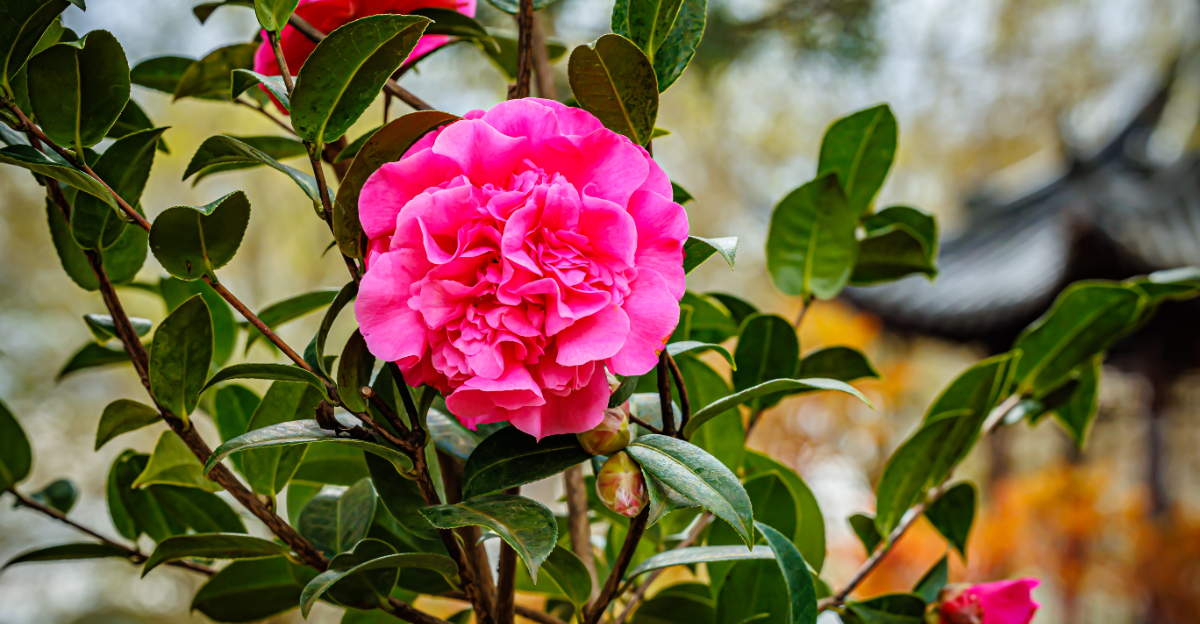
Camellias can look perfectly fine one week, then start dropping buds or fading faster than expected the next. That is why March matters so much in Georgia.
As the weather starts to shift and spring picks up speed, small changes in care can make a real difference in how these shrubs bloom and how well they hold up for the rest of the season.
A lot of Georgia gardeners assume camellias are mostly done once buds open, but this part of the season still plays a big role in what happens next.
From moisture levels to cleanup to a few easy habits people often overlook, March is a good time to pay closer attention before bigger spring growth begins.
If your camellias did not bloom quite the way you hoped or you just want them looking their best, now is the time to step in and help them along.
1. Water Deeply As New Growth Starts
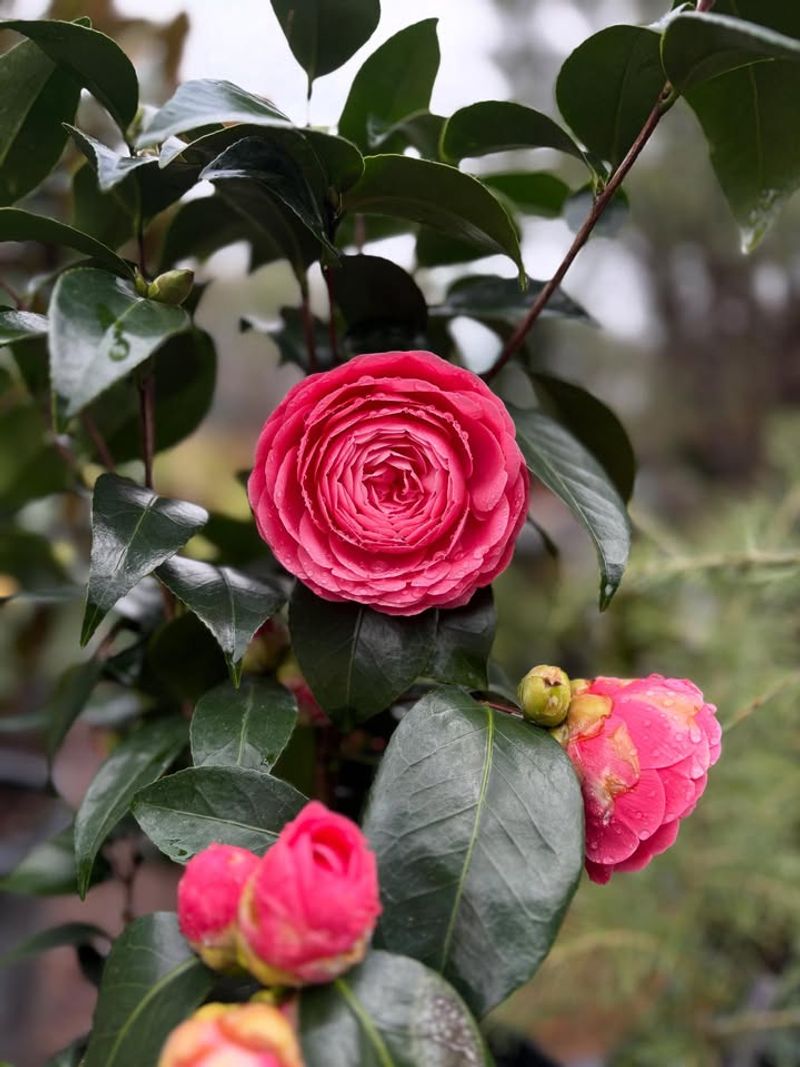
Roots need more than a surface rinse when new growth kicks in. As temperatures start climbing across Georgia in March, camellias shift into an active phase where shallow watering just won’t cut it.
Getting water down to the root zone is what actually counts.
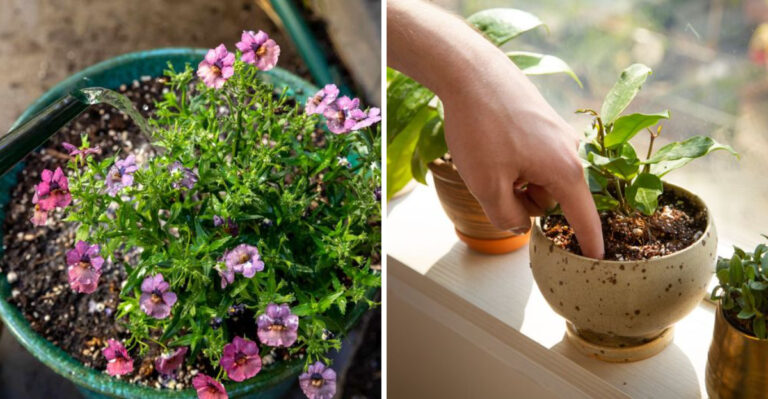
Aim for about one inch of water per week, but don’t water on a strict schedule without checking the soil first. Stick your finger two inches into the ground near the base of the plant.
If it feels dry, it’s time to water. If it still feels damp, hold off another day or two.
Watering in the morning works better than watering at night. Foliage that stays wet after dark can invite fungal problems, especially during Georgia’s humid spring weather.
Letting the leaves dry out during daylight hours cuts that risk significantly.
A slow, deep soak beats a quick spray every time. Use a soaker hose or hold your garden hose at the base and let water run slowly for several minutes.
You want it to seep down rather than run off the surface.
Camellias planted in sandy Georgia soils may need watering more often than those in clay-heavy spots, since sandy ground drains faster. Pay attention to how your specific soil behaves and adjust from there.
Consistent moisture during this growth window sets the plant up for strong bud development heading into next season.
2. Refresh Mulch To Hold Moisture
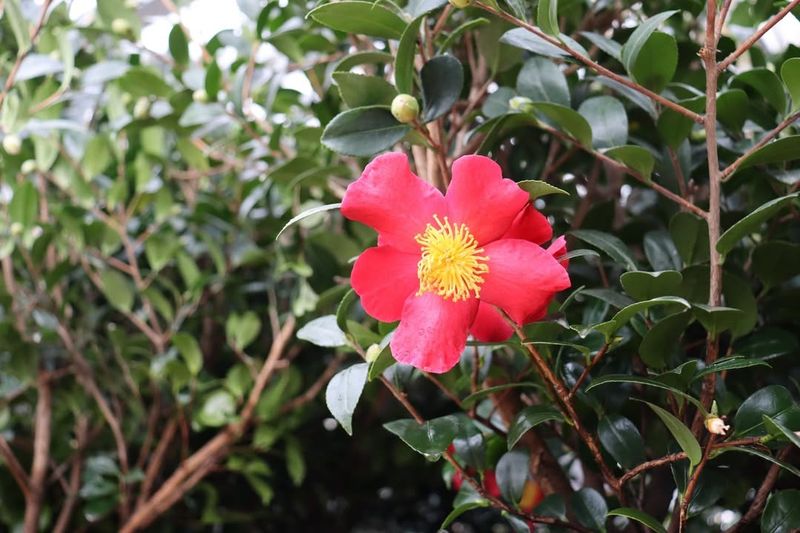
Old mulch breaks down over winter and loses a lot of its ability to hold moisture in the soil. Pulling back what’s left and adding a fresh layer in March is one of the simplest things you can do for your camellias right now.
Pine straw is a popular choice across Georgia for good reason. It’s affordable, easy to find, and as it breaks down slowly, it adds a touch of acidity to the soil, which camellias genuinely prefer.
Shredded bark or wood chips work well too if that’s what you have available.
Spread your mulch out to about three or four inches deep around the base of the plant. Keep it from touching the actual trunk, though.
Your Georgia Garden Changes Every Week. Your Plan Should Too.
Gardening in Georgia changes quickly throughout the season. Every Friday you’ll receive a simple weekly plan showing exactly what to plant, prune, fertilize, harvest, and protect so you never miss the right timing.
Mulch piled up against the bark traps moisture and can cause rot over time, which nobody wants after putting years of work into a plant.
Extend the mulch layer out to the drip line of the plant, which is roughly where the outermost branches end. Roots spread out in that direction, and keeping that area covered helps the whole root system stay cooler and more consistently moist as Georgia temperatures start rising through March and into April.
Fresh mulch also does a solid job slowing down weeds before they take hold in spring. Fewer weeds mean less competition for water and nutrients.
It’s a small task that pays off in multiple ways throughout the growing season.
3. Feed After Blooming Ends
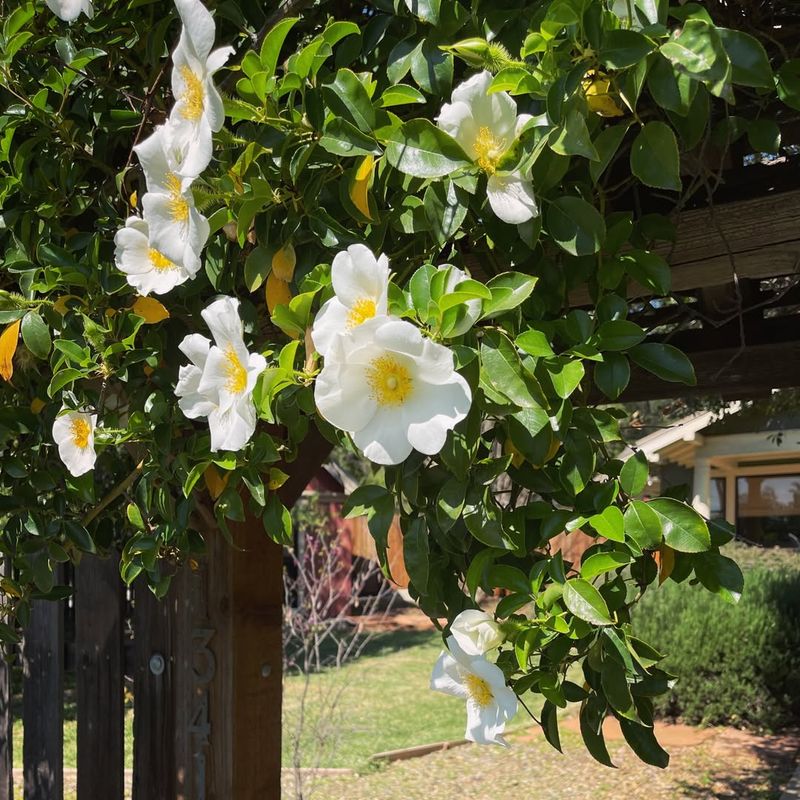
Fertilizing at the wrong time can actually work against you. Wait until your camellia has finished blooming before reaching for the fertilizer bag.
Feeding too early pushes new leaf growth at the expense of flowers still trying to open.
Once the last bloom drops, that’s your green light. Reach for a slow-release fertilizer labeled for acid-loving plants.
Products designed for azaleas or rhododendrons work great for camellias because the nutrient ratios line up well with what these plants actually need.
Scatter the fertilizer granules evenly around the drip line of the plant rather than dumping it close to the trunk. Roots absorb nutrients from the outer edges, so that’s where the fertilizer should land.
Follow whatever rate the package recommends and don’t assume more is better.
Water the area thoroughly after applying. Nutrients need to move down through the soil to reach the root zone, and dry fertilizer sitting on top of dry soil isn’t doing much good.
A solid watering right after application gets things moving in the right direction.
In Georgia’s warm climate, one feeding in spring after blooming is usually enough to carry the plant through the season. Some gardeners add a second light application in early summer, but skipping that is fine if your plant looks healthy and is putting out good growth.
Keep an eye on the leaves. Pale or yellowish foliage between the veins can signal that the soil pH has drifted too high and the plant isn’t absorbing nutrients well.
4. Remove Spent Blooms And Damaged Growth
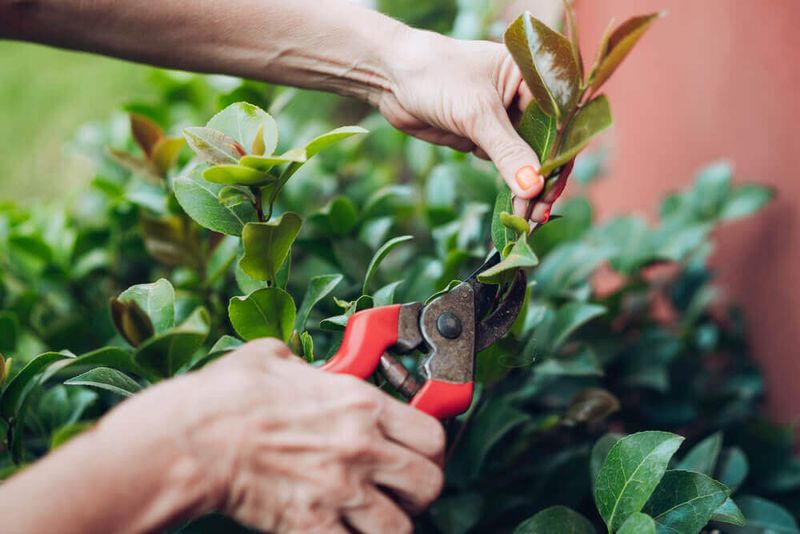
Brown, soggy blooms clinging to your camellia branches aren’t just an eyesore. Left in place, they can become a spot where fungal issues take hold, especially with Georgia’s combination of warmth and humidity rolling in through spring.
Pick off spent flowers by hand as they fade. Camellia blooms don’t always drop cleanly on their own, so a little manual cleanup goes a long way.
Toss them away from the plant rather than leaving them on the ground around the base.
While you’re at it, take a close look at the branches. Winter can leave behind some damage that isn’t always obvious until new growth starts pushing out around it.
Snap a small twig to check. Green inside means it’s alive.
Dry and brown through the center means it’s not coming back.
Clean cuts heal faster and reduce the chance of disease sneaking in through a ragged wound.
Keep this cleanup light in March. You’re not reshaping the plant right now, just removing what’s already gone.
Heavy pruning should wait until after blooming fully wraps up. Camellias set next year’s buds earlier than most people expect, so cutting too much too soon in Georgia’s spring season can cost you flowers before you even realize what happened.
5. Check Early For Scale And Pests
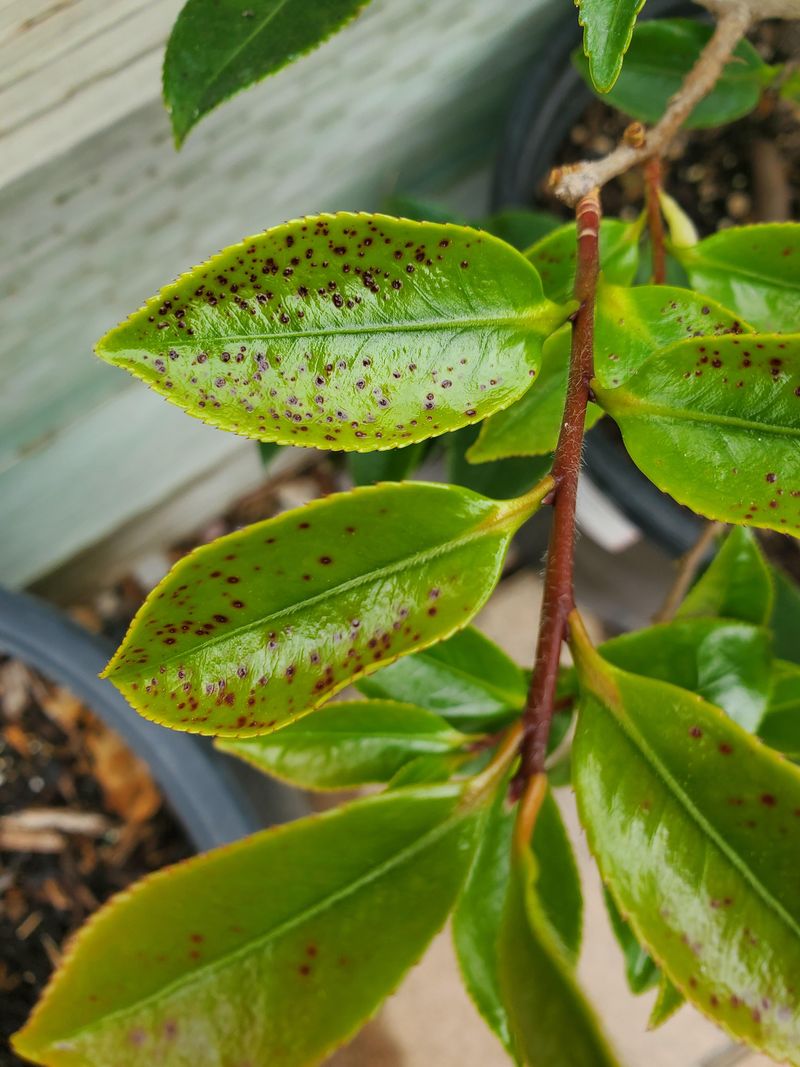
Scale insects are sneaky. They don’t move around like typical bugs, so a lot of gardeners miss them until the damage is already significant.
March is a smart time to start inspecting your camellias in Georgia before populations have a chance to build up through spring.
Tea scale is the most common pest problem for camellias in the Southeast. Flip a leaf over and look at the underside.
If you see tiny white or brownish crusty specks that don’t wipe off easily, that’s scale. A heavily infested plant will often look dull, with yellowish patches on the tops of leaves.
Cottony camellia scale is another one to watch for. It shows up as fluffy white masses, usually along stems and the undersides of leaves.
Both types suck sap from the plant and weaken it over time, reducing bloom quality and overall vigor.
Horticultural oil spray applied while temperatures are still mild works well for controlling scale. Coat the undersides of leaves thoroughly since that’s where the insects actually live.
Avoid spraying when temperatures are expected to climb above 90 degrees, which isn’t usually a concern in early March across Georgia but can become one fast as the month moves along.
Catching an infestation early means you need fewer treatments to get it under control. Check every week or two through spring.
If you’re unsure what you’re looking at, your local UGA Extension office can help you identify the pest and figure out the right approach.
6. Protect Buds From Late Frosts
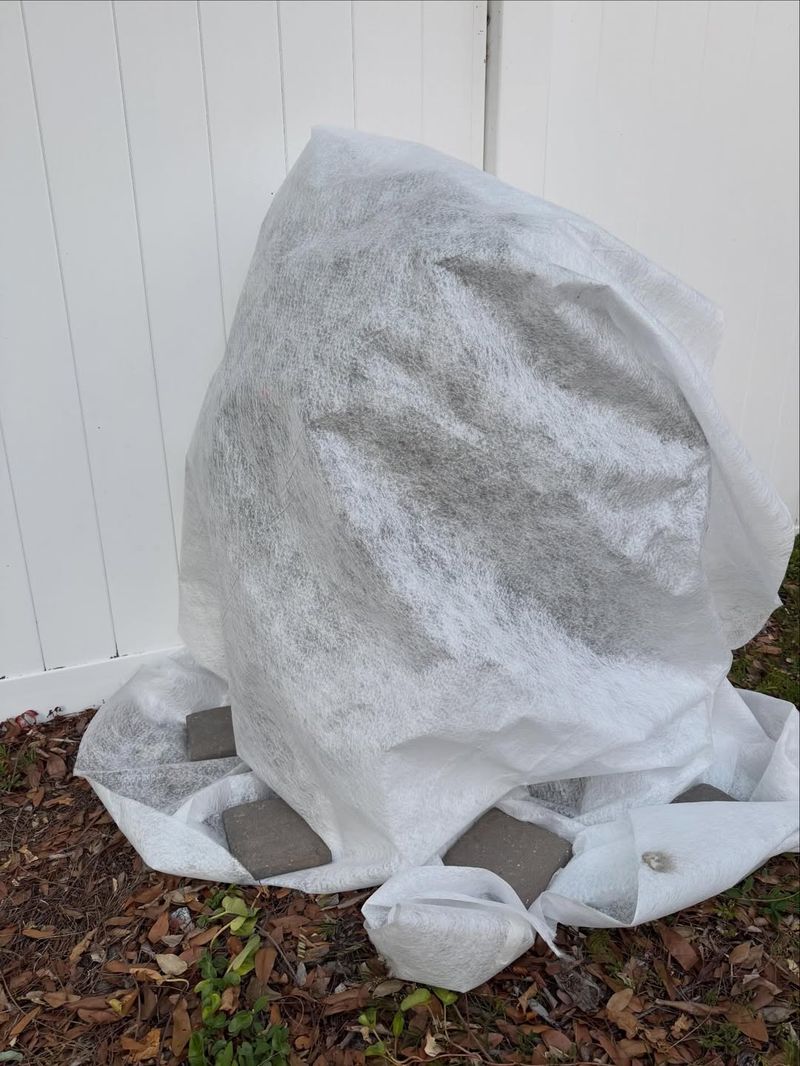
Georgia’s weather in March plays by its own rules. A string of warm days can lull you into thinking winter is completely done, and then a cold snap rolls through overnight and catches everyone off guard, including your camellias.
Late frosts are the real threat this time of year. Buds that have already begun to swell are more vulnerable than dormant ones.
A hard freeze at the wrong moment can brown out buds that were just days away from opening, which is genuinely frustrating after a whole season of waiting.
Keep an eye on the forecast, especially overnight lows. When temperatures are expected to drop below 28 or 29 degrees Fahrenheit, it’s worth throwing some protection over your plants.
Frost cloth or old bed sheets draped loosely over the shrub trap enough warmth to make a difference.
Don’t use plastic sheeting directly against the plant. Plastic doesn’t breathe and can trap moisture against the foliage, which causes its own problems.
Frost cloth is breathable and does the job without those side effects. You can find it at most garden centers across Georgia for a reasonable price.
Remove the covering once temperatures climb back above freezing the next morning. Leaving it on during a warm sunny day can actually overheat the plant.
Late frost events in Georgia are usually short-lived, but being prepared with a few yards of frost cloth in your garage means you’re never caught scrambling when the weather app shows a warning icon overnight.
7. Avoid Pruning To Save Next Blooms
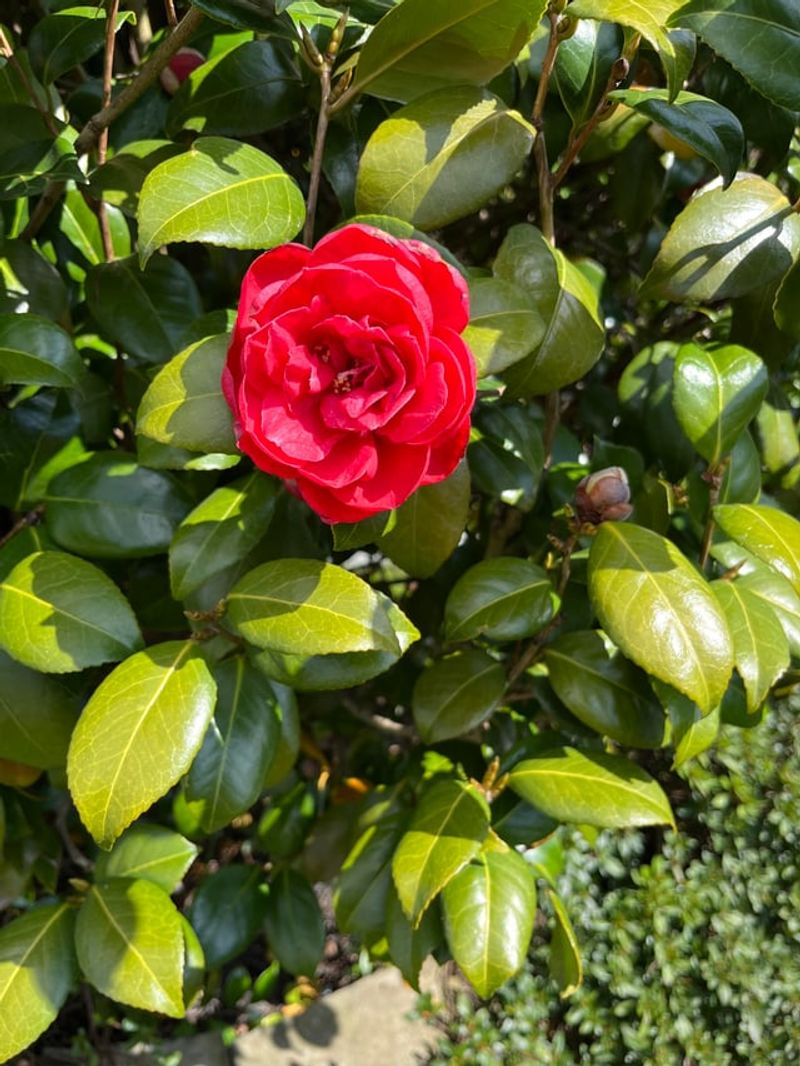
Reaching for the pruning shears in March feels productive, but with camellias, holding back is usually the smarter move. Pruning at the wrong time is one of the most common reasons Georgia gardeners end up with fewer flowers the following season.
Camellias set their buds for next year surprisingly early. By late spring and into summer, those buds are already forming on the wood that grew this year.
Cutting branches in March, before blooming has fully finished, removes wood that’s about to become next season’s flowering stems.
Wait until your camellia has completely finished blooming before doing any shaping or size control. That window right after the last bloom drops is the best time to prune if you need to.
You’ll still have plenty of time before the plant starts setting new buds, and you won’t be sacrificing next year’s flowers.
If a branch is clearly damaged or snapped, go ahead and remove it now regardless of timing.
Removing non-living wood does not affect bloom production. What you want to avoid is cutting into healthy green growth before the plant has finished its current bloom cycle.
Camellias across Georgia don’t need heavy pruning every year anyway. Mostly they just need a little shaping every couple of seasons to keep them from getting too wide or tall for their spot.
Light, well-timed cuts after blooming keeps them looking tidy without costing you the flower display you’ve been working toward all winter long.