Why Gravel Gardens Are Becoming The Go-To Choice In Arizona Front Yards
Front yards in Arizona are starting to look different, and it is not hard to see why. More homeowners are moving away from thirsty grass and fussy planting setups, choosing something that feels cleaner, easier, and far better suited to the climate.
Gravel gardens have a way of making a yard look polished without feeling overdone, and that balance is a big part of their appeal.
There is also something practical behind the shift. In a place where heat, dry soil, and constant upkeep can wear down even a nice looking landscape, low effort choices naturally start standing out.
A gravel based yard can feel calm, organized, and intentional while still leaving plenty of room for plants that actually belong in Arizona conditions. The result is a front yard that looks sharp, asks for less, and holds up in a way that makes sense for everyday life.
1. Gravel Holds Up Well In Extreme Heat
Walk barefoot on a brown, scorched lawn in July and you will understand exactly why Arizona homeowners are switching to gravel. Grass burns, fades, and looks rough after a few weeks of triple-digit heat.
Gravel does not care about the sun — it just sits there, holds its color, and keeps doing its job season after season.
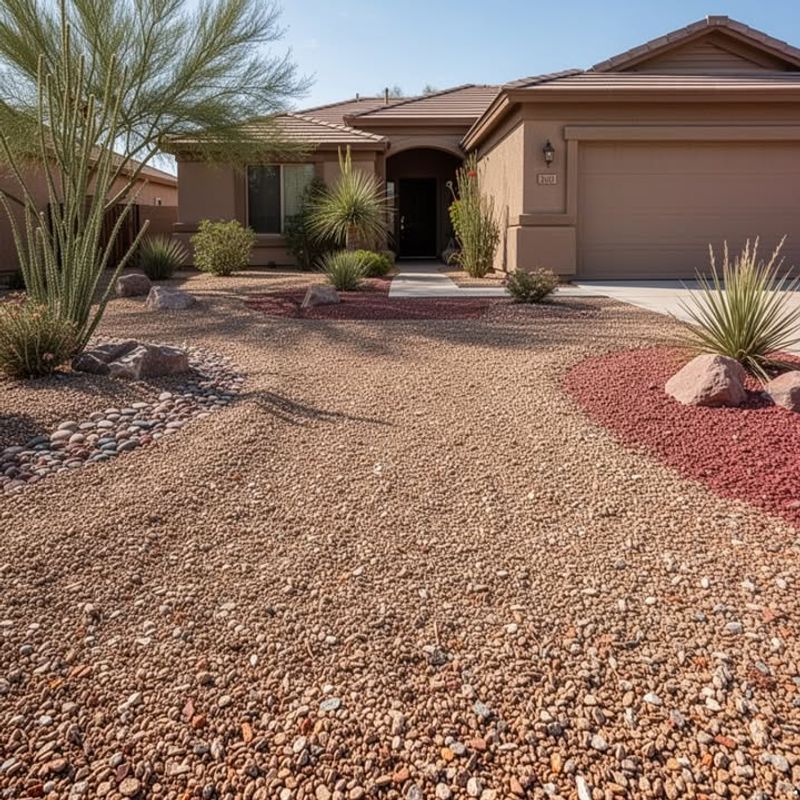
In a place like Phoenix, where summer stretches from May through October, you need a yard material that can handle punishment. Different gravel types — decomposed granite, crushed basalt, river rock — all absorb and release heat without breaking down.
Gravel also reflects some of that intense Arizona sunlight rather than trapping it the way dark soil or sod does. This makes the surface around your plants a little more forgiving during heat spikes.
Paired with shade-tolerant desert plants, a gravel yard can actually stay looking sharp even during the worst heat waves Tucson or Mesa throw at it.
Homeowners sometimes worry that gravel will make their yard feel like a parking lot. In reality, choosing the right size, color, and texture of gravel creates a finished, polished look that holds up far better than any lawn ever could in this climate.
Arizona heat is relentless — and gravel simply does not flinch.
2. Requires Less Water Than Traditional Lawns
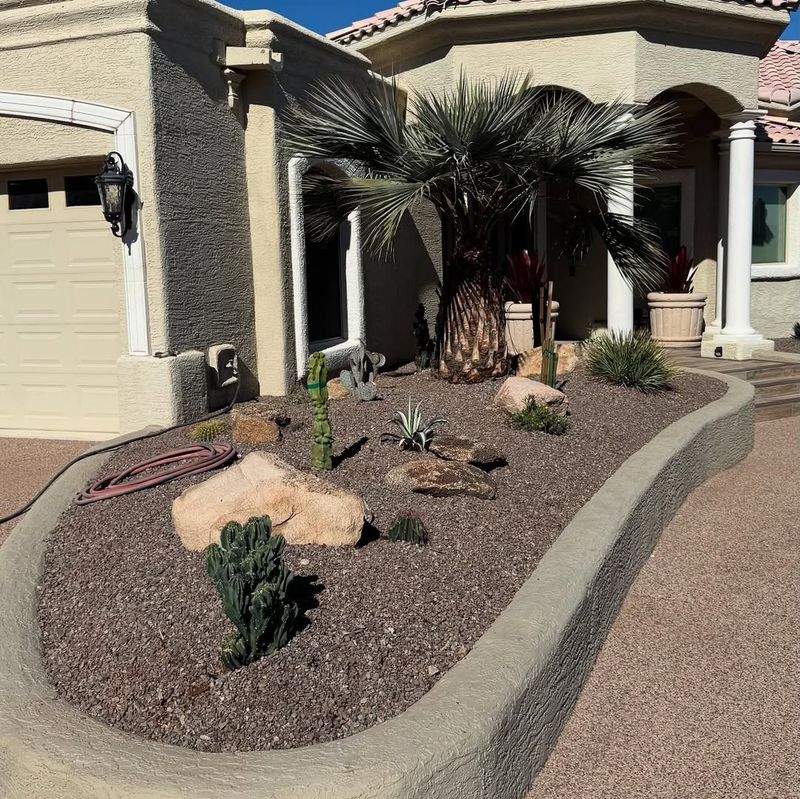
Water in Arizona is not cheap, and it is not guaranteed to stay available as drought conditions tighten across the Southwest. A traditional grass lawn can gulp down 70 gallons of water per square foot every year.
Switching to a gravel yard cuts that number dramatically — and your water bill will show it fast.
Gravel itself does not need watering at all. Any water your yard does use goes directly to the plants tucked in between the rocks, not to a thirsty grass surface that soaks it up and still wants more.
Drip irrigation systems work perfectly in gravel gardens because you can route water exactly where it needs to go, with almost zero waste.
In Tucson, where water conservation programs actually reward homeowners for removing grass, a gravel conversion can even come with a rebate. Phoenix and Scottsdale have similar incentive programs worth checking out before you start your project.
Your Arizona Garden Changes Every Week. Your Plan Should Too.
Gardening in Arizona changes quickly throughout the season. Every Friday you’ll receive a simple weekly plan showing exactly what to plant, prune, fertilize, harvest, and protect so you never miss the right timing.
Getting paid to save water is a pretty solid deal.
Gravel also slows down evaporation near the soil surface. After Arizona’s monsoon rains drop in July and August, moisture lingers under the gravel layer longer than it would on bare soil.
Plants can pull from that stored moisture for days after a good storm, meaning you water even less than you expected when you first made the switch. For a state where every gallon matters, that kind of efficiency adds up quickly.
3. Improves Surface Drainage Around Plants
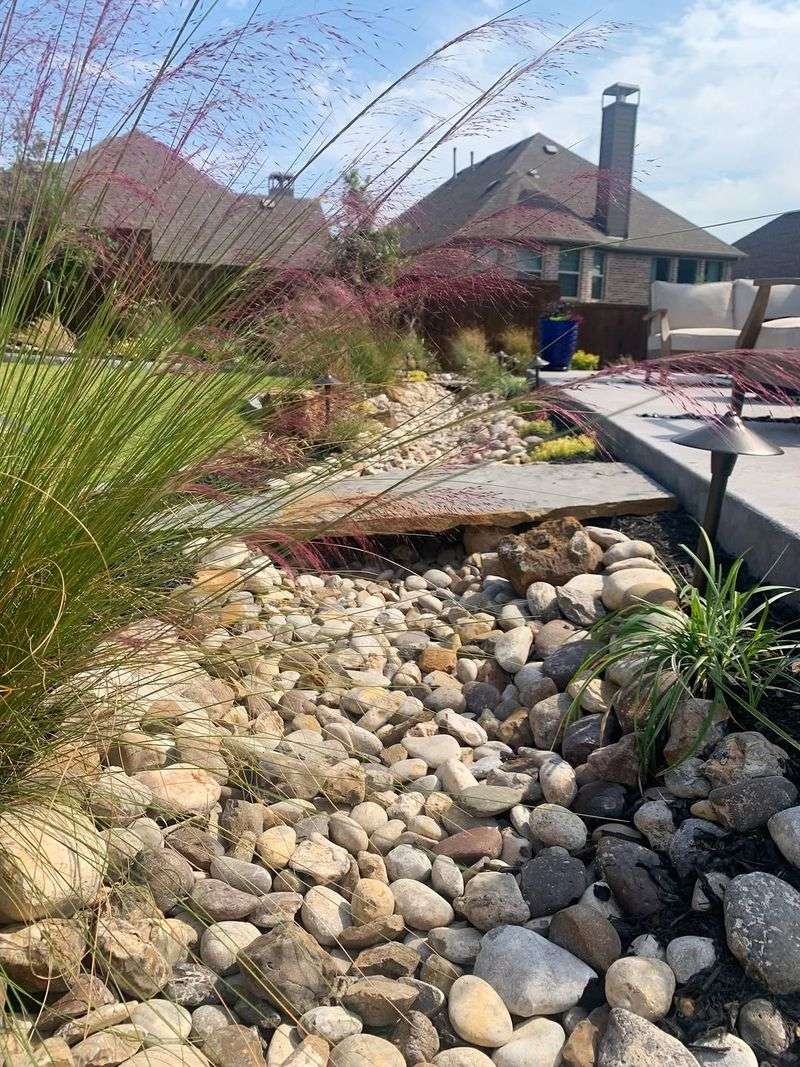
Arizona monsoon season hits hard and fast. Rain that would take a week to fall in other states can drop in under an hour here, and a yard that cannot handle that kind of runoff will flood, pool, and push mud across your driveway before the storm is even over.
Gravel handles heavy rainfall in a way that compacted soil or sod simply cannot match. Water moves through the gaps between stones quickly, soaking down into the ground rather than sheeting across the surface.
Around plant roots, this means water gets delivered where it actually belongs instead of running off into the street.
Proper gravel installation in places like Chandler or Gilbert usually includes a layer of landscape fabric beneath the rock. That fabric lets water pass through while keeping soil and gravel from mixing over time.
The result is a drainage system that works with Arizona’s extreme weather rather than against it.
Standing water is a real problem in yards with clay-heavy soil, which shows up in a lot of older neighborhoods around the Valley. Gravel breaks up that drainage barrier at the surface level and gives water a faster path downward.
Plants that would otherwise rot from waterlogged roots during monsoon season get a much better chance of surviving when surrounded by well-draining gravel.
It is one of those benefits that sneaks up on you — you do not fully appreciate it until the first big storm rolls through and your yard handles it without a problem.
4. Reduces Weed Growth With Proper Installation
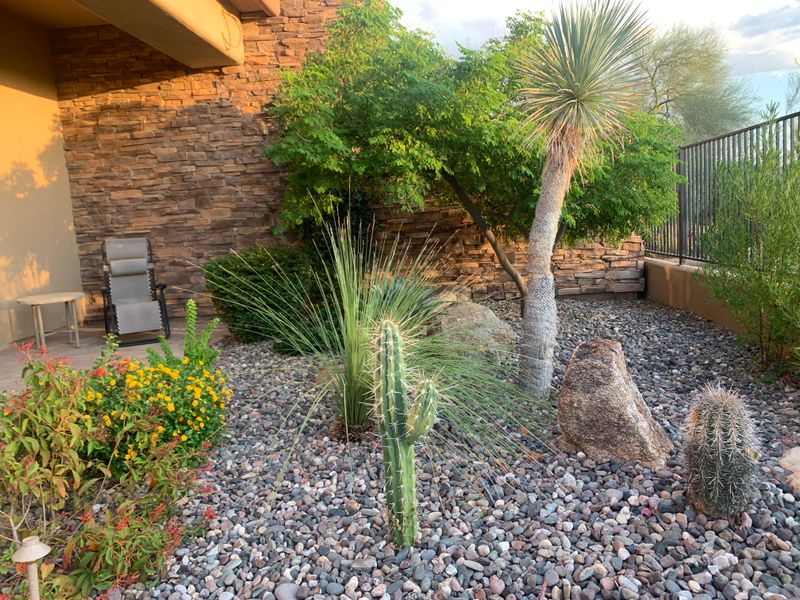
Weeds in Arizona are stubborn. Buffelgrass, puncturevine, and London rocket do not need much encouragement — a little rain and bare soil is all they want.
Without some kind of barrier in place, a gravel yard can turn into a weeding project just as frustrating as any grass lawn.
The key word is installation. Gravel laid directly on top of soil without any underlayer will eventually mix with the dirt and create a perfect seedbed for weeds to take hold.
A quality woven landscape fabric installed before the gravel goes down makes a massive difference. It blocks sunlight at the soil level, which cuts off the germination most weed seeds depend on.
Even with fabric down, some wind-blown seeds will land on top of the gravel and try to sprout. Catching them early — pulling them before roots develop — keeps the yard clean without much effort.
Spot-treating with a targeted spray handles the stubborn ones. Compared to battling weeds in a full lawn, the workload drops significantly.
Homeowners in Tempe and Mesa who have had their gravel yards in place for several years often say the first season has the most weed pressure. After that, as the landscape fabric settles and the gravel compacts slightly, weed problems get noticeably lighter.
Depth matters too — a gravel layer at least three to four inches thick smothers weed attempts far better than a thin scatter of rock. Doing the job right the first time saves a lot of frustration down the road.
5. Low Maintenance Compared To Grass Yards
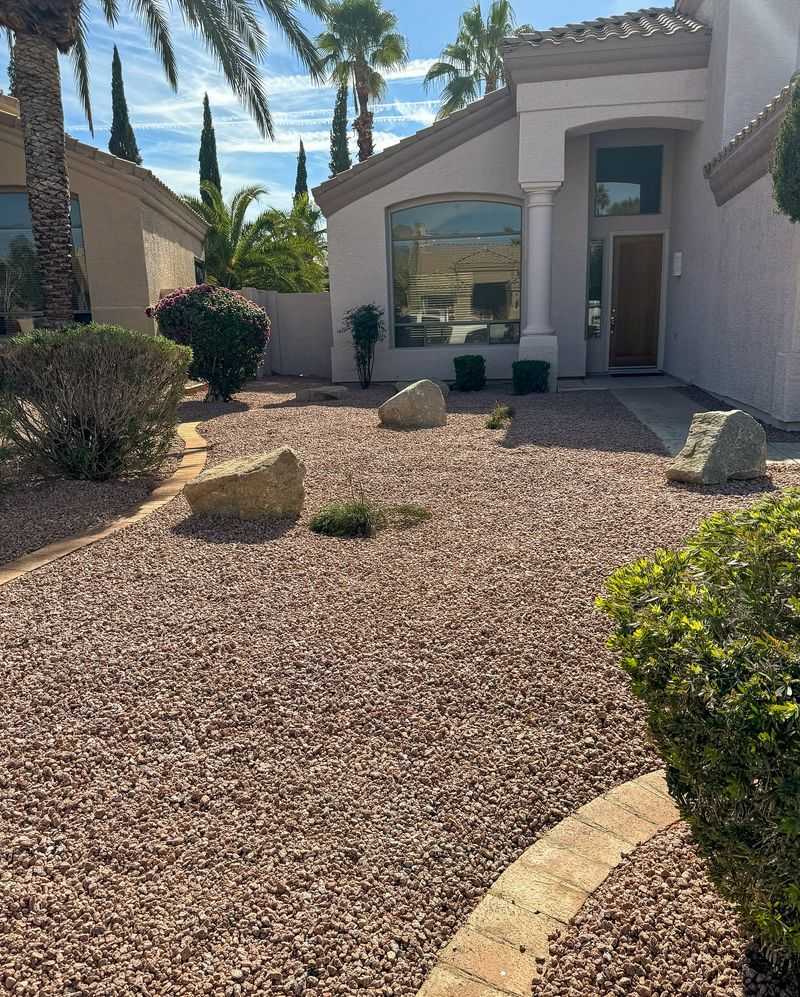
Owning a grass lawn in Arizona means owning a schedule. Mowing every week or two, edging the borders, fertilizing in spring, overseeding in fall, patching bare spots after summer, it is a cycle that never really stops.
Gravel yards break that cycle almost entirely.
No mowing. No fertilizing.
No reseeding. Gravel stays where you put it, looks the same in December as it does in June, and does not demand attention every weekend.
For families with busy schedules or retirees who want to enjoy their yard rather than work on it constantly, that is a significant quality-of-life upgrade.
Maintenance on a gravel yard mostly comes down to occasional raking to level areas that shift after heavy rain, pulling out the odd weed before it gets established, and refreshing the gravel layer every few years as it settles or fades. In Tucson or Chandler, that might mean one afternoon of work every season instead of hours every single week.
Leaf blowers work well for clearing debris off gravel surfaces without disturbing the rock layout. After Arizona’s notorious dust storms — haboobs — a quick pass with a blower or a light rinse with a hose gets the yard looking clean again fast.
Gravel is also incredibly forgiving if you travel or get busy and cannot tend to your yard for a few weeks. Grass punishes neglect immediately.
Gravel just waits for you, looking exactly the same as when you left it.
6. Works Well With Native And Drought Tolerant Plants
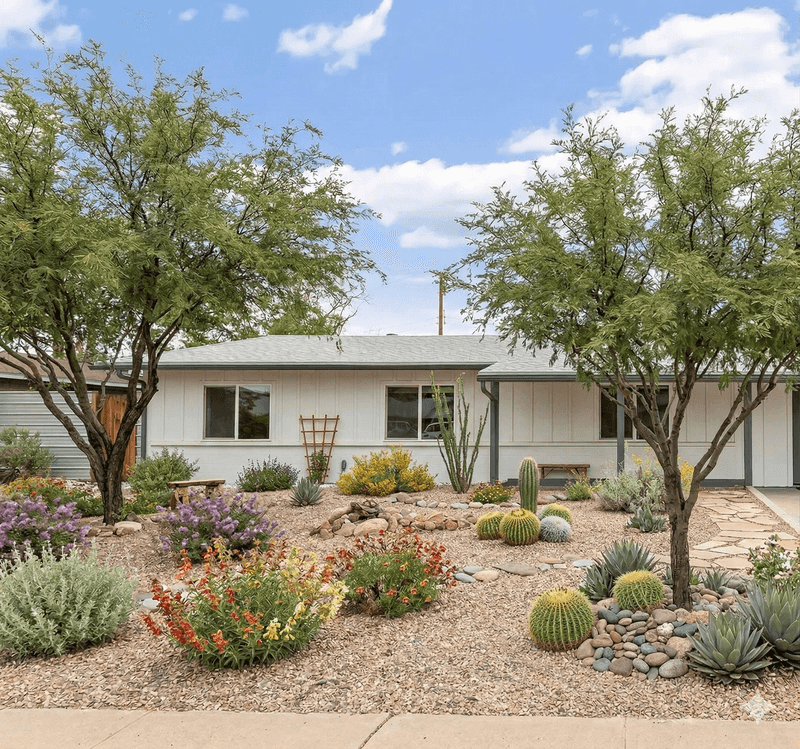
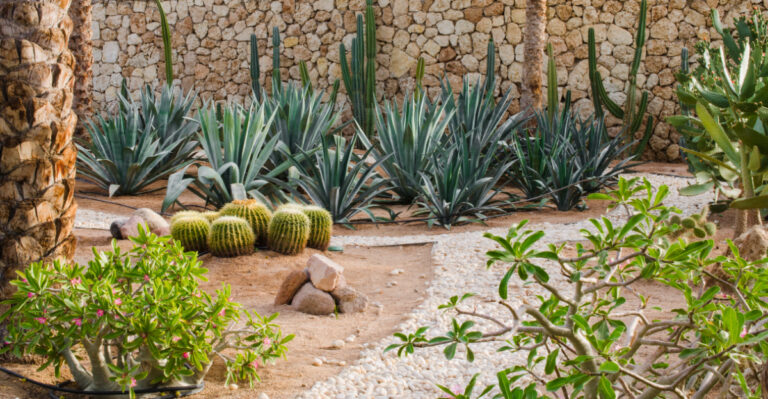
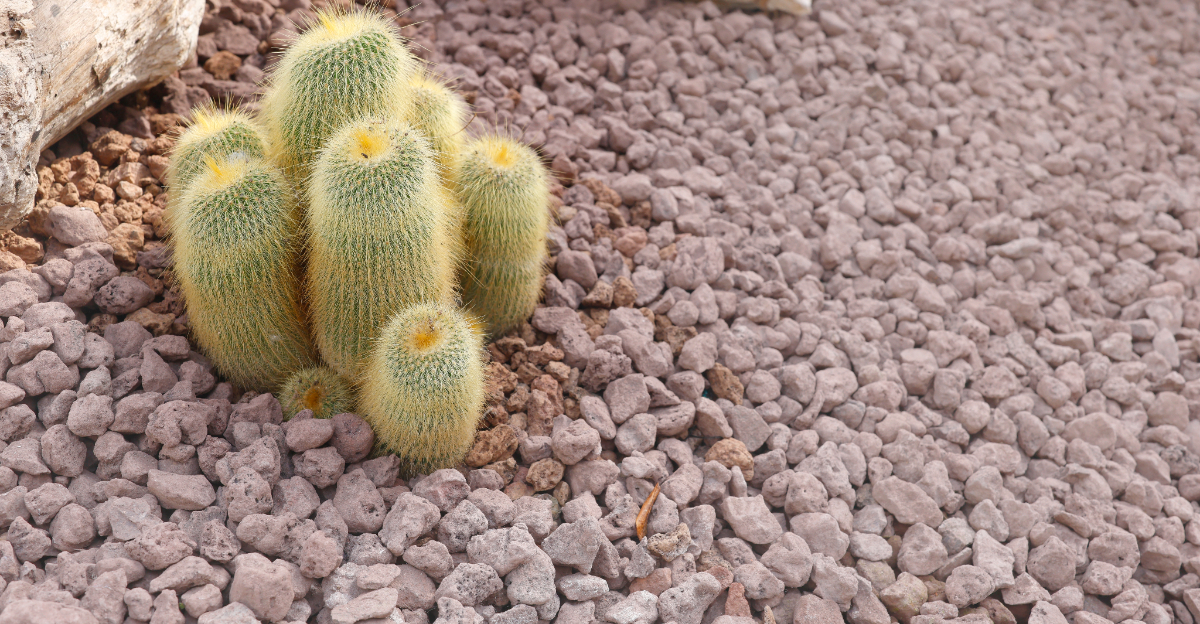
Gravel and desert plants were basically made for each other. In Arizona, native plants like saguaro, palo verde, brittlebush, and agave evolved in rocky, fast-draining soil — which is pretty much exactly what a well-installed gravel yard replicates.
Putting these plants in a gravel setting gives their roots the conditions they actually prefer.
Non-native drought-tolerant plants from similar climates — South African aloes, Australian acacias, Mediterranean rosemary — also settle into gravel yards beautifully. Gravel keeps excess moisture away from root crowns, which is often where desert-adapted plants run into trouble in irrigated Arizona yards.
Good drainage at the surface keeps roots healthy without constant monitoring.
Visually, gravel acts as a clean backdrop that lets plants stand out. A single saguaro rising out of decomposed granite looks intentional and striking.
Clusters of desert marigold scattered through river rock create color and movement. Gravel gives the plants room to be the visual feature instead of competing with a busy ground cover.
In Scottsdale and Paradise Valley, where curb appeal matters and HOA standards can be strict, gravel-and-native-plant combinations have become a widely accepted — and often preferred — front yard design. Neighbors notice.
Buyers notice. A well-planned gravel garden with healthy native plants tells a story about a homeowner who understands Arizona’s environment and works with it instead of against it.
Choosing the right plant combinations for your specific sun exposure and soil type is the most important decision you will make in the whole project.
7. Helps Keep Soil Temperatures More Stable
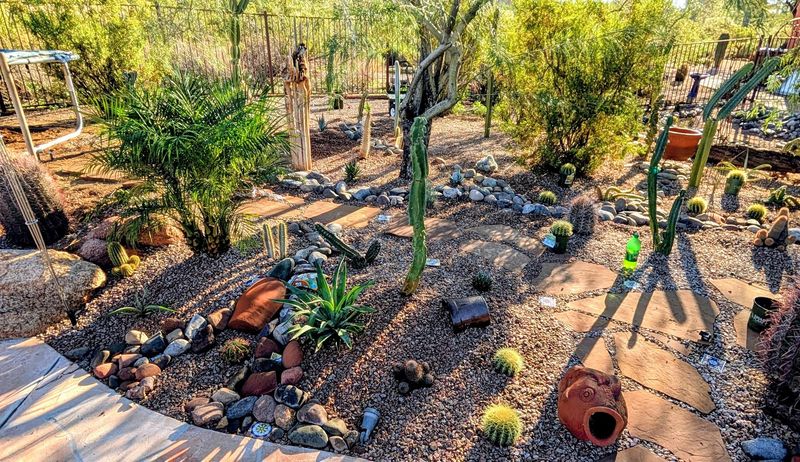
Soil temperature swings in Arizona are extreme. Bare soil in direct sun can hit 160 degrees on the surface during a July afternoon, then cool sharply overnight.
Roots sitting in soil that fluctuates that wildly get stressed, which weakens plants over time and makes them more vulnerable to heat and dry spells.
Gravel acts as a buffer layer between the blazing Arizona sun and the soil beneath it. During the day, the rock absorbs heat but shields the soil from direct radiation.
At night, it releases that stored warmth slowly, keeping overnight soil temperatures from dropping as sharply as they would on bare ground. Plants get a more consistent environment to grow in, which shows up in stronger root systems and healthier growth overall.
Lighter-colored gravel — white marble chips, pale tan decomposed granite — reflects more sunlight and keeps soil temperatures cooler than dark rock choices.
In Phoenix, where even nighttime summer temps stay above 90 degrees, choosing a lighter gravel color for south-facing or west-facing yards can make a real difference for plant health during the hottest months.
Mulch does a similar job in wetter climates, but it breaks down fast in Arizona’s heat and requires regular replacement. Gravel holds its insulating properties indefinitely without decomposing.
Over a full year in Tucson or Flagstaff — where temperature swings between seasons are wide — that soil stability adds up to healthier plants and a yard that performs consistently no matter what month it is.