Avoid These Common Citrus Tree Mistakes In California
Growing citrus in California seems like it should be almost foolproof. Sun, warmth, and a backyard tree loaded with glossy leaves and bright fruit sounds like the easiest gardening win around.
But citrus has a funny way of humbling people fast. One small mistake with watering, planting, pruning, or feeding can leave a tree looking stressed, stingy, or downright sad.
Yellow leaves show up, fruit drops early, branches sulk, and suddenly that dream of fresh lemons or oranges starts looking a lot less effortless. The frustrating part is that many of the biggest citrus problems come from habits gardeners think are actually helpful.
A little too much love can do just as much damage as neglect. The good news is most of these mistakes are incredibly common and very fixable once you know what is going wrong.
A healthier tree, better harvests, and far less garden drama may be much easier to pull off than you think.
1. Overwatering The Tree
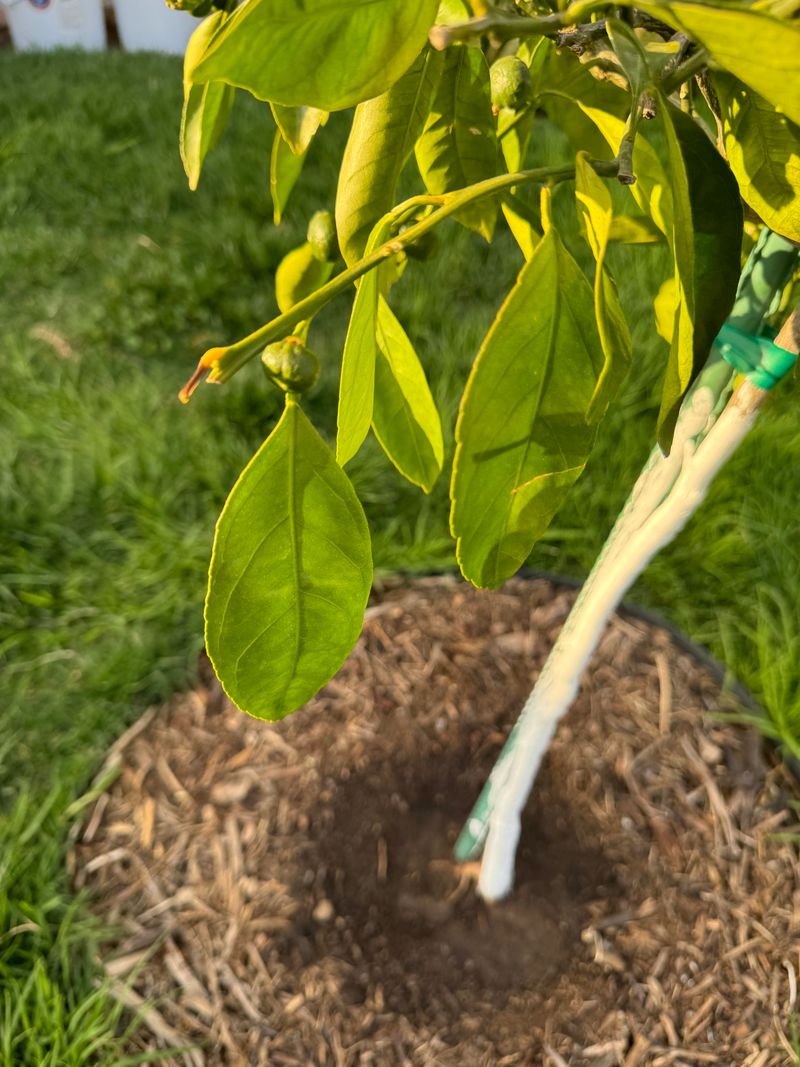
Too much of a good thing can really hurt your citrus trees. Overwatering is actually one of the most common mistakes California gardeners make, and it causes more harm than most people expect.
When the soil stays wet for too long, the roots cannot get the oxygen they need to function properly.
Roots sitting in waterlogged soil begin to break down over time. This leads to a condition called root rot, which weakens the entire tree from the ground up.
You might notice yellowing leaves, drooping branches, or fruit that falls off before it is ready.
In California, the weather already does a lot of the watering work during cooler months. Always check the soil before you water.
Stick your finger about two inches into the ground near the tree. If it still feels moist, wait a few more days before watering again.
Deep, infrequent watering works much better than shallow, frequent watering. Water slowly and let it soak down to the roots rather than just wetting the surface.
Most established citrus trees in California need watering only once or twice a week during hot months, and even less during cooler seasons.
2. Watering Too Close To The Trunk
Where you place the water matters just as much as how much you use. Many gardeners aim the hose right at the trunk, thinking that is where the tree drinks from.
But that is actually the wrong spot, and doing it regularly can lead to serious problems.
The feeder roots that absorb water and nutrients are located further out from the trunk, roughly beneath the outer edge of the tree’s canopy. This area is often called the drip line.
Watering there gives the tree what it actually needs.
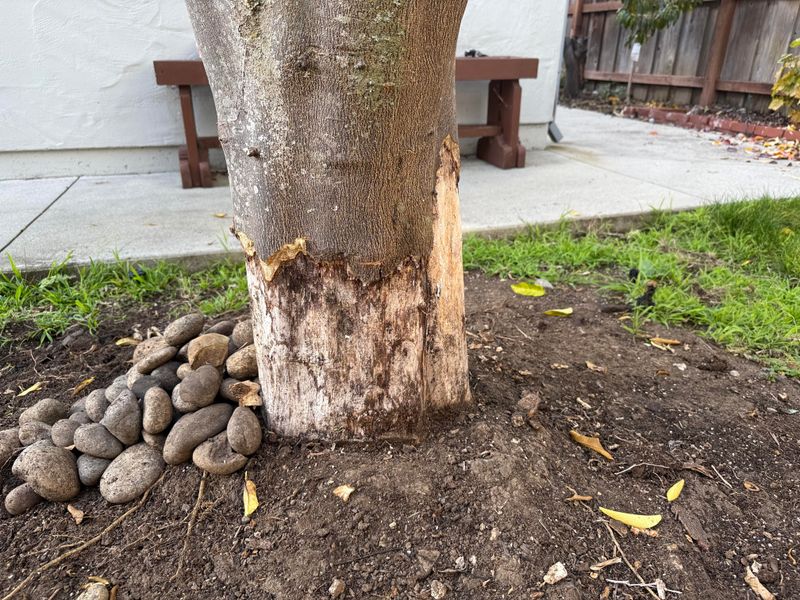
When water pools around the trunk, the bark stays wet for long periods. Wet bark is vulnerable to fungal infections and rot.
Over time, this can weaken the base of the tree and make it harder for nutrients to travel upward through the trunk.
In California’s warm climate, fungal issues can spread quickly, especially during humid stretches in late summer or early fall. Moving your watering point away from the trunk is a simple fix that makes a real difference.
Your California Garden Changes Every Week. Your Plan Should Too.
Gardening in California changes quickly throughout the season. Every Friday you’ll receive a simple weekly plan showing exactly what to plant, prune, fertilize, harvest, and protect so you never miss the right timing.
Use a soaker hose or drip irrigation system placed along the drip line for the most effective and targeted watering. Your tree will respond with stronger roots and better overall health throughout the growing season.
3. Letting The Root Ball Dry Out
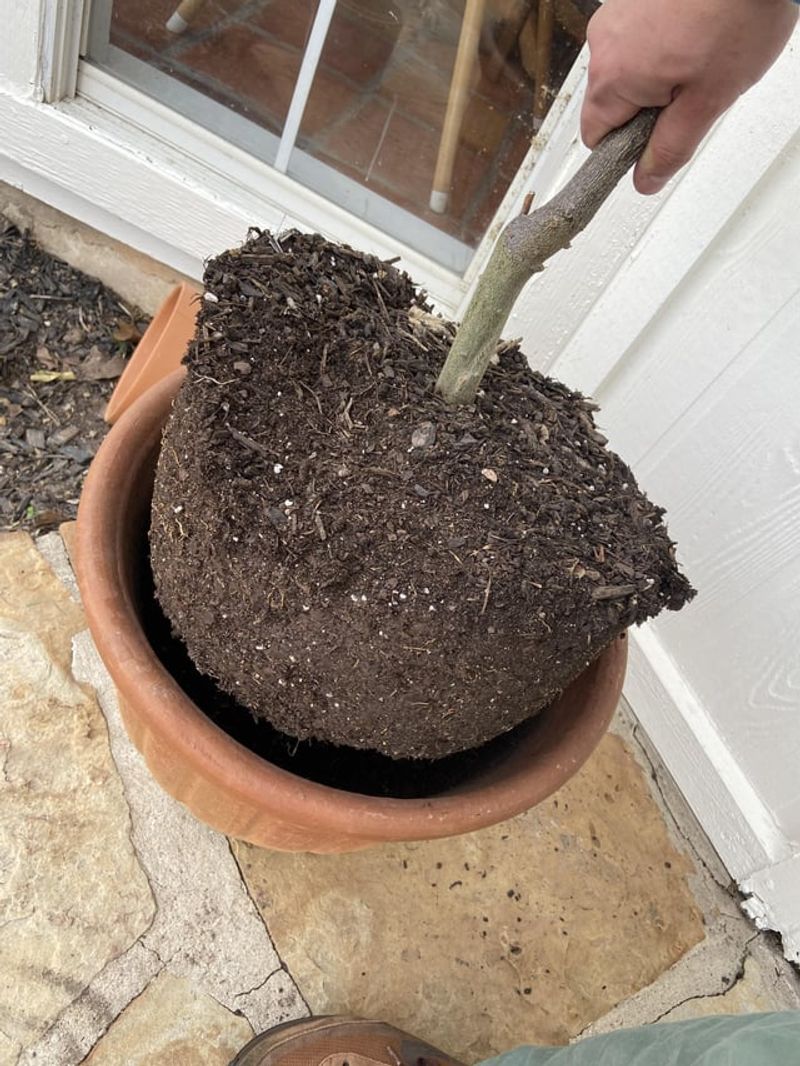
Underwatering is just as problematic as overwatering, even though it gets less attention. When the root ball of a citrus tree dries out completely, the tree goes into stress mode.
It starts dropping leaves, producing fewer flowers, and struggling to hold onto developing fruit.
California summers can be brutal, especially in inland areas like the Central Valley or parts of Southern California. During heat waves, citrus trees can lose moisture fast.
If you skip watering during these stretches, the root ball can dry out surprisingly quickly.
Young trees are especially vulnerable. A newly planted citrus tree has a smaller root system that cannot reach deep into the soil for moisture.
These trees need more frequent watering until they get established, which usually takes about one to two years after planting.
A good layer of mulch around the base of the tree, but not touching the trunk, helps the soil hold onto moisture between waterings. Check your soil regularly during hot spells and adjust your watering schedule based on the weather.
Setting up a drip irrigation system with a timer is a smart move for busy California gardeners. It takes the guesswork out of watering and keeps the root zone consistently moist without going overboard.
4. Keeping Mulch Against The Trunk
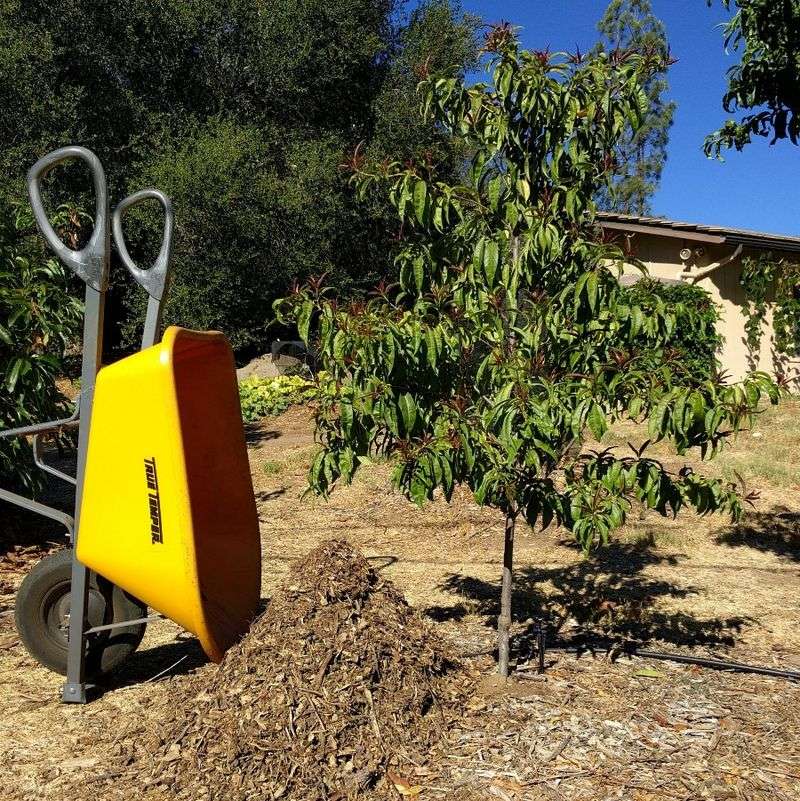
Mulch is a fantastic tool for California citrus growers. It keeps moisture in the soil, regulates ground temperature, and helps prevent weeds from taking over.
But there is one very common mistake that turns this helpful material into a problem: piling it up against the trunk.
When mulch sits directly against the bark, it traps moisture in a place where moisture should not linger. The bark of a citrus tree is not designed to stay wet all the time.
Constant dampness creates the perfect environment for mold, fungus, and harmful bacteria to grow.
This condition is sometimes called volcano mulching because of the way the mulch is piled up in a mound around the base of the tree. It looks tidy, but it causes real damage over time.
The bark can begin to break down, making it easier for pests and disease to enter the tree.
The right way to apply mulch is to keep it a few inches away from the trunk on all sides. Spread it in a wide, flat layer that extends out toward the drip line instead.
Aim for about two to four inches of depth. In California’s warm and dry climate, this setup gives you all the moisture-retention benefits of mulch without putting the trunk at risk.
5. Planting In Too Much Shade
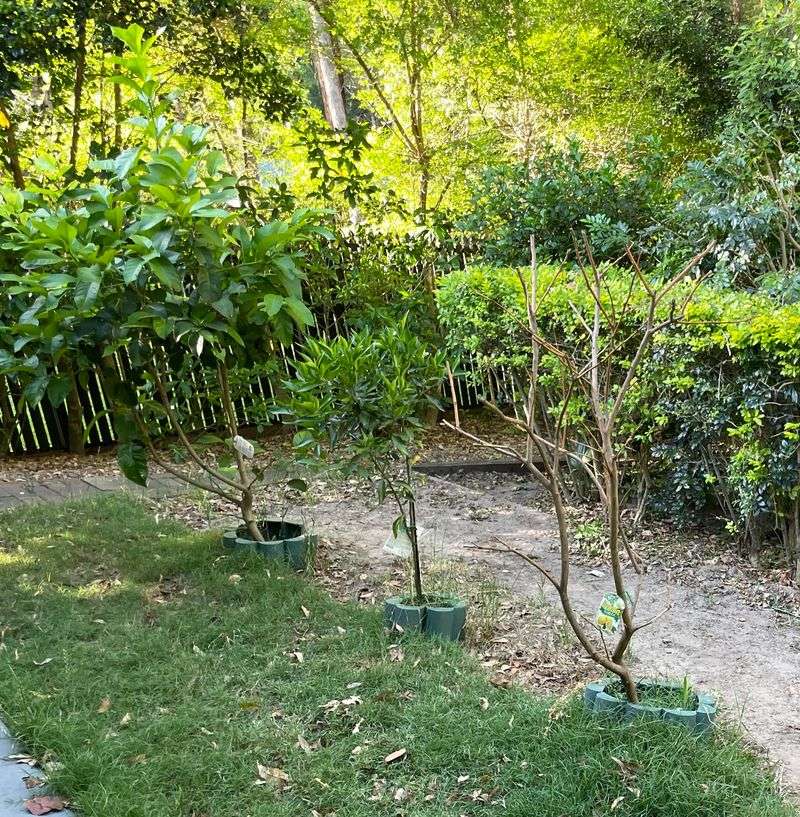
Sunlight is not optional for citrus trees. It is absolutely essential.
These trees evolved in warm, sun-drenched regions, and they need plenty of direct sunlight to produce the energy required for strong growth and fruit development. Planting them in a shady spot is a mistake that is hard to fix once the tree is in the ground.
Citrus trees need at least six to eight hours of full sun each day. In California, that kind of sunlight is available in most areas, which is one of the reasons the state is so well suited for citrus growing.
But fences, large shade trees, and the north-facing sides of buildings can block that light.
A citrus tree growing in too much shade will look noticeably different from a healthy one. The leaves may be smaller and paler.
The tree may grow slowly and produce very little fruit, if any at all. Flowering is also reduced when sunlight is limited.
Before planting, spend a day watching how sunlight moves across your yard. Pick a spot that gets consistent, unobstructed sun from morning through afternoon.
South-facing and west-facing locations in California tend to work especially well. If you are growing citrus in containers, you can move the tree to follow the sun, which gives you more flexibility in trickier yard layouts.
6. Overfertilizing With Nitrogen
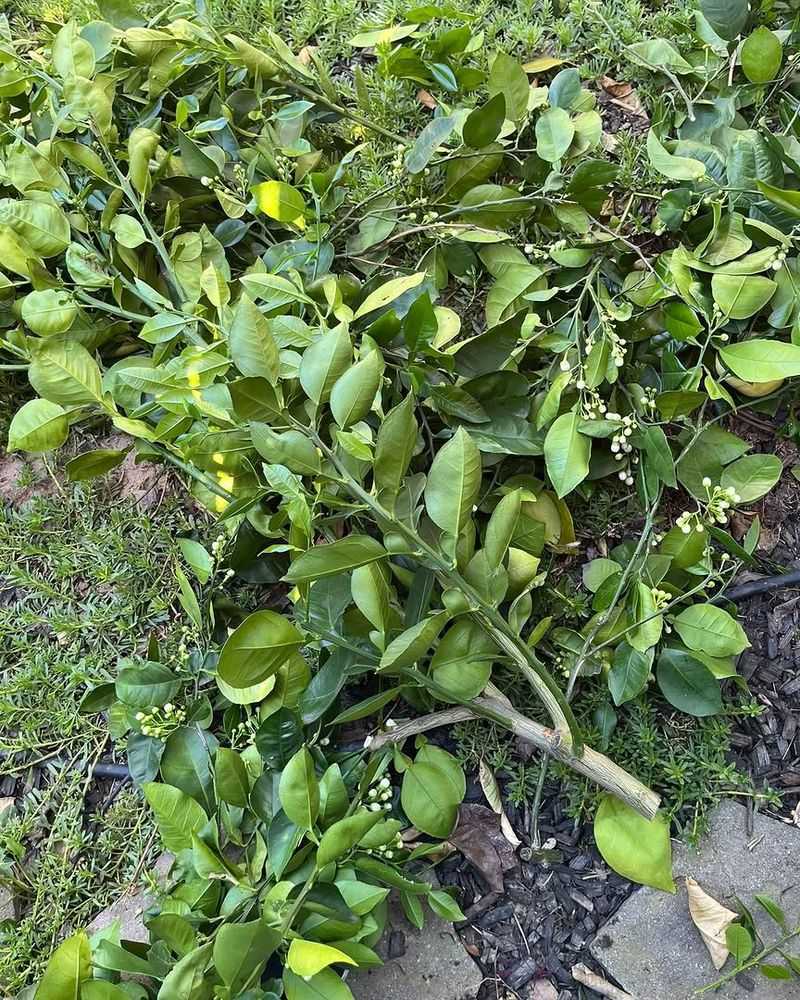
Fertilizing your citrus trees is important, but going overboard with nitrogen is a mistake that backfires quickly. Nitrogen encourages leafy, green growth, which sounds good at first.
The problem is that too much of it pushes the tree to focus all its energy on producing leaves instead of fruit.
You might end up with a big, beautiful, bushy tree that barely produces any oranges or lemons. Excess nitrogen can also make the tree more attractive to certain pests like aphids, which are drawn to the soft, tender new growth that a nitrogen surge creates.
In California, where the growing season is long and warm, citrus trees are active for much of the year. That means fertilizer applications need to be timed carefully.
Feeding too late in the season, especially heading into fall or winter, encourages new growth that is fragile and easily damaged by cold snaps.
Use a fertilizer that is specifically designed for citrus trees. These products are balanced to give the tree what it needs without overloading it with nitrogen.
Follow the label instructions and spread applications out across the growing season rather than giving large doses all at once. Slow-release fertilizers are a great option for California gardeners because they feed the tree gradually and reduce the risk of overfeeding.
7. Ignoring Frost And Cold Damage
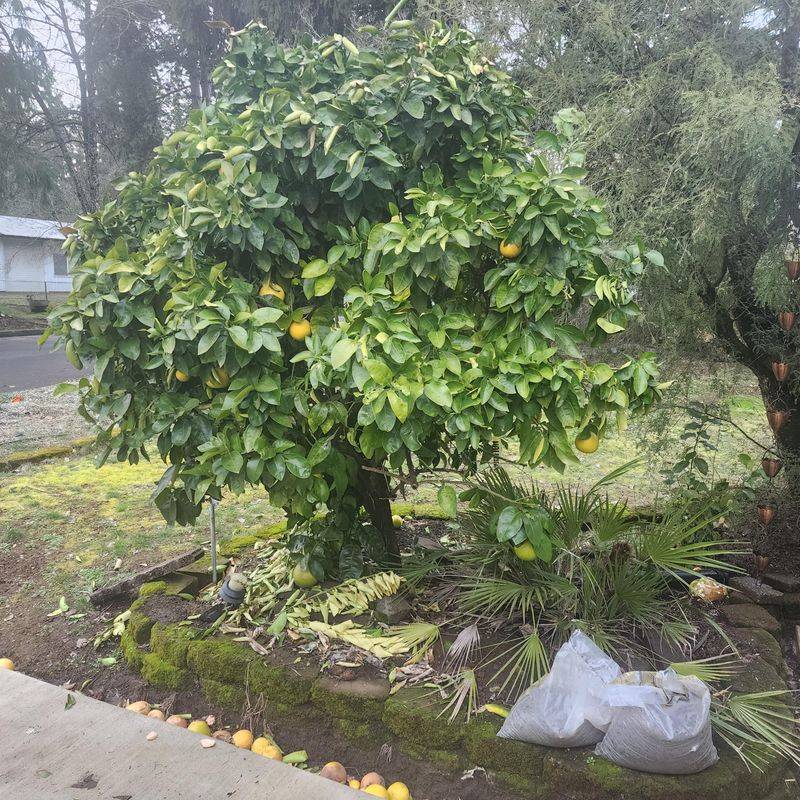
California has a reputation for warm, sunny weather, but that does not mean frost is never a concern. Many parts of the state, including inland valleys, the Central Valley, and higher elevation areas, can experience freezing temperatures during winter nights.
Ignoring this reality can leave your citrus trees seriously damaged.
Cold snaps affect different citrus varieties in different ways. Lemons and limes are the most sensitive to frost, while navel oranges and mandarins handle cold a bit better.
Even a few hours below freezing can damage tender new growth, harm blossoms, and affect developing fruit on the tree.
The signs of cold damage often show up a few days after a frost event. Leaves may turn brown or curl up at the edges.
Fruit that was close to being ripe can become soft and discolored. In severe cases, larger branches can be affected as well.
Protecting your trees before a cold night is much easier than dealing with the aftermath. Wrap young trees in frost cloth or burlap when temperatures are expected to drop below 30 degrees Fahrenheit.
Watering the soil around the tree the day before a freeze also helps, since moist soil holds heat better than dry soil. California gardeners who stay ahead of cold weather keep their citrus trees productive all the way through winter and into spring.