The Bugs California Gardeners Start Seeing In May And What They Mean
May has a funny way of making California gardens feel extra lively.
One minute everything looks fresh, leafy, and full of promise, and the next minute you are leaning in close to inspect a curled leaf, a sticky stem, or a flower that looks a little too chewed for comfort.
Warmer days, longer sunlight, and all that tender new growth can turn the garden into a very busy place for insects. They really do know how to make an entrance.
The surprising part is that not every bug sighting means your plants are headed for trouble.
Some insects show up as part of normal spring garden activity, while others can hint that a plant is stressed, soft new growth is piling up, or conditions are turning especially warm and dry.
Across California, gardeners start noticing these little visitors almost overnight, which can feel dramatic, because honestly, sometimes it is.
Knowing what you are seeing makes it much easier to stay calm, spot real problems early, and respond without turning a small issue into a full gardening spiral.
1. Aphids Show Up Fast On Tender Spring Growth
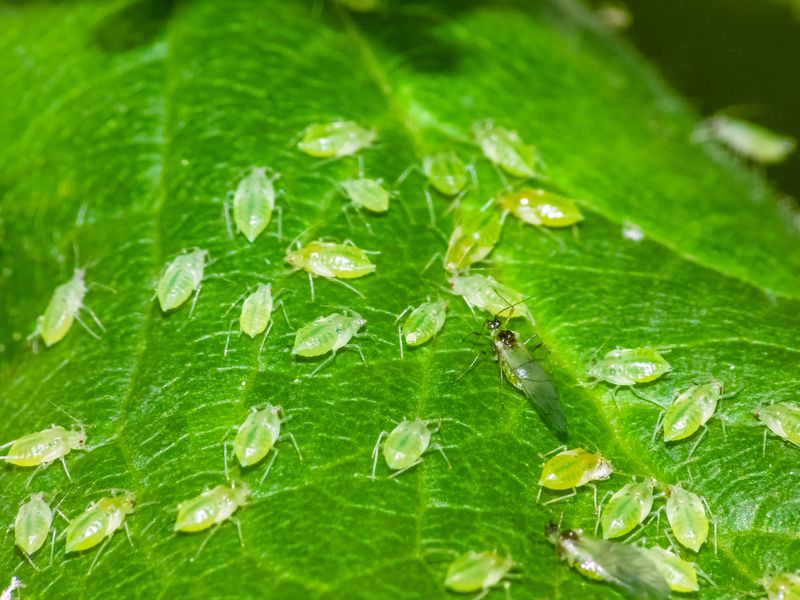
Soft, pale green clusters on the tips of new rose stems or vegetable seedlings are often the first sign that aphid season has arrived.
These tiny insects move in fast once warm May temperatures settle across California, targeting the most vulnerable plant tissue they can find.
New growth is full of the sugary sap aphids crave, making tender spring shoots a natural first stop.
Aphids reproduce quickly, so a small group spotted early in the month can become a much larger colony within days. Gardeners often notice sticky residue on leaves below infested stems, which is a substance called honeydew that aphids excrete as they feed.
That stickiness can also lead to a sooty black coating on leaves if left unaddressed.
The good news is that aphids are manageable when caught early. A firm spray of water from a garden hose knocks many of them off plants and slows their spread.
Beneficial insects like ladybugs and lacewings feed on aphids naturally, and their presence in a California garden is a positive sign.
Avoid over-fertilizing with high-nitrogen products in spring, since lush, fast growth tends to attract aphids even more.
Monitoring new growth closely through May gives gardeners a real advantage before populations build up significantly.
2. Whiteflies Drift In When Plants Start Struggling
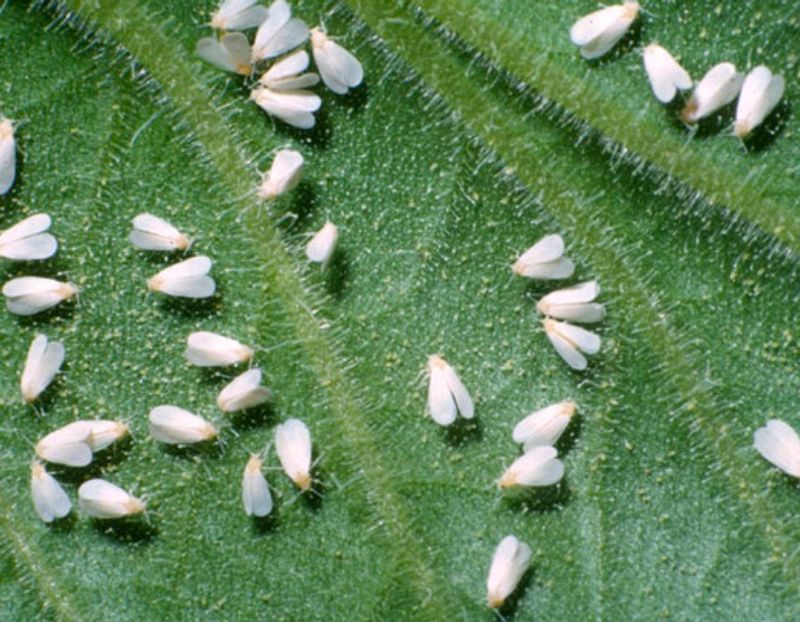
Shake a struggling tomato plant or a potted hibiscus on a warm May afternoon in California, and a cloud of tiny white insects may lift into the air like living confetti.
Whiteflies are a familiar frustration for California gardeners, and May is often when they begin appearing in noticeable numbers.
They tend to favor plants that are already under some stress, whether from inconsistent watering, crowded conditions, or soil that is not quite right.
Adult whiteflies feed on plant sap from leaf undersides, and their nymphs do the same. Heavily infested plants may show yellowing leaves, reduced vigor, and that telltale sticky honeydew residue.
Your California Garden Changes Every Week. Your Plan Should Too.
Gardening in California changes quickly throughout the season. Every Friday you’ll receive a simple weekly plan showing exactly what to plant, prune, fertilize, harvest, and protect so you never miss the right timing.
Over time, the leaves may look dull or coated with a grayish film if the population is not addressed.
Reflective mulches can deter whiteflies in vegetable gardens, and yellow sticky traps help monitor population levels without harming beneficial insects.
For ornamental plants, removing heavily infested leaves and improving air circulation around crowded shrubs can reduce conditions that whiteflies prefer.
Insecticidal soap applied to leaf undersides is a commonly used approach for moderate infestations. Keeping plants healthy and well-watered through California’s often dry May weather makes them less attractive targets.
Consistent monitoring is more effective than waiting until the infestation becomes obvious.
3. Spider Mites Thrive As Heat And Dry Air Build
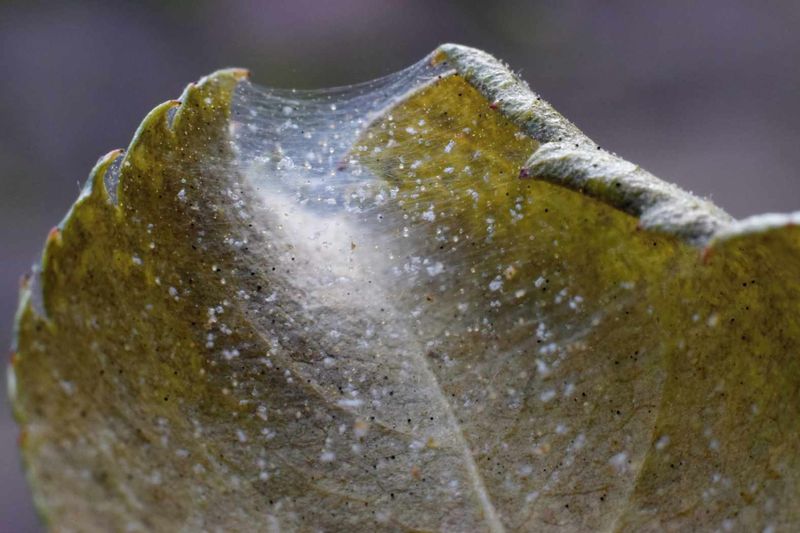
Tiny bronze or yellow speckles spreading across the surface of a rose, tomato, or fruit tree leaf are a familiar warning sign in California gardens once May temperatures start climbing.
Spider mites are not insects but rather arachnids, and they thrive in exactly the kind of warm, dry conditions that California’s spring weather often delivers.
Low humidity, dusty surfaces, and heat-stressed plants create an environment where mite populations can build up surprisingly fast.
The speckled or bronzed look on leaves comes from mites piercing individual plant cells and draining their contents. In heavier infestations, gardeners may notice fine webbing on the undersides of leaves or between stems.
Plants in dry, sheltered spots or near walls that reflect heat tend to show mite damage earlier in the season than those in more open, irrigated areas.
Keeping plants well-watered and avoiding dusty conditions around garden beds helps reduce mite pressure. A strong spray of water directed at leaf undersides can physically remove mites and disrupt their colonies.
Horticultural oil or insecticidal soap applied carefully to affected areas is a commonly recommended approach for more persistent problems.
Avoiding broad-spectrum pesticides that remove natural predators is worth considering, since several beneficial mites and insects help keep spider mite populations in check under normal California garden conditions.
4. Thrips Leave Tiny Clues On Flowers And Leaves
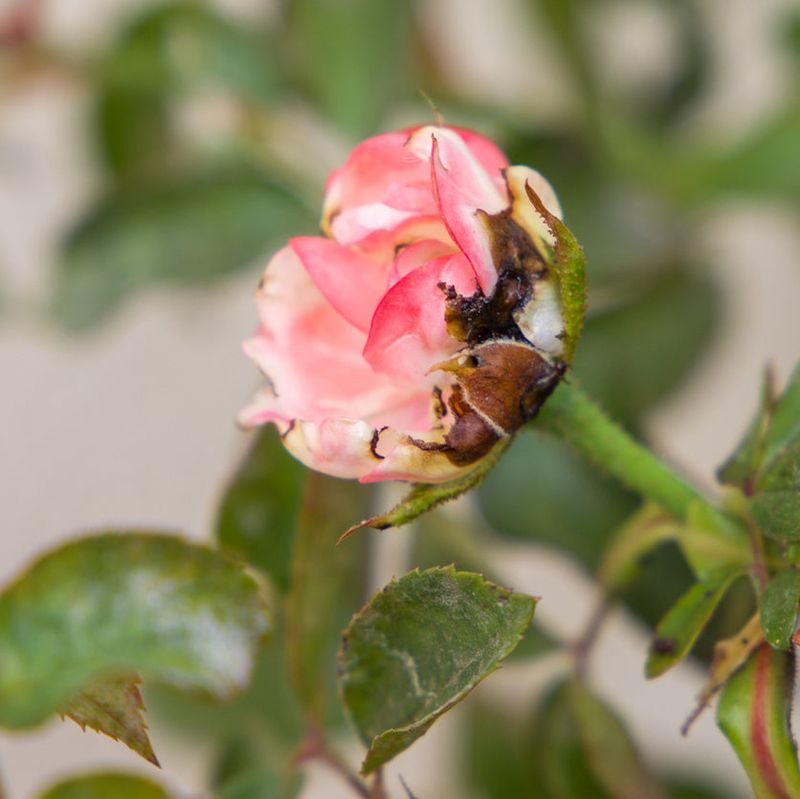
Flowers that open with streaky silver patches, distorted petals, or browning edges are often telling a quiet story about thrips activity.
These slender, barely visible insects are among the trickier pests to spot directly because they move fast, hide inside flower buds, and feed in ways that leave behind evidence long before the insects themselves are easy to see.
May is a peak period for thrips in many parts of California as temperatures warm and flowering plants come into full swing.
Thrips rasp the surface of plant tissue rather than piercing it cleanly, which creates that characteristic silvery or streaked appearance on petals and leaves. Rose growers in California often notice distorted buds or blooms that fail to open properly.
Vegetable gardeners may spot scarring on onion leaves or stippled damage on pepper foliage that points to the same culprit.
Checking inside flower buds and along leaf undersides with a magnifying lens is the most reliable way to confirm thrips presence. Blue or white sticky traps can help monitor activity levels across the garden.
For ornamental plants, removing heavily affected buds reduces the population available to spread.
Keeping garden areas free of weedy hosts that harbor thrips between crops or flowering cycles is a practical step that California gardeners often find helpful through the spring and early summer months.
5. Caterpillars Start Chewing Through Fresh May Growth
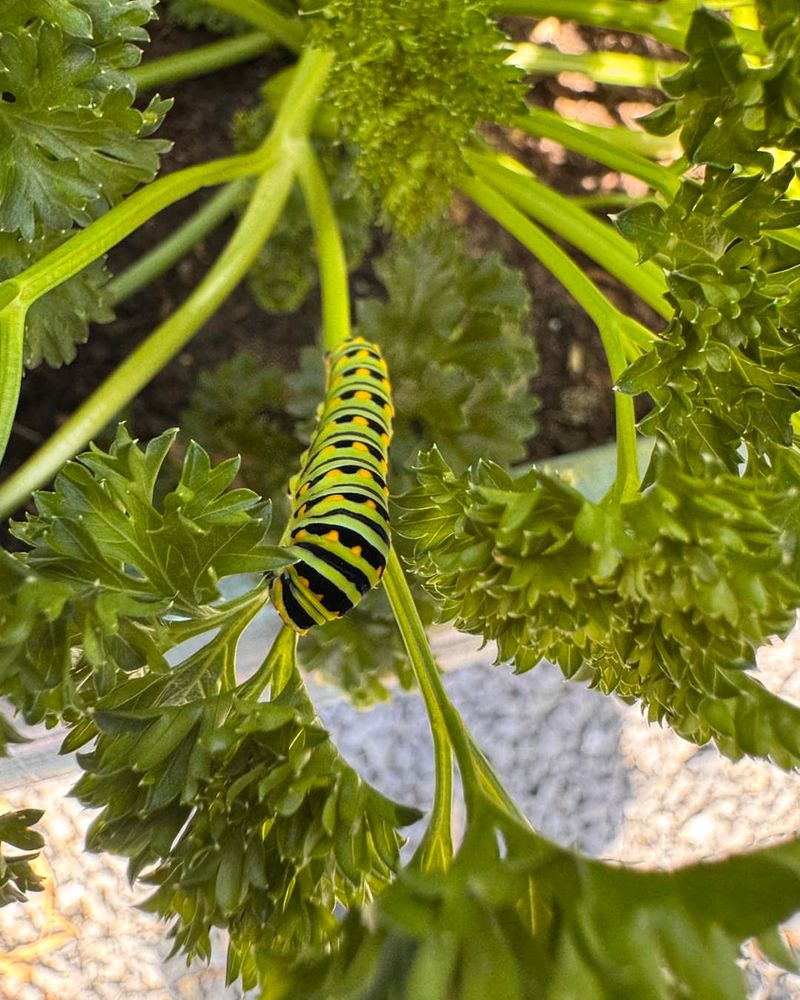
Ragged holes in fresh leaves, missing leaf edges, and dark pellet-like droppings on or below foliage are all signs that caterpillars have moved into a California garden for the season.
May brings a wave of butterfly and moth activity across the state, and many species lay eggs on garden plants just as the newest and most tender growth is appearing.
The caterpillars that hatch are often small and easy to miss at first, but their feeding damage becomes more obvious as they grow.
Vegetable gardens tend to see caterpillar pressure from species like cabbage loopers and imported cabbageworms on brassicas, while tomato hornworms may begin appearing on tomato and pepper plants toward the later part of May.
Ornamental gardens can also see damage from various moth caterpillars feeding on roses, geraniums, and other flowering plants.
Damage patterns vary, but the combination of chewed tissue and frass nearby is usually a reliable indicator.
Hand-picking caterpillars during morning or evening garden checks is an effective approach for small gardens.
Bacillus thuringiensis, commonly known as Bt, is a naturally occurring soil bacterium that affects caterpillars without harming most other garden creatures and is widely used by California home gardeners.
Encouraging birds to visit the garden also helps keep caterpillar numbers from building up unchecked throughout the spring season.
6. Leafminers Trace Telltale Tunnels Through Soft Leaves
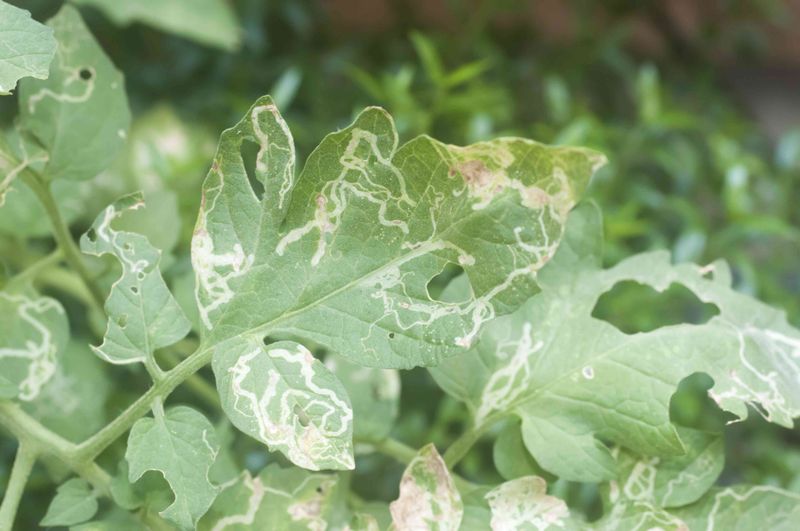
Pale, winding trails etched into the surface of a leaf like a tiny map are one of the more distinctive sights in a California garden during May.
Leafminers are the larvae of various flies, moths, or beetles that feed between the upper and lower surfaces of a leaf, creating those characteristic tunnels as they move through the tissue.
The trails often start narrow and widen as the larva grows, which makes it easy to trace the path of a single insect across an entire leaf.
Vegetables like spinach, chard, beets, and tomatoes are common targets in California home gardens, and some ornamental plants including columbine and chrysanthemum also show leafminer damage regularly in spring.
While the tunneling looks dramatic, it rarely threatens an otherwise healthy, established plant.
Seedlings and young transplants are more vulnerable since they have less leaf area to spare when feeding begins.
Removing and disposing of heavily mined leaves helps reduce the number of larvae completing their cycle and moving on to new foliage.
Floating row covers over susceptible vegetable crops can prevent adult leafminers from laying eggs on leaves in the first place.
Because leafminer larvae feed inside the leaf, contact sprays are generally not effective against them directly.
Consistent removal of affected leaves combined with healthy soil and good plant vigor remains the most practical management strategy for California home gardeners.
7. Mealybugs Gather In Hidden Spots And Keep Feeding
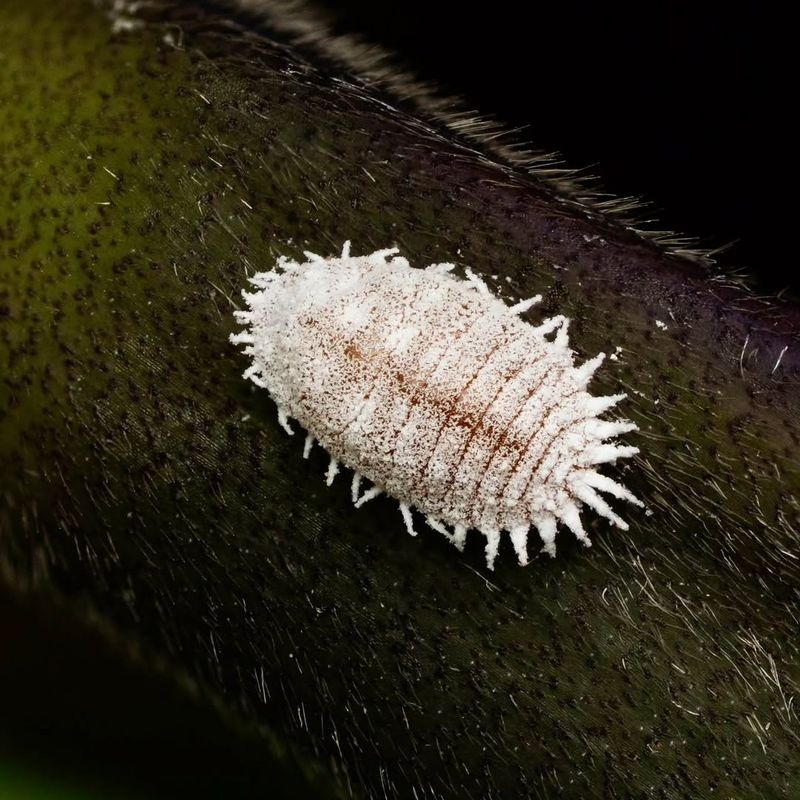
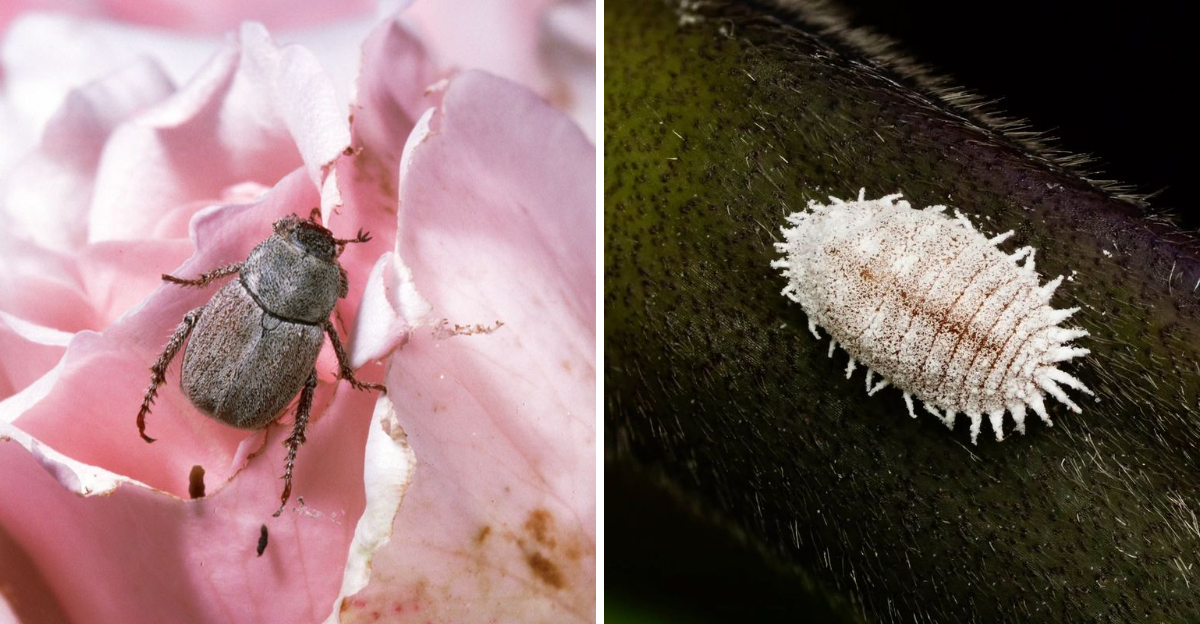
White, cottony clusters tucked into leaf axils, along stems, or nestled near the base of a plant are a telltale sign that mealybugs have settled in.
These soft-bodied insects are covered in a waxy, powdery coating that gives them their distinctive look, and they tend to gather in sheltered spots where they are harder to spot during a casual garden check.
May brings warmer conditions that encourage mealybug activity across many California gardens, particularly on ornamental plants, succulents, and indoor plants moved outdoors for the season.
Mealybugs feed on plant sap and produce honeydew as they feed, which can lead to sticky leaves and sooty mold growth over time.
Plants with heavy infestations may show wilting, yellowing, or a general decline in appearance that can seem confusing at first if the insects themselves are not noticed.
Checking hidden areas of plants regularly during May is the most reliable way to catch mealybugs before populations grow.
Rubbing alcohol applied with a cotton swab directly to visible mealybug clusters is a targeted and commonly used approach for small infestations on ornamental plants.
Insecticidal soap or neem oil applied to affected areas can help with larger populations.
Ants that tend mealybug colonies for their honeydew can make infestations worse by protecting the insects from natural predators, so managing ant activity around affected plants is a useful step in California gardens.
8. Scale Insects Settle In Quietly On Stems And Branches
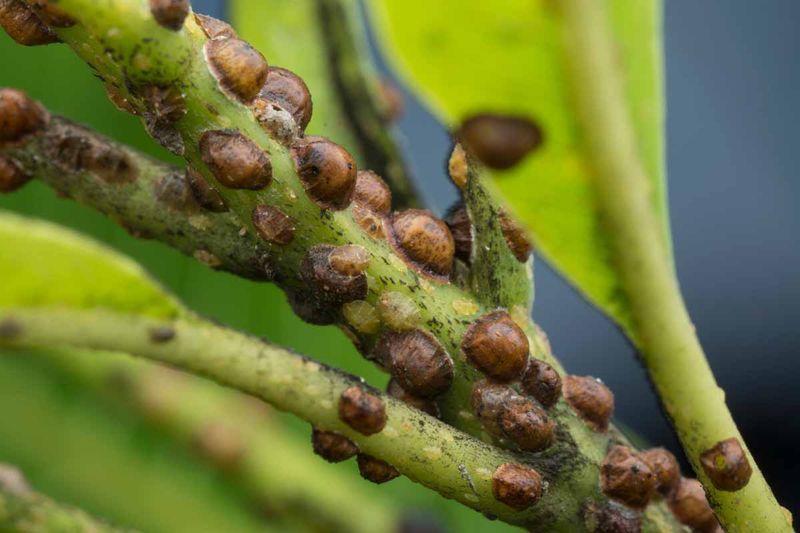
Brown bumps lined along a woody stem that do not move and do not brush off easily are one of the quieter pest problems California gardeners encounter in May.
Scale insects are easy to overlook because they look more like bark texture or a natural blemish than a living insect.
By the time most gardeners notice them, the colony has often been building for weeks or longer. May is a key period because many scale species produce crawlers, which are the tiny mobile young that spread to new plant tissue as growth resumes.
Scales feed by inserting a mouthpart into plant tissue and drawing out sap continuously. Over time, affected branches may show reduced vigor and leaf yellowing.
Ornamental shrubs, fruit trees, roses, and bay laurel are among the plants California gardeners commonly find scale on during spring inspections. Sticky honeydew and sooty mold on leaves below infested stems are secondary signs worth noticing.
Horticultural oil applied during the dormant season or at the crawler stage is one of the most effective management approaches for scale on woody plants.
For lighter infestations, scraping visible scale off stems with a soft brush and pruning out heavily infested branches can reduce the population significantly.
Keeping plants healthy through consistent watering and appropriate fertilization supports the plant’s ability to tolerate and recover from scale feeding pressure in California’s spring garden season.
9. Hoplia Beetles Arrive Just As Garden Flowers Take Off
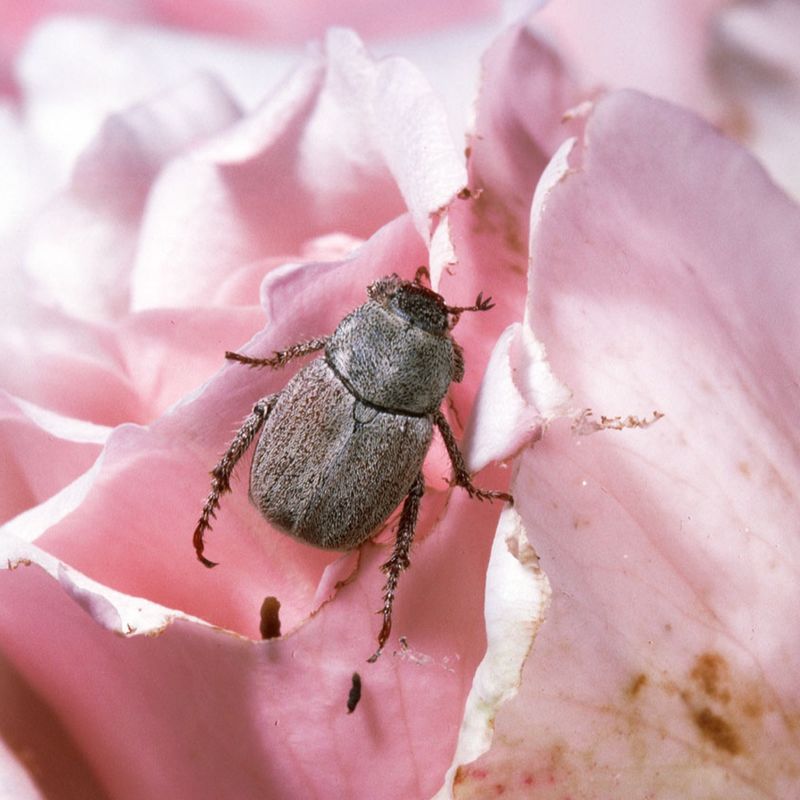
Just as the first roses and light-colored blooms open wide across California gardens in May, a small shimmering beetle may already be waiting inside.
Hoplia beetles are a seasonal visitor that California gardeners, particularly in inland and foothill areas, learn to recognize quickly once they have seen the damage.
These beetles are drawn almost exclusively to light-colored flowers, including white, cream, pink, and pale yellow blooms, where they feed on petals and reproductive parts in ways that leave flowers tattered and discolored.
Adult Hoplia beetles are roughly a quarter inch long with an iridescent, silvery or bronze sheen on their wing covers. They tend to be most active during the cooler parts of the day and often congregate inside open blooms where they are sheltered.
Their season is relatively short, typically running through late spring before populations decline as summer heat builds across California’s inland regions.
Hand-picking beetles from flowers during morning hours when they are less active is one of the more practical approaches for home gardeners. Checking blooms daily during peak season helps limit damage to prized roses or ornamental shrubs.
Because their flight season is limited, the damage period is finite rather than ongoing.
Planting some deeper-colored flowers alongside lighter ones may draw beetle activity away from the most prized blooms, though results can vary depending on local beetle pressure in different parts of California.