This Is The Best Method For Stopping Weeds In Florida Without Chemicals
Florida weeds do not wait around. Give them heat, rain, and a little open soil, and they show up fast enough to make a clean garden bed look neglected almost overnight.
That is why so many people reach for chemical sprays first. The problem is that quick fixes often miss the bigger issue, and the weeds just keep coming back.
The strongest long-term solution starts before weeds take over and turn a small problem into a constant headache. Done right, the right approach can save time, reduce repeat work, and keep beds looking far cleaner without drenching your yard in harsh products.
The difference is not subtle. Instead of fighting the same invasion again and again, you shift the balance in your favor from the start.
That change can make Florida gardening feel far less like a constant battle.
1. The “Shade The Soil” Method Starts Here
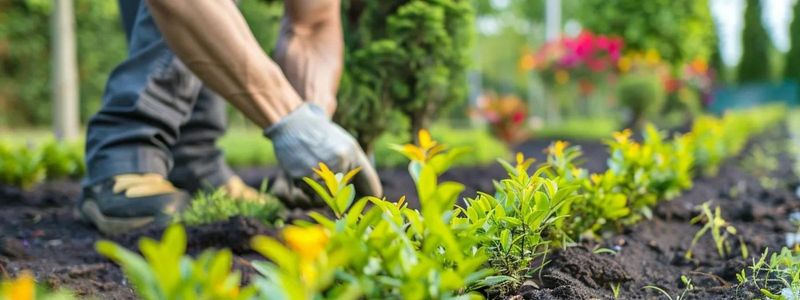
Blocking sunlight at the soil surface is the single most effective way to prevent weeds from taking over your Florida yard without reaching for a single chemical. That is the entire foundation of the Shade The Soil Method, and it is backed by solid horticultural science.
Weeds are opportunists. They need light to germinate, and when that light is blocked, most of them simply never sprout.
According to UF IFAS Extension, weed seeds can remain dormant in the soil for years, just waiting for a gap of exposed ground and a ray of sunlight. The moment bare soil appears, those seeds wake up and get moving.
Florida’s intense sun speeds up that process dramatically compared to cooler states.
The Shade The Soil Method works by keeping the ground consistently covered using a combination of mulch, groundcovers, and dense plantings. There is no single product to buy or trick to follow.
The strategy is about designing your garden so the soil never gets a chance to sit exposed and open.
For Florida homeowners, this approach fits naturally into the state’s landscape. Native plants, organic mulches, and smart bed design all play a role.
Start by looking at your yard and identifying every bare patch. Those spots are where weeds will show up next, and covering them is your first move.
2. Bare Soil Is The Real Problem
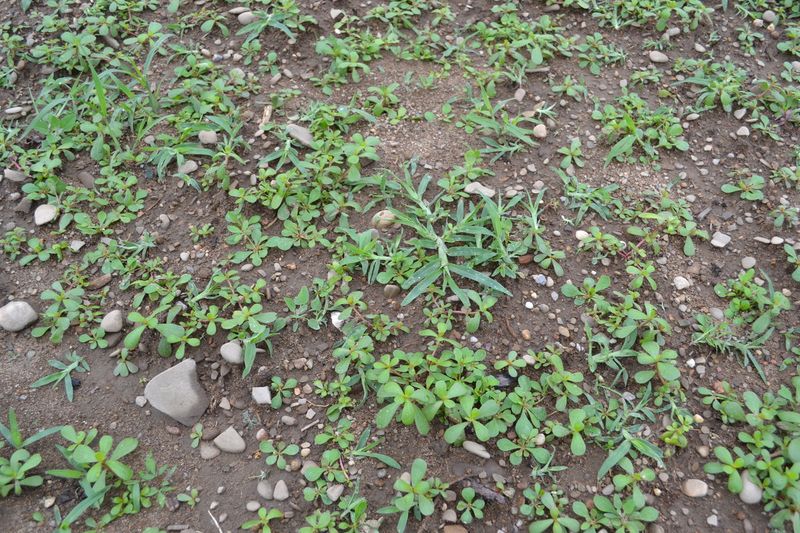
Walk through almost any Florida yard after a summer rain and you will notice the same thing. Wherever the soil is bare, weeds are already pushing through.
That is not a coincidence. Exposed soil in Florida is practically an open invitation for every weed seed in the neighborhood to land, settle, and start growing.
Florida’s sandy soils warm up quickly, and the state’s combination of heat and humidity creates nearly perfect germination conditions for invasive weeds like dollarweed, chamberbitter, and Florida pusley. UF IFAS Extension research consistently points to bare or disturbed soil as one of the primary drivers of weed pressure in home landscapes.
The more ground you leave uncovered, the more weeds you will have.
Many gardeners focus on removing weeds after they appear, but the smarter move is to eliminate the conditions that allow them to grow. Every bare patch in your yard is a problem waiting to happen.
Your Florida Garden Changes Every Week. Your Plan Should Too.
Gardening in Florida changes quickly throughout the season. Every Friday you’ll receive a simple weekly plan showing exactly what to plant, prune, fertilize, harvest, and protect so you never miss the right timing.
Covering those patches with mulch, plants, or groundcovers removes the opportunity before weeds can take it.
Start small if needed. Tackle one garden bed at a time and focus on keeping every inch of soil covered.
Over time, you will notice fewer weeds appearing and less time spent on your hands and knees pulling them out. Eliminating bare soil is the most direct path to a cleaner, lower-maintenance Florida landscape.
3. Light Is What Weeds Want Most
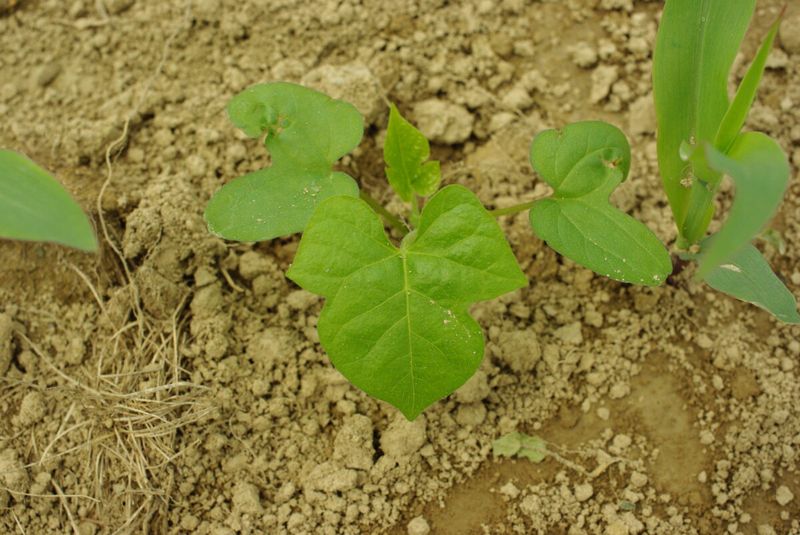
Sunlight is the fuel that powers weed growth, and understanding that one fact can completely change how you manage your Florida yard. Most common Florida weeds, including crabgrass, spurge, and sandbur, are what scientists call light-dependent germinators.
Their seeds can sit in the soil for months or even years, but they will not sprout until they receive enough light to trigger germination.
Research from the University of Florida confirms that many weed seeds require light exposure to activate the germination process. Even brief exposure to sunlight after soil disturbance can be enough to wake up dormant seeds.
That is why weeding can sometimes seem to make the problem worse. Every time you disturb the soil, you may be exposing seeds that were buried just below the surface.
Florida’s sunshine is legendary, and while that is great for growing tomatoes and citrus, it also means weed seeds at the soil surface have plenty of energy to work with. Reducing the amount of light that reaches the ground is one of the most powerful tools available to any gardener in the state.
Covering soil consistently is the practical application of this science. Mulch, dense plantings, and groundcovers all work by intercepting sunlight before it reaches weed seeds.
Understanding why light matters makes it easier to stay motivated about keeping your soil covered all year long.
4. Mulch Does More Than Look Good
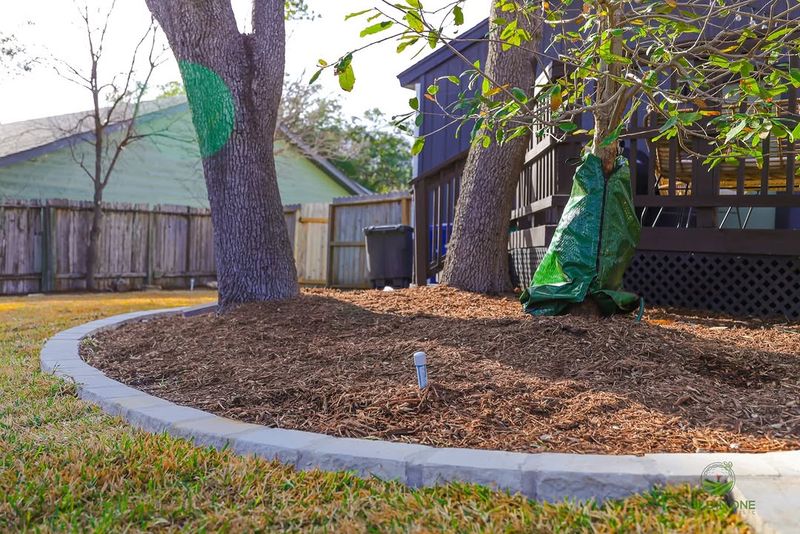
Most people think of mulch as something that just makes a garden bed look tidy, but it is actually one of the hardest-working tools in your weed-prevention arsenal. A properly applied layer of organic mulch blocks the sunlight that weed seeds need to germinate, and it does this around the clock without any effort on your part after it is laid down.
UF IFAS Extension recommends applying mulch at a depth of two to three inches for effective weed suppression. Go thinner than that and light can still filter through.
Go much thicker and you risk issues with moisture retention and root health. Getting the depth right matters, especially in Florida where heavy rainfall can shift mulch around over time.
Wood chips, pine bark, and pine straw are all solid choices for Florida gardens. Pine straw is especially popular in North Florida and works well around acid-loving plants.
As organic mulch breaks down, it also improves soil structure, feeds beneficial microbes, and helps sandy Florida soils hold moisture more effectively during dry spells.
Refresh your mulch layer once or twice a year to maintain that two-to-three-inch depth. Pull back any mulch that piles against plant stems to prevent rot.
Done right, mulching is one of the most cost-effective and sustainable weed-prevention strategies available to Florida homeowners, and it gets better for your soil with every passing season.
5. Groundcovers Help Close Every Gap
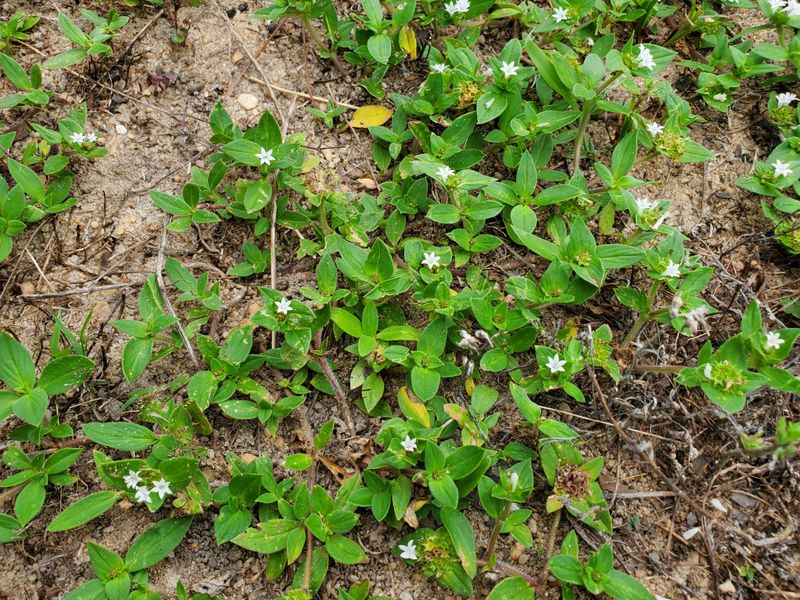
Every gap in your garden is a potential weed habitat. Groundcovers are living plants specifically suited to filling those spaces, and they do it by growing low, spreading wide, and keeping the soil shaded from above.
Unlike mulch, they are actively growing and competing with weeds for water, nutrients, and light.
Florida has a great selection of groundcover options that thrive in the state’s heat and humidity. Native choices like sunshine mimosa, sunshine meadowsweet, and Walter’s viburnum work well in different light conditions.
For shadier spots, Asian jasmine and liriope are widely used and reliably fill in over time. Selecting plants suited to your specific conditions is key to success.
Groundcovers are especially useful in areas where mulch tends to wash away during Florida’s summer downpours. Once established, they hold the soil in place and maintain consistent coverage without needing to be replaced each season.
They also provide habitat value for pollinators and other beneficial insects, adding ecological benefit beyond weed control.
Plan for spacing when you plant groundcovers. Placing them too far apart leaves gaps that weeds will quickly claim while the plants are getting established.
Mulch those in-between spaces until the groundcover fills in. With a little patience in the first growing season, a well-chosen groundcover can provide years of low-maintenance weed suppression across large areas of your Florida yard.
6. Dense Planting Makes Weeds Work Harder
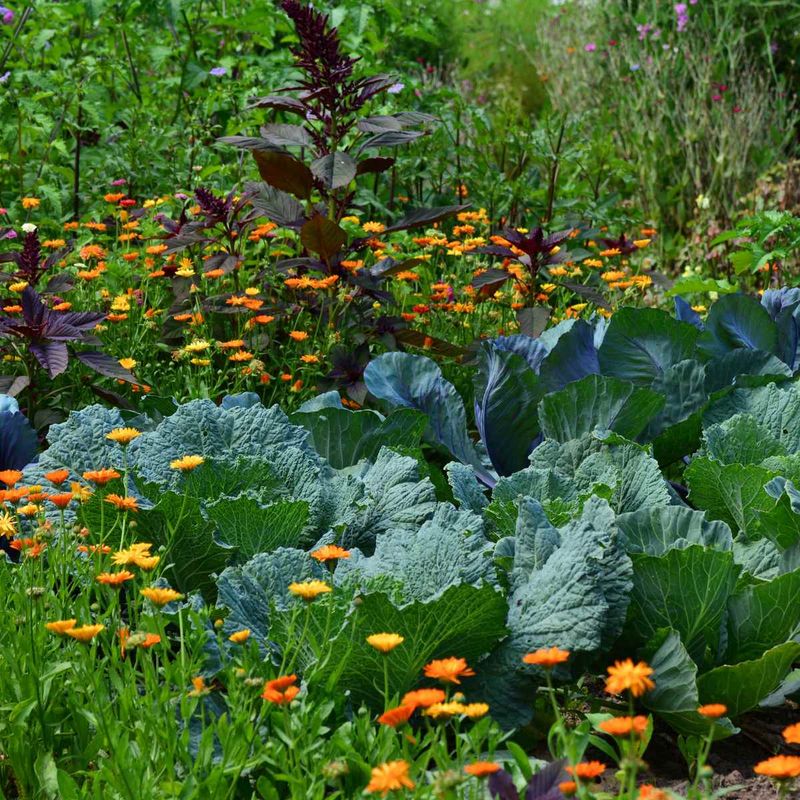
Spacing plants generously might look elegant in a garden catalog, but in Florida, all that open space between plants is prime real estate for weeds. Dense planting is a practical strategy that reduces those gaps, limits available light at the soil level, and forces any weed that does try to grow to compete hard for resources it may not be able to find.
The concept is straightforward. When desirable plants grow close enough together that their canopies overlap or nearly touch, they create a living shade layer over the soil below.
That shade reduces the light available for weed seed germination and slows the growth of any weeds that do manage to sprout. UF IFAS landscape management guides support the idea that well-designed, fully planted beds require significantly less weed management over time.
Florida’s growing conditions actually work in your favor here. Many shrubs, perennials, and ornamental grasses grow quickly in the warm climate, meaning gaps close faster than they would in cooler states.
Choosing fast-establishing plants that suit your sun and soil conditions helps speed up the process.
Start by reviewing your existing beds. If you can see a lot of bare soil between plants, consider adding more plants, filling in with groundcovers, or applying mulch as a bridge until the existing plants fill out.
The goal is a canopy that leaves weeds with nowhere comfortable to grow and no light to feed on.
7. Pros Focus On Prevention First
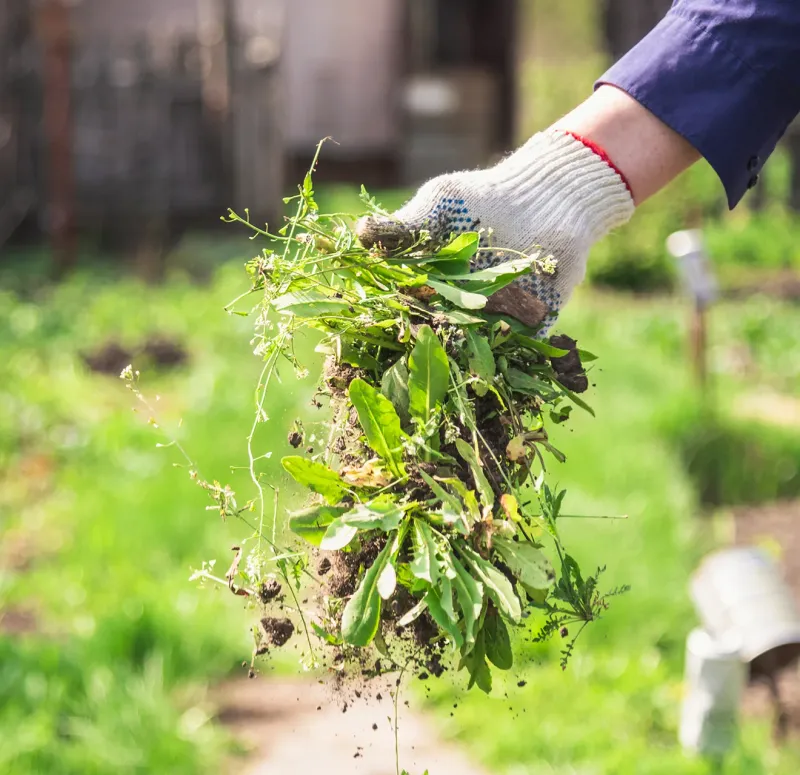
Experienced Florida landscapers and horticulturists share one habit that separates them from weekend gardeners who spend every Saturday pulling weeds. They plan for weed prevention before a single plant goes in the ground.
Prevention is not a reactive tool. It is a design principle built into every decision they make about a garden bed.
Professional landscape designers in Florida routinely use a layered approach that combines mulch, groundcovers, and dense planting to create beds that are naturally resistant to weed pressure. They also pay close attention to soil disturbance, keeping it minimal during planting and maintenance to avoid bringing buried weed seeds to the surface where light can reach them.
UF IFAS Extension notes that cultural practices, including proper plant selection, appropriate spacing, and consistent mulching, are the backbone of integrated weed management in Florida landscapes. Professionals lean on these practices because they reduce labor costs and deliver better long-term results than reactive removal ever could.
You do not need to hire a landscaper to think like one. Before your next planting project, spend a few minutes planning how you will keep the soil covered from day one.
Choose plants that will fill their space well, lay down mulch immediately after planting, and address any bare spots before weeds claim them. Thinking ahead is the most powerful weed-management tool any Florida gardener has available.
8. A Shaded Bed Stays Cleaner Longer
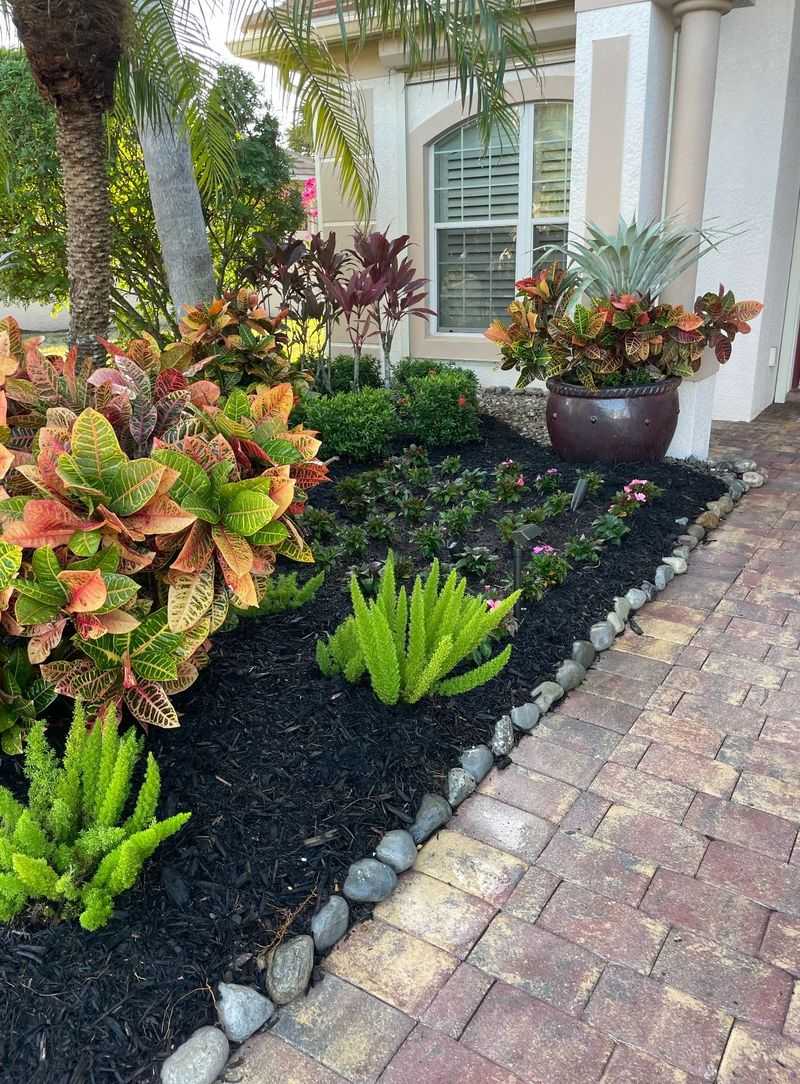
There is a satisfying payoff that comes with a well-shaded garden bed, and Florida gardeners who have committed to the Shade The Soil Method know it well. Once your soil is consistently covered, the number of weeds that appear drops noticeably, and the ones that do show up are easier to manage because they have not had ideal conditions to establish deep roots.
The long-term benefit of this approach is reduced maintenance. A bed with full soil coverage does not need weekly weeding sessions.
Occasional spot-checks are usually enough to stay ahead of any stragglers. Over time, as mulch breaks down and improves soil health, and as groundcovers and dense plantings mature, the bed essentially manages itself more and more each season.
Florida’s year-round growing season means weeds never fully take a break, but a well-shaded bed dramatically reduces their window of opportunity. Even during the peak of summer, when weed pressure is highest, a properly mulched and planted bed holds its own far better than one with exposed soil.
Think of the initial effort of covering your soil as an investment that pays dividends in saved time and reduced frustration for years ahead. A Florida yard designed around the principle of keeping soil shaded is not just easier to maintain.
It looks better, supports healthier plants, and creates a more resilient garden that works with the environment rather than constantly fighting against it.