10 Fragrant Plants That Make North Carolina Backyards Smell Incredible
A backyard can look beautiful and still feel like something is missing. In many North Carolina gardens, that missing piece is scent.
The right fragrant plants can change the whole mood of an outdoor space, making it feel richer, calmer, and much more inviting.
A soft breeze carrying sweet floral scent or a fresh herbal smell can turn an ordinary yard into a place people want to linger.
Some plants release their best fragrance in the morning, while others grow stronger in the warm evening air. That makes them even more enjoyable during spring and summer, when backyards get used the most.
In North Carolina, many scented plants grow well despite the heat and humidity, which means beauty and fragrance can go hand in hand. The best picks do more than smell nice. They make the whole backyard feel more alive, memorable, and hard to leave.
1. Gardenia
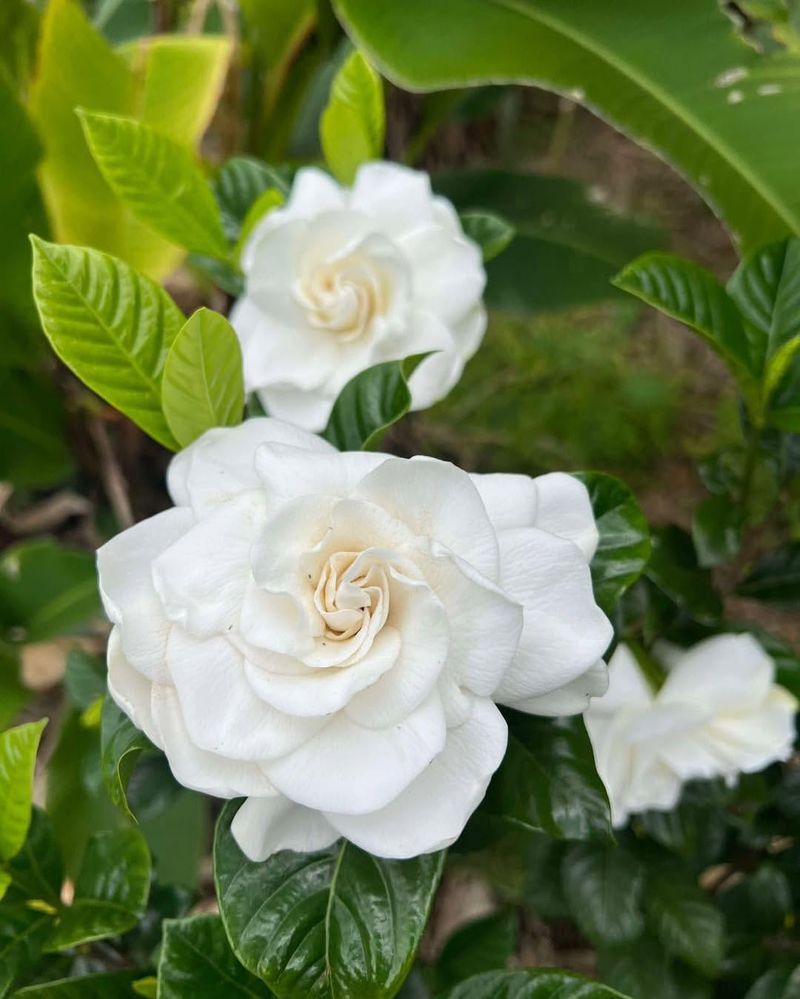
Few plants stop people in their tracks quite like a gardenia in full bloom.
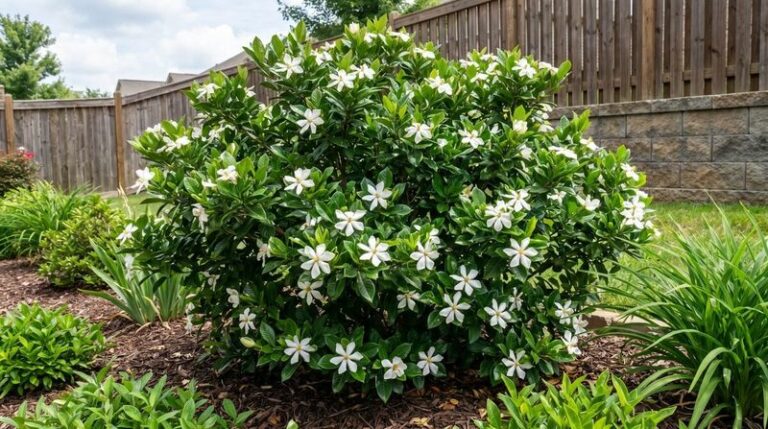
Gardenia jasminoides produces some of the most intensely sweet, creamy white flowers in the entire plant world, and North Carolina’s warm, humid summers give this beauty exactly what it needs to thrive.
The scent alone is worth every bit of effort it takes to grow one. Gardenias grow best in Zones 7 through 9, which covers a large portion of North Carolina from the Piedmont to the coastal plain.
They love acidic, well-drained soil, so testing your soil before planting is a smart move.
A soil pH between 5.0 and 6.0 keeps the foliage a rich, glossy green and encourages heavy blooming from late spring through summer.
Partial sun works best for gardenias in North Carolina, especially in areas where summer heat can be intense.
Morning sun with afternoon shade protects the blooms from scorching. Varieties like ‘Frostproof’ and ‘August Beauty’ are excellent choices because they rebloom and handle heat better than older cultivars.
Gardenias also attract pollinators and make stunning cut flowers for indoor arrangements. Plant one near a patio, porch, or bedroom window so the fragrance drifts inside on warm evenings.
With consistent watering and a little acidic fertilizer, a gardenia will reward you with breathtaking blooms year after year right in your North Carolina backyard.
2. Carolina Jessamine
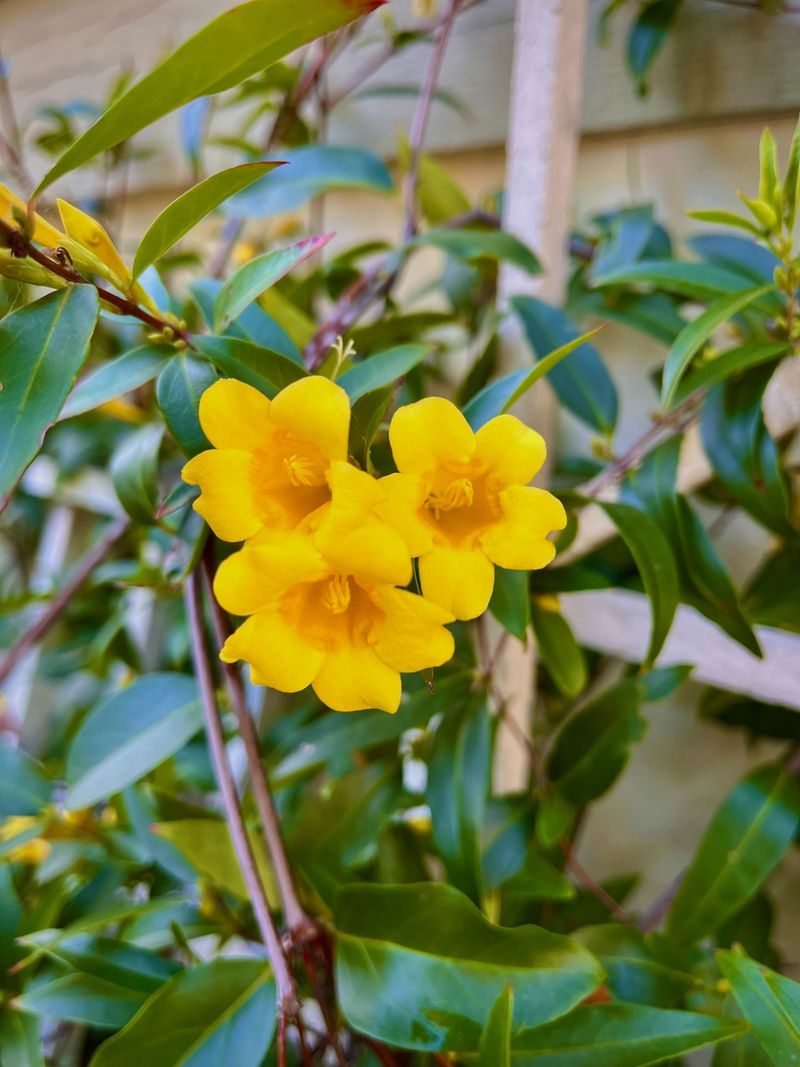
Carolina Jessamine holds a special place in the hearts of Southern gardeners, and for very good reason.
Gelsemium sempervirens is the official state flower of South Carolina and grows abundantly across North Carolina, where it blankets fences, trellises, and arbors with cheerful yellow blooms just when winter feels like it will never end.
That early burst of color and fragrance is genuinely uplifting.
Blooming from late winter into early spring, Carolina Jessamine produces clusters of trumpet-shaped yellow flowers with a light, sweet scent that carries beautifully on cool morning air.
As a native vine, it is perfectly adapted to North Carolina’s climate and soil, making it one of the lowest-maintenance fragrant plants you can grow in the region. Full sun brings out the heaviest blooms, but Carolina Jessamine handles partial shade with ease.
Your North Carolina Garden Changes Every Week. Your Plan Should Too.
Gardening in North Carolina changes quickly throughout the season. Every Friday you’ll receive a simple weekly plan showing exactly what to plant, prune, fertilize, harvest, and protect so you never miss the right timing.
It climbs quickly and enthusiastically, reaching up to 20 feet, so giving it a sturdy support structure from the start saves a lot of trouble later.
Train it along a fence line or over a garden gate for a truly stunning springtime display. Pollinators, especially early-season bees and butterflies, absolutely love the nectar-rich flowers.
One important note for families: all parts of this plant are toxic if ingested, so plant it thoughtfully in yards with small children or pets.
Beyond that concern, Carolina Jessamine is one of North Carolina’s most rewarding native vines for fragrance and beauty.
3. Sweetshrub (Carolina Allspice)
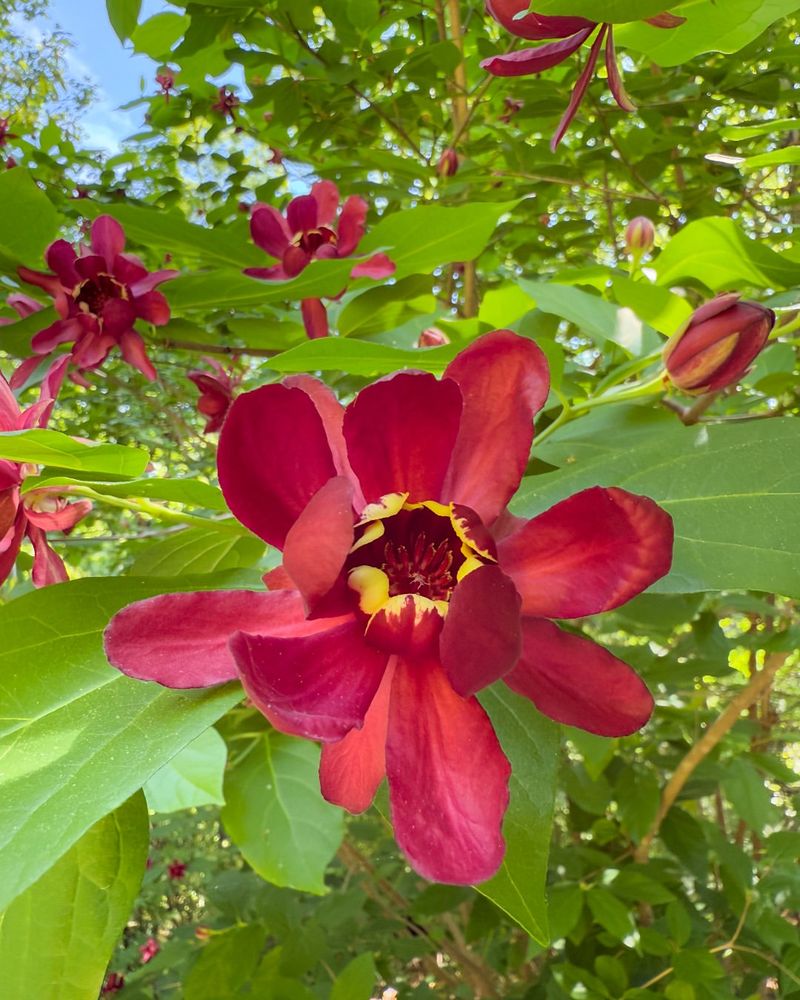
Imagine stepping into your backyard and catching a warm, fruity scent that reminds you of ripe strawberries and a hint of pineapple.
That is exactly what Sweetshrub delivers every spring, and it has been doing so in North Carolina gardens for generations.
Calycanthus floridus is a true native shrub with deep roots in the Appalachian region and throughout the Piedmont, making it completely at home in the state’s varied landscapes.
The blooms appear in spring and sometimes continue into early summer, showing off unusual burgundy-maroon flowers that look almost handcrafted.
The fragrance is strongest when you crush a leaf or hold a flower close, releasing that signature spicy-sweet aroma that gardeners find absolutely irresistible.
Not every flower on every plant smells equally strong, so purchasing one in bloom at a local nursery lets you choose the most fragrant individual.
Sweetshrub adapts to a wide range of conditions, growing happily in full sun or partial shade and tolerating clay soils that challenge many other plants.
It typically reaches 6 to 9 feet tall and wide, making it a solid choice for a fragrant hedge or a naturalized border planting.
Deer tend to avoid it, which is a real bonus in many parts of North Carolina. Beyond its fragrance, Sweetshrub adds year-round interest with attractive foliage that turns golden yellow in fall.
It truly earns its place in any North Carolina backyard as a native plant that gives back to the ecosystem while filling the air with something wonderful.
4. Confederate Jasmine (Star Jasmine)
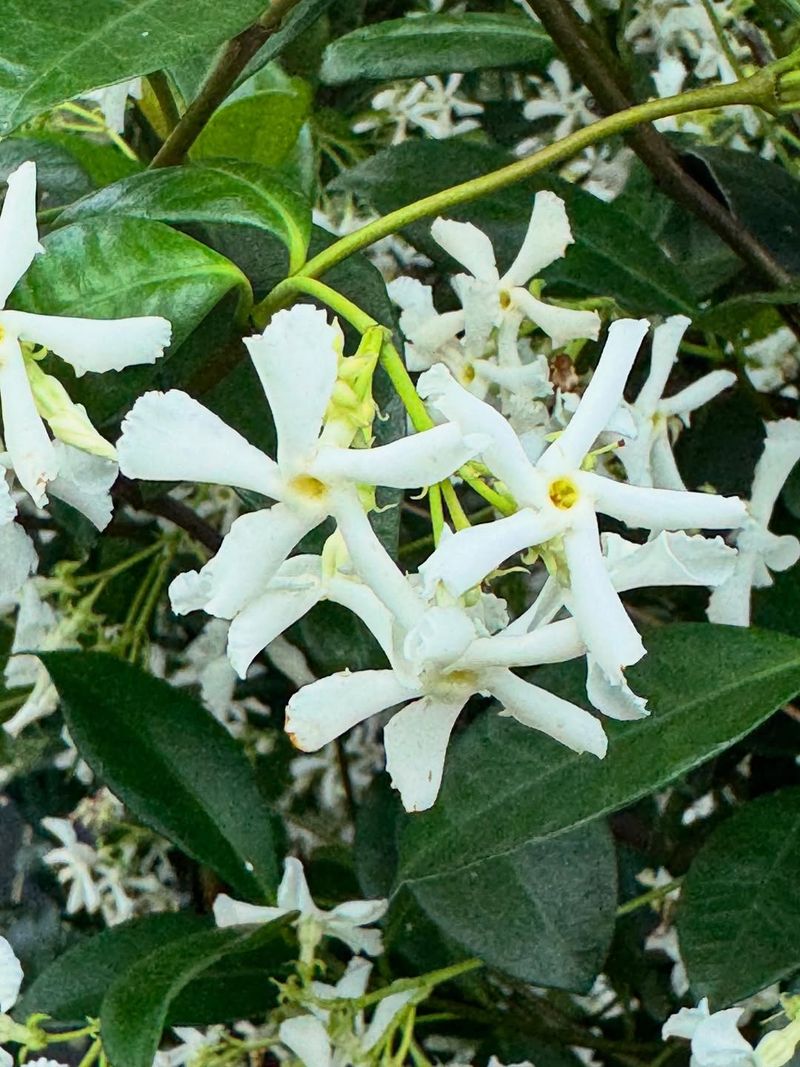
Walking past a fence covered in Confederate Jasmine on a warm May evening in North Carolina is one of those simple pleasures that sticks with you for years.
Trachelospermum jasminoides produces clusters of small, pinwheel-shaped white flowers with a fragrance so sweet and rich it genuinely stops people in their tracks.
The scent is often described as a classic jasmine perfume, warm and intoxicating, especially at dusk when the air is still.
Star Jasmine thrives across North Carolina’s Piedmont and coastal regions, where warmer winters allow the evergreen vines to stay lush and full year-round.
It performs best in Zones 7 through 10, making much of the state an ideal growing zone. Late spring brings the heaviest bloom period, though established plants sometimes push out a few flowers at other times of year as well.
Give Star Jasmine a sunny spot with well-drained soil, and it will reward you generously. It climbs beautifully on trellises, fences, mailbox posts, and pergolas, reaching 15 to 20 feet over time.
A little guidance while it is young helps it cover a structure evenly, and once established, it requires very little attention beyond occasional watering during dry spells. Pollinators flock to the blooms throughout the flowering season.
Planting Star Jasmine near an outdoor seating area or along a frequently used walkway turns every trip outside into something a little more magical.
For pure fragrance impact in a North Carolina backyard, few vines come close to matching what this one delivers.
5. Lavender
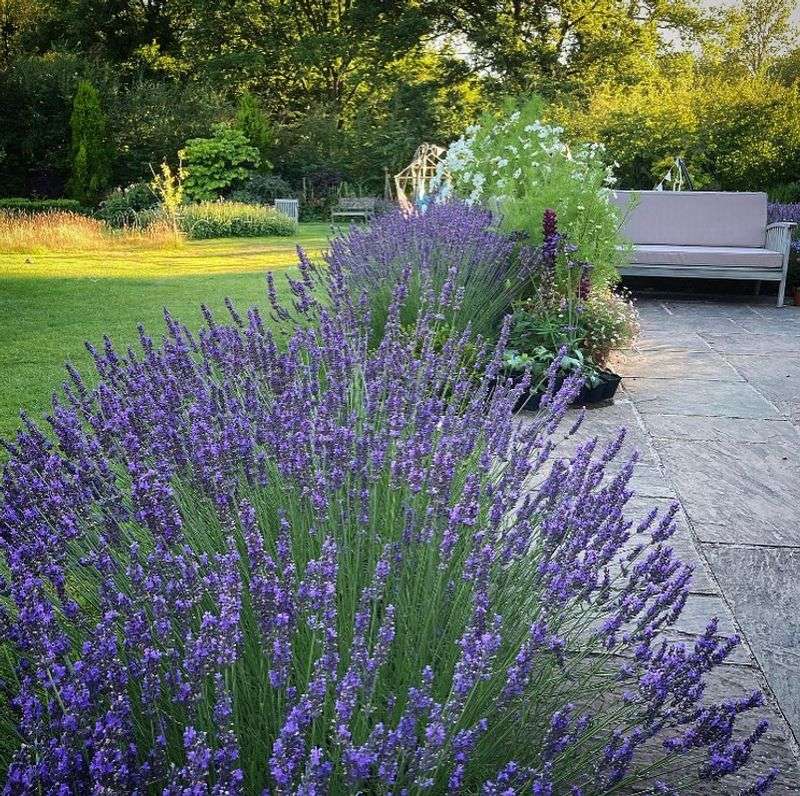
Lavender has a reputation for being tricky in North Carolina, but gardeners who get the conditions right are rewarded with one of the most calming, herbal fragrances in the plant world. The key to success here is drainage.
North Carolina’s humidity can cause lavender roots to rot quickly in heavy or consistently wet soil, so raised beds, slopes, or amended sandy soil make all the difference between a thriving plant and a struggling one.
Heat-tolerant varieties are the smart choice for most parts of North Carolina. ‘Phenomenal’ and ‘Grosso’ are two standout cultivars that handle the state’s hot, humid summers far better than traditional English lavender.
Both produce long, fragrant flower spikes in shades of soft purple and lavender blue, blooming from late spring into early summer with a calming herbal scent that drifts across the yard on warm afternoons.
Full sun is non-negotiable for lavender. At least six to eight hours of direct sunlight per day keeps the plants compact, fragrant, and healthy.
Spacing plants well apart also helps air circulate freely around the foliage, which reduces the risk of fungal issues during North Carolina’s muggy summer months.
Lavender attracts bees and butterflies in impressive numbers, making it as beneficial as it is beautiful.
Harvest the flower spikes just before they fully open and hang them to dry for sachets, homemade potpourri, or culinary uses.
Growing lavender successfully in North Carolina feels like a real gardening achievement, and the rewards in fragrance and beauty are absolutely worth the effort.
6. Sweet Alyssum
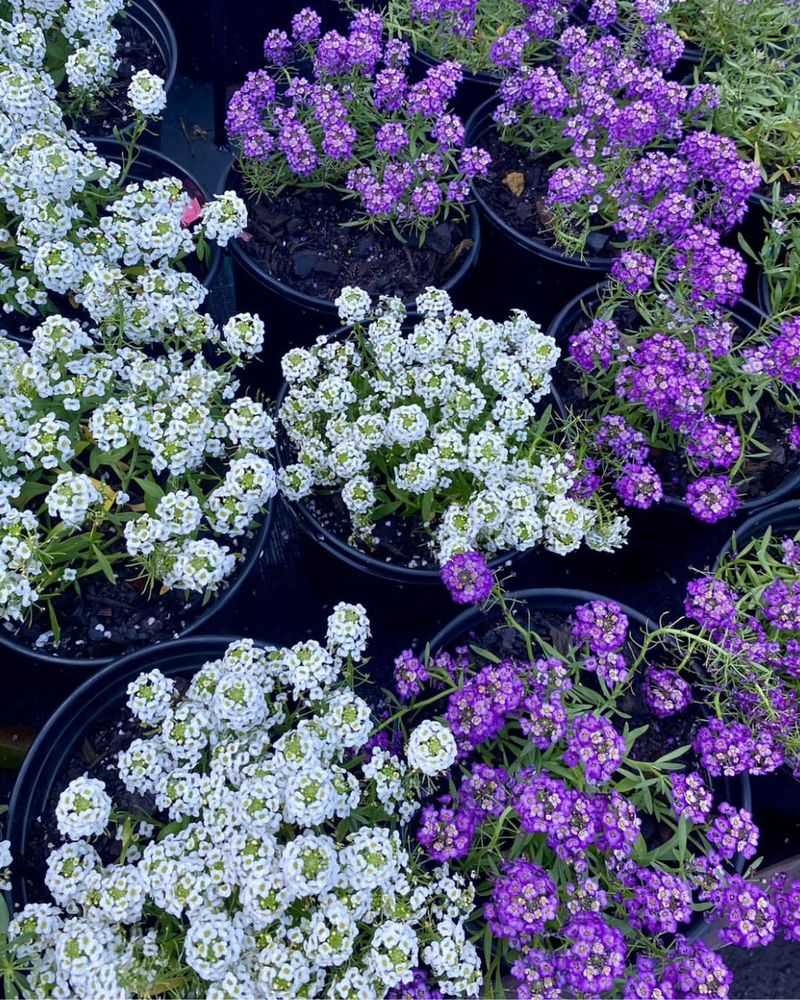
Sweet Alyssum might be small in size, but the fragrance it produces is anything but modest.
Lobularia maritima forms low, spreading mats of tiny flowers in white, purple, and pink that release a gentle, honey-like scent so inviting that butterflies and beneficial insects simply cannot resist them.
For North Carolina gardeners looking for a fragrant ground cover that practically takes care of itself, Sweet Alyssum checks every box.
North Carolina’s mild springs and pleasant falls are the sweet spots for this plant. Sweet Alyssum prefers cooler temperatures and tends to bloom most enthusiastically when daytime highs stay below 80 degrees Fahrenheit.
Planting it in early spring or again in late August gives you two full seasons of fragrant flowers bookending the hot summer months.
Growing Sweet Alyssum from seed is surprisingly easy and very affordable. Scatter seeds directly onto prepared soil, press them in lightly, and water gently. Germination happens within one to two weeks, and plants begin blooming quickly after that.
It self-seeds reliably, meaning you may find it returning on its own in the same spot next season without any extra effort on your part.
Use Sweet Alyssum along garden borders, between stepping stones, or in window boxes and hanging baskets where the fragrance drifts upward toward people sitting nearby.
It pairs beautifully with spring bulbs and cool-season vegetables in raised beds. In a North Carolina backyard, few plants offer this level of fragrant charm for such little investment of time or money.
7. Daphne (Winter Daphne)
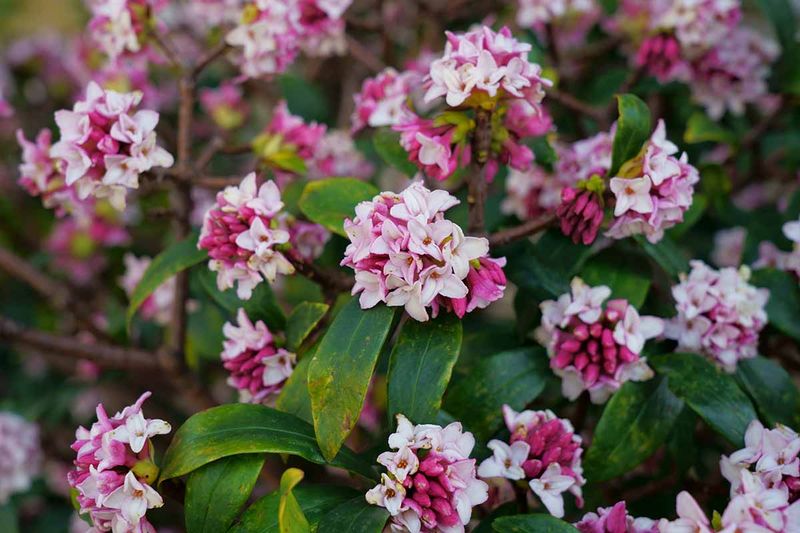
There is something almost magical about a plant that fills your yard with perfume in the middle of winter.
Daphne odora, commonly called Winter Daphne, does exactly that, producing clusters of small pink and white flowers with a citrus-sweet fragrance so powerful that a single shrub can perfume an entire garden corner on a calm winter morning.
For North Carolina gardeners, it is one of the most anticipated blooms of the year. Winter Daphne blooms from late January through March in most parts of North Carolina, overlapping with some of the coldest and dreariest weeks of winter.
That timing makes it absolutely invaluable in the garden. The fragrance is rich and complex, carrying hints of sweet citrus and rose, and it travels surprisingly far on still air, making it detectable from across the yard.
Planting location matters enormously for this shrub. Winter Daphne prefers well-drained soil and partial shade, especially protection from harsh afternoon sun, which can stress the foliage.
A spot on the east side of a building or under the filtered shade of a tall tree works beautifully. Avoid overwatering, as consistently wet roots are the fastest way to stress this plant.
Daphne odora ‘Aureomarginata,’ the variegated form with creamy yellow leaf margins, is one of the most commonly available and reliable varieties for North Carolina gardens.
Place it near a frequently used door or along a winter walking path so you catch that extraordinary fragrance every single day it blooms. Few shrubs reward a gardener’s patience more generously than this one.
8. Roses (Fragrant Varieties)
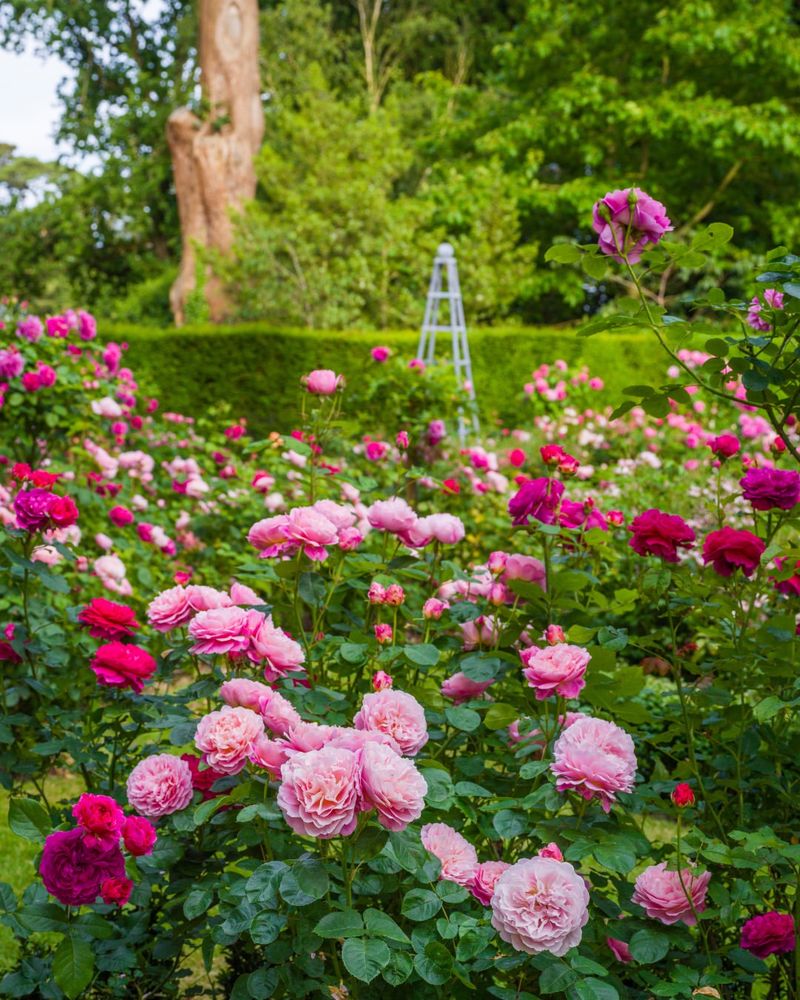
Roses have been the symbol of garden fragrance for centuries, and in North Carolina, the right varieties put on a show that is genuinely hard to match.
Old garden roses, in particular, carry a deep, complex floral scent that modern hybrid tea roses often cannot replicate.
Varieties like ‘Mr. Lincoln,’ ‘Mister Lincoln,’ ‘Sombreuil,’ and ‘Duchesse de Brabant’ are beloved by North Carolina gardeners for exactly that reason: they smell the way roses are supposed to smell.
Full sun is essential for strong blooming and healthy plants. Roses need at least six hours of direct sunlight daily, and in North Carolina’s humid climate, good air circulation around the canes is equally important.
Crowding roses together or planting them against a wall with poor airflow invites fungal diseases like black spot, which weakens plants over time.
Spacing them generously makes a real difference in long-term health. Soil preparation pays off enormously with roses. Amending beds with compost before planting improves drainage and feeds the roots over time.
Mulching around the base helps retain moisture during North Carolina’s hot summers while keeping the root zone cooler.
Regular deep watering, rather than frequent shallow watering, encourages strong root development.
North Carolina’s long growing season gives roses plenty of time to produce multiple flushes of blooms from spring through fall. Deadheading spent flowers encourages the next wave of blooms to arrive sooner.
For pure romantic fragrance in a Southern backyard, there is simply no substitute for a well-chosen, well-tended rose growing in full North Carolina sunshine.
9. Mock Orange
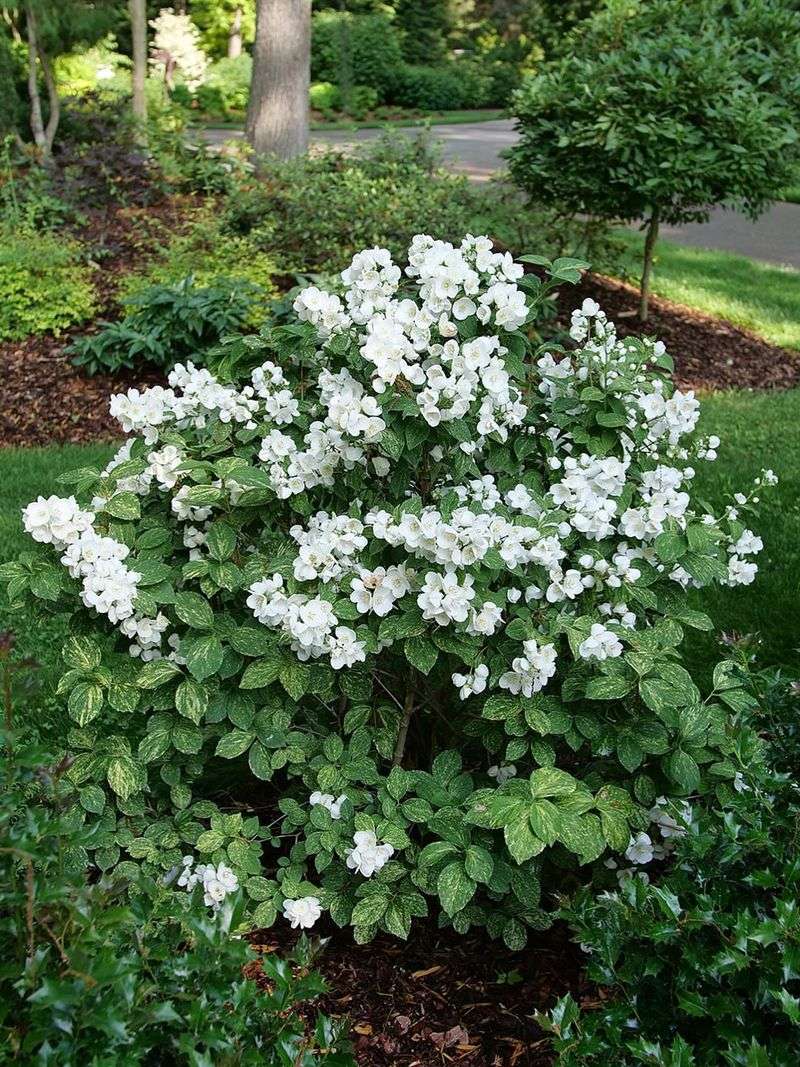
One sniff of Mock Orange in full bloom and you immediately understand how it got its name.
Philadelphus produces white flowers with a crisp, sweet citrus fragrance so similar to orange blossoms that it genuinely fools the nose for a moment.
In North Carolina, late spring brings this shrub into its glory, and a well-placed Mock Orange can perfume an entire corner of the yard during its peak blooming weeks.
Mock Orange is refreshingly easy to grow, which makes it a favorite among gardeners who want maximum fragrance with minimum fuss.
It grows happily in full sun to partial shade and adapts to a wide range of soil types as long as drainage is reasonable.
North Carolina’s varied soils, from the red clay of the Piedmont to the sandier coastal soils, both support healthy Mock Orange growth with minimal amendments.
Plants typically reach 6 to 10 feet tall and wide at maturity, making them excellent choices for privacy screens, mixed borders, or as standalone specimen shrubs.
Pruning right after flowering, rather than in late winter, keeps the shrub shapely without sacrificing next year’s blooms.
The flowers appear on wood from the previous season, so late pruning removes the buds before they ever get the chance to open.
Butterflies and bees visit the blooms frequently throughout the flowering period. The white flowers also look stunning paired with purple salvia, lavender, or blue catmint in a mixed border.
For North Carolina homeowners who want a reliable, low-effort fragrant shrub that delivers every single spring, Mock Orange belongs at the very top of the planting list.
10. Mint (Spearmint Or Peppermint)
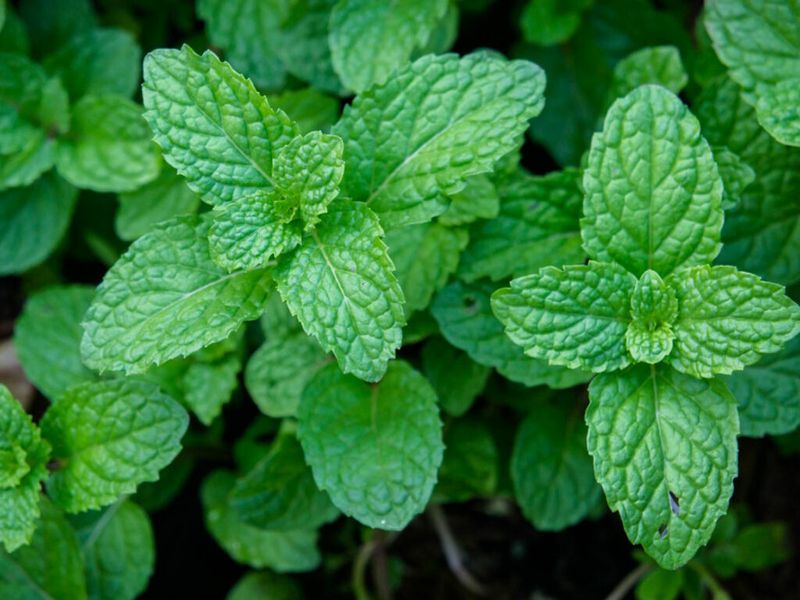
Brush your hand against a mint plant on a warm North Carolina afternoon and the rush of cool, fresh fragrance that hits you is genuinely invigorating.
Mentha species are among the most powerfully aromatic plants you can grow, and they do not require any special conditions or gardening expertise to thrive.
Both spearmint and peppermint grow vigorously across North Carolina, rewarding gardeners with lush, fragrant foliage from spring through late fall.
Mint grows best in moist soil with partial sun, making it a great fit for spots in the yard that get morning sun and afternoon shade.
North Carolina’s warm summers can stress mint in full afternoon sun, so a little shade during the hottest hours keeps the plants looking fresh and productive.
Consistent moisture is more important than rich soil, and mint handles average garden soil without complaint.
The one thing every North Carolina gardener needs to know before planting mint in the ground is this: it spreads aggressively.
Mint sends out underground runners called rhizomes that can quickly take over a garden bed, crowding out neighboring plants.
Growing mint in containers is the smartest approach, keeping the plants contained while still providing all the fragrance and fresh leaves you could want.
Spearmint carries a sweeter, milder scent, while peppermint is sharper and more cooling. Both work beautifully in teas, cocktails, and homemade lemonade.
Place containers near a seating area or along a walkway where brushing against the leaves releases that signature fresh mint fragrance into the North Carolina evening air.