How To Grow A Snake Plant In A Spiral Shape In North Carolina Homes
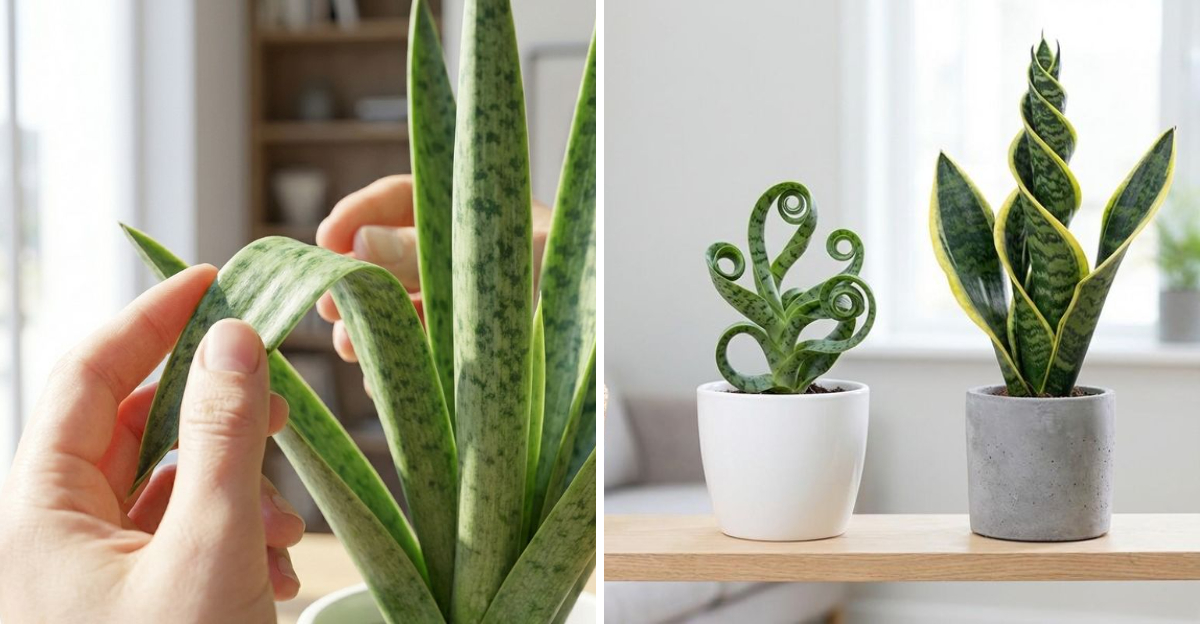
A snake plant already has a bold, upright look, but shaping it into a spiral can turn it into a real statement piece in your home. This creative style adds a sense of movement and makes a simple plant feel more like living decor.
While it may look complicated, the process is actually quite manageable with a bit of patience and consistency. In North Carolina homes, where light and indoor conditions can vary, guiding the plant’s growth in the right direction is the key to success.
Small adjustments over time help train the leaves without damaging them. Many people assume this kind of shape requires special tools or advanced skills, but it really comes down to gentle shaping and proper care.
With the right approach, you can turn a basic snake plant into something unique that stands out in any room.
1. Start With Young, Flexible Leaves
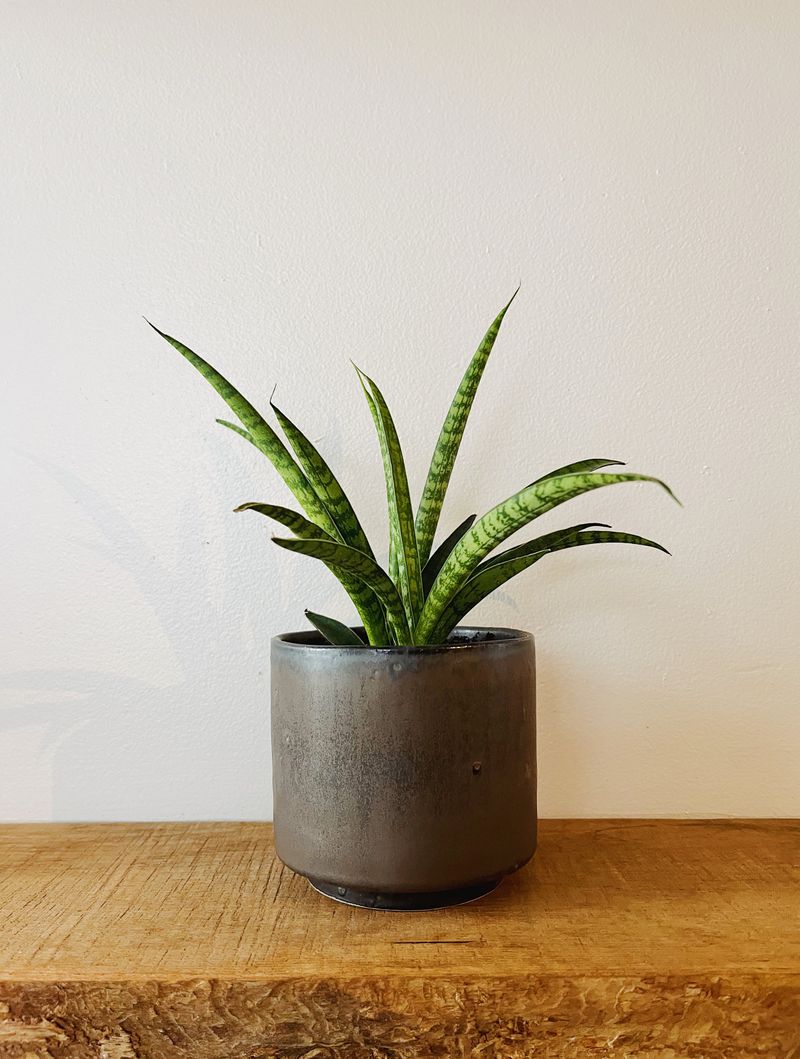
Believe it or not, timing is everything when you want to grow a snake plant in a spiral shape. Young leaves on a Dracaena trifasciata are naturally soft and bendable, making them the perfect candidates for training.
Once leaves mature and harden, shaping them without causing damage becomes nearly impossible.
If you look closely at your plant, you can usually spot the newest growth pushing up from the soil. These fresh, lighter-colored leaves are your best starting point.
North Carolina homes often have warm indoor temperatures year-round, which actually encourages faster new growth, giving you more opportunities to begin training early.
Starting the shaping process at the right time saves you a lot of frustration later on. Trying to bend a stiff, fully grown leaf will only result in creasing or snapping, which is the last thing you want after months of careful care.
Catching leaves while they are still flexible means they will hold the curve you give them as they continue to grow and firm up over time.
Check your plant every week or two for fresh growth. The moment you spot a new leaf unfurling, that is your cue to start guiding it gently.
Consistent attention during these early stages makes a huge difference in how clean and defined your spiral shape turns out in the long run.
2. Choose A Tall, Upright Variety For The Best Results
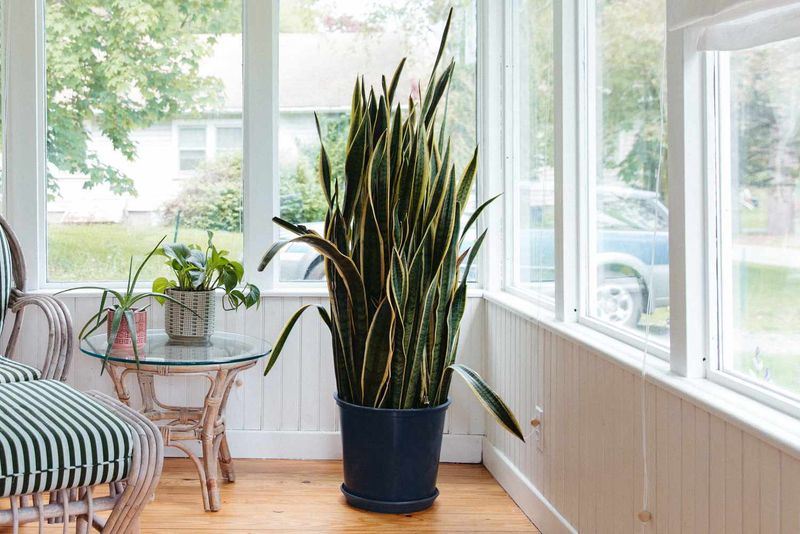
Not every snake plant variety is built for spiral training, and picking the right one from the start gives you a serious advantage.
The standard Dracaena trifasciata, formerly known as Sansevieria trifasciata, produces long, tall leaves that respond beautifully to gradual shaping.
Compact dwarf types like the bird’s nest varieties simply do not have the leaf length needed to form a visible spiral.
Sansevieria cylindrica is another fantastic option worth considering. Its round, cylindrical leaves are naturally flexible and can be trained into a dramatic spiral with impressive results.
Many plant lovers in North Carolina have used this variety to create eye-catching arrangements that become the centerpiece of any room.
The variety you choose will also affect how fast the spiral becomes noticeable. Taller-growing plants produce more leaf length, which means the spiral pattern has more space to develop and stand out.
Your North Carolina Garden Changes Every Week. Your Plan Should Too.
Gardening in North Carolina changes quickly throughout the season. Every Friday you’ll receive a simple weekly plan showing exactly what to plant, prune, fertilize, harvest, and protect so you never miss the right timing.
A plant that only grows six inches tall will never give you the same visual impact as one that reaches two or three feet.
Before you buy, check the plant label or ask at your local North Carolina nursery about the expected mature height.
Choosing a variety that grows at least eighteen to twenty-four inches tall will give you the best canvas for creating a spiral shape that truly impresses everyone who walks through your front door.
3. Gently Bend Leaves Into Position Over Time
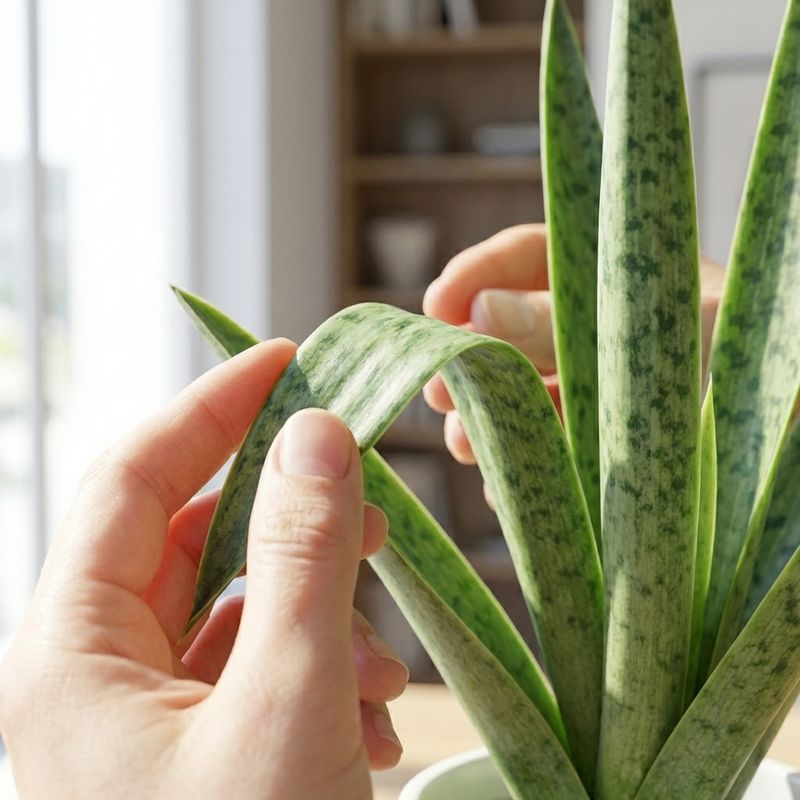
Patience is the secret ingredient when it comes to bending snake plant leaves into a spiral. The process is slow, deliberate, and incredibly rewarding once you see the shape start to form.
Rushing it or applying too much pressure at once is a surefire way to crease a leaf, which can leave a permanent mark on your beautiful plant.
Start by holding the base of a young leaf firmly between two fingers and applying very gentle pressure to curve it slightly in the direction you want it to grow. Do this for just a few seconds at a time, a little more each day.
Think of it like bending a green twig rather than snapping a dry stick. The goal is to coax the leaf, not force it.
In North Carolina homes, the warm and relatively humid indoor environment helps keep leaves slightly more pliable than in drier climates. That little bit of natural moisture in the air works in your favor when training your plant over several weeks.
Always work from the base of the leaf toward the tip, following the natural curve you want to create. Moving in one consistent direction each time reinforces the shape and helps the leaf remember its new position.
Over several weeks, you will notice the leaf holding its curve more naturally, which is exactly the progress you are looking for.
4. Use Soft Ties Or Supports To Hold The Shape
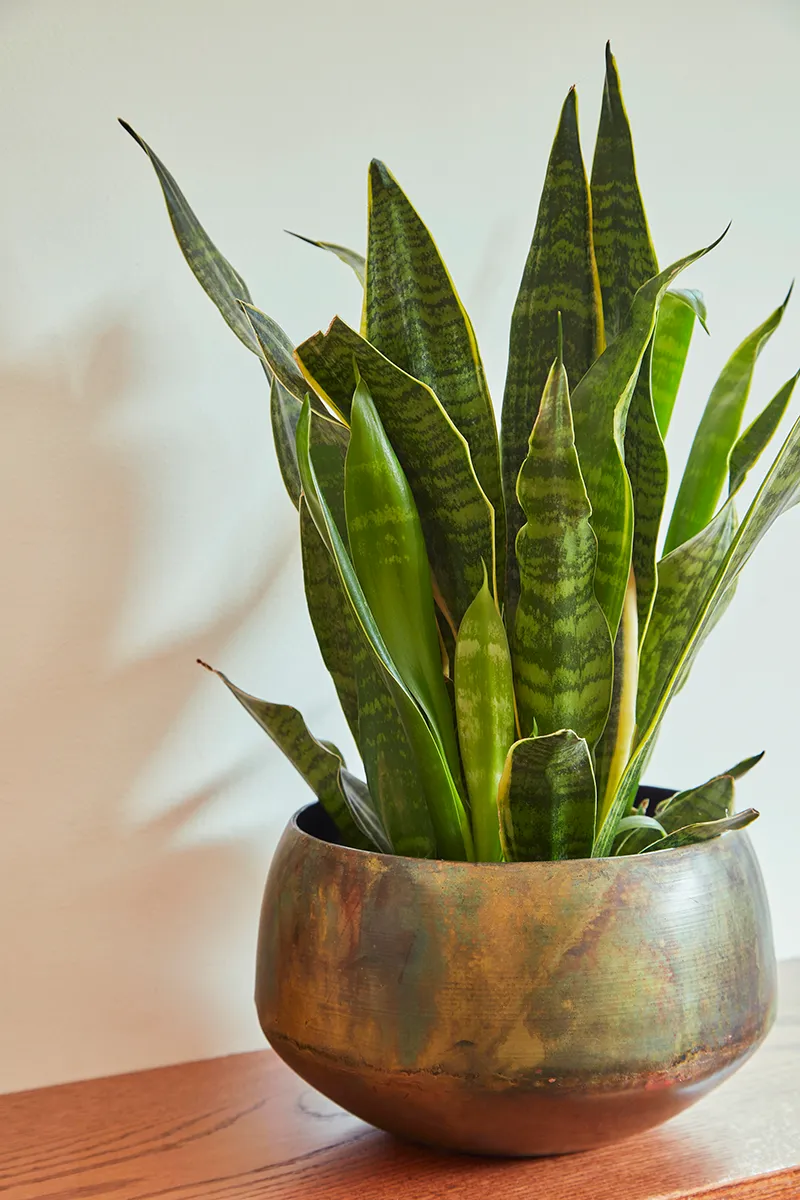
Once you have coaxed a leaf into the direction you want, the next challenge is keeping it there. Soft plant ties, garden twine, or gentle silicone clips are perfect tools for securing leaves in their new spiral position without cutting into the plant tissue.
Avoid using anything with sharp edges or strong tension, as that can damage the leaf surface over time.
A central support like a thin bamboo stick or a spiral trellis inserted into the pot works wonderfully as a guide. Wrapping leaves loosely around this support encourages them to follow a consistent circular path as they continue to grow.
Many gardeners in North Carolina find that a simple bamboo stake from a local garden center does the job perfectly well.
Check your ties every two to three weeks and loosen them slightly if the plant has grown. Ties that become too tight can restrict the leaf and leave marks, which you definitely want to avoid.
The goal is gentle guidance, not restriction, so always err on the side of looser rather than tighter.
As new leaves emerge, add fresh ties to bring them into the spiral pattern along with the older leaves. Over time, the whole plant begins to take on a cohesive, swirling form that looks absolutely stunning in any North Carolina living room or sunlit hallway.
Consistency with your ties makes all the difference in achieving that clean, defined spiral look.
5. Rotate The Pot Regularly For Even Growth
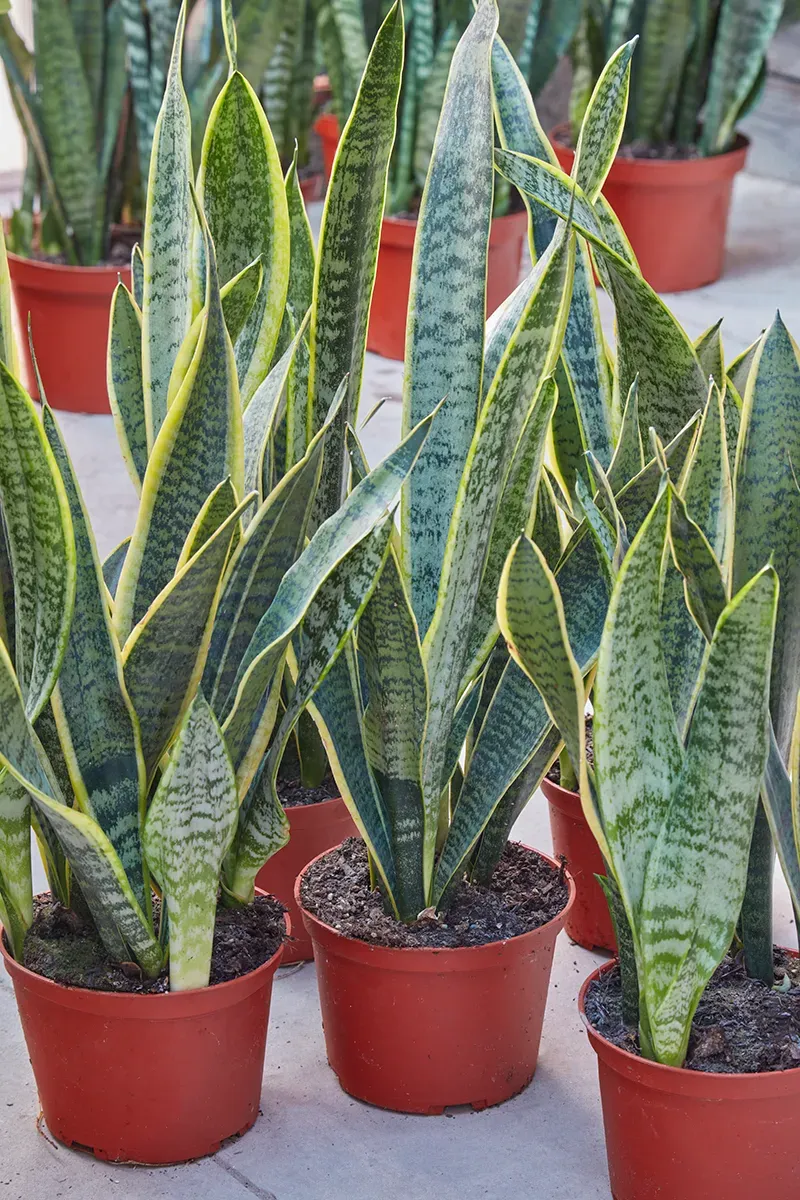
Here is something many plant owners overlook entirely: rotating the pot. Snake plants naturally grow toward their light source, which means if you leave the pot in one spot too long, one side of the plant will grow faster and taller than the other.
For a spiral shape to look balanced and intentional, even growth on all sides is absolutely essential.
Make it a habit to rotate your snake plant a quarter turn every one to two weeks. This simple routine ensures every part of the plant receives equal light exposure, which keeps growth uniform and supports the spiral form you are working so hard to create.
Setting a reminder on your phone makes it easy to stay consistent without forgetting.
North Carolina homes often have windows that face specific directions, meaning light quality changes throughout the day and across seasons.
Rotating your plant compensates for these natural light variations and prevents your spiral from leaning too heavily in one direction over time. Beyond supporting the spiral shape, regular rotation also promotes overall plant health.
A well-lit plant on all sides produces stronger, thicker leaves that hold their trained shape much more effectively than a plant that has been stretching toward one light source for months.
Think of rotation as one of the easiest and most impactful habits you can build into your weekly plant care routine in your North Carolina home.
6. Provide Bright Indirect Light For Strong, Healthy Growth
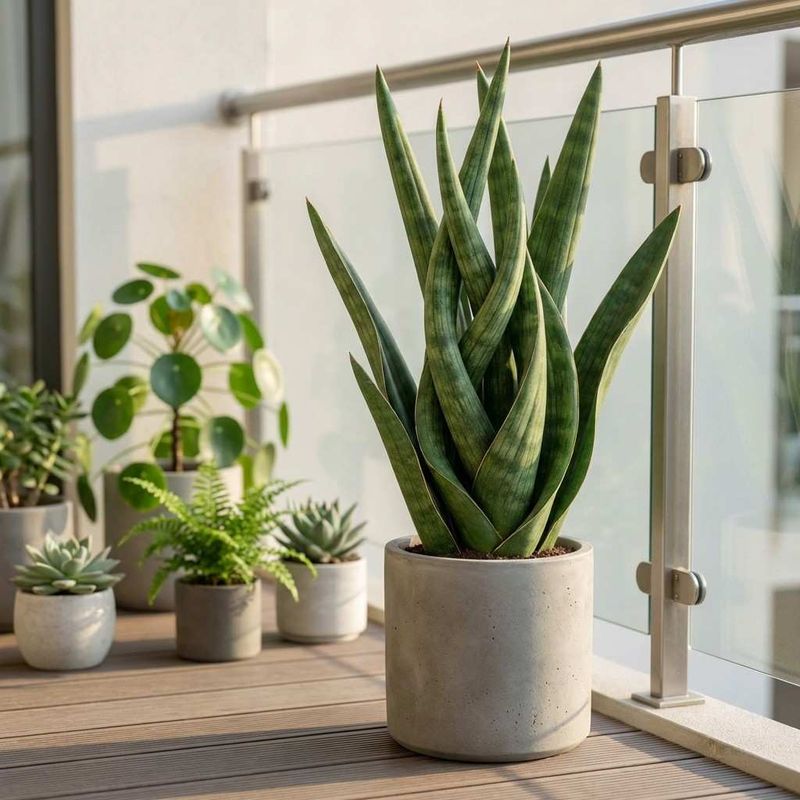
Light is the engine that drives your snake plant forward, and getting it right makes the entire shaping process so much smoother.
Snake plants thrive in bright, indirect light, which means a spot near a window that gets plenty of natural brightness without harsh direct afternoon sun hitting the leaves.
In North Carolina, south or east-facing windows tend to offer the most consistent light throughout the year.
Direct sunlight for extended periods can cause the leaf edges to turn yellow or develop dry, crispy patches. A slightly sheer curtain can help filter intense summer sun while still letting in plenty of brightness.
During the shorter winter days in North Carolina, moving your plant a little closer to the window helps maintain steady growth.
Strong, consistent light also helps your plant produce the firm, upright leaves that make spiral training so much easier. A snake plant growing in low light tends to produce thinner, weaker leaves that flop rather than hold a trained curve.
Good light equals strong structure, and strong structure is exactly what you need for a well-defined spiral.
Try to keep your plant in the same general area of your home rather than moving it frequently to different rooms. Stability in light conditions reduces stress on the plant and encourages steady, predictable growth.
A happy, well-lit snake plant in a North Carolina home will reward you with lush new leaves that are perfect for continuing your spiral training project.
7. Be Patient Because Shaping Takes Several Months
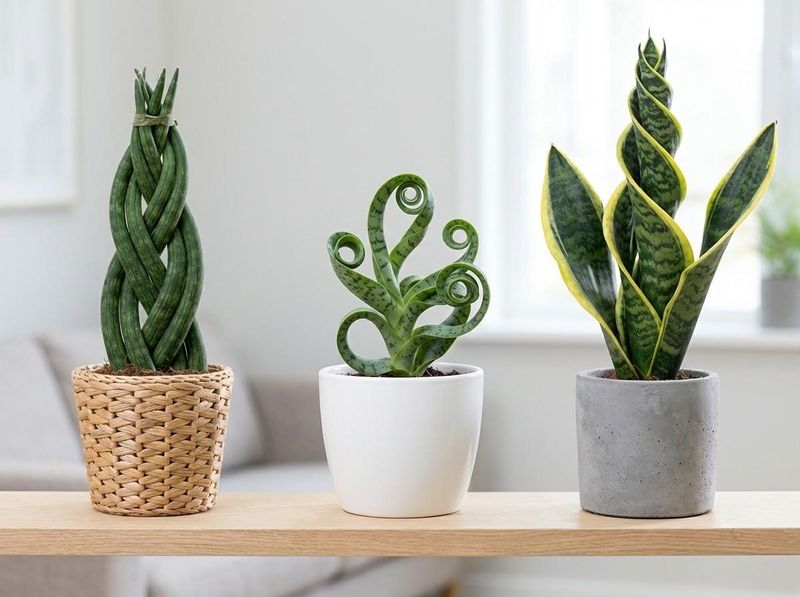
Scroll through any gardening forum and you will find the same honest advice repeated over and over: growing a snake plant into a spiral shape is not a weekend project.
It takes months of consistent effort, gentle adjustments, and a whole lot of patience before the shape really starts to show. Accepting that timeline upfront keeps you motivated rather than frustrated along the way.
New leaves do not emerge overnight. Depending on the season and the conditions in your North Carolina home, you might see one or two new leaves every few months.
Each one you successfully train into the spiral pattern is a small victory worth celebrating, because those leaves will hold their shape permanently as they mature and harden.
Progress photos are a surprisingly helpful tool during this process. Taking a quick picture of your plant every few weeks lets you see how far it has come, even when the day-to-day changes feel invisible.
Looking back at a photo from three months ago next to your plant today can be genuinely exciting and motivating.
The good news is that once a leaf sets into its spiral curve, it stays that way. You are essentially building a permanent living sculpture one leaf at a time.
The slow pace is part of what makes the finished result so impressive and satisfying. Everyone who visits your North Carolina home will want to know exactly how you pulled it off, and you will have a great story to tell.
8. Maintain Proper Care To Keep Your Plant Thriving
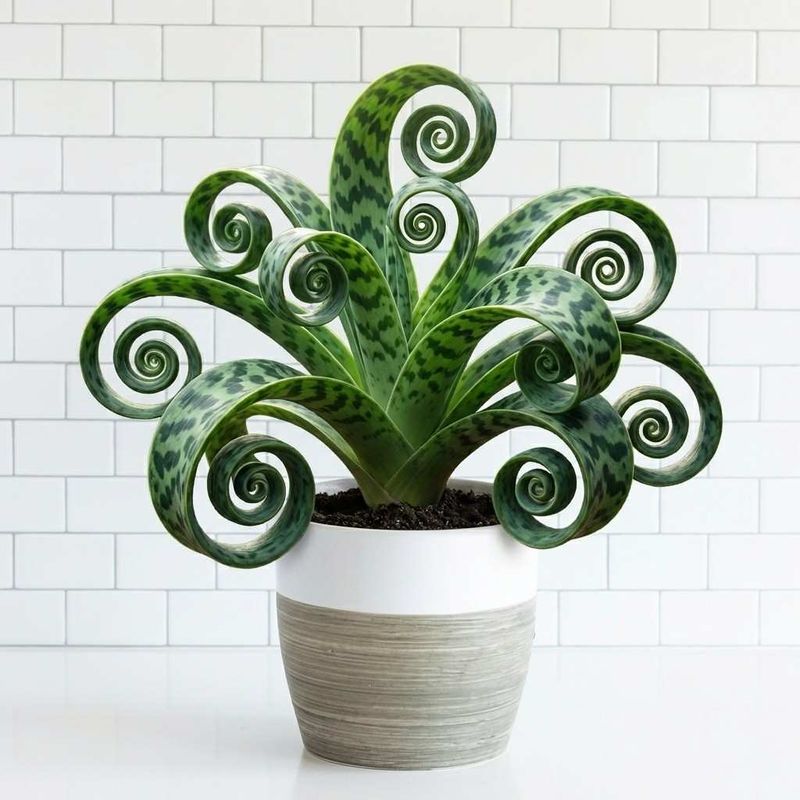
A stressed plant is nearly impossible to shape effectively, and that is why consistent, proper care forms the foundation of every successful spiral snake plant project. Healthy leaves are more flexible, more responsive to training, and far more likely to hold their new shape as they mature.
Neglecting basic care while focusing only on shaping is a common mistake that holds many growers back.
Well-draining soil is non-negotiable for snake plants. A mix designed for succulents or cacti works perfectly, preventing water from sitting around the roots and causing rot.
In North Carolina, where humidity levels can vary quite a bit between seasons, using a pot with drainage holes is especially important for keeping the root zone healthy and dry between waterings.
Water only when the top inch or two of soil feels completely dry to the touch. Overwatering is the number one issue that affects snake plants indoors, and it weakens the plant in ways that directly interfere with your shaping goals.
During the warmer growing months, a monthly application of diluted balanced fertilizer gives your plant the nutrients it needs to push out fresh, strong leaves.
Keep temperatures stable between 60 and 80 degrees Fahrenheit, which is very manageable in most North Carolina homes year-round. Avoid placing your plant near cold drafts or heating vents, as sudden temperature swings stress the plant and slow growth.
A well-cared-for snake plant is simply a joy to work with and will reward your attention with a gorgeous, spiraling form over time.