The 9 Most Overplanted Ohio Shrubs (And Better Low-Maintenance Swaps)
Some shrubs end up in Ohio landscapes so often that entire neighborhoods start to blur together. The problem is not always that these plants look bad.
It is that many of the usual picks demand more pruning, more cleanup, or more patience than homeowners expect. Others bring a short burst of appeal, then spend the rest of the year fading into the background.
That is where planting regret starts. A shrub can be popular for decades and still be the wrong choice for a lower-maintenance yard.
The good news is that better options exist, and many deliver stronger structure, longer seasonal interest, and far less work. Some offer cleaner growth.
Some bring better fall color, flowers, or texture without turning into a constant chore.
Swap out the tired standbys, and an Ohio landscape can feel fresher, smarter, and a lot more polished without adding more upkeep to your weekends.
1. Burning Bush Is Everywhere In Ohio Landscapes
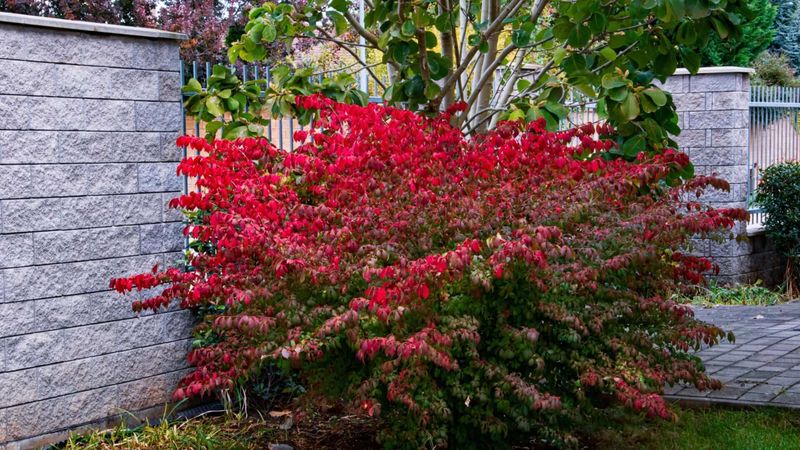
Walk through almost any Ohio suburb in October and you will spot it immediately: that loud, fiery red shrub planted in rows along every driveway and foundation. Burning bush earned its popularity through sheer fall color drama, but that flashy reputation hides a serious problem.
The Ohio Department of Natural Resources and numerous extension sources note that burning bush spreads aggressively through bird-dispersed seeds into natural areas, roadsides, and woodland edges, where it crowds out native vegetation and disrupts local ecosystems.
Beyond invasiveness, burning bush offers very little outside of that brief fall moment. The summer look is unremarkable, the structure is stiff, and it requires pruning to stay tidy in smaller spaces.
For a shrub that causes this much ecological concern, the payoff feels thin.
Virginia sweetspire is a far stronger choice for Ohio gardeners. This native shrub produces fragrant white flower spikes in early summer and then transitions into stunning red, orange, and burgundy fall color that rivals burning bush without the invasive baggage.
It grows 3 to 5 feet tall, tolerates part shade and moist soils well, and needs almost no maintenance once established. Sweetspire works beautifully in rain gardens, woodland edges, and mixed shrub borders across much of Ohio.
2. Barberry Still Shows Up Far Too Often In Ohio Yards
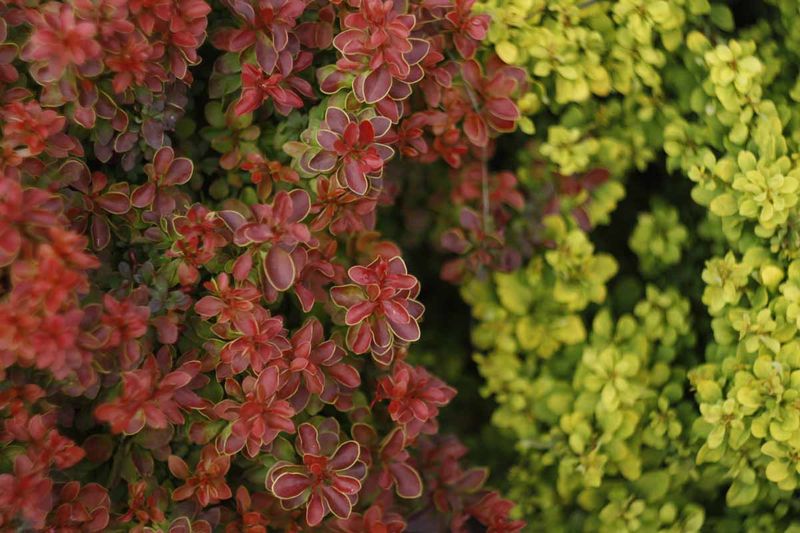
Few shrubs have earned a more complicated reputation than Japanese barberry. For years it was the go-to choice for low-care hedges and colorful borders, and its burgundy foliage and tidy mounding shape made it seem like an easy win.
The problem is that barberry has been listed as invasive in Ohio and surrounding states, spreading readily into natural areas and creating dense thickets that are nearly impossible to remove once established. Its thorns make management miserable, and research has linked dense barberry thickets to increased tick populations, which is a concern worth taking seriously.
Commercially, it still appears in many nurseries, but that does not mean it belongs in a thoughtful Ohio landscape. The thorny stems and invasive spread make it a frustrating long-term choice even in contained beds.
Your Ohio Garden Changes Every Week. Your Plan Should Too.
Gardening in Ohio changes quickly throughout the season. Every Friday you’ll receive a simple weekly plan showing exactly what to plant, prune, fertilize, harvest, and protect so you never miss the right timing.
Eastern ninebark is the upgrade Ohio yards deserve. This tough native shrub brings multi-season interest with clusters of white or pink flowers in late spring, attractive seed heads through summer, and striking exfoliating bark that adds texture in winter.
Cultivars like Coppertina and Summer Wine offer rich purple or bronze foliage that gives you the color contrast barberry promised without the ecological harm. Ninebark thrives in full sun to part shade, handles a range of soil types, and grows 5 to 8 feet tall with minimal fuss.
3. Privet Remains An Overused Shrub In Ohio
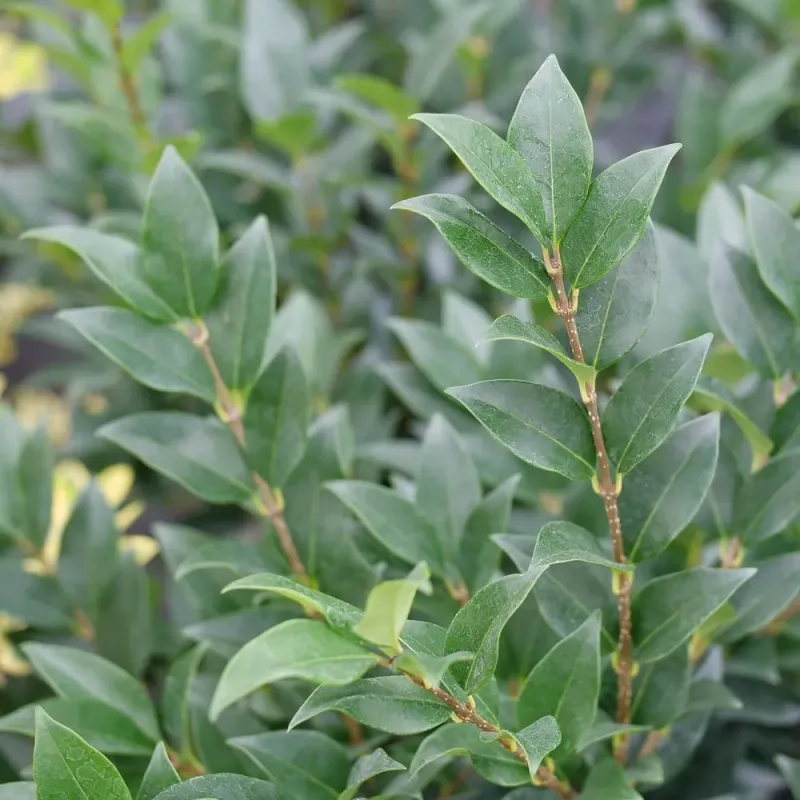
Privet became a landscape staple largely because it grows fast and takes shearing well. For decades it was the default hedge plant for property lines and foundation beds across Ohio.
The issue is that fast growth in privet means constant maintenance, and without regular clipping it quickly becomes a rangy, overgrown mess. More importantly, both common privet and border privet are considered invasive in Ohio, spreading aggressively from bird-dispersed berries into natural areas, stream corridors, and disturbed sites where they push out native plants.
Privet hedges also tend to look monotonous and contribute almost nothing to local wildlife. The flowers have an unpleasant odor that many homeowners find off-putting, and the overall effect in a landscape feels dated and uninspired.
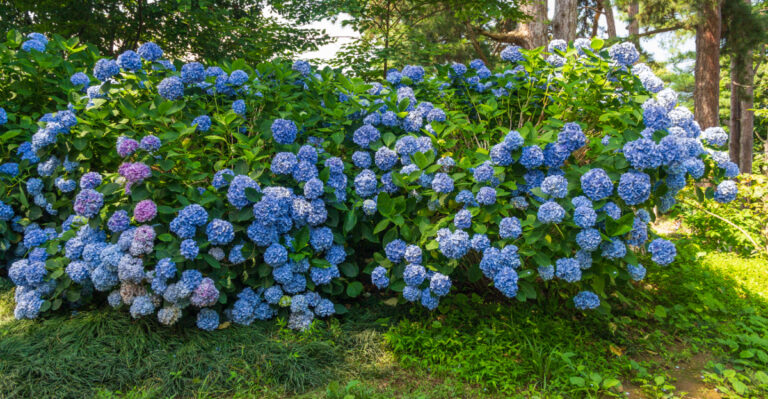
Smooth hydrangea is a genuinely rewarding swap for Ohio gardeners who want a full, soft, flowering shrub without constant trimming. Native to the eastern United States including Ohio, smooth hydrangea produces enormous white flower clusters from midsummer into fall, often with blooms that dry attractively and persist into winter.
The Annabelle cultivar is especially popular and widely available. It grows 3 to 5 feet tall, performs in full sun to part shade, and tolerates Ohio clay soils reasonably well.
Cut it back in late winter and it rewards you with fresh, vigorous growth every season.
4. Bush Honeysuckle Has No Place In A Better Ohio Landscape
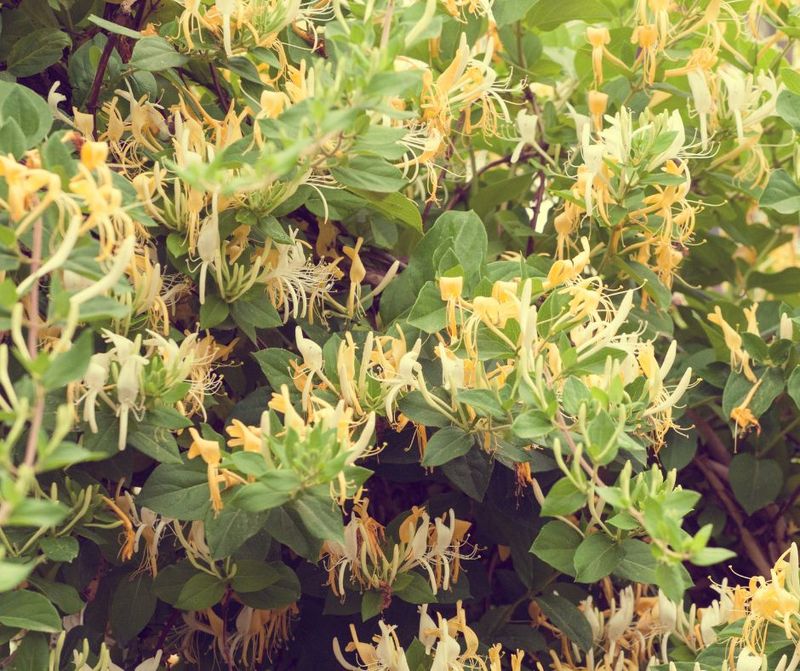
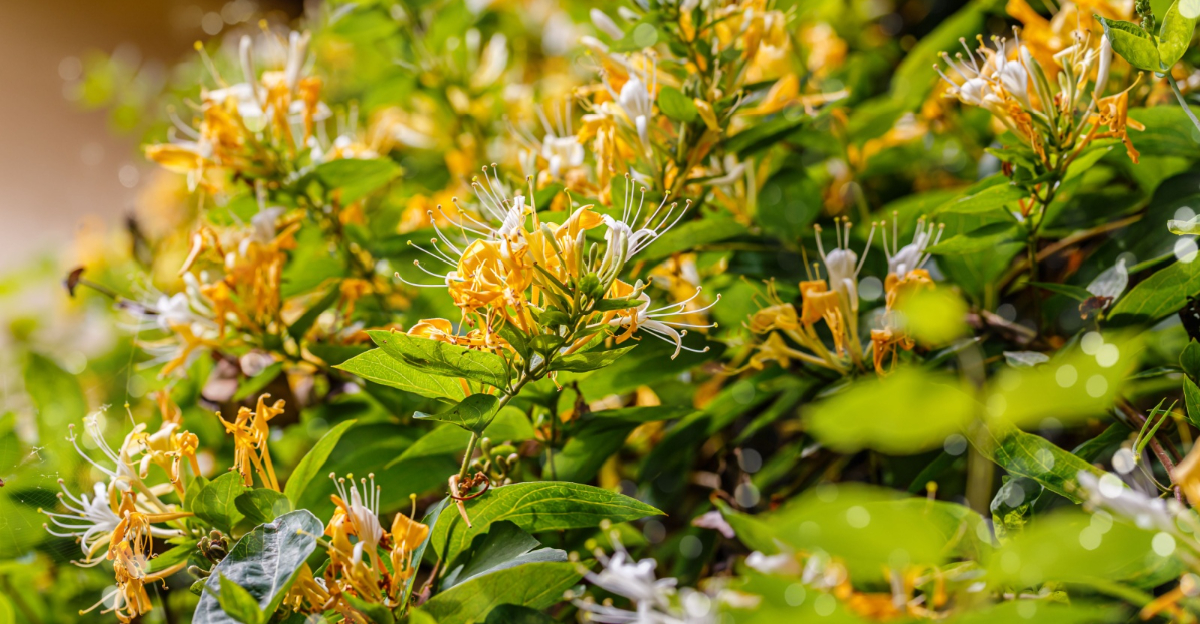
Of all the shrubs on this list, bush honeysuckle is the most ecologically damaging. Amur, Morrow, and Tatarian honeysuckles were widely planted across Ohio for decades as wildlife cover and erosion control, but they have since become some of the most problematic invasive shrubs in the state.
The Ohio Invasive Plants Council and Ohio State University Extension both flag these species as serious threats to native woodlands, where they leaf out early, shade out native understory plants, and spread rapidly through bird-dispersed seeds. Removing established bush honeysuckle from a property is hard, time-consuming work.
Despite its early spring greenery and tubular flowers, bush honeysuckle delivers poor ecological return. The berries attract birds but offer lower nutritional value than native fruiting shrubs, and the dense thickets it forms actively harm the habitat birds and other wildlife depend on.
Arrowwood viburnum is the native alternative that does everything bush honeysuckle was supposed to do, and does it better. It produces flat-topped white flower clusters in late spring, followed by clusters of blue-black berries that birds genuinely seek out in fall.
Foliage turns red to burgundy in autumn, adding real seasonal color. Arrowwood grows 6 to 10 feet tall, handles part shade to full sun, and adapts to a range of Ohio soils with minimal care once established.
5. Boxwood Has Become A High Maintenance Default In Ohio
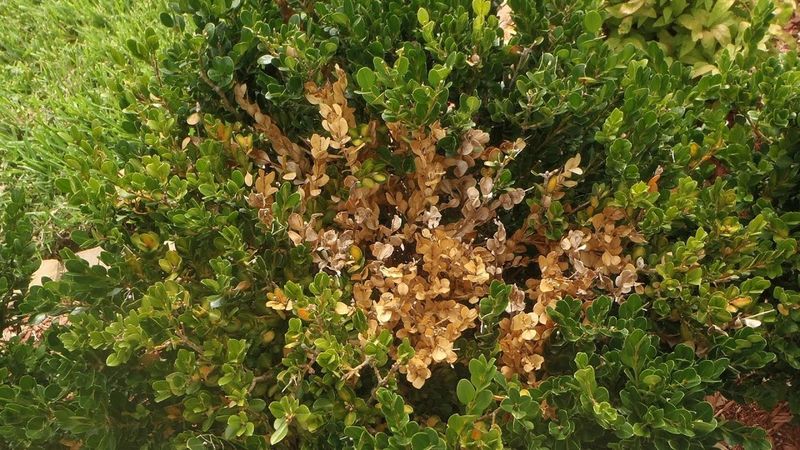
Boxwood has long been the go-to choice for tidy evergreen structure in Ohio foundation plantings, formal borders, and clipped hedges. For a long time, that made sense.
The problem is that boxwood blight, caused by the fungal pathogen Calonectria pseudonaviculata, has become an increasingly serious concern in Ohio landscapes. Ohio State University Extension has documented its spread across the state, and once established in a planting, boxwood blight can be devastating and difficult to manage.
Beyond disease pressure, boxwood requires regular shearing to maintain its shape, and many homeowners find that constant upkeep exhausting.
Deer browsing is another real issue in many Ohio yards, and boxwood offers little wildlife value in return for all the attention it demands. The overuse of boxwood in landscapes has also made it feel visually predictable and uninspired.
Inkberry holly is a native evergreen alternative that brings fresh structure without the disease baggage. This Ohio-native shrub keeps its dark green foliage year-round and produces small black berries that songbirds appreciate through fall and winter.
It grows 5 to 8 feet tall naturally but responds well to light shaping if a more formal look is desired. Inkberry prefers moist to wet soils and part shade to full sun, making it a strong choice for rain garden edges, shaded foundation beds, and naturalistic plantings across Ohio.
6. Japanese Spirea Is Still One Of Ohio’s Most Overplanted Shrubs
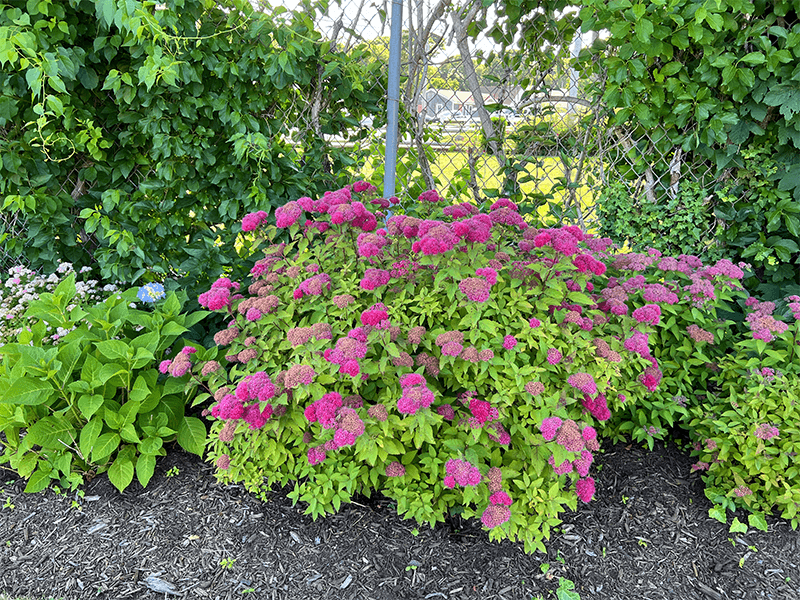
Pink mounding shrubs line commercial parking lots, subdivision entries, and suburban front yards all across Ohio, and a huge percentage of them are Japanese spirea. It became a default partly because it is cheap, widely available, and blooms reliably.
But Japanese spirea has a self-seeding problem that many gardeners do not realize until seedlings start popping up beyond the original planting. Some sources flag it as a potential invasive concern in disturbed areas, and its sheer repetition in Ohio landscapes has made it one of the most visually tired shrubs in the state.
The mounding pink look feels generic, and outside of bloom season, Japanese spirea does not offer much to work with. The foliage is fine but unremarkable, and the overall effect in a mixed border can feel flat and predictable.
Dwarf fothergilla is a native shrub that brings real distinction to an Ohio garden. Fragrant white bottlebrush flowers appear in early spring before the leaves fully open, creating a soft, elegant display that Japanese spirea simply cannot match.
Fall color is exceptional, shifting through yellow, orange, and red simultaneously on the same plant. Dwarf fothergilla grows 2 to 3 feet tall, making it ideal for small beds and mixed borders.
It prefers acidic, well-drained to slightly moist soil and performs best in full sun to part shade across Ohio.
7. Rose Of Sharon Keeps Getting Planted On Repeat In Ohio
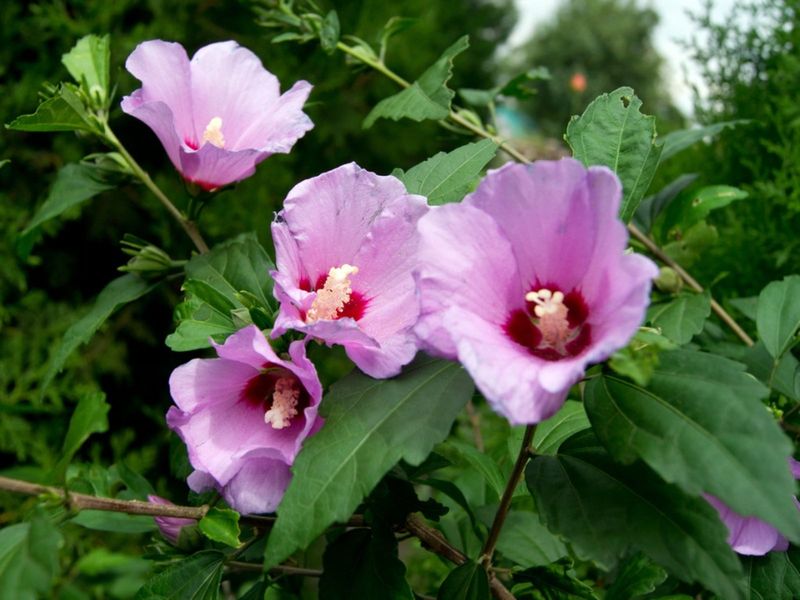
Late summer bloomers are genuinely valuable in Ohio landscapes, and that is exactly why Rose of Sharon became so popular. When almost nothing else is flowering in August, those purple, pink, or white blooms feel like a gift.
The catch is that Rose of Sharon is a prolific self-seeder. A single established plant can scatter hundreds of seedlings across a bed each year, and pulling them out becomes an ongoing chore that many gardeners did not sign up for.
Sterile cultivars exist but are not always what ends up at the local garden center.
Beyond the seeding issue, Rose of Sharon has a coarse, somewhat awkward structure that can look weedy and unpolished in a refined landscape. Its overuse in Ohio has also stripped it of any sense of distinction or originality.
Oakleaf hydrangea is a bold, beautiful native replacement that delivers far more across the seasons. Large cone-shaped white flower clusters appear in early summer and age gracefully to parchment tones by fall.
The deeply lobed leaves turn rich burgundy and orange in autumn, and the peeling cinnamon-colored bark adds winter interest. Oakleaf hydrangea grows 6 to 8 feet tall and wide, so it needs space, but it rewards that space with four-season appeal.
It performs best in part shade with well-drained, slightly acidic soil and is reliably hardy across Ohio.
8. Yews Are Overused In Ohio Foundation Plantings
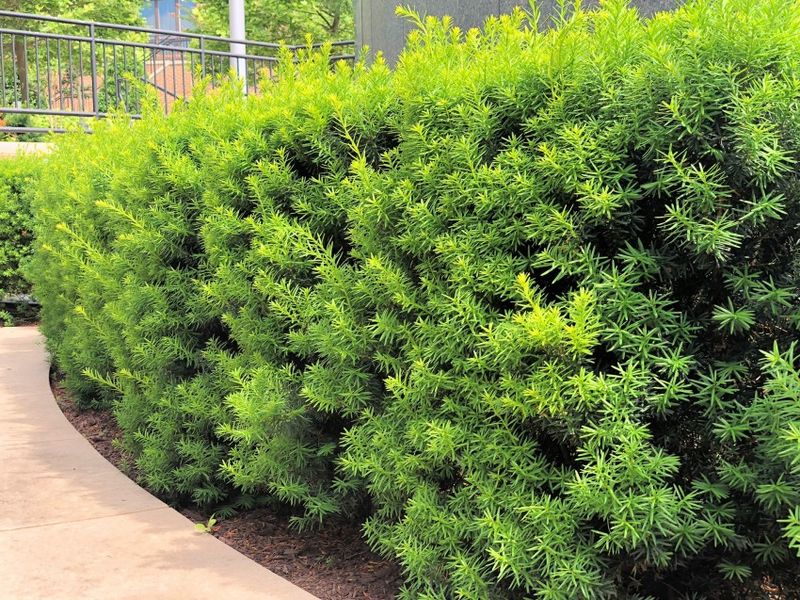
Yews have been sheared into tight dark green mounds and rectangles in front of Ohio homes for generations. They are tough, shade-tolerant, and deer-resistant in some settings, which explains their staying power in the nursery trade.
The problem is that yews planted too close to a foundation quickly outgrow their space, requiring aggressive and repeated pruning just to keep them from swallowing windows and walkways. That maintenance cycle becomes a permanent obligation, and the resulting clipped shapes often look stiff and institutional rather than inviting.
Yews also provide almost no seasonal interest beyond their evergreen foliage, and their overuse in Ohio landscapes has made them a symbol of uninspired, default planting rather than thoughtful design.
Black chokeberry is a native shrub that brings genuine dynamism to Ohio foundation plantings and mixed borders. White flowers in spring give way to clusters of glossy black berries that persist into winter and attract a variety of songbirds.
Fall foliage turns a brilliant red that rivals burning bush without any of the invasive concerns. Black chokeberry grows 3 to 6 feet tall, tolerates wet to moderately dry soils, and adapts to full sun or part shade.
It spreads slowly by suckers to form a natural colony, which can be managed easily with occasional thinning, making it far more rewarding than a row of sheared yews.
9. Weigela Has Become A Predictable Pick In Ohio Gardens
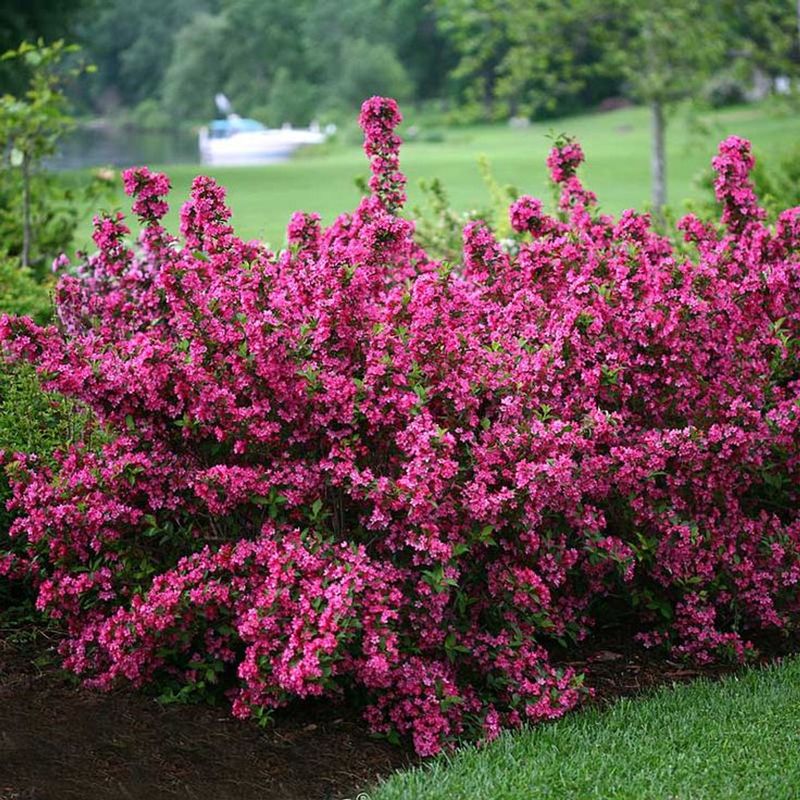
Weigela shows up in Ohio garden centers every spring in showy pink and red bloom, and it is easy to understand the appeal. The tubular flowers attract hummingbirds, the foliage comes in interesting purple and variegated forms, and the price is usually reasonable.
Once bloom season wraps up in late spring, though, weigela tends to fade into the background without much to offer. The foliage is decent but not distinctive, fall color is minimal, and the overall structure can look floppy and unremarkable through the second half of the growing season.
Its widespread use in Ohio subdivision plantings has made weigela feel like a safe but uninspired default rather than a genuine design choice. Gardeners often find themselves wondering why a shrub that looked so promising in May feels so forgettable by August.
Bottlebrush buckeye is a native Ohio shrub that commands real attention from summer through fall. Tall, upright spikes of white flowers rise dramatically above the bold compound leaves in July, creating a tropical-looking display that stops people in their tracks.
The large leaves turn clear yellow in autumn, and the overall structure of the plant is bold and architectural. Bottlebrush buckeye grows 8 to 12 feet tall and wide, so it needs room, but it thrives in part shade conditions where many flowering shrubs struggle, making it a standout choice for Ohio woodland gardens and shaded borders.