This Is Why Ohio Azaleas Look Fine But Bloom So Poorly In Spring
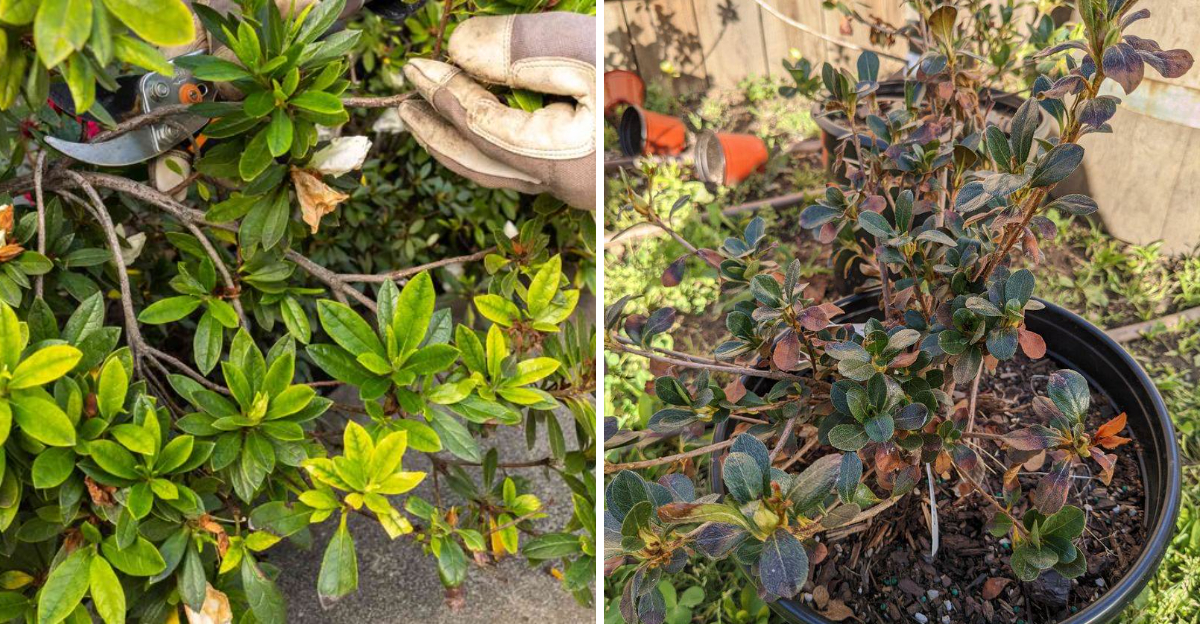
Ohio azaleas can look perfectly healthy at first glance, full of green leaves and steady growth, yet spring arrives and something feels off.
The blooms that should take over the shrub appear thin, uneven, or barely show up at all, leaving gardeners confused and a little frustrated.
Nothing looks obviously wrong, but the payoff just is not there.
That gap between healthy foliage and weak flowering usually builds quietly over time.
Small timing mistakes, missed seasonal care, or stress from Ohio’s shifting weather patterns can slowly change how these shrubs perform when it matters most.
Azaleas do not fail suddenly in Ohio gardens. They slip into poor flowering patterns step by step, until one spring makes the problem impossible to ignore.
1. Too Much Shade Is Quietly Limiting Flower Buds
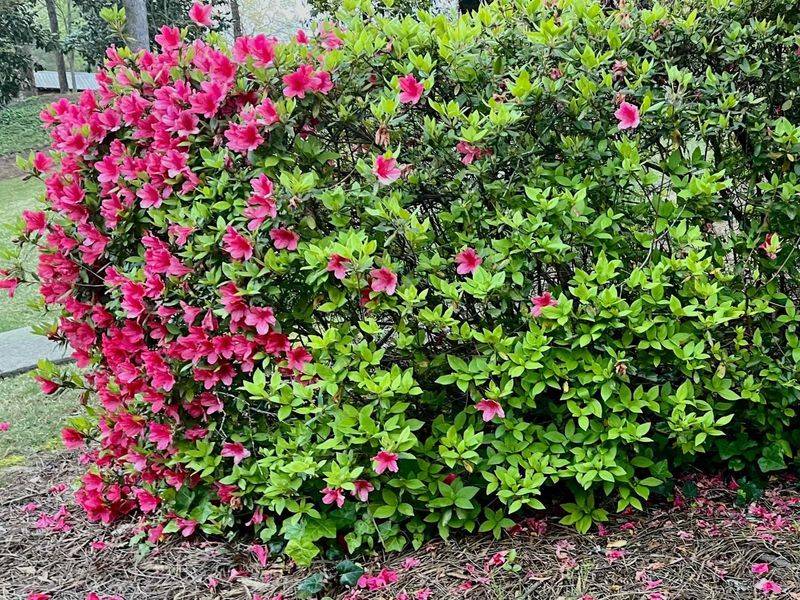
Imagine a quiet corner of your garden where azaleas grow beneath the canopy of tall trees. The leaves stay green, the shrub keeps its shape, and at first glance everything seems perfectly fine.
Then spring arrives, and the bloom show feels weak, patchy, or strangely sparse.
That is one of the most frustrating things about shade-related bloom problems. Azaleas can survive in low light much better than many flowering shrubs, so they rarely look like they are in real trouble.
They simply stop performing the way gardeners expect.
In Ohio, this happens often in older landscapes where maples, oaks, and other mature trees cast heavier shade than they did years earlier. What may have once been bright morning light can slowly turn into all-day dimness, especially as tree canopies thicken over time.
The azalea keeps growing, but flower bud production begins to slip.
Azaleas usually do best with partial shade, especially morning sun and some afternoon protection. That balance gives them enough energy to set buds without exposing them to the harshest heat.
When the light gets too limited, the plant tends to put more effort into maintaining foliage than into producing a strong spring display.
If your azalea looks healthy but blooms poorly, step back and look at the light pattern across the whole day, not just one hour.
Thinning a few branches overhead or moving the shrub to a brighter spot can improve flowering over time, though recovery depends on how much light the plant gains and how stressed it already is.
2. Late Spring Cold Snaps Damage Developing Buds
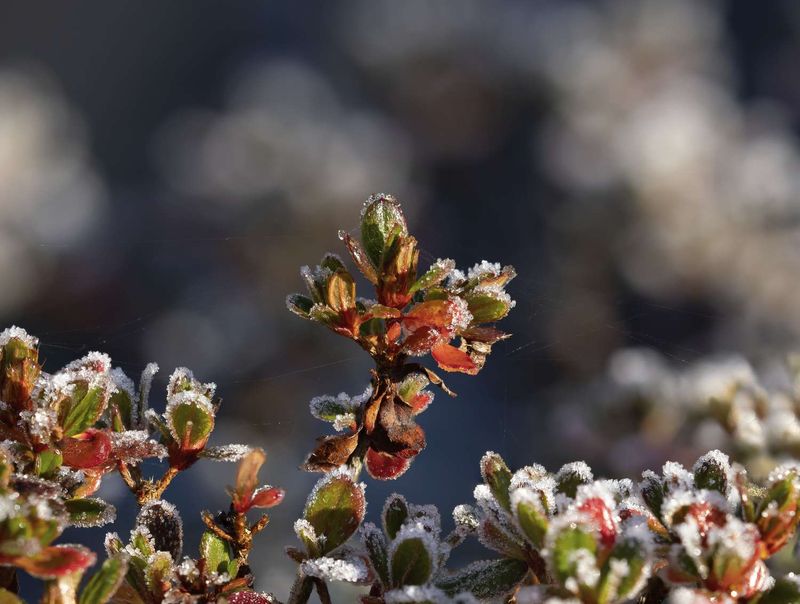
Ohio spring weather has a way of building excitement and then changing its mind overnight. One week feels soft and promising, buds begin to swell, and everything looks ready to open.
Then a sharp cold snap rolls through and suddenly the azalea that looked full of promise ends up with very few flowers.
This happens because azaleas do much of their flower preparation long before spring arrives. Their buds are already in place, waiting through winter for the right conditions to open.
Once those buds begin to wake up, they become more vulnerable to sudden temperature drops, especially after a stretch of warm weather pushes growth forward too early.
Your Ohio Garden Changes Every Week. Your Plan Should Too.
Gardening in Ohio changes quickly throughout the season. Every Friday you’ll receive a simple weekly plan showing exactly what to plant, prune, fertilize, harvest, and protect so you never miss the right timing.
The damage is not always dramatic. Buds do not always turn brown right away or drop off in an obvious way.
Sometimes they simply stall, dry out, or open unevenly. That can leave the shrub looking healthy overall but oddly thin on flowers.
Ohio gardeners run into this problem most in areas where warm March or early April temperatures are followed by freezing nights. A protected yard may escape the worst of it, while an exposed one can lose much more of the bloom show.
Azaleas near open lawns, windy corners, or low spots where cold air settles tend to be at greater risk.
Watching the forecast closely during bud swell can help. If a hard frost is expected, covering the shrub with frost cloth in the evening and removing it once temperatures rise can offer some protection.
It will not undo existing damage, but it can help preserve buds that are just about to open.
3. Pruning At The Wrong Time Removes Next Year’s Blooms
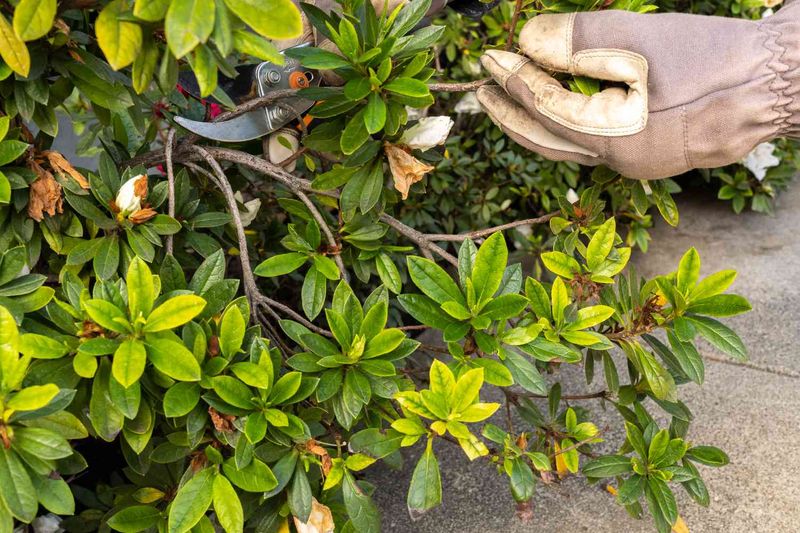
Timing matters more with azaleas than many gardeners realize. A shrub may look a little overgrown after spring flowering, and trimming it back can seem like a smart way to tidy things up.
The trouble is that azaleas start preparing for the next year’s bloom season fairly soon after flowering ends.
That means a pruning job that feels harmless in summer, fall, or even late winter can quietly remove the very buds that were supposed to open next spring.
The shrub still looks neat and healthy afterward, so the mistake usually goes unnoticed until bloom season arrives and the floral display is far lighter than expected.
This is one reason azalea flowering problems can feel so confusing. Gardeners often assume the plant has a nutrient issue, a weather issue, or a soil issue, when the real problem happened months earlier with a pair of pruners.
In Ohio, where spring cleanup turns into summer shaping very quickly, this mistake is especially common.
The safest time to prune most azaleas is right after they finish blooming. That gives you a short window to shape the shrub without cutting off the next round of buds.
Light thinning and gentle shaping are usually enough. Heavy pruning is more likely to reduce flowers the following year, even when done at a decent time.
If your azalea blooms poorly after being trimmed last season, look back at the timing. A healthy green shrub with very few flowers often points straight to buds that were removed long before spring ever began.
4. Soil pH Is Blocking Proper Nutrient Uptake
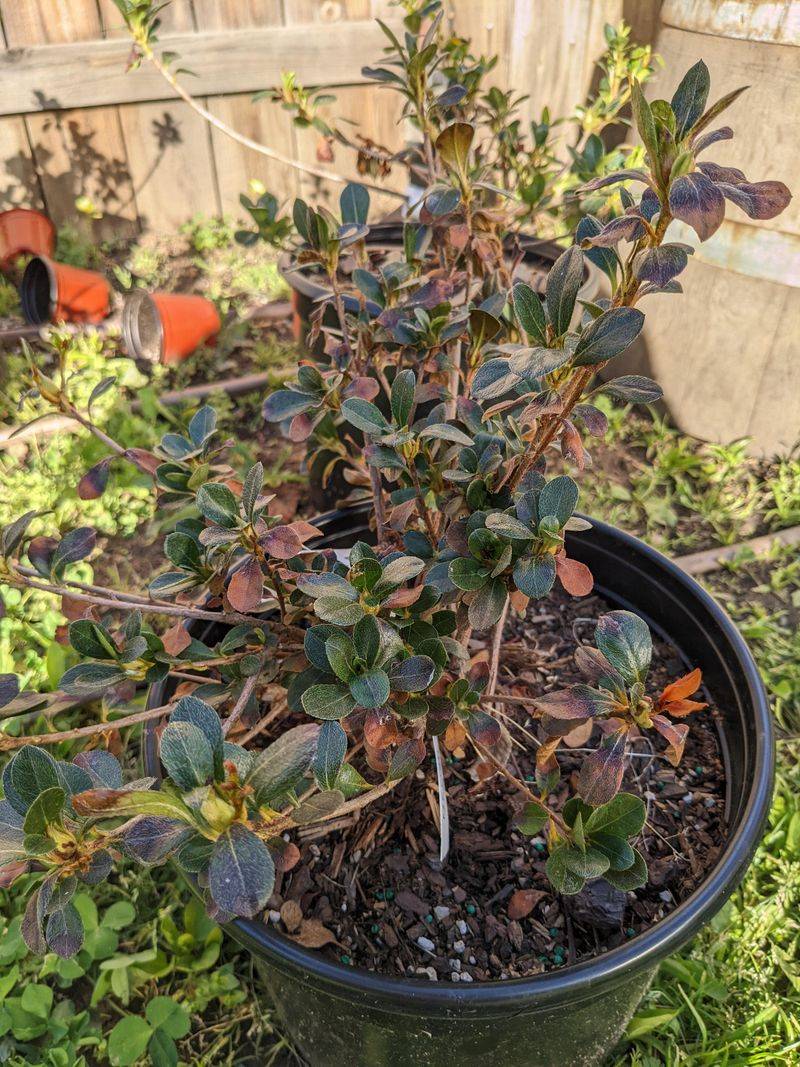
Sometimes the problem is not what you are feeding your azalea. It is what the roots are actually able to use.
Azaleas are acid-loving shrubs, and when soil pH drifts too high, important nutrients become harder for the plant to absorb. The leaves may still look decent for a while, but flowering often starts to suffer.
This can be especially relevant in Ohio, where soil conditions vary a lot from one yard to the next.
Some gardeners are working with naturally suitable acidic soil, while others have heavier ground or soil influenced by nearby concrete, limestone, or past amendments that push the pH upward.
An azalea planted in the wrong spot may never bloom as well as it should, even when watered and fertilized regularly.
A pH problem does not always show up with dramatic warning signs. In some cases, the shrub simply grows slowly, produces fewer buds, or puts out a less impressive spring display.
In other cases, you may notice pale leaves or a general lack of vigor over time.
Azaleas usually perform best in a pH range of about 4.5 to 6.0. When conditions move above that range, nutrient availability becomes less favorable.
That makes it harder for the plant to support strong bud formation and flower production.
A soil test is the best place to start because guessing can waste time and money. Once you know the pH, you can make more informed adjustments.
Bringing the soil into a range azaleas prefer often improves overall performance and supports better blooming in future seasons.
5. Overfertilizing Pushes Leaves Instead Of Flowers
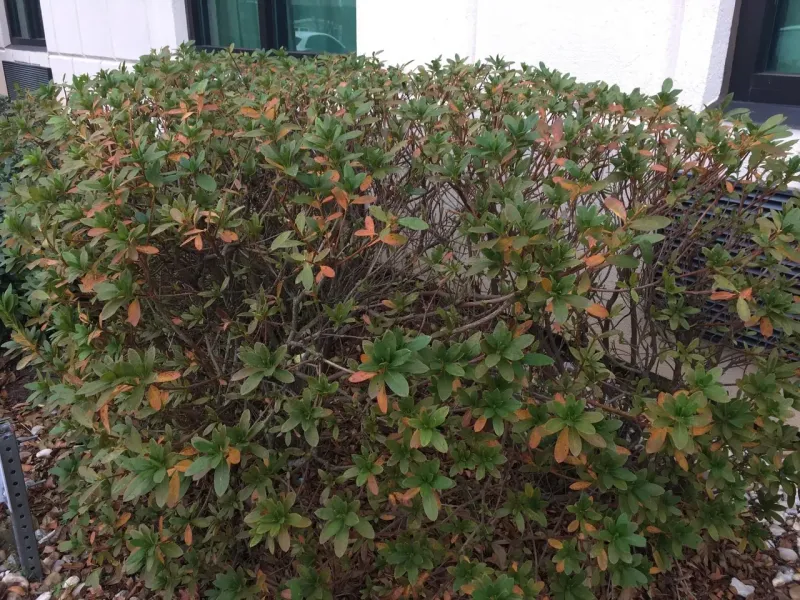
It is easy to assume that a shrub with weak flowering needs more feeding. That instinct makes sense, especially when you want to encourage stronger growth and a bigger spring display.
But with azaleas, too much fertilizer can push the plant in the wrong direction.
Instead of helping with bloom production, heavy feeding often encourages lush leaf growth. The shrub turns full, green, and vigorous looking, which can make it seem healthier than ever.
Then spring comes and the flowers are underwhelming. All that energy went into foliage rather than bud development.
This happens most often when azaleas are given high-nitrogen lawn fertilizer by accident or are fed too frequently in hopes of improving performance fast.
In Ohio landscapes, azaleas planted close to lawns can also pick up some of the fertilizer meant for turf, which may gradually affect how they grow.
More is not better with these shrubs. Azaleas usually benefit from modest feeding, especially when they are planted in suitable soil with organic matter and mulch around the root zone.
A plant that is overfed can look impressive in summer yet still disappoint badly during bloom season.
If fertilizer is needed, it helps to use one intended for acid-loving plants and apply it carefully according to label directions. Timing matters too.
Feeding too late can encourage tender new growth when the plant should be easing into seasonal change.
If your azalea is producing lots of leaves but not many flowers, step back from the fertilizer bag before assuming it needs another boost. The problem may be too much enthusiasm rather than too little care.
6. Dry Fall Conditions Reduce Bud Formation For Spring
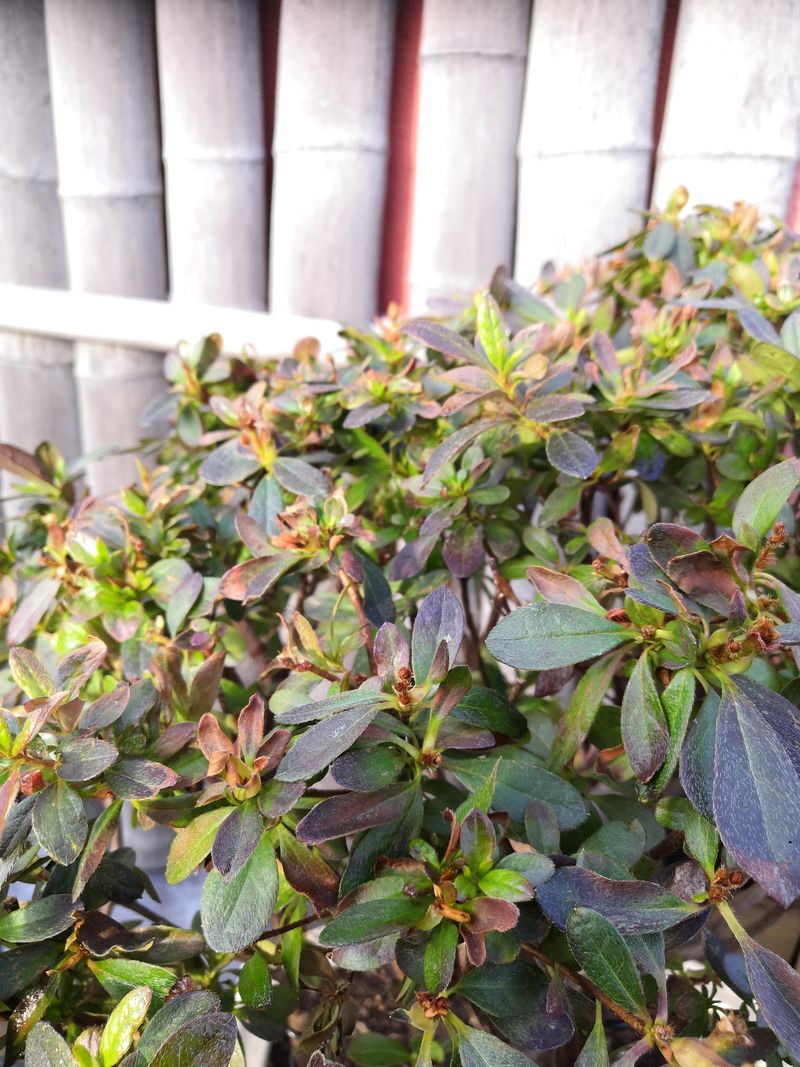
Fall does not always feel like an important season for spring flowers, but for azaleas it absolutely is. Long before those blooms appear, the shrub is already building toward next year’s display.
If the plant goes through autumn under moisture stress, bud formation can suffer in ways that only become obvious months later.
This catches a lot of Ohio gardeners off guard. By fall, the heat of summer is gone, the garden is slowing down, and watering often becomes less frequent.
That sounds reasonable, but dry spells still happen in autumn, and azaleas have shallow roots that can dry out faster than people expect.
The shrub may continue looking fairly normal while this is happening. Leaves stay on, stems seem stable, and nothing looks especially dramatic.
But inside the plant, the conditions are not ideal for setting and supporting a full crop of flower buds. By the time spring arrives, fewer blooms open and the cause feels hard to trace.
This is especially common after a dry late summer or a stretch of windy fall weather that pulls moisture out of the soil. Newly planted azaleas are even more vulnerable because their root systems are not yet well established.
Older shrubs can struggle too if they are growing beneath large trees that compete for water.
Checking the soil during dry autumn periods can help prevent this issue. A layer of mulch also helps hold moisture and moderate soil conditions.
Keeping azaleas evenly watered going into winter often supports stronger bud development and a much fuller bloom season once spring returns.
7. Winter Winds And Exposure Stress Flower Buds
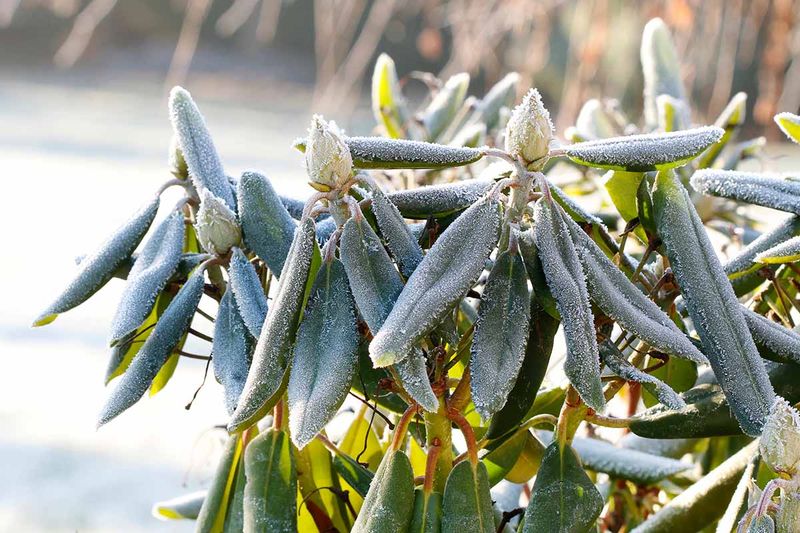
Ohio winters are not just cold. They can also be drying, especially when bitter wind keeps moving across the landscape for days at a time.
Azaleas may come through winter looking mostly intact, yet their flower buds can still take a hit from exposure long before bloom season begins.
This happens because winter wind pulls moisture from buds and foliage while the plant has limited ability to replace it from frozen or cold soil. The stress builds gradually.
By spring, some buds fail to open properly, some dry up, and some produce only a scattered showing. The shrub still leafs out, which makes the bloom loss feel even more puzzling.
Evergreen azaleas are often more exposed to this problem because they carry foliage through winter and continue losing moisture even when growth is slow.
A site that seems acceptable in summer can become far harsher once nearby plants lose their leaves and wind moves through the yard more freely.
Open corners, spots near driveways, and areas facing prevailing winter wind can all increase the risk. So can planting azaleas where reflected sun warms them during the day and then temperatures drop sharply at night.
That repeated stress is hard on buds.
Protection does not have to be elaborate. A well-chosen site, nearby structures, fencing, or other evergreen plantings can all help reduce exposure.
Mulch around the root zone also helps the plant maintain steadier conditions. When azaleas head into spring less stressed, their buds are more likely to open the way gardeners expect.
8. Planting Location Lacks Protection From Temperature Swings
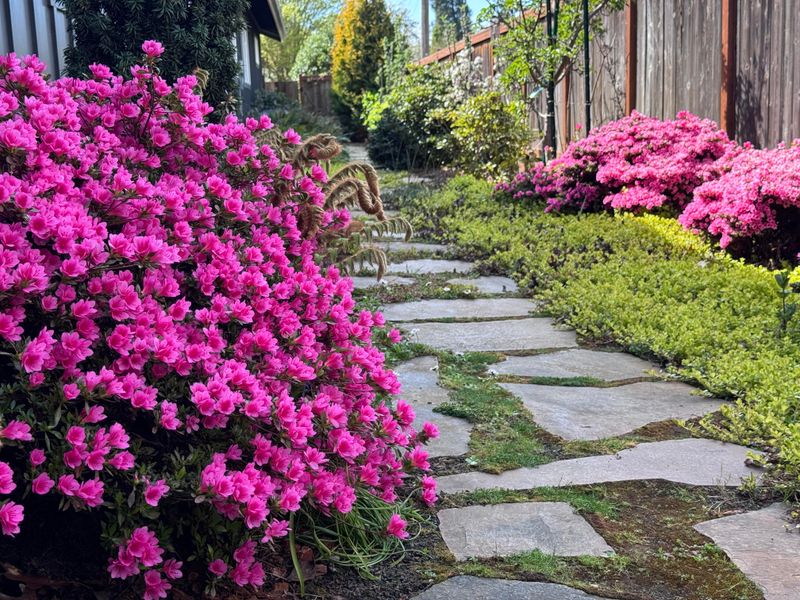
Where an azalea is planted can shape everything about how it blooms. In Ohio, temperature swings are one of the biggest hidden challenges.
A location that warms up too quickly on mild winter days or early spring afternoons can push buds forward before the plant is truly safe from cold.
That early movement sounds harmless, but it leaves the shrub more vulnerable when temperatures drop again. Buds that have started to swell are less protected than fully dormant ones, so sudden cold after a warm spell can reduce the flower show significantly.
This is one reason azaleas planted in exposed or inconsistent sites often bloom poorly even when they seem otherwise healthy.
A good planting location creates a more stable environment. Areas with some shelter from wind, afternoon winter sun, and rapid heating tend to support better performance.
A sheltered site can help in some cases, but avoid assuming a foundation planting is automatically better, since reflected heat, dry soil, or unsuitable exposure can still create stress.
The goal is not extra warmth at all costs, but steadier conditions that do not swing too wildly.
Microclimates matter more than many gardeners expect. One part of a yard may stay cooler and more even, while another heats up and cools down too fast.
That difference can decide whether buds make it to spring in good shape.
If your azalea struggles year after year, it may be worth looking beyond watering and feeding and focusing on the site itself. Sometimes the biggest improvement comes from putting the shrub in a place that protects it from Ohio’s constant seasonal mood shifts.