Why More Ant Hills Start Showing Up In Michigan Lawns In April
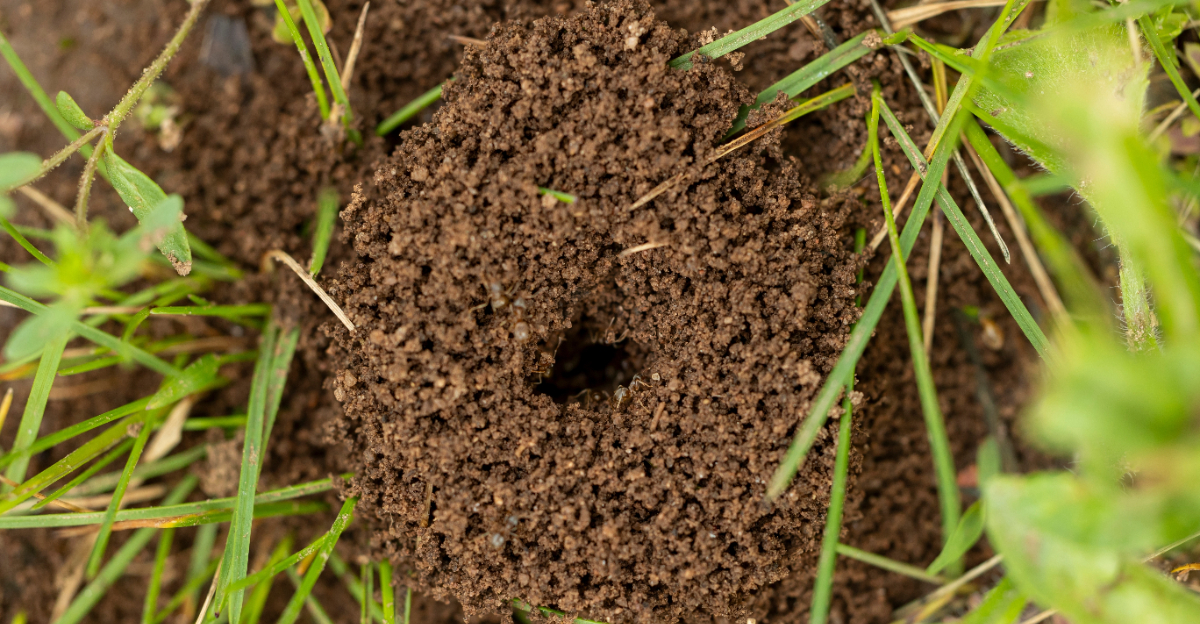
April is when Michigan lawns start waking up, and ant hills often seem to appear out of nowhere. One week the grass looks smooth and quiet, and the next there are small mounds popping up across the yard.
It can feel sudden, but there is a reason for it. As the soil warms and spring moisture settles in, ants become much more active near the surface.
They start digging, building, and expanding their colonies right when homeowners are paying closer attention to the lawn again. That is why these little dirt piles show up so often in early spring.
In many cases, the ants were already there. April simply brings the conditions that make their activity easier to see.
For Michigan homeowners, those fresh ant hills are often one of the first signs that the lawn is no longer in winter mode and underground life is moving fast again.
1. Warming Soil Triggers Colony Activity
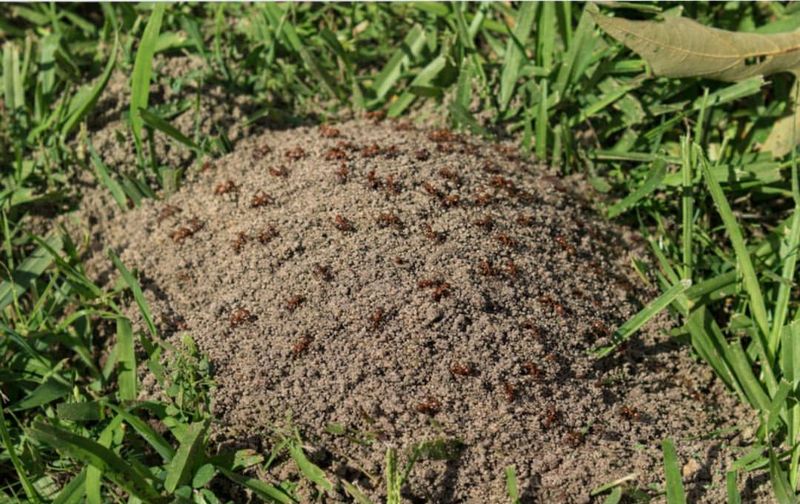
Something incredible happens beneath your Michigan lawn the moment April soil temperatures begin to climb. Ants, particularly common lawn species like the turfgrass ant (Lasius neoniger), have spent months in a state of winter dormancy, tucked deep below the frost line.
When the ground warms up, it acts like an alarm clock going off for the entire colony.
Soil temperature is the single biggest trigger for ant activity in spring. Once the ground consistently reaches around 50 to 60 degrees Fahrenheit, worker ants begin moving through their tunnels again, foraging and expanding the nest.
You will notice this activity on the surface as fresh soil pushed up into small, visible mounds across your yard.
Michigan springs can warm up unevenly, which is why you might see ant hills appear in sunny patches of your lawn before shady areas. South-facing slopes and open garden beds tend to warm faster, making them prime spots for early ant activity.
Paying attention to where the mounds first appear can actually tell you a lot about which parts of your yard receive the most warmth.
Ants are surprisingly good at finding the warmest, most comfortable zones in your outdoor space, and they take full advantage of every degree of warmth April brings their way.
2. Snow Melt And Moist Soil Make Digging Easier
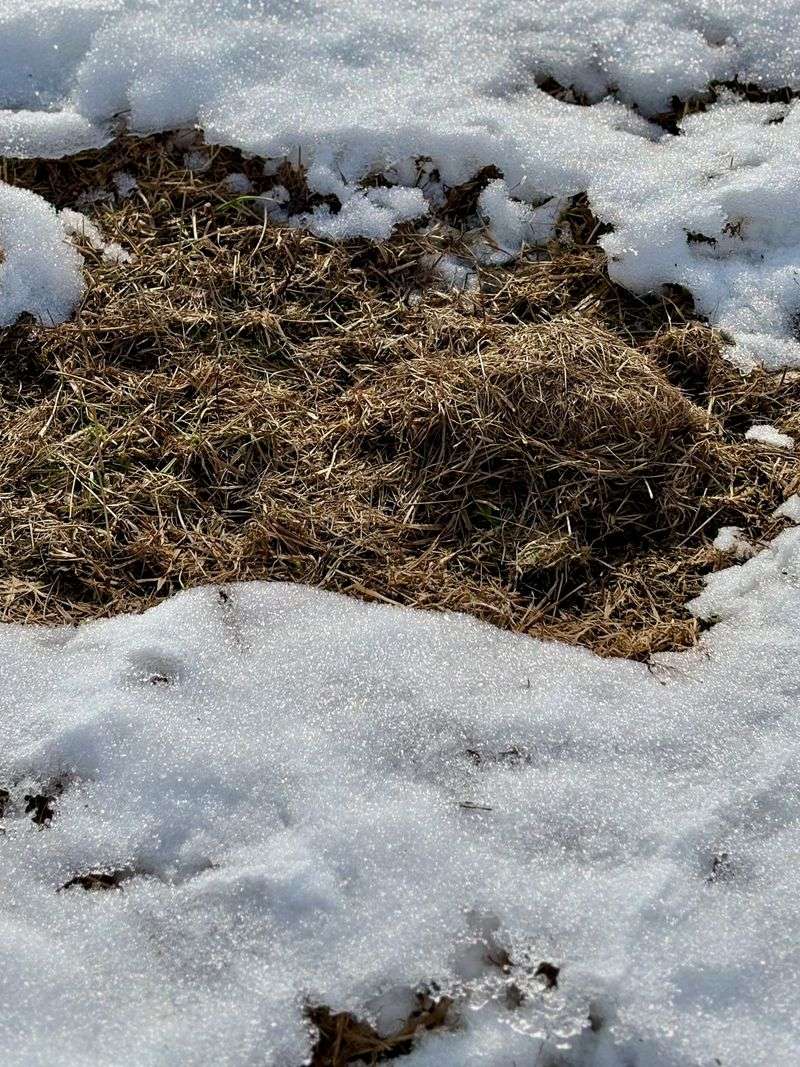
There is a reason ants seem to explode out of the ground right after the snow melts in Michigan.
All that moisture from snowmelt and April rain showers does something really useful for ant colonies: it softens and loosens the soil, making it far easier for workers to excavate tunnels and push material to the surface.
Ants are natural engineers, and they prefer soil that is workable rather than compacted or frozen solid. Moist, loose soil allows them to move dirt efficiently, which means tunnels get built faster and deeper in April than at almost any other time of year.
The result is a noticeable increase in small soil mounds appearing across Michigan lawns almost overnight.
Interestingly, the type of soil in your yard plays a big role here. Sandy or loamy soils, which are common across many parts of Michigan, drain well but stay moist enough in spring to be ideal for tunneling.
Your Michigan Garden Changes Every Week. Your Plan Should Too.
Gardening in Michigan changes quickly throughout the season. Every Friday you’ll receive a simple weekly plan showing exactly what to plant, prune, fertilize, harvest, and protect so you never miss the right timing.
Clay-heavy soils can be trickier for ants to work with, but even those soften considerably after a wet April. If your lawn tends to stay moist for several days after rain, expect to see more ant hill activity.
Keeping an eye on drainage and soil moisture levels can give you a heads-up about when and where mounds are most likely to appear next.
3. Colonies Are Expanding After Winter
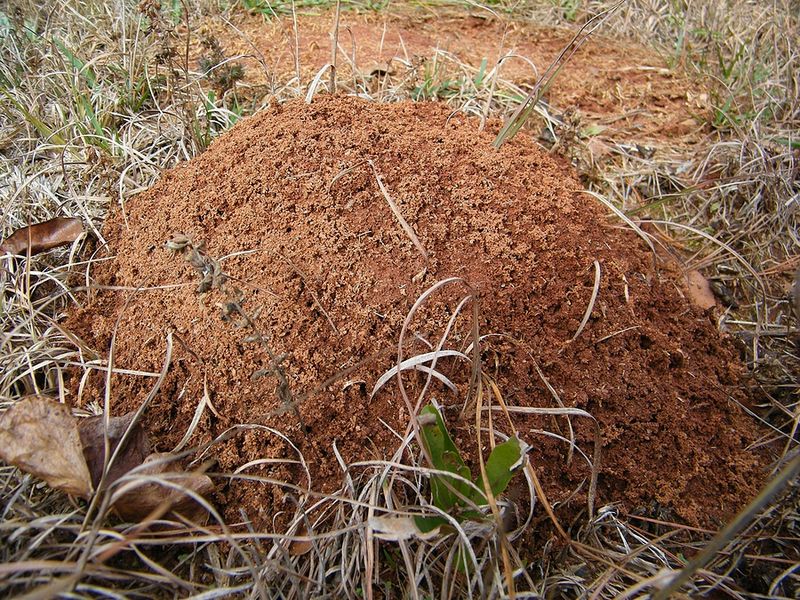
Winter is essentially a long pause for ant colonies living under Michigan lawns. Workers cluster together deep in the soil, conserving energy and waiting for warmer conditions to return.
When April finally arrives, the colony does not just wake up, it gets to work almost immediately on growing and reorganizing.
Queen ants begin ramping up egg production as temperatures rise, and the worker population starts to swell. More workers mean more tunneling, more foraging, and more soil being pushed up to the surface.
Each fresh mound you spot on your lawn is basically a sign that the colony underground is healthy and actively expanding its living space.
One fascinating thing about ant colonies in spring is how organized the whole process is. Workers clear out old tunnels that may have collapsed or filled with debris over winter, then create entirely new chambers to house eggs and larvae.
All of that excavated soil has to go somewhere, and it ends up on your lawn as the small, cone-shaped mounds you notice near the grass.
Michigan homeowners often find that April brings a sudden burst of new mounds appearing over just a few days, which perfectly lines up with the colony expansion happening just a few inches below the surface.
It is a busy and productive time for ants living in your backyard.
4. April Is Peak Nest-Building Time
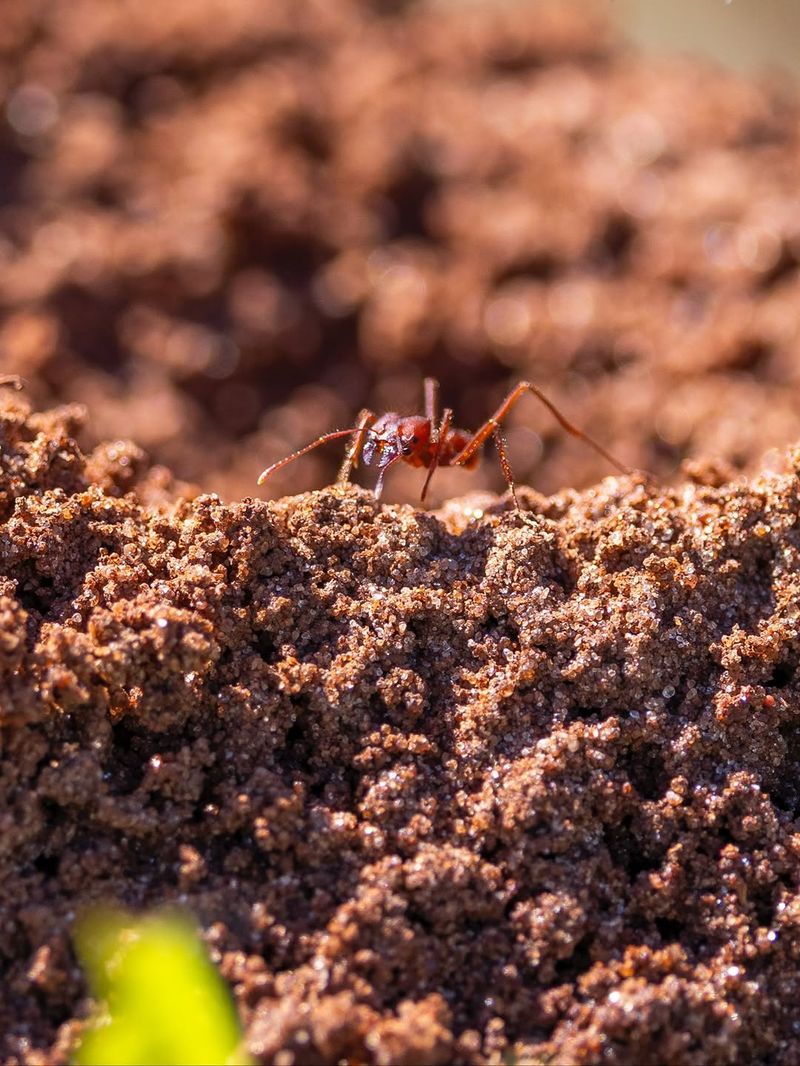
April holds a special place in the ant calendar, especially for colonies living through Michigan winters.
The combination of rising temperatures, longer daylight hours, and post-frost soil conditions makes this month the most active period for nest repair and expansion across the state.
Michigan winters are tough on underground ant nests. Freezing temperatures and frost can collapse tunnels, crush chambers, and shift soil in ways that damage the carefully built structures ants depend on.
When April arrives, colonies face the urgent task of rebuilding everything that winter damaged, which means a lot of digging happens in a very short window of time.
This repair work is why Michigan homeowners often feel like the ant hills appeared out of nowhere almost overnight.
The colonies have been waiting all winter for conditions to improve, and once they do, workers pour their energy into getting the nest back in shape as quickly as possible.
Fresh soil gets pushed to the surface rapidly, creating multiple visible mounds across the lawn within just a few days. Areas of your yard where frost penetrated deepest tend to show the most activity, since those spots require the most rebuilding.
If you notice clusters of new mounds forming near low-lying or shaded areas of your Michigan lawn in April, that is a strong sign the soil there experienced significant frost disruption over the winter months.
5. Lawns Provide Ideal Nesting Conditions
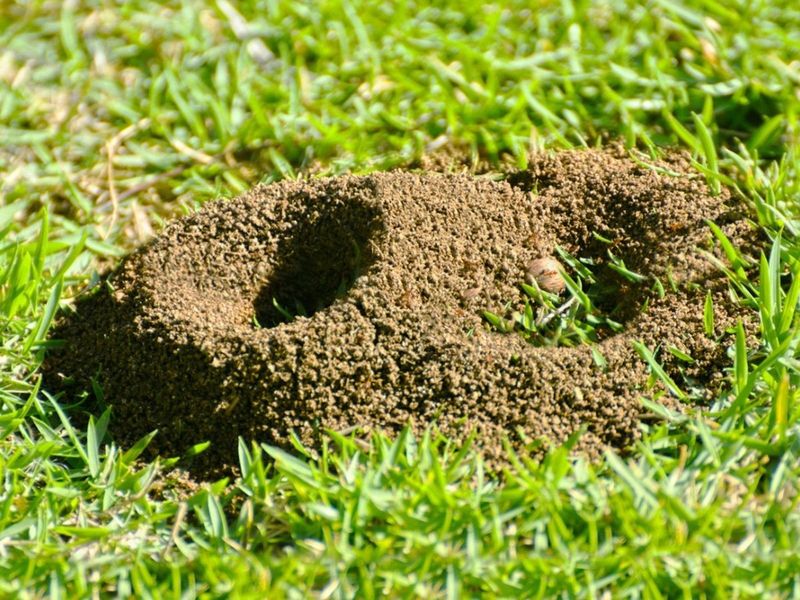
Your Michigan lawn might look like just a patch of grass to you, but to an ant colony, it is prime real estate.
Turf-covered soil offers a combination of benefits that ants actively seek out when choosing where to set up a nest, and April is the season when those benefits are at their most appealing.
The dense root system of grass helps stabilize tunnels and chambers, giving ant colonies a more secure underground structure.
Grass also acts as natural insulation, keeping soil temperatures more consistent and protecting the nest from sudden temperature swings that are common in Michigan spring weather.
On top of that, lawns tend to retain just enough moisture from rain and irrigation to keep the soil workable without becoming waterlogged.
There is also the matter of protection from above. A thick layer of turf makes it harder for birds and other predators to dig down and disrupt a colony, which is a real advantage for ants trying to grow their population safely.
Michigan lawns with established, healthy grass cover tend to attract more ant colonies for exactly this reason. If your yard has areas with thin or patchy grass, those spots might actually see fewer mounds, since ants prefer the stable conditions that dense turf provides.
Understanding what makes your lawn attractive to ants is the first step toward managing where those mounds tend to pop up each spring.
6. Food Sources Are Increasing In Spring
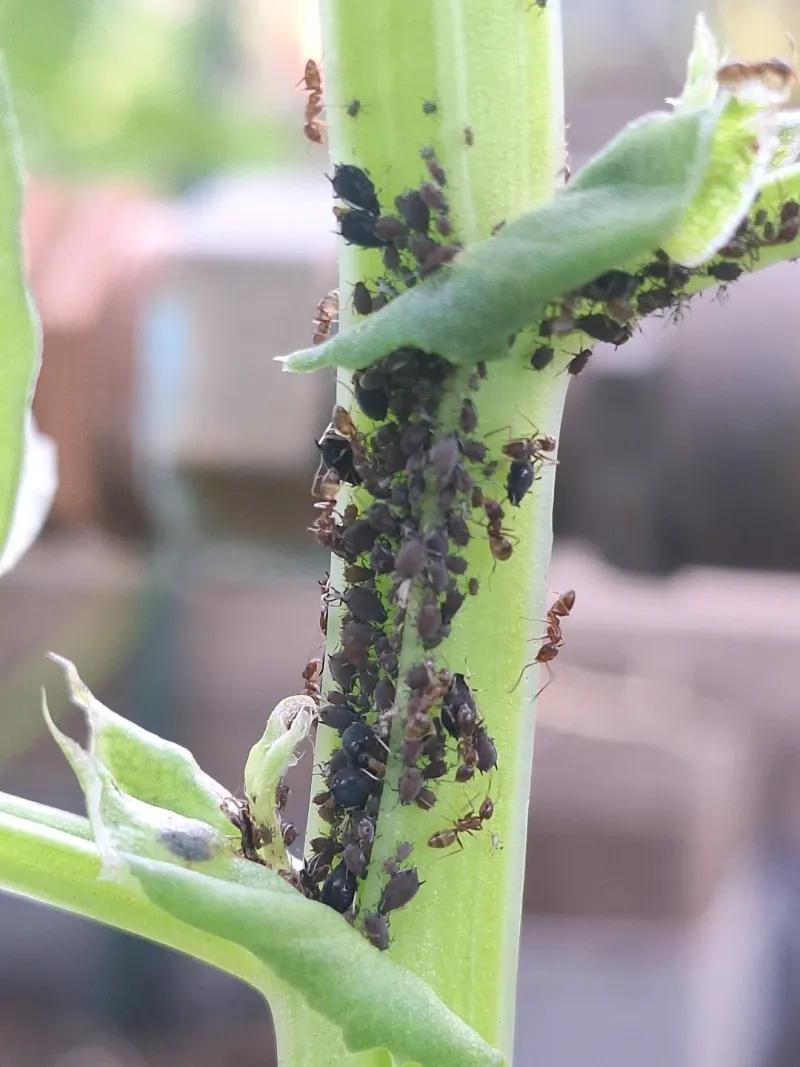
Ants do not just build nests for the sake of it. Every tunnel dug and every mound pushed up connects back to the colony’s need to find food, and April in Michigan is one of the most food-rich months of the entire year for ant colonies living in lawns.
As temperatures warm, soil insects become active again, offering ants a reliable protein source.
Aphids begin appearing on budding plants and garden shrubs, and ants have a well-known relationship with them, actually farming aphids for the sweet liquid they produce called honeydew.
More food sources mean more foraging trips, and more foraging trips mean more colony activity, which means more visible mounds on your lawn.
Spring also brings an increase in organic matter on and just below the soil surface. Fallen seeds, decomposing plant material, and small invertebrates all become part of the ant’s spring menu.
The more food available in and around your Michigan yard, the more motivated the colony is to expand its nest and send out larger numbers of foragers.
You might notice ant trails running from a mound toward garden beds, compost areas, or spots where bird feeders drip seeds onto the ground.
Following those trails can actually help you identify which food sources are drawing the most ant activity to specific parts of your lawn this April.
7. Mowing And Yard Work Expose Ant Activity
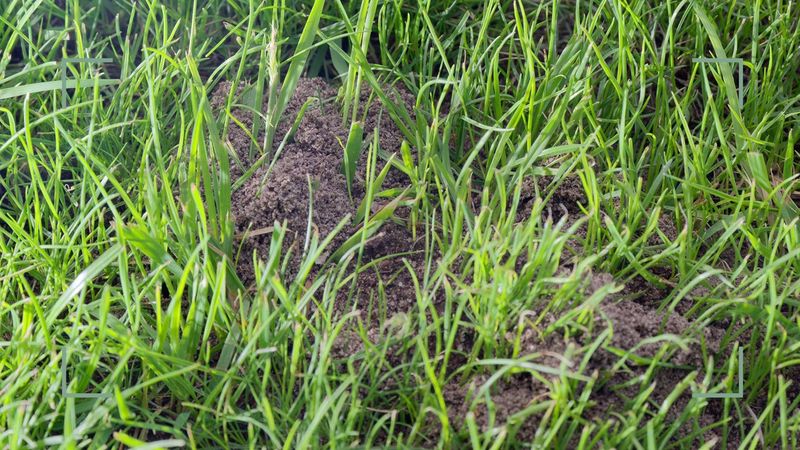
April is also the month when most Michigan homeowners start getting back outside for the first round of lawn care after a long winter.
Raking, mowing, edging, and general yard cleanup all do something unexpected: they reveal ant activity that was quietly happening right beneath your feet all along.
Before the first mow of the season, ant mounds can blend in surprisingly well with taller, uncut grass and winter debris. Once you rake away dead leaves and thatch or run the mower across the lawn for the first time, those mounds become very easy to spot.
The contrast between freshly cut grass and raised soil mounds makes them impossible to miss, which is why many homeowners feel like ant hills appeared overnight when they actually built up gradually over several weeks.
Disturbing the soil during yard work also triggers a response from the colony below. When workers sense vibrations or sudden changes in their environment, they often speed up nest repair and mound building as a way of reinforcing their home.
So ironically, that first spring mow can actually make ant hills look more prominent in the days that follow.
Michigan homeowners who do regular yard maintenance tend to notice ant activity earlier in the season, which actually puts them in a better position to address it before colonies grow larger.
Staying on top of early lawn care gives you a real advantage when it comes to spotting and managing ant hills.
8. Freeze-Thaw Cycles Push Soil Upward

Michigan springs are famous for being unpredictable, and that unpredictability actually plays a direct role in why ant hills become so visible in April.
The repeated cycle of freezing at night and thawing during the day does something interesting to soil structure that benefits ant colonies in a surprising way.
When water in the soil freezes, it expands and pushes soil particles upward. When it thaws, those particles do not always settle back to their original position.
Over several weeks of repeated freeze-thaw cycles, this process gradually shifts the soil, loosening its structure and bringing deeper layers closer to the surface. For ant colonies, this means their tunnels and chambers end up nearer to the top of the soil than they were at the start of winter.
Ants take advantage of this natural soil movement by rebuilding and reinforcing tunnels in the areas that have shifted, which produces fresh mounds of loose soil right at the surface.
In parts of Michigan where spring temperature swings are most dramatic, this effect is especially noticeable during the first few weeks of April.
Homeowners living in areas with heavier clay soils may see more pronounced heaving, while those with sandier ground might notice the effect is more subtle.
Either way, the freeze-thaw process is one of the most underappreciated reasons why Michigan lawns suddenly seem covered in ant hills every April, and it is entirely driven by nature doing its thing.