5 Plants California Gardeners Should Prune In April And 4 They Should Leave Alone
April can make California gardeners feel very productive very fast. Plants are pushing out fresh growth, the weather is warming up, and suddenly it is tempting to grab the pruners and start tidying everything in sight.
But this is exactly where things can go right or very wrong. Some plants benefit from a smart spring trim and come back fuller, healthier, and ready to put on a better show.
Others would really prefer you back away slowly and leave them alone for now. Cut at the wrong time, and you could lose flowers, stress the plant, or encourage a messy flush of growth just before heat arrives.
That is why timing matters so much in a California garden. A well-timed prune can work wonders, but unnecessary snipping can do the opposite.
Knowing which plants want attention in April and which ones do not can save you a lot of regret and help your garden look better going into the warmer months.
1. Roses
Few plants reward a good pruning quite like roses do. If you grow hybrid tea or floribunda roses in California, April is actually a little late for the ideal window, but you can still get great results if new growth has not pushed too far yet.
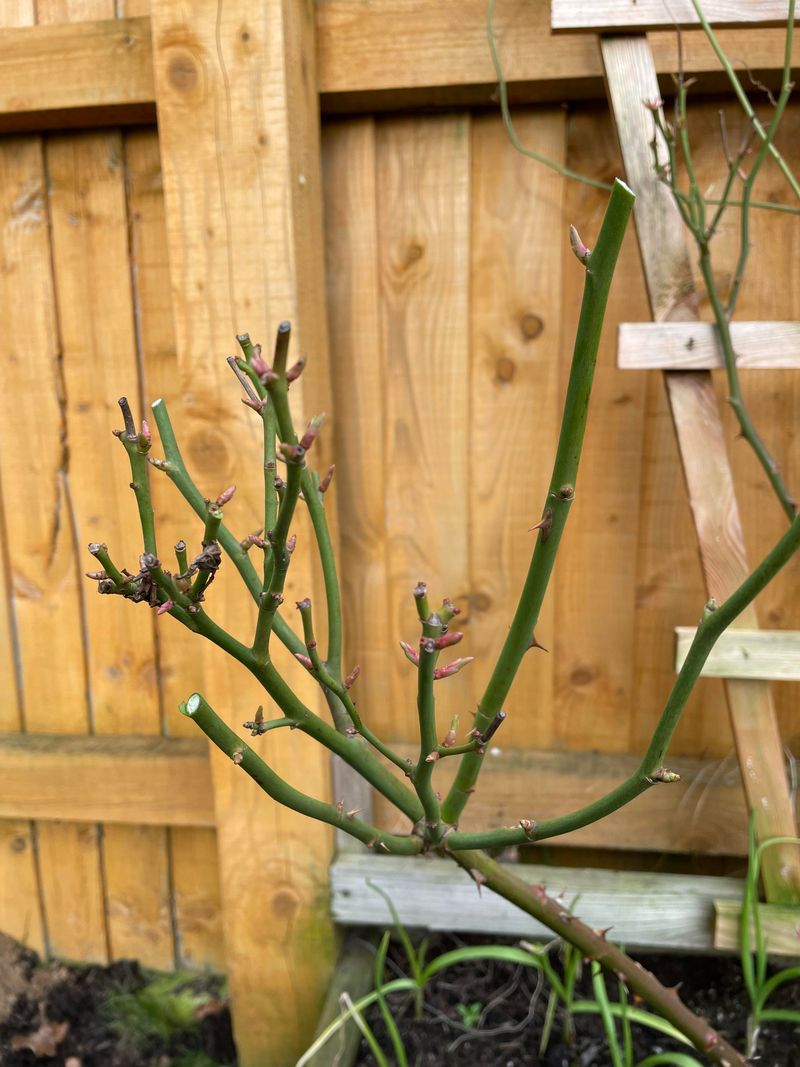
The goal is to cut canes back to about 8 to 12 inches above the ground, leaving only the strongest and healthiest stems behind.
Look for canes that are thick, green, and firm. Remove anything that looks thin, discolored, or crossing through the center of the plant.
Opening up the middle of the rose bush helps air circulate freely, which reduces the chance of fungal problems later in the season.
Always cut at a 45-degree angle just above an outward-facing bud. This small detail encourages new growth to spread outward rather than crowding inward.
Use clean, sharp pruning shears to make smooth cuts that heal quickly. In California’s warm climate, roses bounce back fast after pruning, and you can expect a flush of gorgeous blooms within six to eight weeks.
Feeding with a balanced rose fertilizer right after pruning gives them an extra boost heading into the growing season.
2. Lavender (Light Trim Only)
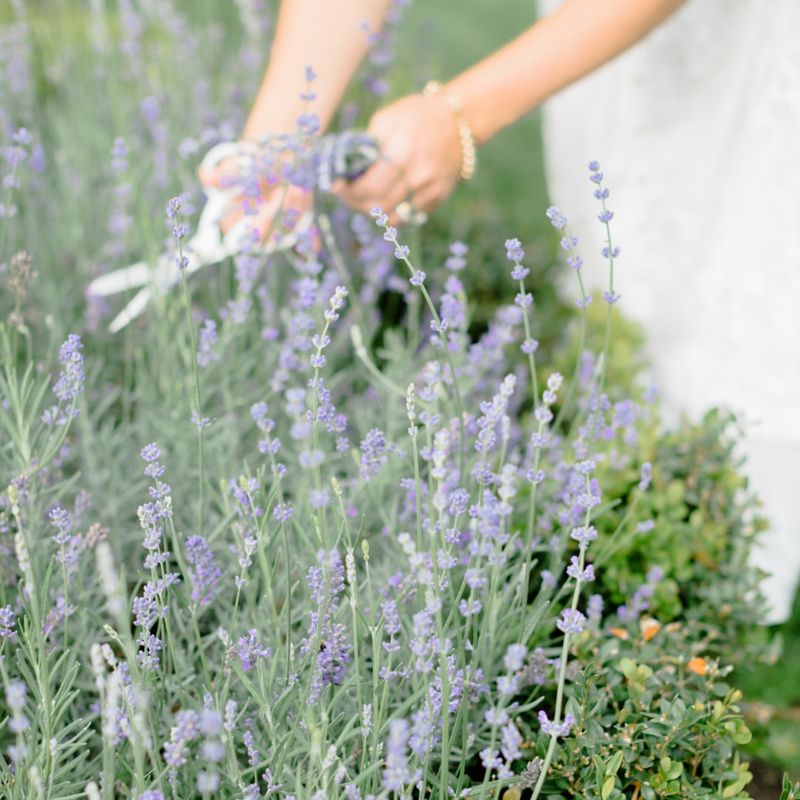
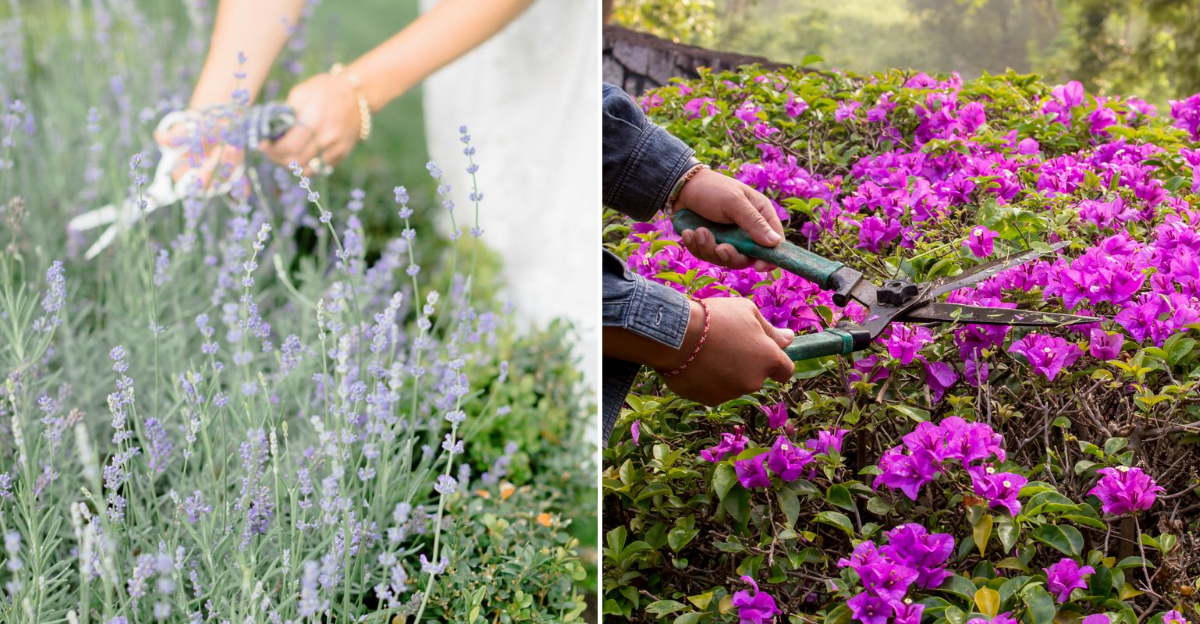
Lavender is a California garden favorite for good reason. It loves the dry, sunny conditions that much of the state offers, and it fills the air with that unmistakable scent.
April is a good time to give lavender a light trim, but the key word here is light. You are not cutting it back hard right now.
The idea is to remove the old, spent flower stalks from last season and tidy up any straggly stems. Trim back about one-third of the soft, green growth to encourage a compact and bushy shape.
Avoid cutting into the woody base of the plant, because lavender does not regrow well from old wood.
In Southern California especially, lavender may already be showing fresh green growth and even early buds by April. That is a sign the plant is healthy and ready for a gentle shaping.
Your California Garden Changes Every Week. Your Plan Should Too.
Gardening in California changes quickly throughout the season. Every Friday you’ll receive a simple weekly plan showing exactly what to plant, prune, fertilize, harvest, and protect so you never miss the right timing.
A light trim now helps the plant put its energy into producing new flower spikes rather than maintaining old, unproductive stems. After trimming, you can give it a light feeding with a low-nitrogen fertilizer.
Lavender does not need heavy fertilizing, but a small boost in spring helps support strong flowering through the warm months ahead.
3. Salvia (Woody Types)
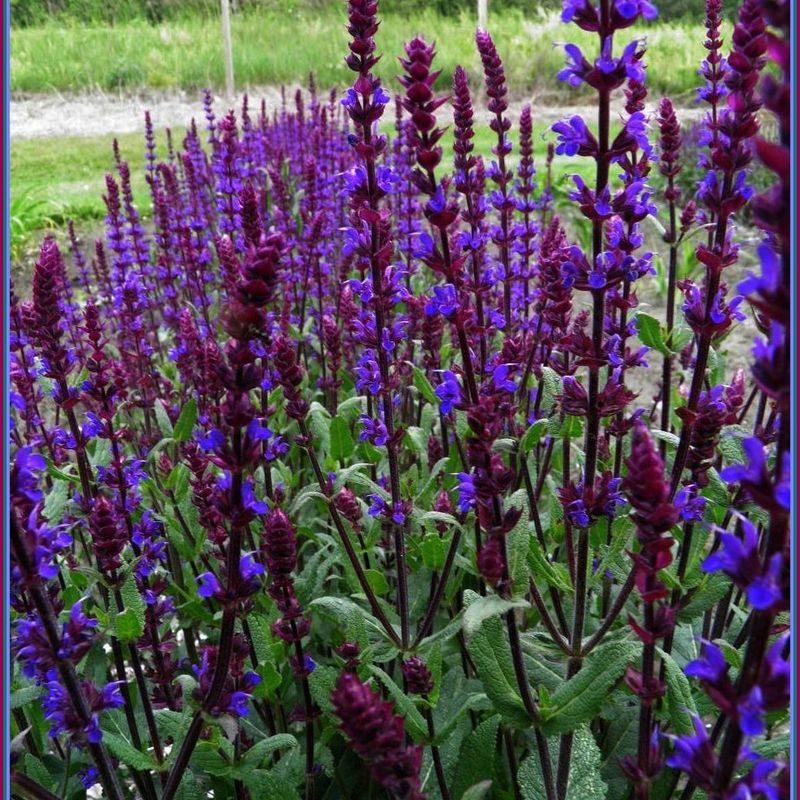
Woody salvias are workhorses of the California garden. They come in dozens of varieties, attract hummingbirds and pollinators, and handle heat and drought like champions.
By April, many woody salvias have a lot of old, tired growth from the previous year sitting on top of fresh new shoots trying to push through. That is your cue to act.
Cut woody salvia stems back by about half to two-thirds. You want to remove the old, leggy growth while leaving behind any fresh green shoots you can see at the base or along the stems.
This encourages a fuller, more compact plant with stronger new growth and better blooms.
One thing to keep in mind: avoid cutting all the way down to bare wood unless the plant is severely overgrown. Most woody salvias respond better when there is still some green growth left on the stems after pruning.
In California’s mild climate, these plants bounce back quickly and often reward a good spring trim with a spectacular bloom display by late spring and summer. Pair the pruning with deep watering and a light layer of compost around the base to help the plant recover and thrive through the warmer months ahead.
4. Penstemon
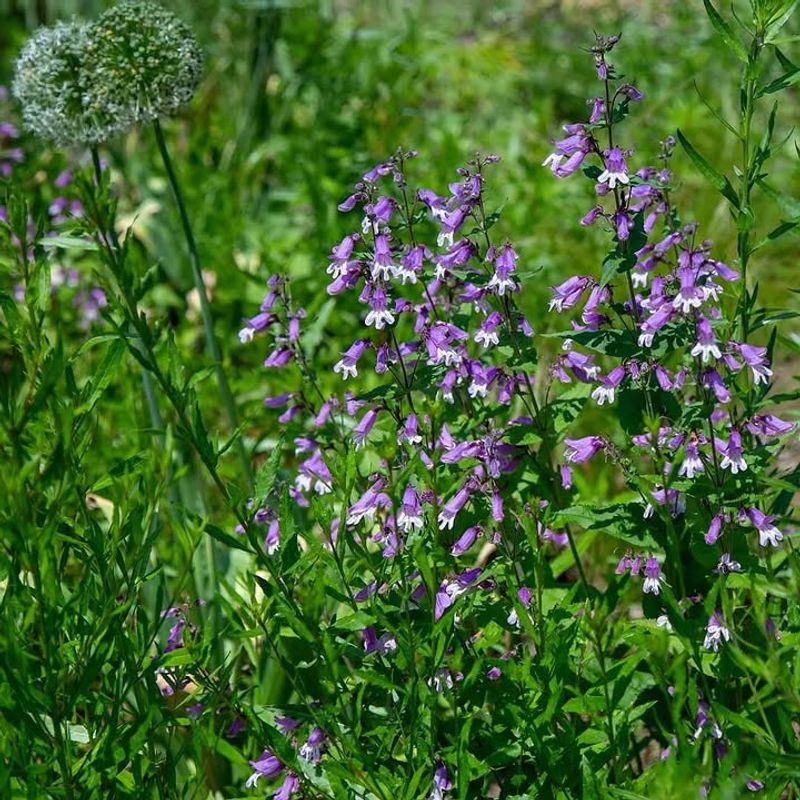
Penstemon is one of those plants that California gardeners often overlook when it comes to spring pruning, but it really does benefit from a tidy-up in April. Many species of penstemon are native to the western United States, which makes them especially well-suited to California gardens.
They love full sun, tolerate dry conditions, and produce stunning tubular flowers that hummingbirds absolutely cannot resist.
By April, penstemon plants often have a mix of old woody stems from last year and fresh new growth pushing up from the base. Cut back the old flower stalks and any dead or damaged stems to just above a set of healthy leaves or new shoots.
This clears the way for strong new growth and helps the plant look tidy and full.
Be careful not to remove all the new growth in the process. The fresh shoots are where this season’s flowers will come from, so you want to protect them.
In California, penstemon can start blooming as early as late spring, so pruning in April gives the plant just enough time to recover and set new buds before the warm weather really kicks in. A light feeding with a balanced fertilizer after pruning helps support a vibrant bloom season.
5. Bougainvillea (Light Shaping)
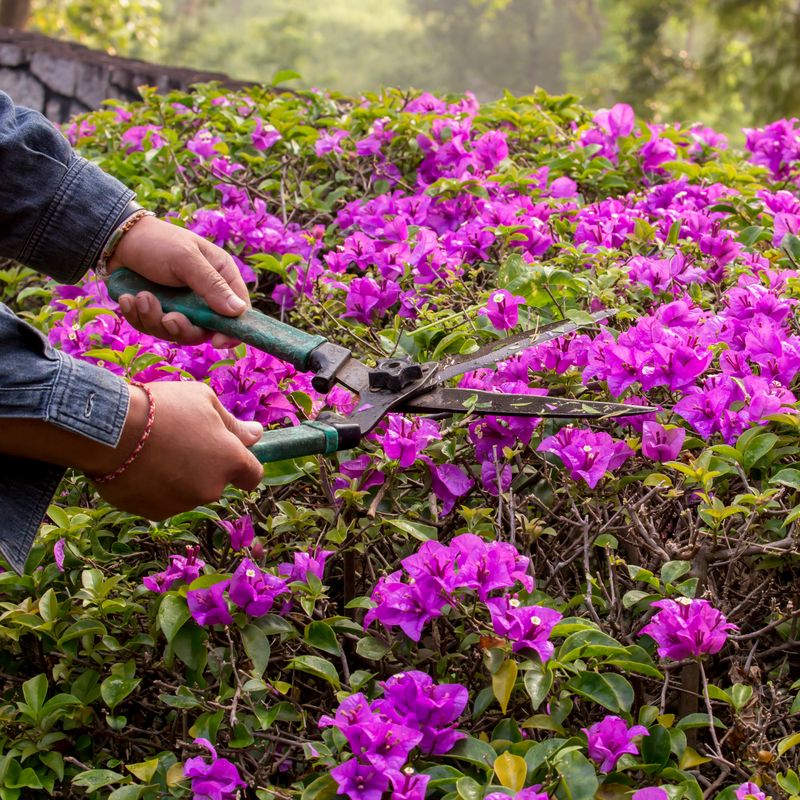
Walk down almost any street in Southern California in spring and you will spot bougainvillea putting on a show. This bold, colorful vine is practically a symbol of California living.
April is actually a great time to do some light shaping, especially now that the plant is actively growing and the risk of frost has passed in most parts of the state.
The goal in April is not a hard cutback. Instead, focus on removing any dead or frost-damaged stems from winter and trimming back branches that are growing in unwanted directions.
Shaping the plant now while it is actively growing helps it fill in beautifully over the coming months.
One important tip: bougainvillea blooms on new growth, so cutting it back lightly in spring actually encourages more flowers rather than fewer. Just be sure to wear thick gloves because those thorns are no joke.
Avoid cutting into the oldest, thickest woody canes unless you are trying to drastically reduce the size of the plant. In California’s warm climate, bougainvillea grows fast and can get out of hand quickly, so staying on top of light shaping in April saves you from a much bigger job later in the summer.
6. Camellia
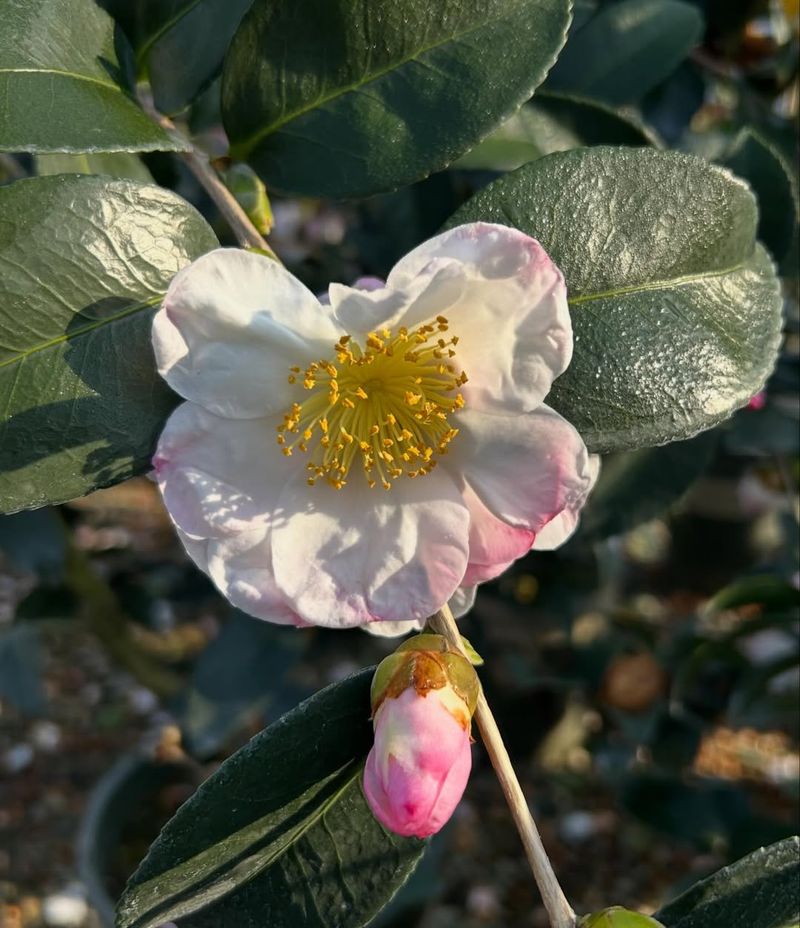
Camellias are some of the most beautiful flowering shrubs you can grow in California. They thrive in the mild coastal climate and produce stunning blooms in shades of red, pink, and white.
But April is not the time to get your pruning shears near them, and here is why.
Most camellias finish blooming in late winter or very early spring. Right after blooming ends is actually the best window to prune them, which is usually February or March in California.
By April, camellias have already begun setting new growth buds for next year. Pruning now risks cutting off those buds and reducing next season’s flower display.
Beyond the bud issue, camellias can also be sensitive to sudden changes. Cutting them back when they are actively pushing new growth can stress the plant and make it more vulnerable to pests and disease.
The best approach in April is to admire your camellia, give it a good deep watering, and maybe add a layer of mulch around the base to keep moisture in. If you absolutely need to do some shaping, wait until the plant has finished its bloom cycle and new growth has just started.
Patience really pays off with this beautiful shrub.
7. Azalea
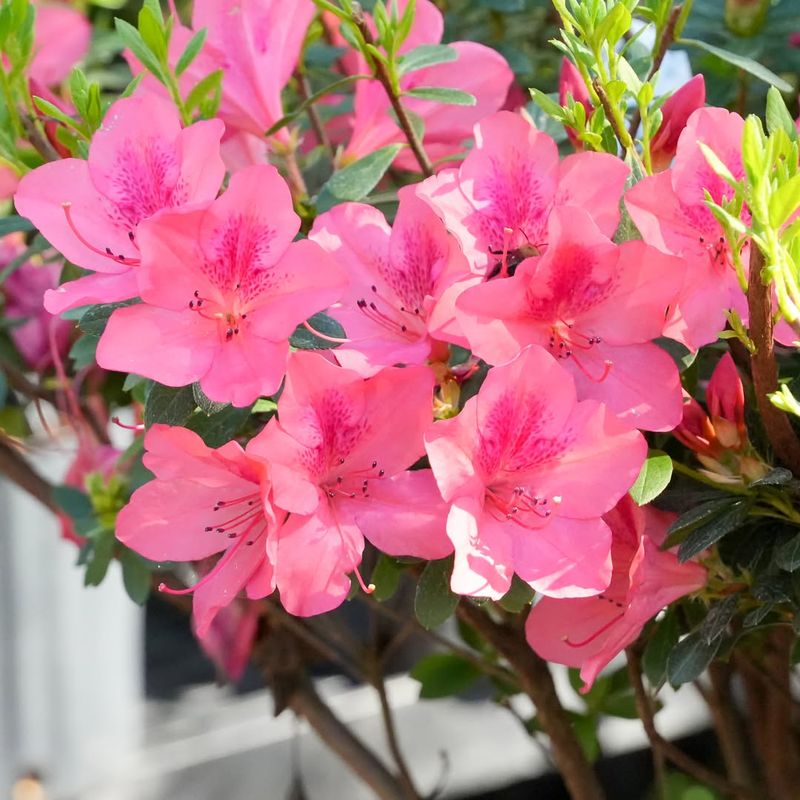
Seeing an azalea in full bloom is one of those genuinely joyful spring moments. These shrubs light up California gardens with brilliant bursts of color in shades ranging from soft white to deep magenta.
If yours is blooming right now in April, that is a sign to put the pruning shears away and just enjoy the show.
Azaleas bloom on old wood, meaning the flower buds were set on last year’s stems during the summer and fall. If you prune an azalea in April, you are cutting off the very branches that are either blooming or about to bloom.
The result is fewer flowers, and nobody wants that.
The right time to prune azaleas in California is right after they finish blooming, usually in late April or May depending on your location and the specific variety. At that point, you can shape the plant, remove crossing branches, and reduce its size if needed.
New growth will emerge quickly after pruning and begin setting buds for the following spring. In the meantime, give your azalea some extra water during dry spells and enjoy every single bloom.
These shrubs are well worth the wait, and a little patience now means a spectacular display for years to come.
8. Lilac
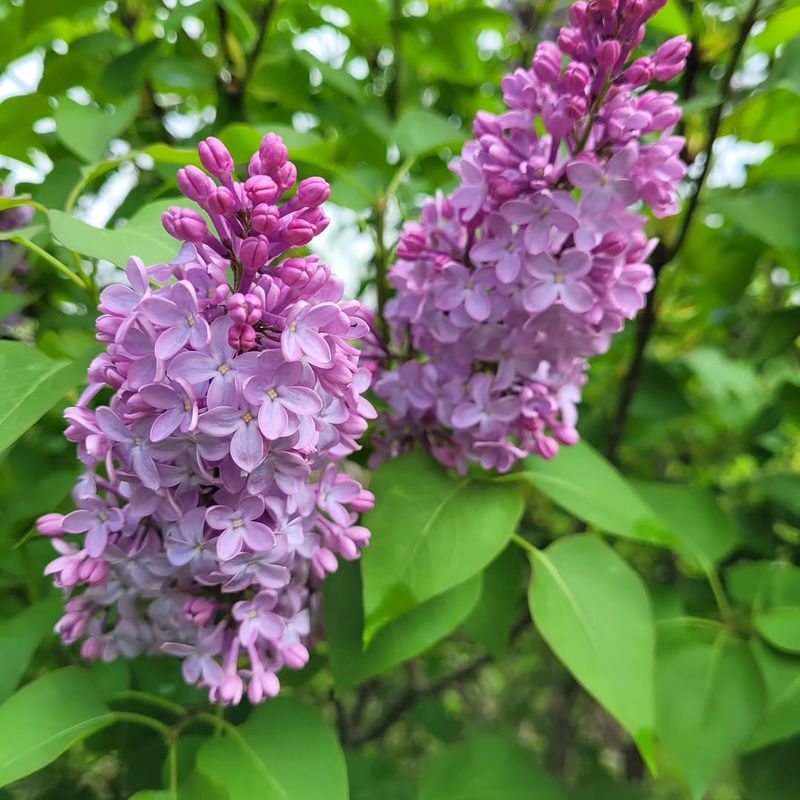
There is something almost nostalgic about the smell of lilacs in bloom. In California, lilacs can be a bit trickier to grow than in colder climates because they need a certain number of chill hours to set buds properly.
But in the right location, such as higher elevations or cooler inland valleys, they absolutely thrive and reward patient gardeners with those gorgeous fragrant clusters.
Like azaleas, lilacs bloom on old wood. The buds for this spring’s flowers were formed on last year’s stems.
Pruning in April means you are removing those buds either right before or during bloom time, which cuts your flower show short before it even gets started.
The correct pruning window for lilacs is right after blooming ends, typically in late spring. At that point, you can remove spent flower clusters, thin out crowded stems, and shape the overall plant.
New growth will emerge quickly and begin forming next year’s flower buds over the summer. California gardeners in regions where lilacs grow well should mark their calendars for post-bloom pruning and resist the urge to trim in April.
Giving this shrub the right timing makes all the difference between a sparse bloom and a truly breathtaking spring display year after year.
9. Hydrangea (Bigleaf Types)
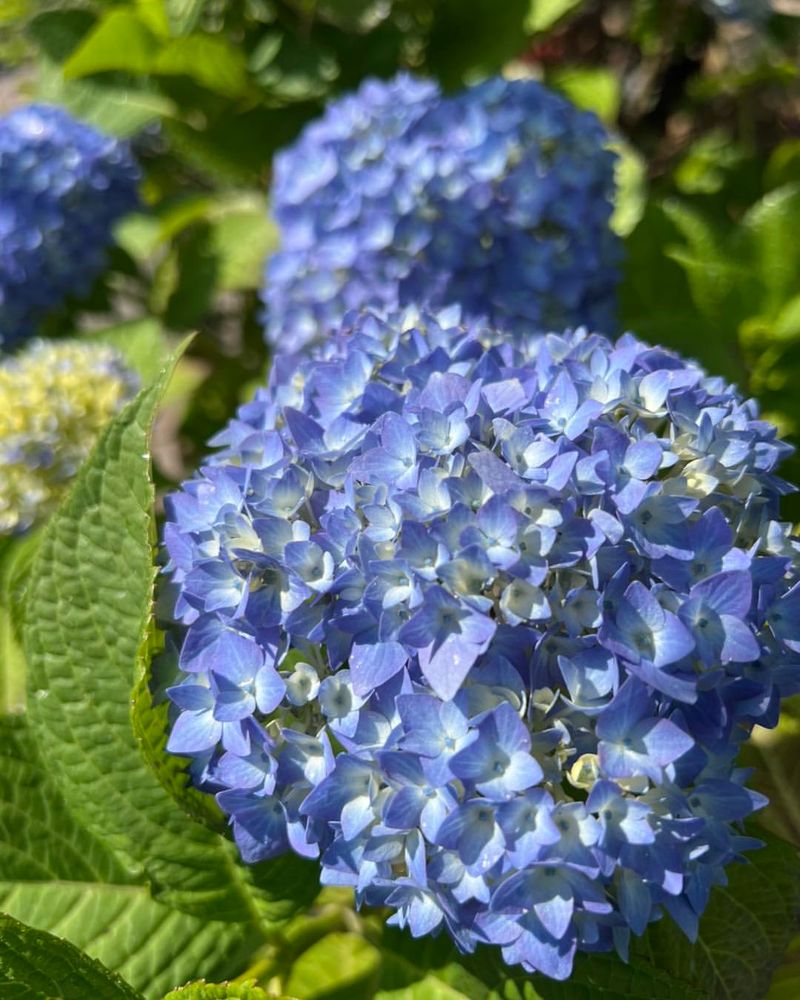
Bigleaf hydrangeas, also known as mophead or lacecap hydrangeas, are a common sight in California gardens. They produce those big, showy flower heads that look gorgeous in both the garden and in a vase.
But here is something many gardeners get wrong: bigleaf hydrangeas bloom on old wood, just like azaleas and lilacs.
Those old brown flower heads that are still attached from last year? They are actually protecting the buds that will become this year’s flowers.
Cutting them off in April removes the very buds you have been waiting all winter to see bloom. It is a common mistake, and it leads to a lot of disappointed gardeners wondering why their hydrangea has lots of leaves but no flowers.
The rule for bigleaf hydrangeas is simple: do not prune in April. If you need to remove dead wood, wait until you can clearly see where new growth is emerging from the stems, usually in late spring.
Only remove stems that show absolutely no signs of life. In California, bigleaf hydrangeas appreciate some afternoon shade, consistent moisture, and a little patience.
Skip the pruning this month, keep them watered, and they will reward you with a stunning bloom display from late spring through summer.