These 7 California Groundcovers Stop Dust And Erosion
Bare soil rarely stays harmless for long in a California yard. Once wind, heat, and dry conditions settle in, that exposed ground can start kicking up dust, washing away on slopes, and turning hard to manage fast.
Groundcovers offer one of the easiest ways to get ahead of both problems without relying on bare mulch or constant upkeep. The right ones spread low, hold soil in place, and soften the landscape while still handling California’s demanding conditions.
Some are especially useful on hillsides, some work beautifully between stepping stones, and others create a thick living layer that helps keep loose soil where it belongs. In a state where drought, sun, and erosion often show up together, choosing practical plants matters.
A smart groundcover can make your yard look fuller, stay cleaner, and hold up much better through the toughest stretches of the year.
1. Beach Strawberry
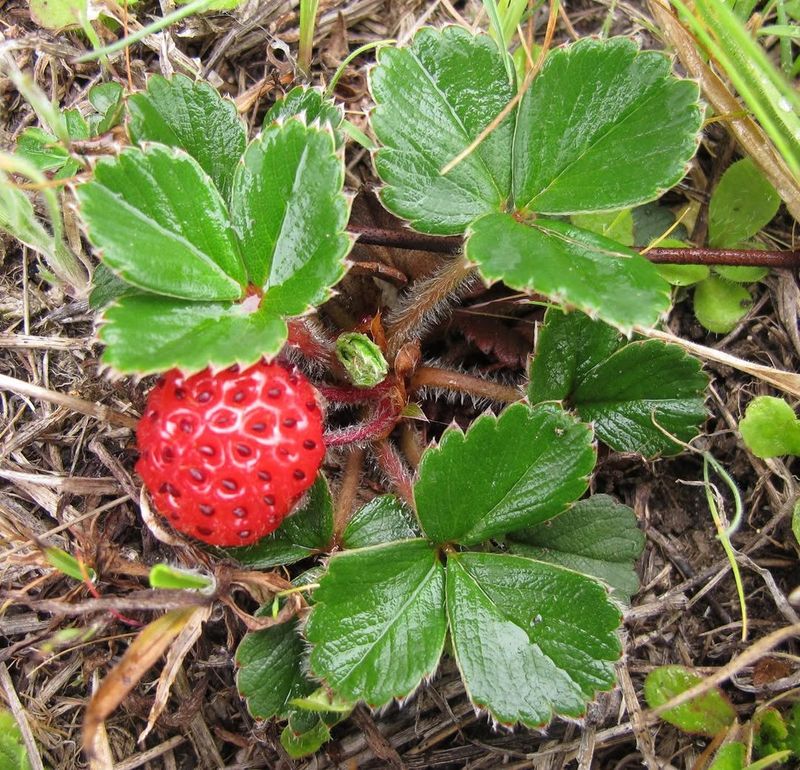
Few plants earn their place in a California garden quite like Beach Strawberry. This native groundcover is tough, charming, and seriously good at holding soil in place along slopes, sandy banks, and coastal areas.
Its dense mat of dark green leaves spreads quickly and creates a living blanket that keeps wind from lifting loose soil into the air.
Beach Strawberry, known scientifically as Fragaria chiloensis, grows naturally along the California coastline. That means it already knows how to handle salty air, dry summers, and sandy or rocky soil.
Once it gets established, it needs very little water, which makes it a smart pick for water-conscious California gardeners.
The plant sends out runners that root into the ground as they spread. This habit is exactly what makes it so effective at erosion control.
Those roots reach down and grip the soil firmly, even on slopes where other plants might struggle. As a bonus, it produces small white flowers in spring and tiny red berries that birds love.
For shaded or partly sunny spots near the coast or in cooler inland valleys, Beach Strawberry is a reliable and beautiful choice that truly delivers results year after year.
2. Kinnikinnick
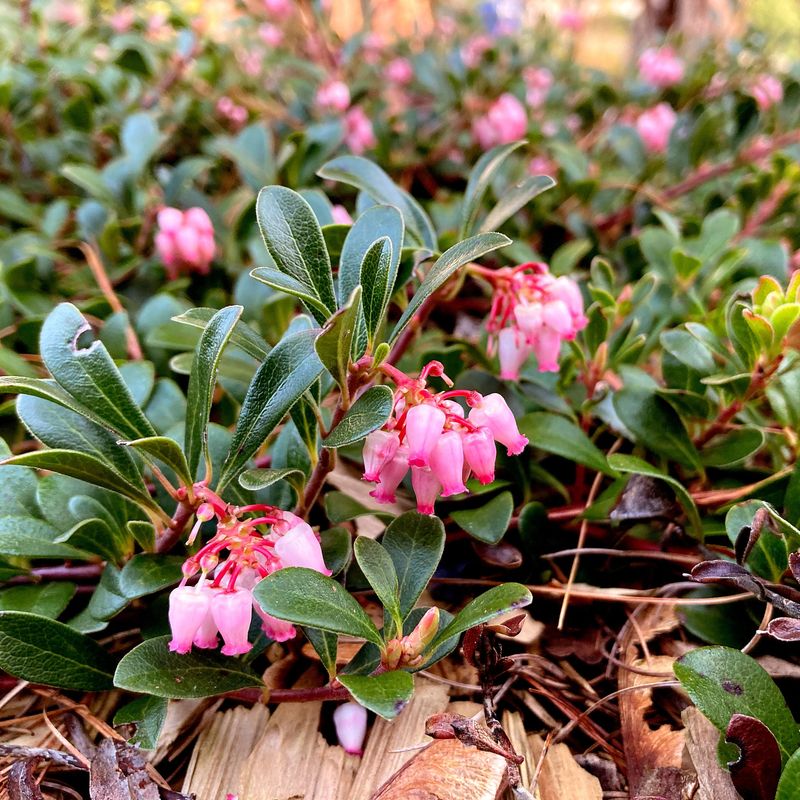
There is something quietly impressive about a plant that thrives where almost nothing else will. Kinnikinnick, also called Bearberry or Arctostaphylos uva-ursi, is exactly that kind of plant.
It hugs the ground tightly, spreads slowly but steadily, and builds a tough evergreen mat that holds soil in place through harsh conditions.
In California, Kinnikinnick works especially well on dry, rocky slopes and sandy hillsides where erosion is a constant problem. Its woody stems and deep roots anchor into the ground with impressive strength.
Wind and rain have a much harder time moving soil when this plant is covering it.
One of the best things about Kinnikinnick is how little attention it needs. Plant it in a sunny or partly shaded spot with well-drained soil, give it some water while it settles in, and then mostly leave it alone.
It is very drought-tolerant once established, which lines up perfectly with California’s dry climate.
Your California Garden Changes Every Week. Your Plan Should Too.
Gardening in California changes quickly throughout the season. Every Friday you’ll receive a simple weekly plan showing exactly what to plant, prune, fertilize, harvest, and protect so you never miss the right timing.
Small pinkish-white flowers appear in early spring, followed by bright red berries that wildlife enjoy. The glossy, dark green leaves stay attractive all year long.
For bare slopes or problem areas where erosion keeps winning, Kinnikinnick is a dependable, low-fuss solution worth planting.
3. Carmel Creeper
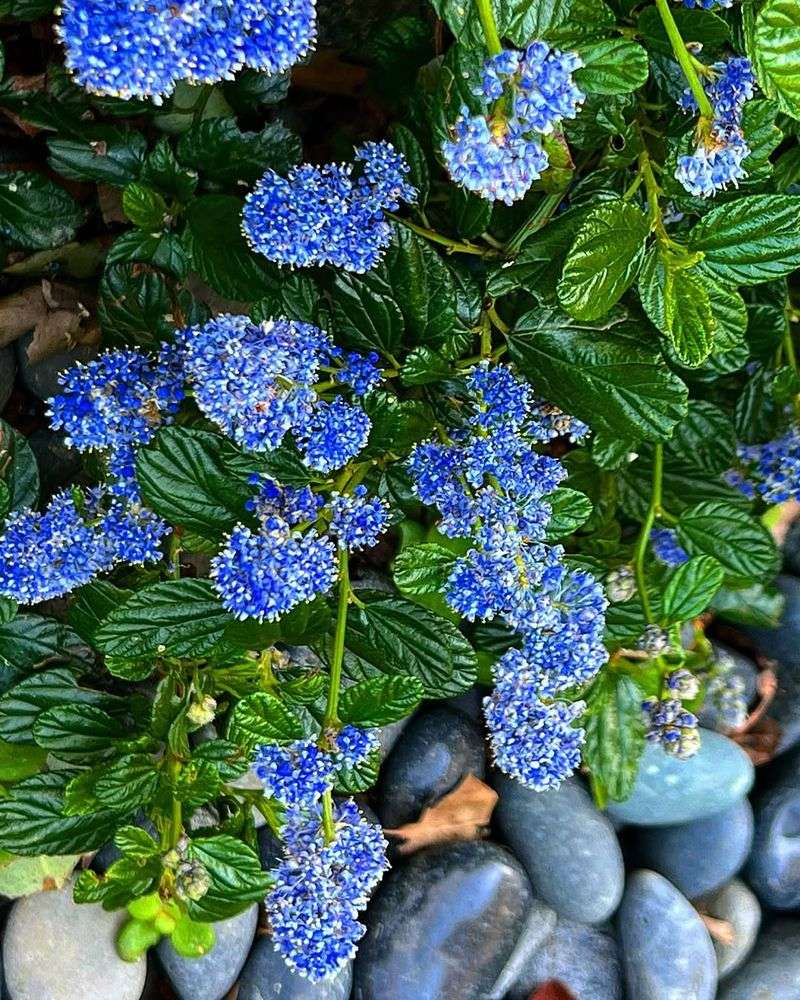
Named after one of California’s most beautiful coastal towns, Carmel Creeper brings serious style and serious function to the landscape. This sprawling shrub groundcover is a variety of Ceanothus griseus horizontalis, and it is built for life on California’s rugged slopes.
It spreads wide and low, sometimes covering a large area with a thick, weed-suppressing layer of glossy green leaves.
In spring, Carmel Creeper puts on a show. Clusters of vivid blue flowers cover the plant from end to end, attracting bees, butterflies, and other pollinators.
But even after the blooms fade, the dense foliage keeps doing the important work of holding soil in place and blocking wind from stirring up dust.
This plant loves full sun and fast-draining soil, two things California has in plenty. It handles drought well once established and rarely needs fertilizer or heavy pruning.
Planting it on slopes, embankments, or hillsides gives it room to spread naturally and create a solid erosion barrier.
Gardeners across coastal and inland California have trusted Carmel Creeper for decades because it simply works. It covers ground fast, looks incredible in bloom, and keeps the soil exactly where it belongs, even during heavy winter rains or dry, windy summers.
4. Point Reyes Ceanothus
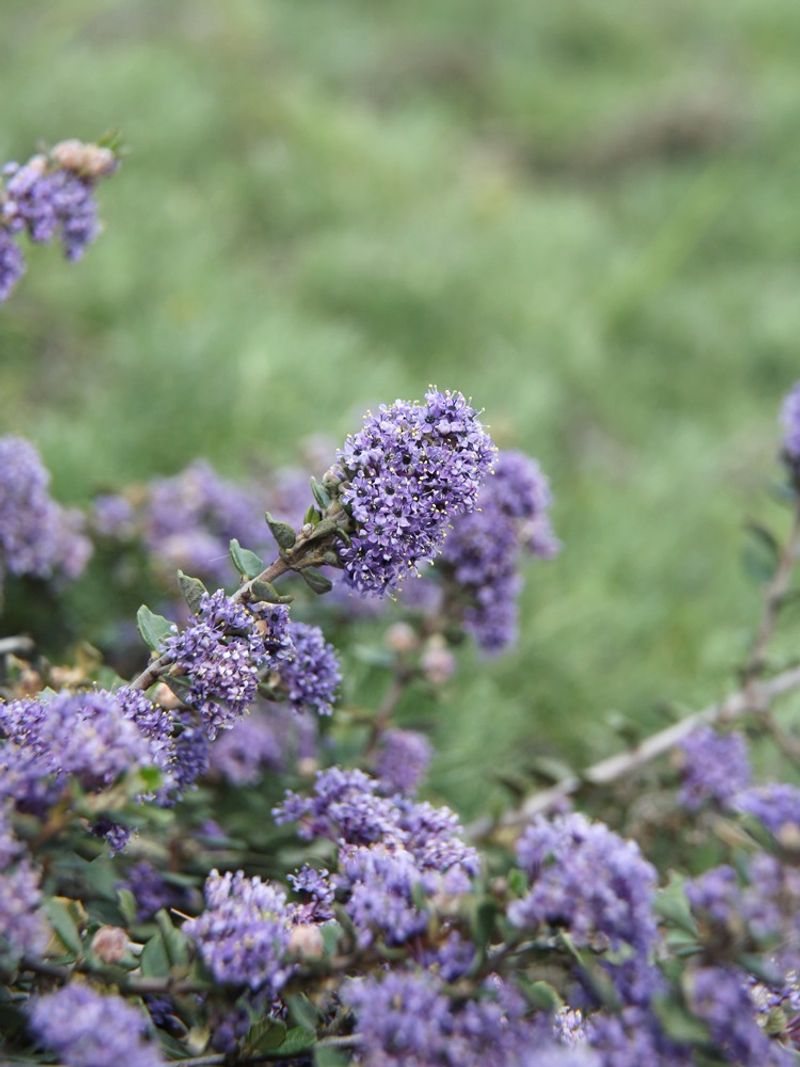
Right at the edge of the Pacific, where wind and salt air batter the land year-round, Point Reyes Ceanothus holds its ground. This tough native plant is named after Point Reyes National Seashore in Marin County, California, and it grows in one of the most challenging coastal environments imaginable.
That background tells you a lot about what it can handle.
Point Reyes Ceanothus, or Ceanothus gloriosus, forms a low, spreading mat that rarely grows taller than a foot or two. Its thick, dark green leaves are slightly waxy, which helps them resist drying out in strong coastal winds.
The root system fans out broadly underground, locking soil in place on slopes and embankments where erosion is a serious concern.
In late winter and early spring, the plant bursts into bloom with clouds of pale to medium blue flowers. It is one of the earliest California natives to bloom each year, making it a welcome sight after the gray winter months.
Pollinators are drawn to it immediately.
Plant Point Reyes Ceanothus in full sun with excellent drainage, and avoid overwatering once it is established. It thrives in lean, rocky, or sandy California soils and rarely needs extra care.
For coastal gardens or exposed hillsides, this plant is an outstanding choice.
5. Emerald Carpet Manzanita
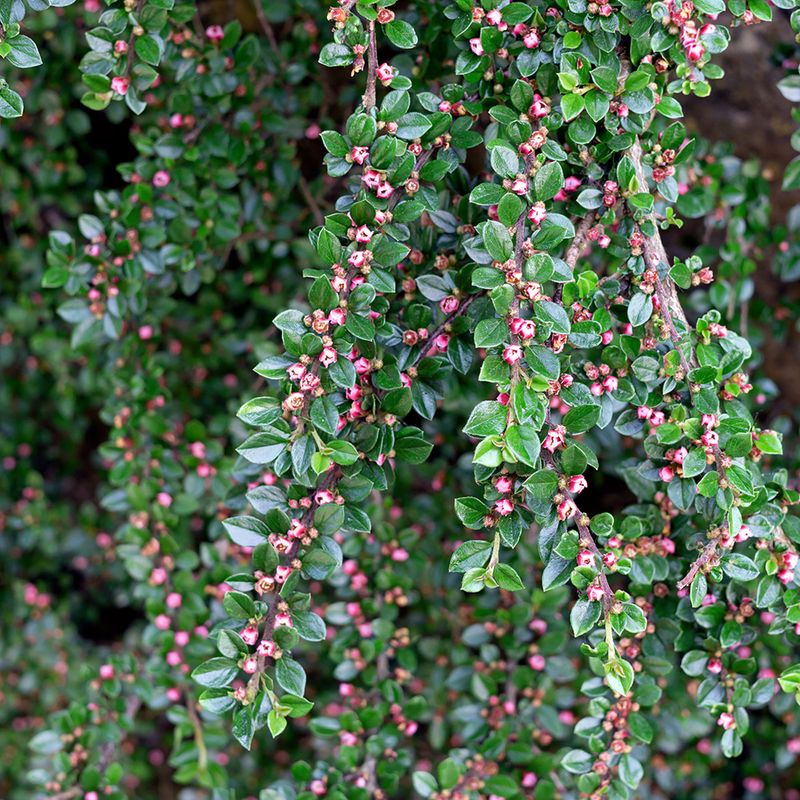
Some groundcovers look good. Emerald Carpet Manzanita looks great and works even harder than it looks.
This low-growing variety of Arctostaphylos pumila spreads into a dense, bright green carpet that stays attractive every single month of the year. In California’s dry landscapes, that kind of year-round reliability is genuinely valuable.
What makes this plant such a strong erosion fighter is its structure. The stems grow horizontally, rooting into the ground as they spread.
Over time, the plant builds a thick, interlocking network of roots that grips the soil tightly. Slopes, berms, and hillsides stay stable even when winter rains hit hard or summer winds pick up.
Emerald Carpet Manzanita loves full sun and dry, well-drained soil. It is highly drought-tolerant, which makes it a natural fit for California’s water-restricted climate.
Once established, it can go long stretches without irrigation, surviving on natural rainfall alone in most parts of the state.
In late winter, small white or pinkish urn-shaped flowers appear along the stems, adding a delicate seasonal touch. Birds and bees are regular visitors.
The plant grows slowly, so give it a little time to fill in, but once it does, it creates one of the most effective and good-looking erosion barriers available to California gardeners.
6. California Fuchsia
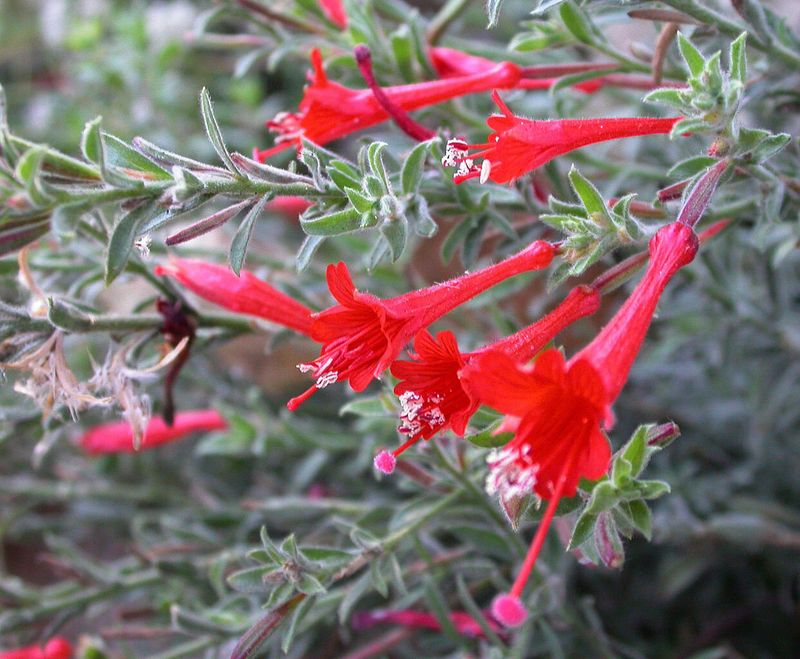
When most plants in California are looking tired and dry by late summer, California Fuchsia is just getting started. This native groundcover, also known as Epilobium canum or Zauschneria californica, puts out a blazing display of bright orange-red tubular flowers right when the rest of the garden has gone quiet.
Hummingbirds show up in droves, and the whole planting comes alive.
Beyond the showstopping blooms, California Fuchsia is a hardworking erosion fighter. It spreads by underground runners that reach out in every direction, weaving through the soil and creating a strong, stabilizing root network.
On dry slopes and embankments across California, this plant keeps the ground locked in place through wind and rain.
The silvery-gray foliage reflects heat and conserves moisture, which helps the plant survive in full sun with little to no supplemental water during summer. It is one of the most drought-tolerant native groundcovers available for California landscapes, making it a smart and sustainable choice for hillside plantings.
Cut it back in late winter to encourage fresh, bushy growth in spring. It bounces back quickly and fills in well each season.
For gardeners who want color, wildlife value, and real erosion control all in one plant, California Fuchsia is an exciting and practical solution for challenging sunny spots.
7. California Fescue
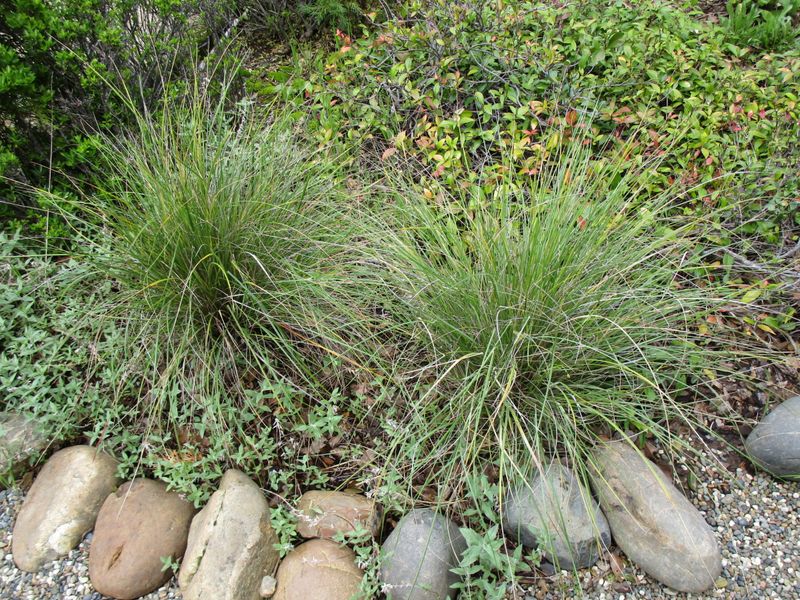
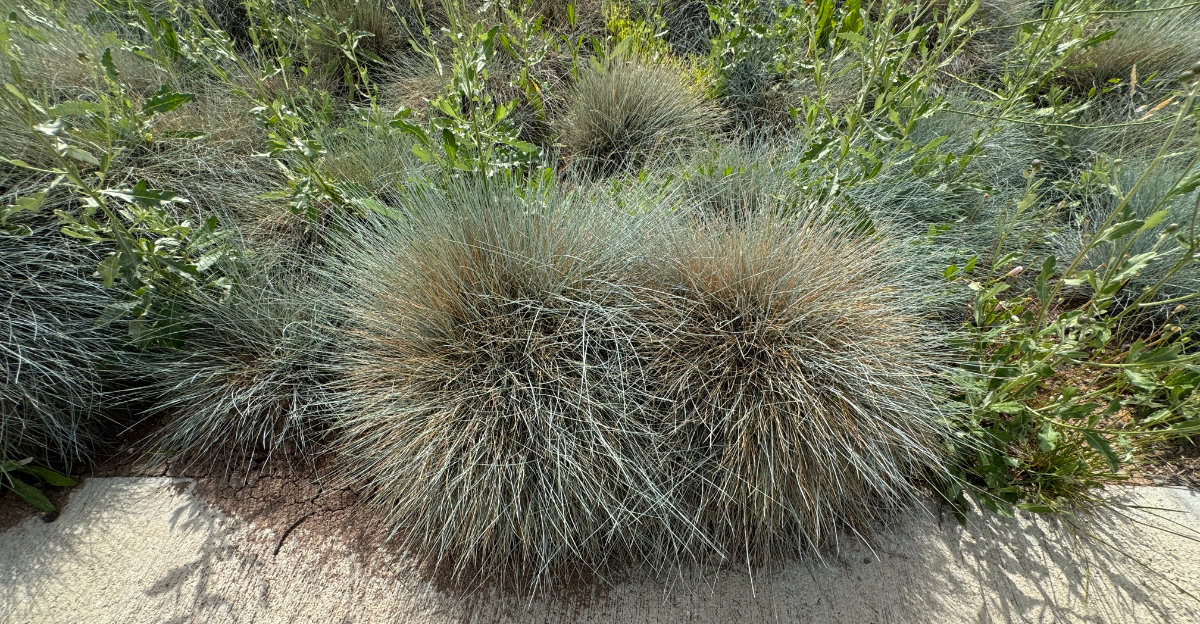
Not every erosion solution needs flowers to make an impact. California Fescue, known as Festuca californica, is a native bunchgrass that brings quiet elegance and real structural power to problem slopes and bare hillsides across the state.
Its arching clumps of blue-green or gray-green blades create a soft, flowing look that feels completely at home in a natural California landscape.
The real work happens underground. California Fescue develops a deep, fibrous root system that anchors firmly into the soil.
Those roots hold the ground together during heavy rains, prevent surface runoff, and stop wind from lifting dry soil into the air as dust. On steep or exposed slopes in California, that kind of root strength makes a measurable difference.
This grass grows best in partial shade to full sun and handles both dry summers and occasional winter moisture with ease. It thrives in the kind of lean, rocky, or well-drained soils that are common throughout California’s hills and valleys.
Once established, it needs very little supplemental watering.
Plant California Fescue in clusters or drifts for maximum coverage and visual effect. It pairs beautifully with other native groundcovers like Ceanothus and Manzanita.
For slopes that need stabilizing without losing their natural look, this graceful grass is one of the smartest choices a California gardener can make.