What Skunks Are Looking For In Michigan Lawns In Spring And Why Grass Gets Torn Up
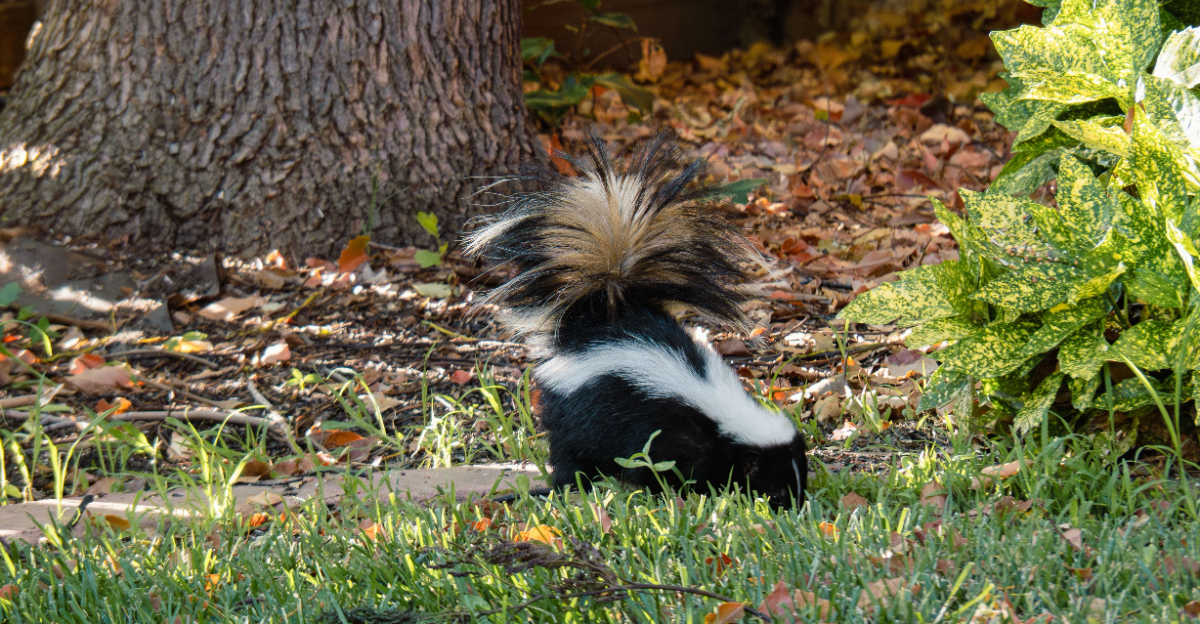
Spring can leave Michigan lawns looking rough, and skunks are often the hidden reason why. One night the grass looks fine, and the next it is full of small holes, torn patches, and signs that something has been digging around.
It is easy to blame moles or other pests, but skunks are usually after something much simpler. They come looking for food just below the surface.
As the soil warms up, lawns fill with grubs, beetles, worms, and other insects that make an easy meal. Skunks use their strong claws and sharp sense of smell to find them fast, and that search can leave a mess behind.
For homeowners, the damage can feel sudden and frustrating. Once you know what skunks are really hunting for in spring, it becomes much easier to understand why your Michigan lawn keeps getting ripped up overnight.
1. They Are Hunting For White Grubs
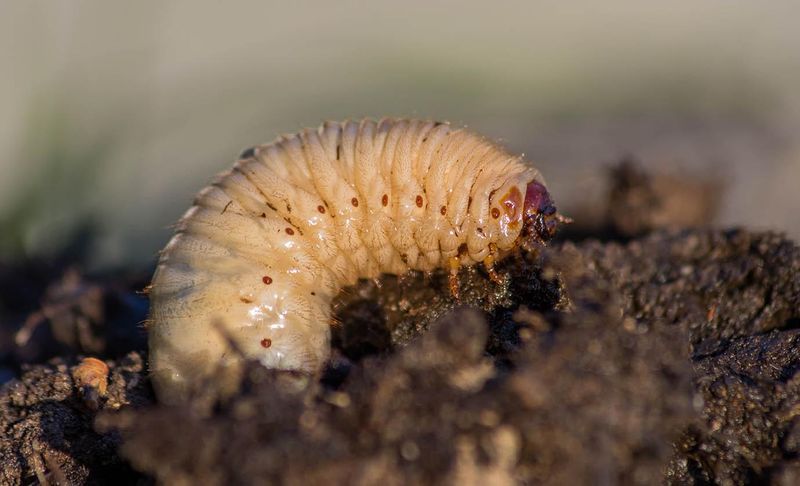
Beneath the surface of a Michigan lawn, a feast is waiting, and skunks know exactly where to find it. The striped skunk, known scientifically as Mephitis mephitis, has an incredibly powerful nose that can sniff out white grubs hiding one to three inches below the soil.
These grubs are the larvae of scarab beetles, including Japanese beetles and June beetles, and they curl up in the top layer of soil throughout the cooler months.
White grubs are packed with protein and fat, making them one of the most nutritious meals a skunk can find.
A single lawn can hold dozens or even hundreds of grubs per square foot during a heavy infestation, which gives skunks plenty of reason to keep coming back night after night. The digging you see in the morning is not random at all.
Skunks are remarkably precise when they forage. They do not tear up grass for fun. Every hole and flipped patch of turf in your Michigan yard represents a targeted search for these plump, wriggling larvae.
If your lawn has a strong grub population, you can expect skunk visits to continue throughout the spring season until the food source shrinks or moves deeper into the soil.
2. Spring Soil Makes Digging Easy
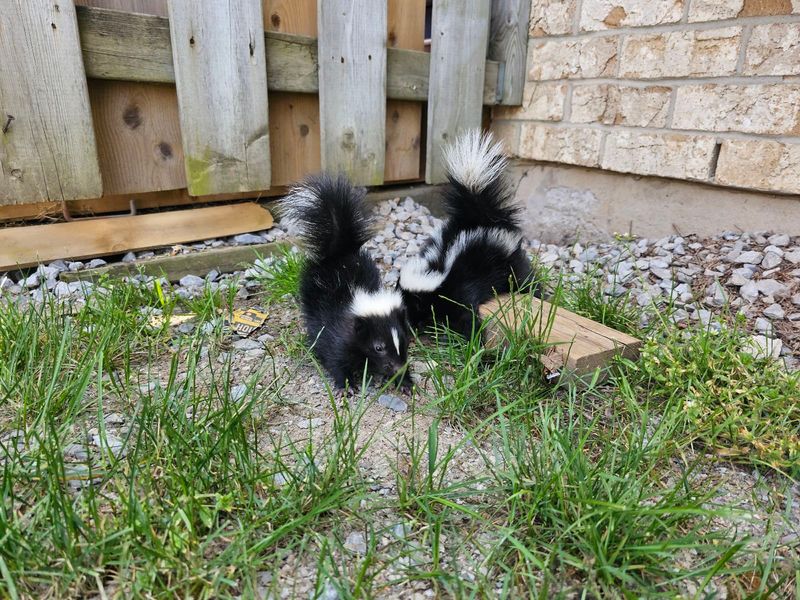
There is a reason skunks seem to show up right around March and April in Michigan, and the soil itself is a big part of the story. After a long winter, the ground thaws out and soaks up rainwater, turning into soft, workable earth that is almost effortless to scratch through.
For a skunk with strong front claws, this is the perfect digging condition.
Frozen ground during winter keeps grubs locked away and out of reach, but spring changes everything. As temperatures climb and moisture increases, the top few inches of soil loosen up significantly.
Skunks that have been eating very little through the colder months are now hungry and motivated, and the soft spring soil in Michigan makes their foraging incredibly efficient.
Rain events in April and May make the situation even more favorable for skunks. Wet soil is easier to scratch through, and earthworms and grubs tend to move closer to the surface after a good soaking.
Your Michigan Garden Changes Every Week. Your Plan Should Too.
Gardening in Michigan changes quickly throughout the season. Every Friday you’ll receive a simple weekly plan showing exactly what to plant, prune, fertilize, harvest, and protect so you never miss the right timing.
Homeowners in Michigan often notice the worst lawn damage appearing right after a rainy stretch, which is no coincidence at all.
The combination of hungry skunks, thawed ground, and moisture-rich soil creates the ideal setup for widespread lawn digging every single spring.
3. They Also Eat Other Lawn Insects
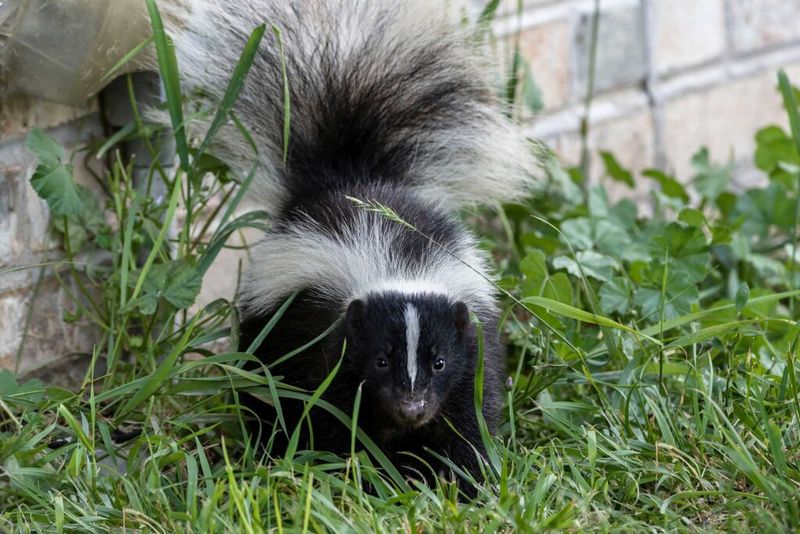
Grubs get most of the attention, but skunks are actually quite flexible eaters with a wide-ranging appetite for whatever crawls or wriggles through your lawn. Earthworms are a regular part of their spring diet, especially after rain pushes worms toward the surface.
Beetles, crickets, and other ground-level insects also make the menu, which means skunks have plenty of reasons to dig even in lawns with moderate grub counts.
Skunks are classified as omnivores, and their foraging style reflects that. They move slowly across a yard, using their nose to scan the ground inch by inch.
When they catch the scent of something edible just below the surface, they scratch and pry up the turf without hesitation. This broad feeding behavior means that a lawn rich in any kind of soil insect is going to attract attention from local skunks in Michigan.
Earthworm populations actually spike in spring as soil temperatures rise and moisture increases, which adds another layer of appeal to Michigan lawns.
A yard that looks perfectly healthy from the outside might still be full of insect activity just beneath the roots.
Skunks pick up on that activity quickly, and the result is the patchwork of small holes and lifted grass sections that so many Michigan homeowners find frustrating each spring morning.
4. They Forage Mostly At Night

You might never actually see a skunk in your yard, yet the evidence shows up every morning like clockwork. Skunks are nocturnal animals, meaning they do almost all of their foraging between dusk and dawn.
By the time you head outside with your morning coffee, the skunk is long gone, but the torn-up turf and small cone-shaped holes tell the whole story.
This nighttime schedule makes skunks harder to catch in the act, which also makes it harder for homeowners to react quickly. Many Michigan residents spend days wondering what is tearing up their lawn before realizing a skunk is responsible.
The holes are typically two to three inches across and shallow, which helps distinguish skunk damage from the deeper tunneling left by moles or the broader digging patterns of raccoons.
Fresh damage each morning is a reliable sign that a skunk has established a regular foraging route through your yard. Skunks tend to return to productive feeding spots repeatedly, working the same sections of lawn until the food supply runs low.
If you notice new holes appearing in the same general area over several nights in a row, you are likely dealing with one skunk that has found a reliable food source in your Michigan lawn and has no reason to stop visiting.
5. Torn Grass Is A Sign Of Healthy Insect Populations
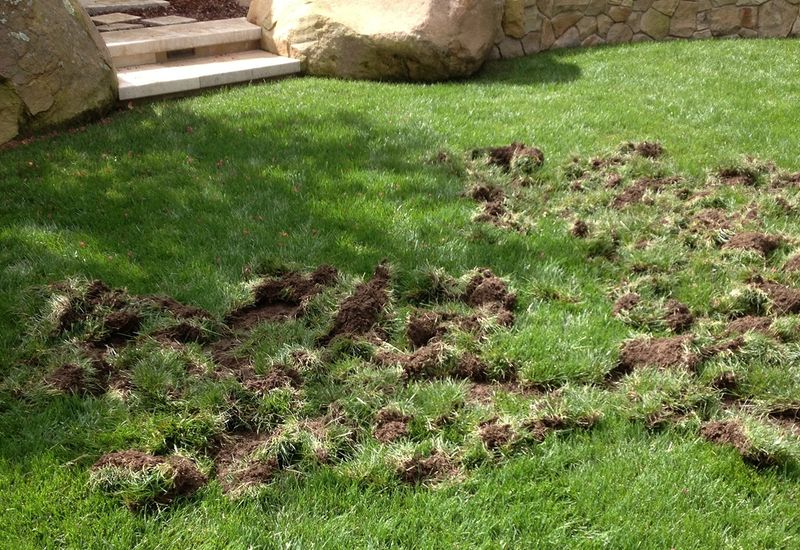
Finding skunk damage in your yard is annoying, but there is actually a surprising message hidden in all that torn-up turf. When skunks consistently target a specific lawn, it usually means that lawn is hosting a healthy and active population of soil insects.
In a strange way, the damage is your lawn giving you useful information about what is happening underground.
A high grub count is often the root cause. Research from Michigan State University suggests that lawns with more than five to ten grubs per square foot are at a level where visible damage to the turf can occur, and skunks are quick to locate these hotspots.
Grubs feed on grass roots, which weakens the turf over time, and the skunk digging on top adds additional stress to an already struggling lawn.
Paying attention to where skunk activity is concentrated can actually help you identify which parts of your Michigan lawn need the most attention. Repeated digging in the same area is a clue that the grub or insect population there is especially high.
Rather than only repairing the surface damage, smart homeowners use skunk activity as a signal to investigate deeper, check for root damage, and consider whether a grub management plan makes sense for their property this season.
6. They Use Their Strong Claws To Flip Turf
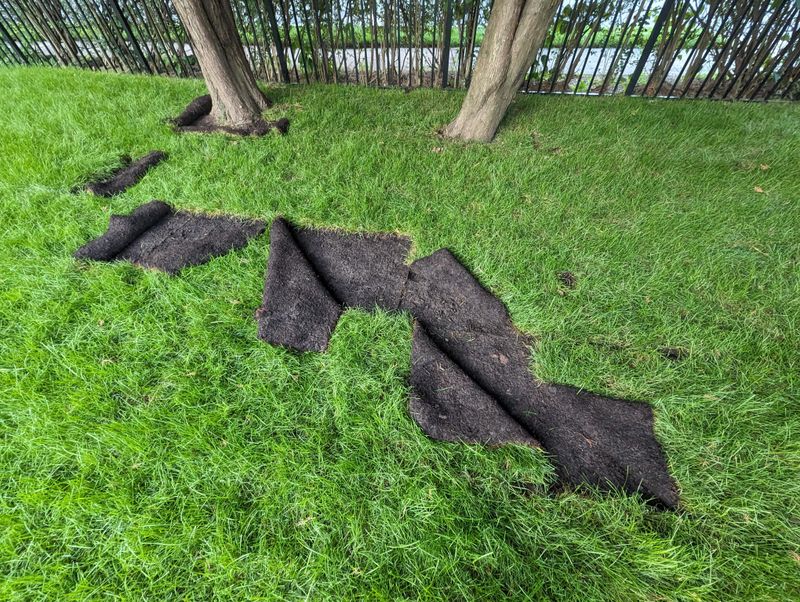
Watching a skunk forage is almost like watching a small excavator work in slow motion. Skunks have strong, curved front claws built for scratching and lifting, and they use them to peel back sections of sod with surprising ease.
Rather than burrowing straight down like a mole, skunks scratch horizontally at the soil surface, flipping up small chunks of turf to expose whatever is living just beneath the roots.
The result looks different from other animal damage. Skunk digging typically creates shallow, circular holes or small lifted patches of grass that can be pressed back into place relatively easily.
The grass is not always fully separated from the soil, and sometimes you will find a section that looks almost rolled back, like a corner of a rug being peeled up from the floor.
This flipping behavior is very common across Michigan lawns in spring, and it can be mistaken for wind damage or foot traffic at first glance. A closer look usually reveals the telltale claw marks in the soil and the characteristic cone-shaped depressions left behind.
Understanding how skunks dig helps homeowners identify the problem faster and avoid blaming other animals or lawn issues for the same type of surface damage that appears repeatedly throughout the spring season.
7. Activity Peaks In Early To Mid-Spring
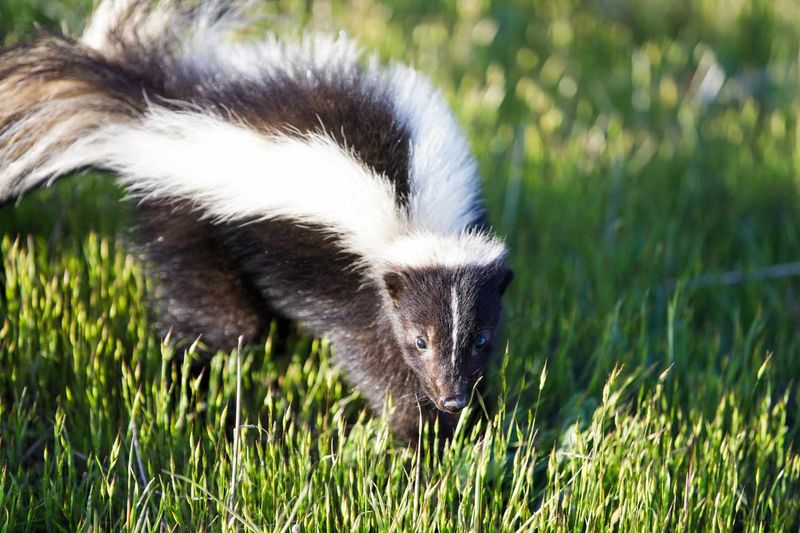
April and May are the busiest months for skunk activity in Michigan, and your lawn feels the effects right when it is trying to green up and recover from winter.
Skunks emerge from their semi-dormant winter state with a serious appetite and immediately begin searching for food.
Spring is when grubs and soil insects are most accessible, sitting close to the surface in the warming, moist soil.
The timing is frustrating for lawn owners because the damage shows up just as grass starts looking its best. Fresh green growth makes torn patches and holes far more visible against the clean lawn surface.
Skunks are not aware of the inconvenience, of course. They are simply following their instincts and taking advantage of the most productive foraging window of the entire year in Michigan.
By late May and into June, grubs begin moving deeper into the soil to continue their development cycle, which naturally reduces how close to the surface they are.
This shift makes them harder for skunks to reach, and foraging activity typically slows down as a result.
Knowing that the peak window runs roughly from early April through mid-May gives Michigan homeowners a clear timeframe to focus their lawn protection efforts, whether that means monitoring for grub activity or taking steps to make the yard less inviting during those critical weeks.
8. Controlling Grubs Reduces Lawn Damage
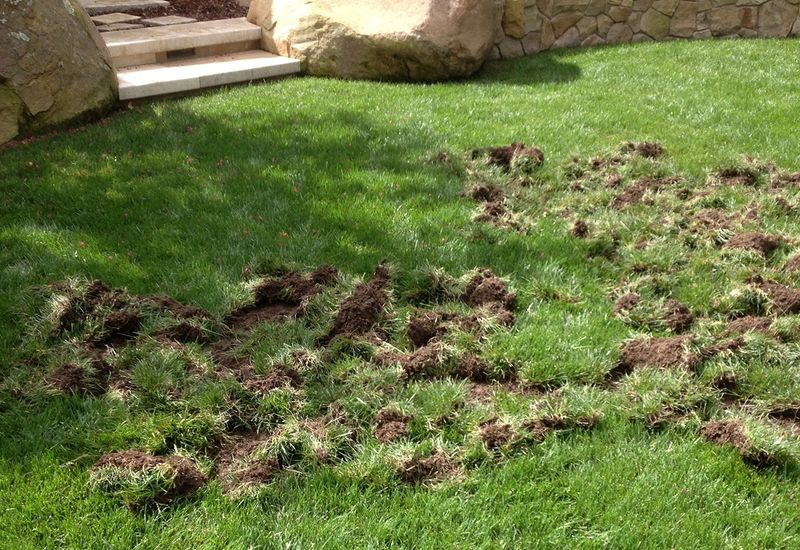
The most effective long-term strategy for protecting a Michigan lawn from skunk damage is addressing the food source directly. When grub populations stay low, skunks have little reason to dig, and the lawn gets to stay intact through the spring season.
Grub management does not have to be complicated, but it does require some planning and attention to timing.
Preventive grub treatments work best when applied in early summer, before eggs hatch and young larvae move into the root zone.
Products containing active ingredients like chlorantraniliprole are widely used by Michigan homeowners and can be very effective when watered into the soil properly.
For those who prefer a more natural approach, beneficial nematodes are microscopic organisms that target grub larvae in the soil and can be applied without harsh chemicals.
Beyond targeted treatments, general lawn health plays a big role in reducing grub pressure.
A thick, well-fertilized lawn with a strong root system is naturally more resistant to grub damage, and proper watering habits prevent the overly moist conditions that grubs thrive in.
Mowing at the right height, aerating in fall, and overseeding thin areas all contribute to a lawn that is harder for pests to take hold in.
Michigan homeowners who invest in consistent lawn care through the season tend to see far less skunk activity and a much healthier yard overall.