Do These Things Before June If You Want Bigger Blooms On Your Michigan Peonies
Peonies in Michigan produce some of the most impressive blooms of the entire spring garden, but the size and quality of those blooms is decided well before the flowers actually open.
Most of what determines a strong peony display happens underground and in the weeks leading up to bud formation, during a window that closes before June arrives.
A lot of gardeners tend to their peonies reactively, stepping in when something looks wrong rather than setting the plant up in advance for the kind of performance it is capable of. The steps that lead to larger, longer-lasting blooms are not complicated.
They just need to happen at the right time. Miss that window and the plant still flowers, but rarely the way it would have with a little attention given at the right moment.
1. Remove Spent Flowers Immediately
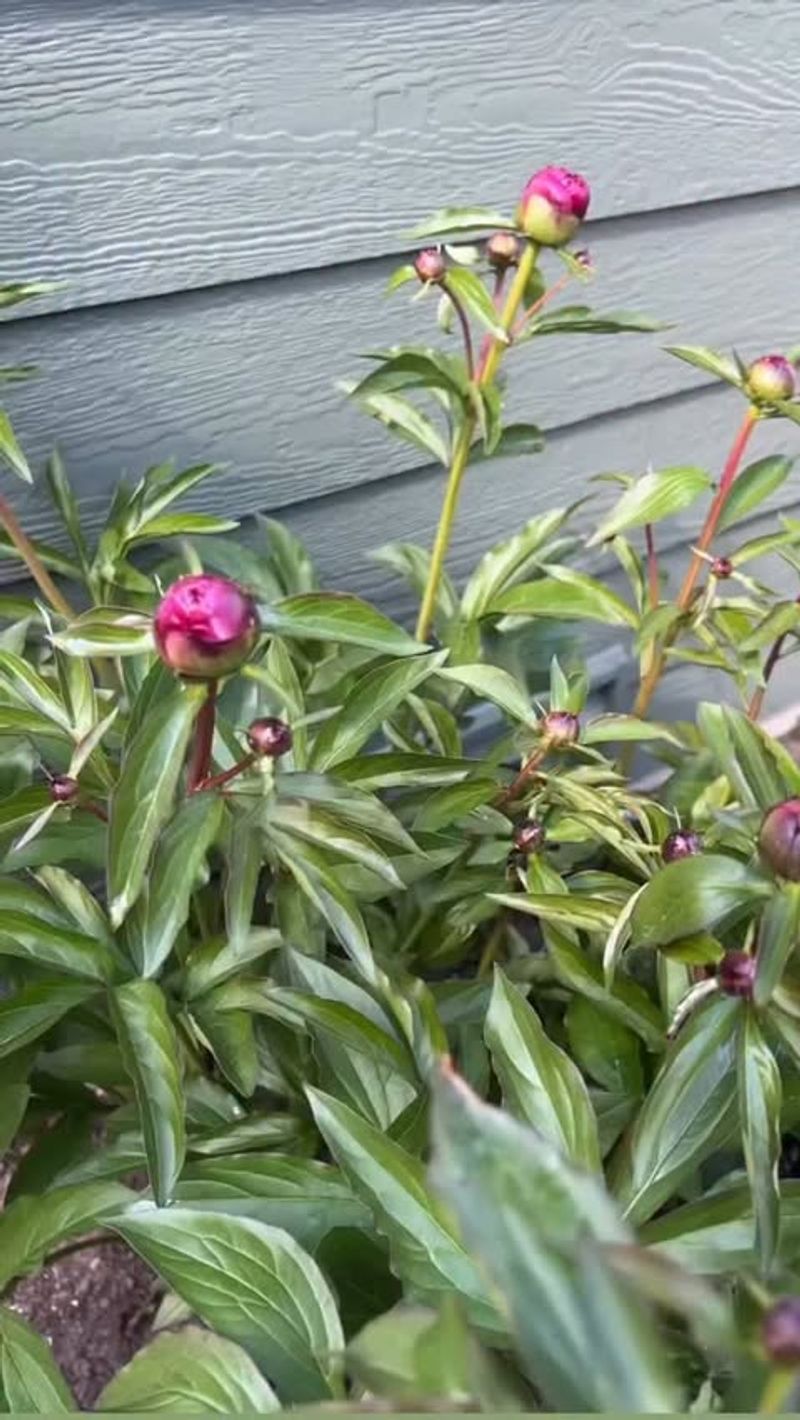
Most gardeners are surprised to learn that leaving old, faded flowers on their peonies is actually working against them. Once a bloom has passed its peak, the plant shifts its energy toward making seeds.
That seed production pulls resources away from the roots and developing buds that will give you next year’s show.
Removing spent flowers right away redirects that energy back into the plant where it matters most. In Michigan, late May through early June is prime time to stay on top of this task.
Check your plants every couple of days as blooms fade and start to look tired or brown around the edges.
When cutting, use clean, sharp pruning shears and snip just above the first set of healthy leaves below the flower head. Avoid tearing or pulling, which can stress the stem.
Drop the clippings into a bag rather than leaving them on the soil, since decaying petals can invite fungal issues during Michigan’s humid early summer weather.
This one habit, practiced consistently, sends a clear signal to your peony that its job is not done for the season. The plant responds by strengthening its root system and setting up better bud sites for next spring.
It takes only a few minutes per plant, but the payoff in bloom size and quantity the following year is absolutely worth it.
2. Check For Weak Or Damaged Stems
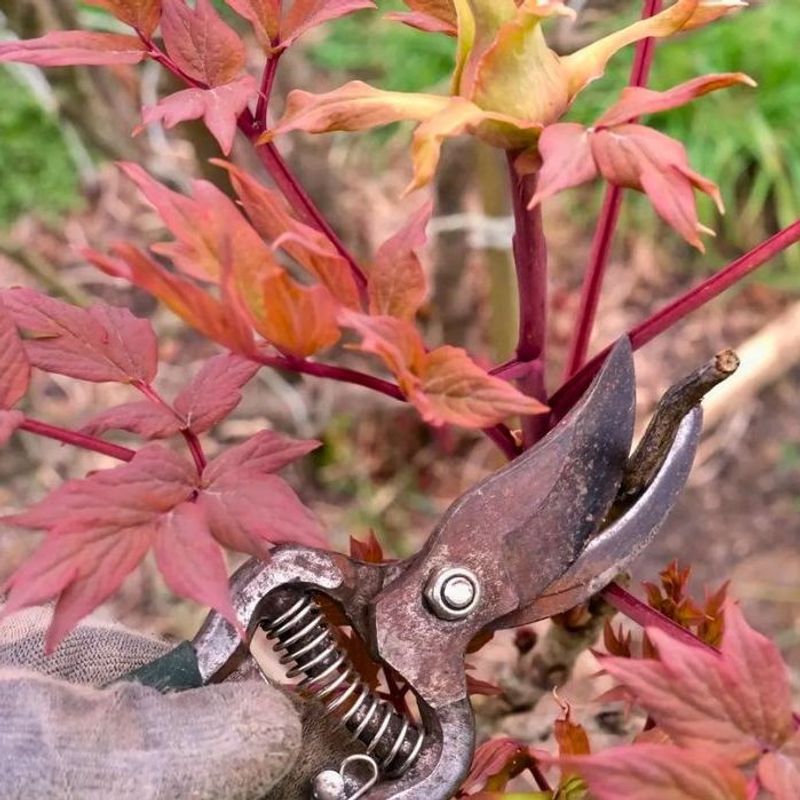
Not every stem on your peony is pulling its weight, and that is perfectly okay as long as you catch the underperformers early. Weak, spindly, or damaged stems compete for the same water and nutrients as your strong, healthy ones.
When resources get spread too thin, every bloom suffers a little, and the overall display ends up smaller than it could be.
Walk through your garden in late April or May and give each plant a close look. Healthy stems are firm, upright, and a deep, rich green.
A stem that looks pale, is noticeably thinner than the others, bends easily under light pressure, or shows signs of discoloration or physical damage is worth removing before it becomes a problem.
Use sharp, clean pruning shears to cut weak stems down to the base of the plant, as close to the ground as possible without disturbing the crown.
Your Michigan Garden Changes Every Week. Your Plan Should Too.
Gardening in Michigan changes quickly throughout the season. Every Friday you’ll receive a simple weekly plan showing exactly what to plant, prune, fertilize, harvest, and protect so you never miss the right timing.
Cleaning your shears with rubbing alcohol between plants is a smart habit, especially in Michigan where cool, damp spring conditions can encourage fungal spores to spread from plant to plant.
Removing these stems before June also improves airflow through the center of the plant, which lowers humidity around the foliage and reduces the chance of botrytis blight. Fewer, stronger stems mean more concentrated energy going into each bud.
The result is flowers that are noticeably fuller, richer in color, and longer lasting once they finally open.
3. Apply Balanced Fertilizer Lightly
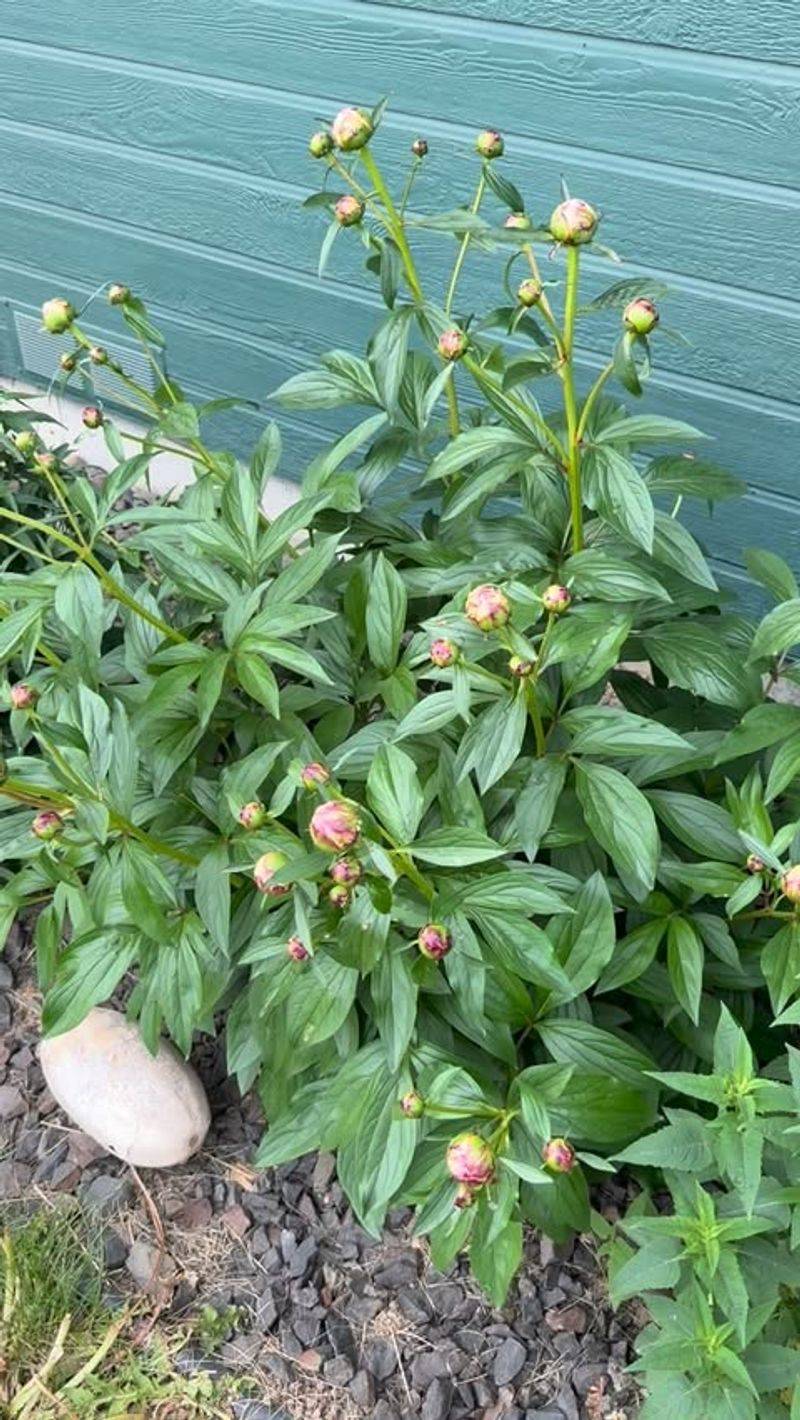
Feeding your peonies at the right time and with the right product makes a bigger difference than most gardeners expect. The key is choosing a low-nitrogen, balanced fertilizer, something in the range of a 5-10-10 or similar formula.
High-nitrogen fertilizers push leafy green growth at the expense of flowers, which is the opposite of what you want heading into bloom season.
Early May is the sweet spot for fertilizing peonies in Michigan. By this point, new shoots are actively growing and the plant is ready to absorb nutrients.
Sprinkle the fertilizer lightly around the drip line of the plant, which is roughly the outer edge of the foliage, rather than right against the stems or crown.
Work the granules gently into the top inch of soil and water thoroughly afterward to help move nutrients down toward the root zone. Avoid overdoing it.
More fertilizer does not mean more flowers, and too much can actually create soft, weak growth that struggles to support heavy blooms in Michigan’s unpredictable early summer winds and rain.
A single light application in early to mid-May is usually all a well-established peony needs. Younger plants in their first or second year may benefit from an even lighter touch.
Think of fertilizer as a supplement rather than a solution. Healthy soil, good drainage, and consistent watering do the heavy lifting, and the fertilizer simply gives your plant a well-timed boost right before it puts on its best performance of the year.
4. Ensure Full Sun Exposure
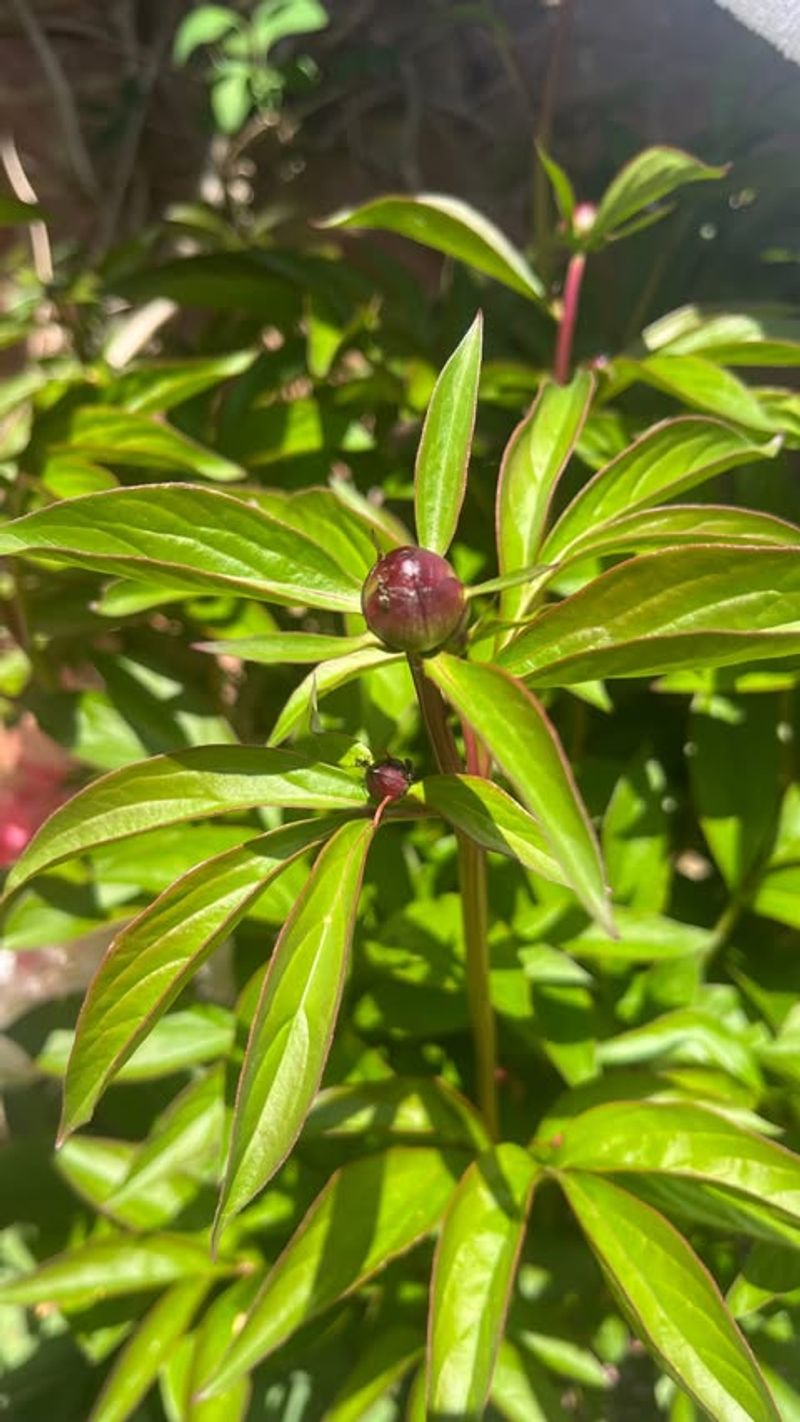
Sunlight is one of the most powerful tools in your peony care routine, and it costs nothing. Peonies are sun-loving plants that truly thrive when they receive at least six to eight hours of direct sunlight each day.
In Michigan, where spring sunshine can be inconsistent, making sure your plants are getting every available hour of light before June is genuinely important.
Take a walk around your garden on a clear May morning and observe how shadows move across your peony beds throughout the day. Trees that were bare all winter may now be fully leafed out, casting unexpected shade over areas that were sunny just weeks ago.
Shrubs, fences, and even new garden structures can all reduce the light your peonies receive.
For in-ground plants, there is not much you can do about location mid-season, but trimming overhanging branches or relocating nearby potted plants can open things up noticeably.
If your peonies are growing in containers, late spring is a great time to reposition them into a sunnier spot before buds fully develop.
Adequate sunlight in May encourages the plant to produce thicker, sturdier stems that can hold up heavy blooms without flopping over. It also drives more vigorous bud development, which translates directly into larger, more colorful flowers.
Plants growing in partial shade tend to produce fewer buds and stretch toward the light, creating a leggy, less attractive look. Full sun is not optional for peonies. It is essential.
5. Mulch Around Plants Carefully
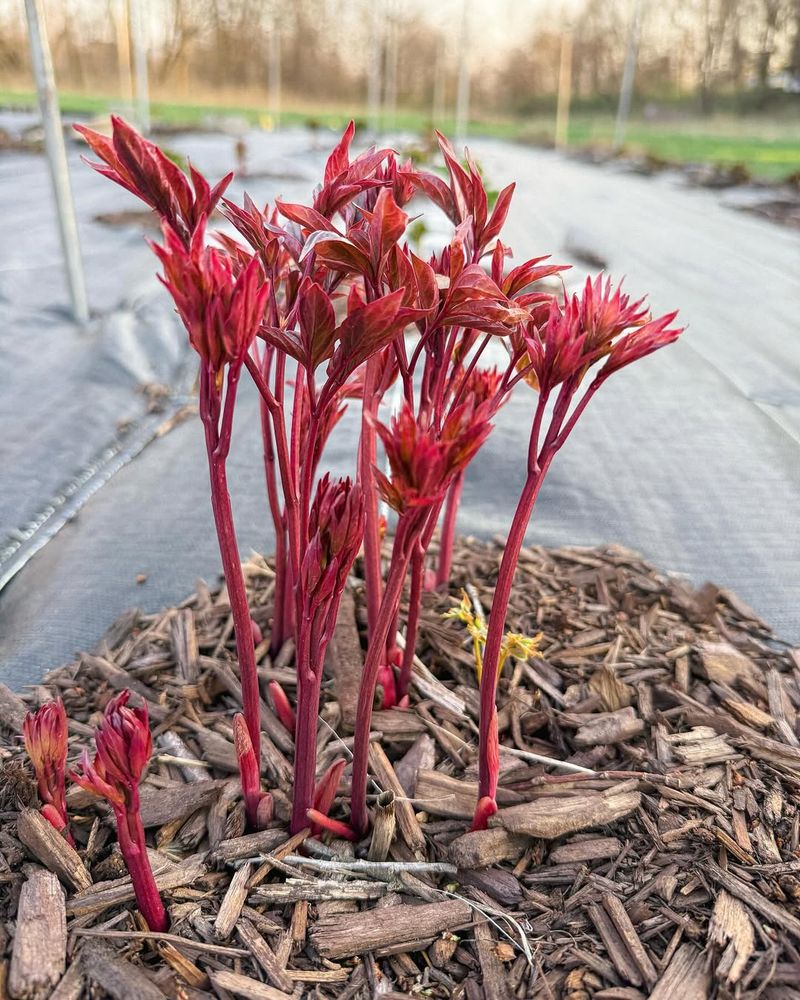
A good layer of mulch is one of the simplest things you can do for your peonies before June, and it works quietly in the background all season long. Organic mulch, such as shredded bark, wood chips, or straw, does three important jobs at once.
It holds moisture in the soil, keeps soil temperatures from swinging too wildly, and suppresses weeds that would otherwise compete with your plants.
In Michigan, spring soil temperatures can shift dramatically from week to week. Mulch acts as an insulating blanket that smooths out those fluctuations and keeps roots comfortable during the transition from cool April nights to warmer May days.
Consistent soil temperature supports steady root growth, which feeds directly into better bud development.
Apply two to three inches of mulch in a ring around each plant, starting a few inches away from the crown and extending out to the drip line. This detail matters more than most gardeners realize.
Mulch piled directly against the crown traps moisture against the base of the stems, and that kind of persistent dampness is a fast track to crown rot, which can seriously set back your plant.
Refresh your mulch layer each spring rather than letting it build up year after year. Old mulch can become compacted and actually block water from reaching the roots.
Pull back any old material, loosen the soil surface lightly, then apply a fresh layer. Your peonies will reward that small effort with stronger growth and more impressive blooms when June finally arrives.
6. Monitor For Pests And Fungal Issues
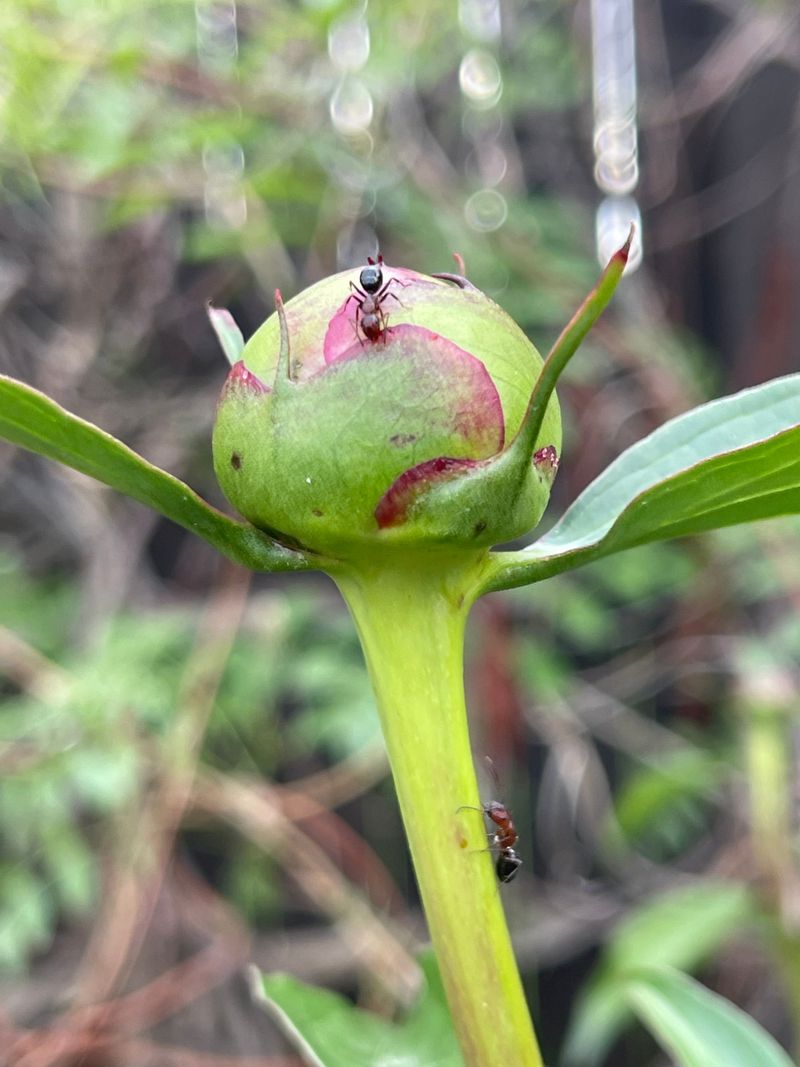
Catching a problem early is always easier than dealing with a full-blown outbreak, and peonies are no exception. Before June arrives, make it a habit to inspect your plants closely every week.
You are looking for a few specific culprits that tend to show up in Michigan’s cool, humid spring conditions and can quietly sabotage your bloom season if left unchecked.
Aphids are one of the most common visitors. These tiny, soft-bodied insects cluster on new growth and flower buds, sucking sap and leaving behind a sticky residue.
A strong spray of water from your garden hose can knock most of them off, and insecticidal soap works well for heavier infestations.
Thrips are smaller and harder to spot but can cause distorted, discolored petals, so look closely at buds that seem to be developing unevenly.
Botrytis blight is the fungal issue most Michigan peony growers encounter. It shows up as grayish, fuzzy mold on stems, buds, or foliage, especially after cool, wet stretches of weather.
Remove any affected plant material promptly and dispose of it away from the garden. Improving airflow by thinning stems and avoiding overhead watering both help prevent it from spreading.
Organic copper-based fungicides can offer some protection when applied early in the season before symptoms appear. The real win here is simply paying attention.
Plants that get regular check-ins stay healthier, recover faster from minor issues, and produce the kind of full, vibrant blooms that make Michigan peony season so worth the wait.
7. Space Plants Properly
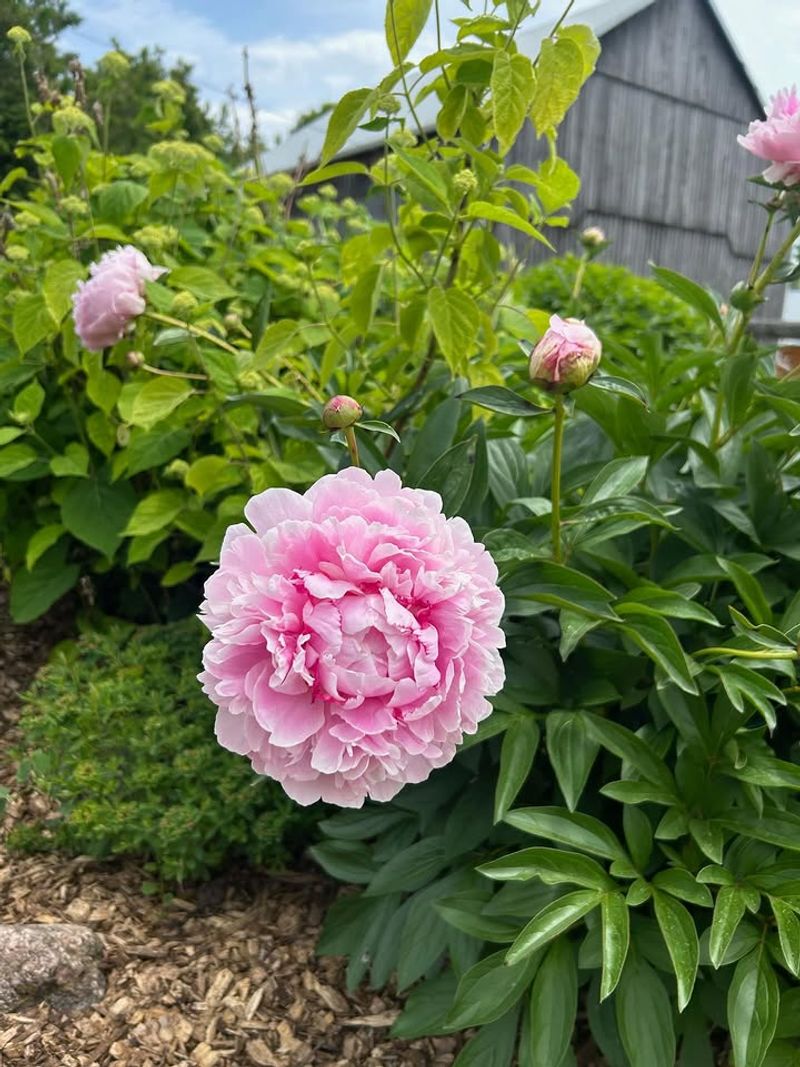
Crowded peonies are unhappy peonies, and the evidence shows up clearly in bloom size and plant health. When plants grow too close together, they compete for light, water, and nutrients while also trapping humidity between their stems and foliage.
That combination creates a perfect environment for fungal problems and results in smaller, less impressive blooms season after season.
The standard recommendation for peony spacing is three to four feet between plants, and that guideline exists for good reason.
At that distance, each plant gets enough root space to develop fully, enough airflow to stay dry between rain events, and enough light exposure to fuel strong bud development.
In Michigan gardens, where spring can bring stretches of overcast, damp weather, that airflow buffer is especially valuable.
If you planted peonies too close together in previous years and have noticed declining bloom quality, late spring is a reasonable time to assess whether transplanting is necessary.
Peonies generally prefer not to be moved, and doing so will set them back for a season or two. However, if the crowding is severe, the long-term benefit of better spacing outweighs the short-term disruption.
For gardeners adding new plants this season, take the time to measure and mark spacing before you dig. It feels like a lot of room when the plants are small, but peonies grow into substantial shrubs over time.
Giving them the space they need from the start pays off in decades of increasingly beautiful, full-sized blooms that make your Michigan garden the envy of the neighborhood every single June.
8. Provide Support For Top-Heavy Blooms
There is something both beautiful and frustrating about a peony in full bloom that has flopped over into the mud after a spring rainstorm.
Michigan weather in May and early June can bring heavy rains and gusty winds at exactly the wrong time, and those massive, gorgeous peony blooms act like sails in the wind without proper support beneath them.
Getting your supports in place before the plant reaches full height is the key. Waiting until the stems are already tall and the buds are swelling means you are working around a fragile plant and risking stem damage in the process.
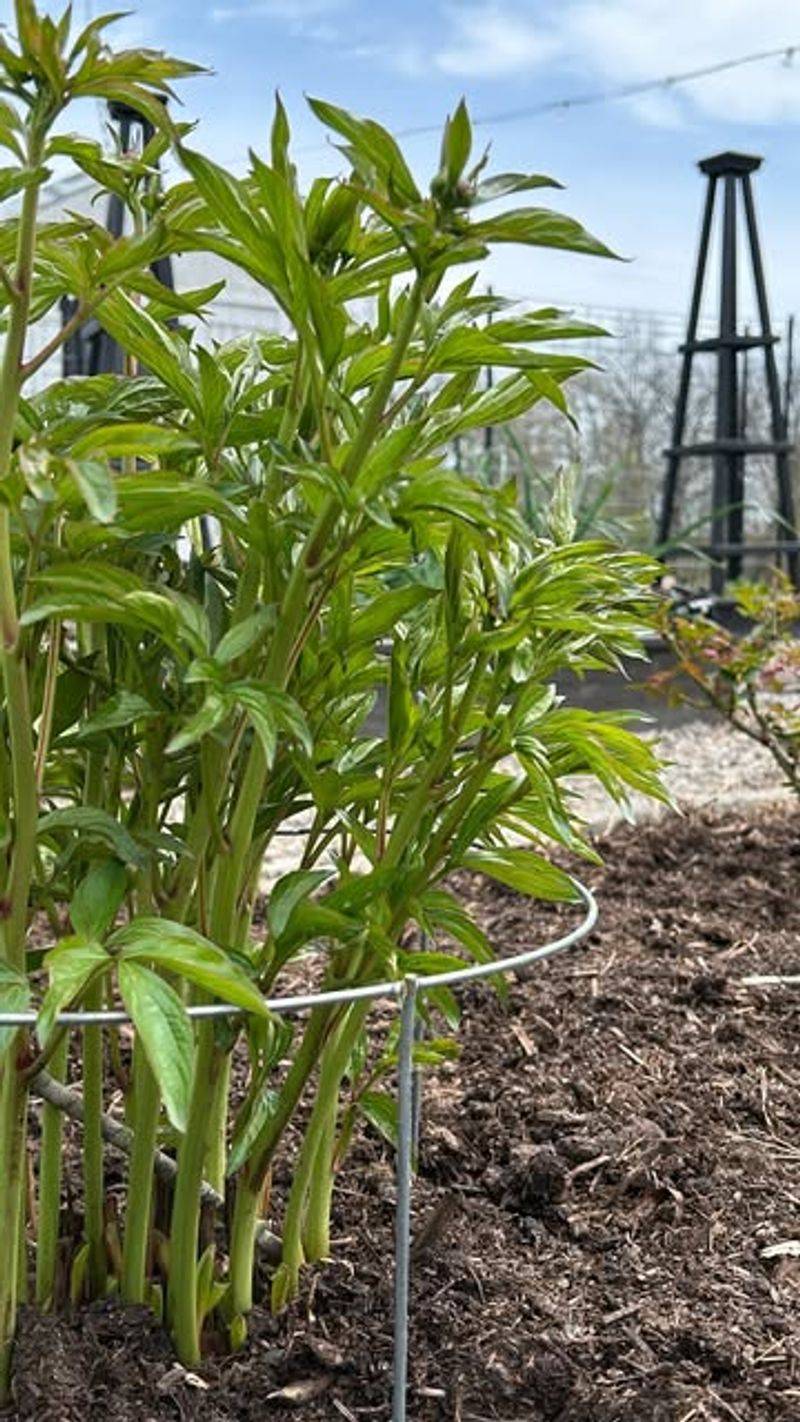
Aim to install supports when stems are about six to eight inches tall, which in Michigan typically falls in early to mid-May.
Peony support rings are the most popular and practical option. These circular wire frames sit on legs that push into the soil, and the stems grow up through the grid naturally as the plant develops.
They are reusable, easy to store, and practically invisible once the plant fills in. Bamboo stakes with soft garden twine work just as well for a more budget-friendly approach.
Whatever method you choose, make sure the support is wide enough to accommodate the plant’s full spread and tall enough to reach at least two-thirds of the plant’s expected height.
A well-supported peony holds its blooms upright through rain and wind, keeps the display looking polished and full, and protects the stems from bending or snapping under the weight of those spectacular flowers.
9. Water Consistently And Deeply
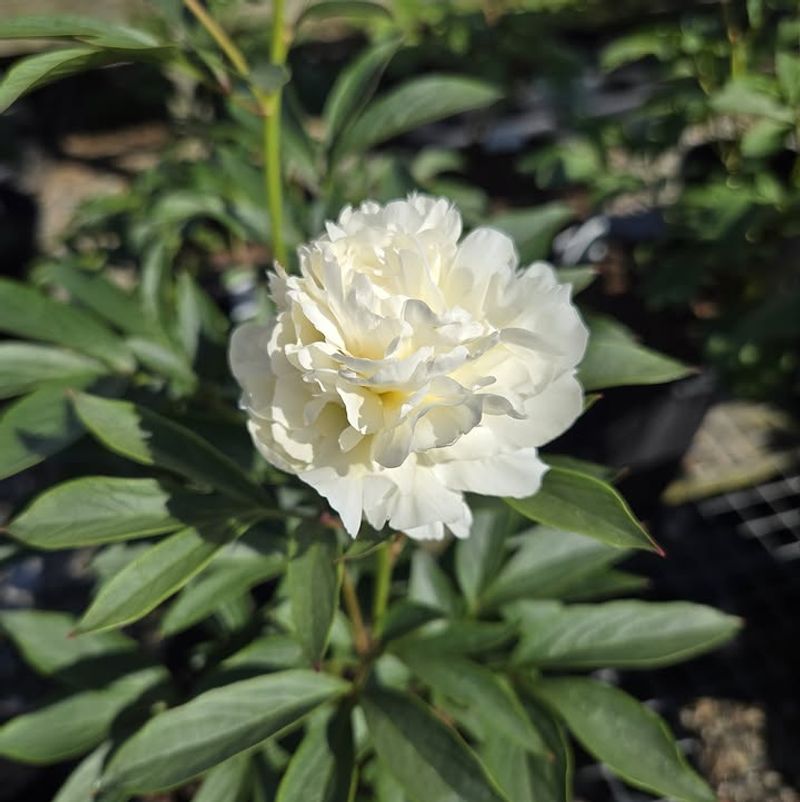
Water is the foundation of everything your peony does, from pushing out new growth in spring to developing the large, full buds that open into showstopping blooms.
Getting the watering routine right before June gives your plants a steady supply of what they need during one of their most active growth periods of the year.
The goal is deep, consistent moisture rather than frequent shallow watering. Shallow watering encourages roots to stay near the surface, where they are more vulnerable to temperature swings and dry spells.
Deep watering, on the other hand, pulls roots downward and builds a more resilient plant overall. Aim to water slowly and thoroughly, allowing moisture to soak down at least eight to ten inches into the soil.
Michigan gardeners deal with two very different soil types depending on their location. Clay-heavy soils hold moisture well but can become waterlogged, so water less frequently and watch for standing water after rain.
Sandy soils drain quickly and may need watering every few days during dry stretches in May. Checking soil moisture an inch or two below the surface before watering is the most reliable way to know when your plants actually need a drink.
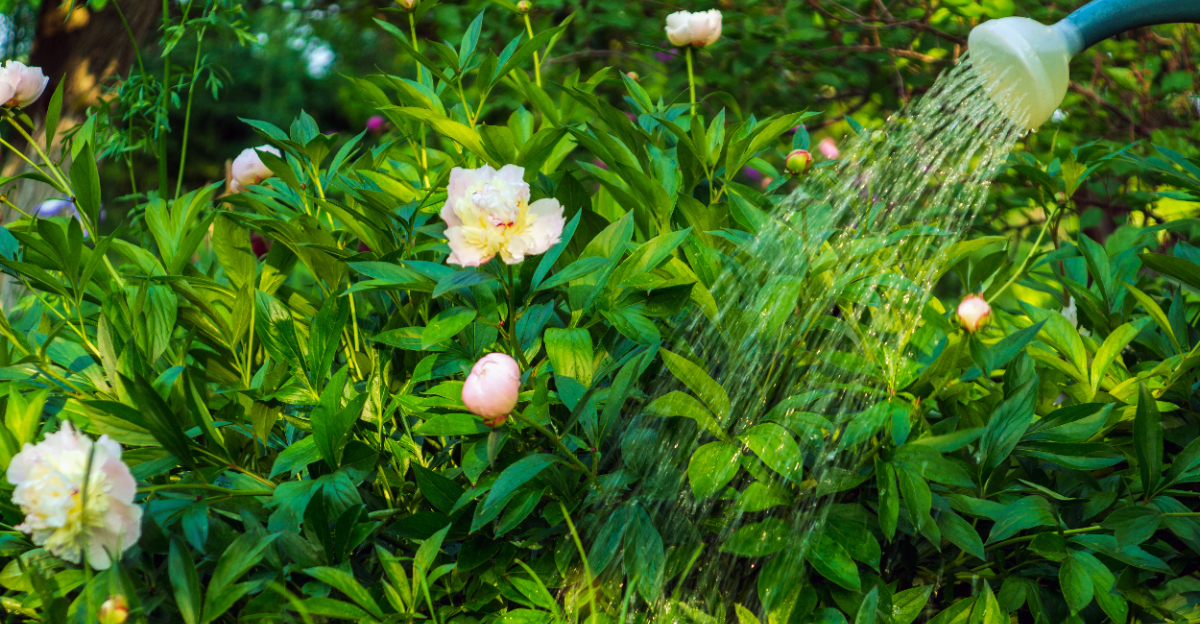
Drip irrigation or a soaker hose laid around the base of the plant is the best delivery method because it keeps water off the foliage, reducing fungal risk.
Watering in the morning also helps, giving any splashed leaves time to dry before cooler evening temperatures arrive.
Consistent, thoughtful watering from now through bloom time gives your peonies everything they need to produce their biggest, most beautiful flowers yet.