The 9 Pink Perennials Oregon Gardeners Plant For Long-Lasting Color
Oregon’s lush landscapes are legendary, but keeping that vibrant spark alive through the drizzle and the heat takes some strategy. If you want a garden that pops without requiring a full-time job’s worth of maintenance, going pink is the ultimate power move.
These rosy hues bring a soft, romantic energy to your yard while acting as a reliable backbone for your flower beds year after year.
We are talking about rugged beauties that handle the Pacific Northwest’s unique rhythm like total pros. Forget fussy plants that give up after a single season.
These selections thrive in our local soil and keep those stunning petals coming long after other flowers have called it quits. Grab your favorite gardening gloves and maybe a celebratory latte.
It is time to transform your outdoor space into a blush-colored sanctuary that makes the neighbors do a double-take.
1. Coneflower
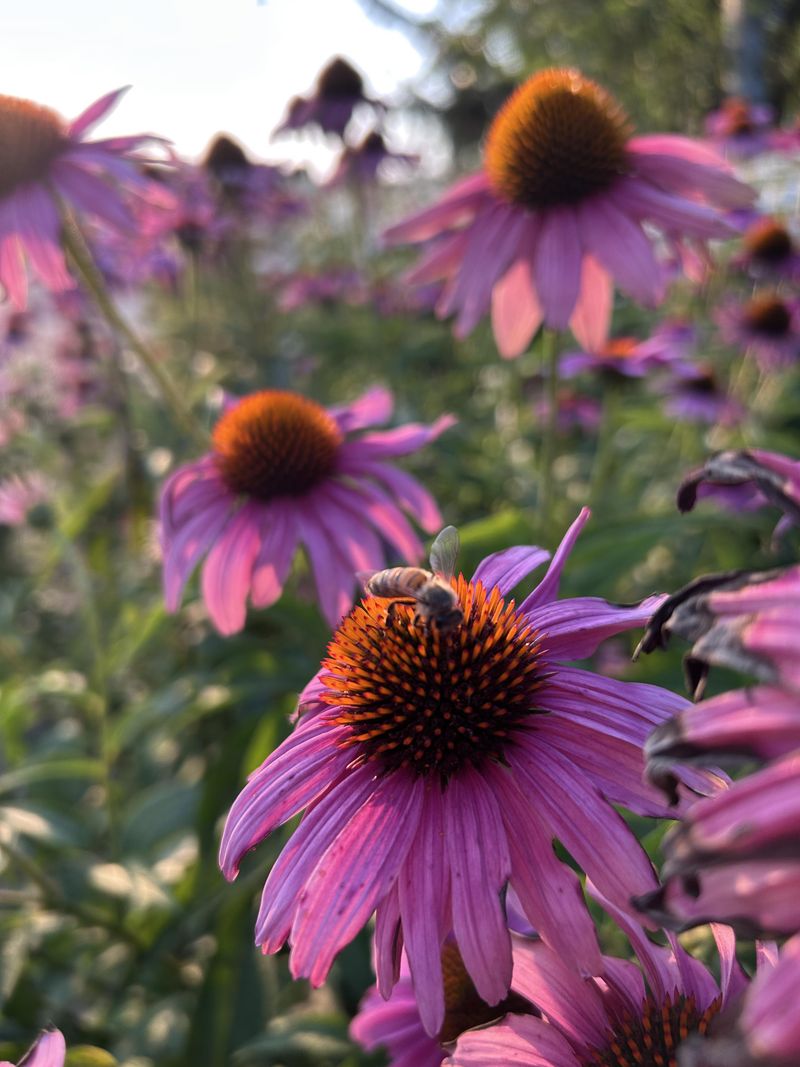
Bold, cheerful, and nearly impossible to ignore, the coneflower is one of Oregon’s most beloved garden plants. Known by its scientific name Echinacea, this tough perennial produces large, daisy-like pink blooms with a raised, spiky center that gives it its name.
It blooms from midsummer all the way into fall, offering a long stretch of color when many other plants start to fade.
Oregon gardeners love coneflowers because they handle heat, drought, and even poor soil without much fuss. Plant them in a sunny spot with well-drained soil, and they will reward you with years of stunning blooms.
They attract butterflies, bees, and even goldfinches, making your yard feel like a mini wildlife sanctuary.
Deadheading spent flowers can encourage more blooms, but leaving some seed heads standing through winter gives birds a food source. Coneflowers also spread slowly over time, filling in bare garden spots naturally.
They pair beautifully with ornamental grasses and black-eyed Susans for a wildflower-style look that feels right at home across Oregon landscapes.
2. Peony
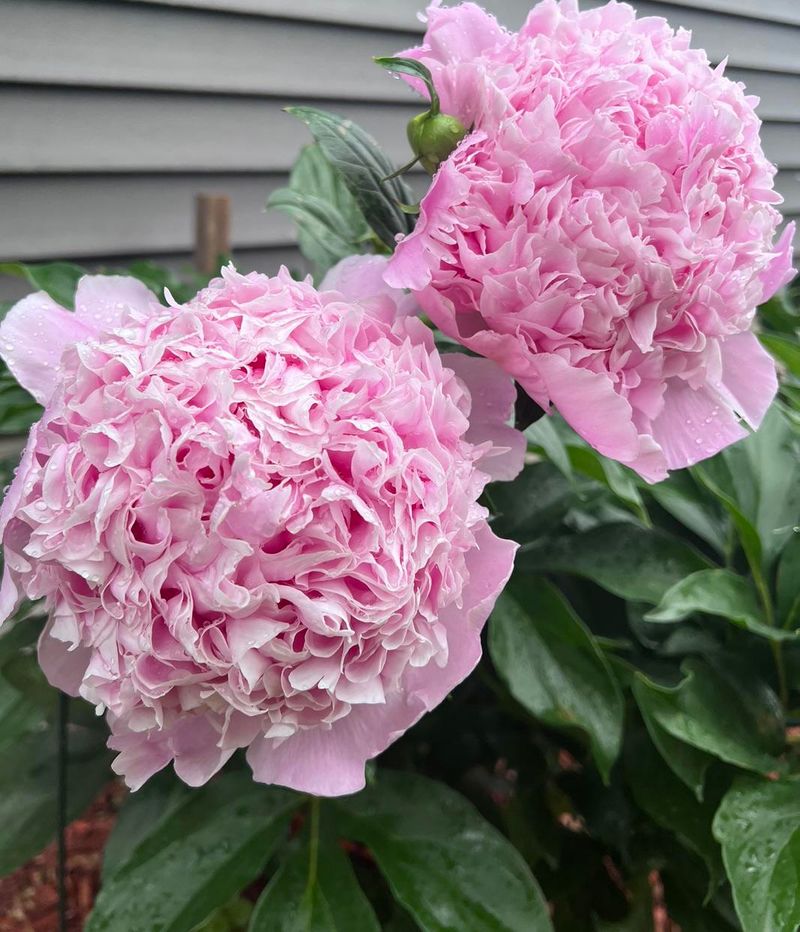
Few flowers feel as luxurious as a peony in full bloom. With their layers of ruffled, fragrant petals, pink peonies look like something straight out of a painting.
Oregon’s mild, moist springs create the perfect conditions for peonies to thrive, and gardeners across the state have been growing them for generations.
Peonies prefer full sun and rich, well-drained soil. One important tip: plant them shallow.
If the eyes, which are the pink buds near the root, are buried too deep, the plant may not bloom. Most gardeners plant them just one to two inches below the soil surface for best results.
Once established, peonies are remarkably low-maintenance and can live for decades in the same spot. They bloom in late spring to early summer, filling the garden with a sweet fragrance that is hard to match.
Cut a few stems and bring them indoors for a stunning floral arrangement. In Oregon, peonies are a true garden treasure that rewards patience with breathtaking beauty year after year.
3. Astilbe
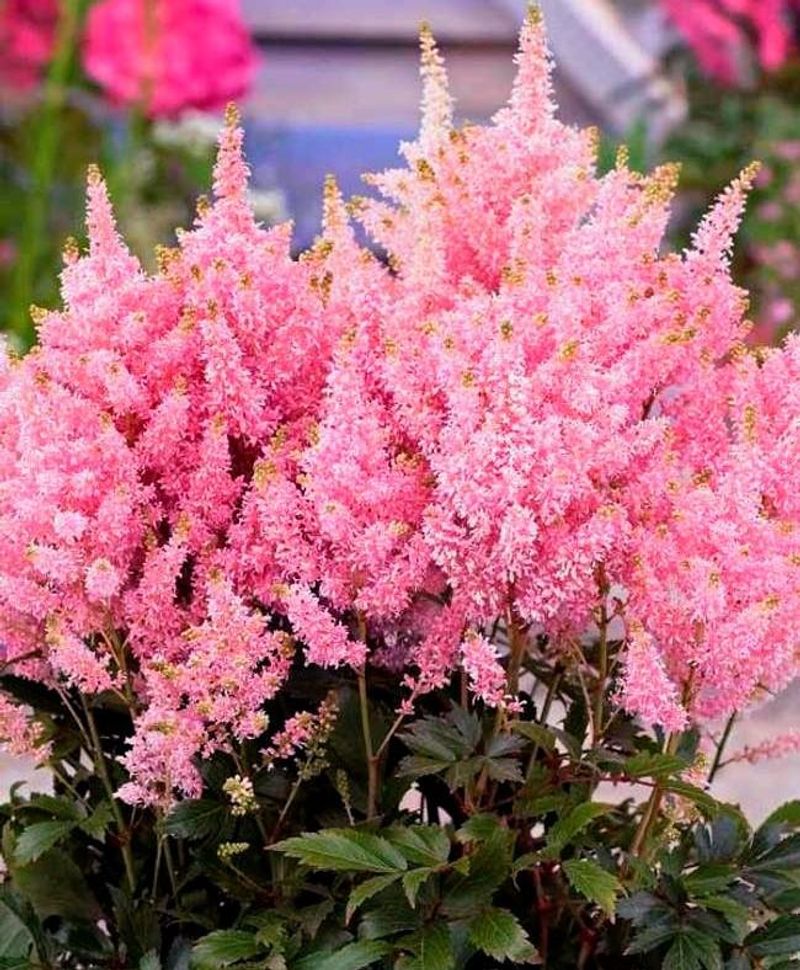
Not every garden gets full sun, and that is exactly where astilbe shines. This shade-loving perennial produces tall, feathery plumes of soft pink flowers that sway gently in the breeze.
Your Oregon Garden Changes Every Week. Your Plan Should Too.
Gardening in Oregon changes quickly throughout the season. Every Friday you’ll receive a simple weekly plan showing exactly what to plant, prune, fertilize, harvest, and protect so you never miss the right timing.
Blooming from early to midsummer, astilbe brings color to spots that most flowering plants simply cannot handle.
Oregon’s naturally shaded woodland areas and rainy climate make it an ideal home for astilbe. It loves moist, well-drained soil and does especially well near streams, ponds, or in low-lying garden beds that stay consistently damp.
Plant it alongside hostas or ferns for a lush, layered look that feels both wild and intentional.
Astilbe is also surprisingly easy to care for. Water it regularly during dry spells, add a layer of mulch to keep roots cool, and divide the clumps every few years to keep plants healthy and blooming strong.
The dried flower plumes even look attractive in winter, adding texture to the garden long after bloom season ends. For Oregon gardeners working with shady spots, astilbe is one of the most rewarding choices you can make.
4. Bleeding Heart
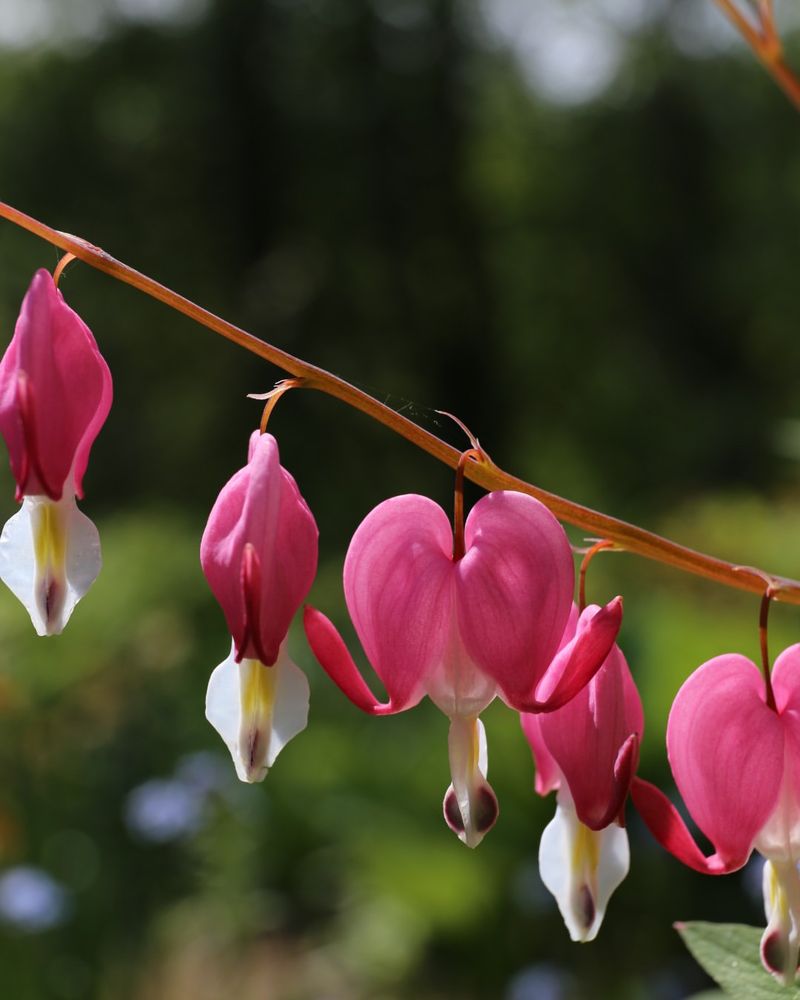
There is something undeniably charming about bleeding heart. Its small, heart-shaped pink flowers dangle from gracefully arching stems like tiny ornaments, creating a look that feels both whimsical and elegant.
It is one of the most recognizable spring perennials in Oregon gardens, and for good reason.
Bleeding heart thrives in partial to full shade and prefers moist, well-drained soil rich in organic matter. In Oregon, it does beautifully under the canopy of trees or along the shaded north side of a house.
The fringed bleeding heart variety, Dicentra eximia, is especially popular because it blooms longer than the common type, sometimes flowering well into summer.
One thing to know: bleeding heart foliage may go dormant in hot summer months, leaving a gap in the garden. Planting it near hostas or astilbe helps fill that space naturally.
Despite its delicate appearance, this plant is tougher than it looks and returns reliably each spring. For Oregon gardeners who want a touch of old-fashioned romance in a shaded corner, bleeding heart is a truly special choice that never gets old.
5. Phlox
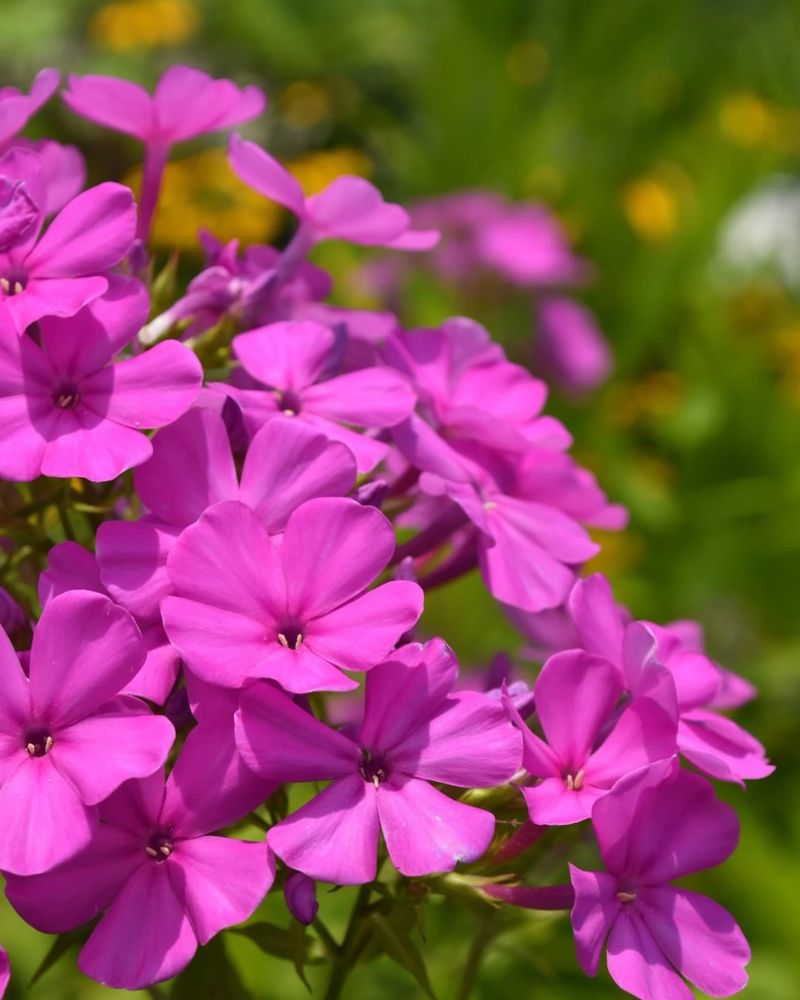
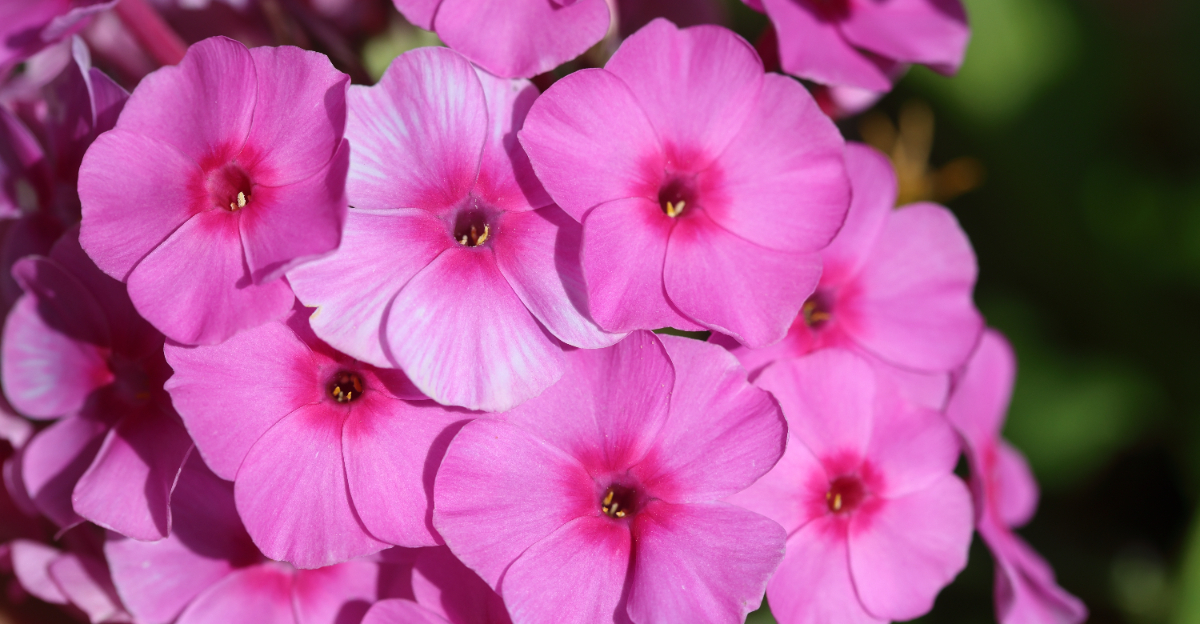
Walk past a garden phlox in full bloom and the sweet, spicy fragrance will stop you in your tracks. Garden phlox produces large clusters of pink flowers that light up the midsummer garden with incredible color and scent.
It is a classic perennial that Oregon gardeners have relied on for decades to keep beds looking full and vibrant.
Phlox grows best in full sun with good air circulation, which helps prevent powdery mildew, a common issue in Oregon’s humid climate. Choosing mildew-resistant varieties like ‘David’ or ‘Robert Poore’ can save a lot of headaches.
Water at the base of the plant rather than overhead to keep the foliage dry and healthy.
Deadhead spent blooms regularly to encourage fresh flowers and extend the blooming season. Phlox also attracts butterflies and hummingbirds, adding even more life to your outdoor space.
It pairs wonderfully with coneflowers and black-eyed Susans for a bold, cottage-style look. Tall garden phlox can reach up to four feet, so it works great at the back of a border.
Oregon summers are made for this fragrant, showstopping perennial.
6. Japanese Anemone
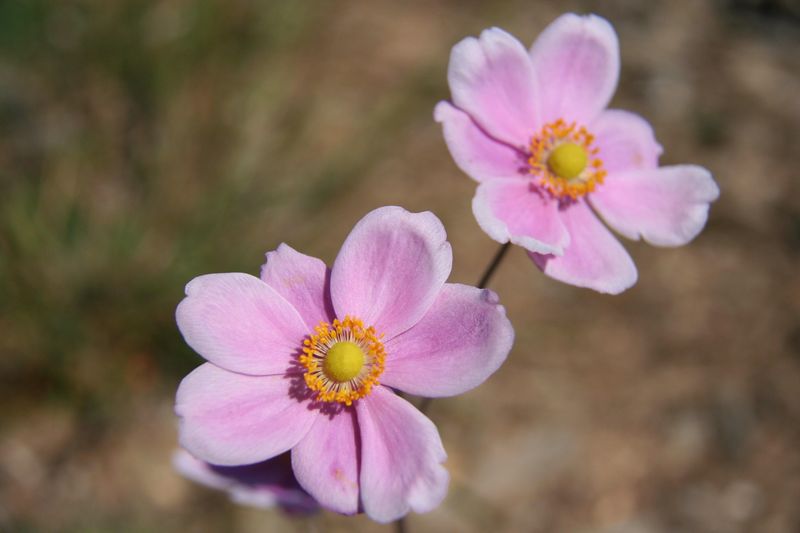
When late summer rolls around and many perennials start winding down, Japanese anemone is just getting started. This graceful plant sends up tall, slender stems topped with soft pink blooms that flutter in the breeze like little butterflies.
It brings fresh energy to the garden at a time when color can be hard to find.
Japanese anemone prefers partial shade and consistent moisture, making it a natural fit for Oregon’s cooler, shadier garden spots. It does well under deciduous trees or along the east-facing side of a fence where it gets morning sun and afternoon shade.
Once established, it spreads steadily and can form impressive colonies over several years.
One thing to keep in mind: Japanese anemone can be slow to establish in its first year but becomes much more vigorous after that. Be patient, and it will reward you with stunning blooms from late summer through fall.
It pairs beautifully with ornamental grasses and late-blooming sedums for a layered, season-ending display. For Oregon gardeners looking to stretch their color season well into autumn, Japanese anemone is an absolute must-have in any perennial bed.
7. Hardy Geranium (Cranesbill)
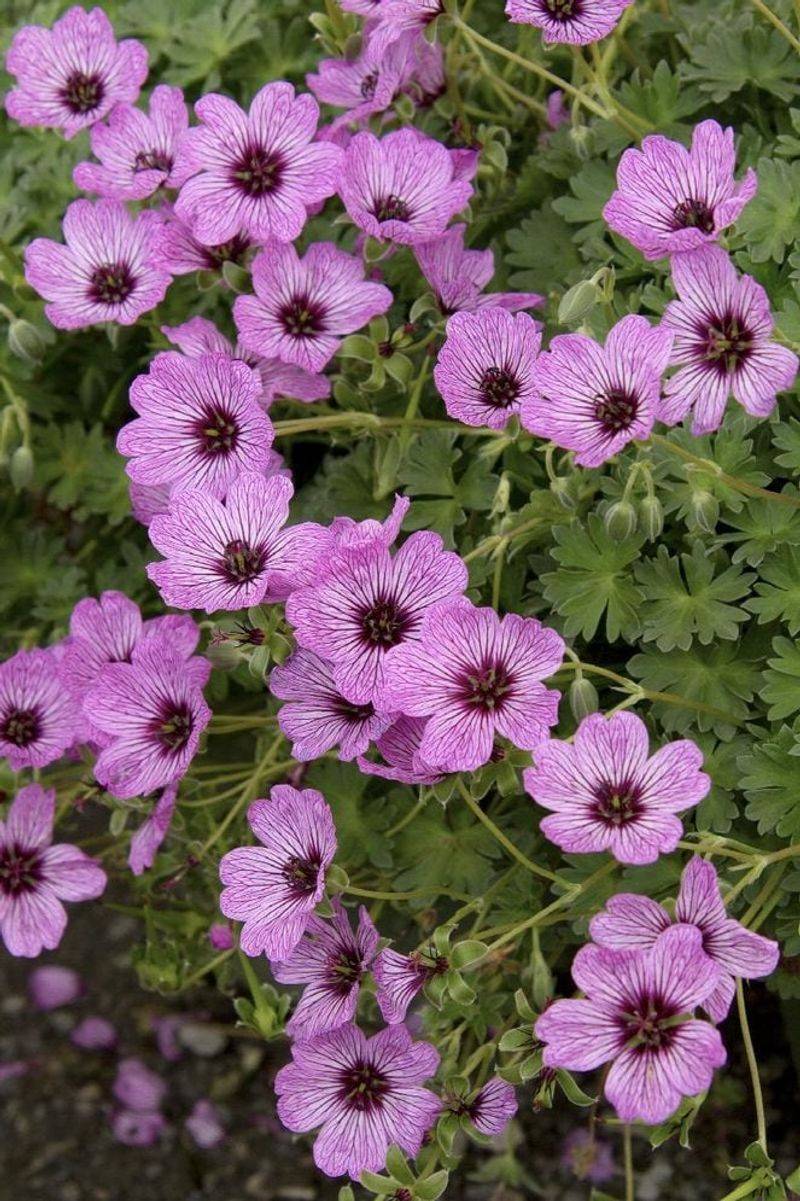
Do not confuse this plant with the potted geraniums you see on porches. Hardy geranium, also called cranesbill, is a true perennial that comes back reliably every year and spreads into a tidy, low-growing mound of color.
Its cheerful pink blooms and deeply lobed leaves make it one of the most versatile plants in any Oregon garden.
Hardy geraniums adapt well to both sun and partial shade, which makes them incredibly useful for filling in gaps along borders or under shrubs.
They prefer well-drained soil and are drought-tolerant once established, which is a big plus during Oregon’s drier summer months.
Varieties like ‘Rozanne’ and ‘Wargrave Pink’ are especially popular for their long bloom times and tidy growth habits.
After the first big flush of blooms fades, cut the plant back by about half to encourage a fresh wave of flowers. This simple trick can keep cranesbill blooming from late spring all the way through fall.
Hardy geraniums also work well as ground cover on slopes or in rock gardens. For Oregon gardeners who want a low-fuss, high-reward plant, cranesbill checks every box beautifully.
8. Sedum (Stonecrop)
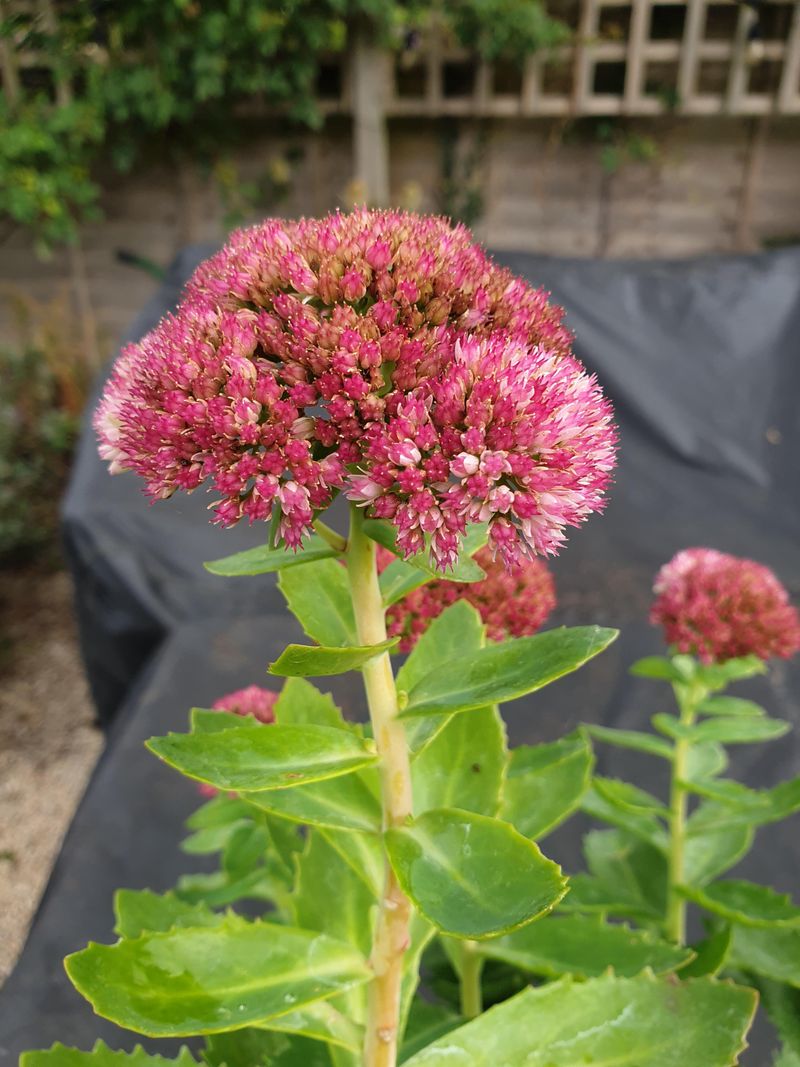
Tough, drought-tolerant, and surprisingly beautiful, sedum is the kind of plant that thrives on a little neglect. Also called stonecrop, this succulent perennial stores water in its thick, fleshy leaves, making it one of the best choices for dry, sunny spots in Oregon gardens.
The pink flower clusters that appear in late summer and fall are a magnet for butterflies and bees.
Sedum grows well in poor, rocky soil where other plants struggle. It is a perfect fit for Oregon’s drier eastern regions or any garden bed with sandy or gravelly soil.
Varieties like ‘Autumn Joy’ and ‘Brilliant’ are among the most popular, producing large, flat-topped heads of deep pink blooms that age beautifully into rusty red as fall progresses.
Plant sedum in full sun for the best bloom performance. It requires very little water once established and rarely needs fertilizer.
The dried flower heads look stunning in winter, especially when dusted with frost. Sedum also works well in containers, rock gardens, and along pathways.
For Oregon gardeners who want maximum beauty with minimum effort, sedum is one of the smartest perennial picks you will ever make.
9. Coral Bells
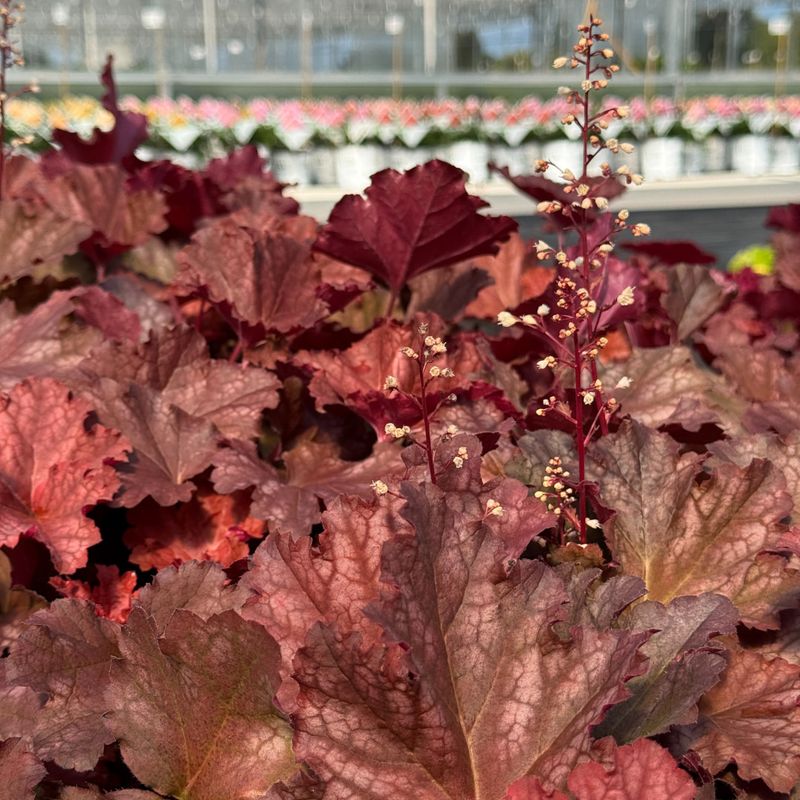
Coral bells might just be the most underrated perennial in the Oregon gardening world. Known by its botanical name Heuchera, this plant is prized as much for its stunning foliage as for its dainty, bell-shaped pink flowers.
The leaves come in shades of burgundy, lime green, silver, and caramel, giving the garden year-round interest even when the plant is not in bloom.
It grows well in partial shade, which makes it ideal for the shaded corners and woodland edges so common in Oregon landscapes. Coral bells prefer well-drained, slightly acidic soil and benefit from a layer of mulch to keep their shallow roots cool and moist during dry spells.
Water regularly but avoid overwatering, as soggy soil can cause root rot.
The slender flower stalks rise above the foliage in late spring and early summer, attracting hummingbirds with their tubular pink blooms. Coral bells are also deer-resistant, which is a major bonus for Oregon gardeners dealing with wildlife.
They work beautifully as edging plants, in containers, or tucked beneath taller shrubs. With so much to offer in one compact plant, coral bells deserve a spot in every Oregon garden.