The Oregon Pollinator Plants That Get Going Fast From A Spring Planting
It does not take long for pollinators to show up in Oregon once the weather warms. Bees, butterflies, and other visitors start moving through gardens early, looking for reliable food sources.
That is where fast-starting plants come in. Some varieties begin growing and blooming sooner than others, giving pollinators something to work with right away instead of leaving them searching for scattered blooms.
Gardeners who plan for this early activity often notice more movement and more life in their yards. It creates a steady rhythm where plants and pollinators support each other from the start of the season.
Not every plant offers that kind of quick return. The ones that do tend to stand out, especially when they begin attracting attention while other parts of the garden are still getting established and finding their footing.
1. Borage That Pollinators Find Instantly
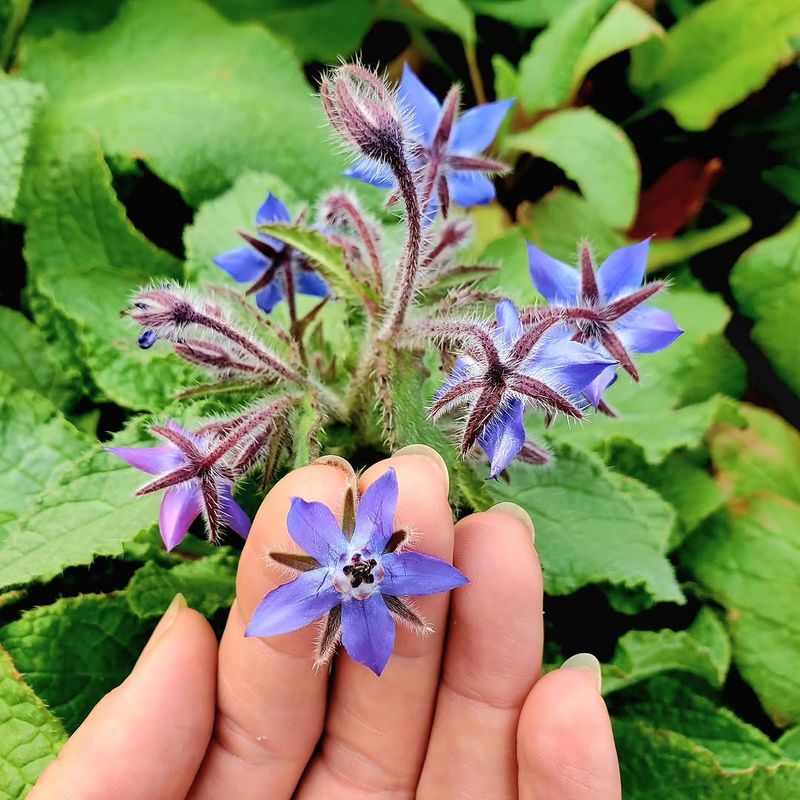
Few plants earn their spot in an Oregon garden as quickly and enthusiastically as borage. Sometimes called starflower, this fast-growing annual can go from seed to bloom in as little as five to eight weeks after a spring planting.
Those striking blue, star-shaped flowers are practically a beacon for honeybees and bumblebees, who flock to them from morning to evening.
Borage is wonderfully low-maintenance. Once you scatter the seeds in a sunny spot and water them in, this plant largely takes care of itself.
It tolerates Oregon’s unpredictable spring weather well and prefers well-drained soil, though it does not need especially rich soil to thrive. In fact, borage often performs better in average or slightly poor soil, which makes it a great choice for gardeners who are just getting started.
Beyond its pollinator power, borage has a fun culinary bonus: the flowers are edible and taste mildly like cucumber. Gardeners across Oregon have been tossing them into salads and summer drinks for generations.
The plant also self-seeds freely, meaning once you plant it once, it tends to come back year after year with almost no effort on your part. Just be ready to thin the seedlings if things get crowded.
Borage grows about two to three feet tall and pairs beautifully with tomatoes and squash in a vegetable garden. It is one of those rare plants that earns its keep in multiple ways while keeping pollinators happy all season long.
2. Alyssum With Early Nectar-Rich Blooms
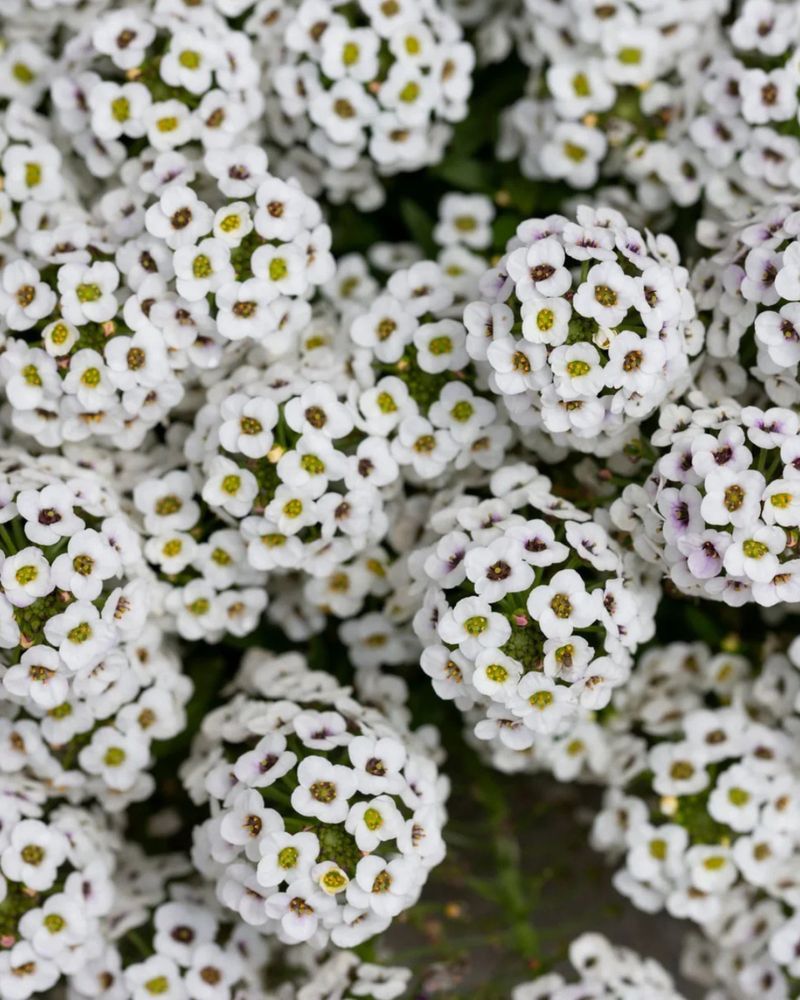
The kind of plant that often surprises you, sweet alyssum looks delicate, almost dainty, with its tiny clusters of white, pink, or purple flowers. But do not let its small size fool you because alyssum is tough, fast-growing, and absolutely irresistible to pollinators.
In Oregon’s mild spring climate, it can start blooming within six weeks of planting, making it one of the quickest payoffs you will find in the garden.
One of alyssum’s biggest strengths is its honey-like fragrance. That sweet scent drifts through the garden and draws in beneficial insects like hoverflies, parasitic wasps, and small native bees.
These insects are not just pollinators; many of them also help control garden pests naturally, which is a win-win for any Oregon gardener. Plant alyssum near vegetables or fruit trees and watch it do double duty.
Your Oregon Garden Changes Every Week. Your Plan Should Too.
Gardening in Oregon changes quickly throughout the season. Every Friday you’ll receive a simple weekly plan showing exactly what to plant, prune, fertilize, harvest, and protect so you never miss the right timing.
Alyssum thrives in full sun to partial shade and handles Oregon’s cool, rainy spring mornings without complaint. It grows only about three to six inches tall, so it works perfectly as a ground cover, a border plant, or even a filler in container gardens.
Did you know that alyssum belongs to the mustard family? That botanical connection is part of why so many beneficial insects find it so attractive.
After the first flush of blooms fades, a light trim encourages a whole new round of flowers. With minimal care and maximum charm, alyssum is a spring planting superstar for pollinator gardens across Oregon.
3. Calendula That Starts Blooming Quickly
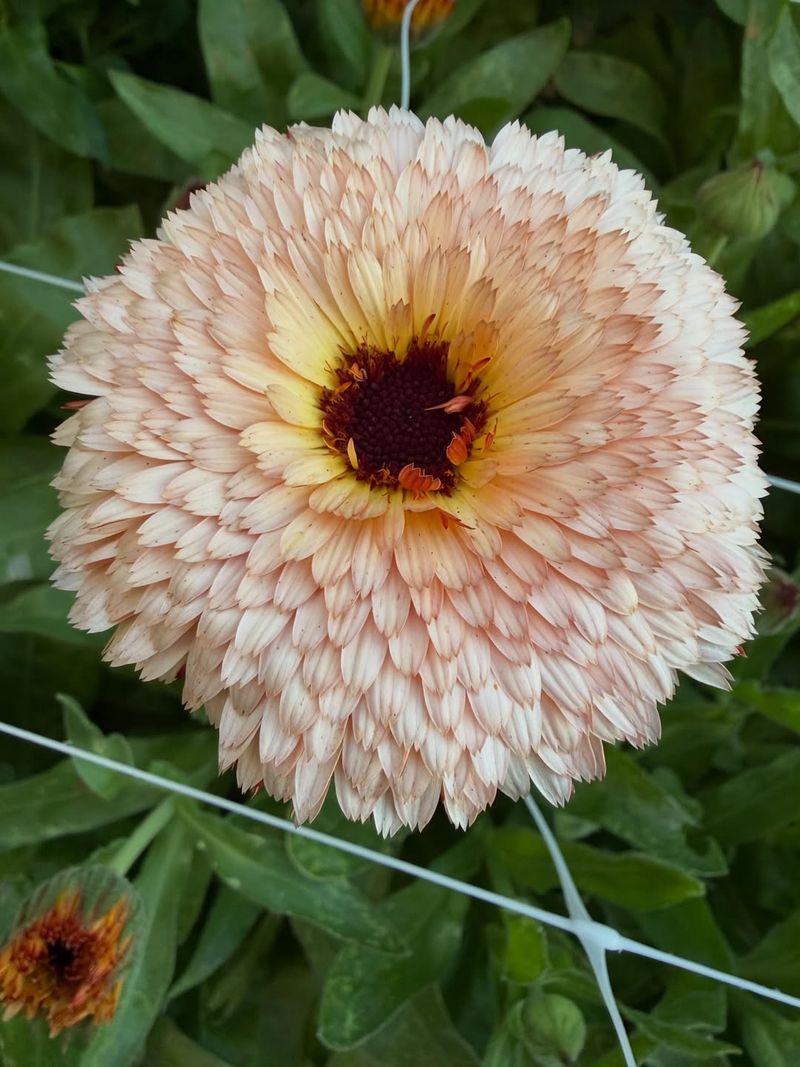
Calendula is basically sunshine in flower form. Those bold, golden-orange blooms light up an Oregon garden from early spring all the way through fall, and they do it fast.
Direct-sow calendula seeds in early spring and expect flowers within eight to ten weeks. Once they start blooming, they barely stop, especially if you keep picking the spent flowers off to encourage new ones.
Bees absolutely love calendula. The wide, open flower heads make nectar and pollen easy to access, which is why you will often see multiple bees working a single plant at the same time.
Hoverflies and small native bees are especially drawn to calendula’s bright color and abundant pollen. In Oregon, where native bee populations need all the support they can get, planting a row of calendula in your garden makes a real difference.
Calendula is also one of the most forgiving plants you can grow. It tolerates cool temperatures, light frost, and even a bit of drought once established.
It grows well in Oregon’s varied climates, from the rainy coast to the drier high desert regions. Beyond its pollinator value, calendula has a long history in herbal medicine and natural skin care, with the petals used in salves and teas.
The flowers are also edible and add a peppery, slightly tangy flavor to salads. Calendula is proof that a plant can be beautiful, useful, and wildly popular with pollinators all at once.
4. Cosmos That Attracts Bees All Season
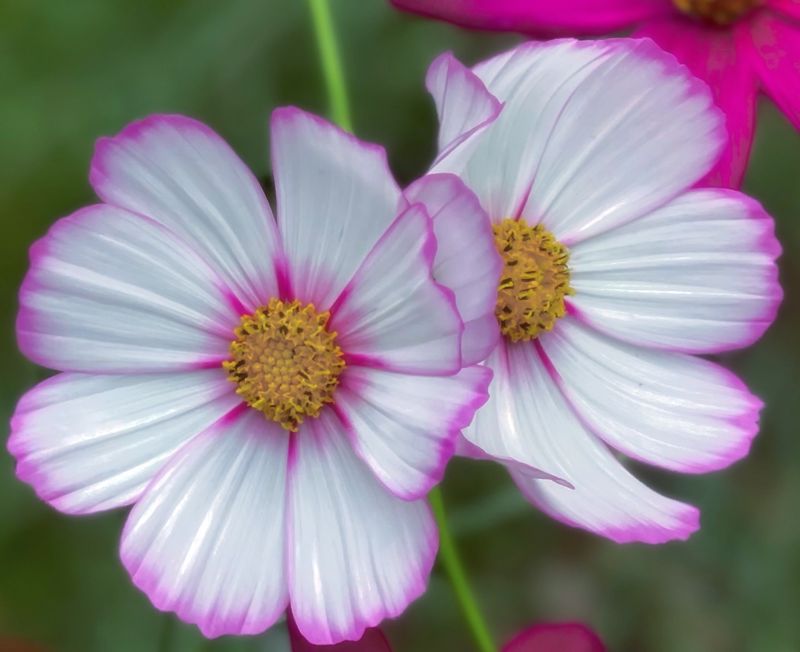
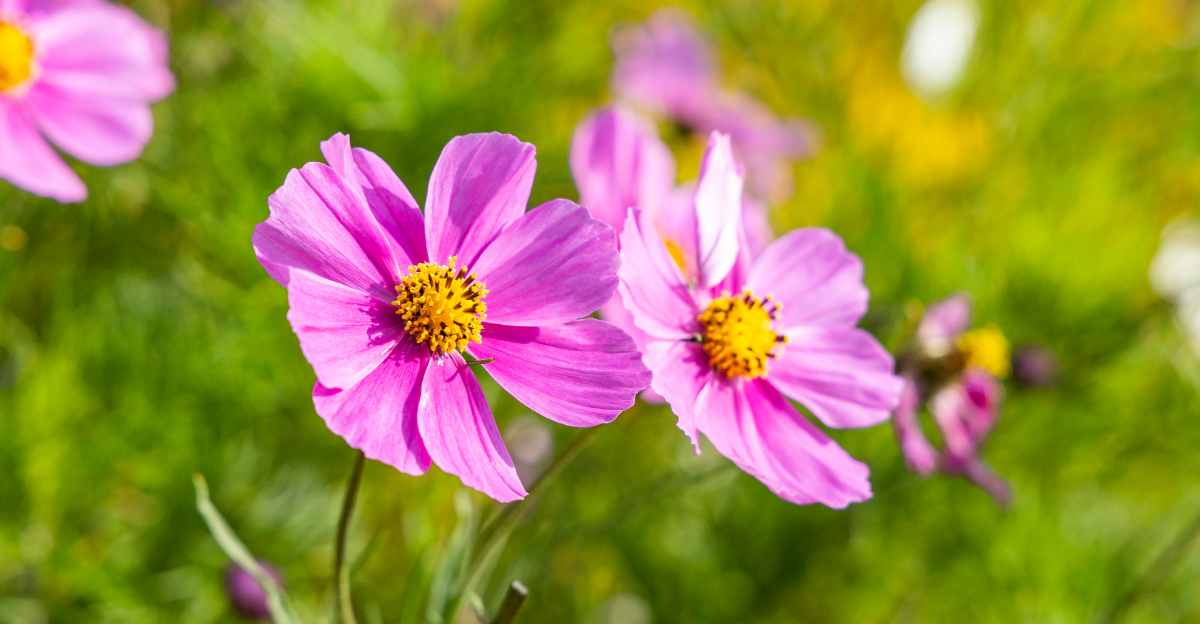
Their feathery, fern-like leaves sway in the breeze while their bright, daisy-like flowers in shades of pink, white, crimson, and purple catch every passing butterfly and bee. What makes cosmos especially exciting for Oregon gardeners is how fast they grow from a spring planting.
Sow seeds directly in the ground after the last frost and you can expect blooms in as little as seven weeks.
Butterflies are wild about cosmos. Swallowtails, painted ladies, and cabbage whites are regular visitors, drawn in by the open flower structure that makes feeding easy.
Bees love them too, and the long blooming season means your garden stays active with pollinators from midsummer right through the first fall frost. In Oregon’s growing season, that kind of endurance is a real asset.
Here is something fun to know: cosmos actually prefer poor soil. Adding too much fertilizer makes them grow lots of leafy stems but fewer flowers.
So if you have a patch of less-than-perfect ground in your Oregon yard, cosmos might be exactly what it needs. They grow tall, sometimes reaching four to six feet, so plant them toward the back of a border where they can show off without blocking shorter plants.
Cosmos self-seed readily, meaning they often return the following year with no extra effort. They are carefree, colorful, and genuinely one of the easiest pollinator plants you can grow in Oregon from a simple spring sowing.
5. Camas With Early Native Appeal
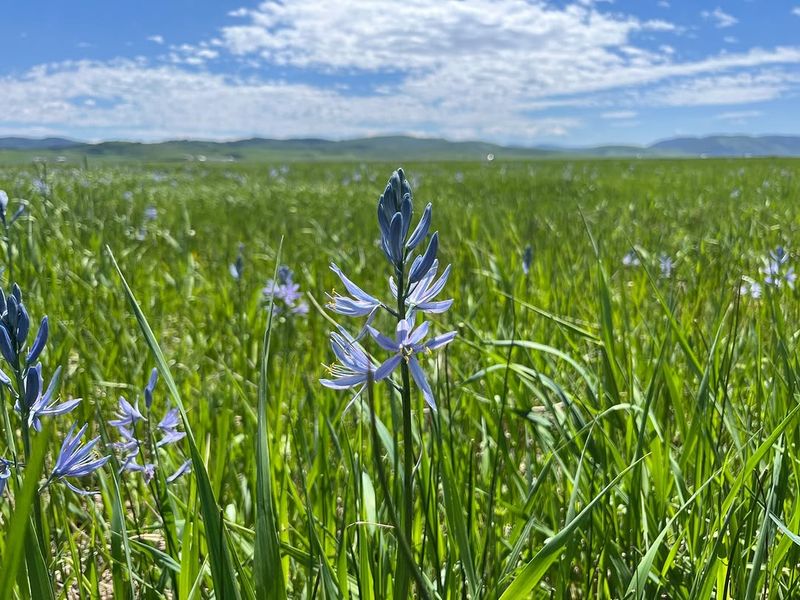
Long before it became a garden favorite, camas was a vital food source for many Indigenous peoples of the Pacific Northwest, including the Kalapuya who lived in the Willamette Valley. The bulbs were harvested and cooked, providing an important calorie-rich food.
Today, camas is celebrated both for its deep cultural roots and its outstanding value as a native pollinator plant.
The tall spikes of deep blue to violet flowers are breathtaking in a spring garden, and native bees go absolutely wild for them. Mason bees, bumblebees, and various specialist native bees visit camas flowers heavily during their spring bloom period, which lines up perfectly with when many pollinators are just becoming active after winter.
Planting camas in your Oregon garden gives these early-season insects a reliable food source exactly when they need it most.
Camas grows from bulbs and establishes best when planted in fall, while spring planting is less reliable and may delay flowering. It thrives in areas that are wet in spring and drier in summer, which describes much of the Willamette Valley perfectly.
Plant bulbs in groups for the most visual impact and to create a rich foraging patch for pollinators. Camas naturalizes beautifully over time, spreading slowly to fill a space with more flowers each year.
Growing camas is a wonderful way to connect your garden to Oregon’s native landscape and ecological heritage.
6. Globe Gilia That Draws In Pollinators Fast
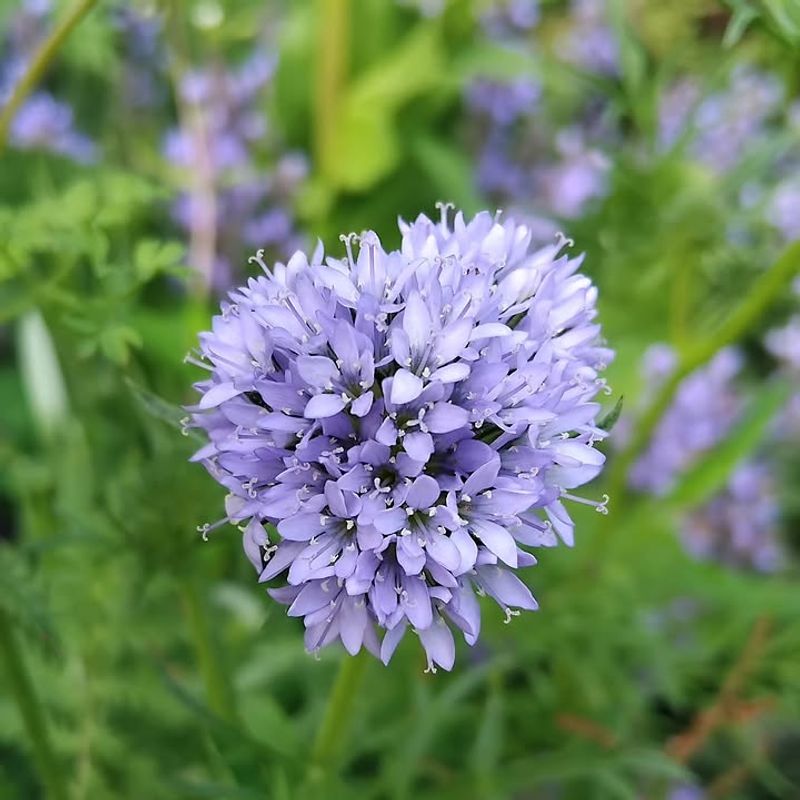
Those perfectly round, softball-sized clusters of tiny lavender-blue flowers look like something out of a fantasy garden, and they attract an impressive variety of pollinators. Native bees, butterflies, and even hummingbirds visit globe gilia regularly, making it a multi-purpose magnet in any spring or summer garden.
What makes globe gilia especially exciting is how quickly it grows from seed. Direct sow in early spring in Oregon, and you can expect those stunning globes of color within about eight to ten weeks.
The plant thrives in full sun and well-drained soil, which makes it a natural fit for Oregon’s drier inland regions as well as garden beds that get plenty of afternoon sun. It handles heat well once established and does not need much water to keep performing.
Globe gilia is native to parts of the western United States, including areas of Oregon, and has become a valuable addition to pollinator gardens because it fills a gap that many other flowers miss. Its bloom time bridges late spring and midsummer, providing a reliable food source during a period when some other early-blooming plants are already fading.
The plants grow about two to three feet tall and look stunning when planted in drifts or mixed with other native wildflowers like clarkia or poppies. Globe gilia also makes a fantastic cut flower, bringing that wild Oregon meadow energy right into your home.
Once you grow it, you will wonder how you ever gardened without it.
7. Tickseed With Bright Easy Flowers
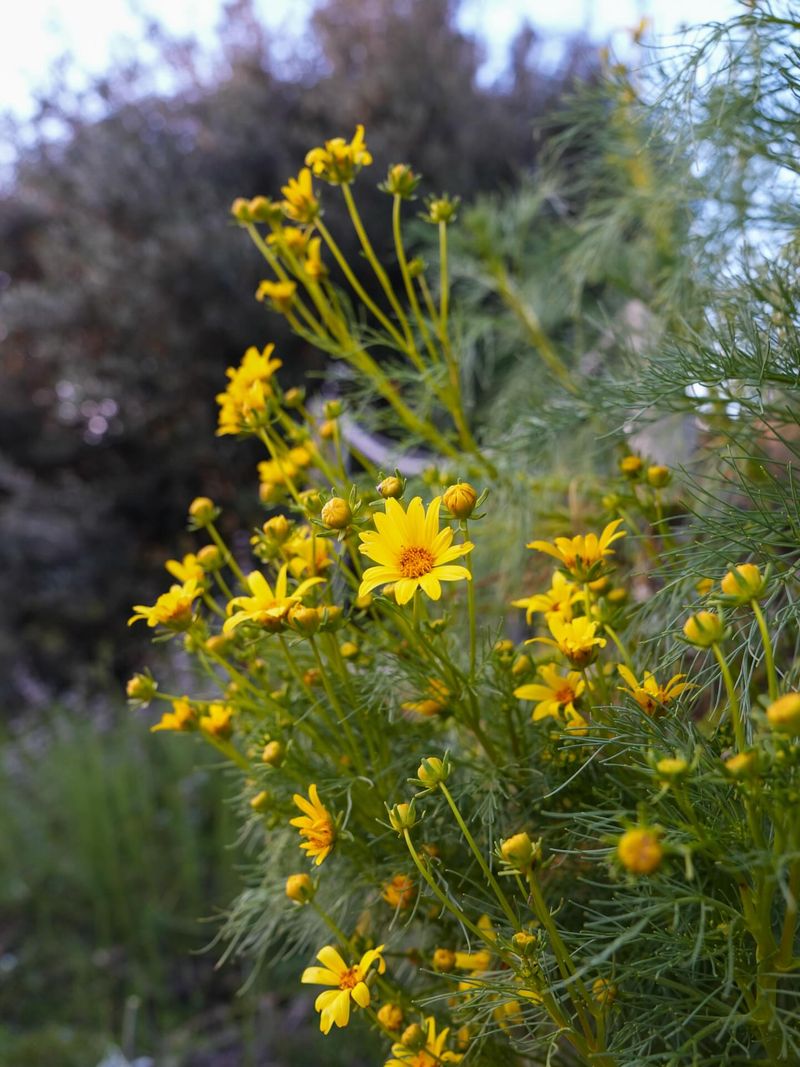
Tickseed, better known by its botanical name coreopsis, is one of the most cheerful plants you can add to an Oregon pollinator garden. Those sunny, golden-yellow daisy-like flowers seem to radiate warmth, and they bloom for an incredibly long season, often from late spring all the way through early fall.
For pollinators, that extended bloom time is a serious benefit, providing a consistent nectar and pollen source across multiple months.
Bees of all kinds are drawn to tickseed’s bright blooms, and butterflies find the wide, open flower heads easy to land on and feed from. Skippers, sulphurs, and fritillaries are frequent visitors in Oregon gardens where tickseed is planted.
Beyond insects, the seed heads that form after blooming attract small birds like goldfinches, which makes tickseed a triple-threat plant: great for pollinators, birds, and gardeners who love low-maintenance beauty.
Tickseed grows quickly from seed or transplant in spring and does not demand much attention once it gets going. It tolerates drought, poor soil, and Oregon’s variable spring weather with impressive resilience.
Plant it in full sun for the best flower production, and deadhead spent blooms regularly to keep the show going strong. Annual varieties like coreopsis tinctoria can be direct-sown in early spring and will bloom the same season.
Perennial varieties come back year after year, building stronger clumps over time. Either way, tickseed is a fast, reliable, and genuinely delightful addition to any Oregon garden focused on supporting pollinators.
8. Lupine That Supports Native Bees Early
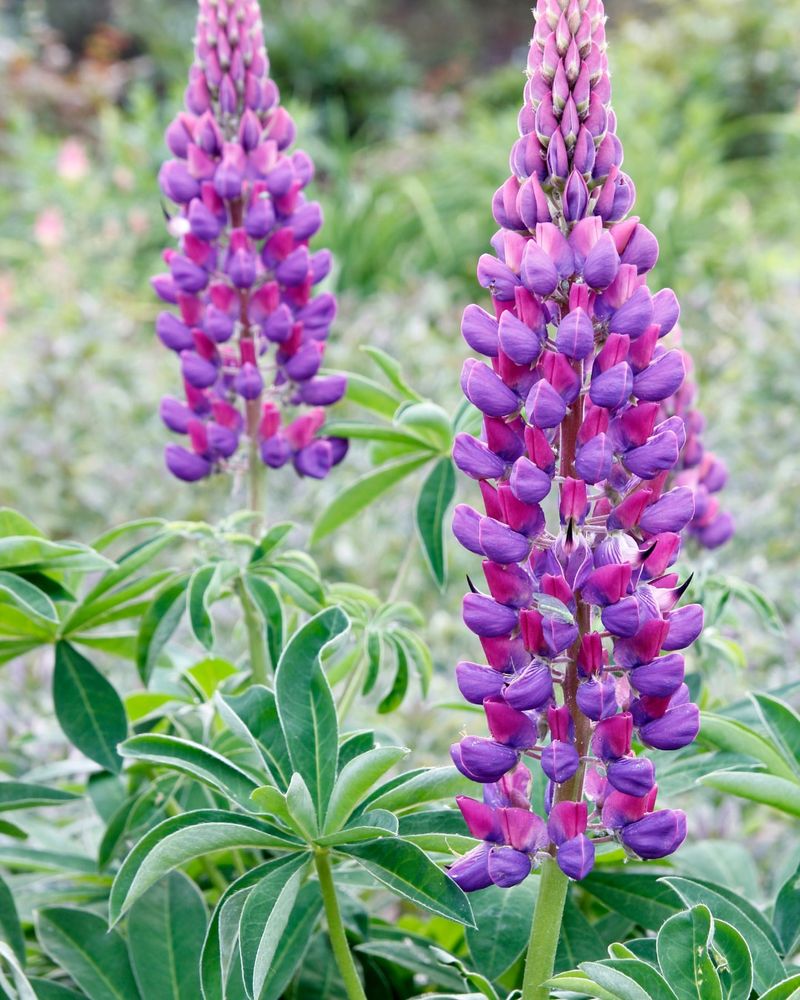
There is something almost majestic about a stand of lupine in full bloom. Those tall, dramatic spikes covered in pea-shaped flowers in shades of purple, blue, pink, and white make a bold statement in any Oregon garden, and pollinators respond to them with equal enthusiasm.
Bumblebees are especially skilled at accessing lupine flowers, using a technique called buzz pollination to shake loose the pollen. Watching a bumblebee work a lupine spike is genuinely one of the great small pleasures of gardening in Oregon.
Lupine grows quickly from seed when planted in early spring, especially if you nick the hard seed coat slightly or soak seeds overnight before planting. This small step speeds up germination significantly and gets the plants off to a faster start.
Expect blooms within ten to twelve weeks under good conditions. Lupine thrives in Oregon’s cool, moist spring climate and does particularly well in the Cascades foothills and coastal regions where temperatures stay moderate.
Beyond its beauty and pollinator value, lupine is a nitrogen-fixing plant, meaning its roots pull nitrogen from the air and deposit it in the soil. Over time, this improves soil health naturally and benefits neighboring plants.
Lupine grows two to four feet tall and works well as a mid-border plant or naturalized in a meadow-style garden. Once established, it self-seeds and spreads gently over the years.
Growing lupine in Oregon is a way to celebrate the wild, natural landscape of the Pacific Northwest while doing something genuinely good for the local ecosystem.