7 Plants Pennsylvanians Can Grow To Support Monarch Butterfly
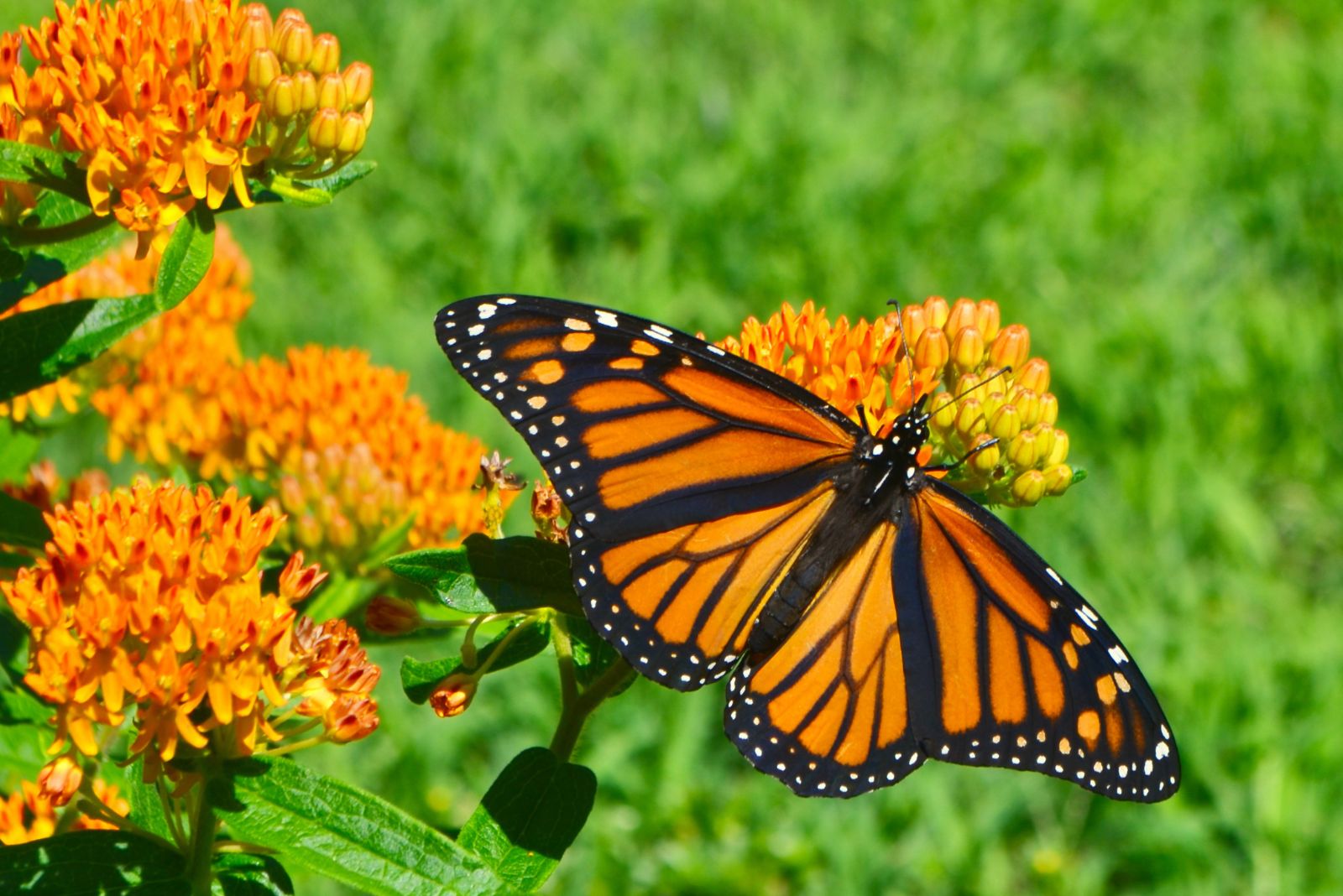
Monarch butterflies are a beautiful sight in Pennsylvania gardens, but they need our help more than ever. As these iconic butterflies continue to face challenges in their migration, creating a butterfly-friendly garden can make all the difference.
By planting the right flowers, you can support Monarchs at every stage of their life – from caterpillars to adults.
The key is to offer plants that provide both food and shelter. Monarchs rely on milkweed as the essential plant for laying eggs, while nectar-rich flowers are perfect for adult butterflies to feed on.
When you choose native plants that are suited to Pennsylvania’s climate, you create a natural haven for Monarchs and other pollinators.
With their striking orange and black wings, these butterflies will not only brighten your garden but also give you a sense of fulfillment, knowing you’re playing a part in their survival.
If you’re looking to help these incredible creatures, adding the right plants to your garden is a wonderful place to start.
1. Common Milkweed
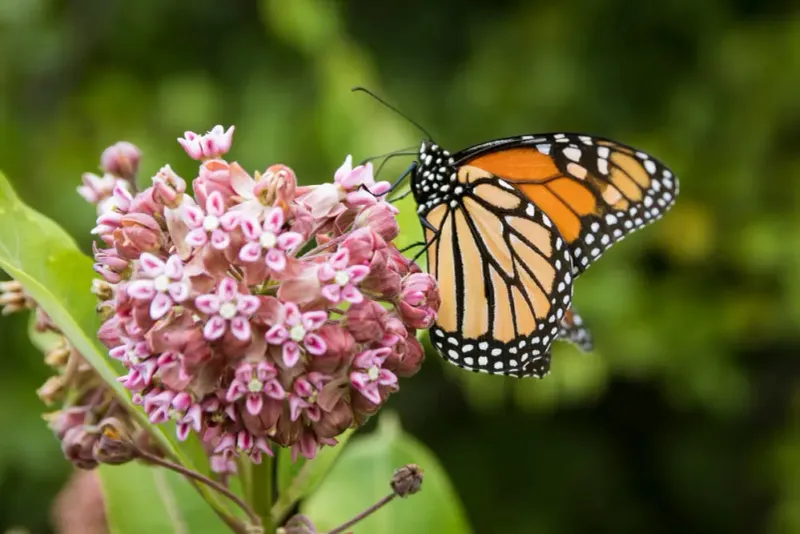
If there is one plant every Pennsylvania gardener should grow for monarchs, it is common milkweed. Monarch caterpillars can only survive by eating milkweed leaves. Without milkweed, there are no monarchs, plain and simple.
Common milkweed, known scientifically as Asclepias syriaca, is native to Pennsylvania and grows naturally in meadows, roadsides, and open fields across the state. It produces large clusters of soft pink flowers in summer that smell incredibly sweet.
Adult monarch butterflies love visiting these blooms to drink nectar, and female monarchs lay their eggs directly on the leaves.
Once the eggs hatch, the caterpillars munch on the leaves to grow big and strong. The plant contains natural compounds that actually make the caterpillars taste bad to predators, which helps protect them.
Growing common milkweed in your Pennsylvania yard gives monarchs exactly what they need most.
Common milkweed is also wonderfully easy to grow. It thrives in full sun and tolerates dry, poor soils that many other plants struggle with.
It does spread by underground roots, so give it some space or plant it in a contained area if your garden is small.
You can start common milkweed from seed or purchase plants from a native plant nursery. Many Pennsylvania native plant societies sell it at affordable prices.
Once established, it comes back every year without much fuss. Few plants offer as much value for monarchs as this one does.
2. Butterfly Weed
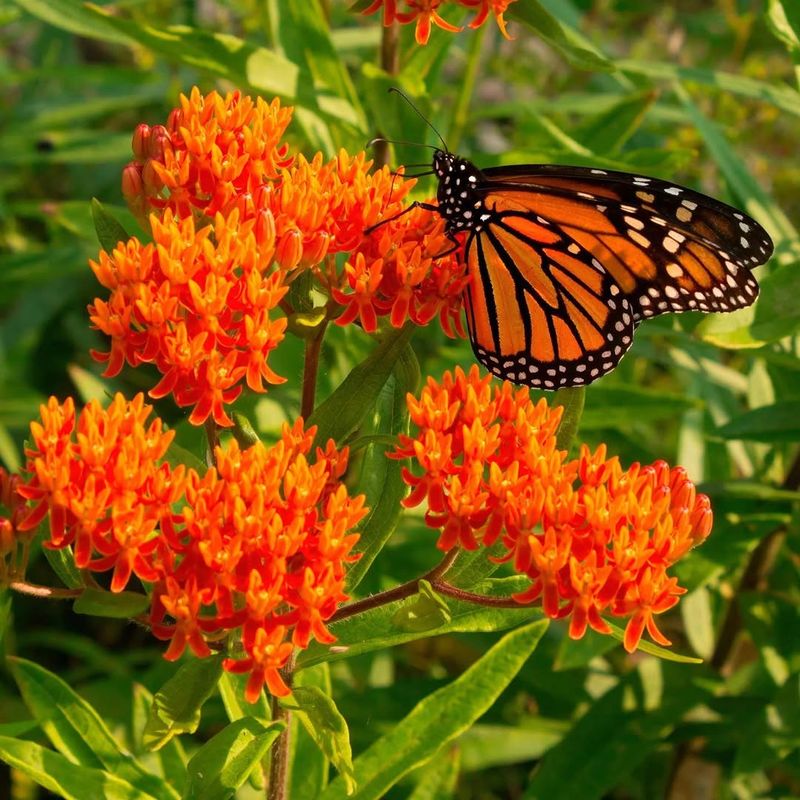
Bright, bold, and absolutely irresistible to monarchs, butterfly weed is one of the showiest native plants you can add to a Pennsylvania garden.
Its clusters of vivid orange flowers light up garden beds from June through August, drawing in butterflies, bees, and other pollinators from all directions. It is genuinely hard to walk past a blooming butterfly weed without stopping to look.
Like common milkweed, butterfly weed belongs to the milkweed family, which means it serves monarchs in two major ways. Female monarchs can lay their eggs on its leaves, giving caterpillars a place to hatch and feed.
Your Pennsylvania Garden Changes Every Week. Your Plan Should Too.
Gardening in Pennsylvania changes quickly throughout the season. Every Friday you’ll receive a simple weekly plan showing exactly what to plant, prune, fertilize, harvest, and protect so you never miss the right timing.
At the same time, adult butterflies visit the flowers to drink rich nectar that fuels their long migration journey through Pennsylvania.
Penn State’s pollinator resources highlight butterfly weed as a standout plant for attracting pollinators throughout the region. Gardeners across Pennsylvania love it because it is incredibly tough once established.
It has a deep taproot that helps it handle summer drought without any extra watering. Butterfly weed grows best in full sun and well-drained soil. Heavy, wet clay soils are not its favorite, so if your yard has drainage issues, try planting it in a raised bed or a sandy border.
It is slower to emerge in spring than other perennials, so be patient and avoid disturbing the soil around it too early.
Starting butterfly weed from seed takes time, but nursery-grown plants establish quickly. Once it takes hold in your Pennsylvania garden, it will reward you with brilliant blooms for years to come.
3. Joe-Pye Weed
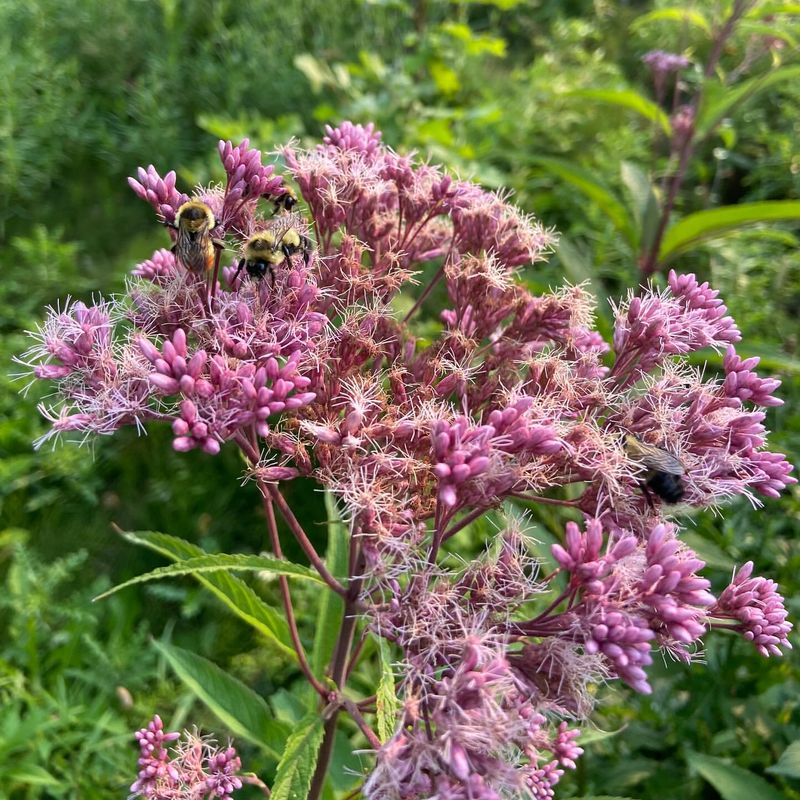
Imagine a plant so tall it towers over your head, covered in soft clusters of rosy pink-purple flowers, with monarch butterflies landing on every bloom. That is Joe-Pye weed in full summer glory.
This native Pennsylvania perennial can reach six to eight feet tall, making it one of the most dramatic plants you can add to a pollinator garden.
Joe-Pye weed blooms from mid-summer into early fall, which lines up perfectly with the monarch migration season in Pennsylvania. When monarchs pass through the state in late summer and early fall, they need a lot of nectar to build up energy for their long trip south.
Joe-Pye weed delivers exactly that, offering large, nectar-rich flower heads that monarchs and dozens of other butterfly species cannot resist.
Penn State includes Joe-Pye weed in its butterfly gardening guidance, and Xerces Society lists it among the most valuable regional nectar plants for monarch support.
Beyond monarchs, this plant attracts swallowtails, fritillaries, and many native bees, making it a powerhouse for all kinds of pollinators.
Joe-Pye weed grows best in full sun to part shade and prefers moist, rich soil. It works especially well near rain gardens, pond edges, or low spots in the yard where moisture collects.
Because of its height, plant it toward the back of a garden bed so it does not block smaller plants.
Pennsylvania native plant sales and local nurseries often carry Joe-Pye weed. Once planted, it spreads slowly and forms impressive clumps that get better every single year.
4. Blazing Star
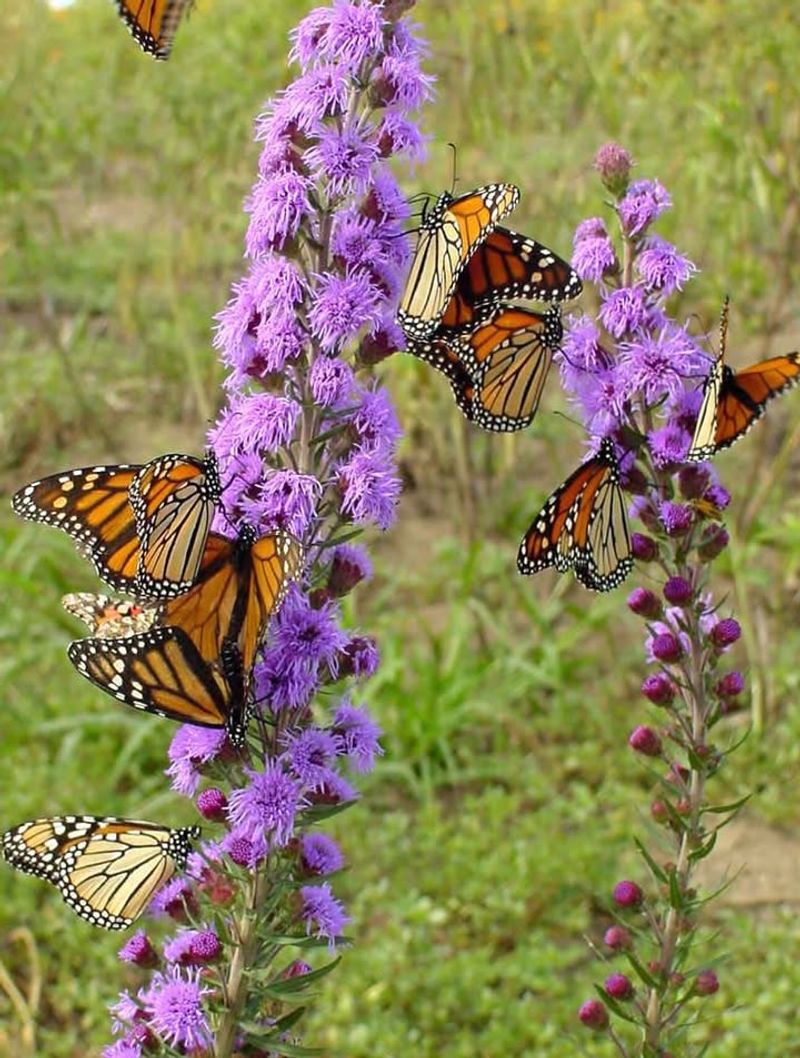
Few native plants create a more striking scene in a Pennsylvania garden than blazing star in full bloom. Its tall, slender spikes of vivid purple flowers shoot straight up from the ground like fireworks frozen in place.
Monarchs absolutely love them, and so do gardeners who want a plant that looks stunning and works hard for pollinators at the same time.
Blazing star, also called Liatris, blooms in late summer, right when monarchs are beginning to gather energy for their migration through Pennsylvania.
Penn State’s pollinator plant trials have highlighted blazing star as a top performer among native perennials, and Xerces Society includes it among the most important monarch nectar plants for this region.
That kind of recognition from trusted sources says a lot about how valuable this plant really is.
One fun fact: blazing star flowers open from the top of the spike downward, which is the opposite of most flowering plants. This quirky trait means the blooms last longer as they slowly open over several weeks, giving monarchs and other pollinators a reliable food source throughout late summer.
Blazing star thrives in full sun and well-drained soil. It handles summer heat and drought well once established, which makes it low-maintenance for busy Pennsylvania gardeners. It grows from small corms, which are bulb-like structures you plant in spring or fall.
You can find several Liatris species at Pennsylvania native plant nurseries, including Liatris spicata and Liatris pycnostachya. All of them are excellent choices for supporting monarchs and adding bold vertical color to your garden beds.
5. New England Aster
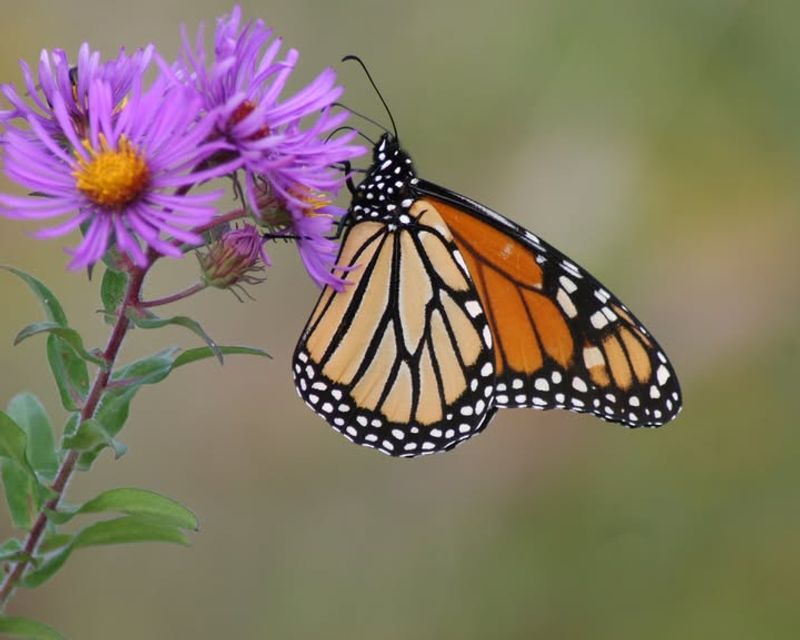
When most garden plants have finished blooming and the days start feeling shorter, New England aster steps up and delivers a burst of color that monarchs desperately need.
This native Pennsylvania wildflower bursts open in late summer and keeps blooming well into October, making it one of the most important fall plants for migrating monarchs in the entire region.
New England aster produces dozens of daisy-like flowers in shades of purple, violet, and sometimes pink, each with a bright yellow center. Monarchs passing through Pennsylvania in September and October stop to feed on these blooms, filling up on nectar before continuing south.
Xerces Society specifically highlights asters as critical fall-blooming plants for monarch support, and it is easy to see why when you watch butterflies swarming a large aster patch on a warm autumn afternoon.
Beyond monarchs, New England aster supports an impressive number of native bee species.
It is considered one of the most ecologically valuable native plants in Pennsylvania because of how many different insects rely on it. Planting aster is like setting a banquet table for the whole pollinator community at once.
New England aster grows in full sun to part shade and tolerates a range of soil types, including heavier clay soils that are common in many Pennsylvania yards.
It can get quite tall, reaching four to six feet, so pinching the stems back in early June helps keep plants compact and bushy.
Look for New England aster at local native plant sales across Pennsylvania. It spreads naturally over time, slowly filling in garden spaces with beautiful fall color.
6. Goldenrod
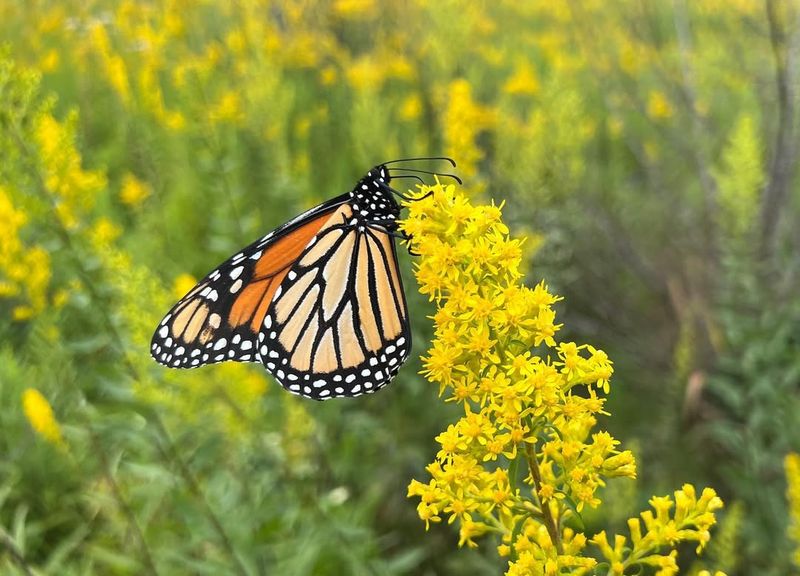
Goldenrod gets a bad reputation that it absolutely does not deserve. Many people blame it for fall allergies, but goldenrod pollen is actually too heavy and sticky to blow through the air.
The real allergy culprit is ragweed, which blooms at the same time. Meanwhile, goldenrod quietly does incredible work for monarch butterflies and dozens of other pollinators every single fall across Pennsylvania.
This native perennial produces massive plumes of golden yellow flowers from late summer through early fall.
Monarchs migrating through Pennsylvania stop to feed heavily on goldenrod nectar, which helps them build up the fat reserves they need for their long journey to Mexico.
Xerces Society includes goldenrods among the most valuable monarch-supporting nectar plants in the eastern region, and Pennsylvania has several excellent native goldenrod species to choose from.
Stiff goldenrod, zigzag goldenrod, and gray goldenrod are all excellent native options for Pennsylvania gardens. Each species has slightly different habitat preferences, so there is a goldenrod for almost every spot in your yard.
Stiff goldenrod handles dry, sunny spots beautifully, while zigzag goldenrod thrives in shadier woodland edges.
Goldenrod is tough, reliable, and practically grows itself once established. It spreads by both seeds and underground runners, so planting it in a defined garden bed or meadow area works best.
In wilder garden spaces, let it spread freely to create large, monarch-friendly patches.
Supporting monarchs in Pennsylvania can be as simple as letting goldenrod grow. This underappreciated plant is one of the most generous gifts you can offer to migrating butterflies every autumn.
7. Ironweed
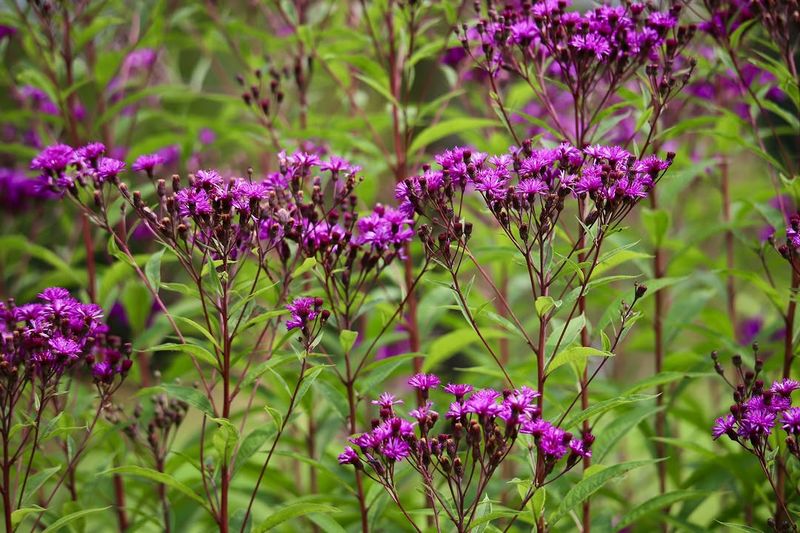
Royalty purple, ridiculously tough, and absolutely packed with nectar, ironweed is one of those native Pennsylvania plants that makes you wonder why it is not in every pollinator garden already.
Its deep, jewel-toned purple flowers are some of the most intensely colored blooms you will find in any native plant garden, and monarchs treat them like an all-you-can-eat buffet during late summer migration.
Ironweed, or Vernonia, blooms from late July through September in Pennsylvania, arriving right on time to support monarchs as they begin gathering energy for their flight south.
Xerces Society includes ironweeds among their recommended monarch nectar plants for the region, calling them a smart choice for Pennsylvania pollinator gardens.
When you see a blooming ironweed covered in monarchs, swallowtails, and fritillaries all feeding at once, that recommendation makes complete sense.
New York ironweed, Vernonia noveboracensis, is the species most commonly found growing wild across Pennsylvania. It loves moist, rich soils and thrives near stream banks, wet meadows, and rain gardens.
Tall ironweed, Vernonia altissima, is another excellent option that handles slightly drier conditions.
Ironweed grows tall, often reaching five to eight feet, so it works best at the back of a border or in a naturalized meadow planting. Its strong stems rarely need staking, even in wind or rain, which is how it earned its fitting name.
Finding ironweed at Pennsylvania native plant nurseries is getting easier as more gardeners discover its value. Plant it once, and it will return faithfully every summer, giving monarchs a reliable and spectacular nectar stop for years ahead.