7 Native Pennsylvania Trees You Should Plant Before April Ends
If you have been thinking about planting a tree in Pennsylvania, late April is a pretty smart time to do it. The soil is warming up, the worst of winter is behind you, and young trees still have a chance to settle in before summer brings stronger sun and drier stretches.
That timing matters more than many people realize. A tree that gets into the ground before April ends has a better shot at building roots, adjusting to its new spot, and heading into the hotter months with less stress.
Choosing a native Pennsylvania tree makes that window even more worthwhile. Native trees are already suited to local weather, soil, and seasonal changes, which gives them a natural advantage from the start.
Many also support birds, pollinators, and other wildlife while adding shade, structure, and beauty to the yard for years to come.
For homeowners who want something practical as well as attractive, this is a great time to plant a tree that truly belongs in the landscape. A little work now can pay off in a much healthier, stronger-growing tree later.
1. Eastern Redbud
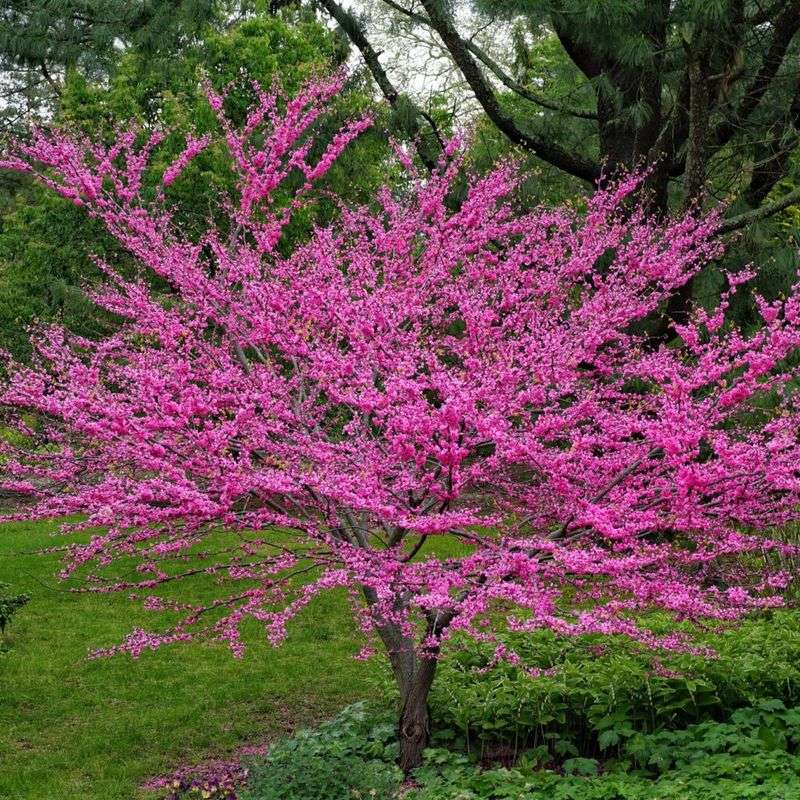
Few trees announce spring quite like the Eastern Redbud. Before a single leaf appears, the branches burst into clusters of vivid pink and purple flowers that practically glow in the cool April air. If you have been looking for a showstopper tree for your Pennsylvania yard, this is it.
Eastern Redbud grows to about 20 to 30 feet tall, which makes it a great fit for smaller yards and garden spaces. It handles full sun and partial shade without complaint, and it adapts to many different soil types found across Pennsylvania.
That flexibility makes it one of the easiest native trees to establish. Planting before April ends is smart because the roots get time to grow before summer heat sets in.
Water your young tree regularly during its first season to help it get comfortable in its new home. After that first year, it becomes much more independent and low-maintenance.
Come fall, the heart-shaped leaves turn a warm yellow, giving you yet another reason to love this tree. Pollinators like bees swarm the blooms in early spring, making it a true wildlife magnet.
Planting an Eastern Redbud is one of the best gifts you can give to your local Pennsylvania ecosystem.
2. Flowering Dogwood
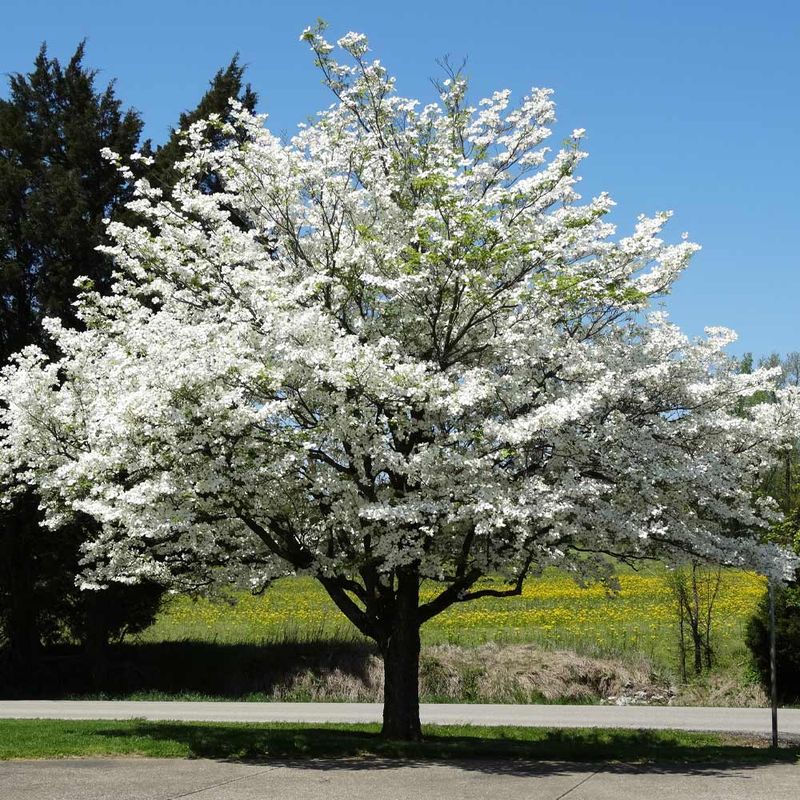
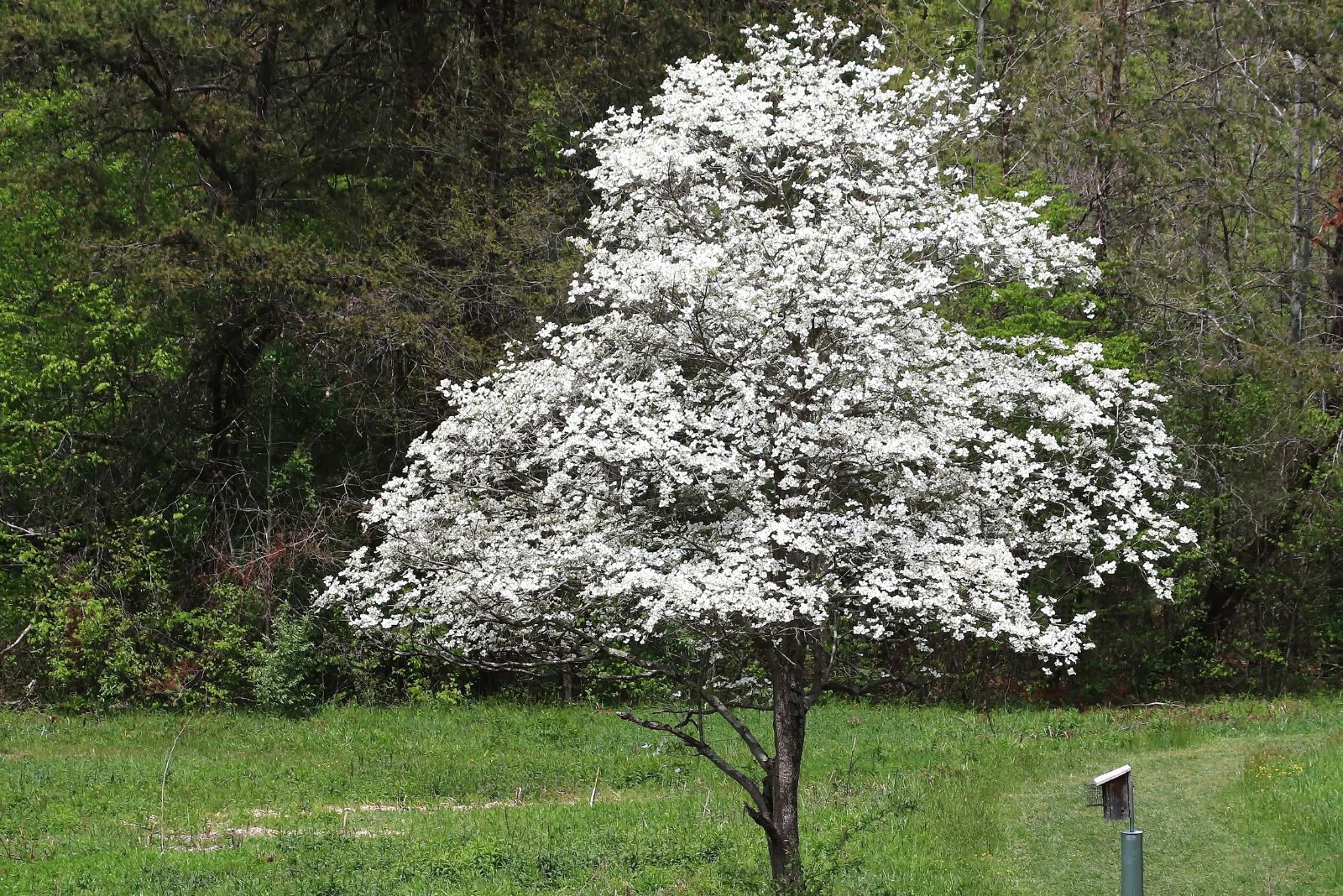
Walk through almost any Pennsylvania woodland in April and you will spot the Flowering Dogwood glowing like a lantern beneath the forest canopy.
Its large white or pink bracts surround tiny flowers and create one of the most recognizable spring displays in the eastern United States. This tree has been a beloved part of Pennsylvania landscapes for centuries.
Growing between 15 and 30 feet tall, Flowering Dogwood fits neatly into most yards without overwhelming the space. It prefers partial shade and well-drained, slightly acidic soil, which is exactly the kind of conditions found in many Pennsylvania neighborhoods and wooded edges.
Planting it before April ends means the roots can settle in during mild spring weather rather than fighting summer heat.
Your Pennsylvania Garden Changes Every Week. Your Plan Should Too.
Gardening in Pennsylvania changes quickly throughout the season. Every Friday you’ll receive a simple weekly plan showing exactly what to plant, prune, fertilize, harvest, and protect so you never miss the right timing.
One of the best things about this tree is how much it gives back to wildlife. The bright red berries that appear in fall are a favorite food source for migratory birds passing through Pennsylvania. The dense branching also provides excellent nesting spots for songbirds.
Fall brings another reward when the leaves turn a deep, rich red that rivals almost any tree in the region. Make sure to give your young Dogwood consistent moisture during its first growing season.
With a little early care, this classic native tree will reward you with decades of stunning spring and fall color right in your own backyard.
3. Red Maple
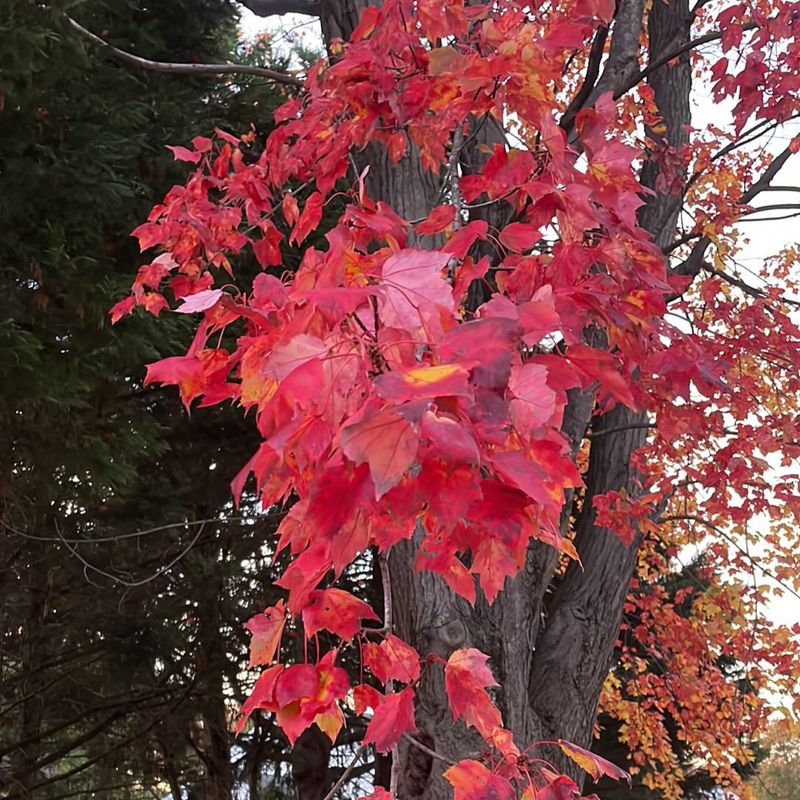
Speed and color. That is what the Red Maple brings to any Pennsylvania yard. Among native trees, few grow as quickly or put on as dramatic a fall show as this one. If you plant one before April ends, you will notice real growth by the end of your first summer.
Red Maple is one of the most adaptable trees in the entire eastern region. It grows well in wet soils, dry soils, clay, and sandy ground, making it a practical choice for Pennsylvania homeowners who deal with tricky yard conditions.
It can reach 40 to 70 feet tall over time, so it eventually provides serious shade on hot summer afternoons.
Beyond fall color, this tree is an early spring performer too. Tiny red flower clusters appear on the branches before the leaves come out, giving pollinators an early food source when not much else is blooming.
Birds and squirrels also rely on its seeds throughout the year. Did you know the Red Maple is actually one of the most common trees in Pennsylvania? Its widespread presence speaks to just how well it thrives in this region.
Plant it in a sunny to partly shaded spot, water it well during its first season, and stand back. Within a few years, you will have a strong, beautiful native tree that improves your yard and supports Pennsylvania wildlife at the same time.
4. White Oak
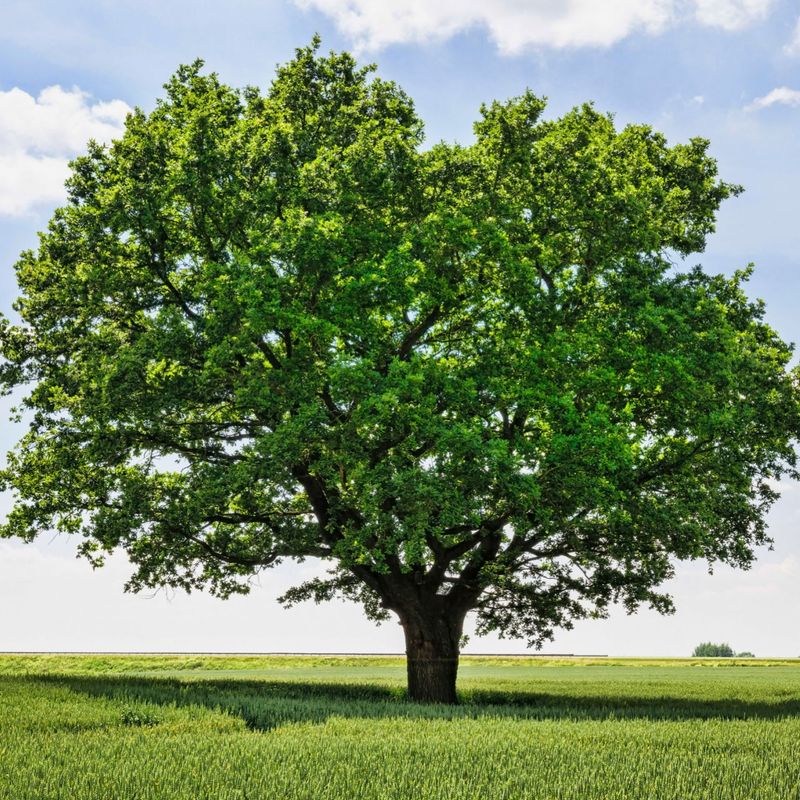
Planting a White Oak is not just planting a tree. It is making a promise to the future. White Oaks can live for hundreds of years, and a single mature tree can support more than 500 species of caterpillars, insects, birds, and mammals. In Pennsylvania, the White Oak is nothing short of an ecological anchor.
This tree grows slowly but steadily, eventually reaching 80 to 100 feet tall with a wide, spreading canopy that creates deep, generous shade. Because of that slow growth, planting it before April ends in Pennsylvania gives it the best possible start.
Cool spring soil and reliable spring rains help young White Oaks establish strong root systems before the pressure of summer heat arrives.
White Oak prefers well-drained soil and full sun, but it is remarkably tough once established. It tolerates drought better than many other oaks and does not need a lot of fussing or fertilizing.
Its acorns are a critical food source for deer, turkeys, squirrels, and many bird species native to Pennsylvania.
The fall foliage ranges from russet brown to deep burgundy, making it a beautiful addition to any large yard or open property.
If you have the space, planting a White Oak is one of the most meaningful things a Pennsylvania homeowner can do for local wildlife and future generations. Start it now, and let time do the rest of the work for you.
5. River Birch
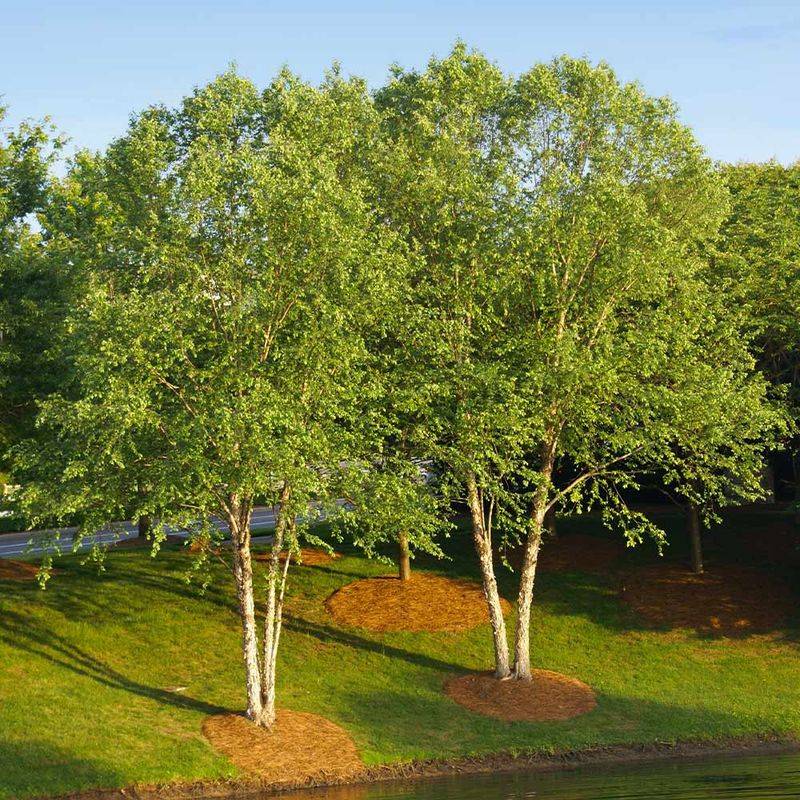
Not every yard is perfectly flat and dry, and that is exactly where the River Birch shines. This native Pennsylvania tree was practically built for the spots most other trees refuse to grow in.
Wet corners, low-lying areas near streams, soggy patches after heavy rain. River Birch handles them all without skipping a beat.
What makes this tree instantly recognizable is its extraordinary bark. As it matures, the bark peels back in papery layers of cinnamon, cream, and salmon tones that look like living artwork, especially in winter when the branches are bare.
It adds year-round visual interest that few other native trees can match. River Birch grows quickly, often putting on two feet or more per year under good conditions.
It typically reaches 40 to 70 feet tall and develops a graceful, multi-stemmed form that looks beautiful in naturalistic Pennsylvania landscapes. Plant it before April ends and you will see impressive growth by late summer.
Birds love River Birch too. Its small seeds feed finches, chickadees, and other native Pennsylvania songbirds throughout the colder months.
The tree also supports a variety of native insects that in turn feed larger wildlife up the food chain. If your yard has a wet or tricky area that has stumped you for years, River Birch might be exactly the solution you have been searching for all along.
6. Serviceberry
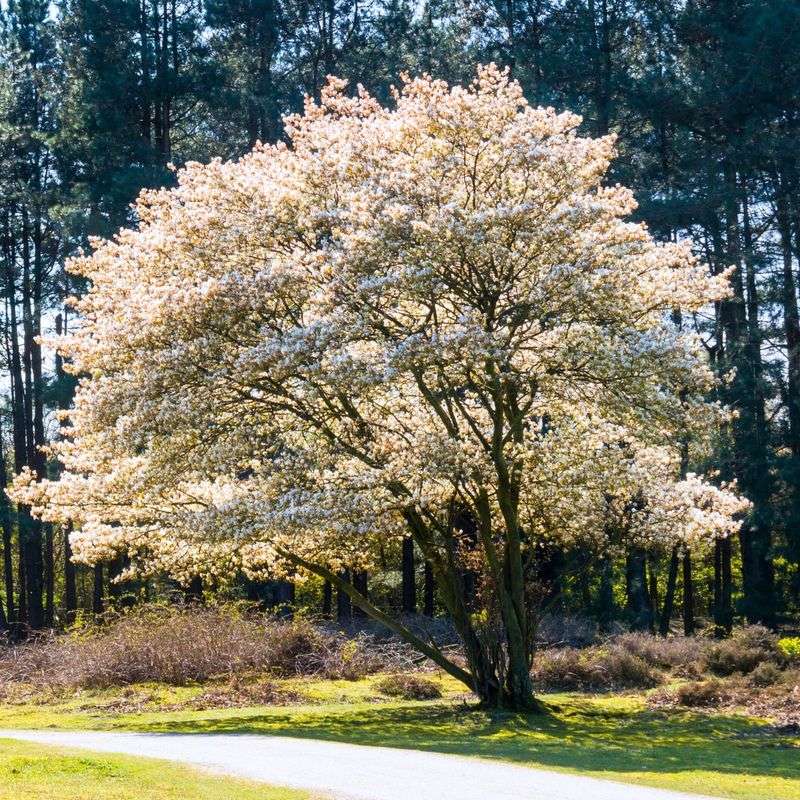
Early spring in Pennsylvania means Serviceberry. While most trees are still waking up, this small native tree is already covered in clusters of delicate white flowers that drift like snowflakes on the April breeze.
It is often one of the very first trees to bloom each year, and that early show is something neighbors will notice and admire.
Serviceberry grows 15 to 25 feet tall and works beautifully in smaller Pennsylvania yards where a large shade tree would feel overwhelming.
It adapts to a wide range of soil conditions and light levels, from full sun to partial shade, making it one of the most flexible native trees you can choose. Its multi-season appeal is genuinely hard to beat.
By early summer, the tree produces small, sweet berries that look a bit like blueberries. People can eat them fresh, bake them into pies, or make jam.
Birds absolutely love them too, so expect robins, cedar waxwings, and other Pennsylvania natives to visit your yard the moment the berries ripen.
Fall brings one more gift when the leaves shift into shades of orange, red, and gold. Few trees this size deliver so much color and wildlife value across all four seasons.
If you want a tree that works hard for your yard and your local Pennsylvania ecosystem all year long, Serviceberry belongs at the top of your planting list before April is over.
7. American Hornbeam
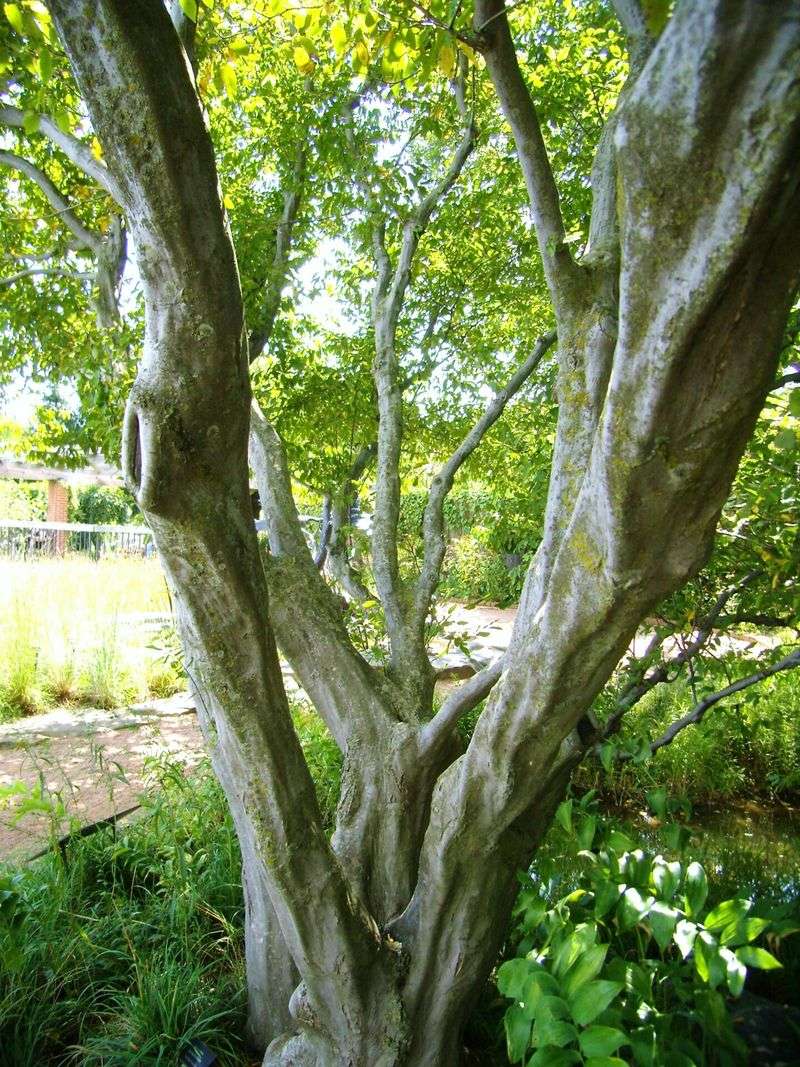
Run your hand along the trunk of an American Hornbeam and you will feel something unexpected.
The bark is smooth and rippled, almost like the surface of a flexed muscle, which is why this tree has earned the nickname ironwood in some parts of Pennsylvania. It is one of the most quietly fascinating native trees you can add to a shaded yard or garden.
American Hornbeam is a smaller understory tree, typically growing 20 to 30 feet tall. That modest size makes it perfect for spots beneath larger trees or along the shaded edges of a property where bigger trees simply would not thrive.
It naturally grows in the forest understory across Pennsylvania, so it is well adapted to low-light conditions that challenge most other species.
Planting it before April ends gives its root system time to establish during the cooler, moister weeks of spring. It prefers moist, well-drained soil and is a natural fit near streams or in woodland garden settings.
Once settled in, it is a very low-maintenance tree that asks for very little attention. Wildlife benefits are real and meaningful here. The small nutlets produced by American Hornbeam feed turkeys, grouse, and several songbird species common to Pennsylvania.
Its dense branching also provides excellent cover for nesting birds. For gardeners who want to create a layered, naturalistic Pennsylvania landscape, American Hornbeam is an understory gem that ties the whole picture together beautifully.