These Underrated Plants In Pennsylvania Do More Than You Think
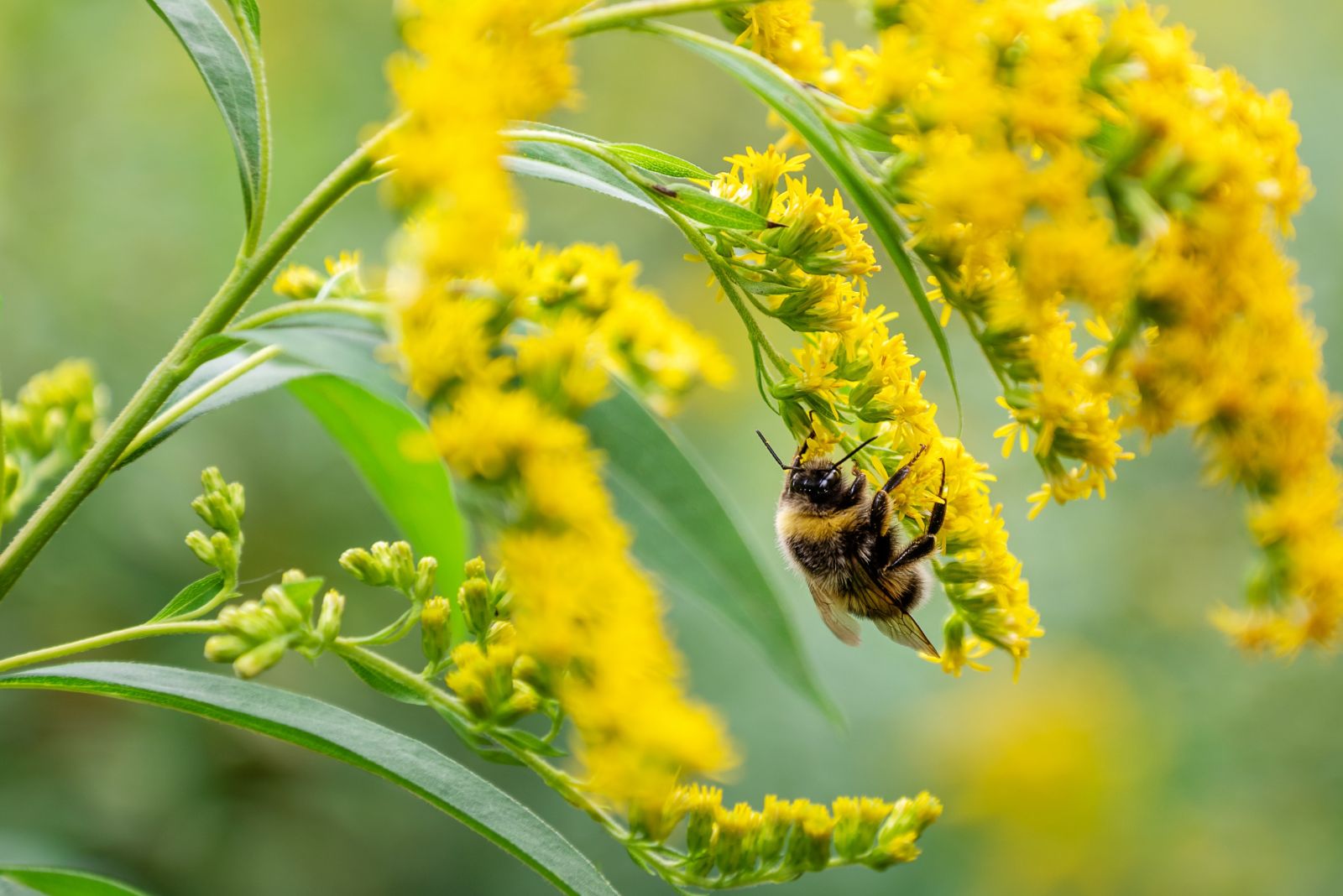
In a state as diverse as Pennsylvania, there’s no shortage of beautiful plants, but some go unnoticed despite their incredible benefits.
While many gardeners focus on the most popular blooms, they often overlook the unsung heroes of the garden – plants that do more than just look pretty.
These underrated plants work hard behind the scenes, offering everything from attracting beneficial pollinators to improving soil health. Some even help with pest control or provide habitat for wildlife.
What makes these plants even more impressive is how well they thrive in Pennsylvania’s climate, often with minimal care and little attention.
From native wildflowers to hearty ground covers, these plants are not only low-maintenance but also great for sustainability and biodiversity.
Whether you’re looking to add a touch of beauty or boost your garden’s overall health, incorporating these overlooked plants can make a big difference. They may not always steal the spotlight, but they’re essential to your garden’s success.
1. Spicebush
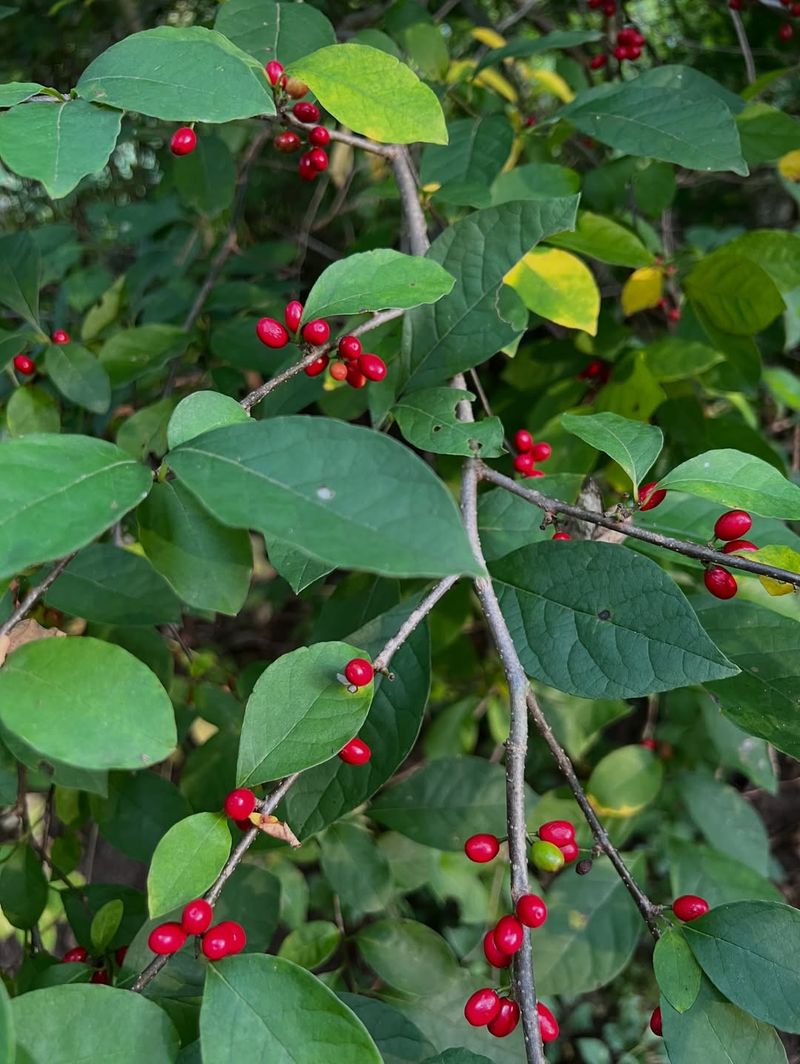
You might walk right past a spicebush and never notice it, but that would be a mistake. This native Pennsylvania shrub looks simple for most of the year, with small yellow flowers in early spring and plain green leaves through summer.
But looks can be deceiving, because spicebush is one of the hardest-working plants in any Pennsylvania landscape.
One of its biggest jobs is supporting wildlife. The bright red berries that appear in late summer and fall are a favorite food for migrating birds like thrushes, vireos, and veeries.
These birds depend on high-fat foods to fuel long migrations, and spicebush berries deliver exactly that.
Spicebush also serves as the only host plant for the spicebush swallowtail butterfly. Female butterflies lay their eggs on the leaves, and the caterpillars rely on the plant to grow.
Without spicebush in Pennsylvania, this beautiful butterfly would struggle to survive locally. That is a big deal for anyone who loves seeing butterflies in the garden.
Beyond wildlife support, the plant itself is wonderfully low-maintenance. It grows in shady spots where many other shrubs refuse to thrive, making it perfect for woodland edges or shaded backyards.
The leaves and twigs smell spicy when crushed, which is a fun detail that kids especially love. If you want one plant that quietly supports an entire food web in Pennsylvania, spicebush is the one to plant first.
2. Serviceberry
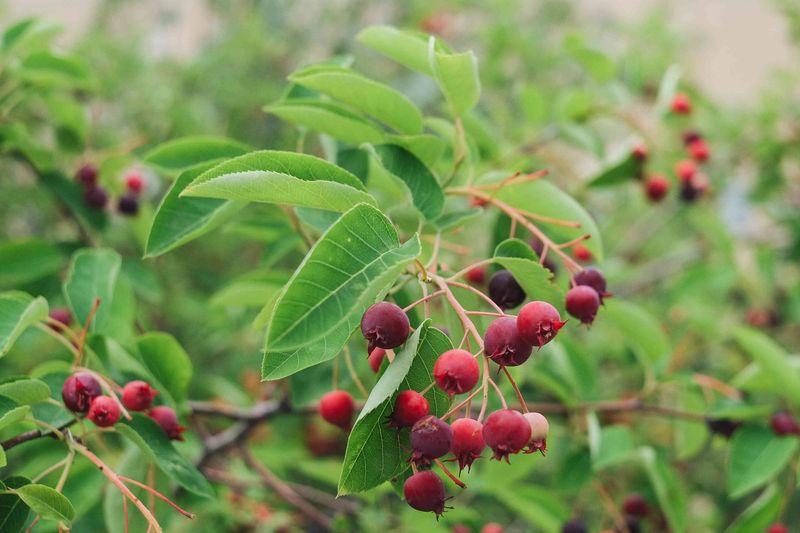
Most people know serviceberry for its beautiful white flowers that burst open in early spring, often before most other trees have even woken up. It is one of the first signs of spring across Pennsylvania, and that alone makes it worth planting.
But serviceberry does so much more than put on a pretty show for a week or two each year.
After the flowers fade, the plant produces small, round berries that ripen in June. These berries taste a lot like blueberries and are perfectly safe for people to eat.
More importantly, they are a critical food source for over 30 species of birds, including cedar waxwings, robins, and orioles. Birds tend to find the berries before most gardeners even notice they are ripe.
Your Pennsylvania Garden Changes Every Week. Your Plan Should Too.
Gardening in Pennsylvania changes quickly throughout the season. Every Friday you’ll receive a simple weekly plan showing exactly what to plant, prune, fertilize, harvest, and protect so you never miss the right timing.
The white flowers that appear in early spring are also a lifeline for native bees. Early-emerging bees need nectar and pollen right away, and serviceberry is one of the few plants blooming at that time.
Supporting these early pollinators helps the whole season get off to a healthy start. Serviceberry also offers gorgeous fall foliage in shades of orange and red, giving it four-season interest that many ornamental trees cannot match.
It grows in both full sun and partial shade, handles a variety of soil conditions, and stays at a manageable size for most Pennsylvania yards.
Planting a serviceberry is one of the best decisions a Pennsylvania gardener can make for both beauty and wildlife value.
3. Mountain Mint
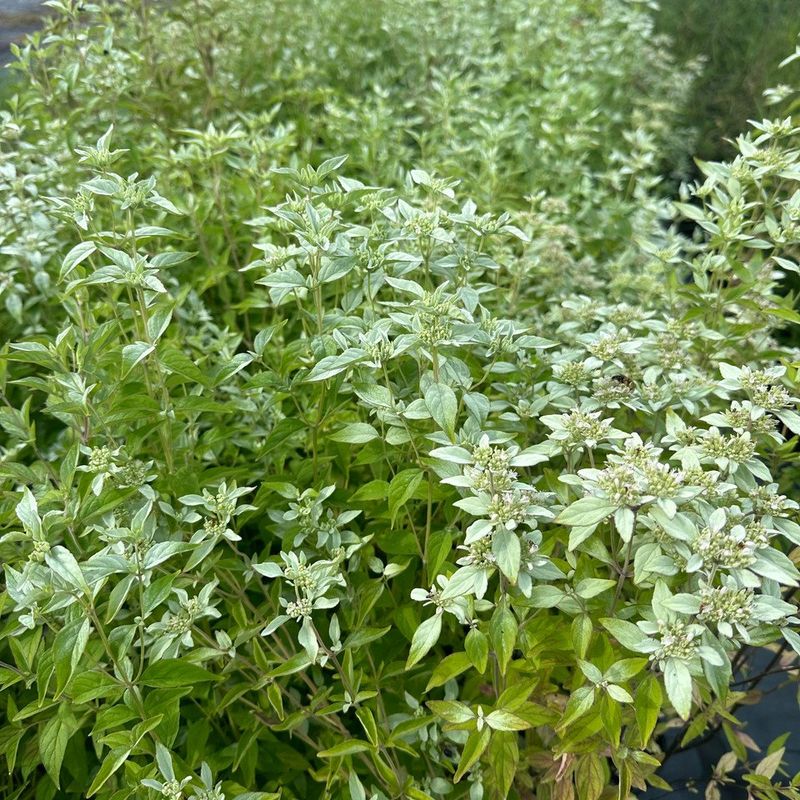
If there were a trophy for the most underappreciated plant in Pennsylvania gardens, mountain mint would be a top contender. It does not have flashy blooms or bold colors, but walk up to it on a warm summer day and you will find it absolutely buzzing with life.
Bees, wasps, beetles, butterflies, and flies all flock to mountain mint in numbers that will genuinely surprise you.
Mountain mint is a native perennial, which means it comes back every year without much help from you. It spreads steadily over time to form a thick patch, which is great news because more mountain mint means more pollinators.
Research has shown that it attracts a wider variety of native bee species than almost any other garden plant. That kind of biodiversity matters a lot for a healthy Pennsylvania ecosystem.
The plant grows in full sun and tolerates dry or average soils with ease. Once it is established, it basically takes care of itself.
Deer tend to avoid it, which is a practical bonus for gardeners in many parts of Pennsylvania where deer pressure is high.
The leaves smell strongly of mint when brushed or crushed, and some people use them to make herbal tea. Beyond that practical use, the plant simply earns its keep by doing more ecological work per square foot than almost anything else you could plant.
For a low-fuss, high-impact choice in a Pennsylvania garden, mountain mint is genuinely hard to beat.
4. Golden Alexanders
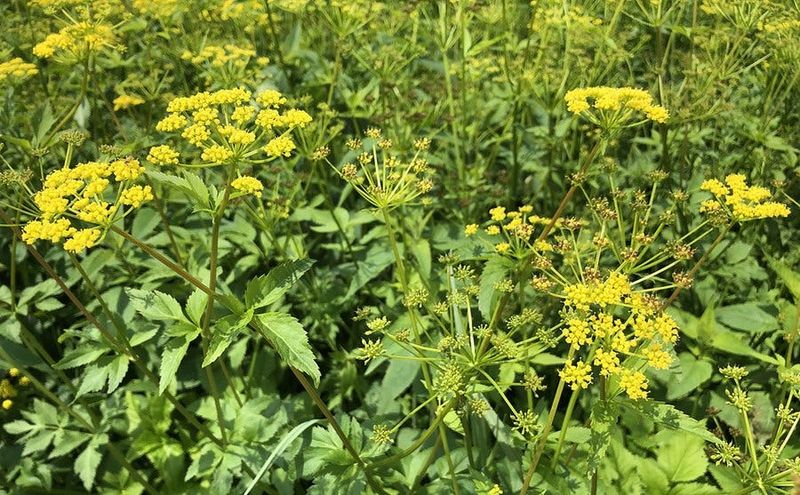
Golden Alexanders tends to get overlooked at the garden center, sitting quietly next to showier spring bloomers. But skip it and you miss out on one of the most ecologically valuable native perennials in all of Pennsylvania.
The cheerful yellow flower clusters light up the spring garden at a time when color is still scarce, and they do it reliably year after year.
What really sets Golden Alexanders apart is its role as a host plant for the black swallowtail butterfly. Female black swallowtails lay their eggs on the leaves, and the caterpillars feed on the plant as they grow.
Many prettier plants cannot offer that kind of direct support to butterfly life cycles, which makes Golden Alexanders quietly more important than it looks.
Beyond butterflies, the early yellow flowers attract a wide range of native bees and other pollinators that are hungry after a long Pennsylvania winter. Providing that early-season nectar and pollen source helps get the whole pollinator season started on the right foot.
Golden Alexanders grows well in both sun and partial shade, and it handles moist or average soils without complaint. It pairs beautifully with other native spring bloomers like wild blue phlox and Virginia bluebells in a Pennsylvania native plant garden.
The plant reaches about two to three feet tall and has an upright, tidy habit that works in both formal and naturalistic garden designs. Give it a spot and it will reward you with years of reliable beauty and serious ecological value.
5. Goldenrod
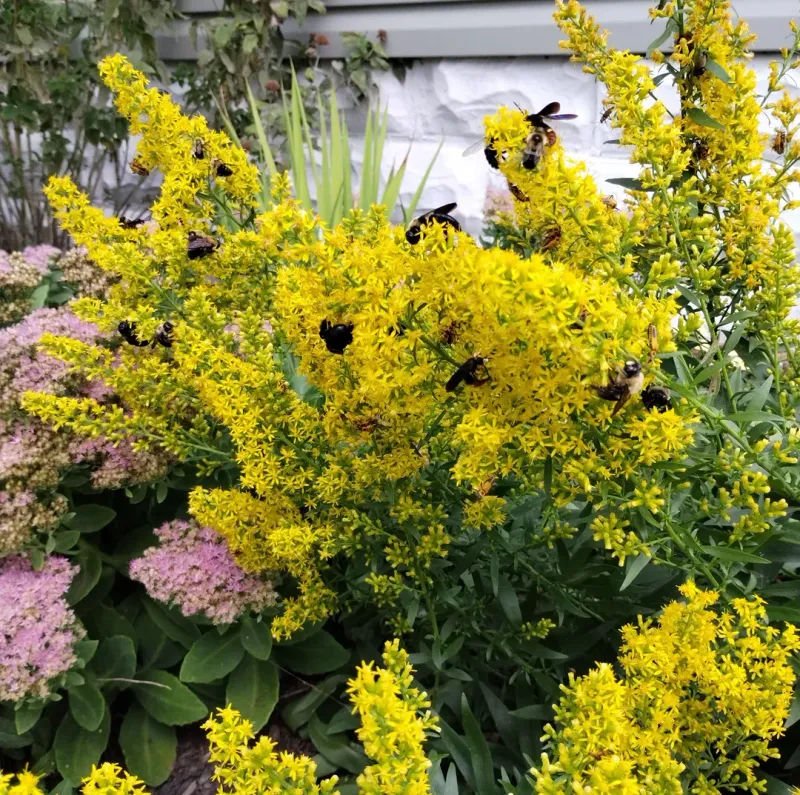
Goldenrod has had a bad reputation for a long time, and it really does not deserve it. Many people blame it for fall allergies, but that is actually a case of mistaken identity.
Ragweed, which blooms at the same time and has nearly invisible pollen, is the real culprit. Goldenrod pollen is heavy and sticky, carried by insects rather than the wind, so it is not what is making you sneeze.
Once you clear goldenrod of that false charge, you start to see how remarkable it really is. It is one of the most productive nectar and pollen plants in Pennsylvania, supporting bees, wasps, butterflies, moths, and beetles all at once.
Monarch butterflies rely heavily on goldenrod during their fall migration to build up fat reserves for the long journey to Mexico.
Many goldenrod species bloom from late summer all the way until the first hard frost. That late-season window is critical because most other flowering plants have already finished by then.
Goldenrod essentially keeps the lights on for pollinators when almost everything else has shut down for the year in Pennsylvania.
There are many native goldenrod species to choose from depending on your yard conditions. Some stay compact and tidy, while others spread into wide meadow drifts.
All of them support wildlife in meaningful ways. Letting goldenrod grow at the edge of your Pennsylvania property, or planting a well-behaved variety in a border, is one of the simplest and most rewarding things you can do for local wildlife.
6. Violets
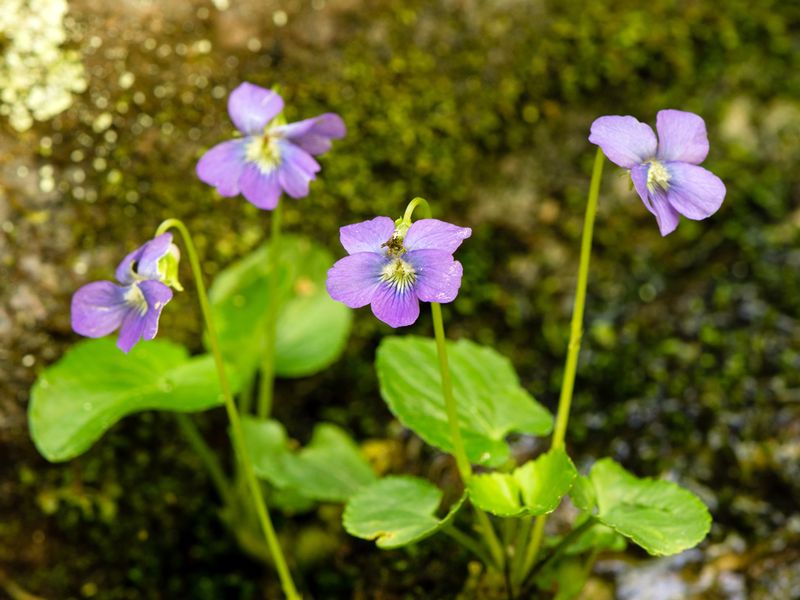
Plenty of Pennsylvania homeowners spend real time and money trying to get rid of violets from their lawns, not realizing they are removing one of the most valuable plants on their property.
Violets look simple, even a little scrappy when they pop up between grass blades, but they are doing something no amount of expensive landscaping can replicate.
Native violets are the sole host plant for all of Pennsylvania’s native fritillary butterflies. That means great spangled fritillaries, meadow fritillaries, and several other stunning butterfly species cannot complete their life cycles without violets.
Female fritillaries lay their eggs near violet plants in late summer, and the tiny caterpillars that hatch in fall feed on violet leaves the following spring. No violets means no fritillaries, plain and simple.
Beyond butterflies, violets also produce a second type of flower that never opens but self-pollinates underground. These hidden flowers produce seeds that ants love to collect and carry away, helping violets spread naturally across a yard or woodland floor.
That relationship between violets and ants is a fascinating example of how Pennsylvania’s native plants are woven into a web of connections most of us never notice.
Violets also bloom early in spring, providing nectar for queen bumblebees and other early pollinators right when they need it most.
Instead of treating them as lawn nuisances, consider letting a patch grow freely in a corner of your Pennsylvania yard. They ask for almost nothing and give back far more than most people ever expect.
7. Eastern Red Cedar
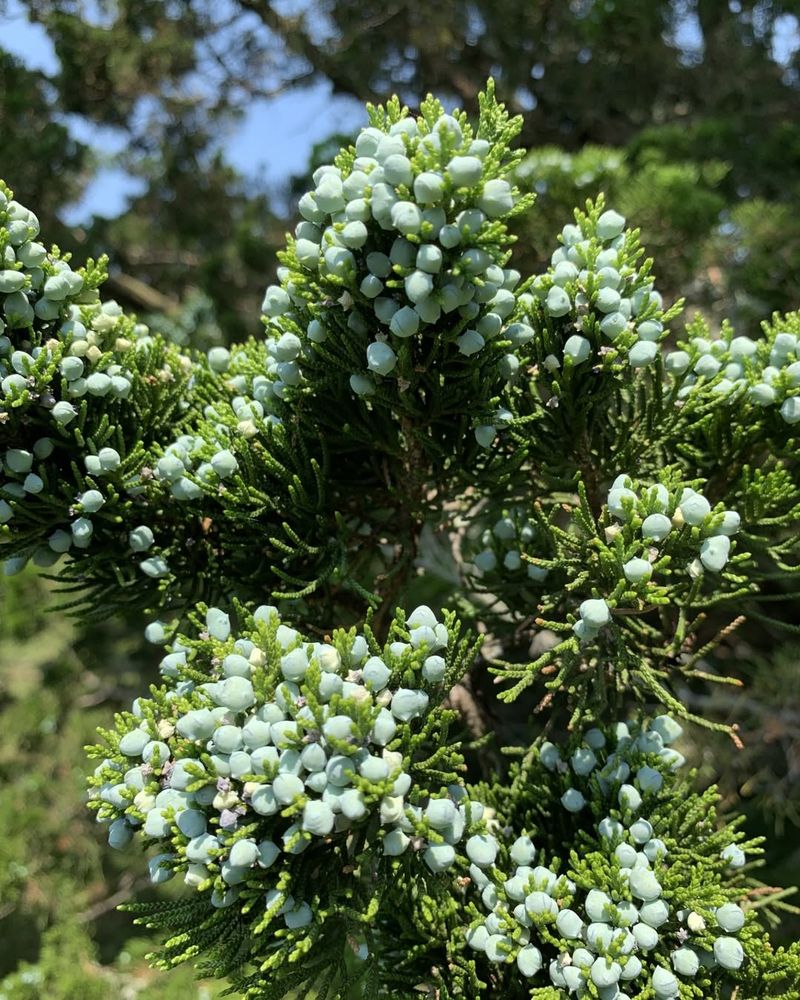
Eastern red cedar is the kind of tree that most people drive past a thousand times without ever thinking twice about it. It grows along roadsides, fence lines, and abandoned fields across Pennsylvania, looking tough and a little scrubby.
But that toughness is exactly what makes it so valuable, and the wildlife activity happening inside its branches is genuinely impressive.
The small, blue-gray berries that ripen in fall and persist through winter are a critical food source for dozens of bird species.
Cedar waxwings, American robins, hermit thrushes, yellow-rumped warblers, and dark-eyed juncos all depend on these berries during cold Pennsylvania winters when other food sources are scarce.
A single tree can support a huge amount of bird activity from November all the way through March.
The dense, evergreen foliage also provides essential winter shelter. Small birds roost inside the thick branches to escape harsh wind and cold overnight temperatures.
For many songbirds in Pennsylvania, a row of eastern red cedars along a field edge is essentially a survival resource during the most brutal weeks of winter.
Eastern red cedar is also one of the most drought-tolerant native trees in Pennsylvania. It grows in poor, rocky, or dry soils where other trees would struggle.
It needs almost no care once established, and it can live for hundreds of years. For wildlife gardens, windbreaks, or naturalized areas, eastern red cedar punches well above its weight. It is one of Pennsylvania’s most dependable and most underrated native trees.