Shade-Loving Flowers That Don’t Need Sunlight To Bloom In Pennsylvania
Shady spots in a Pennsylvania garden can feel like empty, especially when most flowering plants seem to want full sun to do anything impressive. The good news is that shade is not the obstacle it appears to be.
There is a whole group of flowers that not only tolerate low light conditions but actually prefer them, blooming reliably in spots that would scorch or stress a sun loving plant within days.
Pennsylvania’s landscape is full of mature trees, north facing walls, and densely covered corners that create exactly the kind of environment these flowers are built for.
Some of them bloom with a subtlety that rewards a closer look. Others bring surprising bursts of color that make a shaded bed just as visually interesting as anything in full sun.
If you have been writing off the darker parts of your yard as unworkable, these plants are about to change that thinking entirely.
1. Astilbe
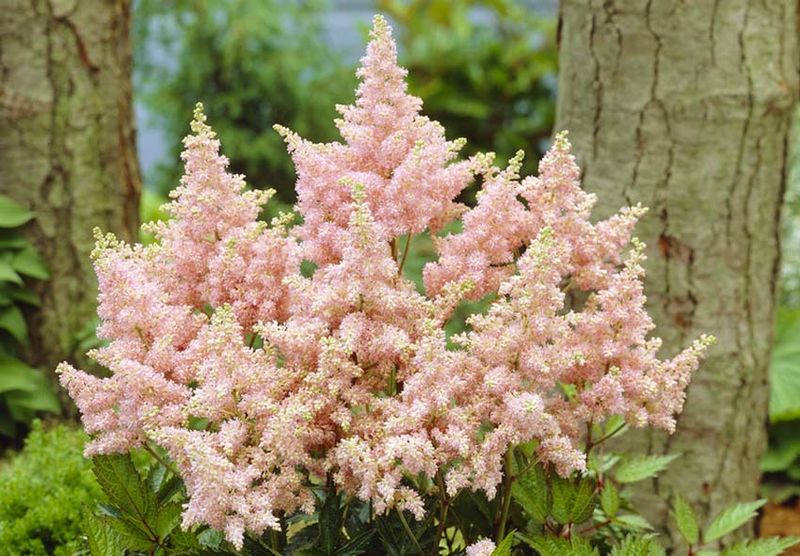
Few plants put on a show quite like astilbe. Those feathery, plume-like blooms rise up like little fireworks in shades of pink, red, white, and lavender, making even the shadiest garden corner look alive and vibrant.
Astilbe is one of the most popular shade plants in Pennsylvania, and for good reason. Astilbe loves moisture, so it does especially well near streams, ponds, or in low-lying areas where water tends to collect. It prefers rich, well-draining soil packed with organic matter.
Adding compost at planting time gives it a strong start and helps it come back bigger each year.
One of the best things about astilbe is that it is a perennial, meaning it returns every spring without you having to replant it.
The blooms typically appear from late spring through midsummer, depending on the variety. After flowering, the dried seed heads add texture and interest to the garden through fall.
Astilbe grows best in partial to full shade and can struggle in hot, dry spots. Keeping the soil consistently moist is the key to keeping it happy.
Dividing clumps every three to four years keeps plants healthy and encourages more blooms each season.
2. Foamflower
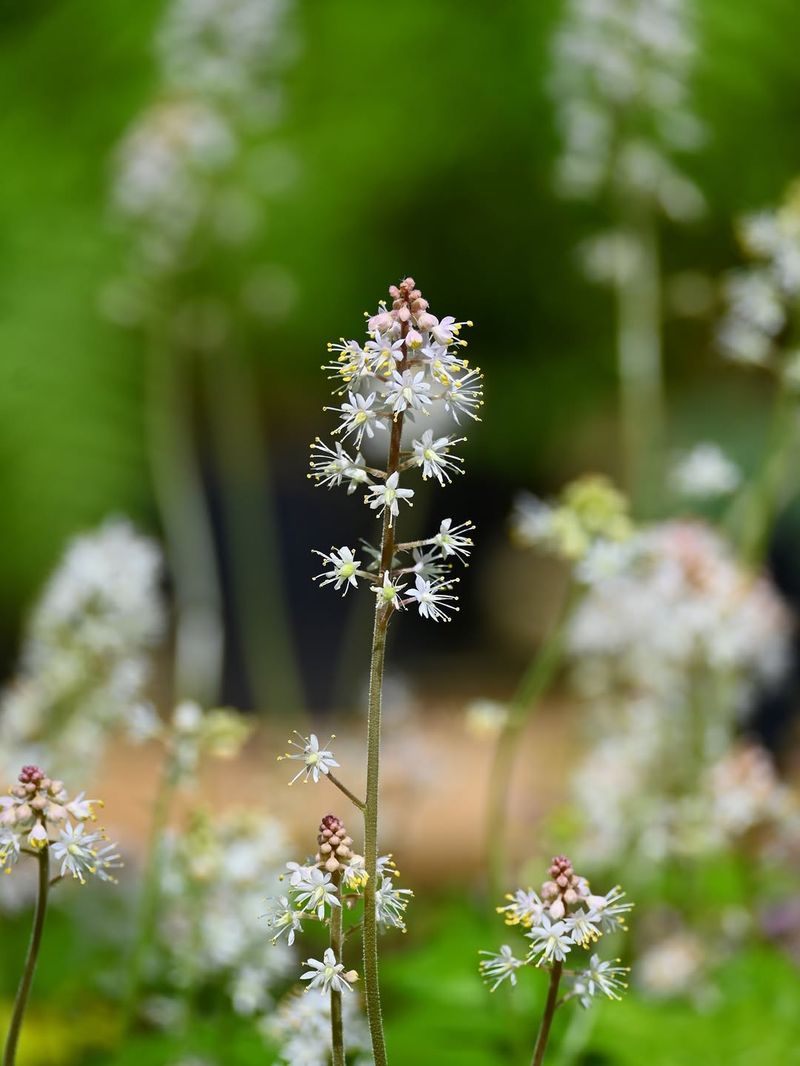
Walk through any Pennsylvania woodland in spring and you might spot a low-growing plant with tiny, star-shaped flowers rising above heart-shaped leaves. That is foamflower, a native gem that truly belongs in shady home gardens across the state.
Its blooms are small but absolutely charming, creating a soft, frothy effect that gave the plant its fun name.
Because foamflower is native to the eastern United States, it is perfectly adapted to Pennsylvania’s climate and soil conditions.
It spreads slowly by runners, gradually filling in bare shady spots without becoming too aggressive. This makes it a wonderful ground cover under trees or along shaded walkways.
Foamflower blooms in spring, typically between April and June, producing clusters of white or pale pink flowers on slender stems.
After blooming, the attractive foliage stays green throughout the growing season, and some varieties even show beautiful reddish or bronze markings on the leaves.
Your Pennsylvania Garden Changes Every Week. Your Plan Should Too.
Gardening in Pennsylvania changes quickly throughout the season. Every Friday you’ll receive a simple weekly plan showing exactly what to plant, prune, fertilize, harvest, and protect so you never miss the right timing.
Planting foamflower is straightforward. It prefers moist, slightly acidic soil rich in organic matter, which mirrors its natural woodland habitat.
Once established, it requires very little maintenance. Water it during dry spells, and it will reward you with reliable blooms every spring for years to come. This is truly a plant that earns its place in any shade garden.
3. Bleeding Heart
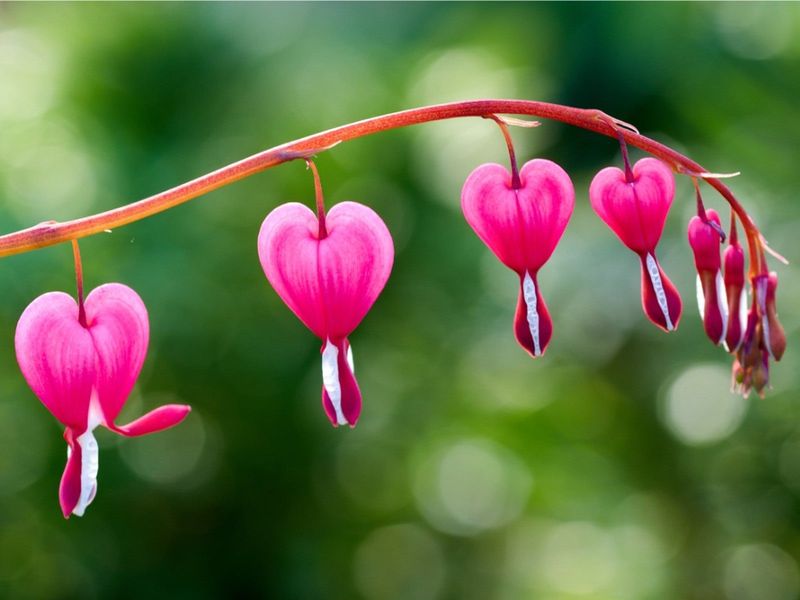
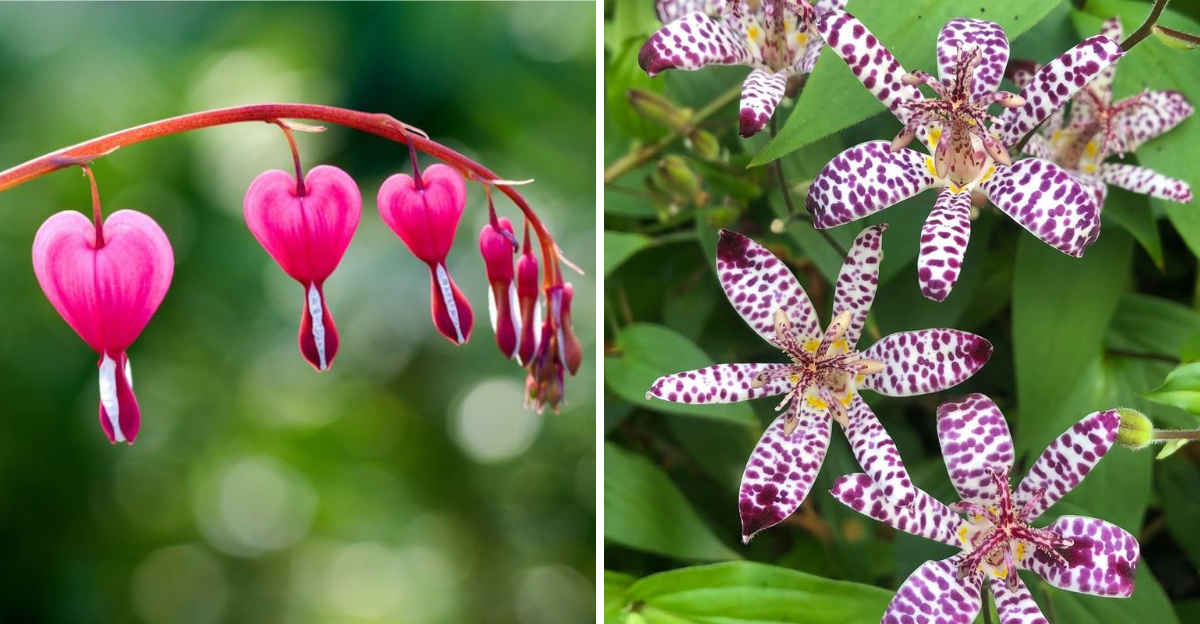
There is something almost magical about bleeding heart. The flowers hang in neat rows along arching stems, each one shaped like a perfect little heart with a tiny drop dangling below.
It is one of those plants that makes visitors stop and look twice, wondering how nature could create something so precise and beautiful.
Bleeding heart thrives in cool, shaded garden beds, making it an ideal choice for Pennsylvania’s spring gardens. It prefers partial to full shade and moist, well-drained soil.
Planting it near ferns or hostas creates a lush, layered look that feels like a woodland retreat right in your backyard.
Blooming from April through June, bleeding heart puts on its best show during the cooler months. As summer heats up, the foliage naturally fades and the plant goes dormant.
Planting summer-growing perennials nearby helps fill in those gaps and keeps your garden looking full all season.
Bleeding heart grows from fleshy roots called rhizomes, and it spreads slowly over time. Dividing it every few years in early spring keeps it vigorous and healthy.
It comes in classic pink, white, and even deep red varieties, so there is a color to suit almost any garden style. Once you grow it, you will want it in every shady spot you have.
4. Impatiens
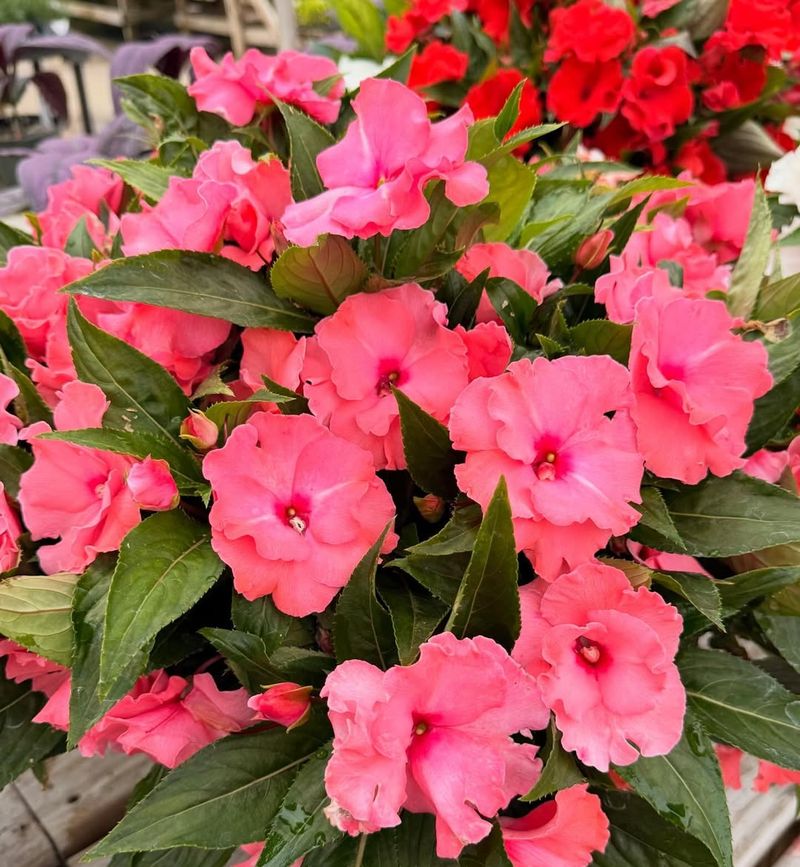
If you want nonstop color in a shady spot from late spring all the way through the first frost, impatiens are your answer. These cheerful little flowers bloom in a rainbow of shades including pink, red, orange, white, coral, and purple.
They are one of the most popular annual flowers sold in Pennsylvania garden centers every spring, and once you plant them, it is easy to see why.
Impatiens do best in partial to full shade. Too much direct sun can cause the leaves to wilt and the flowers to fade.
They love moist, well-drained soil and benefit from regular watering, especially during hot summer stretches. Mulching around the base helps hold moisture in and keeps the roots cool.
One of the greatest things about impatiens is how low-maintenance they are. They do not need deadheading because they drop their spent blooms on their own and keep producing new flowers without any help.
Feeding them with a balanced fertilizer every few weeks encourages even more blooms throughout the season.
Impatiens work beautifully in containers, hanging baskets, and traditional flower beds. They grow anywhere from six to eighteen inches tall, making them versatile for different garden designs.
If you want a reliable, colorful, and easy-to-grow flower for your shaded Pennsylvania garden, impatiens never let you down.
5. Wild Columbine
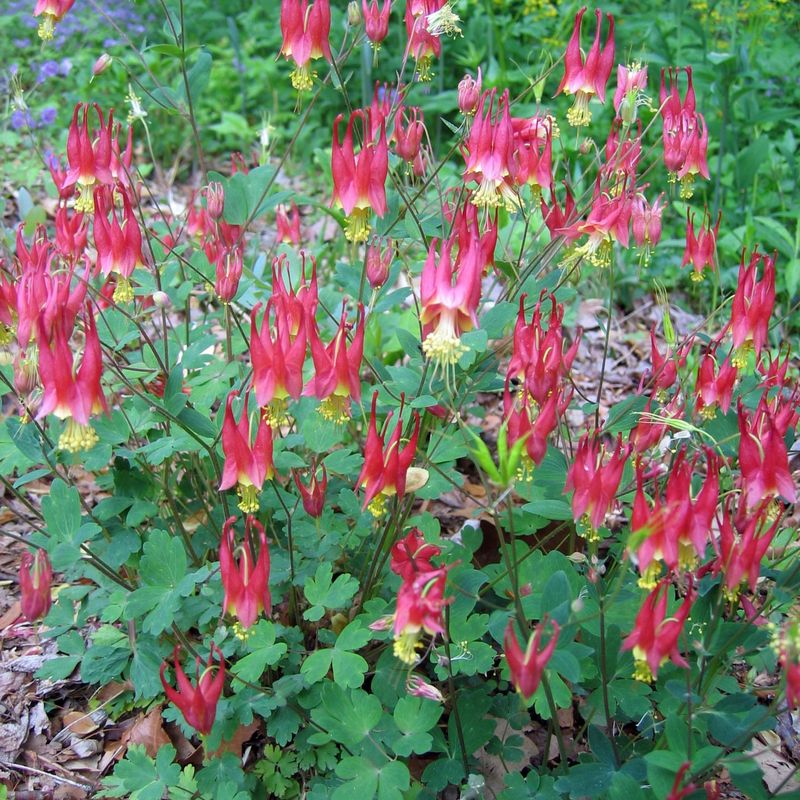
Wild columbine is one of those plants that feels like it belongs straight out of a fairy tale. The nodding red and yellow flowers dangle gracefully from slender stems, swaying in the breeze and catching the eye of every hummingbird in the neighborhood.
In Pennsylvania, this native wildflower is a spring staple in woodland gardens and naturalized areas.
Unlike many shade plants that need constant moisture, wild columbine is surprisingly tolerant of drier conditions once it gets established.
It grows naturally in rocky woodland slopes and forest edges, so it handles a range of soil types fairly well. Planting it in partial shade with good drainage gives it the best chance to thrive.
Blooming from April through June, wild columbine is one of the earliest nectar sources for ruby-throated hummingbirds returning to Pennsylvania each spring. Butterflies and long-tongued bees also visit the flowers regularly.
Letting the plant self-seed after blooming means you will have more plants popping up naturally in the following seasons.
Wild columbine typically reaches one to three feet tall and looks stunning when planted alongside ferns, bleeding heart, or foamflower. It is a short-lived perennial but self-seeds freely, so it tends to persist in the garden for many years.
Growing this native beauty is a great way to support local pollinators while adding real charm to your shady landscape.
6. Toad Lily
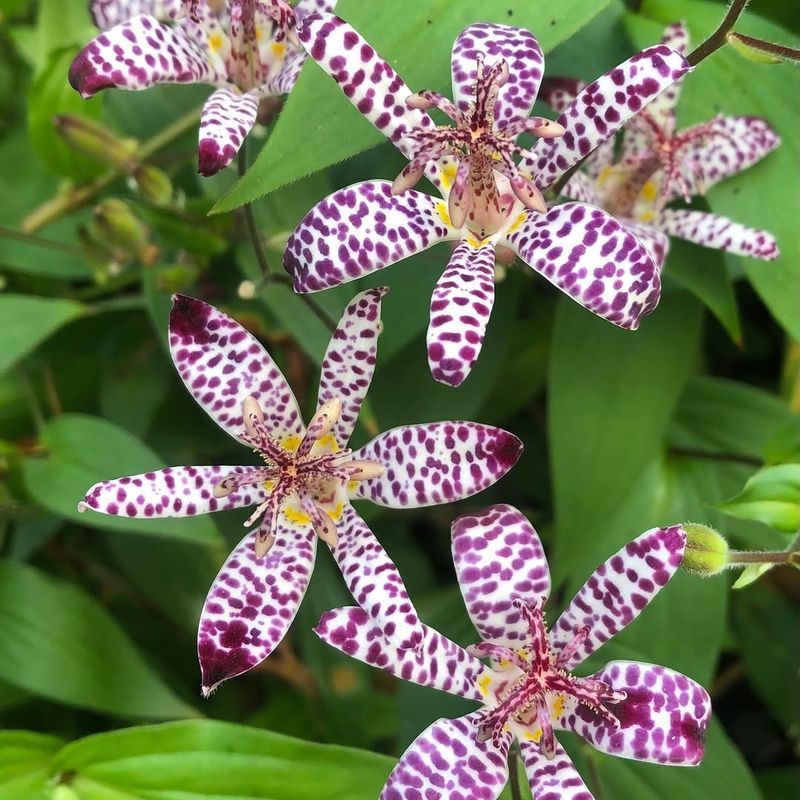
Most shade flowers do their thing in spring and early summer, but toad lily saves its performance for later in the season. Blooming from late summer through fall, it fills that gap when many other shade plants have already finished for the year.
The flowers are truly one of a kind, covered in purple or maroon spots on a white or pale lavender background, looking almost like tiny orchids.
Toad lily gets its unusual name from those spotted markings, which resemble the skin patterns of certain toads. Despite the quirky name, this plant is genuinely elegant.
It grows in upright or arching clumps that reach one to three feet tall, making it a great mid-border plant for shaded beds.
In Pennsylvania, toad lily does best in partial to full shade with consistently moist, humus-rich soil. It does not handle drought well, so regular watering during dry periods is important.
Mulching around the base helps retain soil moisture and protects the roots during cold winters.
Toad lily is a slow spreader, forming clumps that gradually get larger each year. Dividing established clumps every few years keeps them vigorous.
Because it blooms so late in the season, it pairs well with hostas and ferns that provide attractive foliage all summer long. Adding toad lily to your shade garden means you will have something beautiful to enjoy well into October.
7. Lungwort
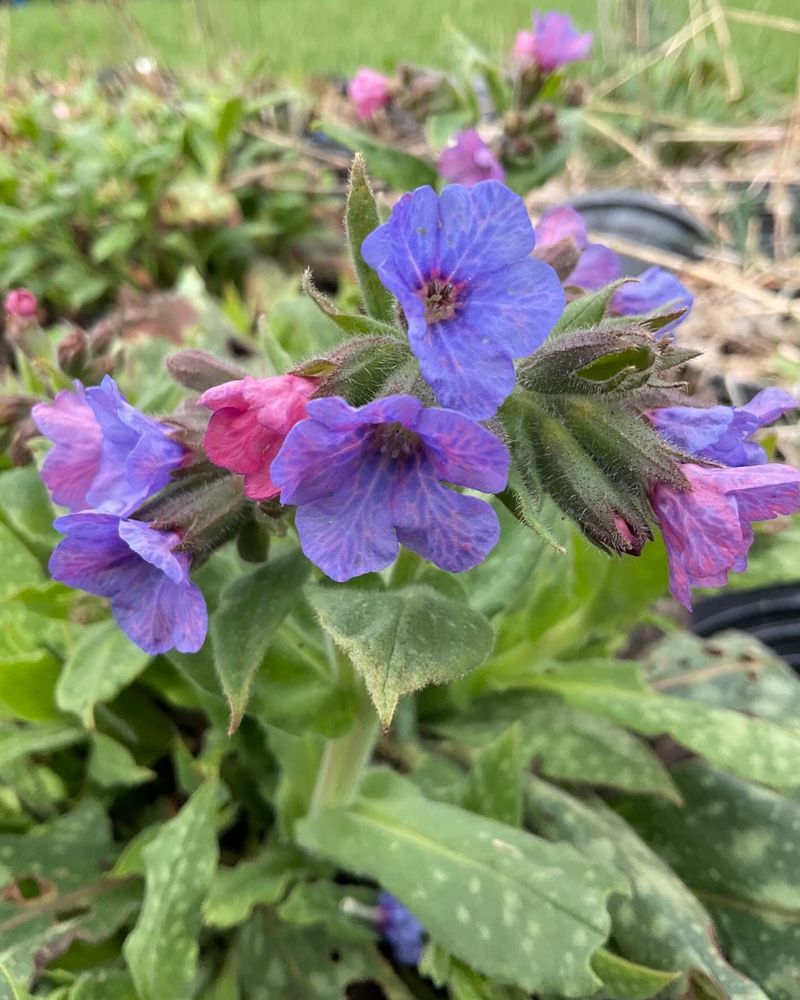
Lungwort might not have the catchiest name, but it is one of the most underrated shade plants you can grow in Pennsylvania.
It wakes up early in spring, often blooming while other plants are still sleeping, and its flowers shift from pink to blue as they age, giving one plant two colors at once. That alone makes it worth growing.
Beyond the flowers, the foliage is equally impressive. Lungwort leaves are spotted with silvery-white markings that stand out beautifully against the dark soil of a shaded bed.
Even after the blooms fade, the leaves continue to add visual interest throughout the growing season, making this plant a reliable workhorse in the garden.
Lungwort thrives in partial to full shade and prefers moist, well-drained soil with plenty of organic matter.
It is one of the toughest shade perennials around, tolerating deep shade better than many other flowering plants. Once established, it spreads steadily to form attractive ground-covering clumps.
Planting lungwort under deciduous trees is a great strategy in Pennsylvania. It takes advantage of the early spring light before the tree leaves fill in, allowing it to bloom fully before conditions get shadier.
Dividing clumps every few years keeps the plant healthy and prevents overcrowding. Lungwort is a true early-season reward for any shade gardener willing to give it a try.
8. Cardinal Flower
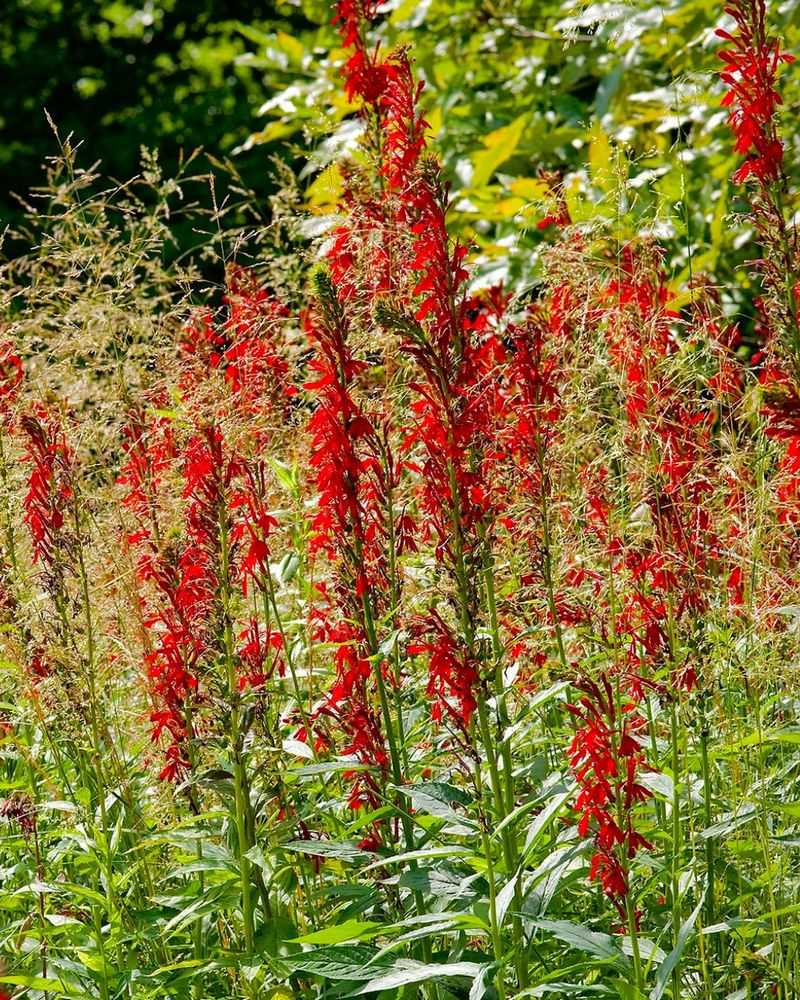
Bold, brilliant, and impossible to ignore, cardinal flower is one of the most striking native plants you can grow in Pennsylvania. The tall spikes of vivid scarlet red blooms rise up to four feet tall and seem almost too bright to be real.
Hummingbirds go absolutely wild for them, making this plant a must-have if you love watching wildlife in your garden.
Cardinal flower is native to Pennsylvania and naturally grows along stream banks, pond edges, and moist meadows. It handles partial shade very well, especially when planted near water or in consistently moist soil.
In fact, it performs better with some afternoon shade during the hottest part of summer, which helps the blooms last longer.
Blooming from July through September, cardinal flower fills the mid to late summer gap when many other shade plants have finished flowering.
It pairs beautifully with ferns, joe-pye weed, and blue lobelia for a naturalistic planting that supports pollinators throughout the season.
Cardinal flower is a short-lived perennial but self-seeds generously, so new plants typically appear each year to replace older ones. Leaving the seed heads in place after blooming helps ensure a steady supply of new seedlings.
Keeping the soil moist and mulching well in winter protects the roots from Pennsylvania’s cold temperatures. Growing this native beauty is one of the most rewarding things a shade gardener can do.