The The Arboretum at Flagstaff Deserves A Spot On Your Arizona Travel List
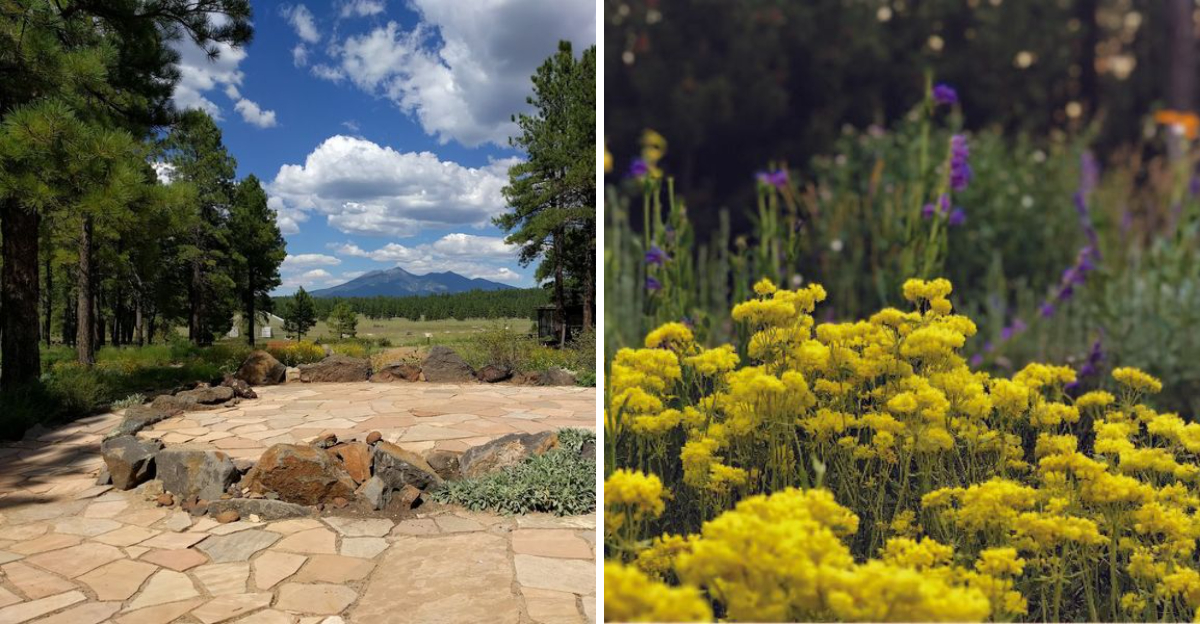
The Arboretum at Flagstaff is one of those Arizona places that can catch people off guard in the best way. A trip through Flagstaff already feels different from other parts of the state, but this spot adds something even more memorable to it.
It has a calm, inviting feel that makes people want to slow down, look around, and stay a little longer.
Some travel stops are all about checking a box and moving on. The Arboretum at Flagstaff does not feel like that.
It gives the trip a different rhythm and brings in a side of Arizona that not everyone expects to see. That is part of what makes it stand out so much.
For anyone planning time in northern Arizona, The Arboretum at Flagstaff feels like the kind of place that deserves real attention.
It is peaceful, interesting, and easy to remember once you have been there, which is exactly why it belongs on an Arizona travel list.
1. Native Wildflowers And Seasonal Blooms Spread Across The Grounds
Knowing exactly where to go makes any road trip smoother, and The Arboretum at Flagstaff is easy to find once you have the address locked in.
Located at 4001 S Woody Mountain Road, Flagstaff, AZ 86005, the arboretum is accessible from downtown Flagstaff in about 10 to 15 minutes by car.
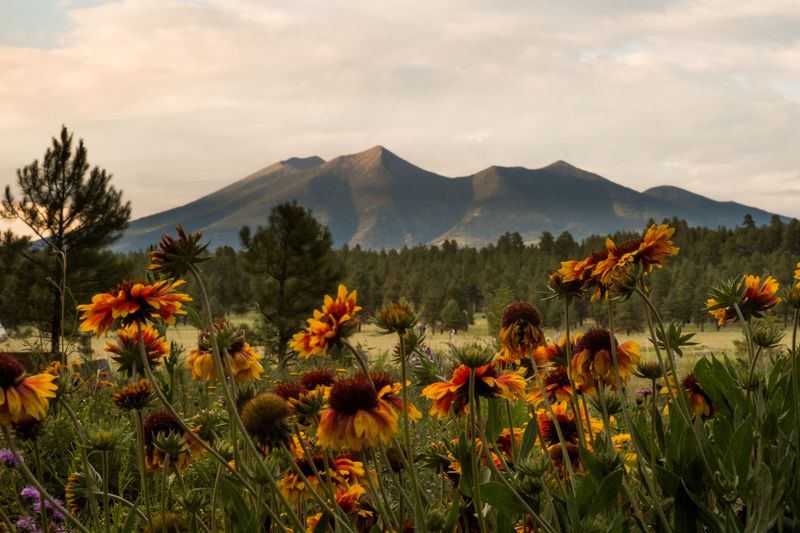
Walking through The Arboretum at Flagstaff during wildflower season feels like stepping into a living painting.
The grounds burst with color as native blooms open up across meadows and garden beds, creating a display that changes week by week throughout the warm months.
From golden yellow composites to delicate purple penstemons, there is always something new to spot along the trails.
What makes these wildflowers especially meaningful is that every single one belongs here naturally.
The arboretum focuses on plants native to the Colorado Plateau, so the flowers you see are the same ones that have grown across northern Arizona for thousands of years.
This connection to the land gives the whole experience a sense of authenticity that a typical flower garden simply cannot match.
Spring brings the earliest risers, while summer delivers the most dramatic bursts of color. Visitors who come in late July often catch the monsoon-season bloomers at their absolute finest.
Bringing a small notebook or a plant identification app can turn your walk into a fun learning adventure.
Families with kids will find that the wildflower areas spark genuine curiosity. Children love spotting butterflies and bees moving from bloom to bloom, making it a natural classroom without any effort.
The arboretum’s clear plant labels also help young visitors connect names to the flowers they see in real life. Photographers especially love the morning light across the wildflower meadows.
The soft golden glow just after opening time creates stunning shots that capture the true spirit of Arizona’s high-country plant life.
2. High Elevation Trees Like Aspen And Ponderosa Pine Stand Out
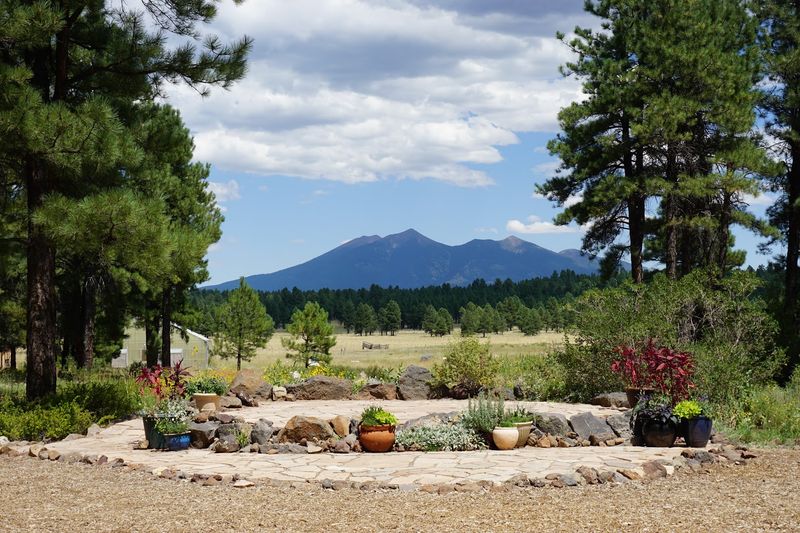
There is something undeniably majestic about standing beneath a ponderosa pine that has been growing for over a century. At The Arboretum at Flagstaff, these giants are everywhere, their cinnamon-colored bark giving off a faint vanilla scent on warm afternoons.
Your Arizona Garden Changes Every Week. Your Plan Should Too.
Gardening in Arizona changes quickly throughout the season. Every Friday you’ll receive a simple weekly plan showing exactly what to plant, prune, fertilize, harvest, and protect so you never miss the right timing.
For anyone who has only experienced Arizona as a desert landscape, the towering forests here come as a wonderful surprise.
Quaking aspens add a completely different kind of magic to the arboretum’s tree collection. Their round leaves tremble with the slightest breeze, creating a soft, whispering sound that feels almost musical.
In autumn, those same leaves turn brilliant gold, transforming the arboretum into one of the most scenic spots in all of northern Arizona.
The arboretum sits at 7,150 feet, which means the tree species here thrive in cool, high-altitude conditions unlike anything you would find in Phoenix or Tucson.
This elevation makes the plant life feel genuinely different, almost like visiting another part of the country entirely.
Gardening enthusiasts will appreciate how the arboretum demonstrates what plants are possible in high-desert mountain climates.
Walking beneath the forest canopy on the arboretum’s trails offers welcome shade on summer days. The temperature in Flagstaff can run 20 to 30 degrees cooler than Phoenix, making this a refreshing escape during Arizona’s hottest months.
Bring comfortable walking shoes and take your time moving between the tree groves.
For anyone interested in planting trees suited to higher elevations, the arboretum staff are knowledgeable and happy to share recommendations based on real growing conditions in the region.
3. Cactus And Desert Plants Are Displayed In Dedicated Garden Areas
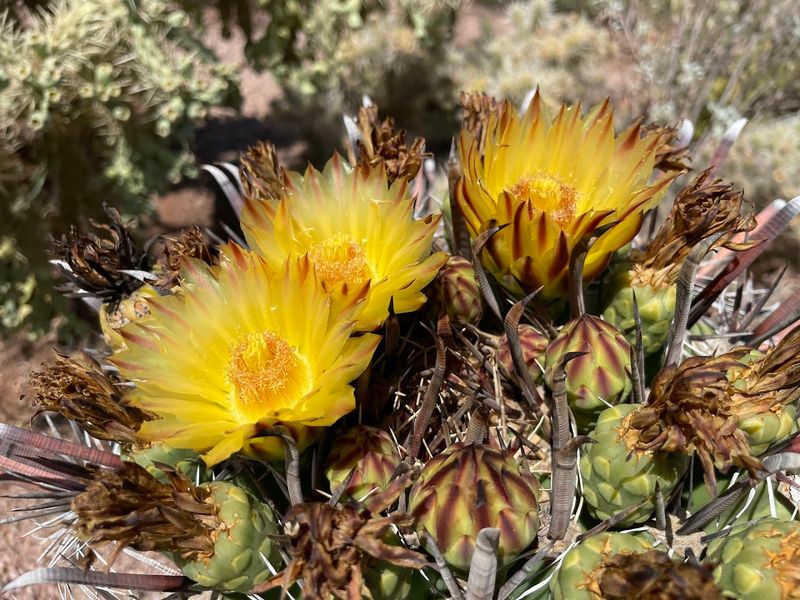
Most people expect cactus gardens in the scorching Sonoran Desert, so finding a beautifully curated collection of desert plants at 7,150 feet feels like a genuine surprise.
The Arboretum at Flagstaff features dedicated garden areas where cacti and other drought-tolerant desert plants are displayed with clear labels and thoughtful spacing.
It is a compact but impressive showcase of how diverse Arizona’s plant life truly is.
The collection includes species adapted to the Colorado Plateau’s unique conditions, which differ from classic low-desert environments. Some of these plants survive cold winters, intense summer sun, and limited rainfall all in the same year.
Seeing them thrive side by side with pine trees challenges everything you might assume about where cacti can grow.
For gardening enthusiasts, the desert plant section is practically a masterclass in water-wise landscaping.
Many of the species on display can be grown in home gardens across Arizona, and the arboretum’s labeling system makes it easy to note which plants might work in your own yard.
Staff members are often nearby and willing to chat about cultivation tips and watering schedules.
Kids tend to be fascinated by the spiny textures and unusual shapes of the cacti here. The arboretum encourages curiosity through its educational signage, which explains how each plant stores water and adapts to its environment.
It turns what could be a simple garden stroll into an interactive science lesson.
Visiting the desert plant area in late spring often rewards you with cactus blooms in vivid pink and yellow, adding a layer of color that most visitors do not expect to find this far north.
4. Mountain Meadow Plants Show A Different Side Of Arizona Landscapes
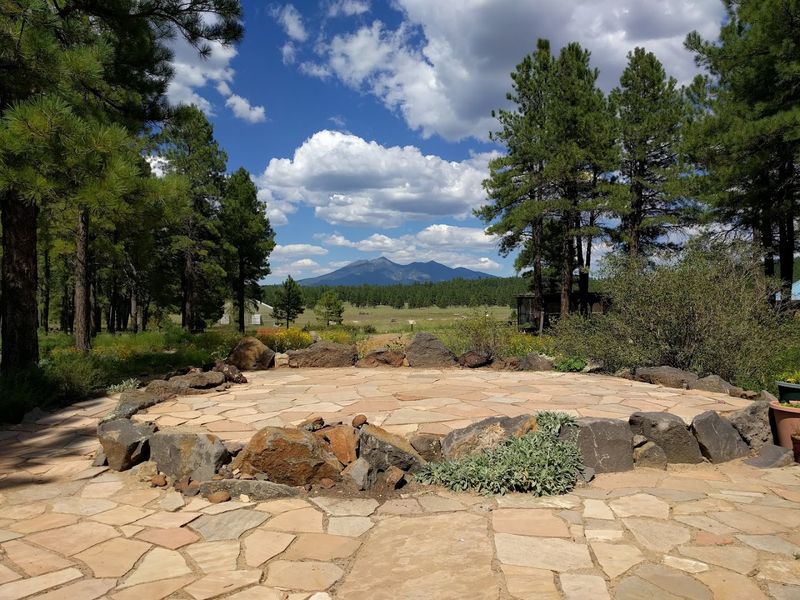
Arizona’s reputation as a land of sand and saguaros barely scratches the surface of what the state actually looks like at higher elevations. The mountain meadow plant sections at The Arboretum at Flagstaff offer a vivid reminder that Arizona contains multitudes.
Lush grasses, native sedges, and meadow wildflowers create a soft, rolling landscape that feels more like Colorado than the Sonoran Desert.
These meadow areas highlight plants that have adapted to the specific conditions of the Colorado Plateau, including cold winters, summer monsoons, and thin mountain soils.
Many visitors are genuinely surprised by how green and lush the arboretum looks during the monsoon season from July through September.
The rain transforms the meadow sections into vibrant, knee-high tapestries of texture and color.
For gardeners interested in low-maintenance native landscaping, mountain meadow plants offer incredible inspiration. Species like native bunchgrasses and mountain clover require far less water than traditional lawn grass while providing habitat for pollinators and birds.
The arboretum demonstrates these benefits in a real-world setting that makes the concept easy to visualize.
Photographers and nature lovers tend to linger longest in the meadow areas, especially in the early morning when dew still clings to the grasses. The open sky above the meadows also makes this section one of the best spots for birdwatching within the arboretum.
Raptors and songbirds are frequently spotted hunting or perching along the meadow edges.
Walking through this section with an open mind might just change how you think about what an Arizona landscape can look and feel like throughout the seasons.
5. Clear Plant Labels Let You See Exactly What Each Plant Is
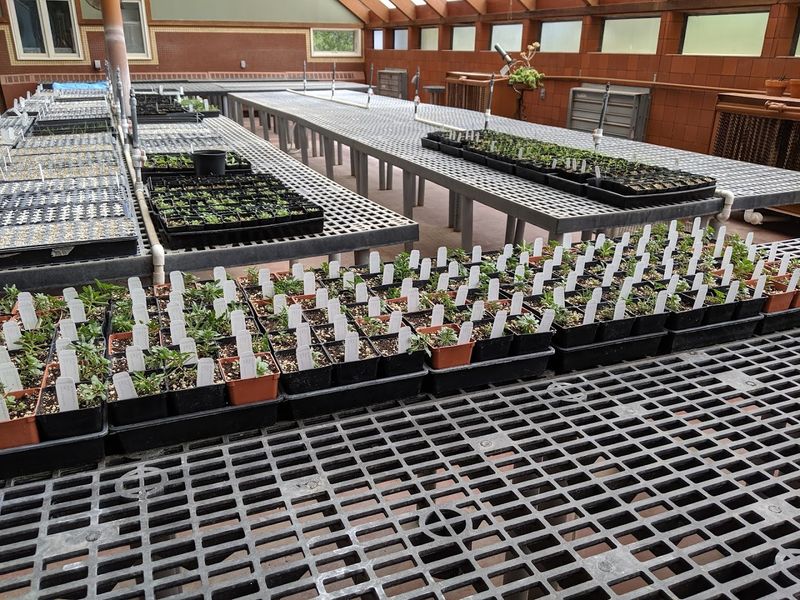
One of the small details that makes The Arboretum at Flagstaff stand out from a typical nature walk is the quality of its plant labeling system.
Almost every plant in the garden is identified with a clear, easy-to-read label showing both the common name and the scientific name.
For gardening enthusiasts, this is genuinely exciting because you can walk through the entire arboretum and come away knowing exactly what you saw.
The labels also often include brief notes about each plant’s native range, bloom time, and growing preferences. This extra layer of information turns a casual stroll into something closer to a self-guided educational tour.
You do not need to be a botanist to appreciate it, but if you are one, you will absolutely love the level of detail provided.
Families with school-age children find the labeling system especially helpful for keeping kids engaged. Asking a child to find a plant with a funny-sounding name or match a label to a flower they spotted earlier turns the visit into a low-key game.
It is the kind of organic learning experience that sticks with kids long after the trip is over.
For visitors who want to recreate some of what they see at home, the labels provide the exact plant names needed to research where to purchase native species locally.
Many of the plants displayed at the arboretum are available at Arizona native plant nurseries, making it easy to bring a little piece of Flagstaff back to your own garden.
Bringing a small notebook to jot down plant names is a habit that many repeat visitors swear by for getting the most out of each trip.
6. Views Open Into Coconino National Forest Surrounding The Arboretum
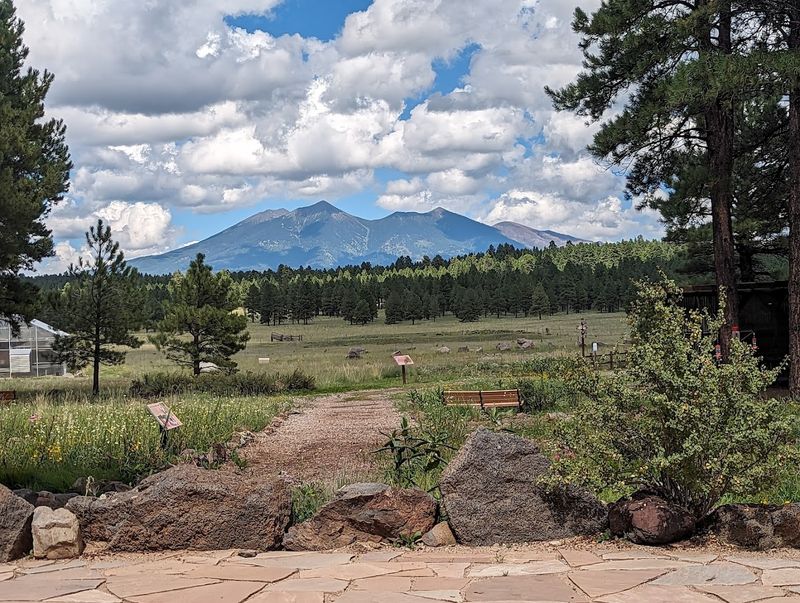
Standing at certain points within The Arboretum at Flagstaff, the boundary between garden and wilderness becomes beautifully blurred.
The arboretum sits directly within Coconino National Forest, and the views that open up beyond the cultivated gardens are breathtaking.
Unbroken stretches of ponderosa pine forest roll toward the horizon in every direction, reminding you just how wild and expansive northern Arizona truly is.
These forest views give the arboretum a feeling of being deeply embedded in nature rather than simply placed beside it.
On clear days, the San Francisco Peaks rise dramatically above the treeline to the north, offering one of the most iconic backdrops in all of Arizona.
The peaks are sacred to many Indigenous communities in the region, adding a layer of cultural significance to the landscape you are looking at.
Birdwatchers will want to spend extra time near the forest edge, where the arboretum’s cultivated areas meet the wild national forest.
This transition zone attracts an impressive variety of bird species, including Steller’s jays, red-tailed hawks, and various woodpeckers.
Binoculars are a worthwhile addition to your packing list for any visit here.
The forest views also change dramatically with the seasons. Autumn brings warm amber tones to the aspen groves, while winter dusts the pines with snow that lingers on branches in postcard-perfect fashion.
Even early spring visits reveal a quiet, restful beauty as the forest slowly wakes up after a cold Flagstaff winter.
Sitting on one of the arboretum’s benches and simply taking in the forest views is one of the most peaceful things you can do during an Arizona trip.
7. Changing Colors And Blooms Make Each Visit Look Different
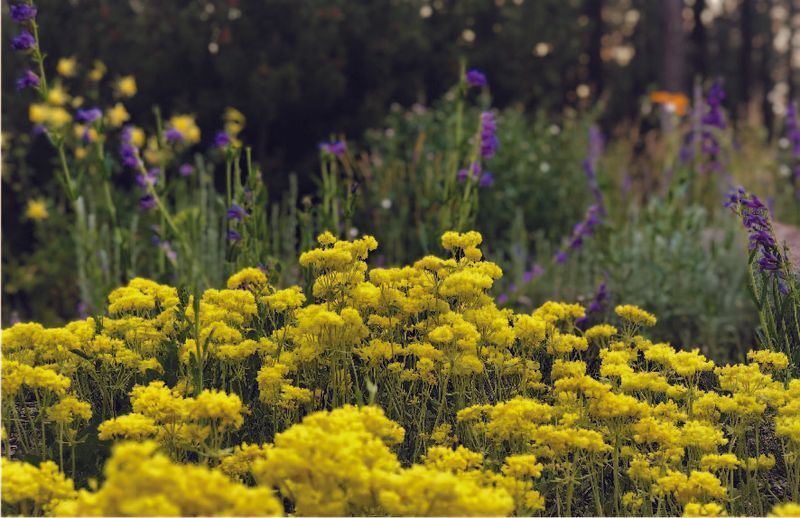
Here is a fun truth about The Arboretum at Flagstaff that keeps visitors coming back year after year: no two visits ever look exactly the same. The arboretum’s plant collection cycles through dramatic seasonal changes that transform the entire landscape from one month to the next.
What you see in May looks nothing like what greets you in August or October, and that variety is a huge part of the appeal.
Spring arrivals are treated to the first brave wildflowers pushing up through still-cool soil, along with the fresh green of new aspen leaves unfurling against bright blue skies.
Summer monsoon season floods the meadows and gardens with lush growth and vivid blooms that practically glow in the afternoon light.
Each season has its own distinct personality, and the arboretum wears every one of them beautifully.
Autumn is arguably the most visually spectacular time to visit. The aspen groves shift from green to brilliant gold almost overnight, and the contrast against the deep green of the pines creates one of the most stunning color combinations in nature.
Flagstaff’s fall foliage is genuinely world-class, and the arboretum puts you right in the middle of it.
Planning multiple visits throughout the season is something even locals recommend. Buying a membership to the arboretum makes this approach very affordable and also supports the conservation work happening on the grounds.
Each return visit feels rewarding because there is always something newly blooming or shifting color to discover.
For gardeners who love tracking seasonal plant changes, the arboretum functions almost like a living journal of the Colorado Plateau’s yearly rhythm.