8 Magnolia Trees That Fit Small Gardens In Georgia (And How To Plant Them)
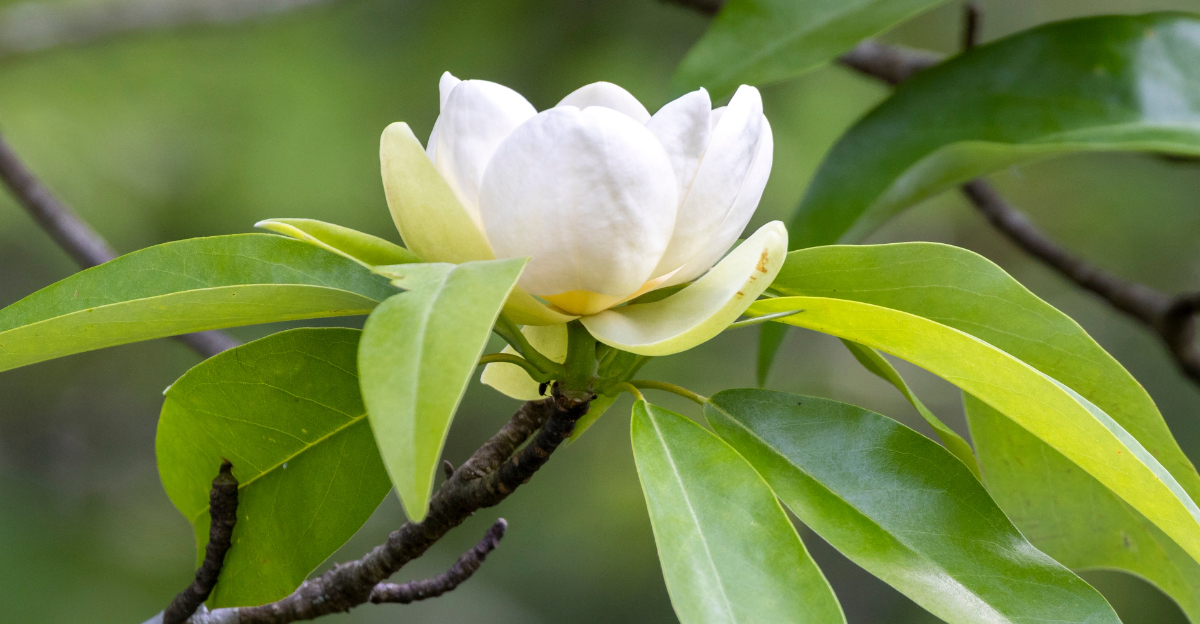
In Georgia, it does not take a huge yard to create something that feels full, layered, and memorable. Some of the most eye catching landscapes start with one smart choice that quietly changes everything around it.
A tree that fits just right can shape the entire look without taking over or feeling out of place.
Magnolias have always had that timeless appeal, but not every type works well in smaller gardens. Some grow wider than expected, others demand more space than most people plan for.
The good news is there are options that stay balanced, keep their shape, and still bring that classic Southern look people love.
The real difference comes down to knowing which ones actually fit and how they are planted from the start. A small detail early on can completely change how the tree grows, and how the whole yard comes together over time.
1. Little Gem Magnolia Stays Compact With Classic White Blooms
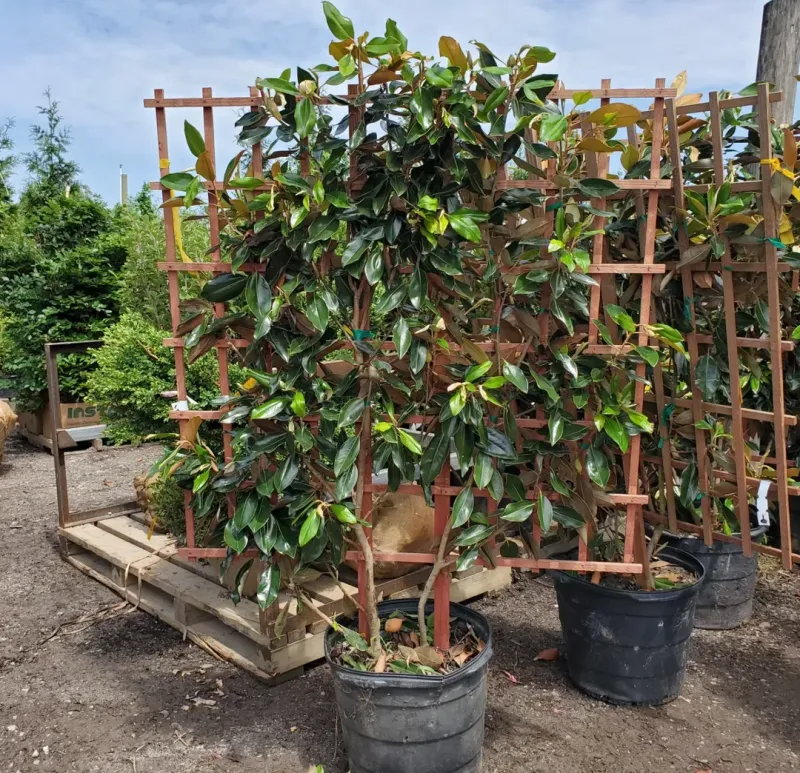
Forget everything you know about full-sized Southern magnolias taking over a yard. Little Gem is a completely different story.
Reaching around 15 to 20 feet at full size, it fits neatly against a fence line, beside a driveway, or in a narrow side yard without crowding everything around it.
In Georgia, this tree blooms from late spring all the way into fall, which is honestly one of the best things about it. Most magnolias give you a short bloom window and then go quiet.
Little Gem keeps producing those big, creamy white flowers over several months, so your yard stays interesting well past the spring rush.
Plant it in full sun for the heaviest blooming. Georgia clay soil is tough on a lot of trees, but mixing compost into the planting hole helps roots get established faster.
Dig a hole twice as wide as the root ball and no deeper than the root flare.
Water consistently during the first two summers, especially during dry stretches in July and August. Mulch around the base keeps moisture in and soil temperature steady.
Space it at least eight feet from any structure so the roots have room to spread without causing problems later on.
It also stays evergreen in Georgia, so you keep that rich green backdrop even in winter when other trees go bare. Over time, it becomes a reliable anchor in the yard that adds structure without taking over the entire space.
2. Teddy Bear Magnolia Keeps A Dense, Tidy Shape
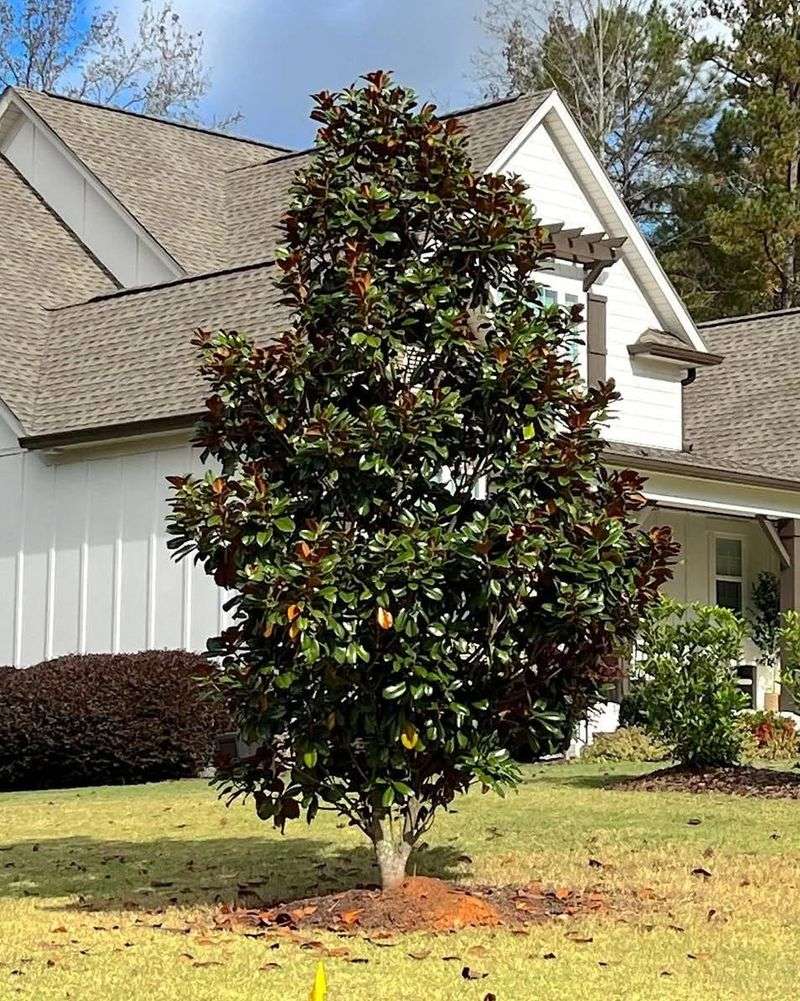
Teddy Bear might have a cute name, but its garden performance is seriously impressive. Bred as a dwarf form of the Southern magnolia, it tops out around 10 to 15 feet tall with a naturally rounded, dense shape that rarely needs pruning to look good.
What makes it stand out in Georgia landscapes is that tight canopy. Leaves overlap closely, giving the tree a full, almost sculpted look even in winter.
The undersides of the leaves are a rich coppery brown, which adds a subtle two-tone effect when a breeze moves through the branches.
Plant Teddy Bear in a spot that gets at least six hours of direct sun daily. Georgia summers are intense, so afternoon shade in the hottest months can reduce leaf scorch, especially in south Georgia where temperatures push past 95 degrees regularly.
Your Georgia Garden Changes Every Week. Your Plan Should Too.
Gardening in Georgia changes quickly throughout the season. Every Friday you’ll receive a simple weekly plan showing exactly what to plant, prune, fertilize, harvest, and protect so you never miss the right timing.
Amend the planting site with organic matter if you are working with heavy clay. Raised beds also work well for this variety in areas with poor drainage.
Water deeply once a week through the first growing season rather than giving it shallow daily watering.
That encourages roots to push downward instead of staying near the surface, which makes the tree far more stable and resilient during Georgia’s occasional dry spells.
3. Kay Parris Magnolia Has Glossy Leaves And A Manageable Size
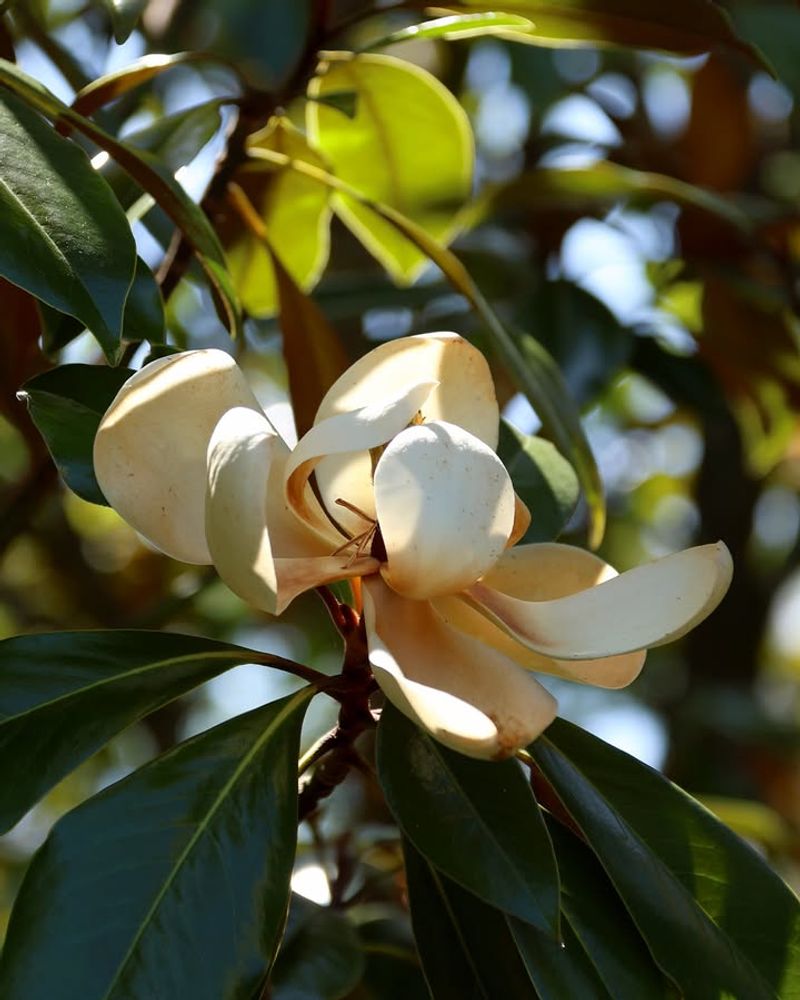
Kay Parris turns heads for a very specific reason: those leaves. They are among the glossiest of any magnolia variety, catching sunlight in a way that makes the tree look almost polished.
Even without flowers, it earns its place in a small Georgia garden just based on year-round foliage appeal.
Size-wise, Kay Parris typically reaches 20 feet tall but stays narrow, usually no wider than eight to ten feet. That upright, columnar habit makes it a solid choice for tight spots where a spreading tree would cause problems.
It works well planted near corners of a home, along a walkway, or as a vertical accent in a mixed border.
Bloom time runs from late spring through summer, similar to Little Gem but with slightly smaller flowers. Fragrance is strong and sweet, which is a bonus if you plant it near a patio or sitting area.
Georgia humidity actually helps carry that scent further on warm evenings.
Soil prep matters here. Kay Parris prefers slightly acidic, well-drained soil, which is fairly easy to achieve in Georgia with a bit of sulfur or acidic compost mixed in.
Check your soil pH before planting if you can. A reading between 5.5 and 6.5 puts this tree in its happy place and keeps the foliage from going yellow mid-season.
4. Ann Magnolia Blooms Later And Avoids Late Frost
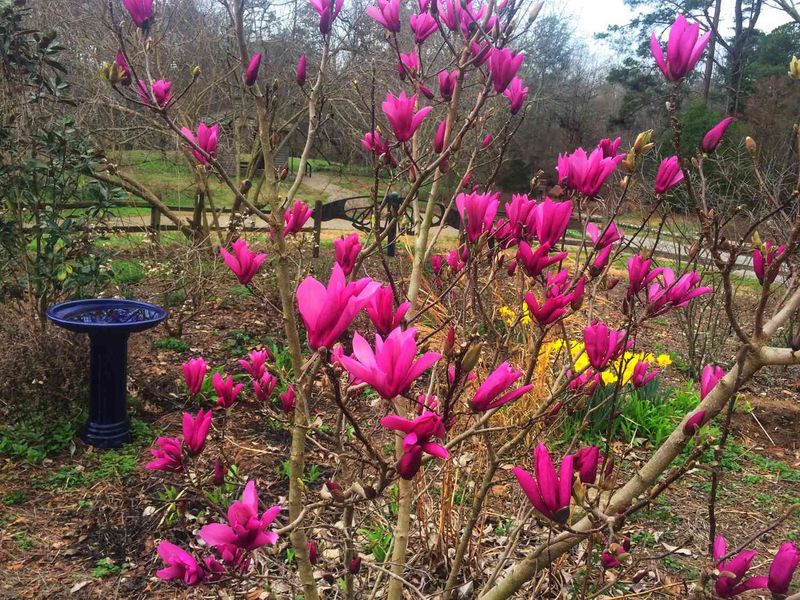
Late frosts in north Georgia have ruined many a magnolia bloom over the years. Ann was specifically bred to sidestep that problem.
Part of the Little Girl hybrid series developed by the U.S. National Arboretum, Ann delays flowering just long enough to dodge most frost events that catch other magnolias off guard.
Flowers are deep reddish-purple, almost wine-colored, and shaped like narrow tulips. They open in mid to late spring rather than early spring, which is a meaningful difference in Georgia’s unpredictable shoulder seasons.
You get reliable color year after year without the heartbreak of watching frost-burned blooms turn brown overnight.
Ann stays small, usually eight to ten feet tall with a similar spread. That shrub-like scale works beautifully in foundation plantings or as a specimen tree in a small front yard.
It is deciduous, so expect bare branches in winter, but the summer foliage is clean and attractive.
Plant Ann in a spot with morning sun and some afternoon shade if you are in central or south Georgia. Full sun is fine in the northern parts of the state.
Consistent moisture during the first growing season is key. Avoid planting in low spots where water pools after rain, since soggy roots weaken the tree quickly.
A two-inch layer of pine straw mulch helps regulate soil moisture without suffocating the root zone.
5. Jane Magnolia Produces Large Flowers On A Smaller Tree
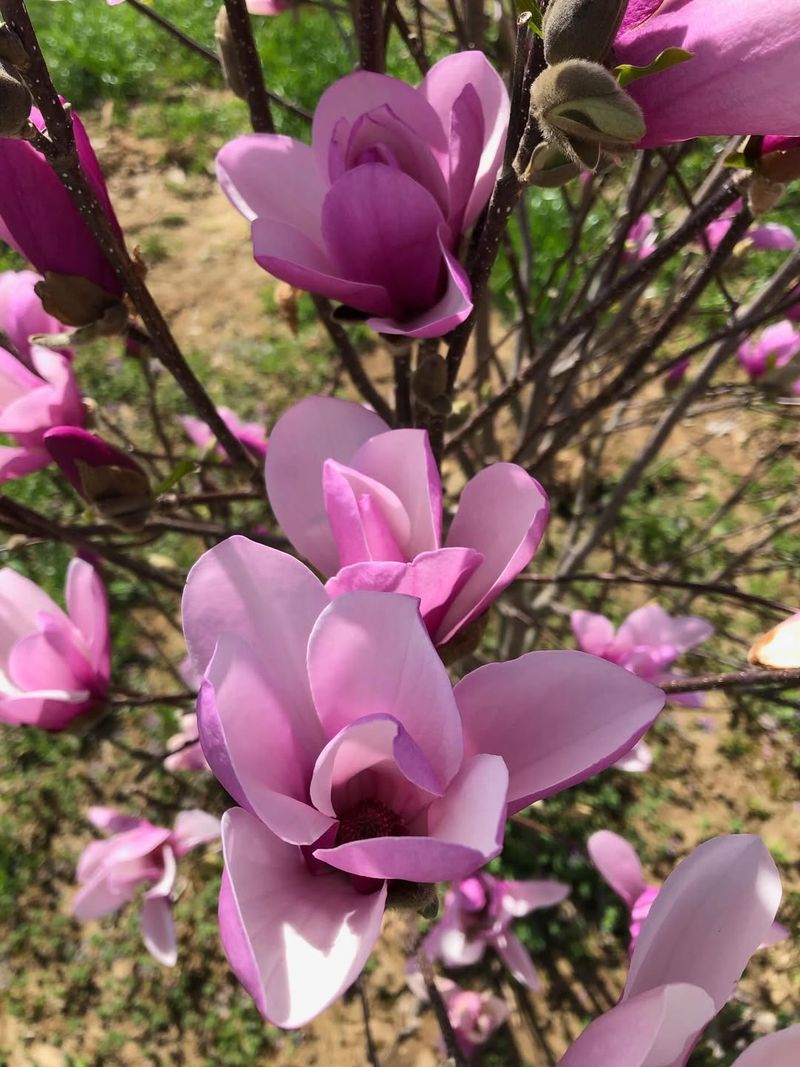
Jane magnolia pulls off something that sounds impossible: enormous, goblet-shaped flowers on a tree that barely clears 15 feet. Those blooms can stretch four to five inches across in shades of pinkish-purple with a lighter interior.
Planted in a small Georgia yard, Jane becomes the undeniable focal point every spring.
Another advantage is bloom timing. Jane flowers a bit later than some of the early-spring magnolias, which reduces the risk of cold damage in the Georgia piedmont and mountain regions.
North Georgia gardeners especially appreciate varieties that do not rush into bloom only to get hit by a surprise April frost.
Growth habit is upright and slightly spreading, usually reaching 10 to 15 feet tall. Give it room to breathe on all sides rather than crowding it against a wall or fence.
Air circulation around the canopy helps prevent fungal issues, which can be a real problem during Georgia’s wet spring months.
Soil preparation is straightforward. Dig wide, add compost, and make sure drainage is adequate.
Jane does not tolerate waterlogged conditions, so raised planting on a slight berm works well in areas with compacted clay. Water regularly through the first two seasons, then pull back to watering only during dry periods.
Fertilize lightly in early spring with a slow-release, acidic fertilizer to support strong growth and generous flowering.
6. Star Magnolia Brings Early Blooms Without Taking Over
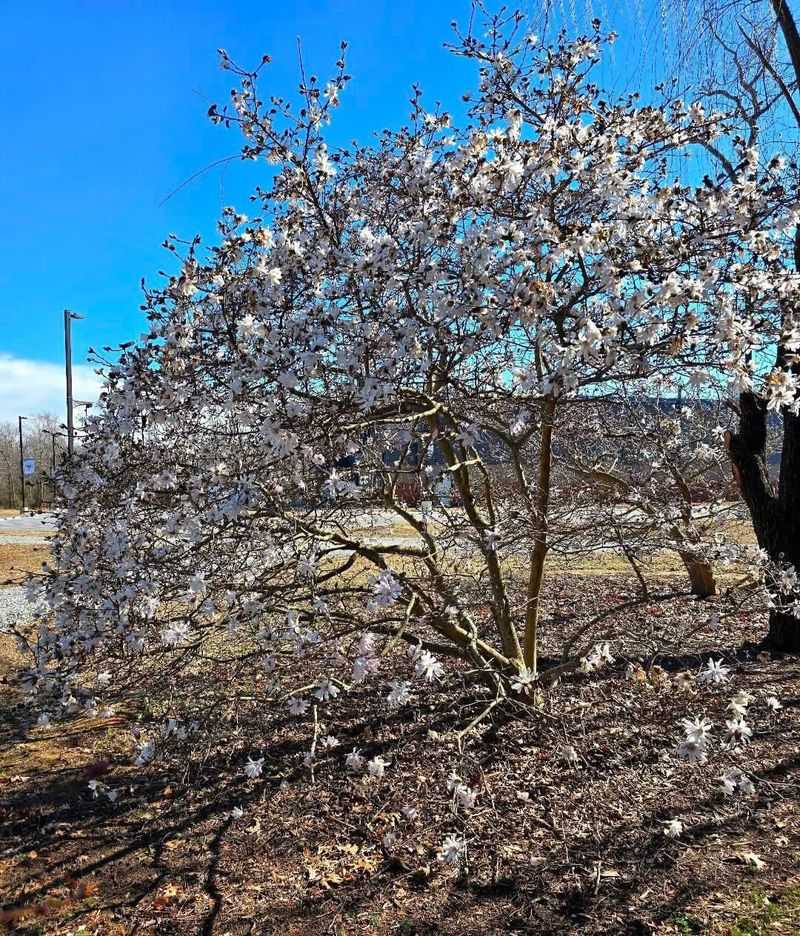
Star magnolia is the first one to bloom each year, sometimes as early as late February in central and south Georgia. Those star-shaped white flowers, with their many narrow petals, cover the bare branches before a single leaf appears.
It is one of the most dramatic early-spring sights a small garden can offer.
Size is one of its biggest selling points. Star magnolia rarely exceeds 15 to 20 feet, and it grows slowly, which means it stays manageable for years without aggressive pruning.
Wide-spreading rather than tall, it works well as a standalone specimen in a small lawn or planted at a corner where you want a soft, rounded silhouette.
One honest downside in Georgia is that early bloom window. Flowers open so early that a late cold snap can brown the petals before you fully enjoy them.
Planting in a spot with northern exposure or under the partial shade of taller trees can delay bloom by a week or two, giving the flowers a better chance to survive cold snaps.
Root establishment is not complicated. Plant in fall if possible, which gives roots several months to settle before summer heat arrives.
Slightly acidic, well-drained soil suits Star magnolia well. Mulch generously around the base each fall to protect shallow roots from temperature swings.
Skip heavy fertilizing the first year and let the tree focus on rooting before pushing new top growth.
7. Sweetbay Magnolia Handles Moist Soil And Stays Light
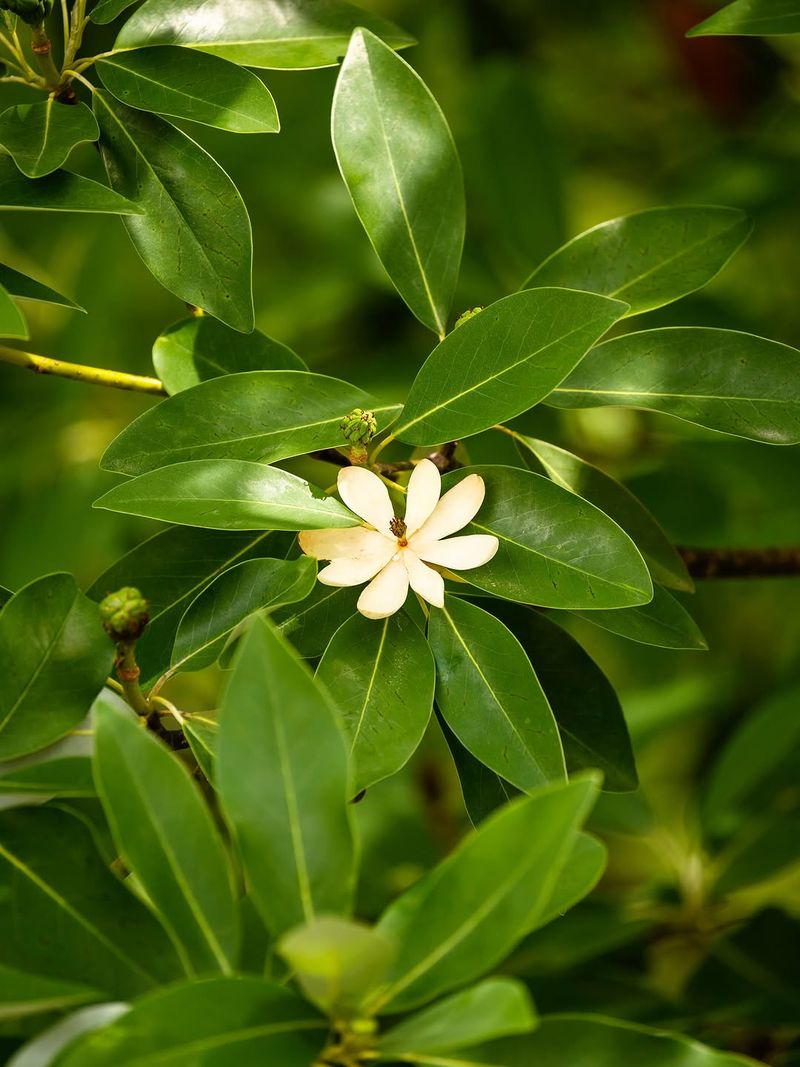
Got a wet corner of the yard that drowns everything you plant there? Sweetbay magnolia is one of the few ornamental trees that actually handles those conditions without complaint.
Naturally found along stream banks and low-lying areas throughout Georgia, it is built for moisture in a way that most magnolias simply are not.
Height varies depending on how much water it gets, typically landing between 10 and 20 feet in garden settings. In Georgia, it behaves as a semi-evergreen, holding most of its leaves through mild winters and dropping them only during colder stretches in the northern counties.
The leaf undersides are a silvery white, which flickers attractively in a breeze.
Flowers are creamy white with a fresh, lemony fragrance that carries surprisingly well. Bloom time starts in late spring and continues sporadically through summer.
Planting near a patio, outdoor seating area, or open window lets you take full advantage of that scent on warm Georgia evenings.
Planting is straightforward in moist sites. Dig the hole, set the tree at the correct depth, and backfill without amending heavily since Sweetbay already prefers the native soil conditions common in Georgia lowlands.
In average garden soil, water more frequently during dry spells. Avoid planting on slopes or raised berms where water drains away quickly.
Mulch helps retain moisture and keeps the shallow root system cool through the summer.
8. Baby Grand Magnolia Fits Small Spaces With An Upright Form
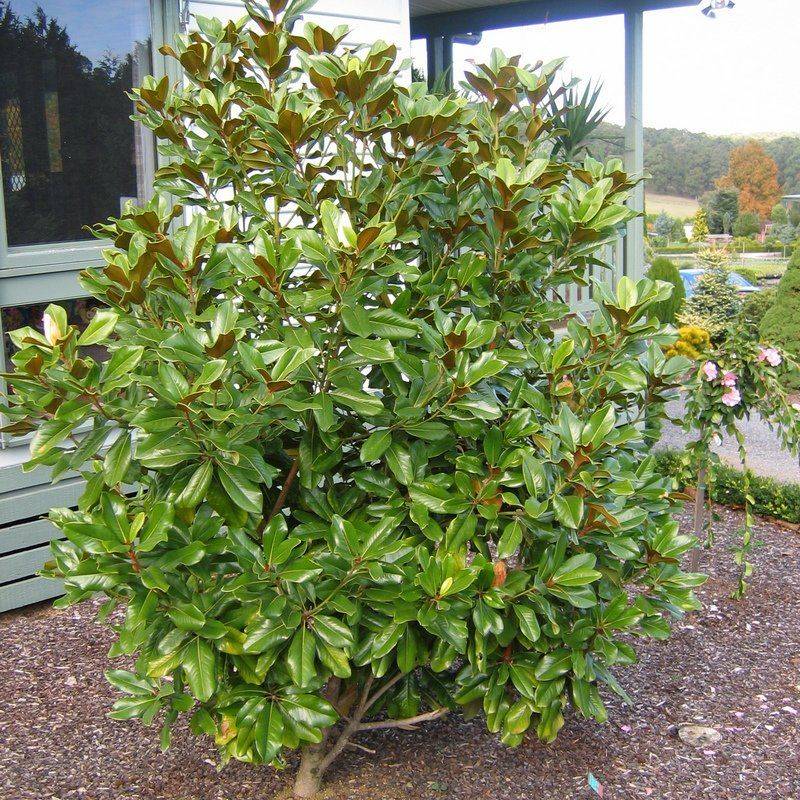
Baby Grand was bred with small yards specifically in mind, and it shows.
Staying between 20 and 25 feet tall with a naturally pyramidal, upright shape, it delivers the classic Southern magnolia look without expanding outward and taking over nearby planting beds or structures.
For Georgia homeowners who love that traditional magnolia silhouette but lack the space for a standard tree, Baby Grand is a genuinely practical answer.
Leaves are large, dark green, and glossy on top with a soft tan underside. Flowers are the full-sized white blooms you expect from a Southern magnolia, which is surprising given how compact the overall tree stays.
Bloom time runs from late spring through early summer in most Georgia locations, with occasional repeat blooming into fall.
Full sun brings out the best flowering, though Baby Grand tolerates partial shade without losing much. Planting near a south or west-facing wall reflects additional heat and light, which can extend the bloom season slightly in the cooler northern Georgia counties.
Soil prep follows the same basic rules as other magnolias: wide planting hole, good drainage, slightly acidic conditions. Avoid planting too deep, which is one of the most common mistakes homeowners make.
Keep the root flare at or just slightly above the soil surface. Water deeply and consistently through the first two growing seasons, then reduce frequency as the root system expands and anchors itself firmly into Georgia’s soil.