8 Ways To Turn A Small Yard Into A Butterfly Spot This Spring In Georgia
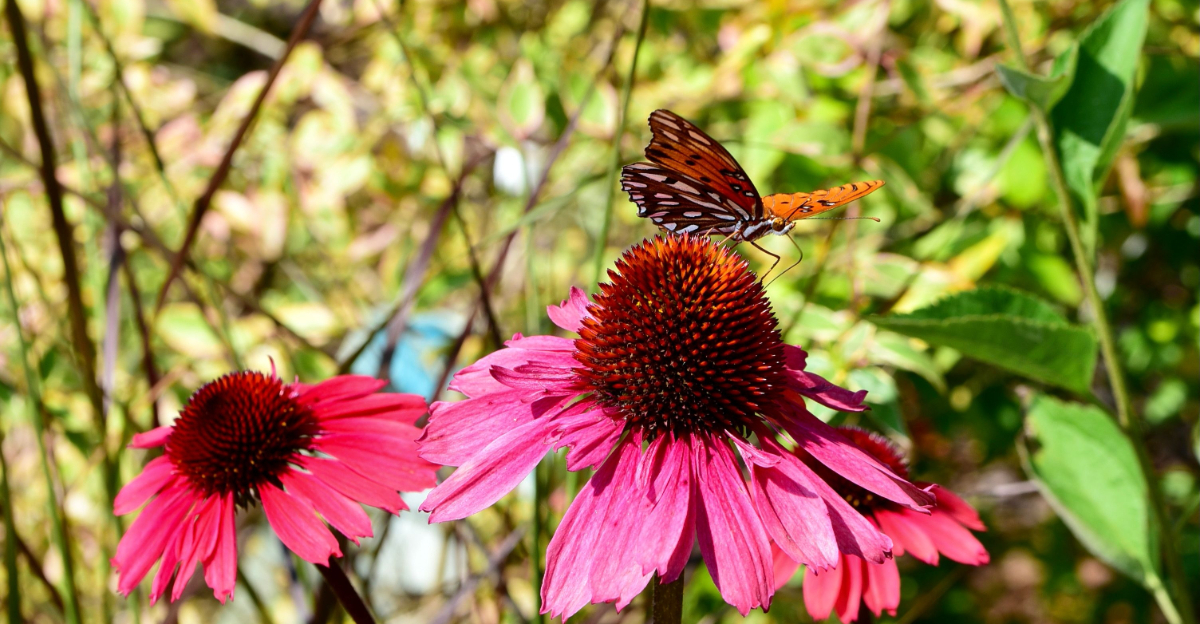
Color, movement, and constant activity can completely change how a small yard in Georgia feels, yet many spaces stay quiet even in peak spring.
Plants may be in place, everything looks neat, but something still feels missing when the garden does not attract much life.
Butterflies do not appear by chance, and the difference between an empty yard and one full of motion often comes down to a few overlooked details. Some choices encourage regular visits, while others do very little no matter how good they look.
Once the right conditions come together, even a smaller yard can feel more active and balanced without needing extra space. That shift happens quickly when the setup starts to match what butterflies actually respond to during spring.
1. Plant Native Flowers That Attract Butterflies
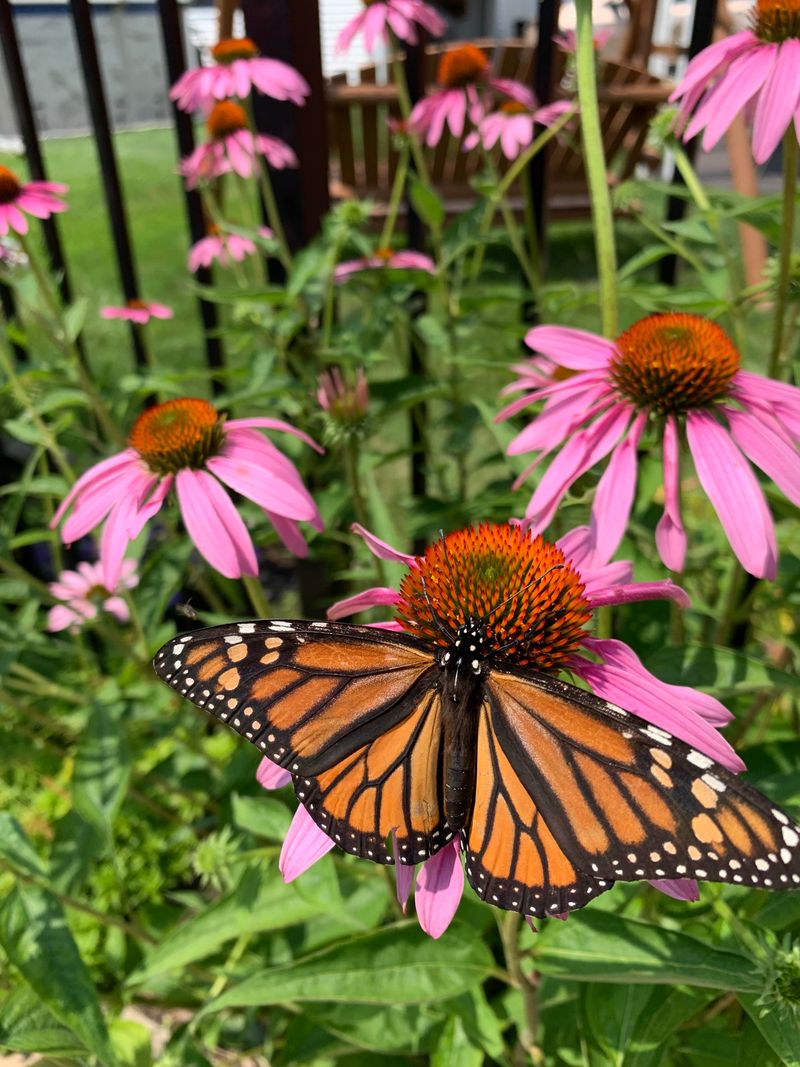
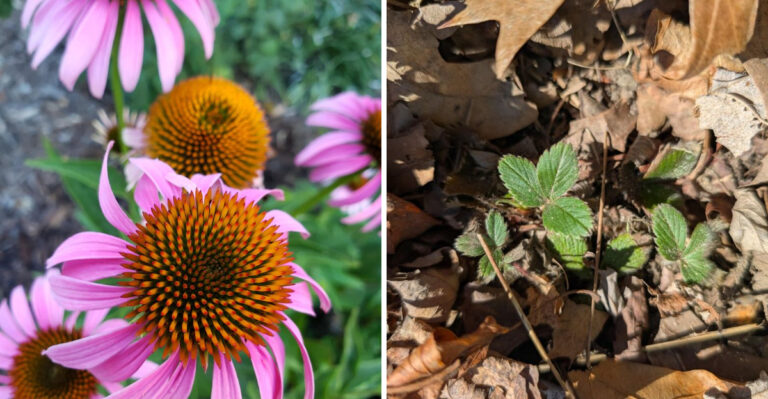
Purple coneflower, black-eyed Susan, and bee balm are three of the most reliable native plants for pulling butterflies into a Georgia yard. They have deep roots in the region’s ecology, which means local butterfly species already recognize them as food sources.
Planting them in clusters rather than scattering them individually gives butterflies a better reason to land and stay awhile.
Black-eyed Susans tend to bloom from late spring into summer, which lines up well with the first big wave of butterfly activity in Georgia. Bee balm adds a punch of red or pink that draws in swallowtails and skippers.
Coneflowers hold their blooms for weeks, giving butterflies a reliable stop even as other plants fade.
Grouping these plants near a fence or border creates a natural focal point in a small yard without taking up too much space. Even a four-by-four-foot patch can support a surprising amount of butterfly traffic on a warm spring afternoon.
Native flowers also tend to handle Georgia’s humidity and clay soils better than many imported varieties, so they need less extra care once they settle in. Starting from transplants rather than seeds gets your garden going faster this spring.
2. Include Nectar-Rich Blooms For Continuous Feeding
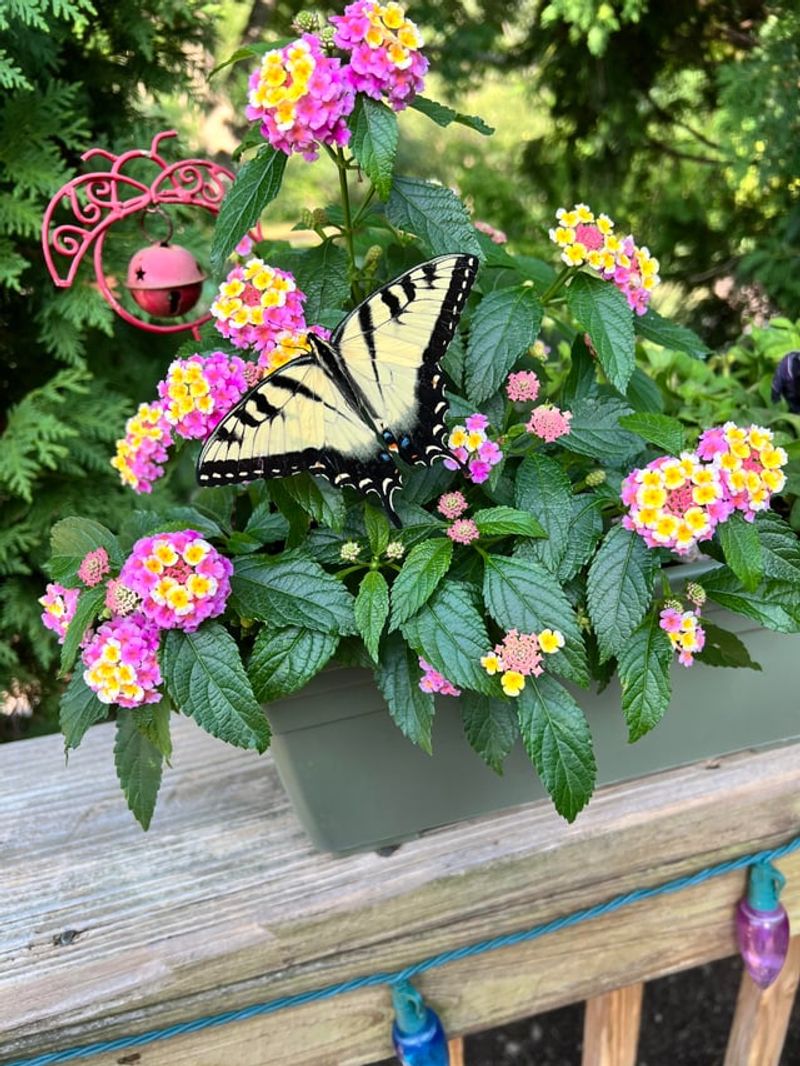
Butterflies are not random visitors. They follow nectar, and if your yard runs out of it, they move on to someone else’s garden.
Planting a mix of nectar-rich flowers that bloom at overlapping times keeps them coming back to your space throughout the spring season in Georgia.
Lantana is one of the most productive nectar plants you can add to a small yard. It blooms heavily from spring through fall and handles Georgia’s heat without much fuss.
Salvia, especially the blue and red varieties, also draws consistent butterfly attention and pairs well with lantana in tight spaces.
Phlox is another solid choice for early spring color when butterflies are just starting to appear. Planting it along borders or in raised beds keeps the yard looking tidy while still offering plenty of feeding opportunities.
Mixing three or four nectar plants with different bloom windows means there is almost always something open for butterflies to visit.
Avoid planting only one type of flower in a small yard. A single-species patch can leave gaps when blooms fade between cycles.
Your Georgia Garden Changes Every Week. Your Plan Should Too.
Gardening in Georgia changes quickly throughout the season. Every Friday you’ll receive a simple weekly plan showing exactly what to plant, prune, fertilize, harvest, and protect so you never miss the right timing.
Variety is what keeps nectar available steadily, and steady nectar is what keeps butterfly visits frequent and consistent throughout the Georgia spring season.
3. Add Host Plants For Caterpillar Development
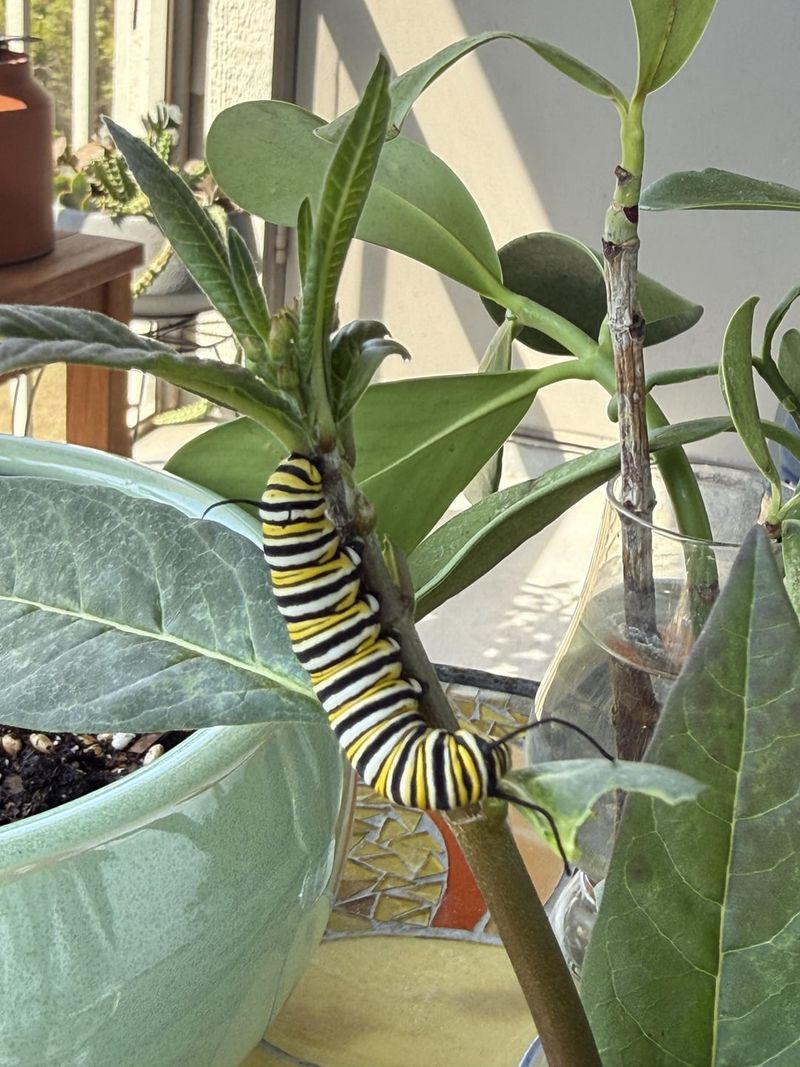
Nectar plants bring butterflies in for a meal, but host plants are what convince them to stay and complete their life cycle in your yard. Without host plants, butterflies will feed and leave without laying eggs.
Adding even a few host plants to a small Georgia yard turns a feeding stop into a full habitat.
Milkweed is the go-to host plant for monarch caterpillars, and it grows well across Georgia in containers or garden beds. Parsley, dill, and fennel serve as host plants for black swallowtail caterpillars and are easy to tuck into small spaces near a patio or fence line.
These herbs are dual-purpose, useful in the kitchen and valuable to butterflies at the same time.
Passionflower vine is another strong option for Georgia yards. Gulf fritillary butterflies specifically seek it out for egg-laying, and the vine can climb a small trellis without taking over a compact space.
Spicebush is a native shrub that supports spicebush swallowtail caterpillars and fits well in a corner of a small yard.
Caterpillars will chew leaves, and that is completely normal. Resist the urge to remove damaged foliage right away.
That chewing is a sign your garden is working exactly as intended, supporting the full butterfly life cycle from egg through adult flight.
4. Choose A Sunny Location For Active Butterfly Visits
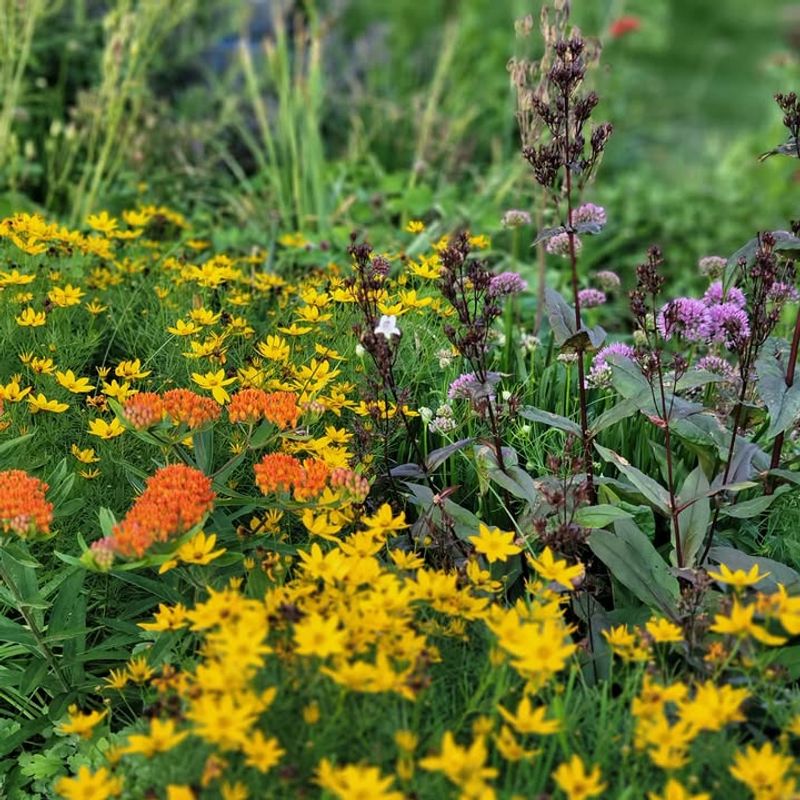
Butterflies are cold-blooded, which means sunshine is not just pleasant for them — it is necessary. Without enough warmth, they cannot fly efficiently or feed well.
Picking the sunniest spot in your yard for your butterfly garden is one of the most important decisions you will make when setting it up.
Most butterfly-friendly plants also prefer full sun, so choosing a spot that gets at least six hours of direct sunlight daily serves both the plants and the butterflies at the same time. In Georgia, south-facing or west-facing areas of a small yard typically get the strongest afternoon light, which is when butterfly activity peaks on spring days.
Avoid placing your garden directly under large trees. Shade from overhanging branches limits both flower production and butterfly visits.
If your yard is mostly shaded, consider using raised beds or large containers that can be positioned in whatever sunny patches you have available.
Walls and fences on the south side of a yard can actually help by reflecting heat and creating a slightly warmer microclimate. Butterflies gravitate toward these warm pockets, especially on cooler spring mornings when temperatures in Georgia can still dip overnight.
Positioning a few flat stones in the sunniest part of your garden also gives butterflies a warm surface to rest on between feeding sessions.
5. Provide A Shallow Water Source For Drinking
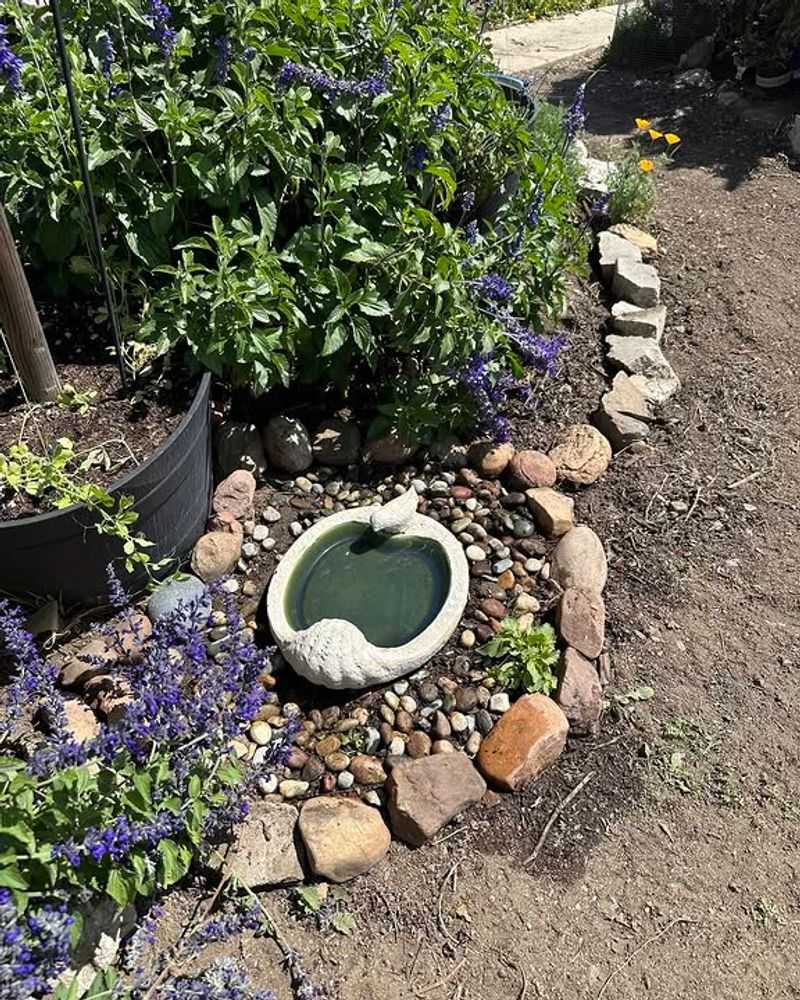
Most people set up flowers and then wonder why butterflies still seem to pass through without settling. Water is often the missing piece.
Butterflies need moisture regularly, and a shallow, accessible water source can be the detail that makes your small Georgia yard a true destination rather than a quick stop.
A standard birdbath works well if you add flat stones or pebbles inside it so butterflies have a safe place to land. Butterflies cannot swim, so keeping the water level very shallow — no more than half an inch deep — is important.
Replacing the water every couple of days also keeps it fresh and reduces mosquito activity, which matters a lot in Georgia’s warm spring weather.
Mud puddles are surprisingly attractive to butterflies, particularly males. They gather at wet, muddy soil to absorb minerals and salts that nectar alone does not provide.
Creating a small muddy patch in a corner of the yard, or filling a shallow container with damp sand, replicates this natural behavior and can draw in a wider variety of species.
Placement matters too. Positioning the water source near your nectar plants but in a slightly open area gives butterflies clear visibility as they approach.
Butterflies are cautious creatures and prefer landing spots where they can see their surroundings easily before committing to a drink.
6. Use Flat Stones For Basking In Warm Sun
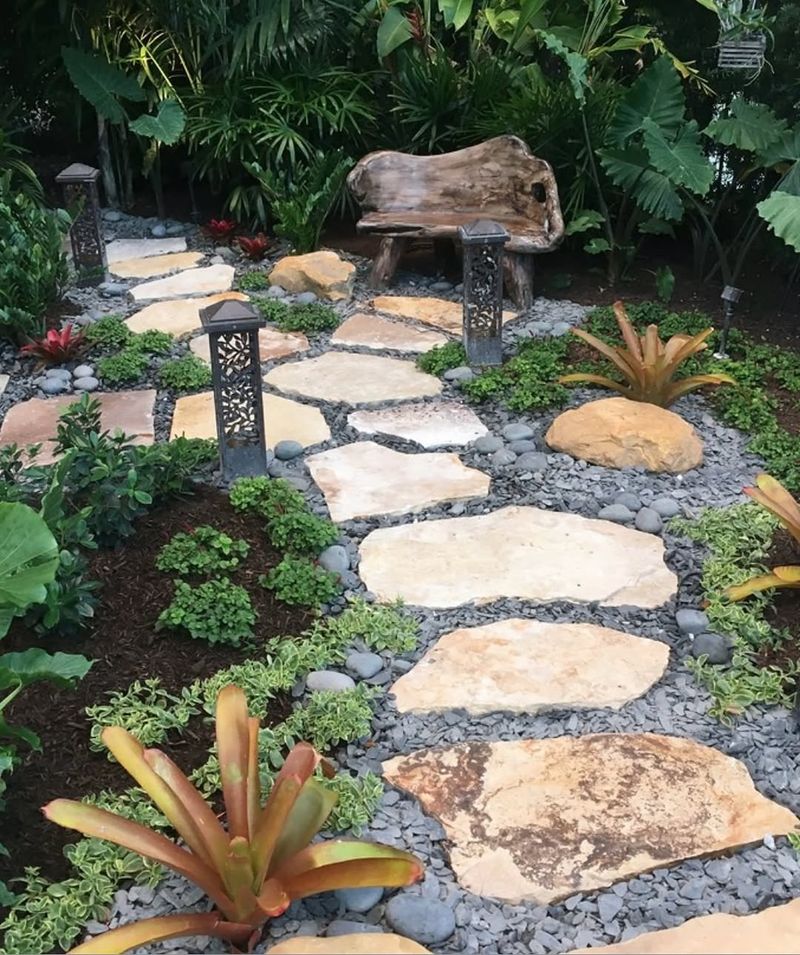
Flat stones do more work in a butterfly garden than most people expect. Butterflies regulate their body temperature by pressing their wings flat against warm surfaces, absorbing heat before they fly or feed.
A few well-placed stones in a sunny spot can noticeably increase how long butterflies linger in your yard.
Dark-colored stones absorb heat faster and hold it longer than light-colored ones. Slate, flagstone, or even basic patio pavers work well.
Setting them directly in the sunniest part of your garden, slightly elevated above the surrounding soil, allows them to warm up faster and stay warmer as the afternoon progresses.
In Georgia, spring mornings can still be cool enough that butterflies need extra time to warm up before becoming fully active. Stones positioned to catch the first morning sun give early-rising species like eastern tiger swallowtails a head start on their day.
Placing stones near nectar plants means butterflies can warm up and feed within a small area without expending much energy.
Spacing a few stones at slightly different heights or angles adds variety and makes the setup more inviting. Butterflies tend to choose basking spots based on sun angle and wind exposure, so having a few options increases the chances that at least one stone suits conditions on any given spring day in Georgia.
7. Avoid Pesticides That Harm Pollinators
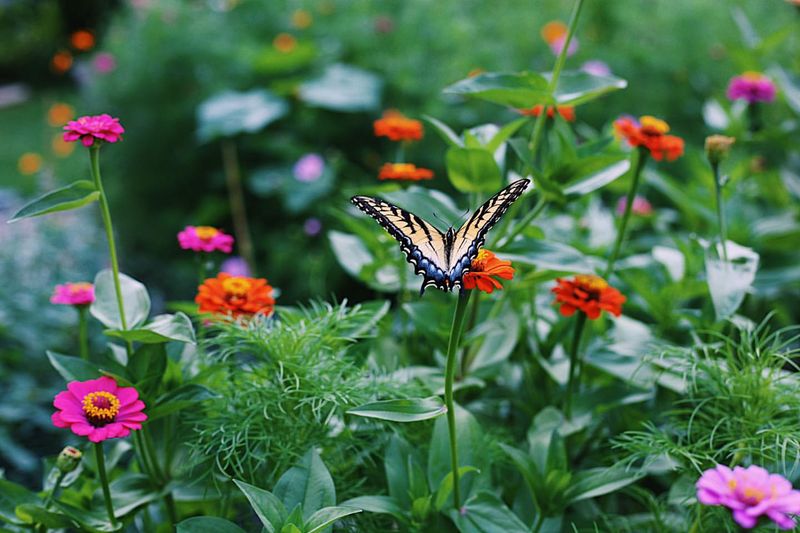
Spraying pesticides in a yard you want butterflies to visit is a direct contradiction. Even products labeled as safe for gardens can affect butterflies, caterpillars, and the insects they depend on for a healthy ecosystem.
If you are serious about attracting butterflies to your Georgia yard this spring, pulling back on chemical sprays is non-negotiable.
Systemic pesticides are especially problematic because they get absorbed into the plant itself, meaning the nectar and pollen become toxic to visiting insects. Neonicotinoids, which are found in many common garden products, fall into this category.
Reading labels carefully before purchasing any plant treatment is worth the extra few minutes it takes.
Natural alternatives can handle most common pest issues without the collateral impact. Introducing ladybugs to your garden helps manage aphid populations.
Spraying a diluted neem oil solution on affected leaves targets specific pests without leaving a residue that harms visiting butterflies. Hand-picking larger pests like caterpillar predators or beetles is tedious but effective in a small yard.
Accepting some level of leaf damage is part of gardening for wildlife. Caterpillars chew, aphids cluster, and beetles nibble — that is just how a living garden works.
Keeping your expectations realistic about plant appearance means you can focus on the bigger reward, which is a yard full of butterfly activity throughout the Georgia spring season.
8. Mix Bloom Times For A Steady Food Source
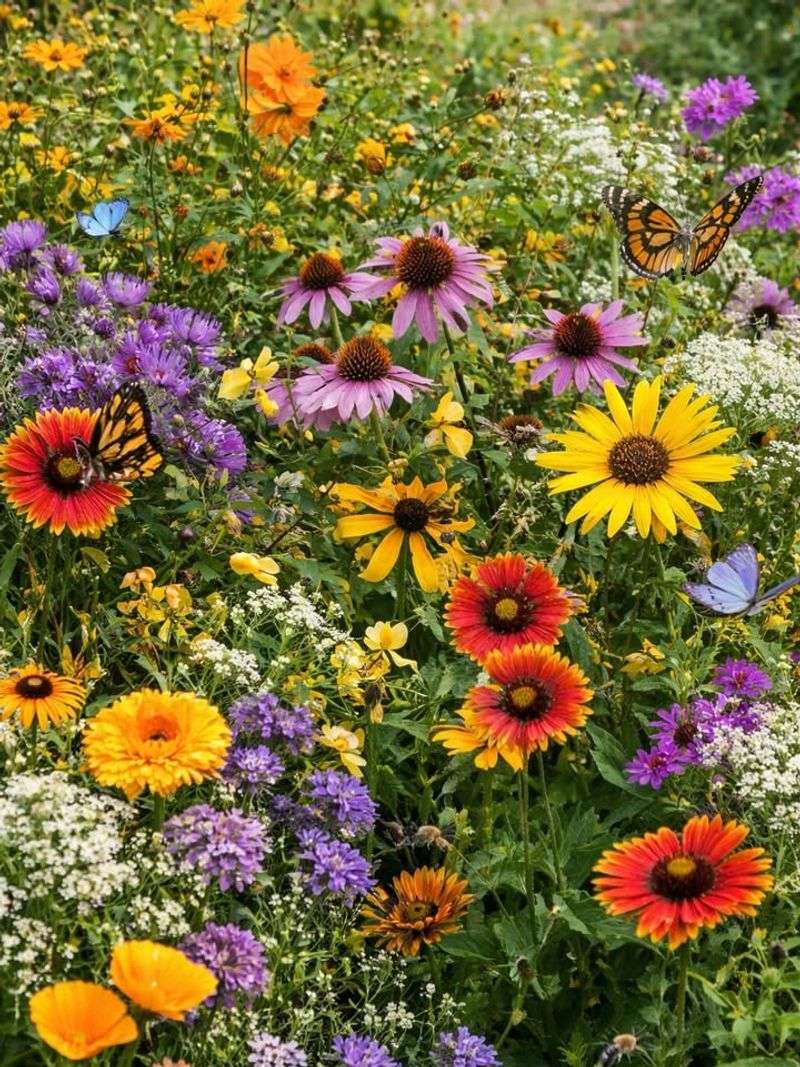
A garden that blooms all at once and then goes quiet for weeks is not much help to butterflies. Staggering bloom times across your plant selection keeps nectar available through most of the spring season in Georgia, and that consistency is what builds a reputation for your yard among local butterfly populations.
Early bloomers like native phlox and wild blue indigo get things going in March and April when the first swallowtails and sulfurs begin appearing across Georgia. Mid-spring plants like salvia and coreopsis bridge the gap into May when butterfly diversity typically peaks.
Late spring options like coneflower and lantana carry the food supply into summer without a significant drop-off.
Sketching out a rough bloom calendar before you plant helps avoid unintentional gaps. Even a simple list of what blooms when, taped to the inside of a cabinet or saved on a phone, makes planning easier when you are at the nursery trying to fill in holes in your garden’s schedule.
Container gardening is a flexible option for small yards in Georgia. Swapping out containers as different plants come into bloom lets you keep fresh nectar sources rotating through the space without permanently committing garden bed space to any single plant.
It also makes it easier to adjust your setup from one spring to the next based on what actually works in your specific yard and microclimate.