Why You Should Grow Baja Fairy Duster Along Your Fence In Arizona
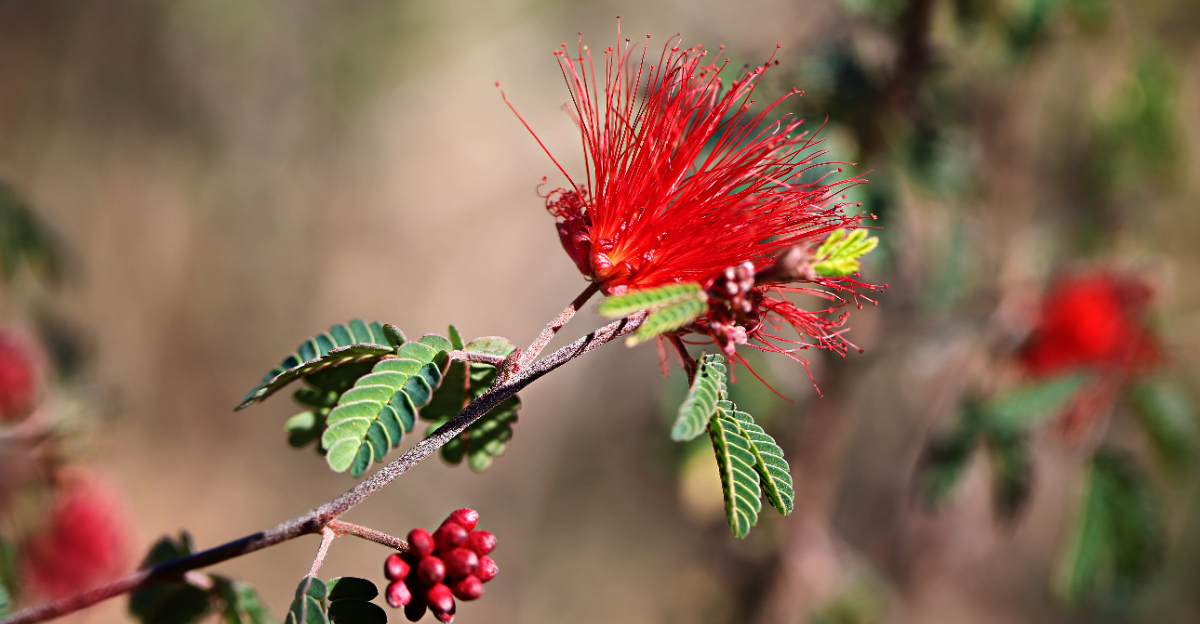
There is something about a fence line in an Arizona yard that can feel a little too plain, especially when the rest of the landscape has more color and movement.
It is often the kind of spot people forget about until it starts looking bare, harsh, or disconnected from everything around it.
But with the right plant, that whole edge of the yard can start to feel softer, brighter, and much more alive.
That is where Baja fairy duster starts to stand out. It has a light, natural look that fits beautifully into Arizona landscapes, but it also brings something extra that makes a fence feel less like a boundary and more like part of the garden.
When it starts showing off, the difference is hard to miss.
If your fence has been feeling like an afterthought, this plant might completely change how that part of your yard comes across.
1. Thrives In Intense Heat With Very Little Water Once Established
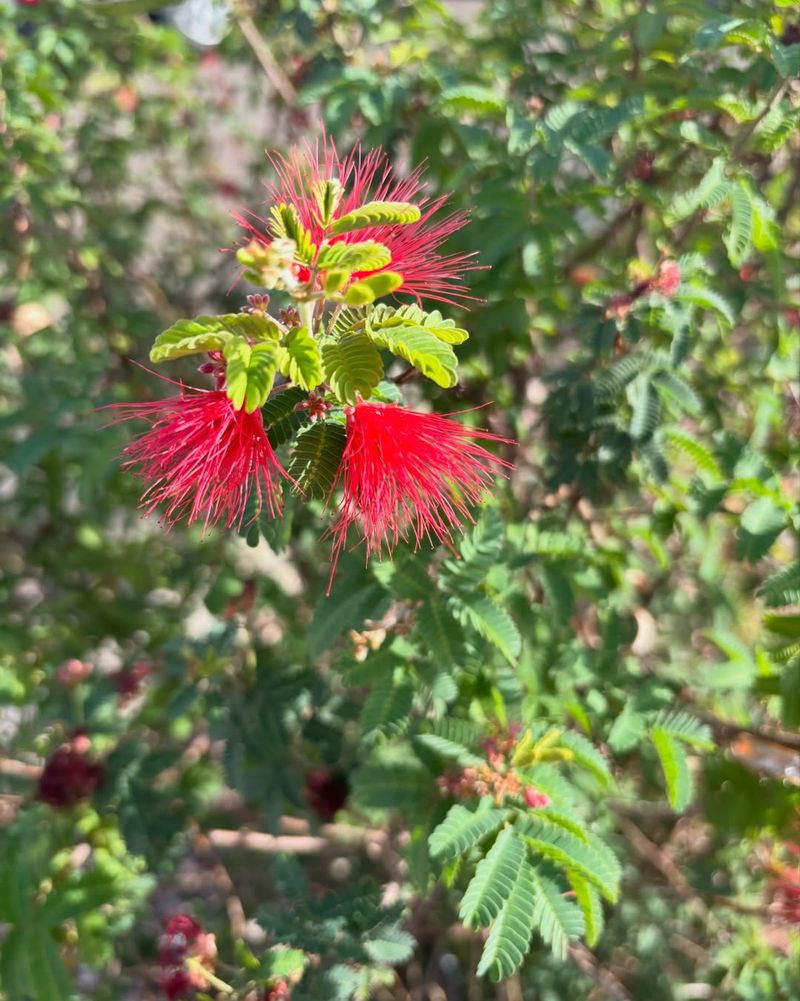
Arizona summers are no joke, and most plants pay the price for it. Baja Fairy Duster just keeps growing.
Even when temperatures push past 110 degrees in the Sonoran Desert, this shrub holds its own without much help from you.
Watering every two to three weeks during summer is usually enough to keep it healthy and blooming. In winter, you can stretch that to once a month or even less.
Compare that to a lawn or a tropical plant, and the difference in water use is massive.
Part of what makes it so tough is where it comes from. Baja Fairy Duster is native to the Baja California Peninsula and parts of the Sonoran Desert, which means Arizona’s climate is basically home turf for it.
It adapted to survive long dry stretches without losing its leaves or stopping its growth cycle.
Planting it along your fence gives it good air circulation and plenty of direct sun, both of which it handles without complaint. You don’t need to baby it through its first summer if you water it in regularly during the first few months after planting.
After that, nature takes over most of the work.
For Arizona homeowners who want color without a high water bill, this shrub is a practical answer. It stretches your water budget, handles the brutal heat, and still looks like something worth showing off in your yard every single week of the year.
2. Red Powder Puff Blooms Draw Hummingbirds In Spring And Summer
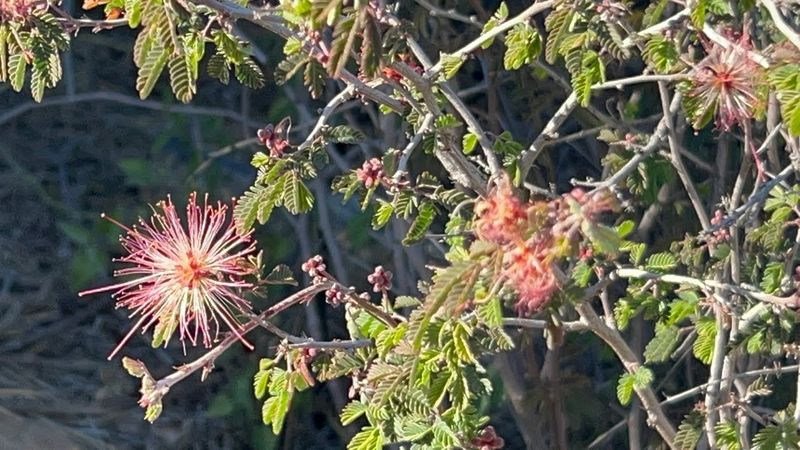
Watch a hummingbird hover at those red blooms just once, and you’ll understand why people plant Baja Fairy Duster along their fences on purpose. Hummingbirds in Arizona actively seek out those fluffy, bright red flowers because they’re packed with nectar.
Spring is when the show really starts. Anna’s hummingbirds and Costa’s hummingbirds, both common in Arizona, show up regularly at Baja Fairy Duster blooms.
Butterflies and native bees follow close behind. If you’ve been trying to bring more wildlife into your yard, this shrub does that work without any extra effort on your part.
Your Arizona Garden Changes Every Week. Your Plan Should Too.
Gardening in Arizona changes quickly throughout the season. Every Friday you’ll receive a simple weekly plan showing exactly what to plant, prune, fertilize, harvest, and protect so you never miss the right timing.
What makes the flowers stand out is their texture. They’re not flat petals like a rose or a daisy.
Instead, they look like soft red brushes or powder puffs made of dozens of thin, bright stamens. Up close, they’re genuinely striking, and from a distance, the whole shrub lights up with color.
Blooming is fairly consistent from late winter through summer in most parts of Arizona. Some plants push out flowers well into fall depending on how much warmth and moisture they receive.
Along a sunny fence line, blooming tends to be heavier because the plant gets maximum light exposure throughout the day.
Planting several of these shrubs in a row amplifies the effect. A fence line covered in red blooms draws hummingbirds regularly enough that you can almost set your watch by their visits on warm mornings across the Phoenix and Tucson areas.
3. Grows Well In Fast Draining Soil Without Extra Amendments
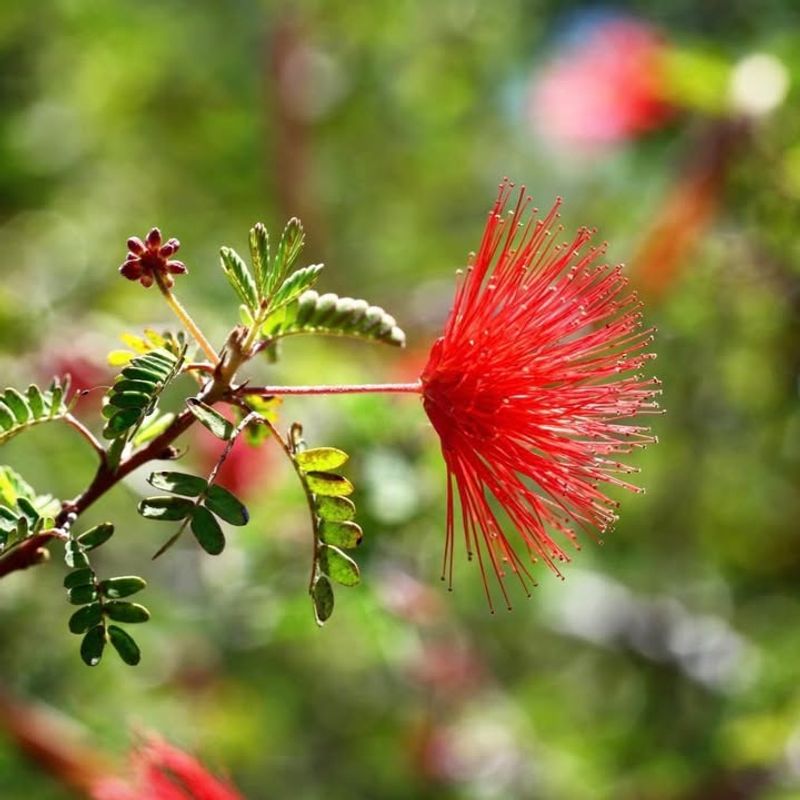
Rocky, sandy, barely-there soil is basically the default setting in most Arizona yards, and Baja Fairy Duster is completely fine with that. You don’t need to haul in bags of compost or spend a weekend amending your soil before planting it.
Actually, adding too much organic matter to your soil can work against this plant. Rich, heavy soil holds moisture longer than desert plants prefer, and that extra moisture around the roots can cause more problems than it solves.
Lean, fast-draining ground is exactly what Baja Fairy Duster wants.
Along a fence line, soil drainage is usually pretty good because foot traffic and construction tend to leave the ground compacted and sandy. That’s not a problem here.
Dig a hole, drop the plant in, backfill with the native soil you removed, water it in well, and step back.
Caliche layers do show up in parts of Arizona and can block drainage if they’re thick. If you hit a hard caliche layer while digging, break through it with a breaker bar before planting so water doesn’t pool beneath the roots.
That one step makes a real difference in how well the shrub grows long-term.
Gravel mulch around the base works better than wood chip mulch for this plant. It keeps the root zone from staying too wet while still reducing soil temperature during the hottest months.
Simple setup, minimal prep, and the plant rewards you by growing strong right from the start.
4. Forms A Natural Screen Along Fences Without Looking Overgrown
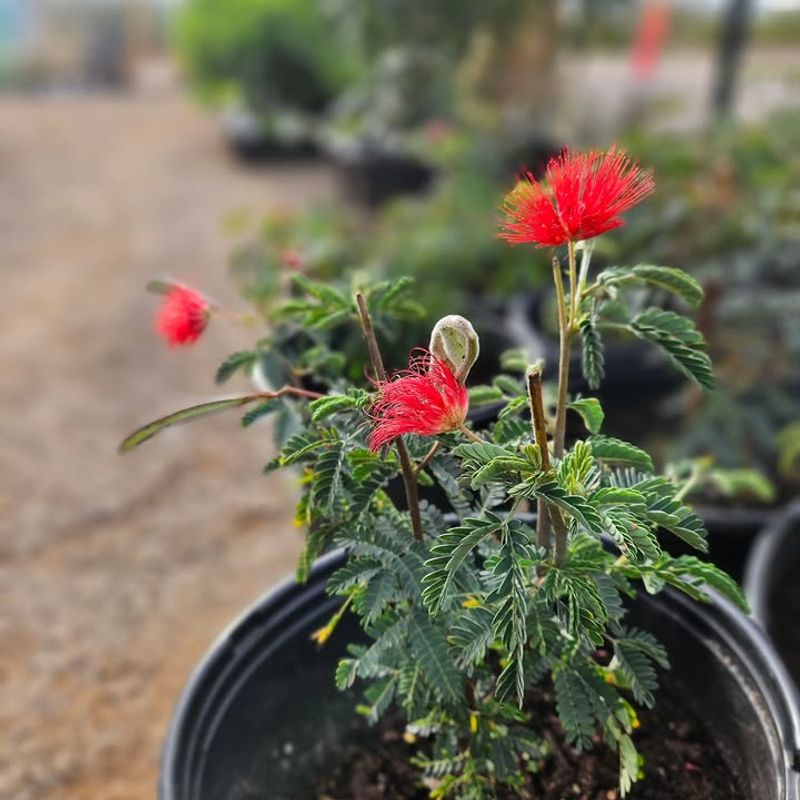
A bare fence is just a fence. Add a row of Baja Fairy Duster in front of it, and suddenly you’ve got something that actually looks like a finished, intentional landscape.
It fills in the space naturally without turning into a tangled mess.
Mature plants typically reach about five to six feet tall and spread about the same width. That’s a solid height for blocking sightlines from the street or a neighboring yard while still keeping the look open and airy rather than wall-like.
Along a standard six-foot fence, the shrub adds a soft, layered look that most block walls and wood fences can’t achieve on their own.
Spacing plants about four to five feet apart gives each one room to branch out without crowding. Over a full growing season, they’ll start to knit together into a connected row that reads as a single green border rather than individual plants scattered along the fence line.
Unlike some fast-growing Arizona plants that look great for one season and then become a maintenance headache, Baja Fairy Duster grows at a moderate pace that stays manageable. It’s not going to swallow your fence or push through the slats after a wet spring.
For homeowners in Scottsdale, Mesa, or Chandler who want privacy without the cost of adding another block wall, planting this shrub along an existing fence is a smart, affordable move.
It softens the look, adds color, and pulls the whole yard together without a lot of ongoing effort.
5. Needs Only Light Pruning To Maintain Its Shape
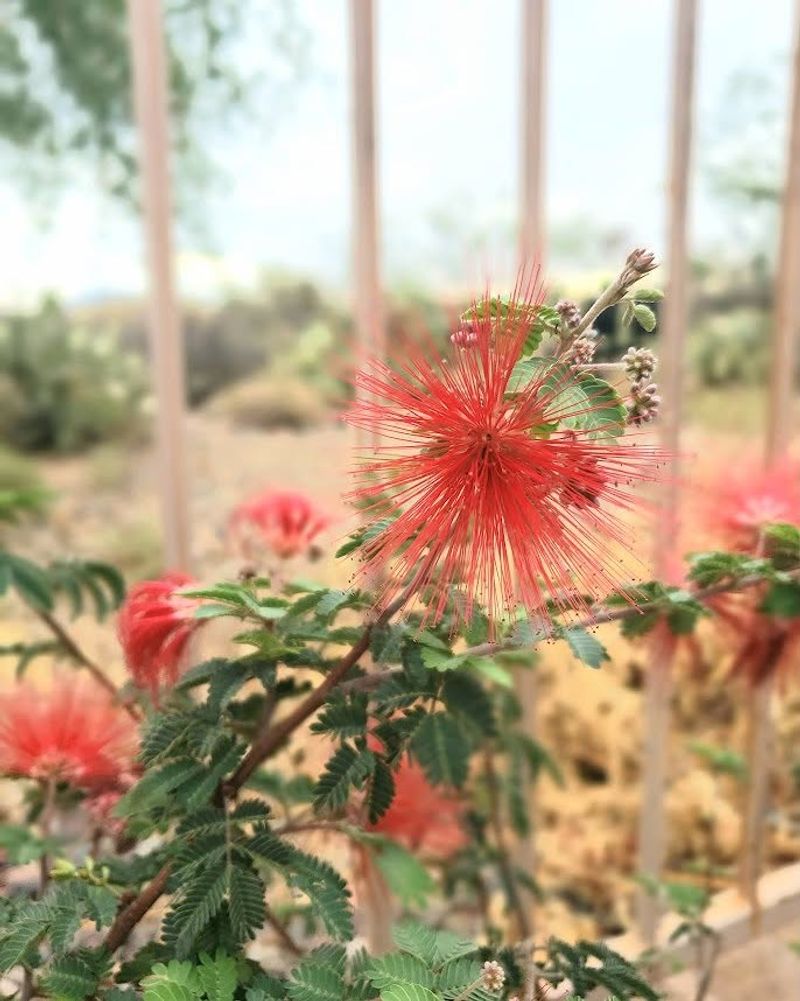
Some shrubs turn into a part-time job. Baja Fairy Duster is not that plant.
A quick trim once or twice a year is genuinely all it needs to stay looking clean and well-kept along your fence.
Late spring is the best time to do a light shaping after the main flush of blooms starts to slow down. Avoid heavy cutting because this shrub blooms on older wood, and cutting too far back will reduce the number of flowers you get the following season.
Hand pruners are all you need for most of this work. No hedge trimmers, no ladder, no complicated tools.
The branches are not thick or woody unless the plant has been completely neglected for years. Regular light cuts keep everything manageable and easy to handle.
One thing worth knowing: Baja Fairy Duster does have some small spines on its stems, so wearing gloves while pruning is a smart habit. Nothing dramatic, but enough to scratch your hands if you’re reaching in without protection.
Skipping pruning for a season won’t ruin the plant. It might get a little leggy or open in the center, but a simple trim the following spring brings it back into shape quickly.
For busy Arizona homeowners who don’t want to spend every weekend in the yard, that kind of flexibility in a plant is genuinely useful and worth considering when planning a fence line planting.
6. Handles Full Sun Exposure Without Leaf Burn
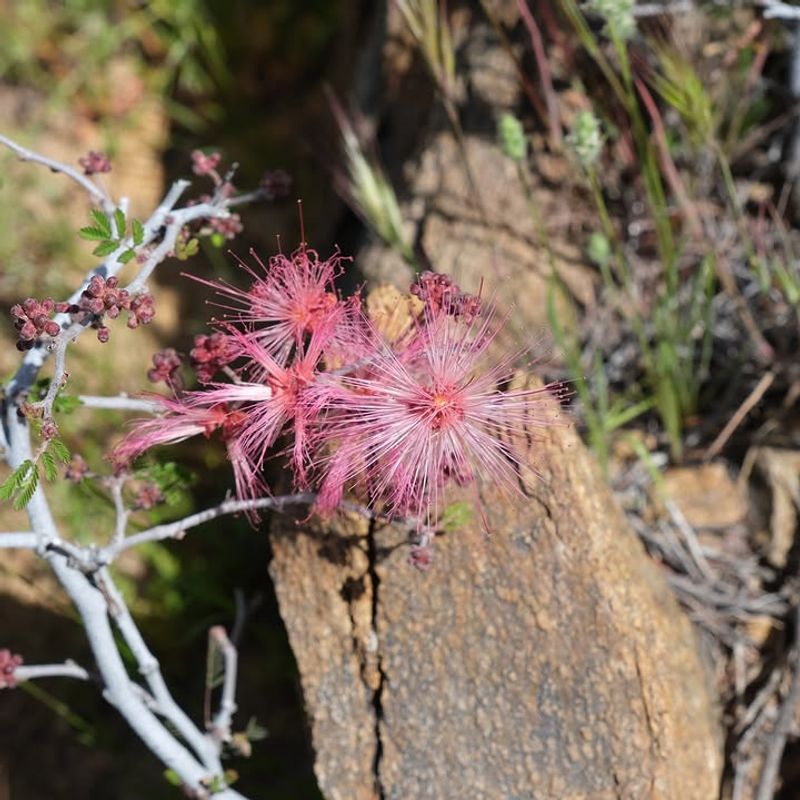
Full sun in Arizona is not the same thing as full sun in Ohio or Georgia. Arizona afternoon sun in July is intense enough to scorch plants that are labeled sun-tolerant in other parts of the country.
Baja Fairy Duster doesn’t flinch at it.
Plant it on the south or west side of your fence, right in the path of the harshest afternoon exposure, and it will still come out looking healthy. Leaves stay green and intact even during the longest, hottest stretches of the summer.
No yellowing, no crispy edges, no wilting by three in the afternoon.
West-facing fence lines in Phoenix and Tucson are notoriously brutal for plants. Reflected heat from walls, fences, and concrete driveways can push the temperature at ground level well above air temperature.
Baja Fairy Duster handles that reflected heat without showing visible stress, which makes it one of the more reliable choices for those tough western exposures.
Shade is actually not ideal for this plant. Too much shade reduces blooming and causes the stems to stretch out thin and weak as the plant reaches for more light.
A fence line with open sky above it and direct sun through most of the day is the sweet spot for getting the best growth and the most flowers.
If you’ve burned through other shrubs on a hot west-facing fence line and you’re tired of replacing them, putting Baja Fairy Duster in that spot is a straightforward fix that tends to work well year after year in Arizona’s climate.
7. Stays Green And Active Through Long Dry Periods
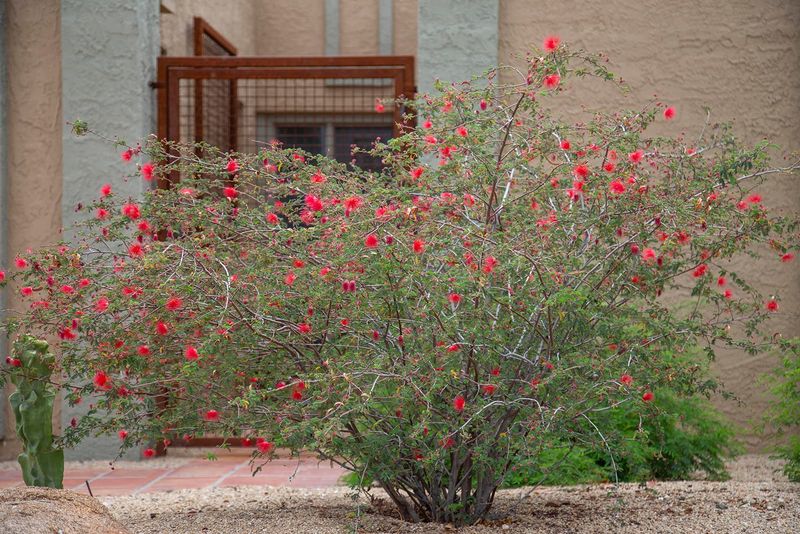
Most of Arizona goes through dry stretches that last weeks or months without meaningful rainfall, especially between late spring and the start of the monsoon season. Watching plants struggle through that period gets old fast.
Baja Fairy Duster just keeps going.
Even with no rain for six or eight weeks, this shrub holds onto its leaves and stays visibly green along your fence. It might slow its growth a bit and reduce blooming during the driest stretches, but it doesn’t shed leaves or look distressed the way many other shrubs do when water is scarce.
Part of that resilience comes from its deep root system, which develops over the first couple of growing seasons. Those roots reach down into soil layers that hold residual moisture long after the surface dries out completely.
By tapping into that deeper moisture, the plant keeps itself going without relying on surface irrigation as heavily.
During Arizona’s monsoon season, the shrub responds quickly to the added moisture and often pushes out a fresh flush of growth and blooms. It’s almost like watching it wake back up after a long rest.
That cycle of slowing down during dry periods and bouncing back with rain is exactly how desert-adapted plants are supposed to behave.
For anyone in Arizona who travels regularly or just wants a fence line that doesn’t require constant attention, this plant’s ability to stay green and functional through dry periods without intervention makes it a genuinely smart long-term choice for your outdoor space.