8 Plants In Georgia That Lose Blooms When Pruned In Spring
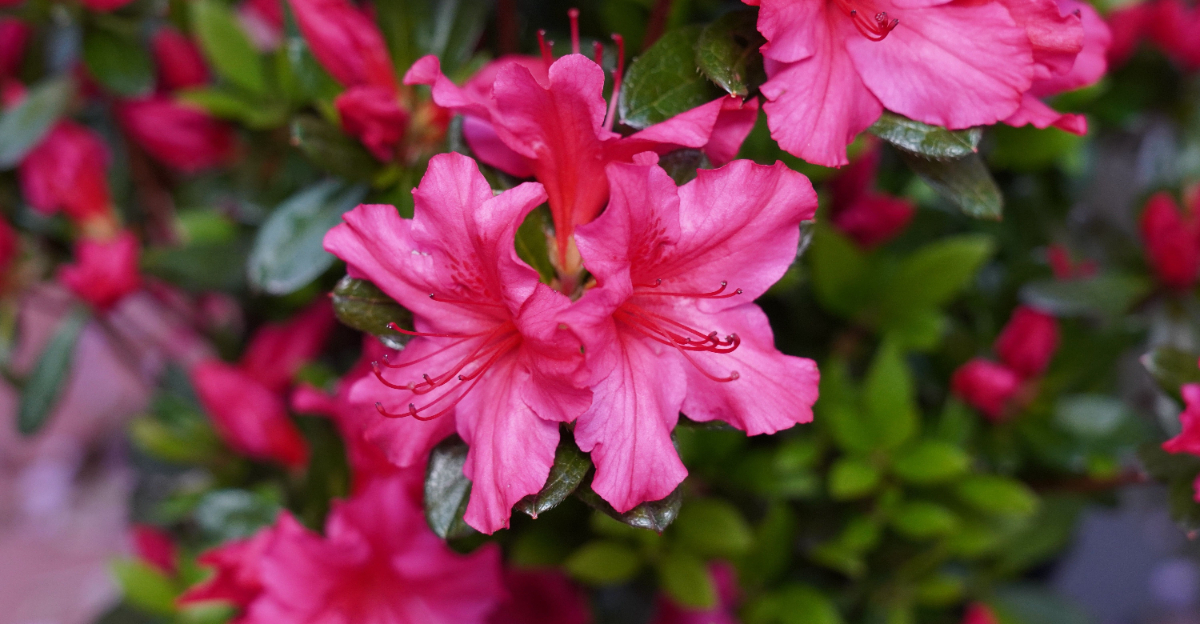
Spring pruning can feel like the right move in Georgia, especially when everything starts waking up and yards begin looking a little rough after winter.
It is the time when many gardeners want to trim things back, clean up overgrowth, and get plants looking neat before the season fully takes off.
On the surface, it seems helpful. In some cases, though, that quick cleanup can quietly set the whole plant back.
What makes it frustrating is that the damage does not always show up right away. A shrub or vine may still leaf out, look healthy, and seem completely fine for weeks.
Then blooming season comes around, and something feels off. The flowers are sparse, delayed, or missing entirely.
That is where spring pruning becomes more complicated than it looks. In Georgia, some plants are already carrying what they need for their next show long before many people reach for the pruners.
Once that growth is cut away, the plant may recover, but the color people were waiting for often does not.
1. Bigleaf Hydrangea Loses Flower Buds Quickly When Cut Back In Spring
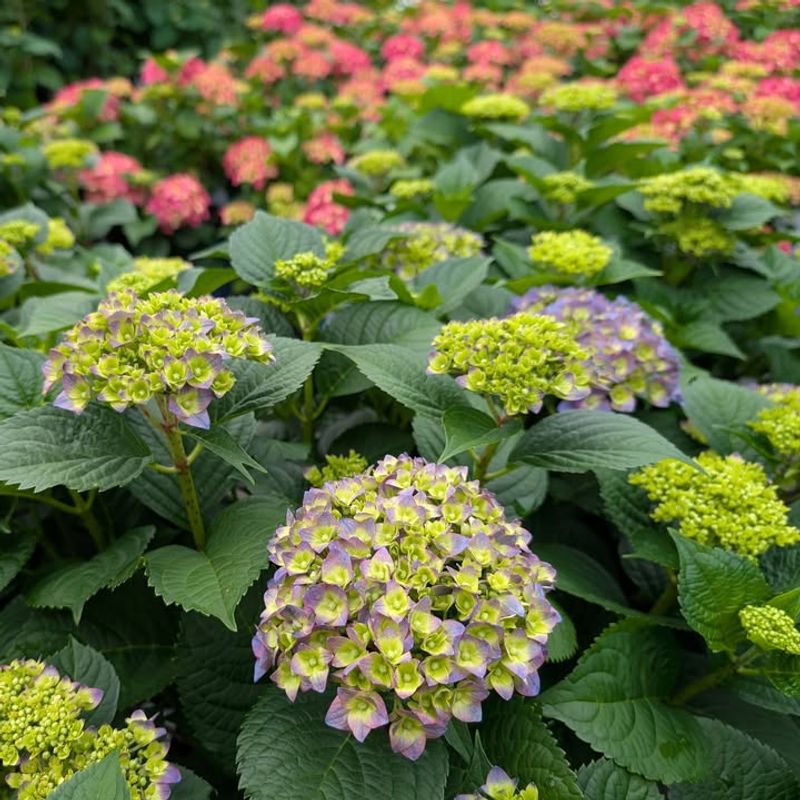
Cut a Bigleaf Hydrangea in spring and you will likely spend the whole summer staring at a mound of plain green leaves.
Bigleaf Hydrangeas bloom on old wood, which means the flower buds formed back in late summer or fall are sitting right there on last year’s stems, just waiting to open.
In Georgia, where winters can swing from mild to surprisingly cold, those buds are already vulnerable. Add a pair of pruners in March or April, and you remove exactly what you were hoping to see bloom.
Gardeners in Georgia often wonder why their hydrangeas stopped flowering, and spring pruning is almost always the reason.
If a plant looks a little scraggly after winter, resist the urge to cut it all the way back. Instead, wait and watch.
Older stems that did not make it will become obvious once the plant starts pushing new leaves. Carefully remove only those stems, cutting just above a healthy bud.
Right after blooming in summer is the ideal window to do any shaping or size control. Pruning then gives the plant enough time to grow new stems and set fresh buds before winter arrives.
Patience with Bigleaf Hydrangeas in Georgia always pays off with a much better floral display the following season.
2. Oakleaf Hydrangea Sets Buds Early And Pruning Can Remove Them
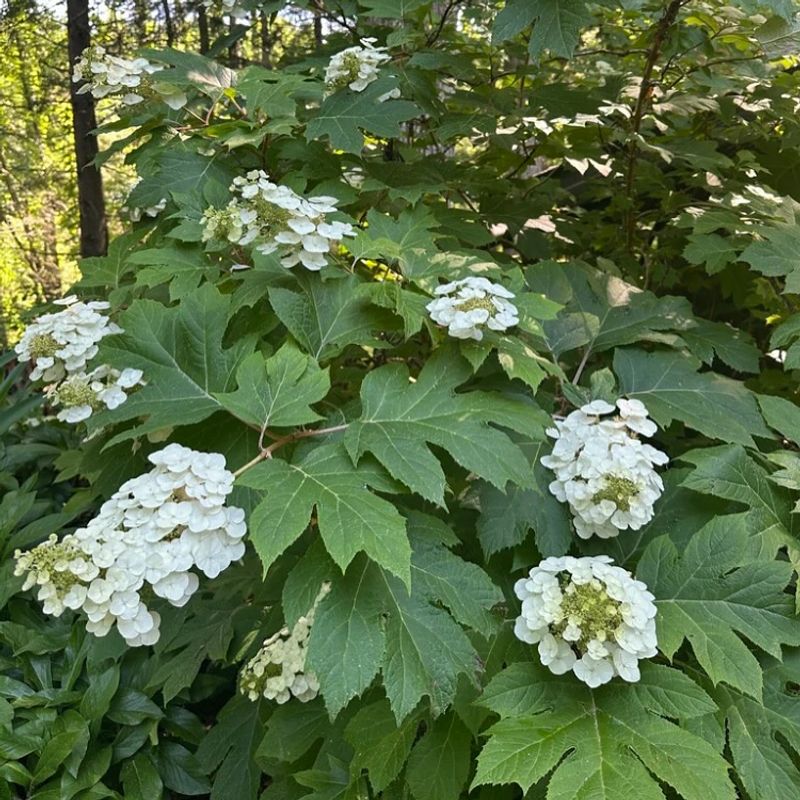
Oakleaf Hydrangea is one of those plants that rewards patience more than almost anything else in a Georgia garden. Known for its dramatic white blooms that age to a papery tan, this shrub carries its flower buds on old wood from the previous growing season.
Bud formation happens in late summer, long before the calendar flips to the new year. By the time spring rolls around in Georgia, those buds are fully set and just days or weeks away from opening.
Pruning at that moment is like throwing away a gift before you unwrap it.
Your Georgia Garden Changes Every Week. Your Plan Should Too.
Gardening in Georgia changes quickly throughout the season. Every Friday you’ll receive a simple weekly plan showing exactly what to plant, prune, fertilize, harvest, and protect so you never miss the right timing.
A lot of homeowners prune Oakleaf Hydrangeas in early spring because the plant can look rough after a cold Georgia winter. Stems may appear brown or bare, and the natural instinct is to cut things back hard.
But brown stems do not always mean the wood is worthless, and cutting them removes the buds hidden inside.
Wait until the blooms have fully finished, usually by midsummer, before doing any significant pruning. At that point, you can remove old flower heads, trim for shape, and cut out any stems that truly did not survive winter.
Oakleaf Hydrangeas are tough, and giving them space to bloom first makes every bit of the wait worthwhile.
3. Azaleas Miss Their Bloom Cycle If Trimmed At The Wrong Time
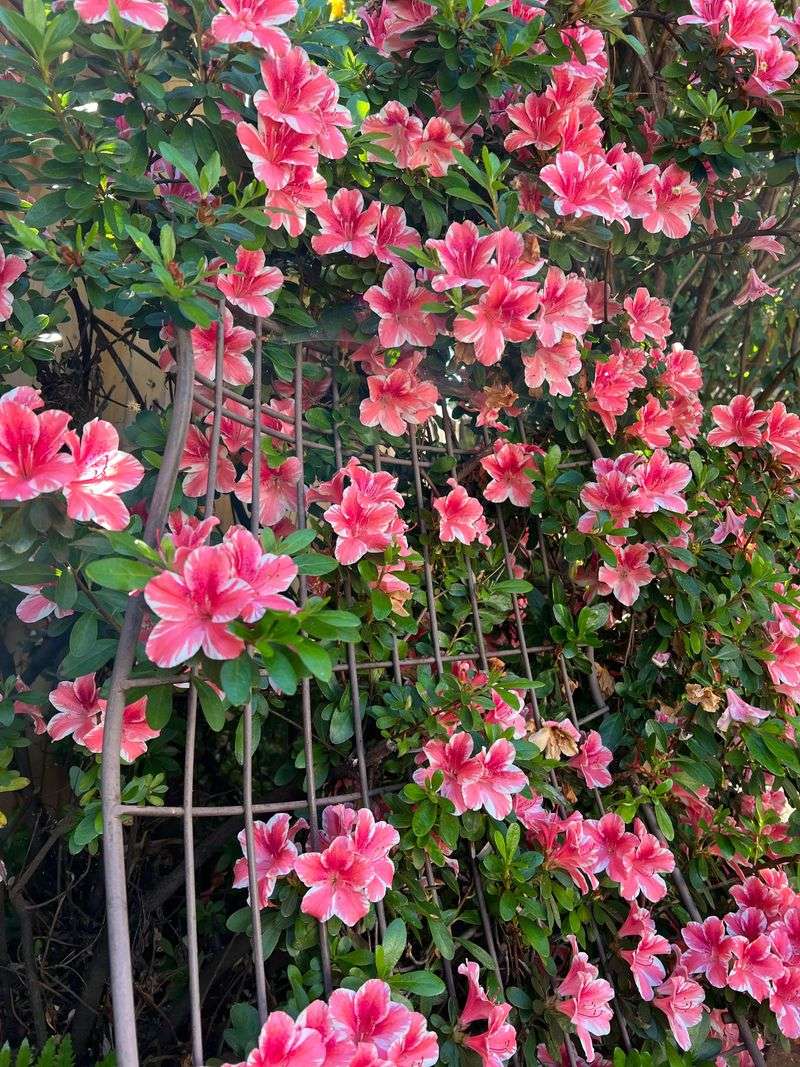
Azaleas are practically the official flower of Georgia springtime, lining driveways and front yards in bursts of pink, red, white, and purple every year. But prune them at the wrong moment and that spectacular show simply will not happen.
Azaleas set their flower buds during late summer and into fall. By the time you see them blooming in March or April, those buds have been sitting on the plant for months.
Cutting the plant back in early spring, even just to neaten it up, removes the very buds that are about to open.
Timing is everything with azaleas in Georgia. Prune right after blooming finishes, usually by late May at the latest, and the plant has enough warm months ahead to push new growth and set fresh buds for the following year.
Prune any later than that and you risk cutting off the next season’s buds before they even develop fully.
A light trim right after bloom is all most azaleas really need.
Georgia gardeners who follow this simple rule tend to have azaleas that bloom fuller and more reliably year after year without much extra effort at all.
Over-pruning can also lead to uneven growth, making the plant look thin instead of full. Keeping cuts minimal and well-timed helps maintain that dense, flower-covered look every spring.
4. Camellias Form Buds Early And Spring Cuts Can Ruin The Display
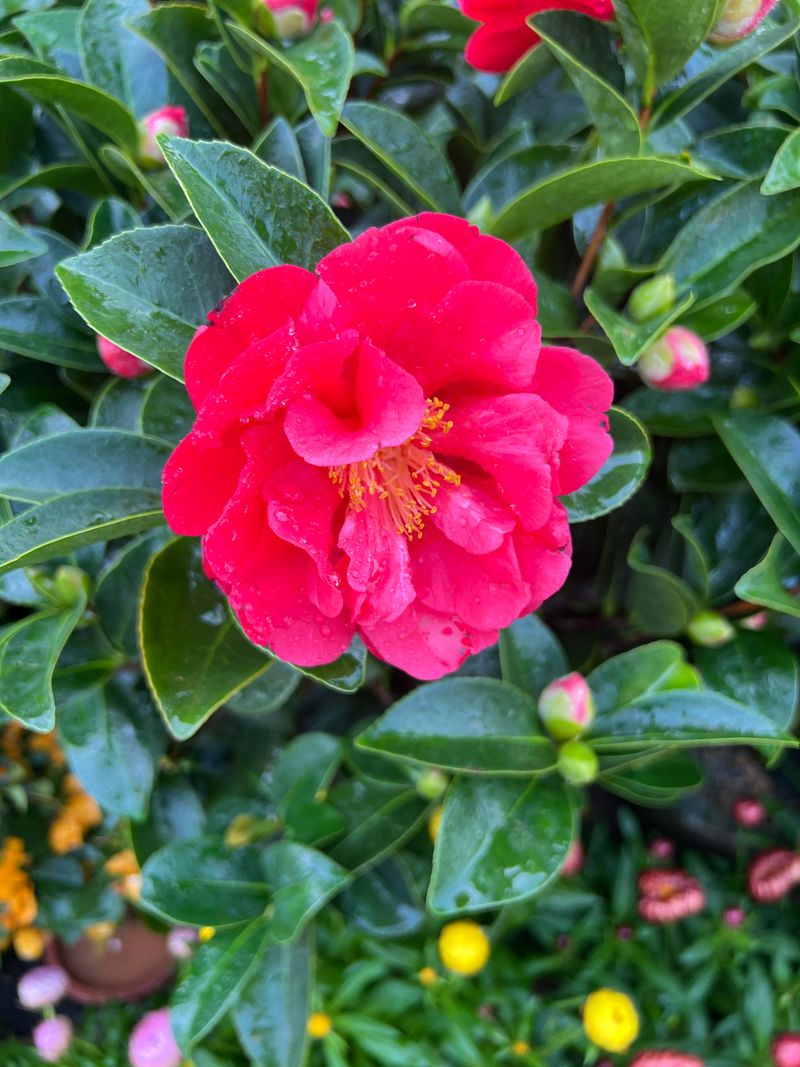
Camellias bloom in Georgia when almost nothing else does, pushing out flowers from late fall all the way through early spring depending on the variety. That long bloom window is part of what makes them such a standout in Southern gardens.
Bud formation for camellias happens during the summer months. By fall, those buds are already visible on the branches, slowly swelling and getting ready to open over the coming months.
Pruning in spring, after some varieties have just finished blooming, can easily cut into the new buds that are already beginning to form for the next cycle.
Georgia gardeners sometimes get confused because camellias can look like they need attention right after their blooms drop. Spent flowers fall messily, and the plant can look a bit untidy.
But grabbing the pruners too soon, especially heading into late spring, risks removing new growth that carries next season’s flower buds.
Right after blooming finishes is the correct window, but keep cuts light and purposeful. Remove crossing branches, shape the silhouette gently, and cut back only what is necessary.
Camellias grow slowly, so heavy pruning is rarely needed anyway. In Georgia’s climate, a well-timed light trim keeps these plants looking polished while protecting every bud that will become next year’s flowers.
5. Gardenias Lose Future Blooms When Pruned Too Late In The Season
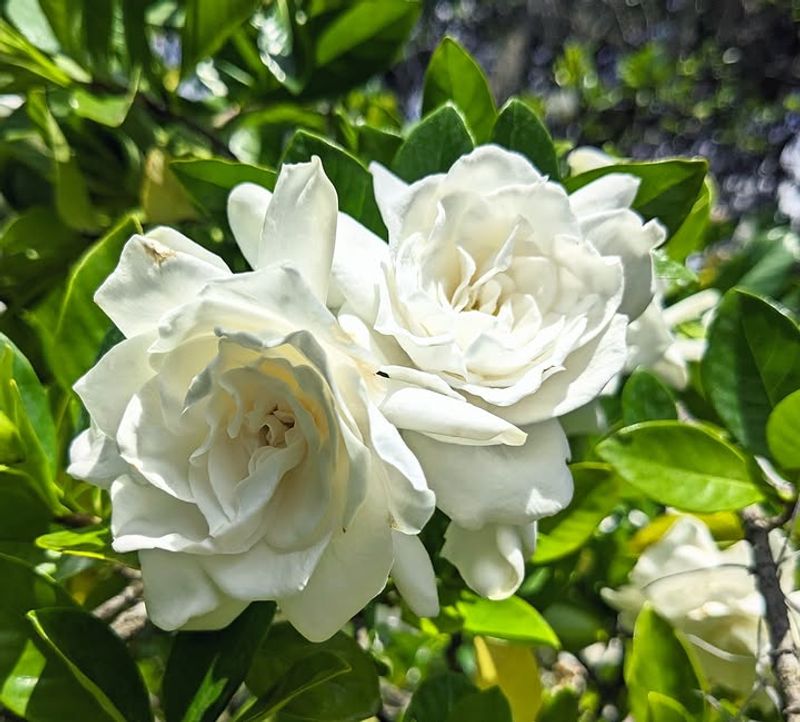
Few plants smell as good as a gardenia in full bloom on a warm Georgia evening. That rich, sweet fragrance drifting across a backyard is something people who grow gardenias look forward to all year long.
Gardenias bloom in late spring and into summer, and they set their buds for the following year during the late summer months. Pruning in spring, before the current season’s bloom has happened, removes the buds that are already in place.
Pruning too late in summer, after the bloom has finished but when new buds are already forming, causes the same problem.
Georgia’s heat moves fast. Once summer kicks in, gardenias shift quickly from blooming to bud-setting mode.
That window between the end of flowering and the start of new bud development is short. Missing it means any pruning you do will cost you blooms the following year.
Right after the last flowers fade in early to midsummer is the best time to trim gardenias in Georgia. Gardenias also respond well to consistent fertilizing and good drainage, which keeps them blooming heavily without needing aggressive pruning to stay healthy.
Treat them right and they reward you season after season with those unforgettable flowers.
Even small, careful cuts outside that window can reduce how many flowers you see the next season. Sticking to that short timing window keeps the plant full, balanced, and covered in blooms year after year.
6. Forsythia Drops Its Bright Spring Flowers If Pruned Too Soon
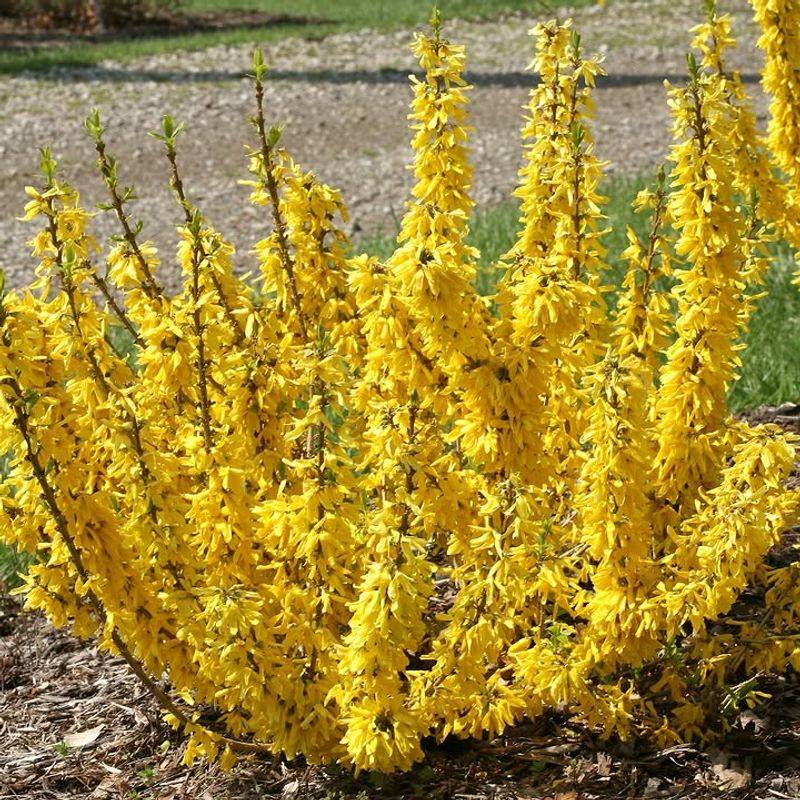
Forsythia is one of the first signs that winter is finally over in Georgia. Those arching branches explode with yellow flowers before a single leaf appears, and the color is almost impossible to miss driving through a neighborhood in late February or March.
All those yellow blooms come from buds that formed on last year’s wood. Prune the plant in early spring before it flowers and you remove the buds that would have opened into that cheerful yellow display.
It is one of the most common mistakes Georgia gardeners make with forsythia, usually because the plant looks overgrown and the urge to cut it back hits right when spring chores begin.
Forsythia is actually quite forgiving in most ways, but not when it comes to pruning timing. Cut it right after flowering finishes, and the plant will push new growth all summer that carries next year’s buds.
Cut it in spring or fall and you trade a season of blooms for a tidier-looking but flowerless shrub.
Right after the yellow flowers drop is the moment to act. Forsythia can handle fairly hard pruning at that point without any lasting harm.
Remove older, thicker canes from the base to encourage fresh growth, shape the overall spread, and then leave it alone until next spring. Georgia gardeners who follow this simple rule never miss a season of those bright yellow flowers.
7. Lilacs Need Time After Bloom And Spring Pruning Disrupts That Cycle
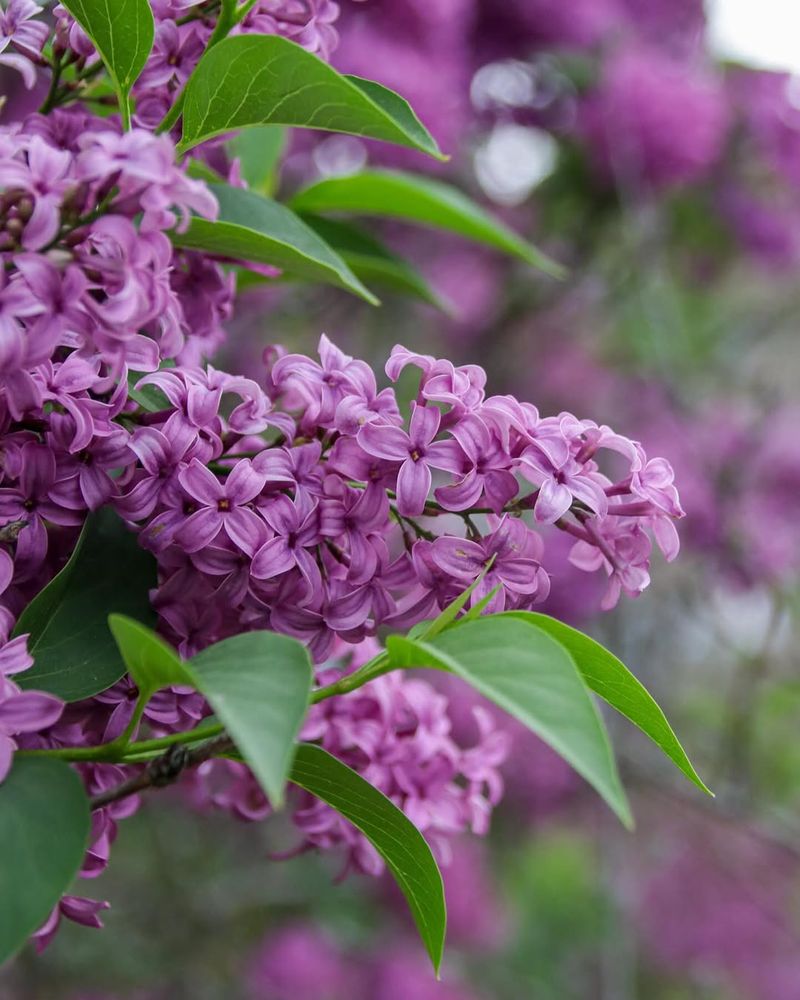
Lilacs are a little trickier to grow in Georgia than in cooler states, but gardeners in the northern parts of the state can still get a beautiful bloom from certain varieties. When they do flower, the fragrant purple clusters are absolutely worth the extra care.
Like most spring-blooming shrubs, lilacs set their flower buds on old wood from the previous season. Pruning in spring before the flowers open removes those buds completely.
Even a light trim in March can take off enough budded wood to significantly reduce the bloom or wipe it out entirely for that year.
Georgia’s warmer climate means lilacs sometimes struggle to get enough winter chill hours to bloom reliably. Starting them off with a spring pruning mistake on top of that makes a tough situation even harder.
Protecting every bud that forms is especially important in Georgia, where the bloom may already be lighter than what gardeners in the Midwest or Northeast experience.
Prune lilacs immediately after flowering ends, cutting just behind the spent flower clusters. Avoid cutting into thick, old wood unless absolutely necessary, because lilacs can be slow to recover from heavy pruning.
Give them that post-bloom window and they will keep producing those fragrant flowers year after year in Georgia gardens.
8. Flowering Quince Loses Its Early Color When Cut Back In Spring
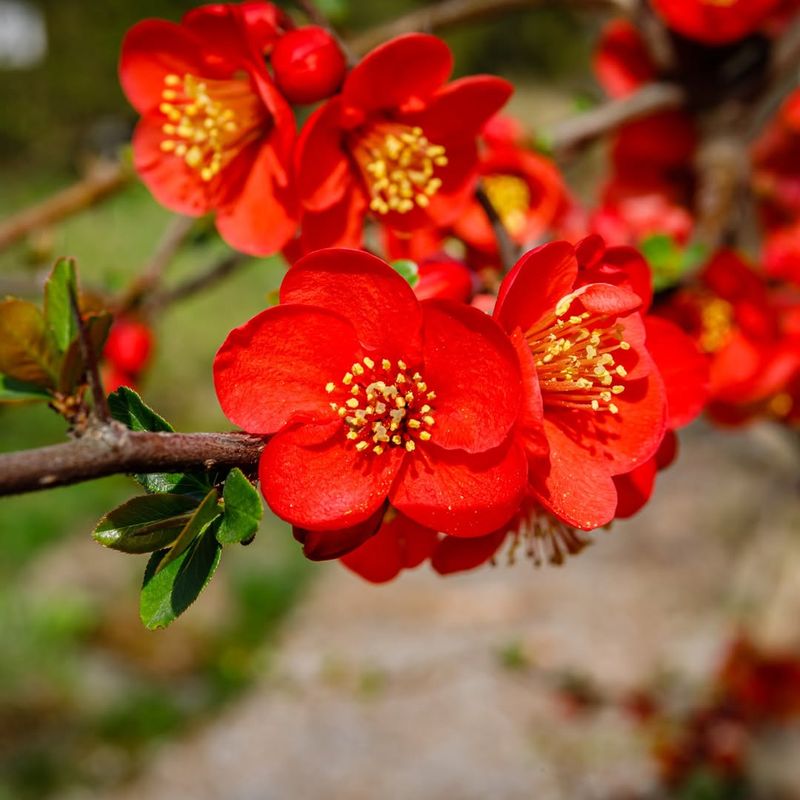
Flowering Quince is one of the earliest bloomers in a Georgia yard, sometimes pushing out fiery red, orange, or pink flowers as early as February. Those blooms appear on bare branches before leaves emerge, giving the plant a dramatic, almost sculptural look in late winter.
All of that early color comes from buds set on old wood the previous growing season. Prune the plant in late winter or early spring and you cut off the very stems carrying those flower buds.
What you are left with is a thorny, leafless shrub that offers nothing visually for the rest of the spring season.
Flowering Quince is a tough plant that can handle hard pruning without much trouble. The problem is purely about timing.
Many Georgia gardeners prune it in late February or early March as part of general yard cleanup, not realizing the buds are already right there on the branches, days away from opening.
Waiting until after the blooms have fully faded is all it takes to avoid the problem. Once flowering finishes, usually by mid-spring in Georgia, go ahead and prune as much as needed.
Remove old canes, thin the interior for better airflow, and shape the overall size. Flowering Quince responds well to pruning at the right time, and the payoff every late winter is a bold splash of color that few other plants in Georgia can match that early in the year.