8 No-Mow Lawn Ideas Using Groundcovers For Georgia Yards
Grass lawns in Georgia can turn into a constant chore before the season even hits full heat. Patches thin out, weeds push through, and keeping everything green starts to feel like a full time job.
There comes a point where putting more time and effort into the same results just does not make sense anymore.
More yards are starting to shift toward something simpler, but also more visually appealing. Low growing plants can fill in space, soften the look of a yard, and hold up through heat, humidity, and changing conditions without constant upkeep.
The difference shows up fast once the right choice settles in.
Some options stay neat without mowing, some spread and cover problem spots, and others bring a completely different texture to the yard. It becomes less about constant maintenance and more about a yard that holds its look on its own.
1. Frogfruit Forms A Low Mat And Handles Light Foot Traffic
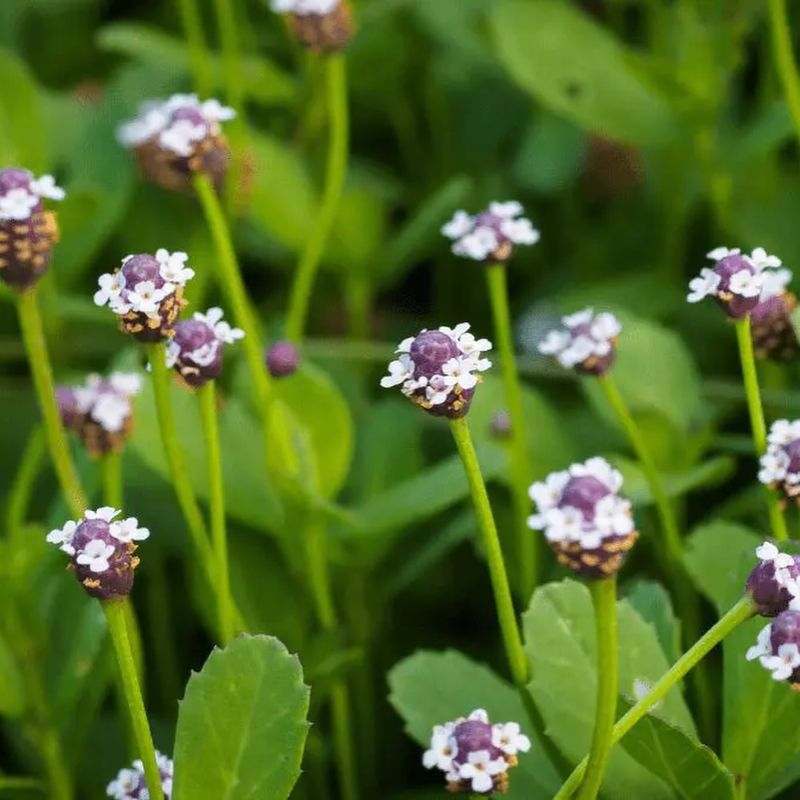
Frogfruit is one of those plants that most Georgia gardeners walk right past without recognizing it — and that is a shame, because it earns its place in a no-mow yard better than almost anything else at this scale.
Phyla nodiflora spreads by creeping stems that root as they go, slowly filling in gaps and building a dense, low mat that sits just a few inches off the ground. It handles light foot traffic reasonably well, which makes it useful along informal paths or in areas where kids or pets cut across the yard regularly.
Just keep in mind that heavy, repeated traffic will eventually thin it out.
In Georgia, frogfruit handles the summer heat without much complaint. It prefers full sun and does best in well-drained soil, though it tolerates clay better than you might expect.
Dry spells slow its spread but rarely set it back seriously.
Tiny white and lavender flowers bloom across the mat from late spring through fall, and those flowers attract butterflies and native bees in surprising numbers. If you are trying to support pollinators in your Georgia yard, frogfruit pulls real weight.
It can go dormant in winter, so expect the mat to look thin or brown from December through February before it greens back up in spring.
2. Sunshine Mimosa Spreads Fast And Creates A Soft Ground Layer
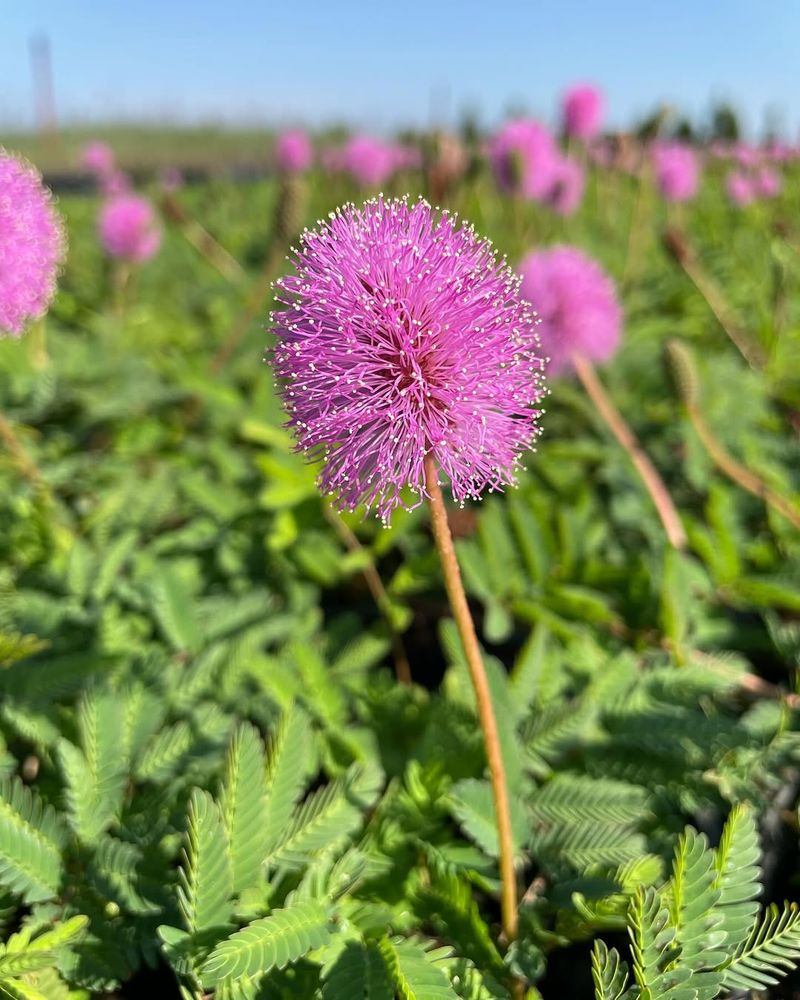
Touch the leaves of sunshine mimosa and they fold up — not because something is wrong, but because that is just what this plant does.
That quirk alone makes it memorable, but what really matters for Georgia yards is how well it spreads and how little it asks for in return.
Mimosa strigillosa is a Florida and Gulf Coast native that has naturalized well across south and central Georgia. It spreads by runners that hug the ground tightly, creating a soft, feathery carpet that stays under six inches tall without any mowing.
The foliage is finely textured and stays green through most of the warm season.
Pink, powder-puff flowers appear from spring through fall and bring in a steady stream of bees and butterflies. If pollinator activity matters to you, this plant delivers it consistently.
Your Georgia Garden Changes Every Week. Your Plan Should Too.
Gardening in Georgia changes quickly throughout the season. Every Friday you’ll receive a simple weekly plan showing exactly what to plant, prune, fertilize, harvest, and protect so you never miss the right timing.
It does best in full sun and handles Georgia’s summer humidity without the fungal issues that plague some other groundcovers.
Sandy or loamy soil suits it well. Heavy clay can slow establishment and limit how aggressively it spreads, so amending compacted areas before planting gives it a better start.
Sunshine mimosa goes dormant in winter across most of Georgia, leaving brown stems until warmth returns. Cutting it back in late winter helps it come back cleaner and fuller the following spring.
3. White Clover Works As A Durable Low Maintenance Lawn Alternative
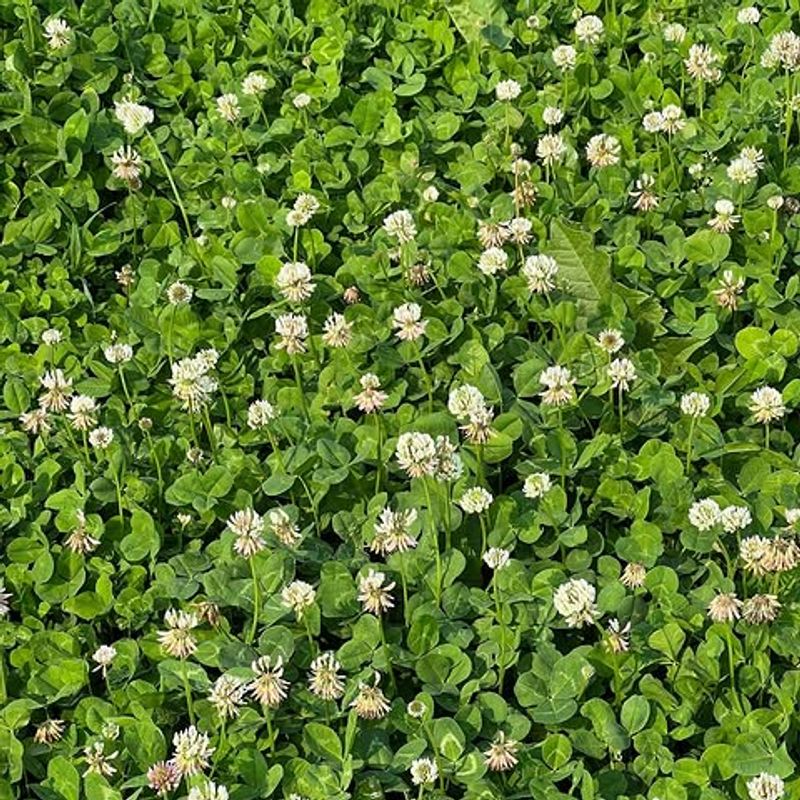
Clover got unfairly pushed out of American lawns decades ago when broadleaf herbicides became standard — but plenty of Georgia homeowners are bringing it back, and for good reason.
Trifolium repens stays green through dry stretches that turn fescue and bermuda brown. It fixes nitrogen from the air into the soil, which means the surrounding plants benefit without you adding fertilizer.
A mixed clover and grass yard often stays greener and denser than a pure grass lawn under the same conditions.
White clover grows four to eight inches tall and can be mowed occasionally if you want a neater look, or left alone if you prefer a softer, more natural appearance.
It tolerates moderate foot traffic and recovers reasonably well after being walked on, though it will thin out in areas that get heavy, daily use.
Bees love the flowers, so if you have young children playing barefoot, that is worth thinking about. Keeping it mowed back during peak bloom reduces that concern without eliminating the plant.
In Georgia, clover performs best in full sun to partial shade. It can struggle in deep shade or in spots with poor drainage, so assess your yard honestly before committing to it as a full lawn replacement.
Starting with a test patch in one section before going all-in is a practical approach.
4. Green And Gold Fills Shady Areas Where Grass Struggles To Grow
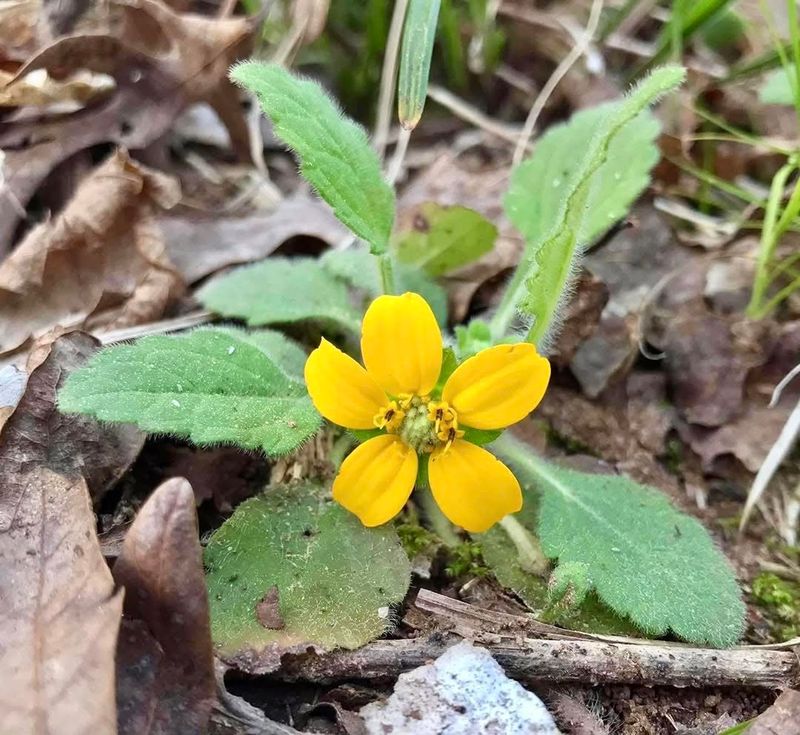
Under a big Georgia oak or a dense canopy of dogwoods, grass just refuses to cooperate. Green and gold, known botanically as Chrysogonum virginianum, actually prefers those conditions and spreads steadily through them.
Bright yellow, star-shaped flowers appear heavily in spring and then continue sporadically through summer and into fall.
The foliage stays semi-evergreen across much of Georgia, meaning it holds its leaves through mild winters and only drops them during harder cold snaps.
That gives it a longer season of visual interest compared to plants that go fully dormant.
Growth is moderate rather than aggressive. Green and gold spreads by short runners and slowly fills in gaps, but it will not take over a bed or crowd out shrubs the way some groundcovers can.
That makes it easier to manage in mixed plantings where you want coverage without constant editing.
It prefers well-drained soil with some organic matter worked in. Dry shade is its weak spot — if your shady area also drains extremely fast and stays bone dry in summer, supplemental watering during the first season or two will help it establish a stronger root system.
Once it has settled in, it handles typical Georgia dry spells in shade reasonably well. Avoid heavy clay without amendment, and avoid planting it in spots that collect standing water after rain.
5. Partridgeberry Forms An Evergreen Carpet But Takes Time To Establish
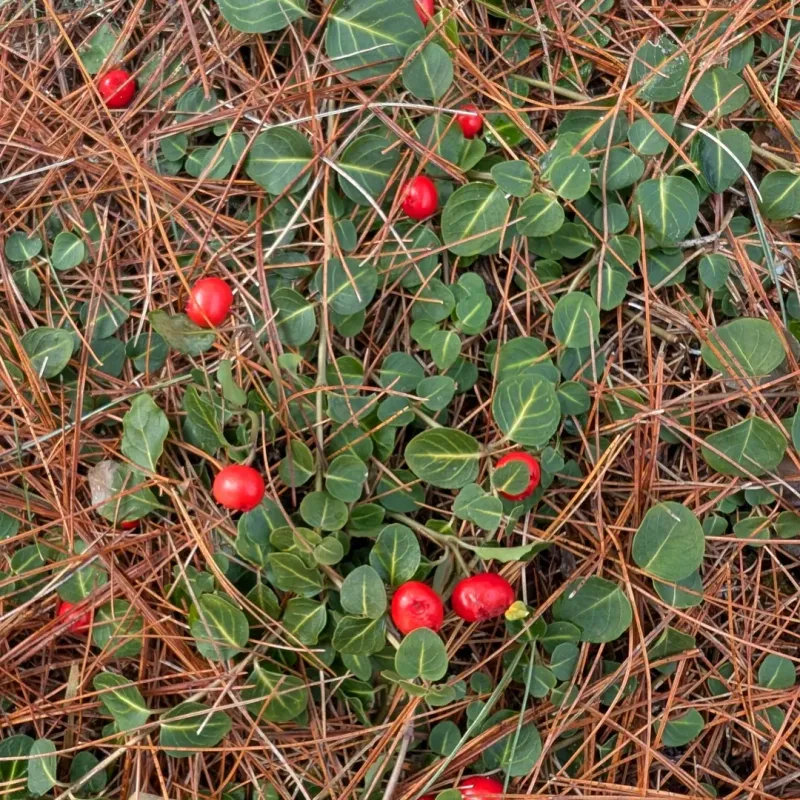
Patience is the price of admission with partridgeberry, but what you get in return is a genuinely beautiful, fully evergreen groundcover that holds its color through Georgia winters without any help from you.
Mitchella repens is a native woodland plant found naturally in Georgia’s piedmont and mountain regions. It hugs the ground tightly, rarely exceeding two inches in height, and spreads by creeping stems that root at the nodes.
Tiny paired white flowers appear in late spring, followed by bright red berries that persist through winter and attract birds.
Shade is non-negotiable for this plant. It needs the cool, filtered light of a woodland understory and will not tolerate full sun or heat reflected off pavement.
Rich, acidic, well-drained soil with plenty of leaf litter gives it the best environment. Georgia’s native piedmont soils, especially under pines and hardwoods, can be a natural fit with minimal amendment.
Establishment takes longer than most groundcovers — expect one to two full growing seasons before you see significant spread. Spacing plants closer together at the start speeds up coverage but increases upfront cost.
Supplemental watering during the first summer is important, especially during dry stretches. Once the root system matures, it handles normal woodland conditions without much intervention.
Deer tend to leave it alone, which is a meaningful advantage in many Georgia neighborhoods and rural yards.
6. Allegheny Spurge Creates A Dense Ground Layer In Deep Shade
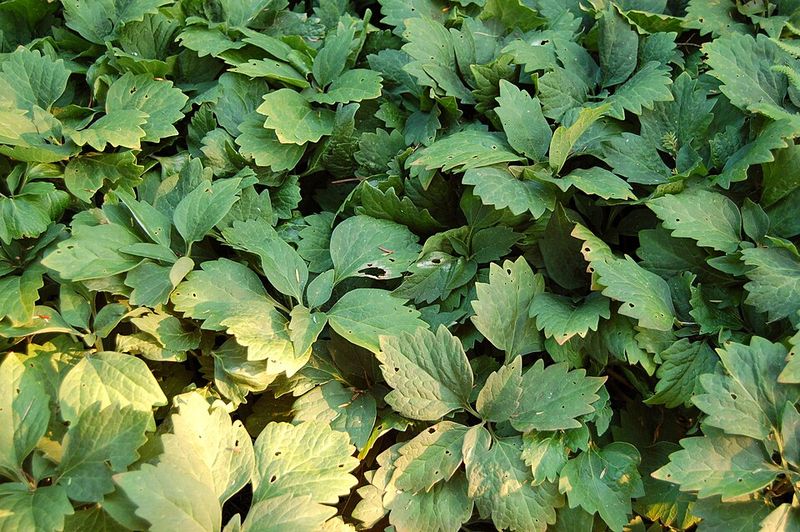
Most groundcovers wave the white flag in truly deep shade. Allegheny spurge does not.
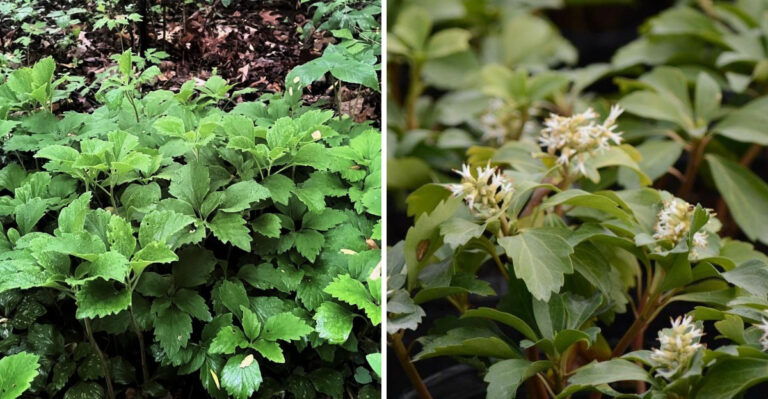
Pachysandra procumbens is the North American counterpart to the widely planted Japanese pachysandra, and it handles Georgia’s shade situations with a character that feels more suited to the region.
The leaves are broad, mottled with silver-gray markings, and semi-evergreen, holding through mild Georgia winters before fresh growth pushes out in spring.
Fragrant white flower spikes appear at ground level in late winter to early spring, which is an unexpected bonus during a time when most of the yard looks bare.
Deep shade under large trees is where Allegheny spurge earns its place. Grass routinely fails in these spots, leaving bare soil that erodes and looks rough.
Spurge fills that space steadily, building a dense layer that suppresses weeds once it has spread enough to cover the ground.
Spread is slow and deliberate rather than aggressive, so plan on a few years before you have full coverage across a large area. Rich, moist, acidic soil with good drainage suits it well.
Amending heavy Georgia clay with compost before planting gives roots room to develop properly. It does not tolerate standing water or drought well, so avoid extremely dry spots or low areas that stay wet after heavy rain.
Regular leaf litter left in place actually benefits this plant by mimicking its natural woodland habitat.
7. Common Blue Violet Spreads Quickly And Fills Patchy Lawn Areas
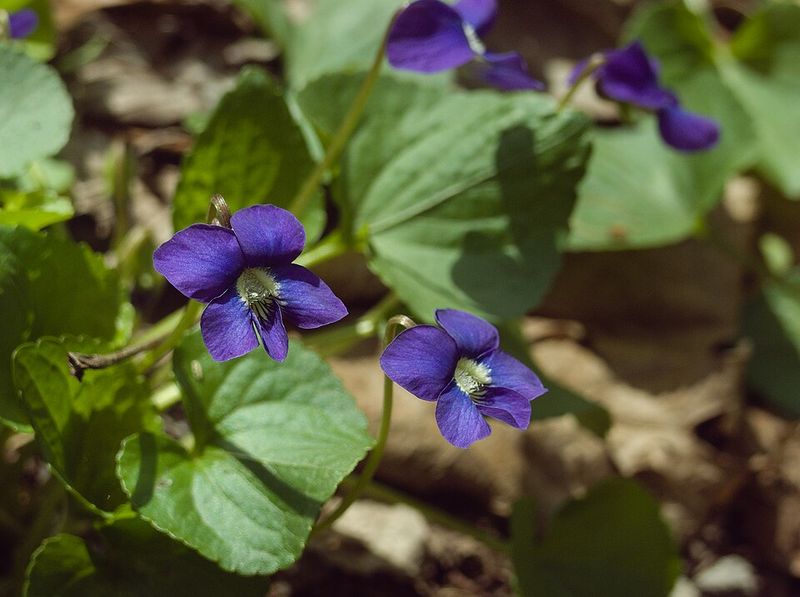
Blue violets have a reputation for being weedy, and honestly, that reputation is part of why they work so well as a groundcover in patchy Georgia lawns.
Viola sororia spreads by seed and by short underground stems, filling in bare and uneven areas faster than most intentionally planted groundcovers.
Heart-shaped leaves form a low, dense rosette that shades out competing weeds and holds soil in place on gentle slopes.
Purple to blue-violet flowers appear in early spring before most other plants are actively growing, giving the yard early color when it needs it most.
Full sun to partial shade both work, though the plant tends to spread more aggressively in slightly shaded areas with moist soil. In Georgia’s piedmont and north Georgia foothills, it naturalizes easily under open canopy trees where grass thins out.
It handles clay soil better than many alternatives, which is a genuine advantage given how common clay is across central Georgia.
Cleistogamous flowers — small, closed flowers that self-pollinate without opening — produce seeds throughout the growing season, which is a big part of why violets spread so readily.
If you want controlled coverage, pull seedlings from areas where you do not want them.
For filling large bare sections quickly without spending much money, blue violets are hard to beat. They are also a host plant for several native fritillary butterfly species, adding ecological value beyond just ground coverage.
8. Creeping Phlox Covers Slopes Where Grass Fails To Hold
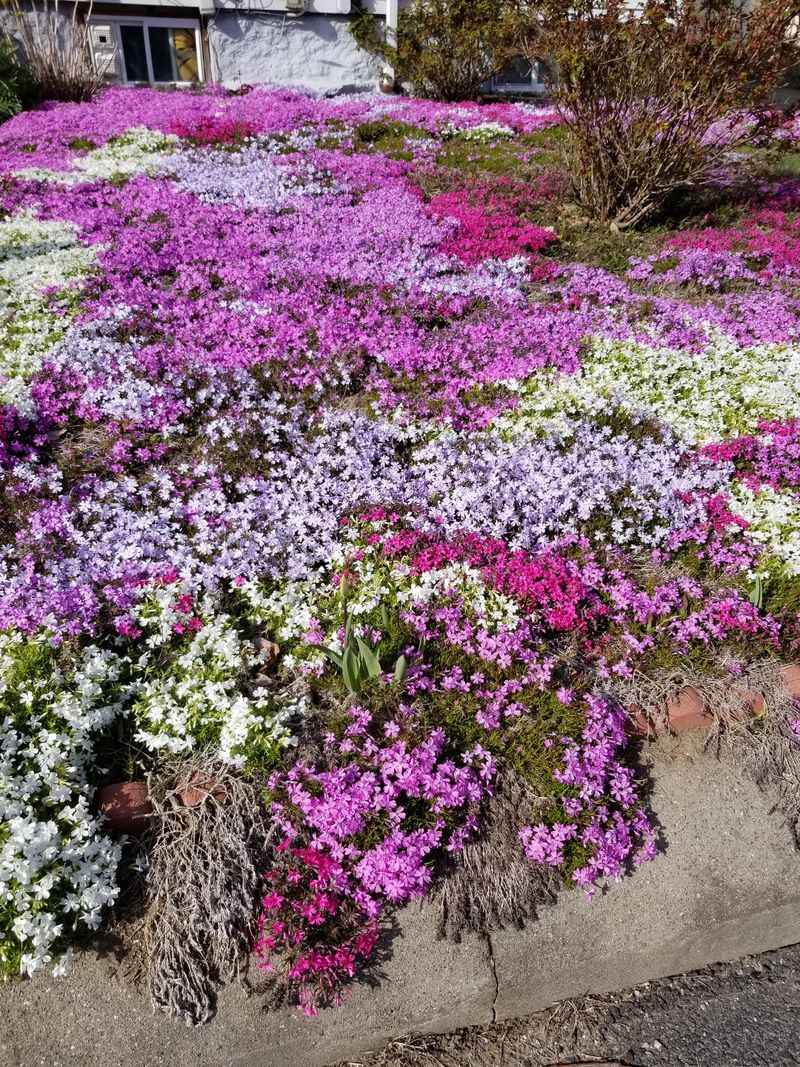
Slopes are where lawn care becomes genuinely miserable — mowing them is awkward, erosion washes out bare spots, and grass roots rarely grip steep ground well enough to hold through heavy Georgia rains.
Creeping phlox handles slopes better than most groundcovers at its height.
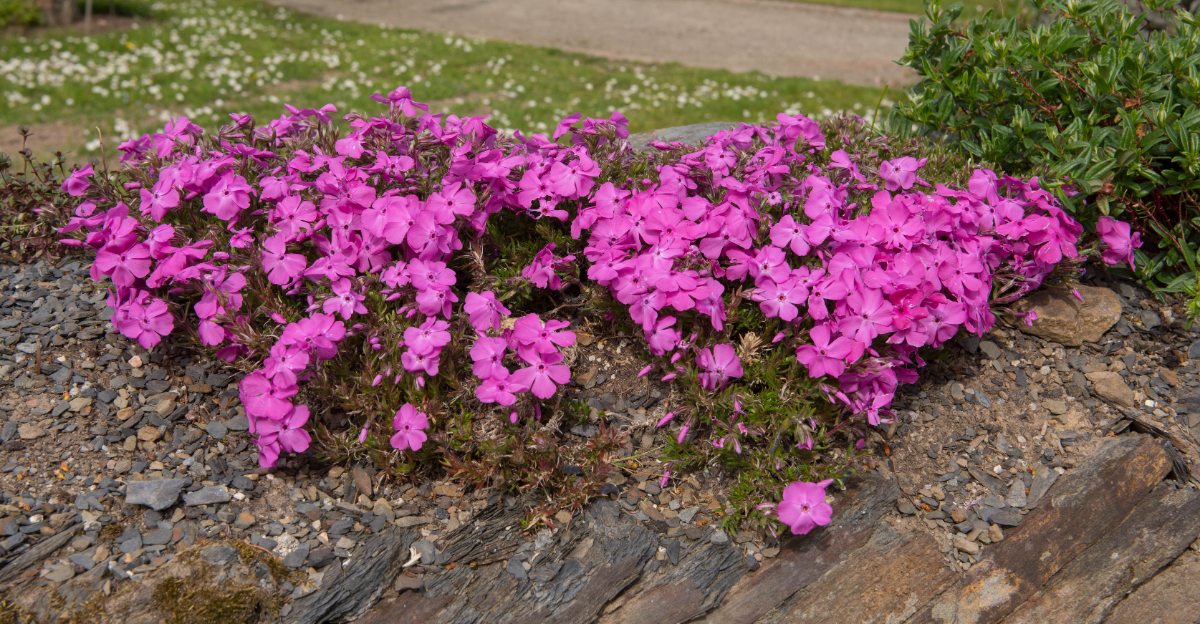
Phlox subulata forms a dense, low mat of needle-like evergreen foliage that stays in place year-round. In spring, the plant covers itself in flowers so completely that the foliage nearly disappears beneath them.
Colors range from white to pink, lavender, and deep magenta depending on the variety. The bloom period is relatively short — roughly three to four weeks in early spring — but the show is dramatic enough to make it worth planting for that alone.
Full sun and well-drained soil are the two requirements that matter most. Georgia’s red clay needs amendment on slopes before planting, both to improve drainage and to give roots a better medium to anchor into.
Spacing plants about eighteen inches apart at planting allows them to knit together within a couple of growing seasons. Trimming the mat lightly after bloom encourages denser regrowth and keeps the foliage looking tidy through summer and fall.
Deer occasionally browse it, so in areas with heavy deer pressure, physical deterrents during establishment are worth considering.
Once established it essentially takes care of itself, which is the best possible outcome on a slope you would otherwise have to fight with a mower every few weeks.