What Flowering Vines Need In April In North Carolina To Grow Strong All Season

April is when flowering vines in North Carolina begin making real progress, and what they get now can shape the whole season ahead.
As temperatures rise, these fast growers start putting energy into roots, stems, and fresh new growth. That early push matters more than many gardeners think.
If a vine has poor support, soggy soil, or too little sunlight, it may struggle long before summer arrives.
This is also the time when small problems can turn into bigger ones, especially once heat and humidity settle in.
A strong start in April helps vines climb better, bloom more, and handle stress with less trouble later on.
For gardeners who want full coverage, healthy leaves, and lots of flowers, spring care is not something to overlook.
The right attention now can mean the difference between a vine that simply grows and one that truly takes over in the best way.
1. Warm Soil Before Planting Tender Vines
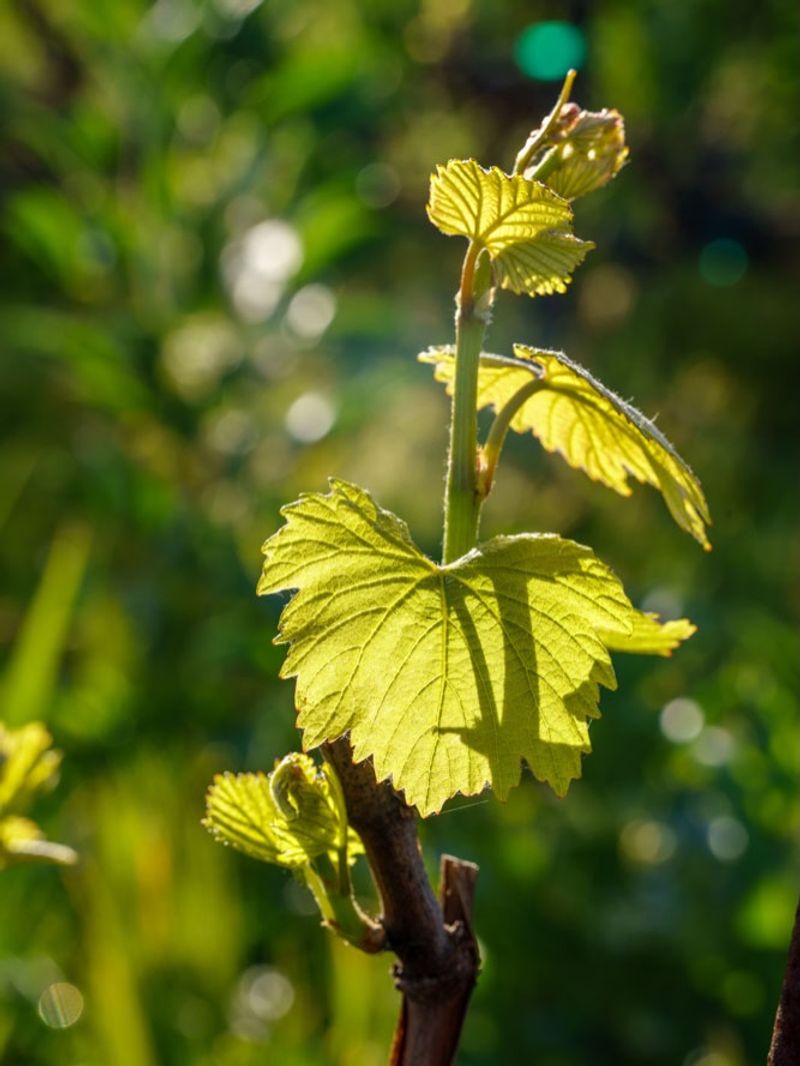
Soil temperature matters more than most gardeners realize, especially for tender vines like Morning Glory and Black-Eyed Susan Vine.
These popular flowering vines need soil that has warmed up enough to support healthy root growth from the very start.
Planting too early in cold soil can slow everything down and even damage delicate young roots before they get a chance to establish.
In many parts of North Carolina, mid to late April is the sweet spot for getting vines into the ground safely.
If you garden in the mountains of western North Carolina, the frost risk can linger longer, so waiting until the very end of April or even early May is a smarter move.
A simple soil thermometer can help you check whether your ground has reached at least 60 degrees Fahrenheit before you plant.
Cold soil does not just slow growth, it can stress young plants in ways that hurt their performance for the rest of the season.
Rushing the planting process is one of the most common mistakes North Carolina gardeners make in spring.
Patience here truly pays off, because vines planted in warm, ready soil take off faster and grow stronger than those forced into cold ground too soon.
2. Strong Support Installed Early

Picture a beautiful flowering vine sprawling across a fence or climbing a gorgeous wooden arbor in full summer bloom.
That stunning result starts with one simple step taken in April: installing your support structure before your vines get growing.
Waiting too long to put up a trellis or arbor means your plants may start spreading across the ground, tangling up, and becoming much harder to manage.
Vines grow fast once warm weather arrives in North Carolina, and they grab onto whatever is nearby.
Setting up a sturdy trellis, fence, or arbor early gives your plants a clear direction to grow from day one.
It also protects the vines from bending or breaking under their own weight as growth picks up speed through May and June.
Another great reason to install supports in April is that the soil is still easy to work with before summer heat sets in.
Your North Carolina Garden Changes Every Week. Your Plan Should Too.
Gardening in North Carolina changes quickly throughout the season. Every Friday you’ll receive a simple weekly plan showing exactly what to plant, prune, fertilize, harvest, and protect so you never miss the right timing.
Driving stakes or anchoring posts into moist spring soil is far easier than trying to do it in dry summer ground.
Think about the mature size of your vine when choosing your structure, because a full-grown Trumpet Vine or Wisteria can get quite heavy and needs a seriously solid support to hold it all season long in North Carolina gardens.
3. Well-Drained, Fertile Soil Is Key
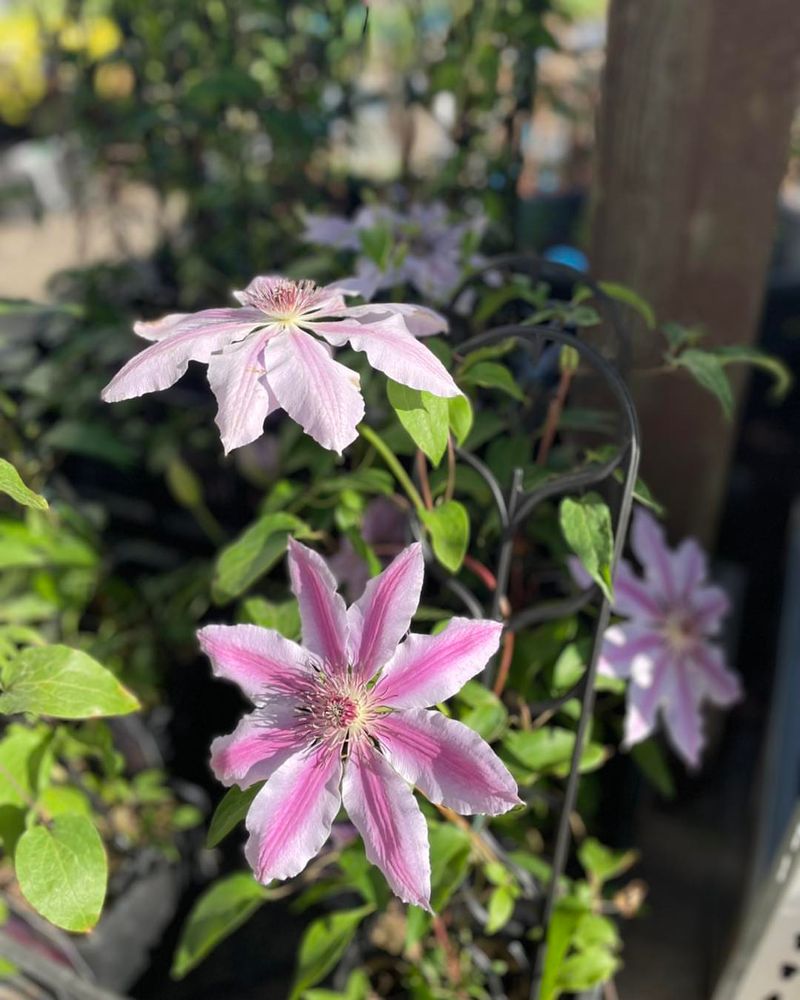
Not all soil is created equal, and North Carolina gardeners know this better than most.
Depending on where you live in the state, your soil might be thick and clay-heavy like in the Piedmont region, or loose and sandy like along the coastal plain.
Neither extreme is ideal for flowering vines on its own, but both can be improved with a little work in April before planting begins.
Adding compost to your planting area is one of the best things you can do this month.
Compost loosens clay soil so water can drain through properly, and it helps sandy soil hold onto moisture and nutrients longer.
Working two to three inches of compost into the top twelve inches of your garden bed creates a loose, rich environment where vine roots can spread out freely and anchor themselves well.
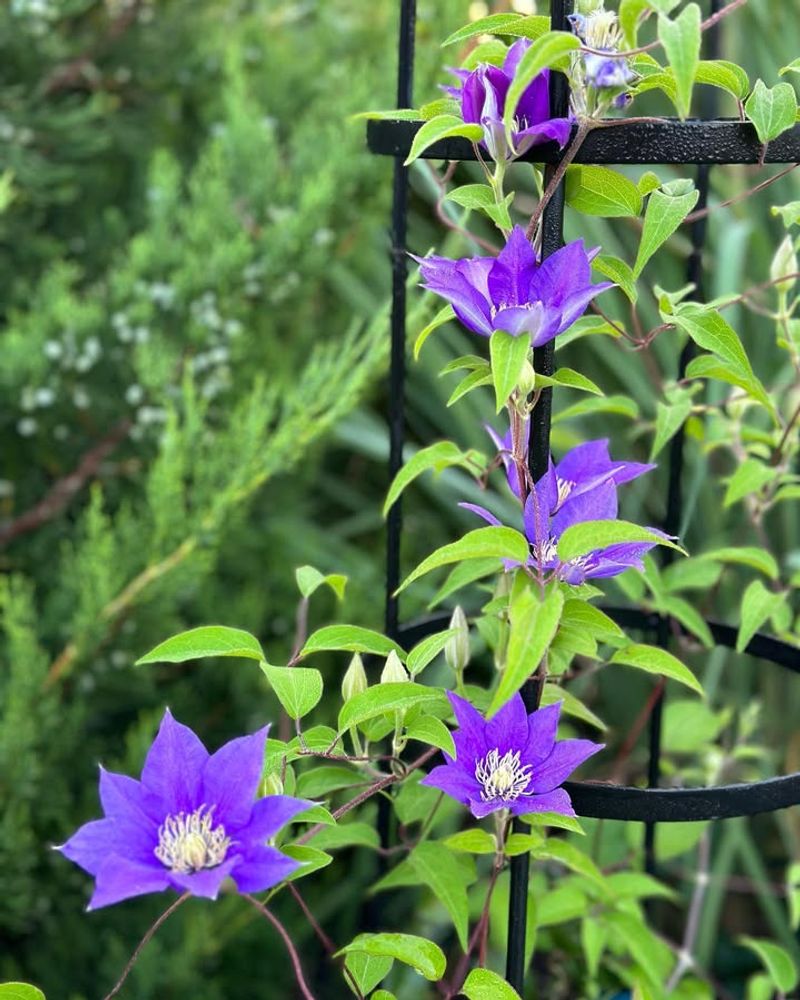
Flowering vines like Clematis, Trumpet Vine, and Carolina Jessamine all perform best in soil that drains well but stays consistently fertile.
Waterlogged roots are one of the most common reasons vines struggle or fail to bloom in North Carolina gardens.
Taking time in April to fix your soil structure means your vines will have access to the oxygen, nutrients, and drainage they need to push out strong growth and vibrant blooms from spring all the way through fall.
4. Full Sun Drives Better Blooming
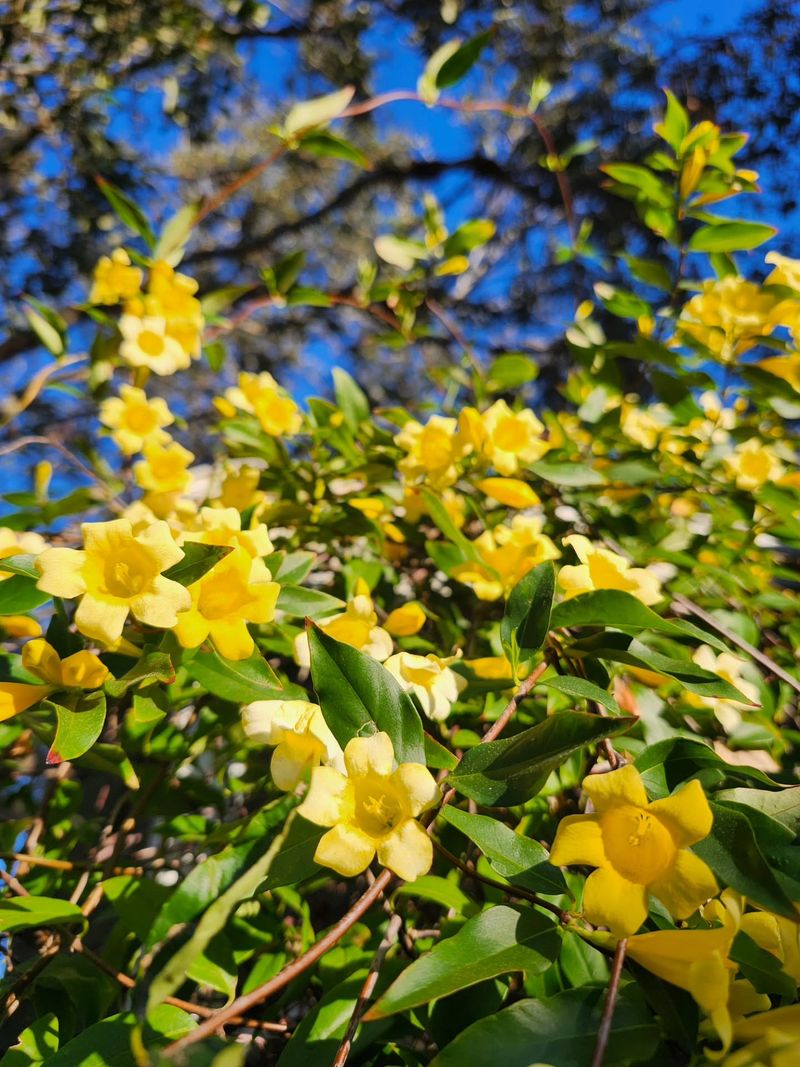
Sunlight is like fuel for flowering vines, and most of the popular varieties grown in North Carolina are serious sun lovers.
Morning Glories, Mandevilla, Black-Eyed Susan Vines, and Trumpet Vines all perform at their best when they receive at least six to eight hours of direct sunlight each day.
Choosing the right planting spot in April is one of the most important decisions you will make all season.
When you plant in a location that gets full sun, your vines produce more flower buds and stronger stems throughout the growing season.
Shaded spots might seem appealing during hot North Carolina summers, but most flowering vines planted in too much shade tend to grow lots of leafy green growth while producing very few actual blooms.
That is the opposite of what most gardeners are hoping for. Walk around your yard on a sunny April day and pay close attention to which areas receive consistent sunlight from morning through afternoon.
South-facing and west-facing walls and fences tend to be the sunniest spots in most North Carolina yards.
Placing your trellis or arbor in one of these high-sun zones before planting gives your vines the energy advantage they need to flower heavily and grow with impressive strength from April all the way through the end of the growing season.
5. Consistent Moisture Early On
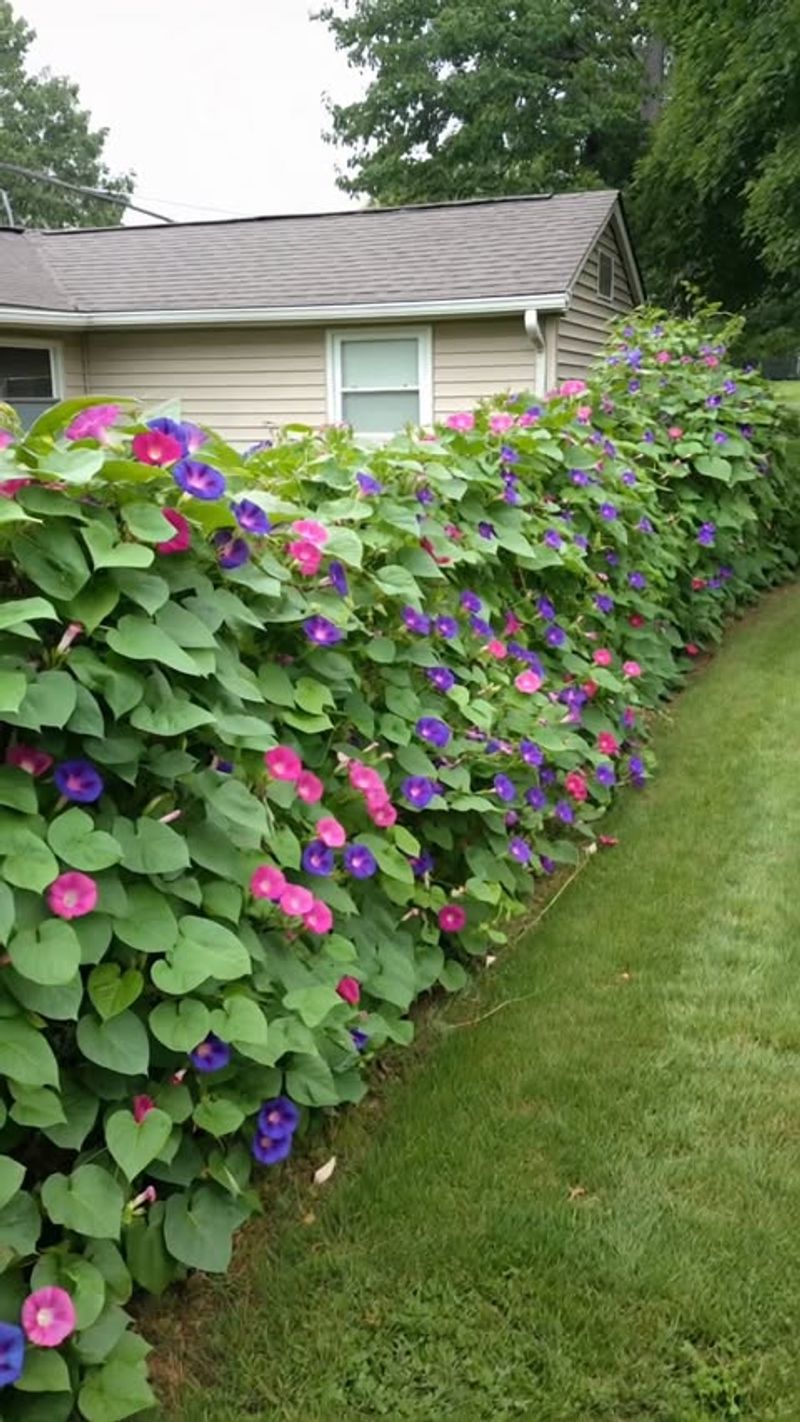
Newly planted vines are a little like babies in their first weeks of life. They need regular care and consistent moisture to get their roots established and start growing with confidence.
April weather in North Carolina can be unpredictable, swinging between rainy stretches and dry sunny spells, so keeping a close eye on soil moisture during this month is really important for your vines.
The goal is to keep the soil evenly moist but never soggy or waterlogged. Overwatering is just as harmful as underwatering because it can suffocate roots and invite fungal problems.
A good rule of thumb is to water deeply two to three times per week during dry spells in April, making sure the moisture reaches down into the root zone rather than just wetting the surface.
One helpful trick is to stick your finger about two inches into the soil near your vine. If it feels dry at that depth, it is time to water. If it still feels damp, you can hold off for another day.
As your vines get more established through late April and into May, their root systems will grow deeper and they will become better at finding moisture on their own.
Getting that early watering routine right in April sets the foundation for a vine that handles North Carolina summer heat much more easily.
6. Light Feeding Encourages Growth
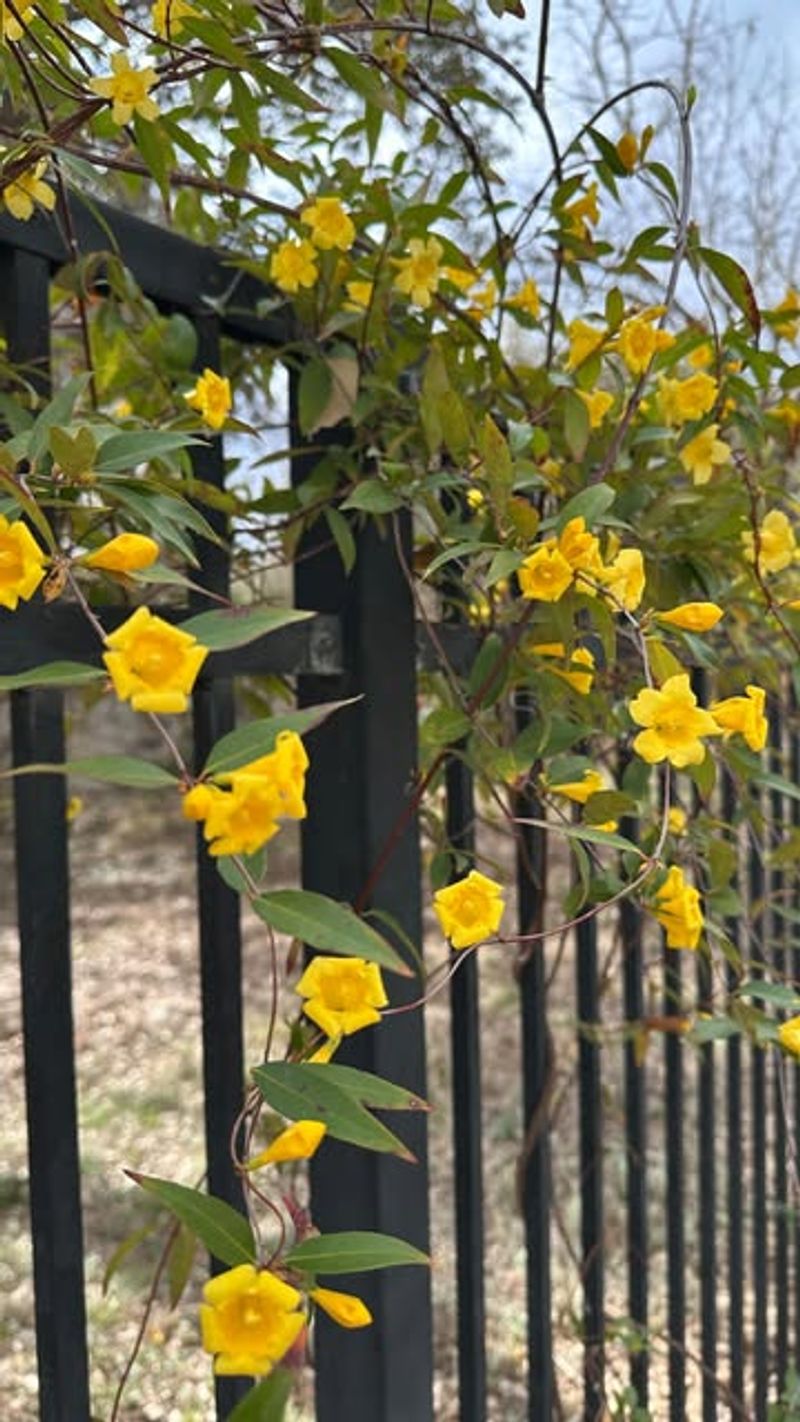
Feeding your flowering vines in April gives them a helpful head start as the growing season kicks into gear.
A balanced fertilizer, such as a 10-10-10 or a slow-release granular blend, provides a steady supply of the nutrients vines need to push out healthy stems and flower buds.
April is the right time to begin feeding because roots are actively growing and ready to absorb what you offer them.
One thing worth knowing is that too much nitrogen can actually work against you when growing flowering vines.
Nitrogen is the nutrient that drives leafy, green growth, and while that sounds good, an overdose can cause your vine to produce mostly foliage with very few flowers.
A moderate, balanced approach to fertilizing works best for vines like Mandevilla, Clematis, and Carolina Jessamine in North Carolina gardens.
Applying fertilizer lightly every four to six weeks through the growing season, starting in April, keeps vines well-nourished without overwhelming them.
Always water your plants after applying granular fertilizer to help it absorb into the soil and reach the roots.
Organic options like compost tea or fish emulsion are also great choices for gardeners who prefer a more natural feeding approach.
Steady, consistent nutrition throughout the season is what helps North Carolina flowering vines reach their full blooming potential.
7. Mulch Helps Stabilize Soil Conditions
Spreading a fresh layer of mulch around your flowering vines in April might seem like a small step, but it delivers some seriously big benefits.
A two to three inch layer of shredded bark, wood chips, or straw around the base of your plants helps the soil hold onto moisture much longer between waterings.
That is especially valuable as North Carolina temperatures start climbing through late spring and into summer.
Mulch also acts as a natural insulator for the soil, keeping roots cooler on warm days and protecting them from sudden temperature swings that can sometimes happen in April.
Spring in North Carolina can bring unexpected warm spells followed by cooler nights, and mulch helps buffer those changes so your vine roots stay in a more stable environment.
Stable soil conditions mean your plants spend less energy adjusting and more energy growing. Another bonus of mulching is weed control.
Weeds compete with your vines for water, nutrients, and space, and a good layer of mulch dramatically reduces how many weeds sprout up around your plants.
Pull any existing weeds before laying your mulch down, then spread it evenly but keep it a few inches away from the vine stem to prevent moisture buildup against the base.
This one simple April task protects your North Carolina flowering vines all season long in a surprisingly powerful way.