These Are The 10 Most Popular Spring Perennials In Florida Gardens
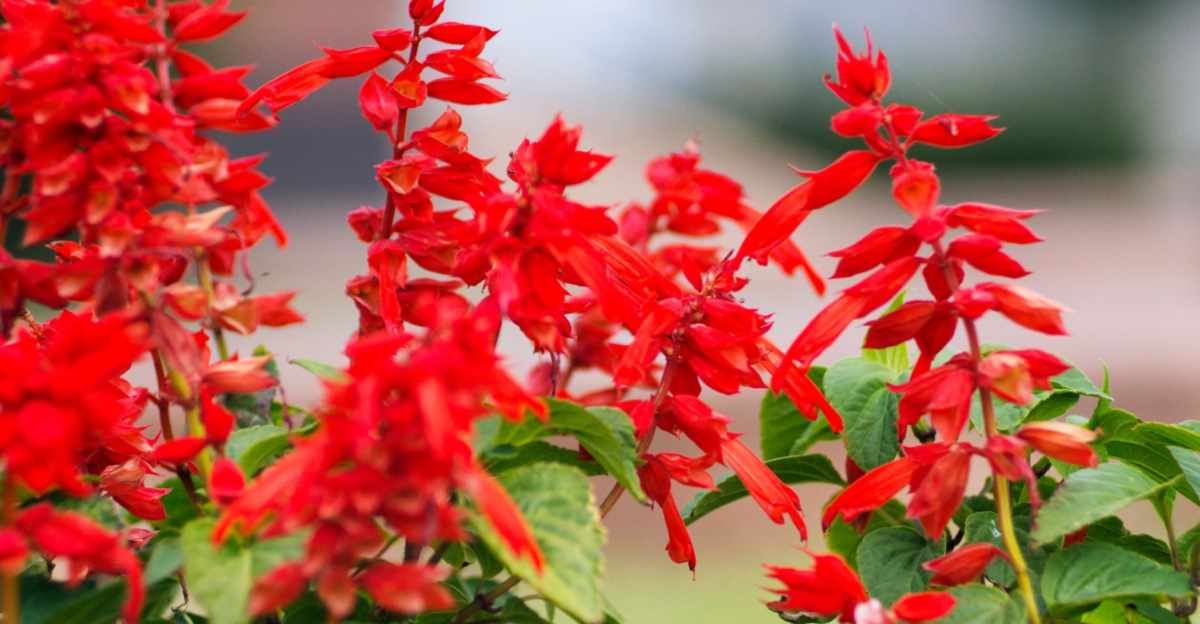
Spring in Florida brings a surge of color, and certain perennials always rise to the top. Gardeners across the state rely on a trusted mix of plants that handle heat, bounce back each year, and deliver strong seasonal impact without constant replanting.
These favorites earn their place through vibrant blooms, reliable growth, and the ability to thrive in Florida’s unique mix of sun, humidity, and sandy soil. Some fill beds with long-lasting color, others add structure and texture that carry the garden through changing conditions.
The result feels full, lively, and far easier to maintain than a garden built on short-lived choices. With the right selections, spring planting turns into a lasting investment that pays off season after season.
These widely loved perennials bring consistency, beauty, and confidence to Florida gardens year after year.
1. Add Radiant Color With Blanket Flower
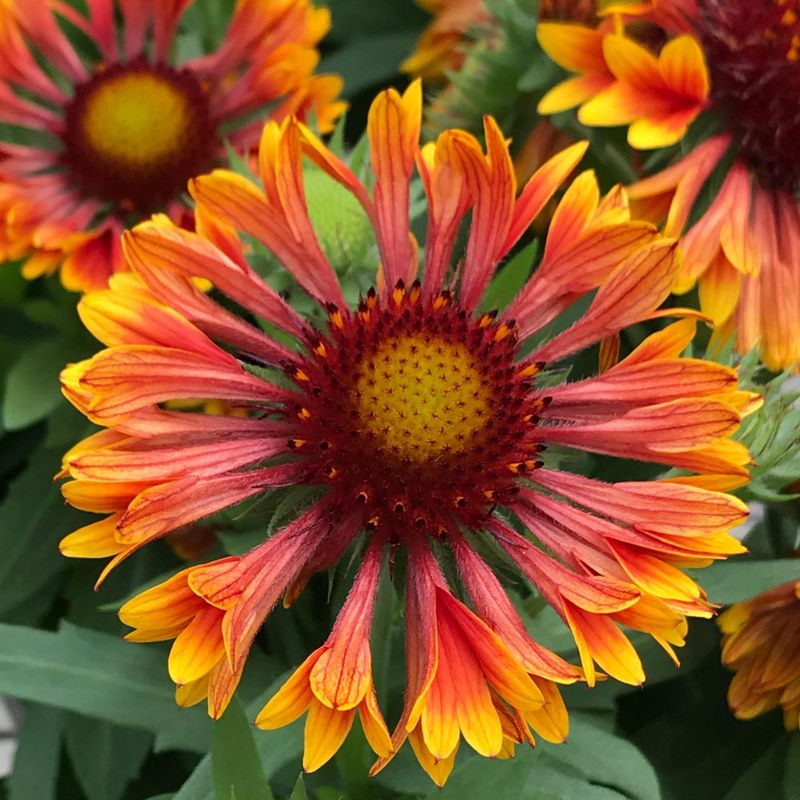
Salt air does not intimidate the Blanket Flower one bit. Gaillardia pulchella is a Florida native that thrives right at the edge of coastal gardens where other plants simply fade under the harsh combination of sandy soil, salt spray, and relentless sun.
University of Florida IFAS researchers consistently praise it as one of the most salt-tolerant flowering plants available to home gardeners in the state.
The blooms are genuinely eye-catching, featuring bold rings of red and yellow that look like tiny sunsets scattered across your garden beds. They open in early spring and keep producing color well into late fall, giving you an incredibly long season of interest without much effort on your part.
Plant them in full sun and resist the urge to improve the soil too much, because rich soil actually encourages weak, floppy growth.
Watering is almost an afterthought once Blanket Flower gets established in your landscape. Space plants about 12 inches apart and let them naturalize freely.
Deadheading spent blooms encourages even more flowers, but if you leave some seedheads in place, the plant will cheerfully reseed itself and fill in bare gaps. Few plants offer this level of reward for so little maintenance.
2. Attract Local Pollinators With Tropical Sage
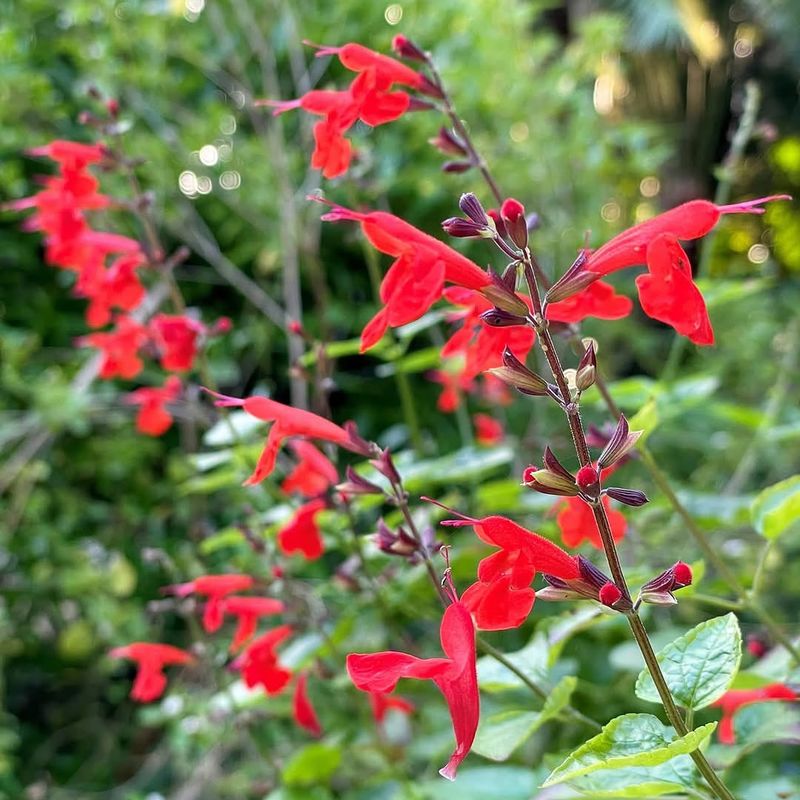
Watch a patch of Tropical Sage on a warm spring morning and you will quickly understand why Florida gardeners are so devoted to it. Salvia coccinea, also known as Scarlet Sage, produces slender spikes of brilliant red, pink, or white tubular flowers that act like a landing strip for butterflies, bees, and hummingbirds from March all the way through the first cool snap of late fall.
One of its most practical superpowers is its ability to reseed generously on its own. After a season or two, you will notice seedlings popping up in spots you never planted, quietly filling garden gaps without any help from you.
This self-seeding habit makes it an excellent low-cost way to cover ground and add continuous color throughout your landscape.
Tropical Sage handles Florida’s partial shade beautifully, making it one of the few pollinator-friendly plants that performs well under the canopy of live oaks or along the shadier side of a fence. UF/IFAS recommends it as a Florida-Friendly Landscaping plant because it requires minimal irrigation once established.
Your Florida Garden Changes Every Week. Your Plan Should Too.
Gardening in Florida changes quickly throughout the season. Every Friday you’ll receive a simple weekly plan showing exactly what to plant, prune, fertilize, harvest, and protect so you never miss the right timing.
Prune it back lightly after each flush of blooms to keep the plant compact, bushy, and producing fresh flower spikes all season long.
3. Brighten Your Garden Using Lanceleaf Tickseed
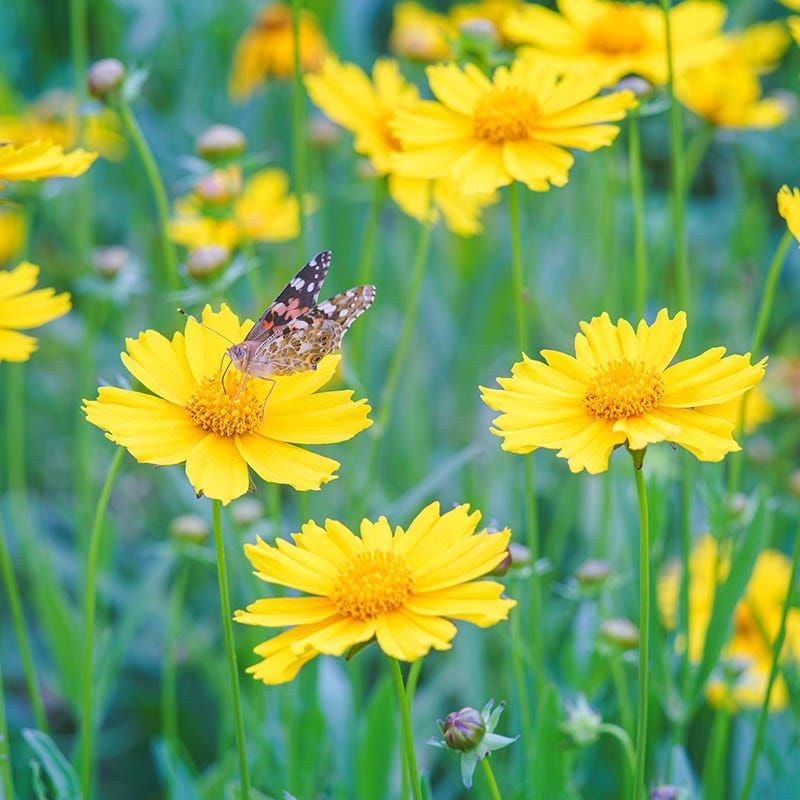
Florida officially declared the Tickseed its state wildflower back in 1991, and if you spend even one spring driving through Central Florida, you will understand exactly why. Coreopsis lanceolata carpets roadsides and open meadows in waves of cheerful yellow that seem almost impossibly bright against the blue Florida sky.
Bringing that same energy into your home garden is easier than most people expect.
Lanceleaf Tickseed thrives in full sun and is remarkably forgiving of the poor, sandy soils that challenge so many other flowering plants. Once established, it handles dry spells with grace, rarely needing supplemental irrigation beyond what nature provides.
The Florida Native Plant Society recommends it as a first-choice plant for homeowners who want a low-maintenance, high-impact garden.
Blooms appear in earnest from March through June, and a second flush often arrives after summer rains trigger new growth. Plant Coreopsis lanceolata in masses for the most dramatic visual effect, spacing plants about 18 inches apart to allow good air circulation.
Pollinators absolutely adore the nectar-rich flowers, so expect regular visits from native bees and painted lady butterflies. Cutting the plants back by about one-third after the first bloom cycle encourages a fuller, more productive second round of flowers.
4. Support Monarch Butterflies With Butterfly Milkweed
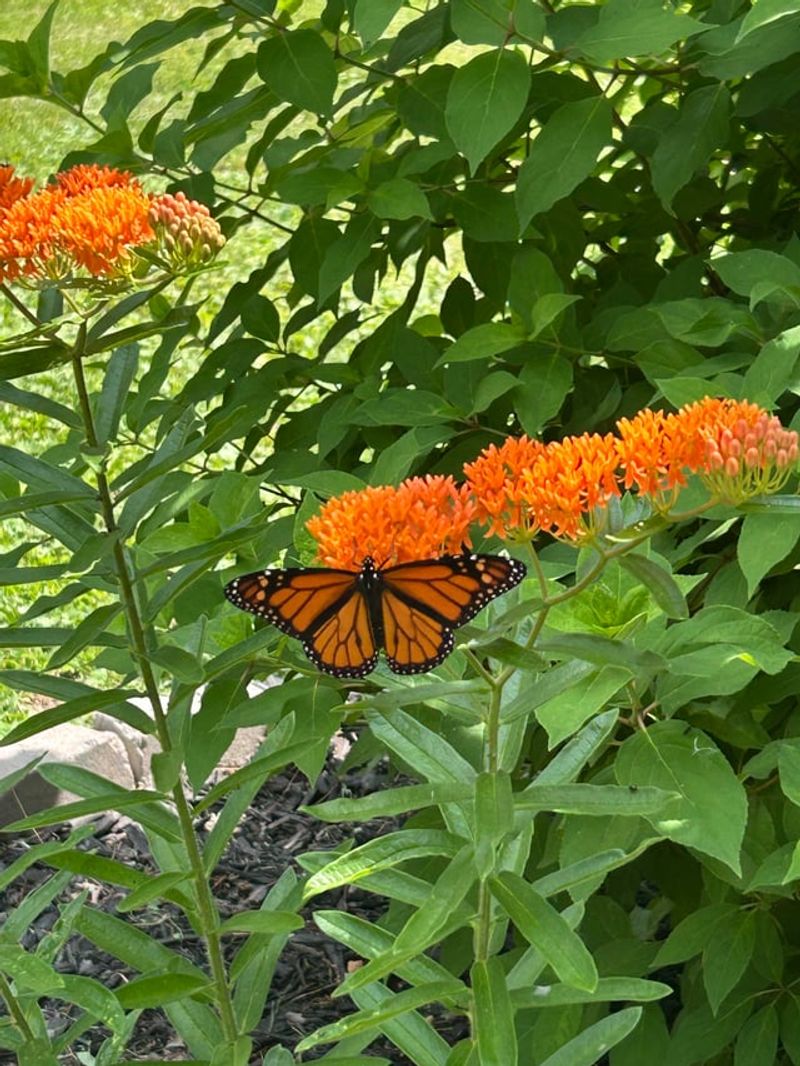
Few plants carry as much ecological weight as native Butterfly Milkweed, and Florida gardeners who understand the monarch butterfly crisis treat Asclepias tuberosa like a treasure worth protecting. This low-growing native perennial produces clusters of vivid orange flowers in spring that are absolutely irresistible to monarchs, which need milkweed as the sole host plant for their caterpillars to survive and complete their life cycle.
A critical point that UF/IFAS and monarch researchers strongly emphasize is the difference between native Asclepias tuberosa and the non-native Tropical Milkweed, Asclepias curassavica. Tropical Milkweed stays green year-round in Florida, which disrupts monarch migration patterns and encourages a dangerous parasite called Ophryocystis elektroscirrha to build up on the plant.
Planting native Asclepias tuberosa instead gives monarchs a safe, seasonally appropriate food source.
Butterfly Milkweed grows best in full sun and well-drained, sandy soil, making it a natural fit for most Florida yards. It is surprisingly drought-tolerant once established and rarely needs fertilizer.
The deep taproot system means it does not transplant easily, so choose its permanent location carefully. Mark the spot in winter when the plant goes dormant above ground so you do not accidentally disturb the roots during garden cleanup.
5. Enhance Your Borders Using Blue Eyed Grass
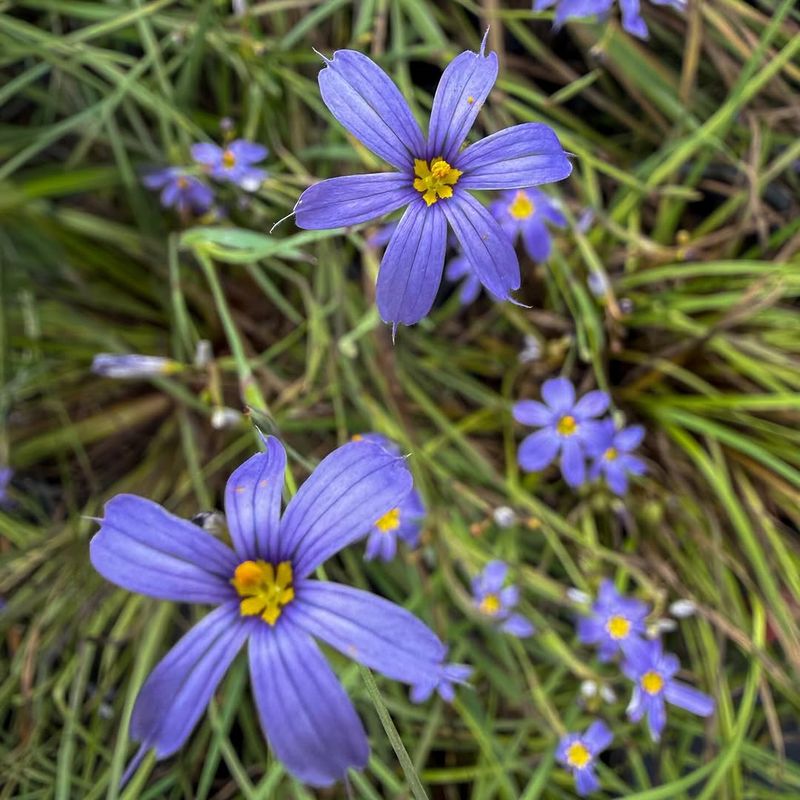
Gardeners who encounter Blue Eyed Grass for the first time often do a double take. From a distance, Sisyrinchium atlanticum looks exactly like a clump of fine ornamental grass, blending quietly into a border or meadow planting.
Then spring arrives, and suddenly those slender green blades are dotted with dozens of small but perfectly formed violet-blue flowers, each one centered with a tiny yellow eye that catches the light beautifully.
This native perennial is a member of the iris family, which explains the sophistication of its blooms despite their petite size. It grows naturally in moist flatwoods and along stream banks throughout Florida, meaning it appreciates a bit more moisture than many other sun-loving natives.
Still, it adapts well to average garden conditions and performs reliably in both full sun and light partial shade.
Blue Eyed Grass reaches only about 12 to 18 inches tall, making it an ideal front-of-border plant or a charming addition to rain gardens and naturalistic landscapes. The Florida Native Plant Society notes that it attracts small native bees that are often overlooked by gardeners focused on larger pollinators.
Allow the plants to set seed after blooming and they will slowly spread into a fuller, more impressive clump over time without becoming aggressive or weedy.
6. Grow Resilient Blooms With Black Eyed Susan
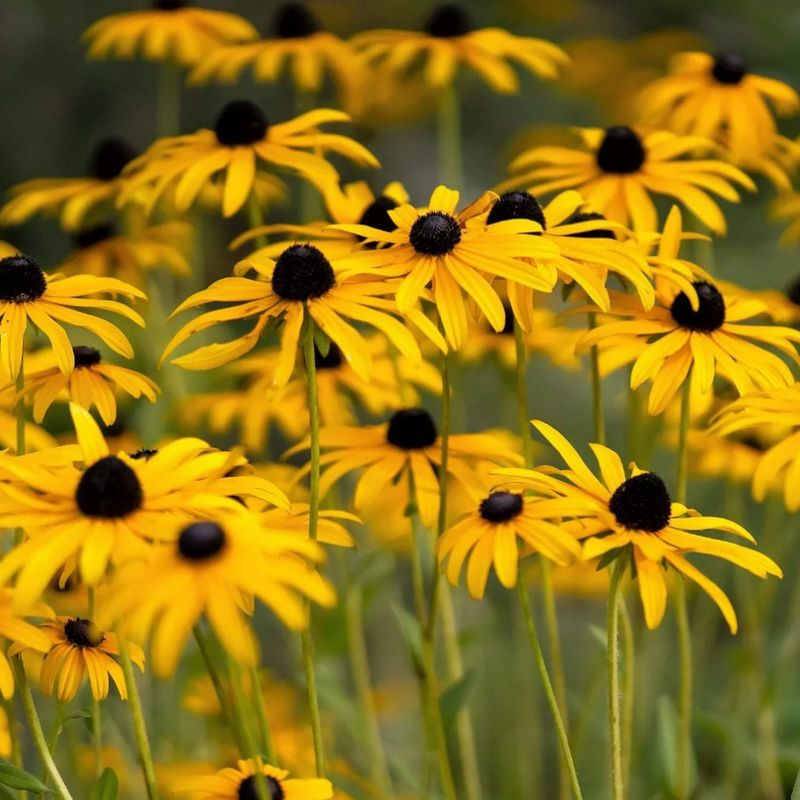
Rudbeckia hirta has earned a reputation among Florida gardeners that borders on legendary. Locals often call it bulletproof, and that description is not much of an exaggeration.
Black Eyed Susan handles the brutal transition from a dry, sunny Florida spring directly into the swampy heat and humidity of summer without skipping a beat, continuing to push out its golden yellow, dark-centered blooms through conditions that leave other plants wilting on the ground.
The secret to its resilience lies in a deep, fibrous root system that stores moisture efficiently and a natural tolerance for the nutrient-poor, sandy soils found across much of the state. UF/IFAS includes Rudbeckia hirta on its list of recommended Florida-Friendly plants specifically because it needs very little supplemental water once established, which is a major advantage for homeowners trying to reduce irrigation costs.
Plant Black Eyed Susan in full sun for the best flowering performance, though it tolerates a bit of afternoon shade during the hottest months. Blooms appear from spring and can persist well into fall if the plant receives occasional deadheading.
Birds, particularly goldfinches, love to pick at the seedheads in late season, so leaving a few spent flower stalks standing gives your garden double duty as a wildlife feeding station.
7. Decorate Shady Spots With Wild Coffee
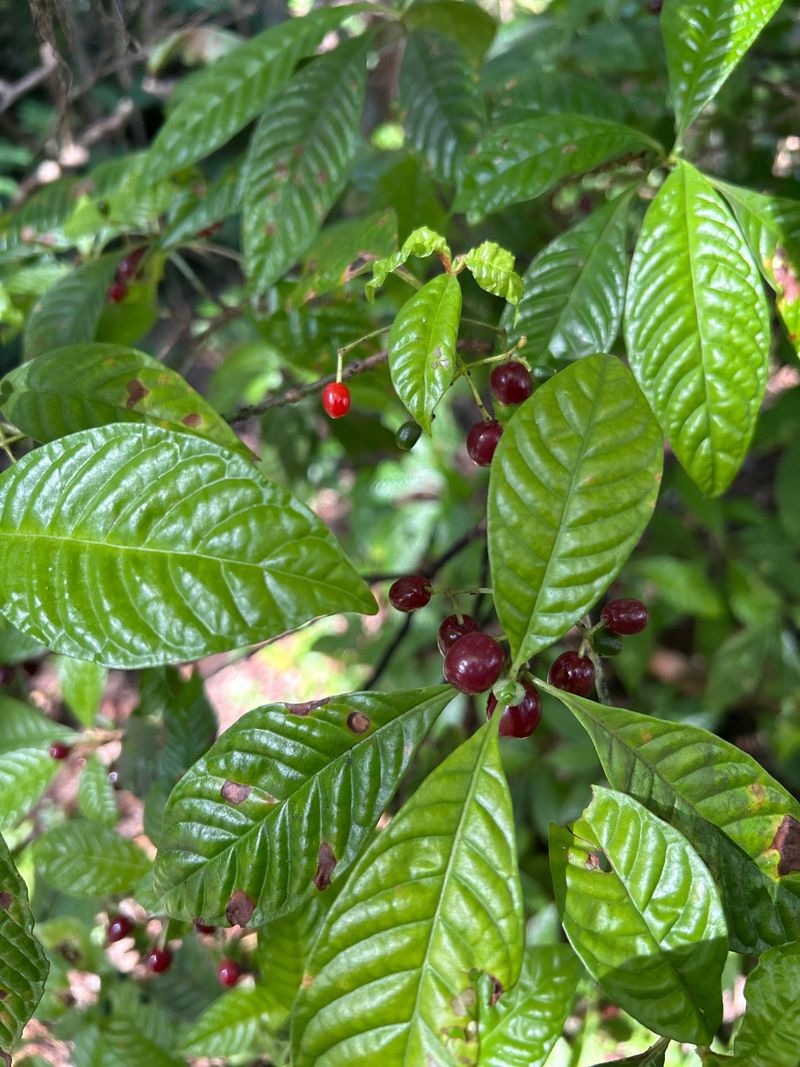
Shady corners of Florida gardens can be genuinely tricky to plant well, but Wild Coffee seems almost purpose-built for those challenging spots. Psychotria nervosa is a native Florida shrub that thrives in the deep shade under oak canopies and along the north-facing sides of structures where most flowering plants simply refuse to perform.
Its deeply veined, glossy evergreen leaves give it a lush, tropical look that holds up beautifully through the entire year.
Spring brings clusters of tiny white flowers that are modest compared to showier garden plants, but what follows is arguably more exciting. Small, bright red berries ripen through summer and fall, providing a critical food source for native birds including mockingbirds, catbirds, and several species of thrushes passing through during migration.
The Florida Native Plant Society consistently recommends Wild Coffee as a top choice for bird-friendly shade gardens.
Wild Coffee grows at a moderate pace, eventually reaching four to eight feet tall and wide if left unpruned. It responds well to light shaping if you need to keep it within a specific space.
The plant requires very little supplemental water once established and almost never needs fertilizer in a natural, mulched planting bed. Few native shrubs offer this combination of year-round structure, wildlife value, and effortless low-maintenance performance in shaded Florida landscapes.
8. Invite Hummingbirds Over With Coral Honeysuckle
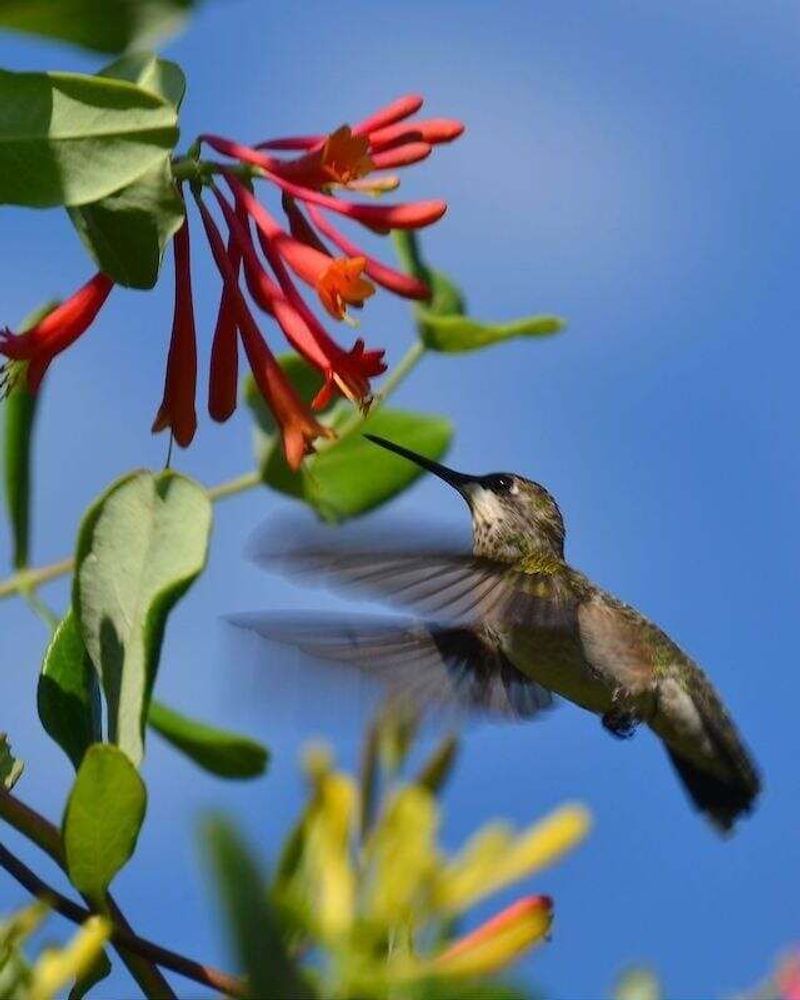
Every Florida gardener who has ever made the mistake of planting the invasive Japanese Honeysuckle knows the regret that follows. Coral Honeysuckle, Lonicera sempervirens, is the answer to that problem.
This native vine delivers all the romantic, cottage-garden charm of a flowering honeysuckle without any of the aggressive spreading behavior that makes its non-native relatives such a headache to manage in Florida landscapes.
The trumpet-shaped flowers are a stunning combination of coral-red on the outside and soft yellow within, and they appear in generous clusters from early spring onward. Ruby-throated hummingbirds migrating through Florida in spring are drawn to Coral Honeysuckle with remarkable reliability, using the high-energy nectar as fuel for their long journeys north.
UF/IFAS highlights this plant as a top-tier choice for gardeners who want to actively support migratory wildlife.
Coral Honeysuckle climbs by twining, so it needs a trellis, fence, or arbor to reach its potential of 15 to 20 feet. It performs best in full sun to partial shade and tolerates both moist and dry soil conditions once established.
Unlike many vines, it stays well-behaved and will not smother neighboring shrubs or trees. Prune lightly after the main spring bloom flush to encourage a second wave of flowers later in the season.
9. Enjoy Prehistoric Beauty With Coontie Palms
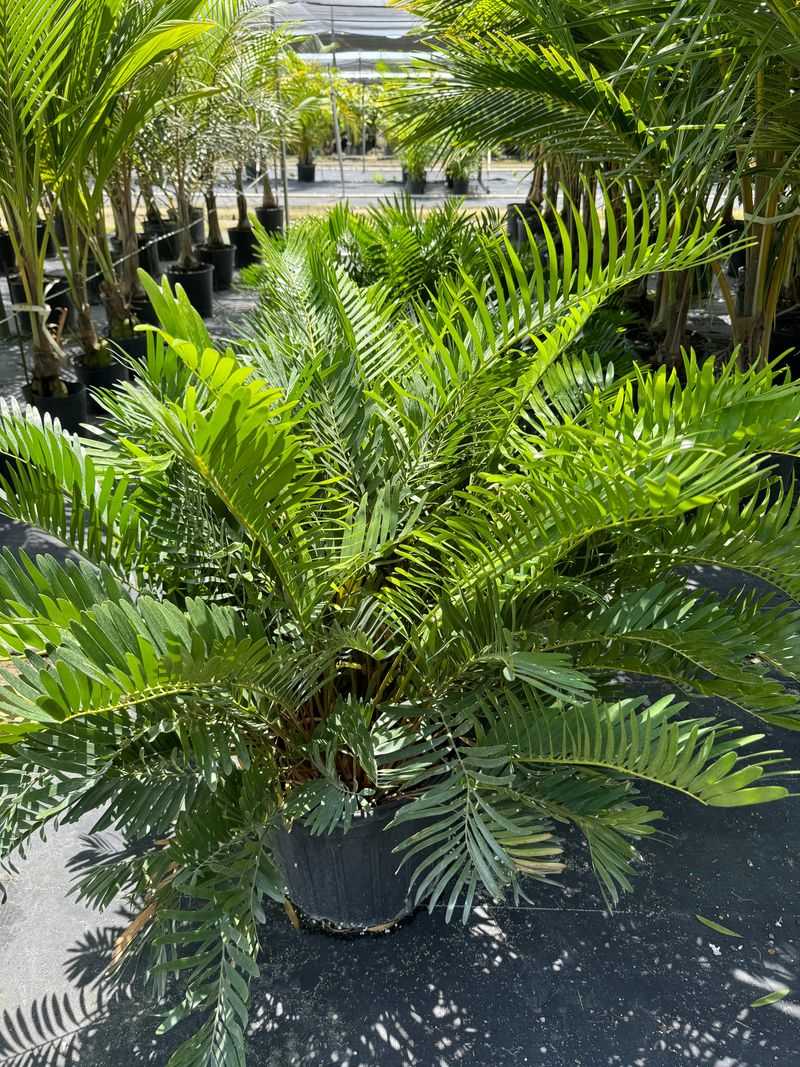
Walking past a mature Coontie planting feels like stepping back millions of years. Zamia integrifolia is not actually a palm at all but a cycad, one of the most ancient plant groups on earth, and it grew wild across Florida long before humans arrived.
That deep evolutionary history has produced a plant with extraordinary toughness, tolerating drought, poor soils, salt spray, and heavy shade with equal indifference to hardship.
Beyond its striking prehistoric appearance, Coontie holds a special ecological role as the sole host plant for the Atala butterfly, a species that nearly vanished from Florida entirely by the mid-20th century. As native plant gardens have become more popular and Coontie plantings have increased, Atala populations have made a remarkable comeback across South and Central Florida.
Planting even a small grouping of Coontie in your yard directly supports this conservation success story.
Coontie grows slowly, eventually forming a dense mound of dark, glossy, feathery fronds reaching about two to three feet tall. Female plants produce striking orange-red seed cones that add a bold accent to the garden in late summer.
The Florida Native Plant Society strongly recommends it as a foundation planting, groundcover, or accent specimen. Once established, Coontie is virtually maintenance-free and rarely needs watering beyond natural rainfall in most Florida regions.
10. Grow Stunning Texture With Muhly Grass
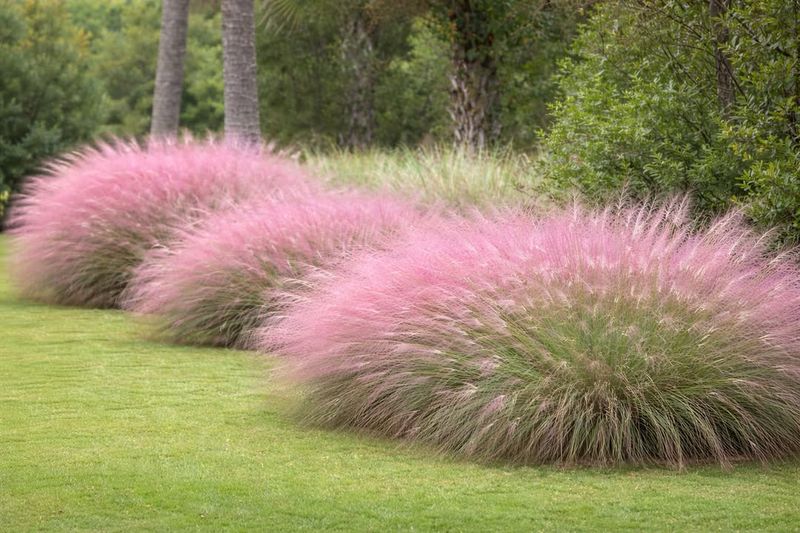
Most gardeners think of Muhly Grass as a fall plant, but its contribution to a Florida spring garden is seriously underrated. Muhlenbergia capillaris forms elegant, fountain-like clumps of fine-textured green foliage that emerge with real energy in early spring, providing structure and movement to garden beds at a time when many flowering perennials are still getting started.
That spring framework is exactly what makes a mixed planting look polished and intentional rather than sparse.
The real spectacle arrives in late summer and fall when Muhly Grass sends up clouds of feathery pink to lavender flower plumes that seem to glow in the low-angle afternoon light. The effect is genuinely breathtaking in mass plantings, and Florida highway departments have used it extensively along roadsides for this reason.
But even a single clump tucked among flowering perennials creates a soft, airy contrast that elevates the whole garden design.
Muhly Grass is a Florida native that thrives in full sun and well-drained, sandy soil, and it handles drought with impressive stoicism once established. It supports early-season pollinators through its spring foliage and provides seeds for birds in winter.
Cut the clumps back to about six inches in late winter before new growth begins. With almost no pest or disease pressure, it is one of the most reliably carefree plants available to Florida gardeners.