8 Ohio Native Trees That Offer More Than Just Shade
A tree can do far more than cast shade across an Ohio yard. The right native choices bring seasonal color, support local wildlife, and add structure that makes a landscape feel complete year-round.
Many also produce berries, seeds, or nectar that attract birds and pollinators, turning a quiet space into something full of movement and life.
Built to handle Ohio’s shifting weather, these trees stand up to cold winters, humid summers, and everything in between without constant care.
Their roots run deep, their growth feels balanced, and their impact goes well beyond a cool patch of shade on a hot day. With thoughtful selection, a single tree can become a focal point that adds beauty, function, and lasting value to your yard.
1. Oak Trees Support More Life Than You Think
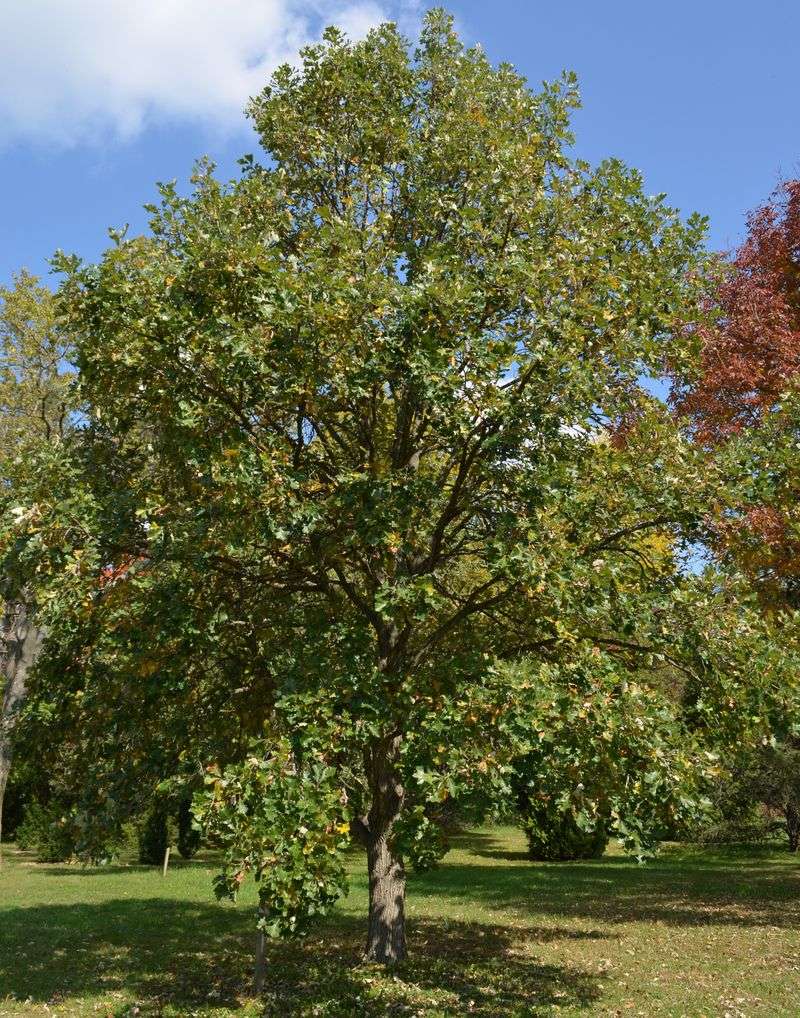
Few trees in North America carry the ecological weight of an oak. Research from entomologist Doug Tallamy has shown that native oaks support over 500 species of caterpillars, making them the single most important tree for birds that rely on insects to feed their young.
In Ohio, species like the white oak and red oak are keystone trees, meaning entire ecosystems depend on their presence.
Acorns alone feed deer, squirrels, wild turkeys, blue jays, and wood ducks. A single mature oak can produce thousands of acorns in a good year, providing a reliable food source for wildlife well into winter.
Ohio State University Extension recommends oaks as a top choice for homeowners who want long-term ecological impact in their yard.
Planting an oak is a commitment, but the payoff is extraordinary. Most oaks grow slowly at first, then gain momentum once their root system is established.
They can live for hundreds of years and grow stronger with each passing decade. If you want a tree that does the most good for the most creatures, nothing in Ohio comes close to an oak.
2. Serviceberry Trees Deliver Beauty And Edible Rewards
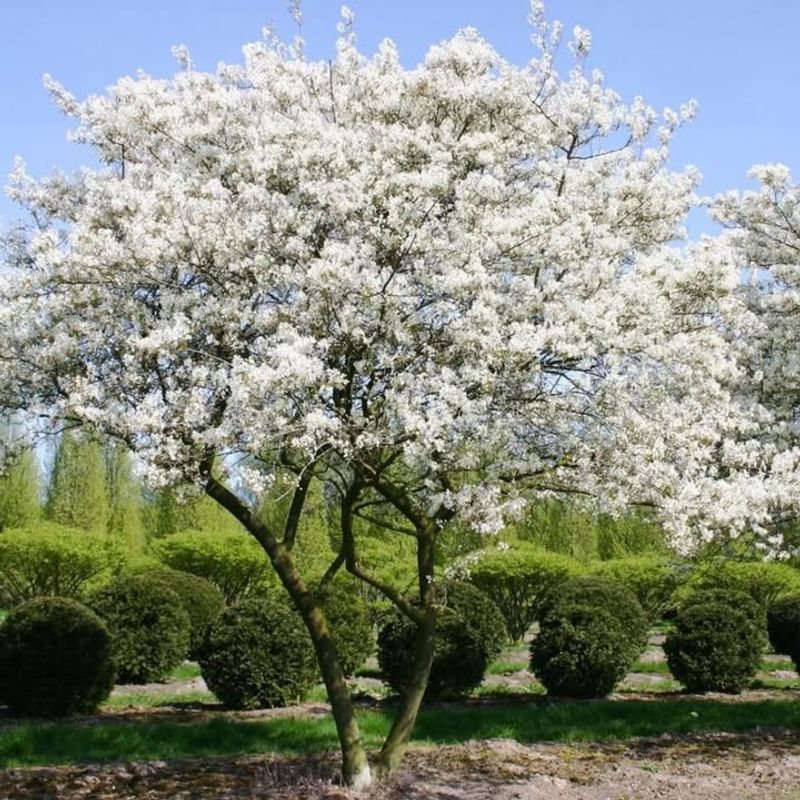
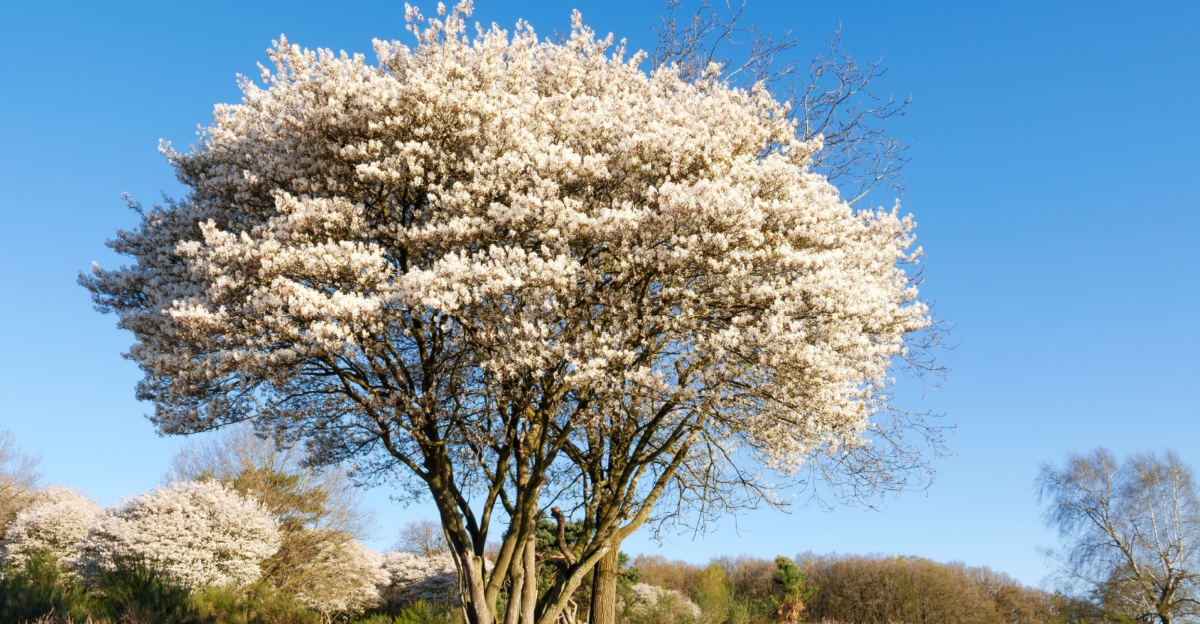
Walk past a serviceberry in early April and you might mistake it for a cloud that settled into the yard. The delicate white flowers appear before most other trees have even thought about budding, making it one of the earliest signs that spring has truly arrived.
For pollinators waking up from winter, that early nectar is genuinely lifesaving.
By early summer, those blooms transform into small, blueberry-like fruits that ripen to a deep purple. The berries are sweet and mild, popular in jams, pies, and eaten straight off the branch.
Birds absolutely love them too, so expect robins, cedar waxwings, and catbirds to show up the moment the fruit ripens. You may need to act fast if you want your share.
Serviceberry adapts well to most Ohio soils and handles both full sun and partial shade without much fuss. It typically grows 15 to 25 feet tall, making it an excellent fit for smaller yards or as an understory planting beneath larger trees.
The Ohio Department of Natural Resources lists it as a native species well suited for residential landscapes. Fall color adds one more season of interest with warm shades of orange and red.
Your Ohio Garden Changes Every Week. Your Plan Should Too.
Gardening in Ohio changes quickly throughout the season. Every Friday you’ll receive a simple weekly plan showing exactly what to plant, prune, fertilize, harvest, and protect so you never miss the right timing.
3. Eastern Redbud Trees Light Up Early Spring
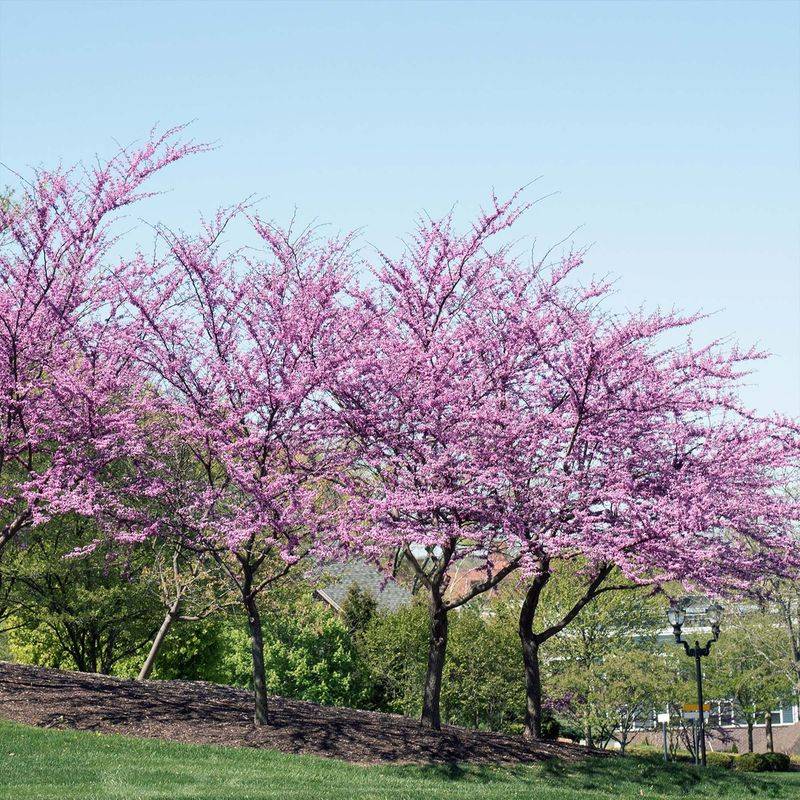
Before a single leaf appears, the Eastern Redbud puts on a show that stops people in their tracks. Clusters of rosy-pink flowers coat every branch from late March through April, turning the entire tree into a burst of color against the still-bare Ohio landscape.
It is one of the most cheerful sights of the season, and it comes exactly when people need it most.
Native to Ohio, the redbud is a compact tree, usually reaching 20 to 30 feet tall with a wide, spreading canopy. That manageable size makes it a popular choice for front yards, garden borders, and spots near patios where a large tree would feel overwhelming.
It performs best in well-drained soil and tolerates partial shade, which is handy since many Ohio yards have mature trees casting filtered light.
Pollinators are big fans of redbud. Bees emerge early in spring and head straight for the blooms, which appear even before many wildflowers open.
The heart-shaped leaves that follow are attractive through summer, and they turn a soft yellow in fall. OSU Extension highlights the Eastern Redbud as an outstanding ornamental native that rewards homeowners with multiseason interest and strong pollinator support.
4. River Birch Trees Add Texture And Seasonal Interest
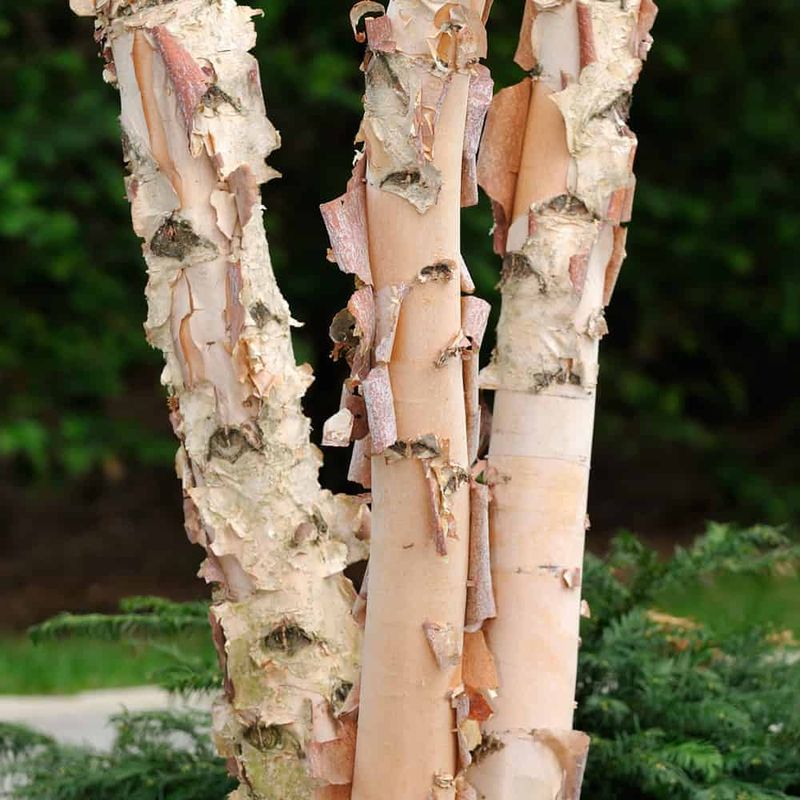
There is something almost sculptural about a river birch in winter. Once the leaves drop, the real star of the show appears: peeling, cinnamon-colored bark that curls away from the trunk in papery layers, catching light and adding warmth to an otherwise bare landscape.
It is one of the few trees that genuinely looks beautiful in every season, including the cold gray months of an Ohio winter.
River birch is native to Ohio and grows naturally along stream banks and low-lying areas where the soil stays moist. That makes it an excellent choice for yards with drainage challenges or spots where other trees struggle.
It handles wet clay soils better than most ornamental trees and establishes fairly quickly once planted. Growth rates of one to two feet per year are common under good conditions.
The tree typically reaches 40 to 70 feet tall and develops a graceful, arching canopy with age. It is also resistant to the bronze birch borer, an insect pest that devastates non-native birch species in Ohio.
OSU Extension recommends river birch as a reliable, low-maintenance native for challenging landscape sites. Small catkins in spring provide early food for birds, and the seeds attract finches through the growing season.
5. Black Gum Trees Bring Stunning Fall Color
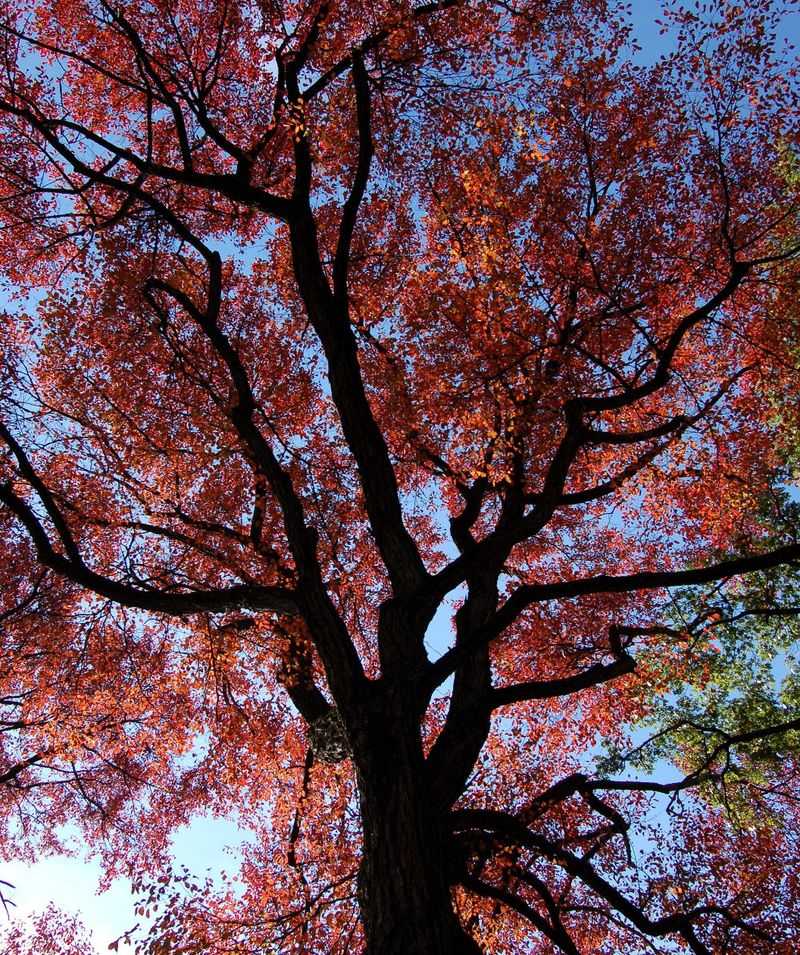
Ask any Ohio forester which native tree puts on the most dramatic fall display, and black gum will almost always come up. The leaves shift from deep green to blazing scarlet, sometimes with hints of orange and burgundy, and they do it reliably every year regardless of the weather.
While maples get most of the attention in autumn, black gum often changes color first and holds onto its brilliant leaves longer.
Also called tupelo, this tree grows naturally in Ohio’s woodlands and bottomlands. It tolerates a wide range of soil conditions, from moist lowlands to slightly drier upland sites, which gives it flexibility that many native trees lack.
Mature trees develop a striking layered branch structure that adds strong visual interest even without leaves. They can reach 30 to 50 feet tall and are known for their long lifespan and sturdy wood.
Wildlife finds black gum extremely valuable. The small blue-black fruits ripen in early fall and are quickly claimed by bluebirds, robins, woodpeckers, and wild turkeys.
Older trees often develop cavities that provide nesting sites for cavity-dwelling birds and small mammals. For homeowners looking for an underappreciated native with exceptional ornamental value and genuine ecological purpose, black gum is a seriously rewarding choice.
6. Tulip Trees Grow Fast And Feed Pollinators
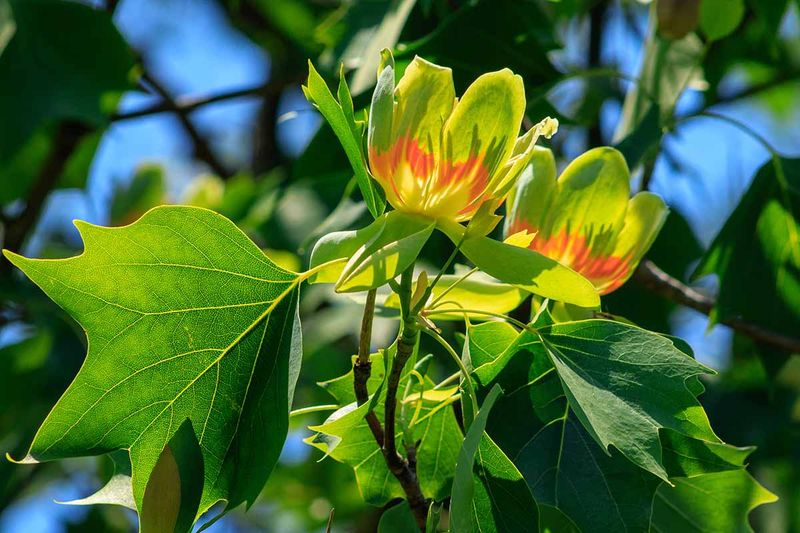
Ohio’s state tree holds the title for a reason, but the tulip tree deserves some recognition of its own. Technically Ohio’s tallest native tree, the tulip tree grows with impressive speed, sometimes adding two feet or more per year under good conditions.
Within a decade, a young sapling can become a commanding presence in the landscape, offering generous shade and an architectural quality that few trees can match.
The flowers are genuinely striking. They appear in late spring, tulip-shaped and decorated in shades of orange, yellow, and green.
Because the blooms appear high in the canopy, you often smell them before you see them. Bees and butterflies are strongly attracted to the nectar, and hummingbirds visit regularly during the bloom period.
The tulip tree is considered one of the most important native nectar sources for pollinators in the eastern United States.
Planting a tulip tree requires space. A full-grown specimen can reach 80 to 100 feet tall with a wide canopy, so it belongs in open yards, parks, or along property edges rather than close to structures.
It prefers deep, moist, well-drained soil and full sun. OSU Extension notes that it establishes readily and needs minimal care once settled into a suitable site.
7. American Linden Trees Support Pollinators In Early Summer
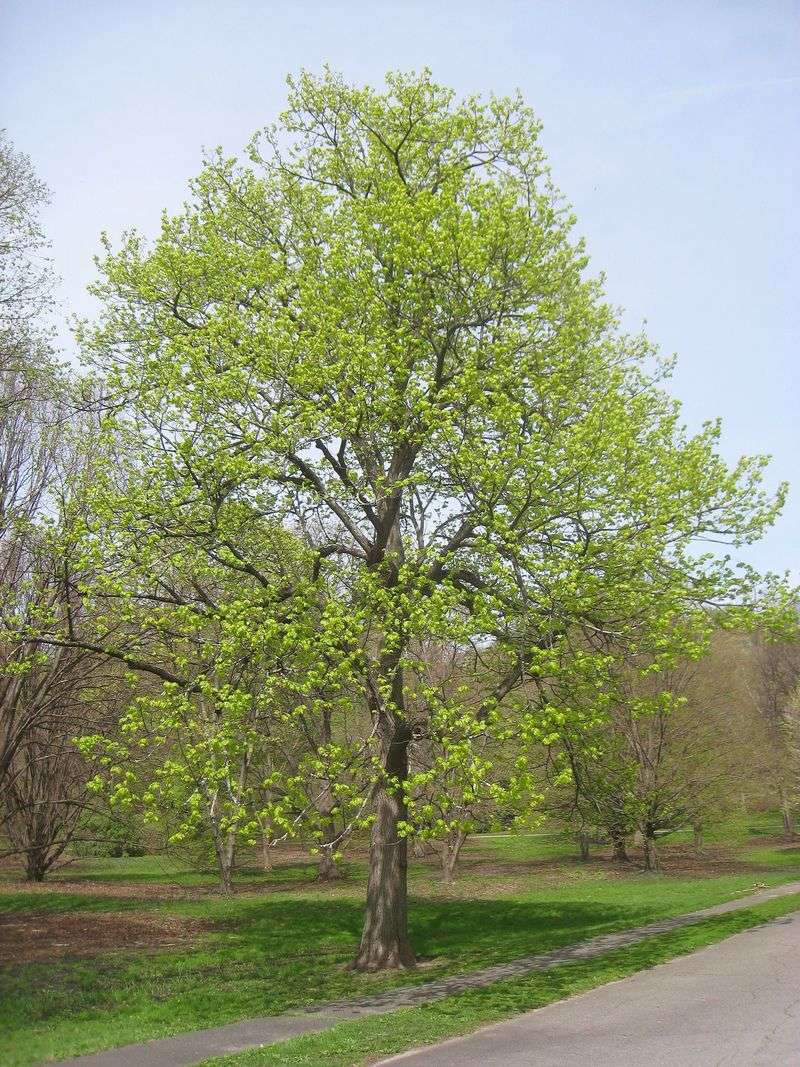
Stand beneath an American linden on a warm June day and you will notice two things almost immediately: the faint, sweet fragrance drifting down from the canopy, and the steady hum of bees working through the flowers. Linden bloom time is a major event for pollinators, and beekeepers have long prized linden honey for its mild, distinctive flavor.
The tree earns its reputation as one of the best pollinator trees in the Midwest.
American linden, also called basswood, is native throughout Ohio and grows naturally in rich, moist woodlands. In the landscape, it performs well in full sun to partial shade and adapts to a variety of soil types, though it prefers soil that holds some moisture.
Trees typically reach 50 to 80 feet tall with a broad, symmetrical canopy that provides excellent shade during the hottest months of summer.
Beyond its pollinator value, linden is simply a handsome tree. The large, heart-shaped leaves create a dense, cooling canopy, and the creamy flower clusters are visually appealing up close.
Wildlife benefits too, as small mammals and birds eat the nutlet fruits that follow the blooms. For anyone wanting a native shade tree that actively supports the local bee population, American linden is a straightforward, rewarding pick.
8. Hackberry Trees Handle Tough Conditions With Ease
Not every yard has ideal conditions. Some spots deal with compacted soil, road salt drift, standing water, or relentless drought, and most trees simply cannot cope.
Hackberry handles all of it without complaint. Native to Ohio, this tree has earned a reputation among urban foresters as one of the most adaptable and resilient native species available for challenging sites.
Mature hackberry trees reach 40 to 60 feet tall with a broad, rounded canopy that delivers solid shade. The bark is one of the most distinctive features, developing deeply ridged, corky texture with age that makes it instantly recognizable even in winter.
That rugged appearance adds year-round structural interest to a landscape without requiring any special attention from the homeowner.
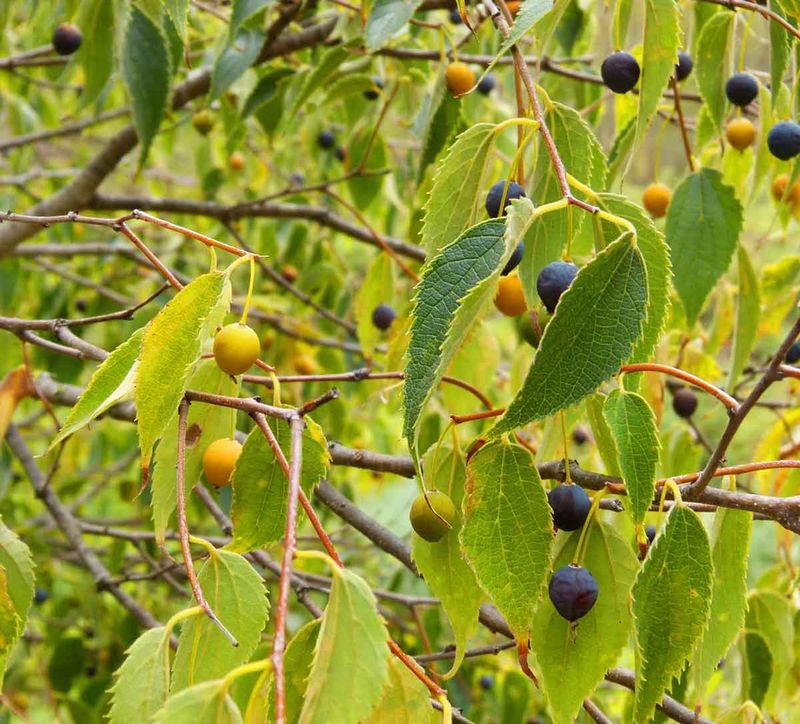
Wildlife connections are strong. The small, dark purple berries ripen in fall and persist well into winter, providing a critical food source for cedar waxwings, robins, mockingbirds, and over 40 other bird species according to ODNR records.
Hackberry also serves as the host plant for several native butterfly species, including the hackberry emperor and tawny emperor butterflies. For low-maintenance landscaping with real ecological value, hackberry delivers results that far exceed what most people expect from a tree they may have never considered planting.