This Is How To Get Lantana Blooming Like Crazy In Your Ohio Garden
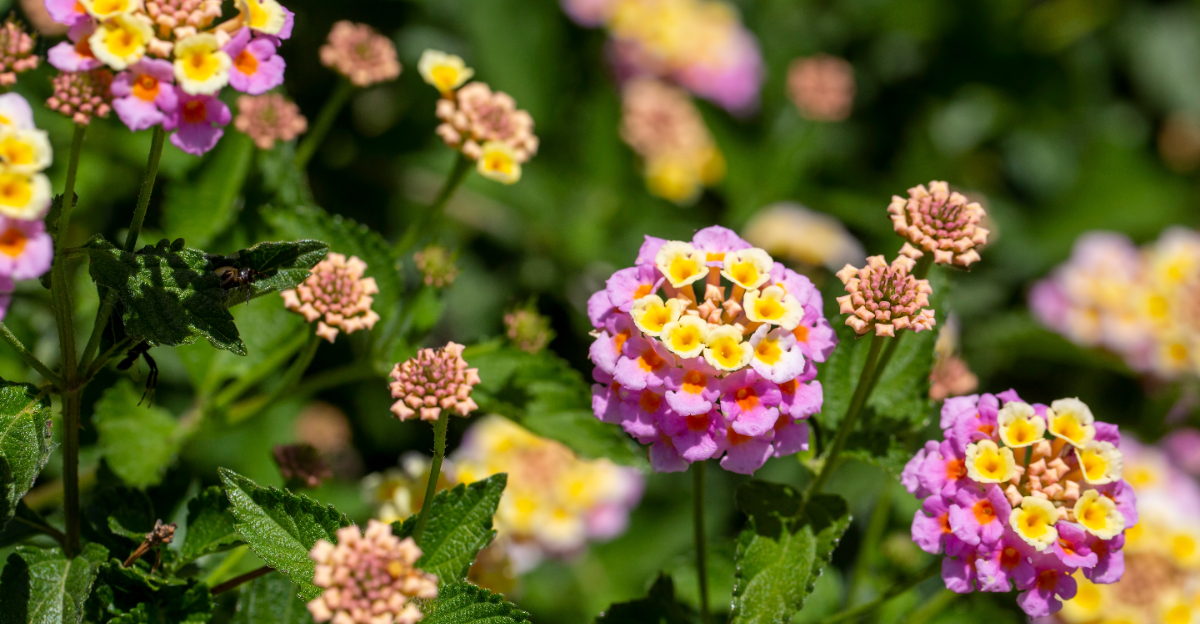
You planted lantana, crossed your fingers, and got a handful of blooms before it fizzled out. Sound familiar?
Ohio gardeners get burned by this plant all the time, and it’s not the plant’s fault. Lantana is practically a blooming machine when you know its secrets, but most people skip the one or two steps that make all the difference.
Want to know what separates a scraggly, half-hearted lantana from one that’s absolutely loaded with color from June straight through frost?
It comes down to how you treat it in the first few weeks, how you feed it, and honestly, how much you trust yourself to rough it up a little.
This plant rewards boldness. Follow these tips and your lantana won’t just survive an Ohio summer, it’ll steal the whole show.
1. Start With Full Sun For The Strongest Flower Show
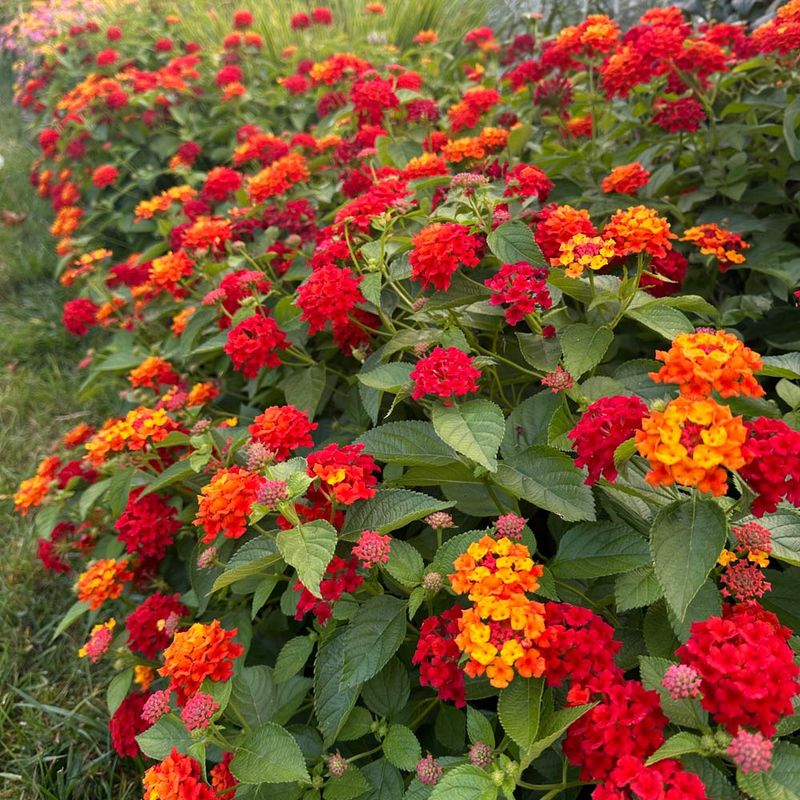
Sunlight is the single biggest factor behind a heavy-blooming lantana. These plants evolved in warm, sun-drenched environments, and they perform best when they receive at least six to eight hours of direct sunlight each day.
A south-facing bed, a hot sunny border, or a bright patio spot can make a real difference in how many flower clusters a plant produces.
Shade is one of the main reasons lantana underperforms. A plant tucked under a tree or along a shady fence may grow leaves just fine, but flower production will slow down noticeably.
If your plant is putting out mostly green growth with very few blooms, low light is often the first thing worth checking.
Container placement matters a lot here. A pot on a sunny deck or driveway edge will typically outbloom one sitting in partial shade on a covered porch.
Just keep in mind that containers in very hot, exposed spots can dry out faster than in-ground plants, especially during hot spells. Check the soil more often during those stretches and water when the top inch feels dry.
Matching the right spot to the plant from the start gives lantana the energy it needs to keep pushing out those bright, clustered blooms all season long.
2. Wait Until Nights Stay Warm Before Planting
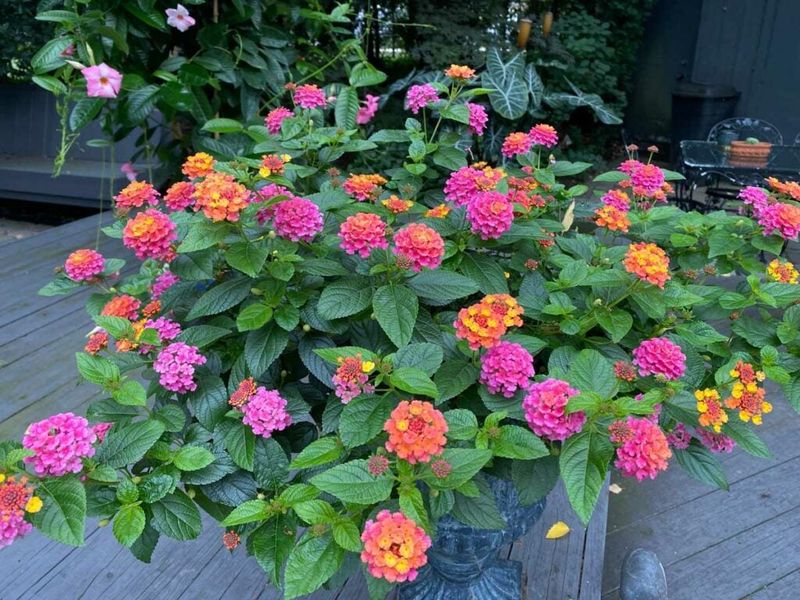
Rushing lantana outdoors too early is one of the most common mistakes home gardeners make with this plant. Lantana is a true warm-season grower, and it needs both warm days and warm nights to settle in and start flowering well.
Cold nights, even if they are not frosty, can stall root development and delay blooming by weeks.
Across this state, planting timing varies by location. Southern regions typically warm up earlier in spring, while northern parts of the state and Lake Erie-influenced areas can stay cool longer into May.
Frost-prone areas should be especially patient. A good general rule is to wait until nighttime temperatures are consistently staying above 50 degrees Fahrenheit before moving lantana outside for good.
Even after your last frost date passes, a few cool nights can slow things down. If you have already bought plants but nights are still chilly, keep them in a bright indoor spot or a sheltered porch until conditions improve.
Your Ohio Garden Changes Every Week. Your Plan Should Too.
Gardening in Ohio changes quickly throughout the season. Every Friday you’ll receive a simple weekly plan showing exactly what to plant, prune, fertilize, harvest, and protect so you never miss the right timing.
Lantana planted into warm soil during warm nights establishes much faster and begins blooming sooner than one planted too early under stress.
A little patience in spring pays off with a much stronger start, and a stronger start means more flowers across the whole growing season.
3. Use Fast-Draining Soil In Beds And Containers
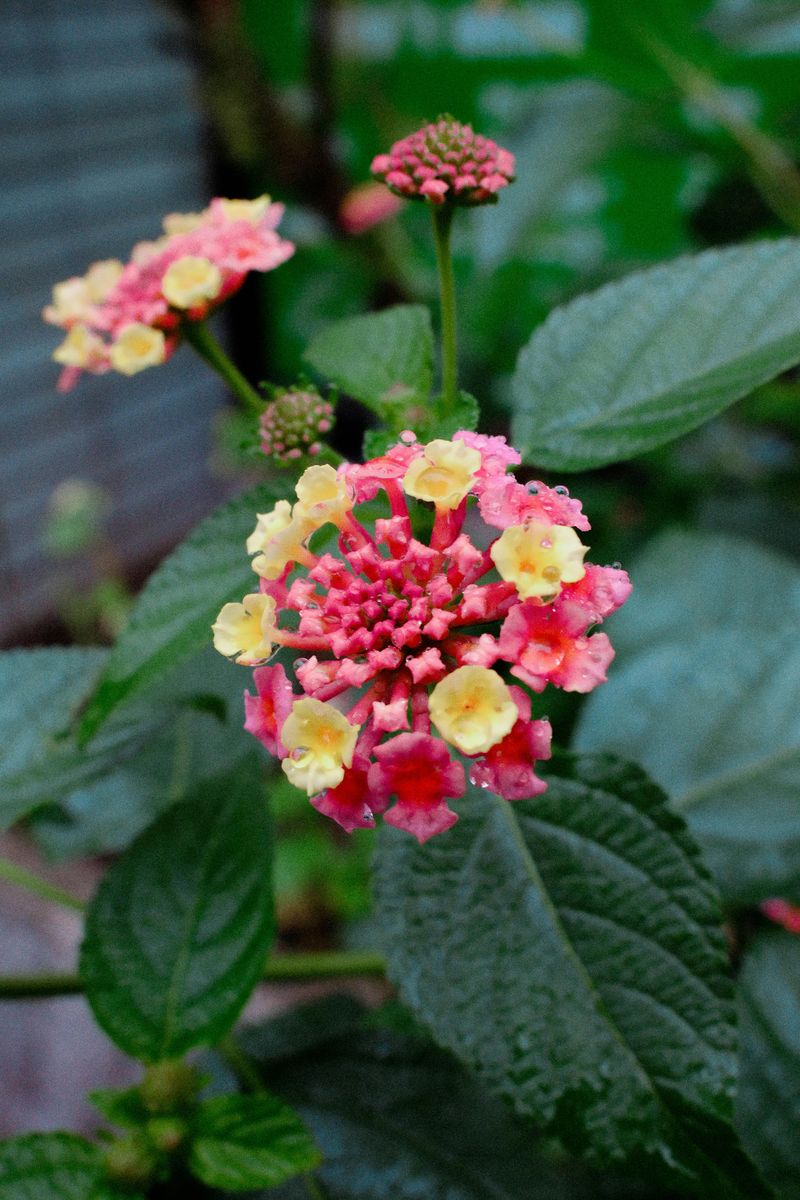
Soggy soil is something lantana simply does not tolerate well. Roots sitting in wet, compacted ground can struggle, and a stressed root system means fewer flowers.
Whether you are planting in a garden bed or a container, good drainage is one of the most important things you can set up from the start.
For garden beds, avoid areas where water pools after rain. If your soil is heavy clay, consider mixing in compost or coarse material to loosen it up.
Raised beds work especially well for lantana because water drains freely and the soil warms up faster in spring. Slopes and elevated borders are also naturally good drainage spots that suit this plant well.
Container gardeners should always use a quality potting mix rather than garden soil, which tends to compact and hold too much moisture in pots. Make sure every container has at least one drainage hole at the bottom.
Decorative pots without drainage holes can trap water at the root level even when the surface looks dry. If you love a particular pot that has no drainage, try using a plastic nursery pot inside it as a liner.
Getting drainage right from the beginning gives lantana the loose, airy root environment it needs.
It can then focus its energy on producing flowers instead of struggling underground.
4. Water Deeply, Then Let The Soil Dry Slightly
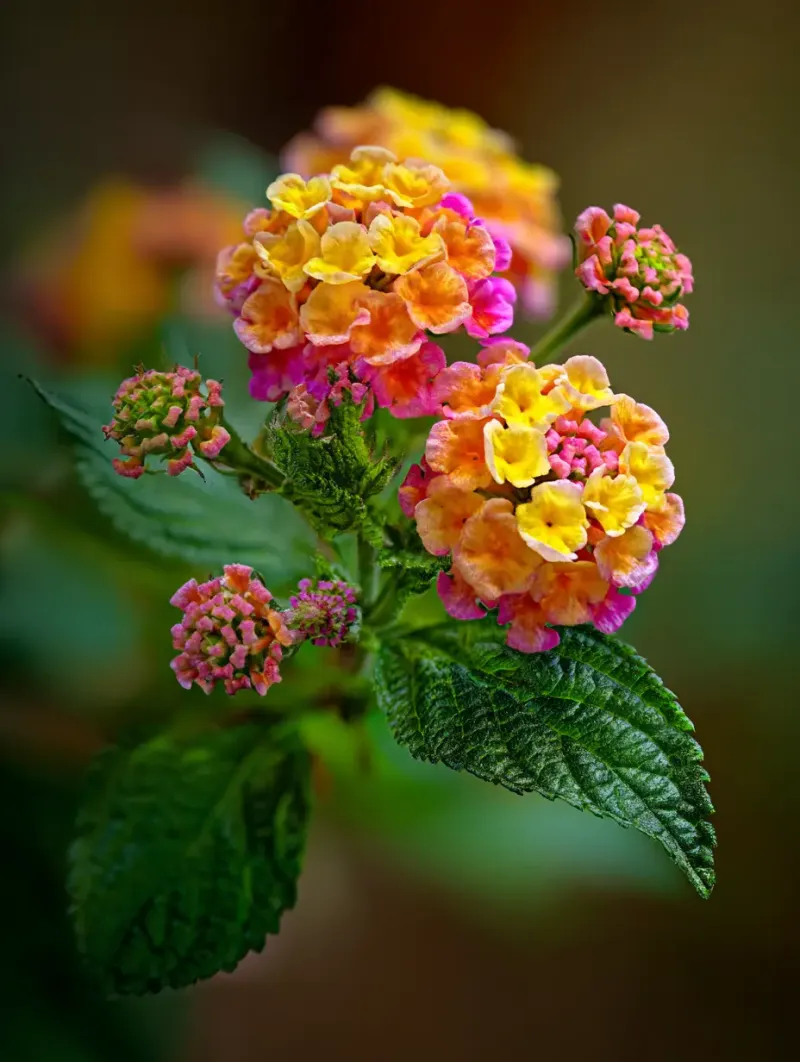
Lantana has a reputation for being drought-tolerant, and once it is established in the ground, that reputation holds up reasonably well. But that does not mean you can ignore watering entirely, especially for new transplants and container plants.
Getting the watering routine right is one of the things that separates a struggling lantana from a thriving one.
The basic approach is to water deeply, then hold off until the top inch or two of soil dries out before watering again. Deep watering encourages roots to grow downward rather than staying shallow.
Shallow roots make plants more vulnerable during dry spells and more likely to suffer during hot, sunny stretches. Consistent wet soil, on the other hand, is just as harmful as drought because it can suffocate roots and reduce flowering.
Container plants need more attention than in-ground plants because pots lose moisture faster, especially in hot and windy weather.
A lantana in a small or dark-colored container sitting in full sun on a concrete patio may need watering every day during a heat wave.
Check containers by pressing a finger into the soil rather than relying on how the surface looks. Adjusting your watering routine based on actual soil conditions, not a fixed schedule, keeps lantana in the sweet spot where it grows and blooms at its best.
5. Avoid Too Much Fertilizer If You Want More Blooms
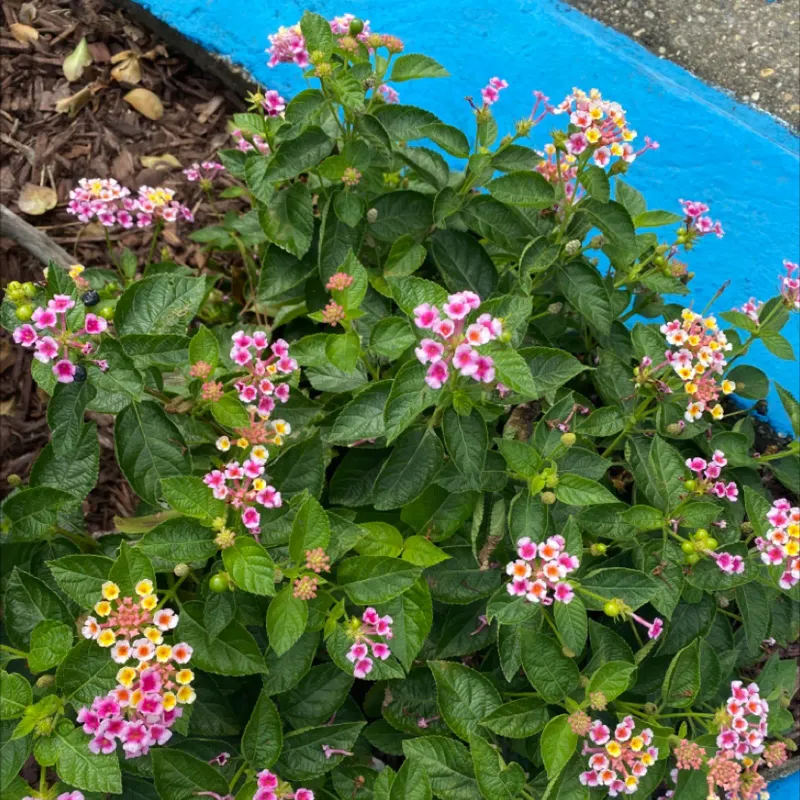
More fertilizer does not always mean more flowers, and with lantana, this is especially true. Too much nitrogen, which is the first number on any fertilizer label, pushes a plant to grow lots of leafy green stems.
The result can be a big, bushy plant with surprisingly few flower clusters. This is one of those cases where less really is more.
For lantana planted in garden beds with decent soil, you often do not need to fertilize much at all during the season. Healthy in-ground soil typically provides enough nutrients to keep the plant going.
Adding heavy doses of a high-nitrogen fertilizer can actually work against you by shifting the plant’s energy away from blooming and toward vegetative growth.
Container plants are a slightly different story. Because potting mix gets flushed out every time you water, some nutrients do wash away over the course of the season.
A light application of a balanced or bloom-focused fertilizer every few weeks can help keep container lantana performing well. Read the label carefully and stick to the recommended rate.
Cutting the dose slightly is often a smart move with lantana. Watching how your plant responds over a week or two will tell you more than any fixed schedule can, so adjust based on what you actually see happening in the pot or bed.
6. Trim Leggy Growth To Keep Flowers Coming
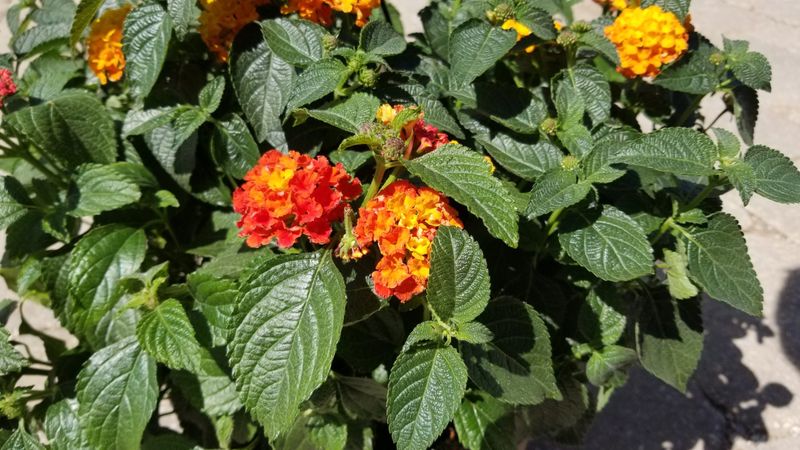
By midsummer, some lantana plants start to look stretched out and tired. Long, straggly stems with fewer flowers at the tips are a sign that the plant could use a light trim.
A little strategic pruning can refresh the plant, encourage branching, and bring on a new round of blooms as the season continues.
You do not need to cut the plant back drastically. Removing the top few inches of leggy stems is usually enough to encourage fuller, more compact regrowth.
Focus on stems that look weak, overly stretched, or have finished blooming. Using clean, sharp pruners makes the job easier and reduces stress on the plant.
Dull or dirty blades can crush stems and introduce problems, so a quick wipe-down before you start is worth the effort.
Timing matters here. Avoid heavy trimming during a stretch of extreme heat, since plants under heat stress need their foliage to manage temperature.
Wait for a slightly cooler day or do your trimming in the early morning before the hottest part of the day hits.
After a light trim, give the plant a thorough watering and, if it is in a container, consider a small dose of balanced fertilizer to support the new growth.
Within a couple of weeks, you should start seeing fresh branching and new flower buds forming along the trimmed stems.
7. Trim Spent Flowers Only When Your Variety Needs It
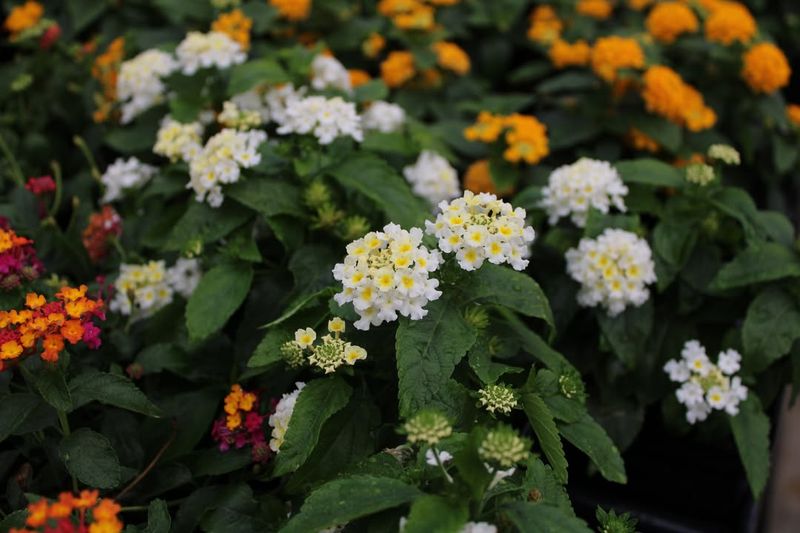
Not every lantana needs the same level of attention when it comes to spent flowers.
Many modern varieties sold at Ohio garden centers are bred to be self-cleaning, meaning old flower clusters drop away on their own and new buds form without any help from you.
If you have one of these types, spending time trimming may not change much about how it blooms.
Older varieties and some seed-setting types are a different matter. When these plants form berries from spent flowers, they can slow down their blooming cycle because the plant puts energy into seed production.
Removing spent flower clusters before berries form can help redirect that energy back into producing new flowers. Watching how your specific plant behaves over a few weeks will tell you whether trimming makes a real difference for your variety.
There is also a tidiness factor. Even if trimming does not dramatically change bloom production, some gardeners prefer the look of a plant without old dried clusters hanging on the stems.
A quick pass through the plant every week or so, pinching off spent heads, takes only a few minutes and keeps things looking fresh. One practical note: lantana berries are considered toxic if eaten.
Removing them promptly is a smart habit if you have curious children, pets, or livestock near the planting area.
8. Treat Lantana Like A Summer Annual In Ohio
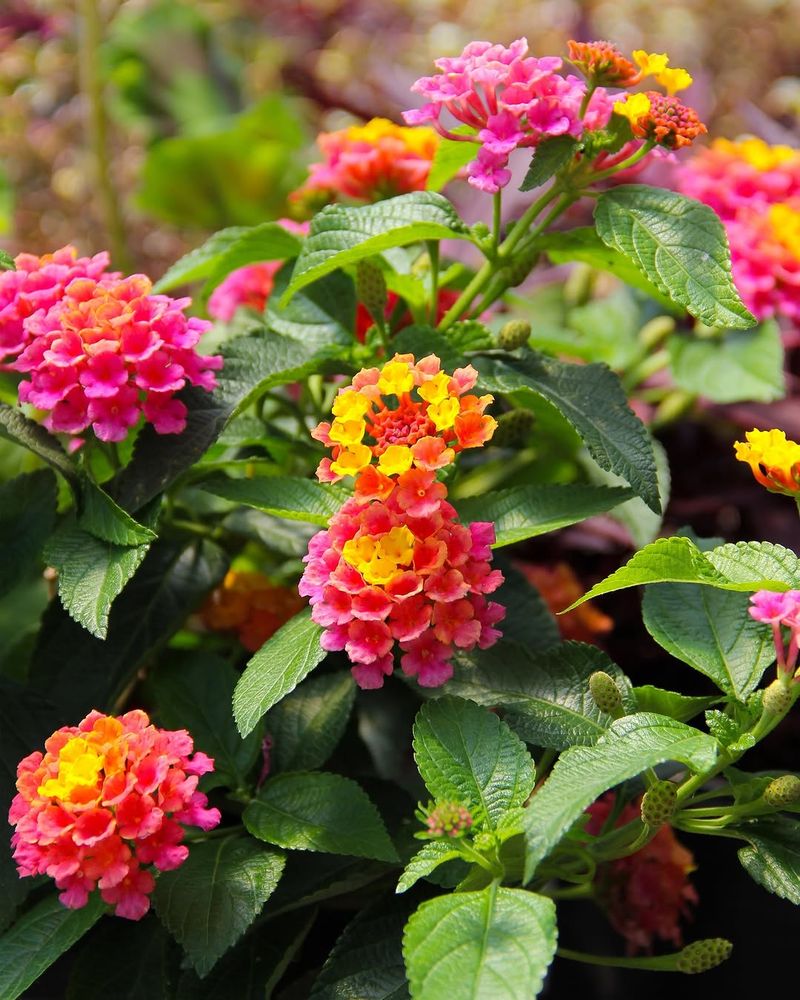
One thing that surprises some gardeners is learning that lantana, which grows as a large perennial shrub in frost-free climates, behaves very differently here.
In this state, winter cold is almost always enough to prevent lantana from surviving outdoors and returning the following year.
That means most local gardeners treat it as a warm-season annual, planting fresh each spring and enjoying it through the frost-free months.
This annual habit actually comes with a quiet benefit. In warmer parts of the country and in tropical regions, lantana can spread aggressively and become a serious invasive plant in natural areas.
Our cold winters naturally limit that kind of unchecked spread here. That said, it is still responsible to remove plants before they drop mature berries in large numbers.
This matters especially near natural spaces, meadows, or areas where birds could carry seeds.
A few additional safety notes are worth keeping in mind. Lantana berries and foliage are considered toxic if consumed by people, pets, or livestock.
Think carefully before placing it where animals graze or children play unsupervised. If you want to overwinter a favorite plant, bringing a container indoors to a bright, warm spot is an option some gardeners try with mixed results.
For most local gardeners, though, treating lantana as a reliable, colorful summer annual is the most practical and rewarding approach our growing season allows.