Why Some North Carolina Hydrangeas Fail To Bloom After Winter And What April Reveals
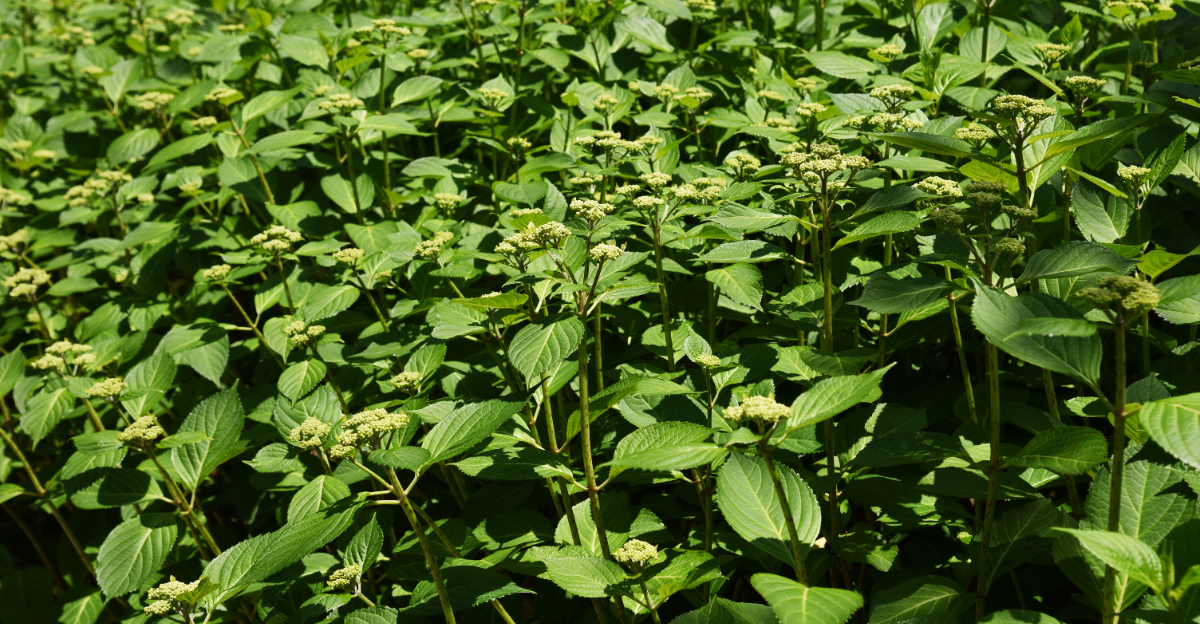
Hydrangeas are a favorite in many North Carolina gardens, but they can sometimes leave gardeners frustrated when they fail to bloom after winter. The problem often lies in the way these plants handle cold temperatures, pruning mistakes, or even improper care.
In North Carolina, where winters can be unpredictable, some hydrangeas might not survive the cold snap or might lose their buds. April is a crucial time for understanding what went wrong.
As the weather warms, new growth begins to show, revealing whether the plant is healthy or whether winter damage took a toll.
Whether it’s pruning at the wrong time or simply planting the wrong type for the local climate, April helps reveal the issues affecting bloom time. By this point, gardeners can take the necessary steps to ensure better blooms next season.
1. Late Winter Cold Damaged Flower Buds On Old Wood Hydrangeas
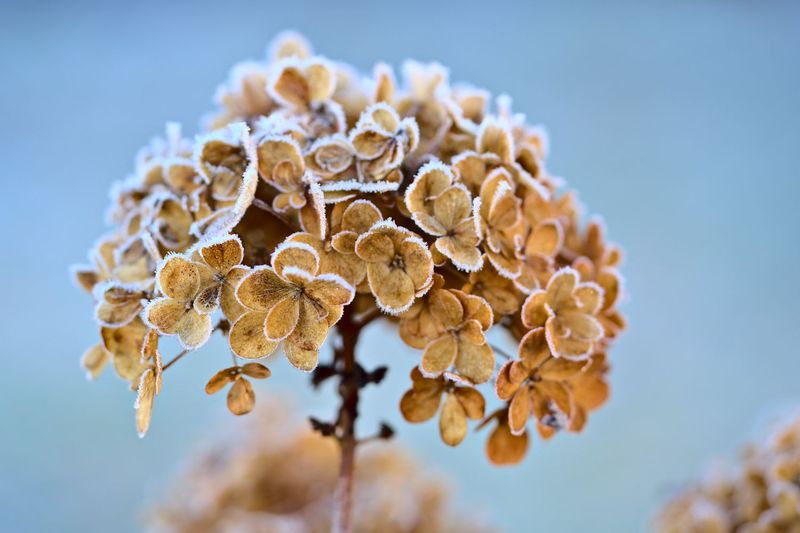
North Carolina winters can be sneaky. Temperatures in the Piedmont and Mountain regions often swing from warm and mild to freezing within the same week, and that rollercoaster is terrible news for old wood hydrangeas.
Bigleaf and oakleaf varieties store their flower buds on stems from the previous year, so when a late freeze hits after a warm spell, those buds take the hardest hit.
What makes this especially tricky is that the plant looks totally fine at first. Leaves push out normally in April, the stems look healthy, and everything seems on track.
But no blooms appear because the buds were quietly damaged back in February or March when temperatures dropped hard after a warm stretch fooled the plant into waking up early.
Gardeners across the NC Mountains see this pattern almost every year. Protecting your plants with a thick layer of mulch around the base helps stabilize soil temperature and slows early bud break.
Planting old wood hydrangeas near a south-facing wall or fence also creates a microclimate that buffers against sharp cold snaps. Choosing more cold-tolerant reblooming varieties like Endless Summer gives your garden a better shot at blooms even after a rough winter.
April is the ideal time to assess the damage, trim back any truly damaged stems, and plan smarter placements for next season.
2. Pruning At The Wrong Time Removed This Year’s Blooms
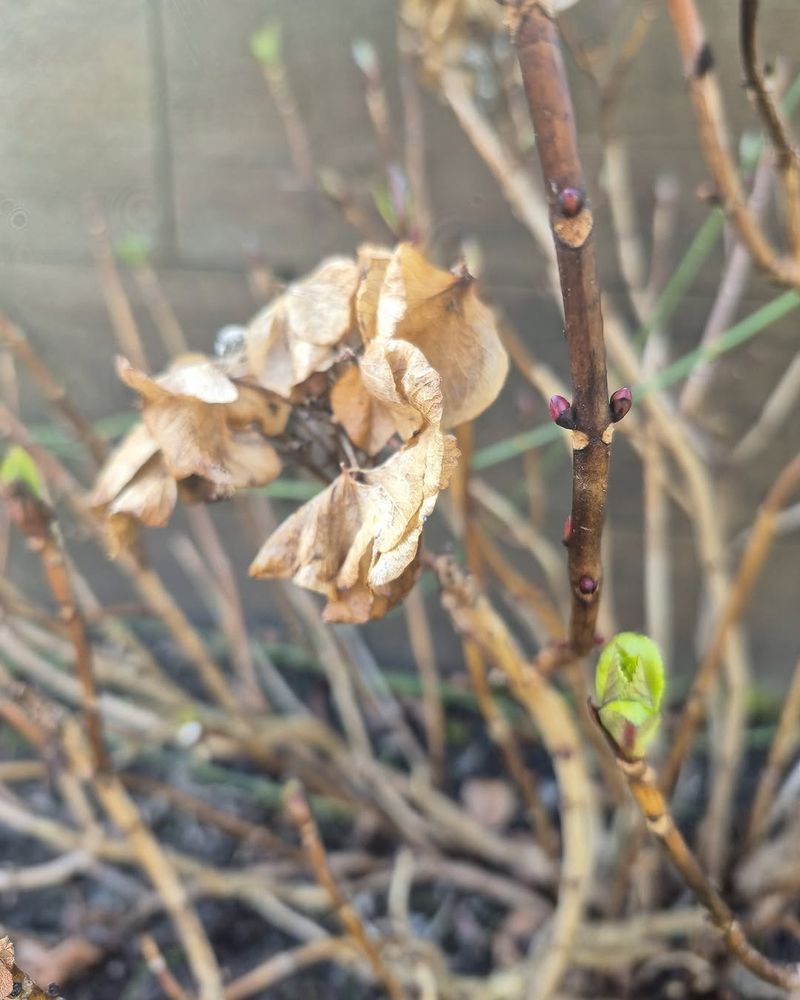
Grab your pruners at the wrong time and you can accidentally wipe out an entire season of blooms without realizing it.
Pruning mistakes are one of the most common reasons North Carolina hydrangeas go bloomless in spring, and the fix is surprisingly simple once you understand how buds form.
Old wood hydrangeas, like bigleaf and oakleaf types, set their flower buds on the previous season’s stems during late summer and fall. When gardeners trim these plants in October, November, or even early spring, they remove the exact wood that holds next year’s flowers.
New wood hydrangeas like panicle and smooth varieties bloom on current season growth, so timing rules are completely different for them.
April tells the story pretty clearly. If your hydrangea has lush, vigorous leaf growth but not a single flower bud forming, there is a strong chance the blooms were pruned away months earlier.
Your North Carolina Garden Changes Every Week. Your Plan Should Too.
Gardening in North Carolina changes quickly throughout the season. Every Friday you’ll receive a simple weekly plan showing exactly what to plant, prune, fertilize, harvest, and protect so you never miss the right timing.
The plant is perfectly healthy, just stripped of its blooming potential for this cycle. For old wood types in North Carolina, the best pruning window opens right after the plant finishes blooming in summer.
A light cleanup at that point removes spent flowers without touching next year’s bud wood. Marking your calendar and sticking to that window consistently is one of the easiest ways to guarantee a full, colorful display every single season going forward.
3. Planting The Wrong Hydrangea Type For Your Region
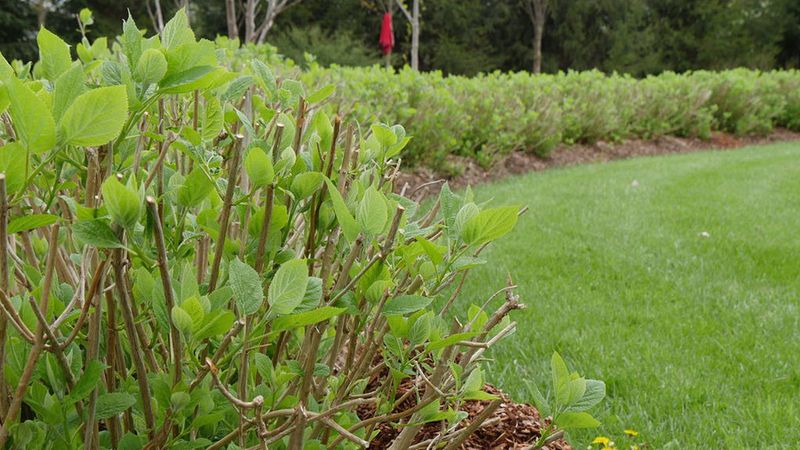
North Carolina stretches across three very different growing regions, and what thrives in Asheville does not always survive the summer heat of Wilmington.
Matching your hydrangea variety to your specific region is one of the most overlooked factors in getting reliable blooms year after year.
The Mountains offer cooler summers and cold winters, which suits bigleaf and oakleaf hydrangeas well but can challenge heat-loving varieties. The Piedmont sits in the middle with moderate conditions, giving gardeners more flexibility.
The Coastal Plain, however, brings intense summer heat and mild winters that stress cold-preferring varieties and push them toward weak, bloomless growth by April.
When a hydrangea is planted in the wrong region, April growth often looks underwhelming. Leaves may be smaller than normal, stem growth appears slow, and flower buds simply never develop.
The plant puts all its energy into coping with its environment rather than producing flowers. Panicle hydrangeas handle heat and humidity across much of North Carolina beautifully, making them a reliable choice from the Piedmont to the Coast.
Smooth hydrangeas like Annabelle perform well across most of the state too. Visiting a local NC Cooperative Extension office or trusted regional nursery gives you solid guidance on which varieties are proven performers in your exact zip code, saving you years of frustration and empty stems.
4. Too Much Shade Reduced Flower Production
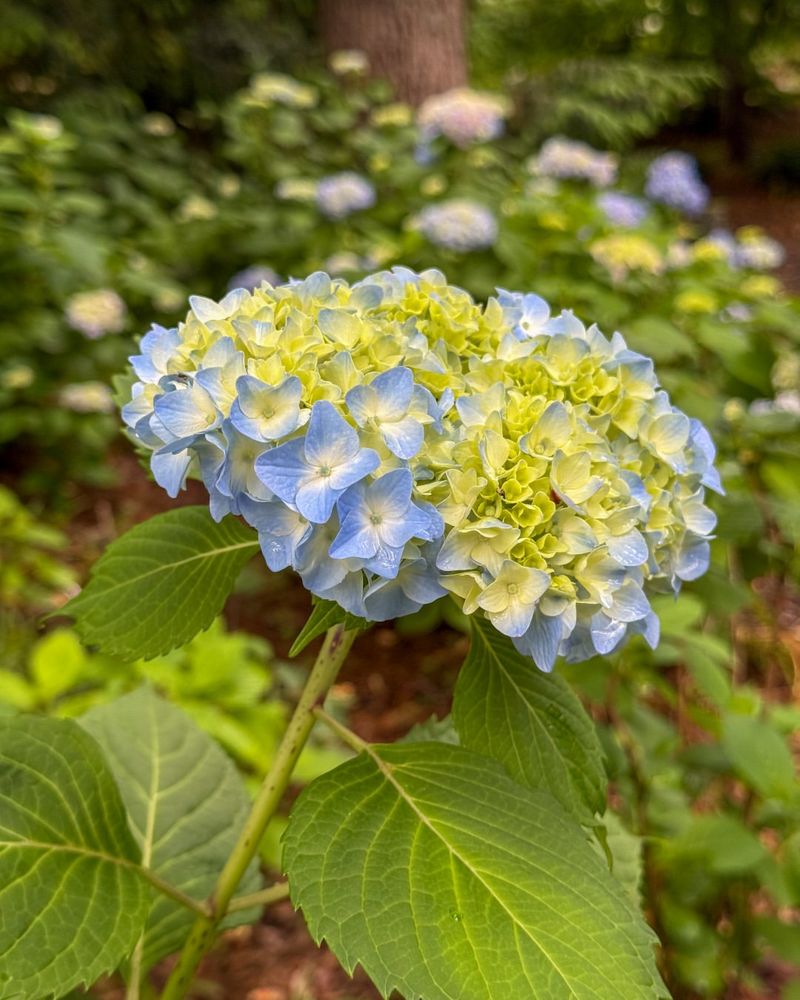
Hydrangeas have a reputation for loving shade, but that reputation is only partly true. Too much shade is one of the quieter reasons North Carolina hydrangeas show off beautiful foliage in April without producing a single flower, and a lot of gardeners do not connect the dots until years go by with no blooms.
Most hydrangeas perform best with morning sun and afternoon shade, especially in warmer parts of North Carolina where afternoon heat can scorch petals. Morning light gives the plant the energy it needs to build strong flower buds.
When a hydrangea sits under a dense tree canopy or against a north-facing wall that receives almost no direct sunlight, it channels all its energy into growing leaves rather than producing flowers.
April is a great time to walk around your yard and observe exactly how much light your hydrangea actually gets throughout the day. You might be surprised how much a nearby tree has grown and now blocks light that used to reach your plant.
Selective pruning of overhead branches can open up the canopy and restore morning sun without requiring a full transplant.
If the shade problem is severe, moving the plant to a brighter location in early spring while the soil is still cool gives it the best chance to settle in before summer.
Even a small increase in daily sunlight can dramatically improve bloom production by the following season.
5. Excess Nitrogen Encouraged Leaves Instead Of Blooms
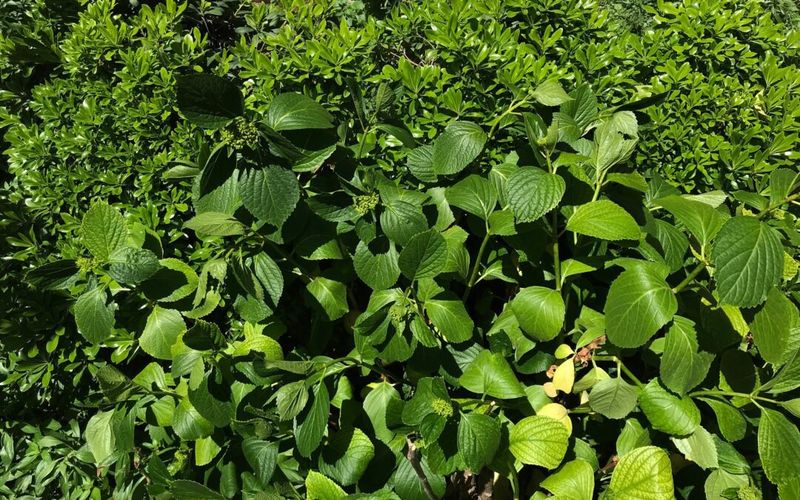
A hydrangea that looks almost too healthy in April might actually be telling you something went wrong.
When plants push out thick, deep green leaves but show zero signs of flower buds, excess nitrogen is often the hidden culprit sitting right beneath the surface of your soil.
Nitrogen is the nutrient that drives leafy, vegetative growth, and it is found in high concentrations in most lawn fertilizers.
North Carolina gardeners who apply lawn fertilizer near garden beds, or who use general-purpose fertilizers too aggressively, accidentally push their hydrangeas into a leaf-growing frenzy.
The plant essentially forgets about blooming because it has more nitrogen fuel than it knows what to do with.
Fixing this issue starts with switching to a fertilizer that is lower in nitrogen and higher in phosphorus, since phosphorus directly supports flower and root development.
A balanced slow-release fertilizer applied once in early spring works well for most hydrangeas across North Carolina.
Avoid feeding in late summer or fall, as late-season nitrogen pushes soft new growth that is vulnerable to winter cold damage.
Getting a basic soil test through the NC Department of Agriculture is a smart move because it shows exactly what your soil already contains, so you stop guessing and start feeding with real precision.
A well-fed hydrangea in the right balance blooms reliably and looks stunning from early summer through fall.
6. Winter Soil Moisture Issues Stressed The Plant
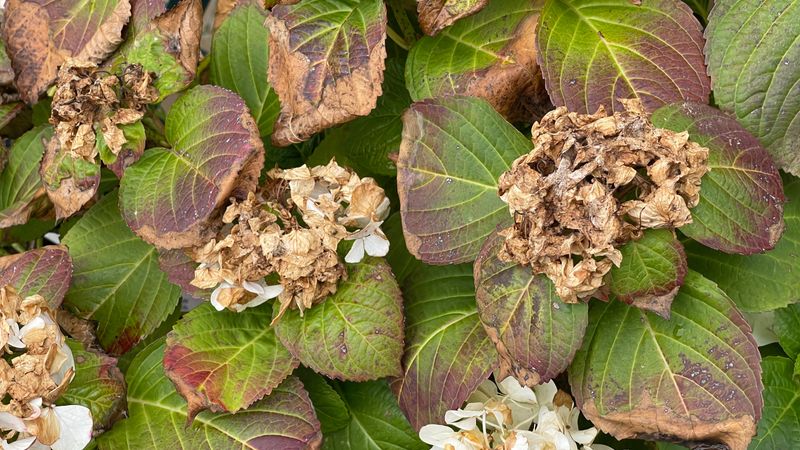
Soil moisture during winter might not be something most gardeners think about, but it plays a surprisingly big role in whether North Carolina hydrangeas bloom come April.
Both too much water and too little can quietly stress a plant through the cold months in ways that show up later as missing blooms.
In the Piedmont, heavy clay soil holds water like a sponge after winter rains, leaving hydrangea roots sitting in soggy conditions for weeks. That prolonged wet stress weakens the root system and disrupts the normal bud development cycle.
On the flip side, the sandy soils common across the Coastal Plain drain so fast that winter dry spells leave plants without enough consistent moisture to support healthy bud formation underground.
When April arrives, plants that struggled with winter moisture issues often show slow, weak new growth with stems that look a little off-color or wilted even without heat stress. Improving your soil structure is the most effective long-term fix for both problems.
Adding compost to clay soil improves drainage while adding it to sandy soil increases water retention, making compost genuinely useful across all three NC regions.
A 3-inch layer of organic mulch spread around the base of the plant helps regulate moisture levels throughout winter and into spring.
Consistent watering during dry winter stretches, especially for younger plants, keeps roots stable and gives buds the steady environment they need to develop fully before spring arrives.
7. Stress From Previous Seasons Reduced Blooming This Year
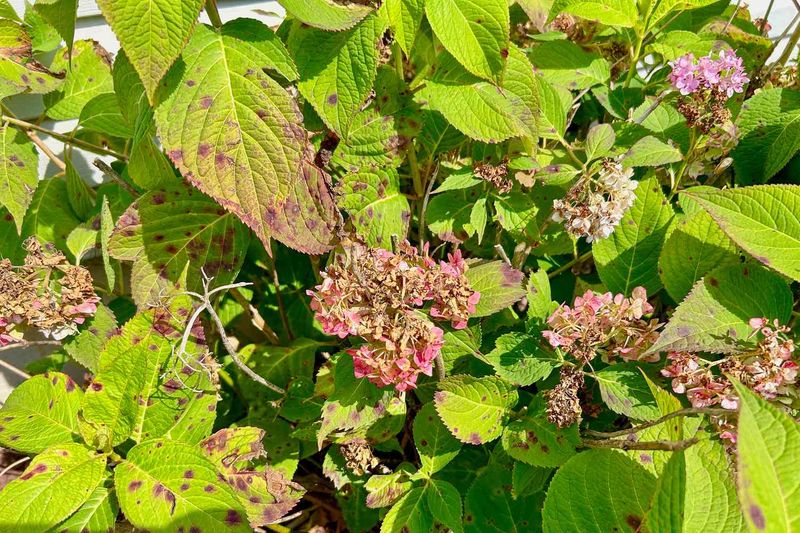
Sometimes a hydrangea is not blooming this spring because of something that happened last summer or even the summer before.
Plants carry stress forward from season to season, and North Carolina’s combination of late spring frosts, intense summer heat, and periodic drought can really wear a plant down over time.
When a hydrangea experiences a hard frost right as buds are forming in spring, or goes through a brutal dry stretch in July without enough water, it puts enormous energy into survival rather than flower production.
By the time fall arrives, the plant may not have had enough resources left to set strong buds for the following year.
April then reveals the result of that earlier stress with slow growth, small leaves, and no sign of blooms anywhere on the plant.
The reassuring part is that most hydrangeas bounce back beautifully once the stressors are addressed.
Giving the plant consistent water during summer heat waves, spreading fresh mulch each spring to protect roots, and avoiding heavy pruning while the plant recovers all help restore its strength.
North Carolina summers can be intense, but hydrangeas are resilient when they get steady support through the toughest months. Realistic expectations matter here too.
A plant coming off a hard year may skip blooming once to rebuild its energy, and that is completely normal. With good care through the current season, next April should bring a far more encouraging and colorful picture than this one did.