North Carolina Gardeners Should Pull Bradford Pear Seedlings This May Before They Spread
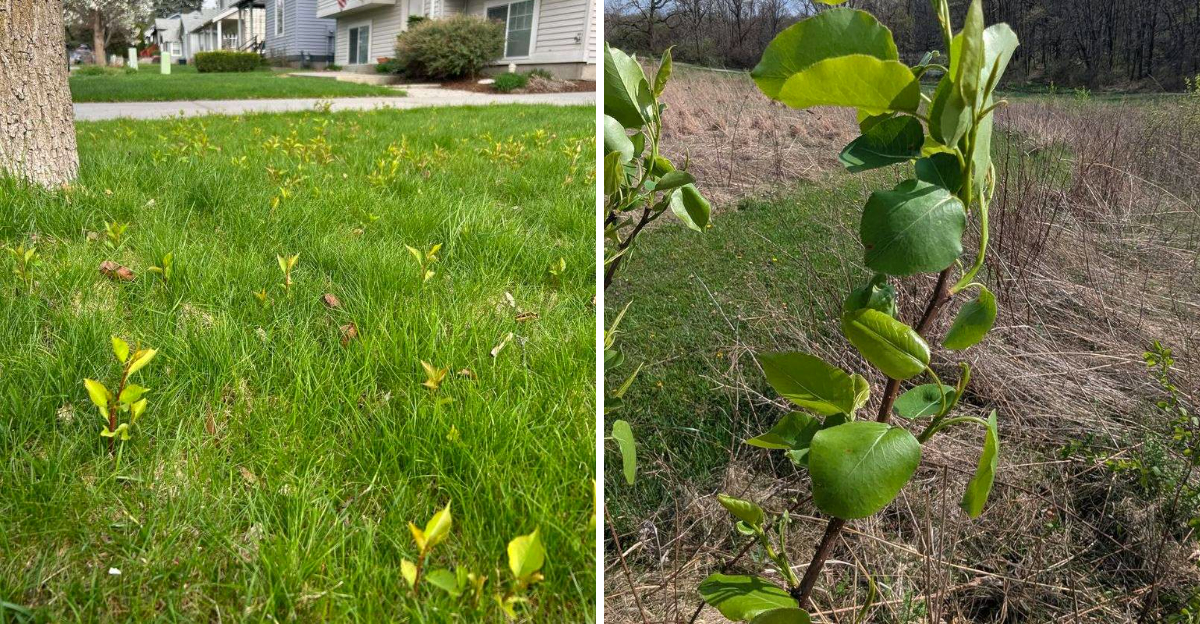
May is a great month for a slow walk around the yard in North Carolina, especially when everything is popping up at once and every corner looks a little busier than it did a week ago.
Tiny seedlings can hide along fences, at the edge of the woods, or in those random spots you swear were clear yesterday.
Most look innocent enough. That is exactly how trouble gets invited in.
Some of those little volunteers may be wild Callery pear seedlings, which plenty of homeowners still think of as Bradford pear seedlings.
They may seem small and harmless now, but they do not tend to stay that way for long.
Catching them in May gives North Carolina gardeners a real head start. The roots are still easier to deal with, the stems have not toughened up yet, and the whole job feels a lot less like a wrestling match.
Future you will probably be very pleased.
1. Small Bradford Pear Seedlings Can Turn Invasive Fast
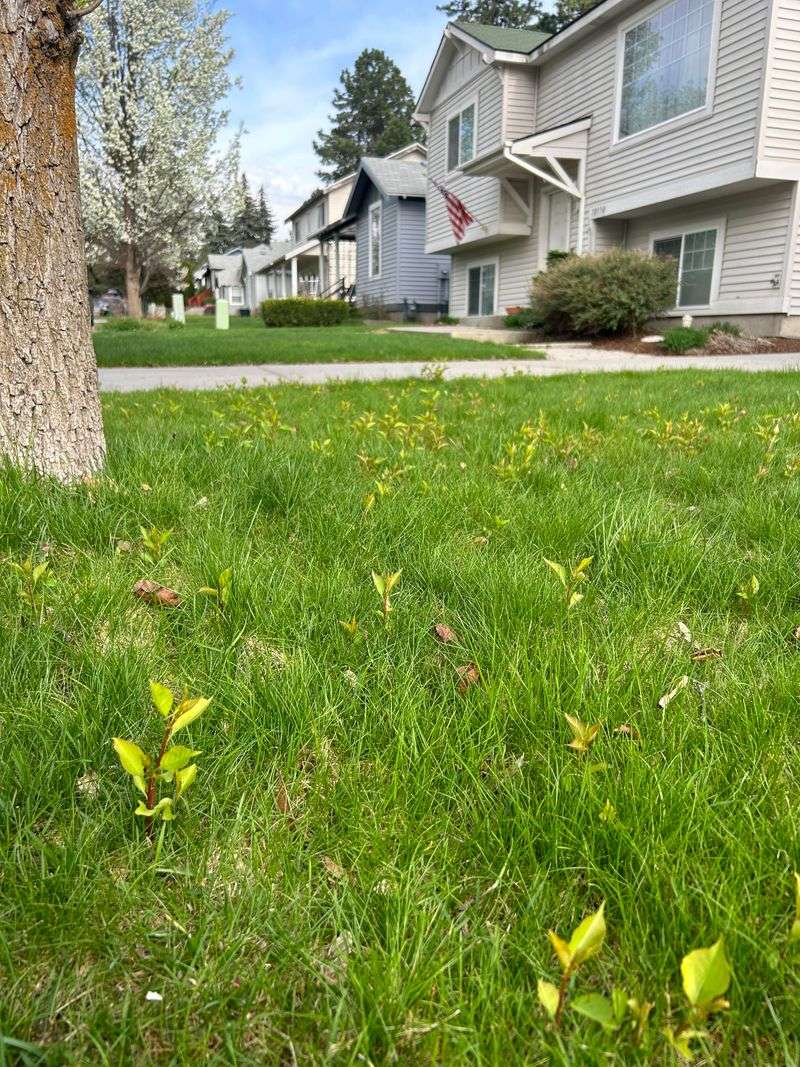
Fresh spring weather in North Carolina can make even the most aggressive seedlings look innocent at first. A small cluster of bright green leaves poking up near a fence or along a garden bed edge may not seem like much to worry about.
But wild Callery pear seedlings, which many people loosely call Bradford pear seedlings, can shift from harmless-looking sprouts to established woody plants more quickly than most homeowners expect.
What makes these seedlings especially tricky is how fast their root systems begin anchoring into the soil.
Even at just a few inches tall, a young Callery pear seedling can already be developing a root structure that will make removal harder the longer you wait.
In North Carolina, spring warmth and moisture can help those roots get a strong foothold within just a few weeks of germination.
Once a seedling gets past its earliest stage, pulling it cleanly becomes more of a challenge. The stem stiffens, the roots go deeper, and the plant starts putting real energy into growth.
Spotting these seedlings while they are still small and flexible is a genuine advantage for anyone managing their North Carolina yard this May. A few minutes of attention now can prevent a much bigger removal job down the road.
2. Bird-Spread Seeds Create New Seedlings Far From The Parent Tree
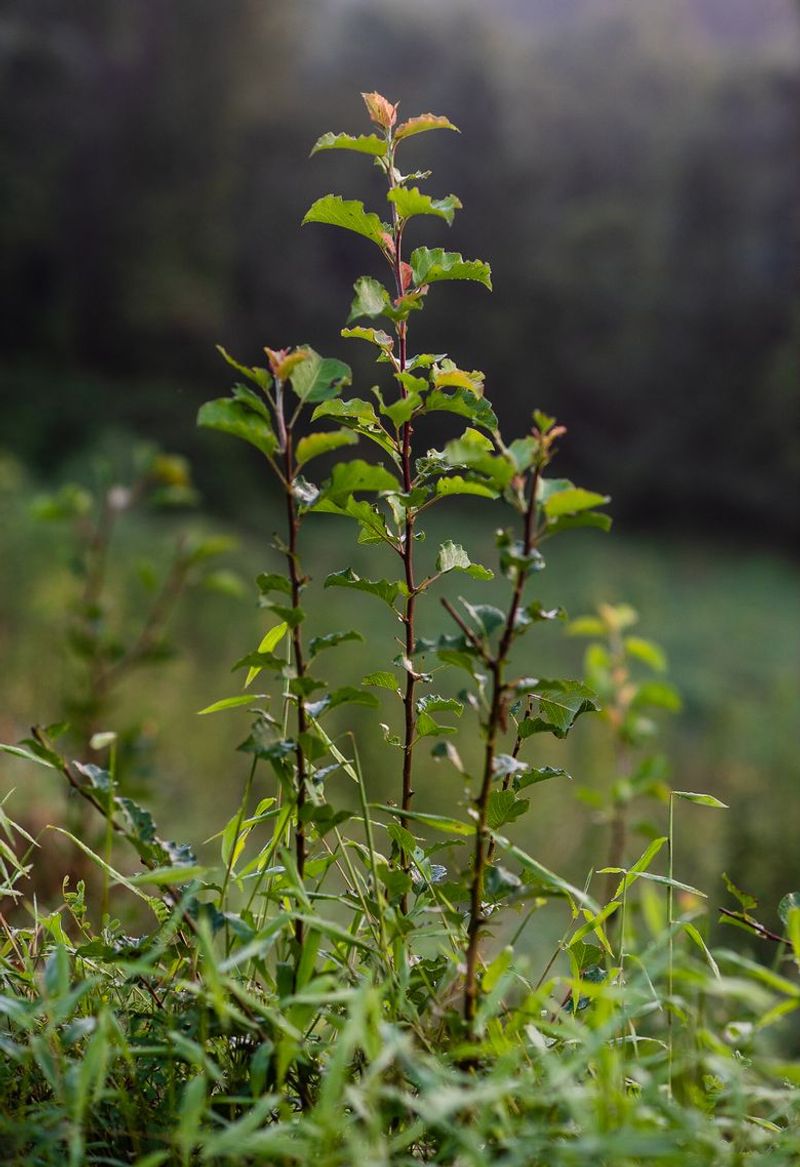
One of the more surprising things North Carolina homeowners discover is finding pear seedlings in spots nowhere near an actual pear tree.
A seedling showing up in a back corner, along a wooded edge, or sprouting from a naturalized area near a neighborhood lot can seem puzzling at first.
The explanation usually comes down to birds, which readily eat the small fruits produced by Callery pear trees and then deposit seeds across a wide area as they move through the landscape.
Wild Callery pear trees, including those that grow from Bradford pear stock, tend to produce fruit in abundance. Birds find those fruits attractive, especially in late fall and early winter when other food sources become less available.
Your North Carolina Garden Changes Every Week. Your Plan Should Too.
Gardening in North Carolina changes quickly throughout the season. Every Friday you’ll receive a simple weekly plan showing exactly what to plant, prune, fertilize, harvest, and protect so you never miss the right timing.
By the time spring arrives in North Carolina, seeds that were dropped months earlier by foraging birds may already be germinating in unexpected corners of your yard or along nearby fence lines.
This seed dispersal pattern means that even homeowners who removed their own Bradford pear trees years ago can still find seedlings appearing from bird-dropped seeds originating elsewhere in the neighborhood.
Checking naturalized areas, open edges, and disturbed ground in May is a practical habit for North Carolina gardeners who want to stay ahead of volunteer Callery pear growth before it has a chance to take hold.
3. May Is A Smart Time To Catch Seedlings Early
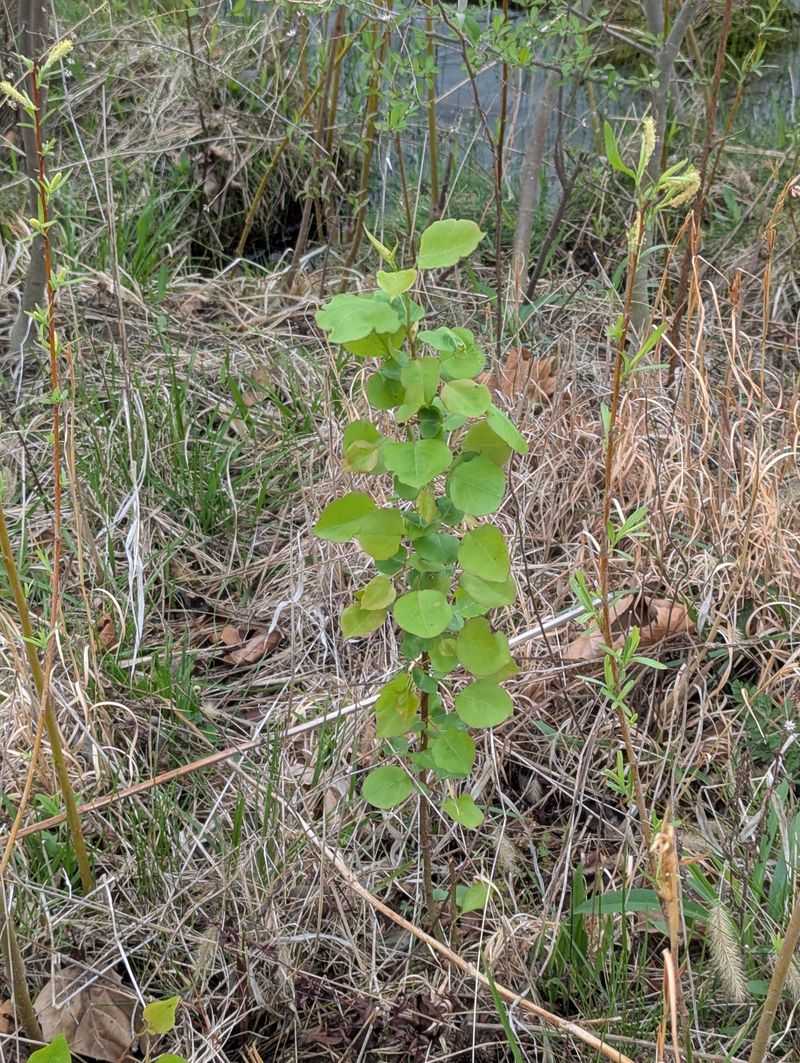
Timing matters a lot when it comes to managing unwanted seedlings, and May tends to offer a helpful combination of conditions for North Carolina gardeners.
The soil is usually moist enough from spring rains to make pulling easier, young plants are still small enough to remove by hand in many cases, and fresh green growth makes seedlings stand out against bare ground or mulch in a way that can be harder to notice later in the season.
Earlier in spring, seedlings may still be too small to identify with confidence. Later in summer, they can become established enough that pulling them by hand is no longer practical.
May sits in a useful middle window where Callery pear seedlings are often recognizable by their leaf shape and glossy texture, but still young enough to come out of the ground without major effort.
North Carolina gardeners who make a habit of doing a slow walkthrough of their yard in May often catch volunteer seedlings before they become a real project.
Paying attention to fence lines, areas near old ornamental plantings, yard edges that border wooded spaces, and any spots where birds tend to gather can help you find seedlings while removal is still straightforward.
A consistent May check can make a noticeable difference in keeping Callery pear spread under control over time.
4. Early Removal Is Easier Before Seedlings Get Established
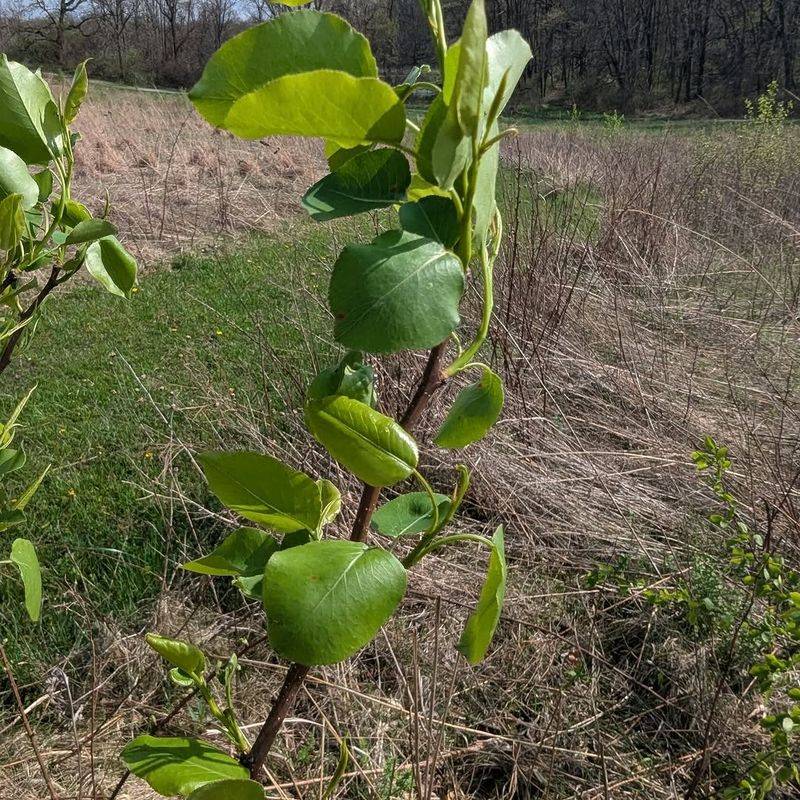
Pulling a seedling when it is only a few inches tall is a very different experience from trying to remove one that has had a full growing season to anchor itself.
Young Callery pear seedlings in their first spring tend to come out of moist soil fairly easily when grasped close to the base and pulled with steady pressure.
The root system at that stage has not yet had time to develop the kind of deep, woody structure that makes removal much more difficult.
Once a Callery pear seedling moves past its first season, the situation changes. The taproot becomes more established, the stem begins to toughen, and the plant becomes harder to uproot cleanly.
If the top is removed without getting the root, the plant may resprout, which means the problem is not actually resolved. Getting the whole plant out early, while the soil is cooperative and the root is still shallow, is a more effective approach.
For North Carolina gardeners dealing with multiple seedlings, early May removal can turn what might become a big project into a manageable one. Working after a rain, when soil is loose and roots release more easily, tends to make the job go faster.
Wearing gloves is a good habit since some Callery pear seedlings can develop small thorns even at a fairly young stage of growth.
5. Wild Callery Pears Can Form Dense Thorny Growth
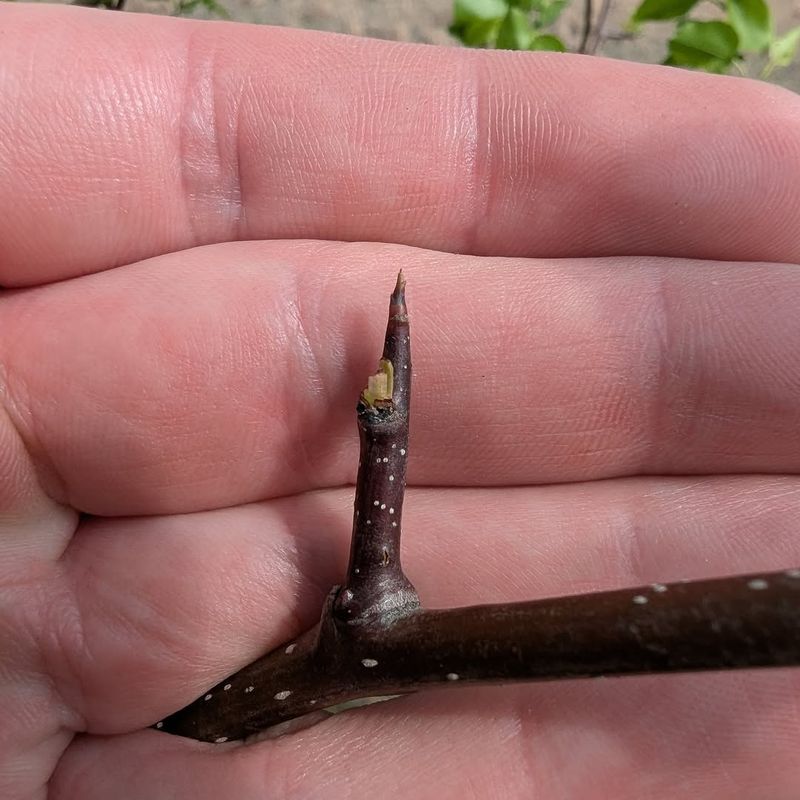
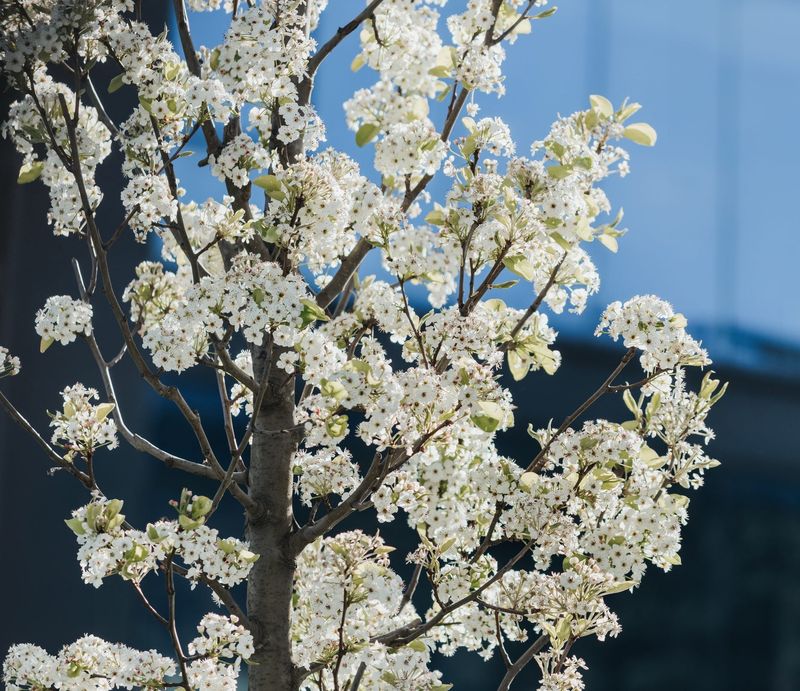
Most people who plant a Bradford pear in their yard are thinking about the white spring flowers and the neat ornamental shape, not about what can happen years down the line if seedlings from that tree, or nearby Callery pear relatives, are left to grow unchecked.
Wild Callery pear growth does not stay tidy and ornamental.
Given enough time and space, it can develop into dense, thorny growth that becomes genuinely difficult to manage.
Unlike the grafted Bradford pear trees sold at nurseries, wild Callery pear seedlings grown from seed tend to revert toward the characteristics of their rootstock ancestors.
That often means more thorns, more aggressive branching, and a growth habit that can crowd other plants and create tangled, hard-to-navigate patches along fence lines, woodland edges, and open areas.
In North Carolina, these kinds of naturalized thickets can show up along roadsides, old fields, and the edges of suburban neighborhoods.
Recognizing that a small seedling today could eventually contribute to that kind of dense, thorny growth is a useful motivator for early action.
A seedling that looks manageable in May becomes a much harder situation if it is allowed to grow unchecked through multiple seasons.
Homeowners in North Carolina who spot young Callery pear plants near naturalized areas or fence lines have good reason to remove them before they get the chance to develop into something more stubborn.
6. These Seedlings Can Crowd Out Native Plants Early In The Season
Spring is a critical window for native plants in North Carolina. Many native wildflowers, grasses, and shrubs depend on early-season light and space to get established before the canopy fills in and competition increases.
When Callery pear seedlings move into those same spaces, they can take up resources that native plants need, including soil moisture, nutrients, and ground-level sunlight.
Callery pear seedlings tend to leaf out early in spring, which gives them a head start over some slower-emerging native species.
In naturalized corners of North Carolina yards, along woodland edges, or in open areas where native plants are trying to establish, a cluster of young Callery pear seedlings can create real competition.
Over time, if those seedlings are not removed, they can change the character of a space that might otherwise support a more diverse mix of native growth.
Homeowners who are working to encourage native plants in their North Carolina landscapes have extra motivation to pull Callery pear seedlings early in the season.
Removing them in May, before they have leafed out fully and started competing aggressively, gives native plants a better chance to use the space and resources available.
Even modest efforts at early seedling removal can support a healthier, more balanced plant community in and around home landscapes over the long run.
7. What Looks Harmless Now Can Become A Bigger Yard Problem Later
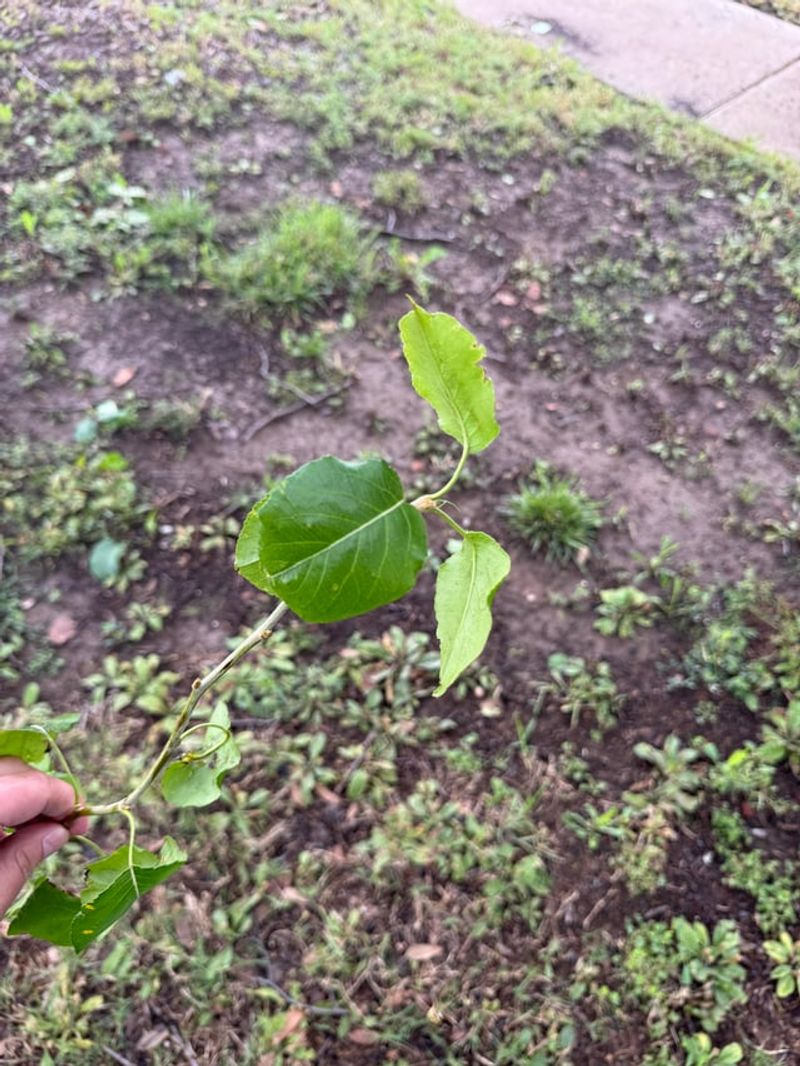
A single small seedling tucked into a corner of the yard rarely triggers much concern. It looks like just another green sprout, easy to overlook on a busy weekend when there are other things to tend to.
That tendency to assume small plants are not worth worrying about is actually one of the main reasons Callery pear seedlings get a chance to become established in North Carolina yards in the first place.
The challenge is that the window between a harmless-looking sprout and a genuinely difficult removal project can close faster than expected.
Callery pear seedlings that are skipped over in May may be noticeably larger by midsummer, and by the following spring they can have root systems that make hand-pulling impractical.
A plant that would have taken seconds to pull in its first season might require tools, more effort, and possibly multiple removal attempts once it has had time to settle in.
Thinking ahead is one of the most practical habits a North Carolina gardener can develop when it comes to managing potentially invasive seedlings.
The seedling that seems like a low priority today may be shading out a garden bed, pushing into a fence line, or contributing seeds to next year’s seedling crop before long.
Giving it a second look in May, and removing it while removal is still easy, tends to pay off in a way that waiting rarely does.
8. Pulling Seedlings Now Can Help Limit Future Spread
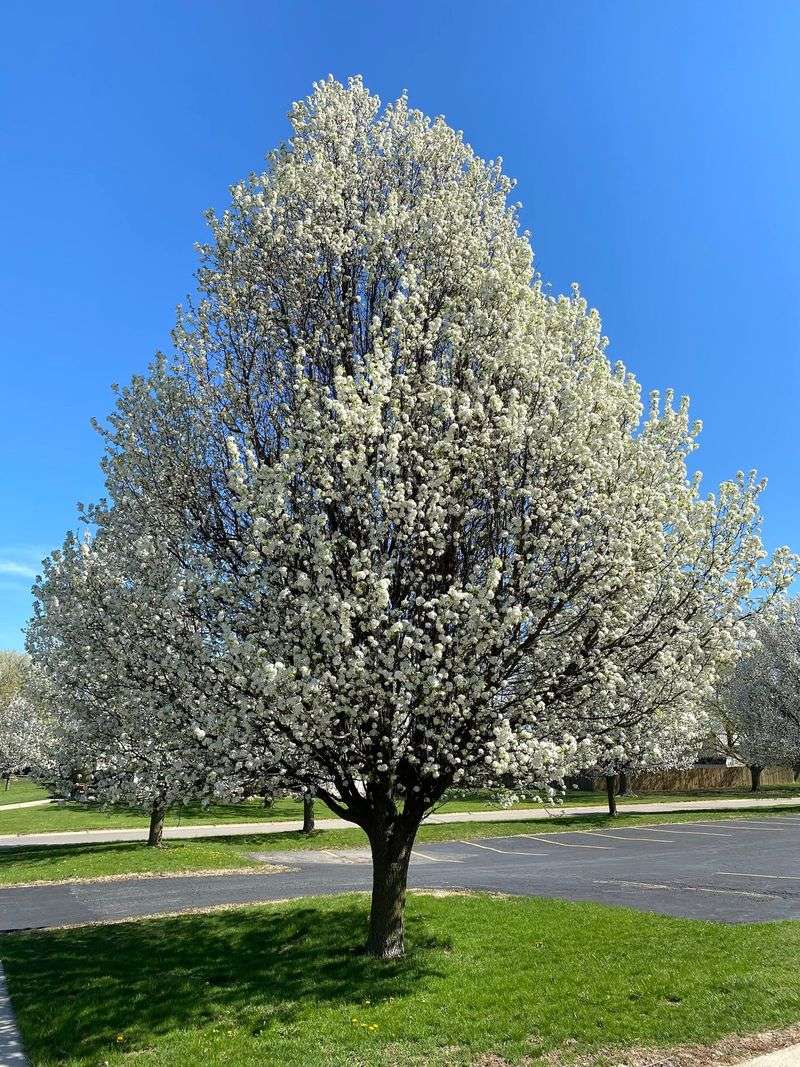
Getting seedlings out of the ground before they mature is one of the more direct ways a homeowner can reduce the chance of further Callery pear spread in and around their North Carolina property.
A seedling that is removed in May never gets the chance to grow into a tree that produces fruit, and fruit that does not exist cannot attract birds or drop seeds into neighboring spaces.
That connection between early removal and reduced future spread is worth keeping in mind when the task feels small or optional.
Each seedling left in place has the potential to eventually add to the local seed bank, which means more seedlings to deal with in future seasons.
Removing seedlings consistently over a few springs can make a noticeable difference in how many new ones appear over time, though results will vary depending on bird activity, nearby seed sources, and site conditions.
North Carolina gardeners do not need special equipment or expertise to make a meaningful start on this.
A pair of gloves, a hand weeder or trowel for stubborn roots, and a slow walk around the yard edges in May is often enough to catch and remove a significant number of young Callery pear seedlings before they become a problem.
Staying consistent from one spring to the next tends to be more effective than waiting for the issue to grow into something that requires much more effort to address.