Your Go-To Guide To Growing Ranunculus Flowers In Texas
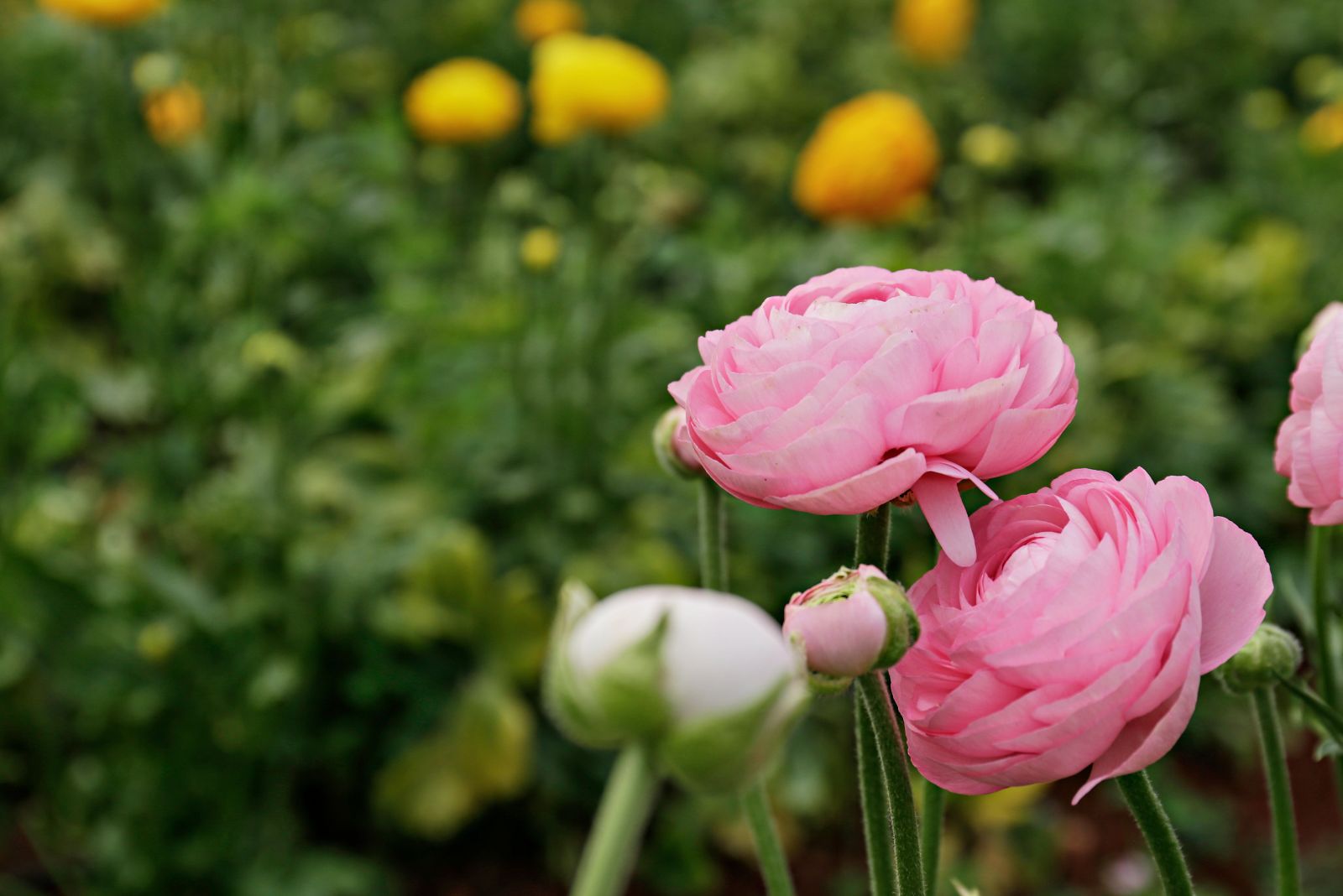
Ranunculus flowers bring a pop of color to any garden, with their bright, layered petals and cheerful blooms. But growing these beauties in Texas can be a bit tricky if you’re not prepared for the unique climate challenges.
The hot summers and unpredictable weather can stress out plants that aren’t suited to the conditions, but with the right care, ranunculus can thrive and bring stunning color to your landscape.
To get started, it’s important to know when to plant them and how to protect them from Texas’ heat. Ranunculus bulbs prefer cooler temperatures, so timing is everything.
Whether you’re planting in the ground or in containers, these flowers love well-drained soil and a good amount of sunlight. While they may need a little extra care compared to some other Texas-friendly plants, the payoff is more than worth it.
With the right setup, your ranunculus will reward you with long-lasting, gorgeous blooms that brighten up your garden year after year.
1. Why Ranunculus Are Perfect For Texas Gardens?
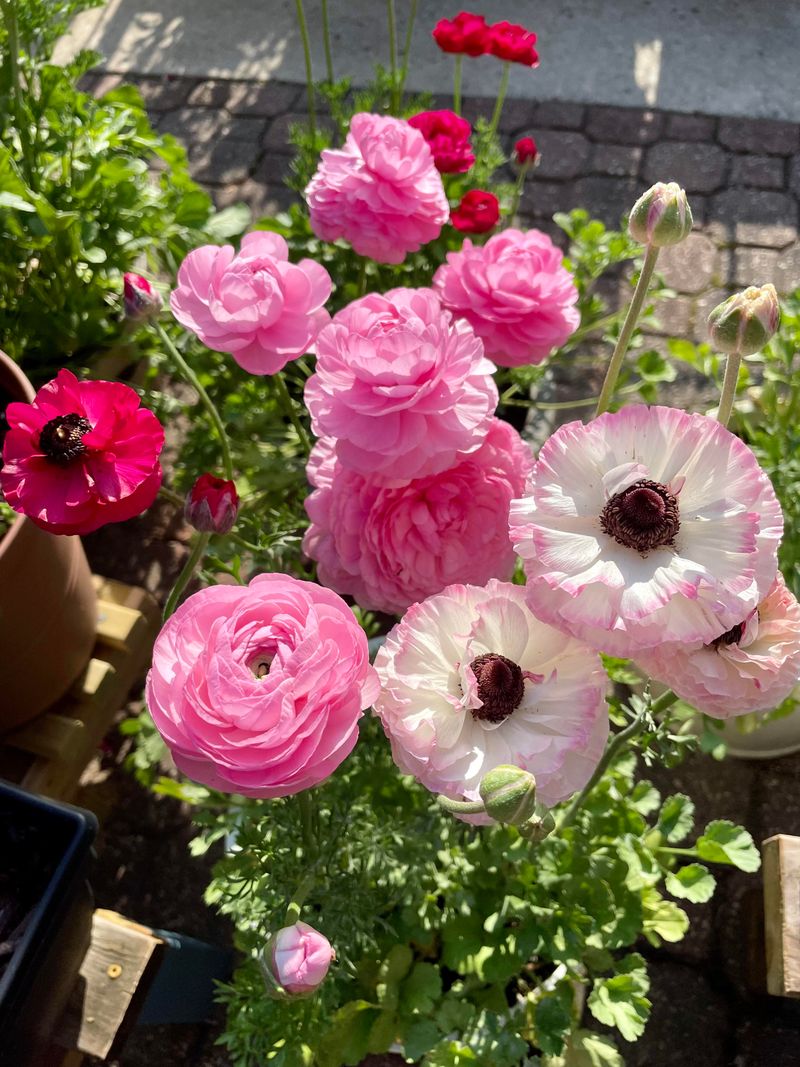
Few flowers turn heads quite like ranunculus. Their lush, multi-petaled blooms stack layer upon layer, creating a look that is bold, romantic, and totally eye-catching.
In a Texas garden, they bring a pop of color that is hard to match, especially in the late winter and early spring months when most other plants are still waking up.
Ranunculus are often linked to cooler climates, but Texas gardeners have a real advantage. Since most of the state experiences mild winters, you can plant ranunculus corms in the fall and watch them bloom beautifully before the summer heat rolls in.
They thrive in USDA hardiness zones 8 through 10, which covers a huge chunk of Texas, from Houston to San Antonio and beyond.
What makes them extra special is how long they bloom. A healthy ranunculus plant can put out flowers for several weeks, giving your yard or patio a steady supply of gorgeous color. They work well in garden beds, raised planters, and even cut flower arrangements.
Beyond their good looks, ranunculus are surprisingly low-maintenance once established. They do not need constant attention, just the right setup to get started.
Texas gardeners who plant them in fall are often rewarded with a stunning spring show that makes neighbors stop and stare.
If you have been looking for a flower that delivers big impact without a ton of fuss, ranunculus might just be your new favorite plant. The Lone Star State has the climate, the sunshine, and the growing seasons to make these blooms shine from season to season.
2. Choosing The Right Varieties For Texas
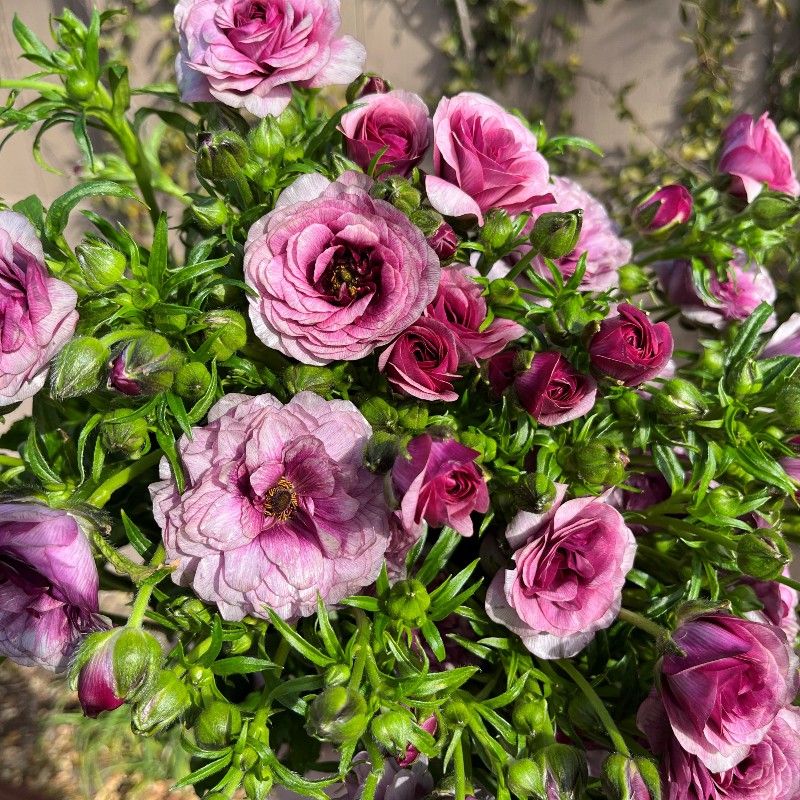
Not all ranunculus varieties are created equal, and picking the right one can make a big difference in how well your flowers perform in Texas.
Some varieties handle warmer temperatures better, while others are bred specifically for double blooms that look absolutely stunning in garden beds and bouquets alike.
The Tecolote series is one of the most popular choices for Texas gardeners. These plants produce large, double-flowered blooms in a wide range of colors, from creamy white to deep burgundy.
Your Texas Garden Changes Every Week. Your Plan Should Too.
Gardening in Texas changes quickly throughout the season. Every Friday you’ll receive a simple weekly plan showing exactly what to plant, prune, fertilize, harvest, and protect so you never miss the right timing.
They are known for their strong stems and long bloom time, making them a top pick for anyone who wants both beauty and durability in the Texas climate.
Another great option is the Elegance series, which features slightly smaller but equally gorgeous blooms. These varieties tend to be more heat-tolerant, which is a real bonus when Texas temperatures start climbing in late spring.
If you prefer a more natural, wildflower-style look, single-flowered varieties offer a simpler charm with open petals that pollinators absolutely love.
For gardeners in South Texas, where winters are especially mild, selecting varieties that bloom early is smart planning. Planting early-blooming types means you get the most color before the intense heat arrives.
In North Texas, where frost lingers a bit longer, look for varieties with slightly more cold hardiness to survive occasional late freezes.
Spending a little time researching variety options before you buy corms is totally worth it. Local nurseries in Texas often carry region-appropriate selections, and their staff can point you toward what grows best in your specific area of the state.
3. Best Time To Plant Ranunculus In Texas
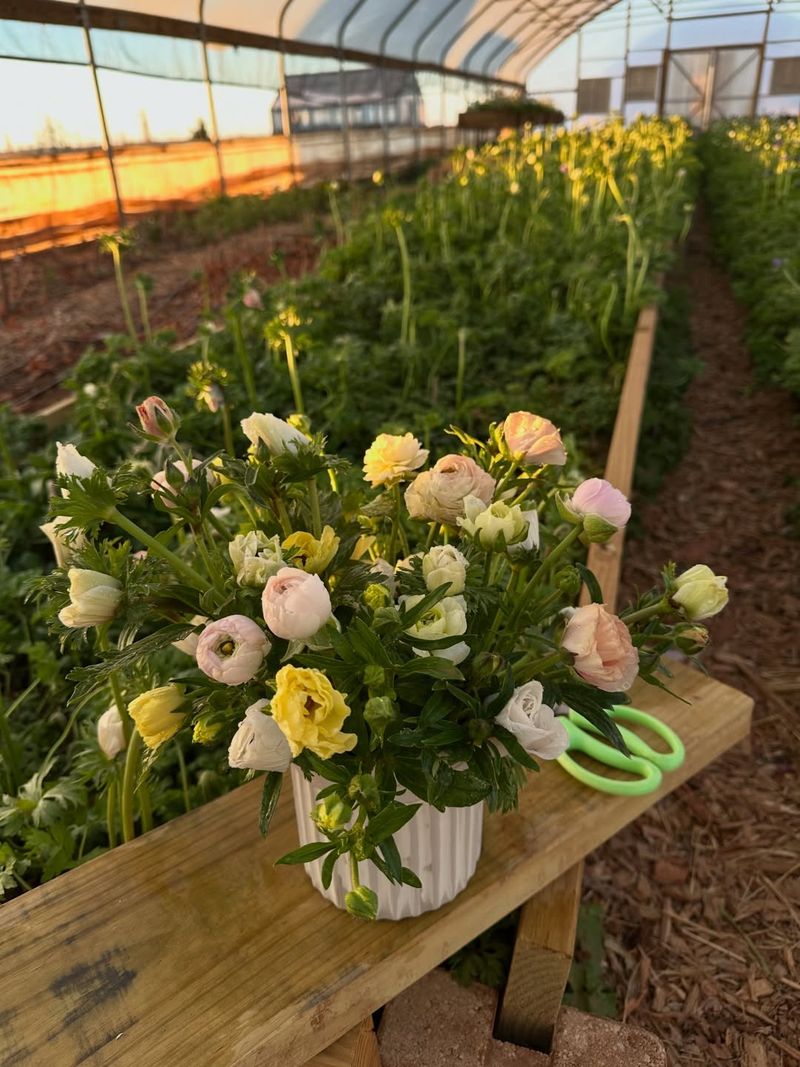
Timing is everything when it comes to ranunculus in Texas. Plant too late and the summer heat will cut your blooms short.
Plant at just the right time and you will enjoy weeks of gorgeous flowers before temperatures climb. For most Texas gardeners, fall planting is the golden window, usually between October and early November.
Planting ranunculus corms in fall gives them time to establish strong roots during the cooler months. By the time spring arrives, the plants are ready to push out their beautiful blooms.
This fall-to-spring cycle works especially well in Central Texas, where winters are mild enough to keep corms safe in the ground without much worry about hard freezes.
North Texas gardeners need to be a bit more careful. Frost dates in areas like Dallas or Fort Worth can arrive earlier and linger later than in other parts of the state.
In those regions, it helps to plant slightly later in the fall and consider adding a layer of mulch over the soil to protect the corms from unexpected cold snaps.
For gardeners who prefer working with transplants rather than corms, early spring planting works well too. Aim to get transplants in the ground about four to six weeks before your last expected frost date.
This gives the plants enough cool growing time to bloom before heat sets in. One helpful tip for all Texas regions: soak your corms in lukewarm water for a few hours before planting. This wakes them up and encourages faster sprouting.
A little preparation goes a long way toward a successful ranunculus season in the Lone Star State.
4. Planting Ranunculus: Soil, Spacing, And Location
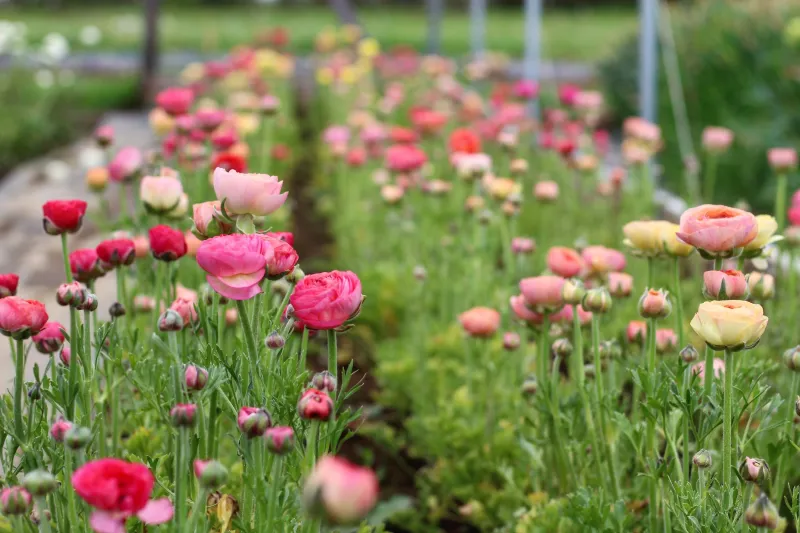
Getting the planting setup right from the start makes a huge difference. Ranunculus are particular about their growing conditions, especially when it comes to soil.
They need well-drained, slightly acidic soil with a pH between 6.0 and 6.5. Heavy clay soil holds too much moisture and can cause the corms to rot, so if your Texas yard has clay-heavy ground, mixing in compost or coarse sand before planting is a smart move.
Raised garden beds are a fantastic option for Texas gardeners dealing with poor soil drainage. They allow you to control the soil mix completely, and the elevated design helps excess water drain away quickly after rain.
This setup is especially useful in areas like East Texas, where heavy rainfall can saturate the ground.
Location matters just as much as soil. Ranunculus love sunshine, but in the hotter parts of Texas, a spot with morning sun and some afternoon shade can help protect the blooms from scorching.
Full sun is ideal in North Texas and during early spring, but as temperatures rise, a little afternoon protection keeps the flowers looking fresh longer.
Spacing is another key detail. Plant your corms about 4 to 6 inches apart to allow proper airflow between plants.
Good air circulation helps reduce the risk of fungal problems, which can be an issue in humid parts of Texas. Place each corm about 2 inches deep with the claw-like points facing downward.
Taking the time to set up the right soil, spacing, and location before you plant pays off with healthier plants and more vibrant blooms throughout the Texas spring season.
5. Watering And Care: Maintaining Healthy Ranunculus
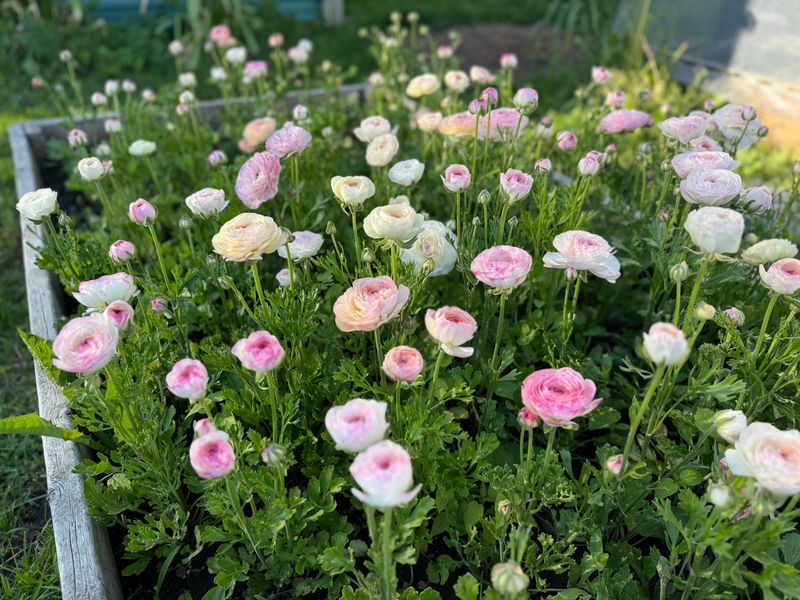
Watering ranunculus correctly is one of the most important parts of keeping them healthy in Texas. These flowers like consistent moisture, but they absolutely cannot stand soggy soil.
Overwatering is one of the most common mistakes gardeners make, and it can lead to corm rot fast. The goal is to keep the soil evenly moist, not waterlogged.
During the cooler months after fall planting, you may only need to water once or twice a week, depending on rainfall. As spring arrives and temperatures climb across Texas, you will need to water more frequently.
Deep watering is the way to go. Rather than giving plants a light sprinkle every day, water deeply two to three times a week so moisture reaches the roots. This encourages stronger, deeper root growth.
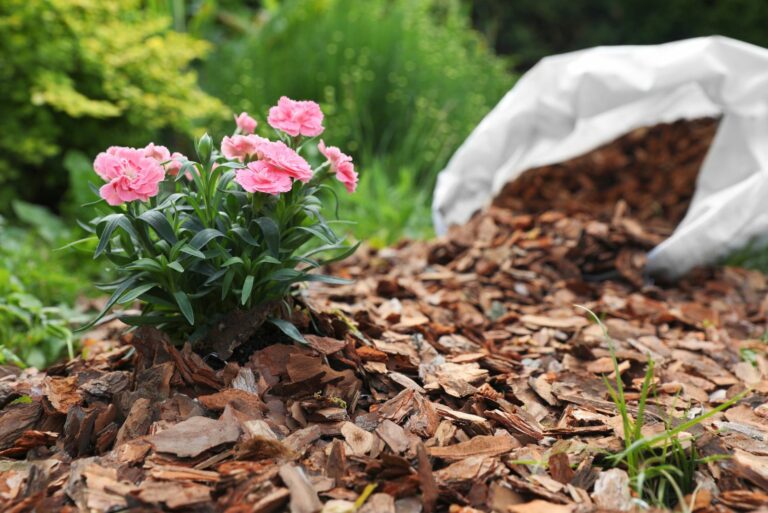
Mulching around your ranunculus plants helps the soil hold moisture longer between watering sessions. A 2-inch layer of organic mulch, like shredded bark or straw, works great and also helps regulate soil temperature during warm Texas afternoons.
Feeding your ranunculus during the growing season gives them the boost they need to produce those spectacular blooms. Apply a balanced, slow-release fertilizer when you plant the corms in fall.
Once buds start forming in spring, switch to a bloom-boosting fertilizer with higher phosphorus content. This encourages bigger, more vibrant flowers.
Avoid fertilizing too heavily with nitrogen, as this pushes leafy growth at the expense of blooms.
Light, regular feeding paired with smart watering practices will keep your Texas ranunculus looking their absolute best from the first bud all the way through the end of the blooming season.
6. Dealing With Common Pests And Diseases
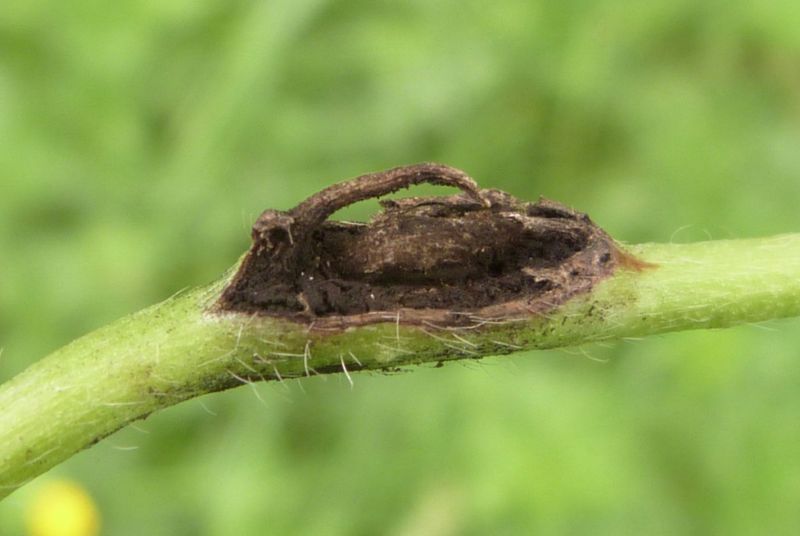
Even the most carefully tended Texas garden can run into pest and disease problems. Ranunculus are generally tough little plants, but a few common nuisances can cause trouble if you are not paying attention.
Knowing what to watch for and acting quickly makes all the difference between a thriving plant and one that struggles through the season.
Aphids are among the most frequent visitors to ranunculus in Texas. These tiny, soft-bodied insects cluster on stems and under leaves, sucking out plant juices and weakening the plant over time.
A strong spray of water from the hose can knock them off, and organic options like neem oil or insecticidal soap spray work very effectively without harsh chemicals.
Slugs and snails are another concern, especially in wetter parts of Texas like the Gulf Coast region. They tend to feed at night, leaving ragged holes in leaves and petals.
Placing copper tape around garden beds or using food-safe slug bait helps keep populations under control without harming beneficial insects.
Fungal diseases are a real threat in humid Texas summers. Powdery mildew, which appears as a white coating on leaves, tends to show up when air circulation is poor and moisture lingers on foliage.
Proper spacing between plants and avoiding overhead watering are the two best preventive measures you can take.
If you do spot fungal growth, remove affected leaves right away and apply a diluted neem oil spray to slow the spread. Keeping the garden area clean of fallen leaves and debris also reduces hiding spots for pests.
A little regular monitoring goes a long way toward keeping your Texas ranunculus blooming beautifully all season long.