Georgia Gardeners’ Guide To Growing Beets In Containers For A Colorful Harvest
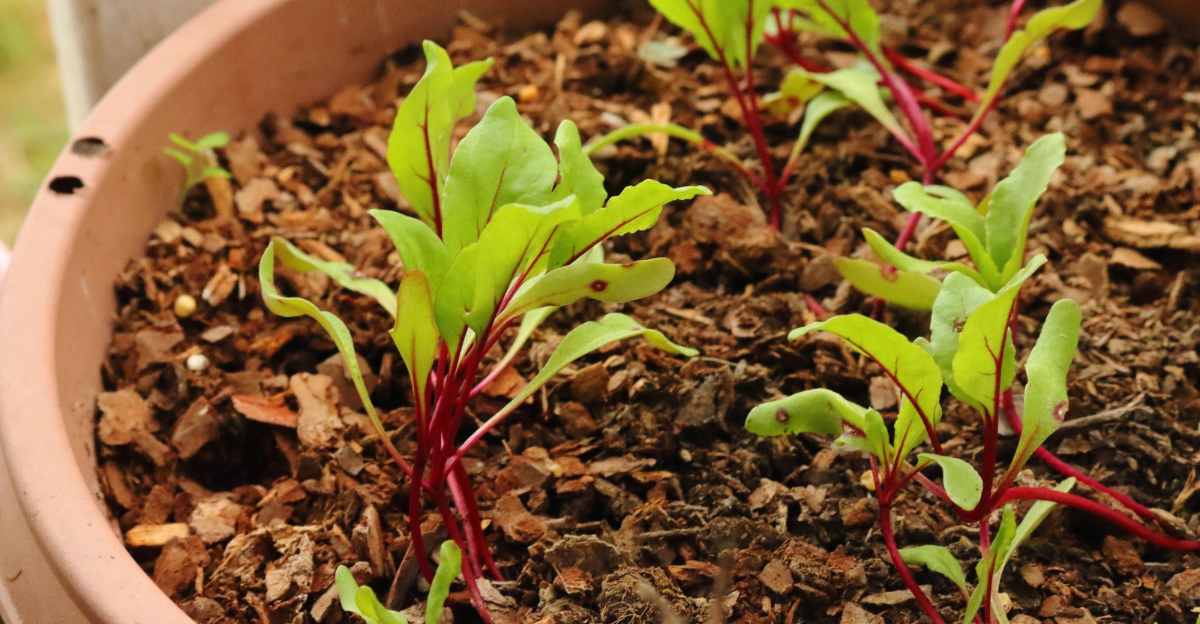
Across Georgia, more gardeners are turning to containers as an easy, flexible way to grow beets at home.
Between warm summers, mild winters, and those dense clay soils found in many yards, growing directly in the ground can feel limiting.
Containers open up new possibilities, letting you fine-tune soil, improve drainage, and choose the best planting time.
From a compact Atlanta patio to a sunny Savannah balcony, beets bring bold color with deep reds, golden tones, and even candy-striped roots, along with tender greens you can pick early.
With Georgia offering both spring and fall planting windows, container-grown beets can fit smoothly into the growing season.
1. Why Beets Grow Well In Containers Across Georgia
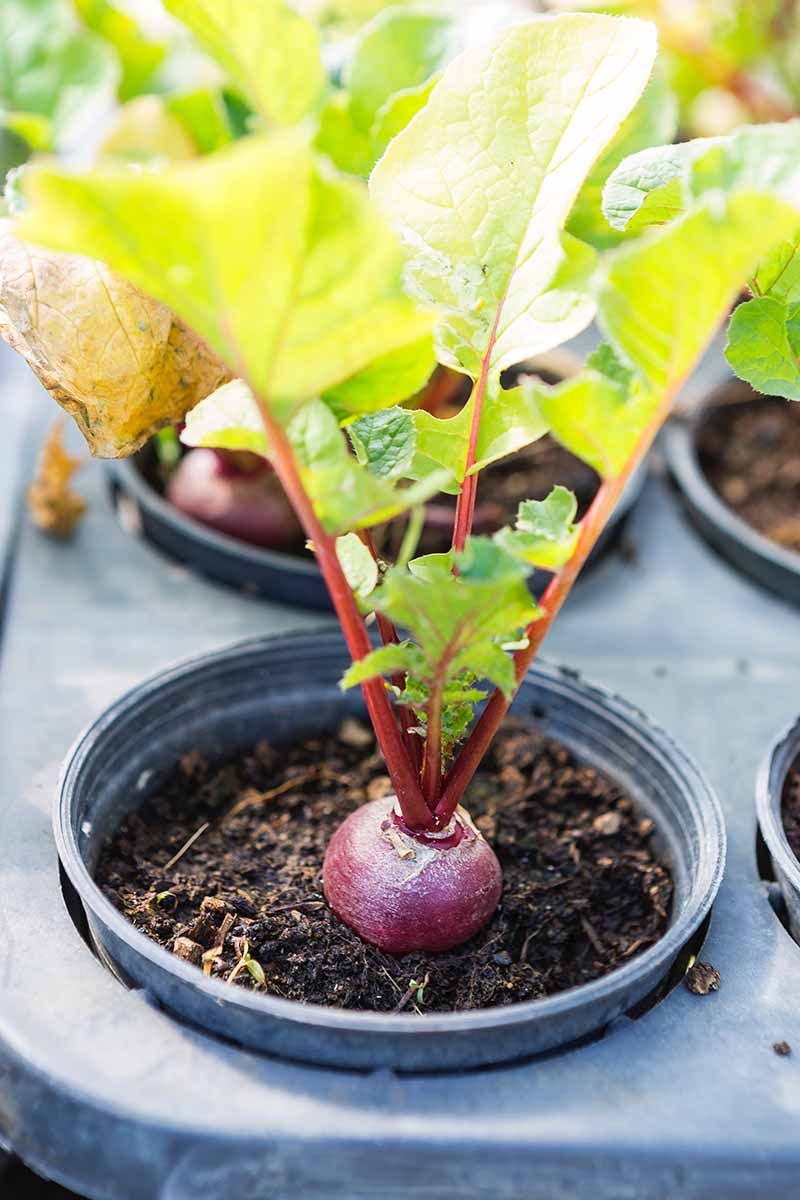
Container gardening has taken off across Georgia for good reason. The state’s red clay soil drains poorly and compacts easily, which makes it tough for root vegetables like beets to develop properly in the ground.
Moving beets into containers sidesteps that problem entirely, giving gardeners full control over soil texture and drainage from the very start.
Georgia also offers two reliable growing seasons for beets – a spring window and a fall window – and containers make it easier to time each planting precisely.
You can move pots to shadier spots during unexpected warm spells or shift them into sunnier areas as cooler weather sets in.
That flexibility is something in-ground beds simply cannot offer.
Another reason containers work so well in Georgia is heat management. Raised containers warm up quickly in spring, encouraging faster germination.
Lighter-colored pots can also reflect some of that intense Georgia summer sun, helping roots stay cooler longer.
For urban gardeners in cities like Augusta or Columbus with limited yard space, containers turn balconies, patios, and driveways into productive growing areas.
Beets genuinely thrive when their environment is well-managed, and containers put that management squarely in the gardener’s hands.
2. Choosing The Right Beet Varieties For Georgia Conditions
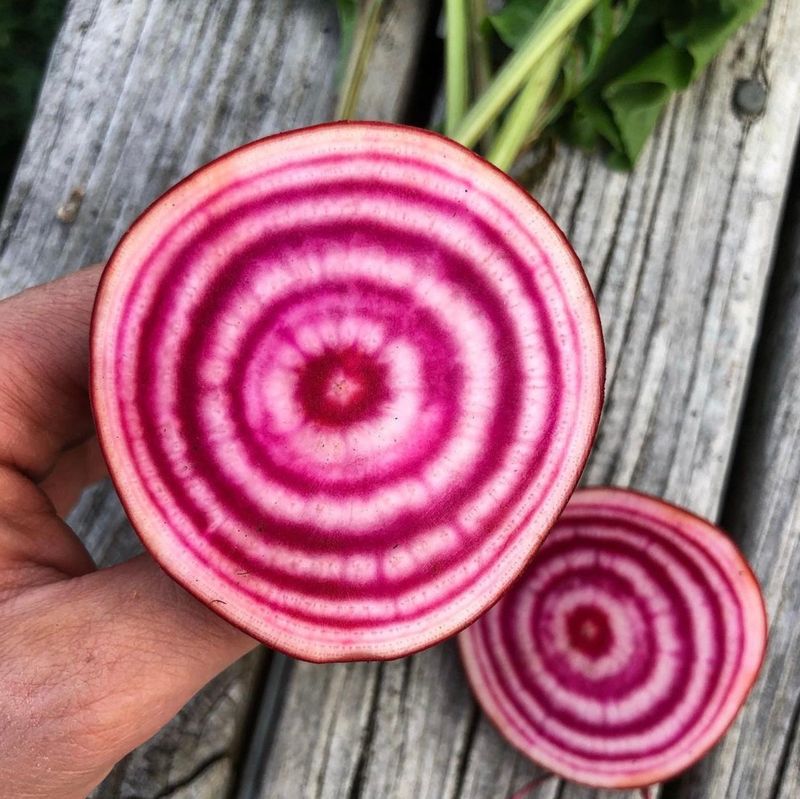
Not every beet variety handles Georgia’s climate equally well, so variety selection is worth some thought before you plant. The classic Detroit Dark Red remains one of the most dependable choices for Georgia gardeners.
It matures in roughly 55 to 60 days, produces sweet, deep-red roots, and holds up reasonably well during mild temperature swings common in Georgia’s spring season.
Chioggia beets bring a striking visual element to any container garden with their candy-stripe pattern of red and white rings inside each root. They tend to be slightly milder in flavor and mature at a similar pace to Detroit Dark Red.
Golden beets are another crowd-pleaser, offering a buttery, less earthy taste with a bright yellow interior that adds cheerful color to the harvest basket.
For fall planting in Georgia, Bull’s Blood is worth considering. Its deep burgundy leaves add ornamental appeal while the roots develop underneath.
Smaller or cylindrical varieties like Cylindra can also work well in containers because their elongated roots need less lateral space.
Choosing varieties with days-to-maturity under 70 days generally gives Georgia gardeners a comfortable buffer before summer heat builds or winter cold settles in too firmly.
Your Georgia Garden Changes Every Week. Your Plan Should Too.
Gardening in Georgia changes quickly throughout the season. Every Friday you’ll receive a simple weekly plan showing exactly what to plant, prune, fertilize, harvest, and protect so you never miss the right timing.
3. Picking Containers That Support Healthy Root Development
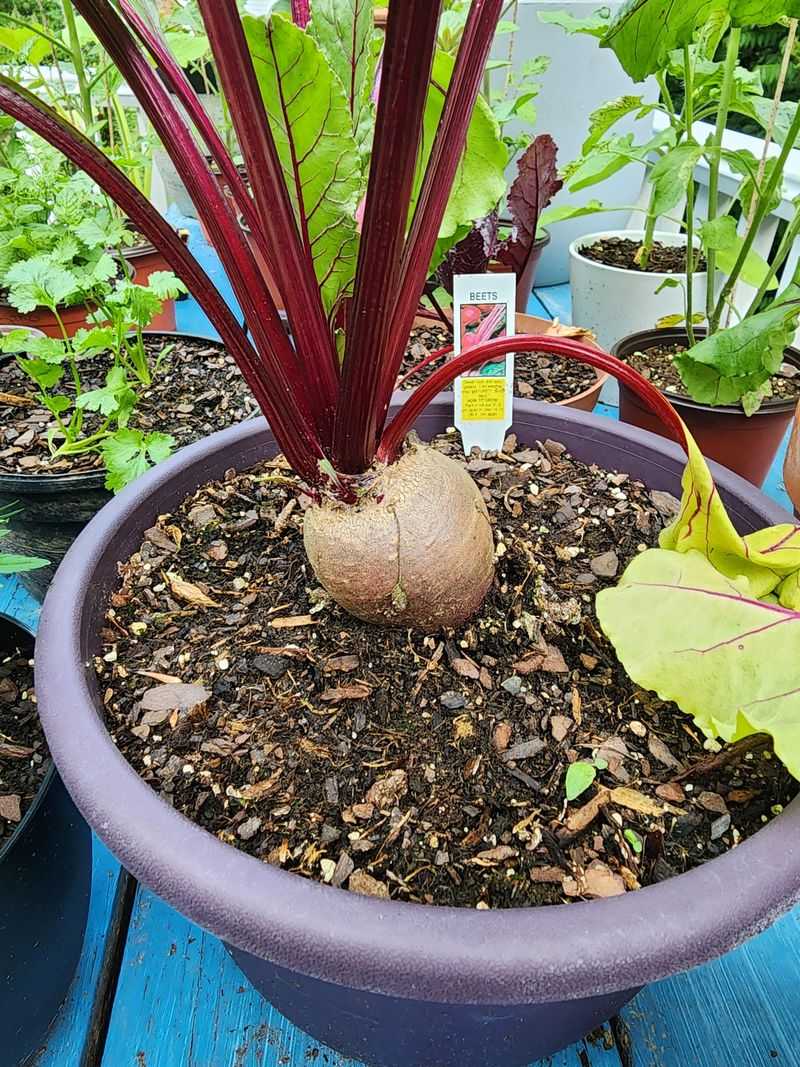
Root depth matters more than most gardeners expect when growing beets in containers. A container that is at least 10 to 12 inches deep gives beet roots enough room to swell and develop without hitting the bottom and flattening out.
Shallower pots often lead to misshapen or stunted roots, which affects both yield and flavor.
Width is equally important. A container around 16 inches wide gives you room to plant several beets at a reasonable spacing without crowding.
A 4 to 6-gallon pot fits comfortably within that range and works well for most home gardeners. If you want a larger planting, a 10-gallon container or a long rectangular planter lets you grow more beets in a single vessel.
Material choices affect how containers perform in Georgia’s climate. Plastic pots are lightweight and retain moisture well, which helps during dry spells.
Fabric grow bags offer excellent aeration and drainage, reducing the risk of soggy soil that can lead to poor root formation.
Terracotta looks beautiful but dries out faster and may need more frequent watering during Georgia’s warmer months.
Whatever material you choose, drainage holes at the bottom are non-negotiable – standing water is one of the fastest ways to ruin a beet crop.
4. Best Soil Mixes For Growing Beets In Containers
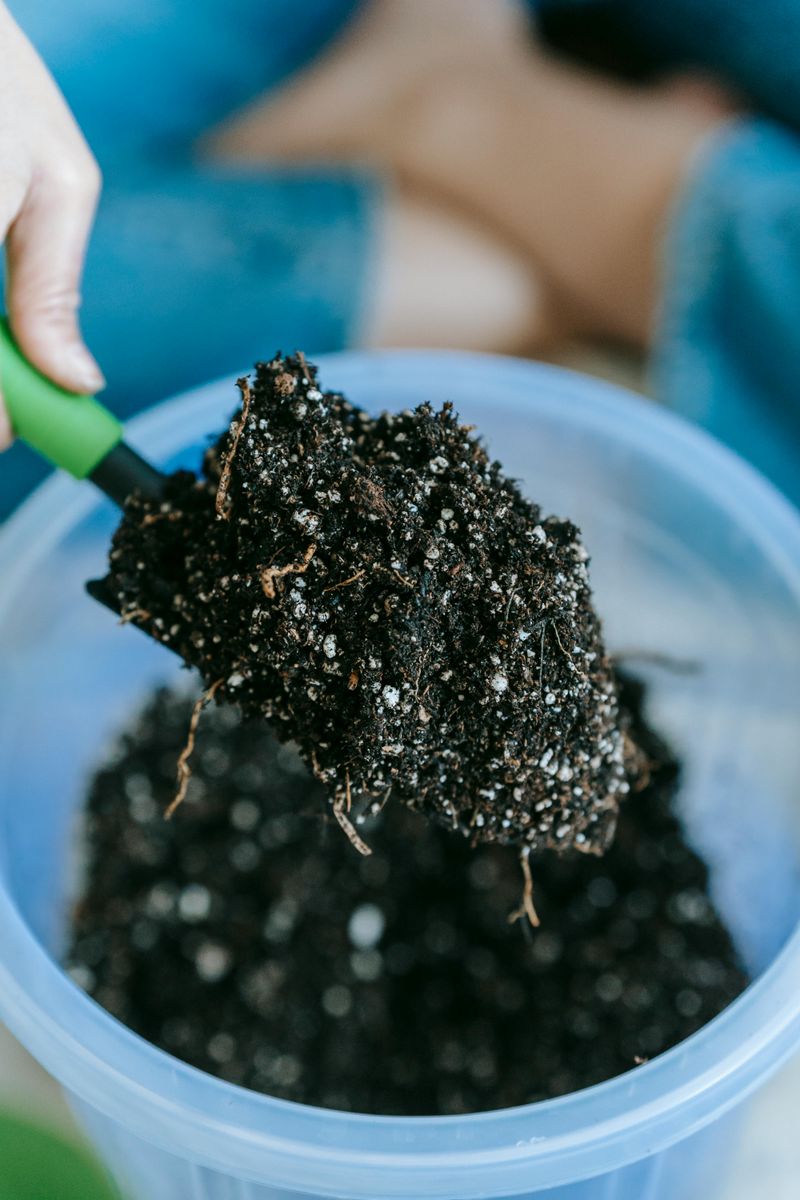
Georgia’s native soil is not doing any favors inside a container. Using straight garden soil in pots compacts quickly, drains poorly, and makes it hard for beet roots to push through.
A quality potting mix designed for containers is a much better foundation to build from.
The most productive soil blend for container beets combines a good-quality bagged potting mix with compost and perlite.
A ratio of roughly two parts potting mix, one part compost, and one part perlite creates a loose, nutrient-rich environment that drains well but still holds enough moisture to support steady root growth.
Compost feeds the plants gradually, while perlite keeps the mix from becoming dense and heavy over time.
Soil pH also plays a role in how well beets perform. They grow best in a slightly acidic to neutral range, somewhere between 6.0 and 7.0.
If you are unsure about your mix’s pH, inexpensive test kits are easy to find at garden centers. Avoid adding too much peat moss, as it can lower pH significantly and create overly acidic conditions.
Refreshing the soil between planting seasons keeps nutrients available and prevents the buildup of compaction that naturally occurs after a full growing cycle.
5. When To Plant Beets In Georgia For The Best Results
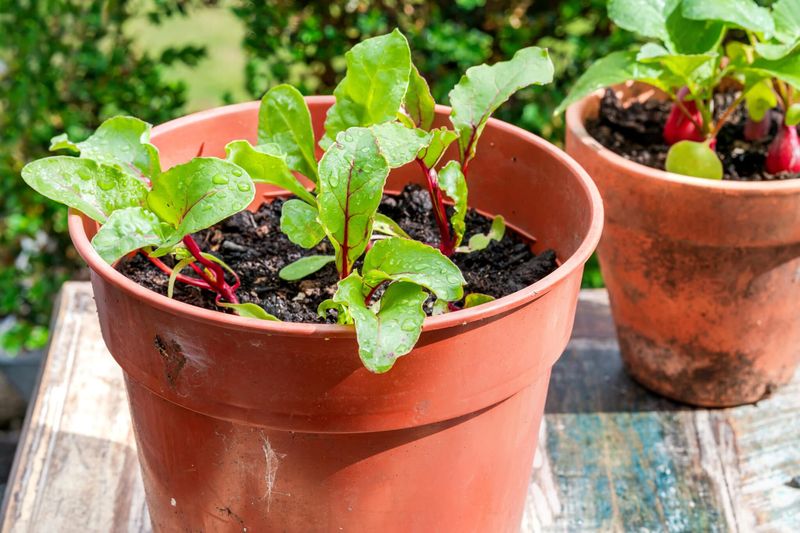
Timing a beet planting in Georgia can feel like a bit of a puzzle at first, but the state’s two growing seasons make it very manageable once you understand the basics.
Spring planting typically works best from late February through mid-March in South Georgia, and from mid-March through early April in North Georgia, where temperatures stay cooler a bit longer.
Getting seeds in the ground early gives roots time to develop before summer heat arrives.
Beets prefer soil temperatures between 50°F and 75°F for good germination and root development.
Once temperatures consistently climb above 80°F, root quality tends to decline and plants may bolt, meaning they shift energy toward flowering rather than root production.
Starting early in spring is the best way to stay ahead of Georgia’s warming trend.
Fall planting is often considered the more forgiving season for Georgia beet growers.
Sowing seeds from late August through late September allows beets to develop during the cooler months of October and November, when temperatures are ideal and pest pressure tends to ease.
Fall-grown beets often develop sweeter flavor after light frosts, making the harvest especially rewarding. Many experienced Georgia gardeners consider the fall crop their favorite of the two planting windows.
6. How Much Sunlight Container Beets Need In Georgia
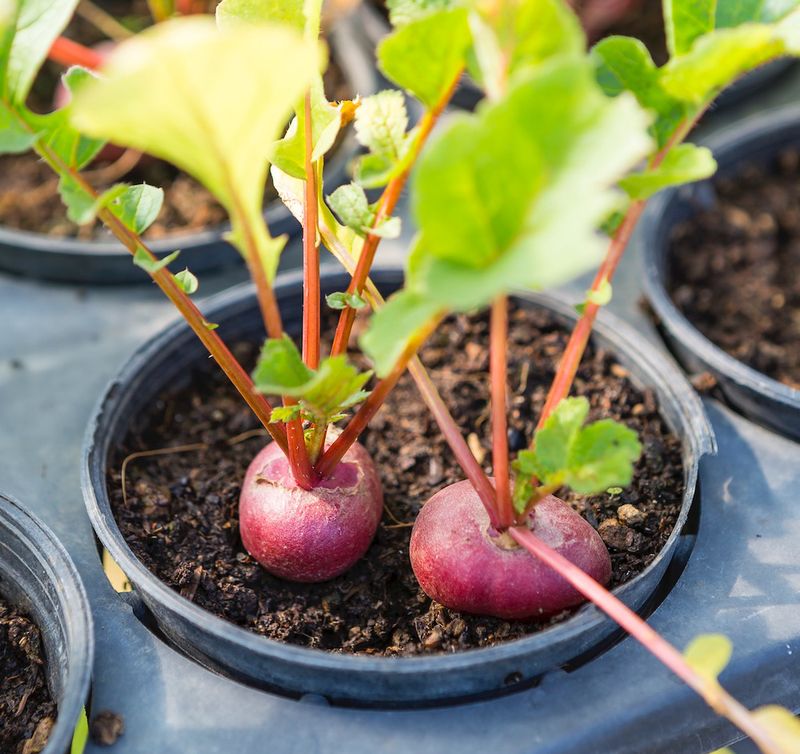
Sunlight is one of the key ingredients for a successful beet harvest, and Georgia’s abundant sunshine is genuinely an asset here. Container beets do best with at least six hours of direct sunlight each day.
Full sun encourages strong leaf growth and supports healthy root development below the soil surface.
One of the real advantages of container growing is the ability to reposition pots as the season changes. In early spring, placing containers in the sunniest available spot helps warm the soil and encourages faster germination.
As Georgia’s temperatures climb through May and June, shifting containers to a location with afternoon shade can help prevent the soil from overheating and protect roots from heat stress.
Beets can tolerate partial shade, receiving around four to five hours of sunlight, but expect slightly slower growth and smaller roots compared to full-sun plantings.
The leafy tops tend to remain productive even in partial shade, which is useful if you enjoy harvesting beet greens for salads or cooking.
In Georgia’s fall growing season, positioning containers to maximize sun exposure becomes more important again as days shorten and light intensity decreases.
Tracking where sunlight falls across your patio or balcony at different times of day helps you find the most productive spot for your containers.
7. Watering Tips For Consistent, Even Beet Growth
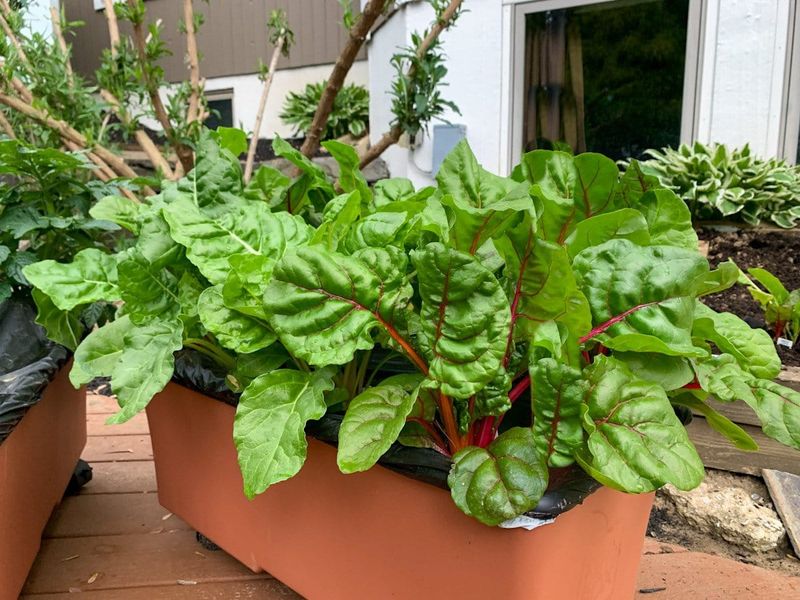
Consistent moisture is one of the most important factors in growing quality beets, and containers require more attention to watering than in-ground beds.
Soil in pots dries out faster, especially during Georgia’s warmer months when evaporation rates climb.
Checking the top inch of soil daily is a reliable way to judge whether your containers need water.
When the top inch feels dry to the touch, it is time to water. Aim to water slowly and thoroughly, allowing moisture to reach the full depth of the container rather than just wetting the surface.
Beets develop their best flavor and texture when water supply stays steady. Irregular watering – soaking the soil one day and letting it dry out completely the next – can lead to cracked roots, tough texture, or poor flavor.
Mulching the surface of your containers with a thin layer of straw or shredded leaves helps slow evaporation and keeps soil temperature more stable, which is particularly useful during Georgia’s warm spring days.
Drip irrigation or self-watering containers are worth considering for gardeners who travel or have busy schedules.
Overwatering is also a concern, so make sure drainage holes stay clear and water flows freely out the bottom after each watering session.
8. Common Problems When Growing Beets In Containers And How To Manage Them
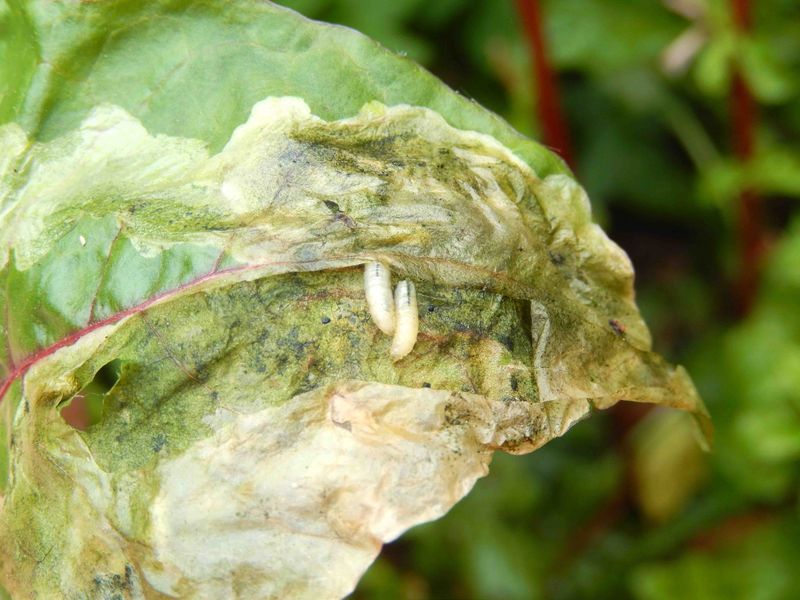
Even well-tended container beets can run into a few challenges, and knowing what to watch for makes a big difference in the final harvest.
Leaf miners are among the most common pest problems Georgia beet growers encounter.
These small insect larvae tunnel through leaf tissue, leaving pale, winding trails across the foliage. Removing affected leaves promptly and using row cover fabric as a barrier early in the season can help reduce their impact significantly.
Aphids occasionally cluster on young beet leaves, especially during mild spring weather. A firm spray of water from a hose knocks most of them loose, and insecticidal soap works well for more persistent infestations.
Flea beetles create tiny holes in leaves but rarely cause serious damage to established plants. Keeping containers clean and free of fallen plant debris reduces hiding spots for many common pests.
Poor root formation is another issue gardeners sometimes face, and it often traces back to overcrowding.
Thinning seedlings to about two to three inches apart shortly after germination is essential for proper root development.
Skipping this step leads to crowded plants competing for space, resulting in small, misshapen roots.
Uneven watering and overly compacted soil can also produce similar results, so revisiting your soil mix and watering habits is a good troubleshooting step when roots are not developing as expected.
9. When And How To Harvest Beets For The Best Flavor And Color
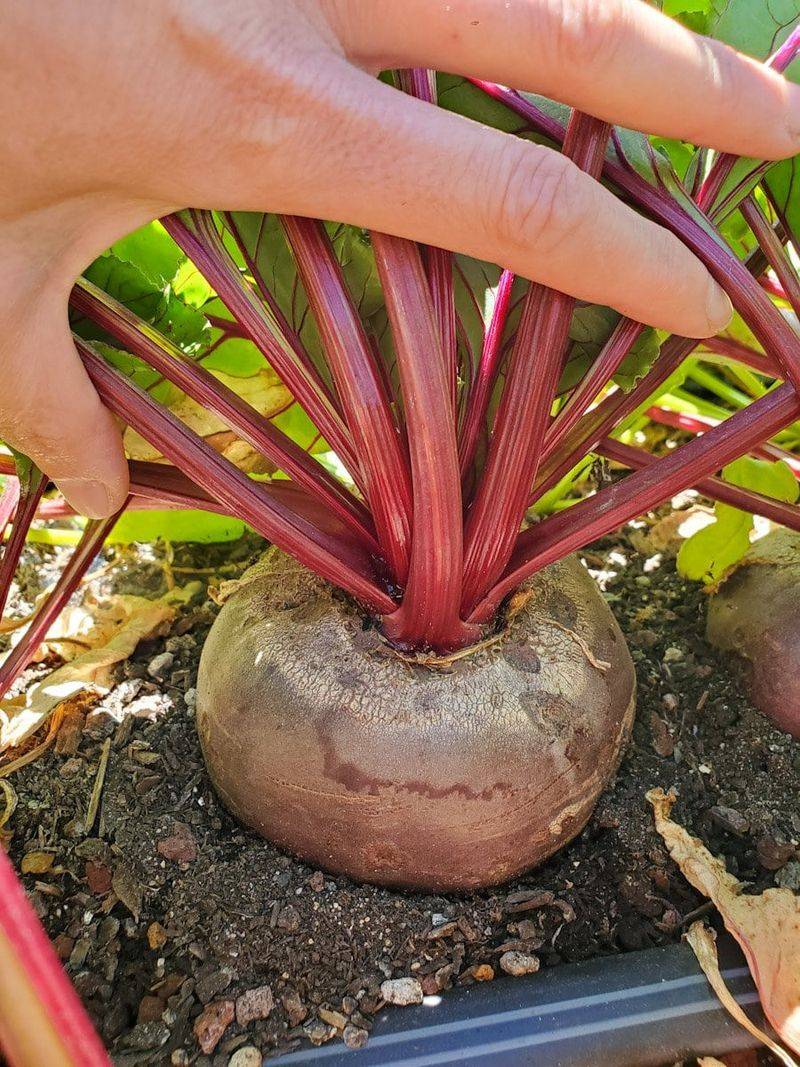
Knowing when to pull beets from the container makes the difference between a sweet, tender harvest and roots that are tough or overly fibrous.
Most beet varieties are ready for harvest somewhere between 55 and 70 days after planting, depending on the variety and growing conditions.
Checking root size is the most reliable indicator – roots between one and a half to three inches in diameter are typically at their peak for flavor and texture.
Gently brushing away some soil near the base of the plant gives you a clear look at how large the root has grown. Harvesting on the smaller side, around one and a half to two inches, tends to produce the most tender and sweet beets.
Leaving roots in the container beyond three inches can lead to a woodier texture and stronger, more pronounced earthiness that some people find less enjoyable.
To harvest, grasp the plant firmly near the base of the leaves and pull steadily upward with a slight twisting motion. Container soil is usually loose enough that roots come free without much effort.
Beet greens are edible and nutritious, so do not discard them – younger leaves work beautifully in salads, while larger leaves can be sauteed like chard.
In Georgia’s fall season, a light frost before harvest can actually sweeten the roots noticeably, making late-season beets a genuine treat.