8 Compact Evergreen Shrubs That Fit Easily Into Small Georgia Landscapes
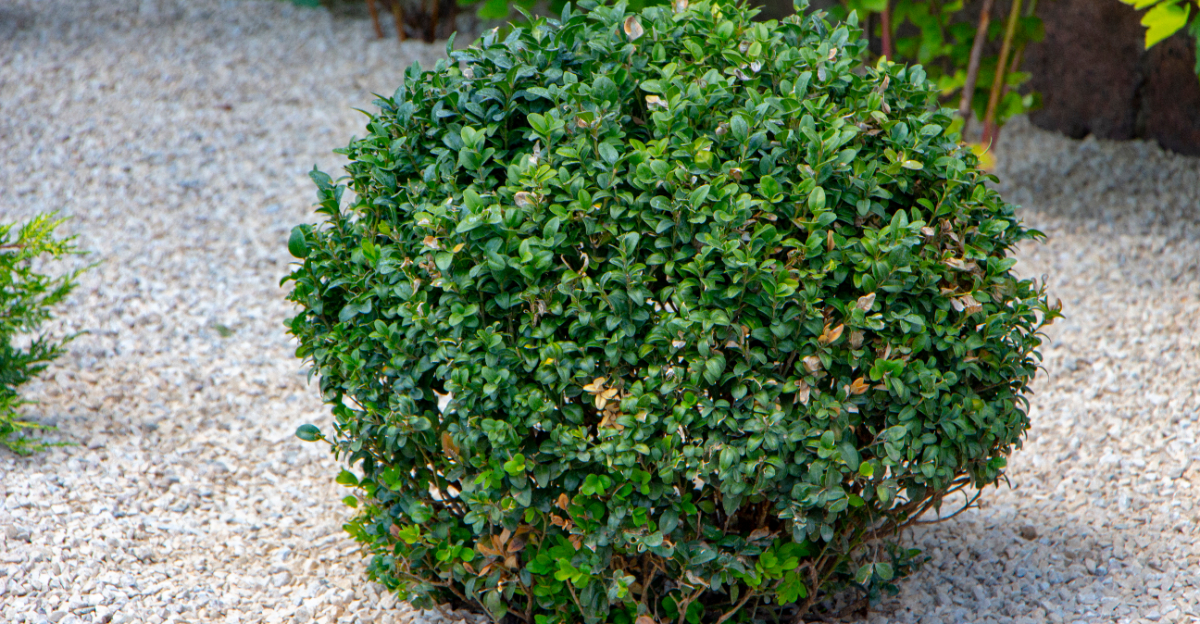
Small yards in Georgia can start to feel crowded fast when shrubs grow bigger than expected and take over every open spot.
What should feel calm and balanced ends up looking packed and uneven, and fixing it usually means more pruning than anyone wants to deal with.
There is a better way to handle it without constant cutting. Certain evergreen shrubs stay naturally compact, keep their shape, and still give that full, rich look all year long.
They fill gaps, frame edges, and make everything feel more put together without demanding attention every week.
Choosing the right ones can quietly fix those problem areas that never seem to look right. Tight spaces begin to feel intentional, borders look cleaner, and the whole yard comes together in a way that actually lasts.
1. Dwarf Yaupon Holly Nana Keeps A Dense Shape With Minimal Upkeep
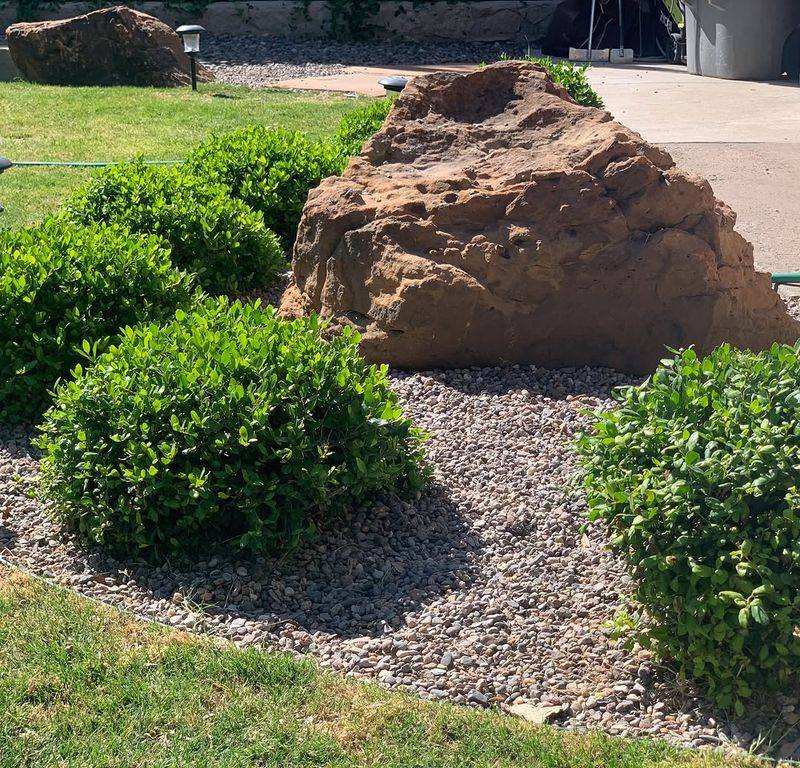
Few shrubs hold their shape through a Georgia summer the way Dwarf Yaupon Holly Nana does. It stays tight and rounded without needing constant trimming, which is a real advantage when the heat makes outdoor work less appealing.
Yaupon Holly is incredibly adaptable to conditions common across Georgia — sandy coastal soils, heavy clay in the Piedmont, and everything in between.
It handles drought stretches reasonably well and doesn’t throw a fit when rainfall is inconsistent, though a deep watering during extended dry spells is still a good idea.
Nana typically reaches about three to four feet tall and wide at maturity, which keeps it proportional in smaller beds and foundation plantings.
Full sun brings out the densest growth, but part shade works fine too, especially in warmer parts of the state where afternoon heat is intense.
No serious pest problems tend to plague this shrub under normal conditions, and it rarely needs intervention. Pruning once in early spring to clean up any winter roughness is usually all it takes to keep it looking sharp.
For Georgia homeowners who want a reliable, neat evergreen without spending weekends fussing over it, Nana is a solid pick that genuinely delivers on its reputation season after season.
Dense branching also helps it function as a low hedge or border, holding a clean outline without constant shaping.
2. Japanese Holly Helleri Holds Form Even Through Humid Summers
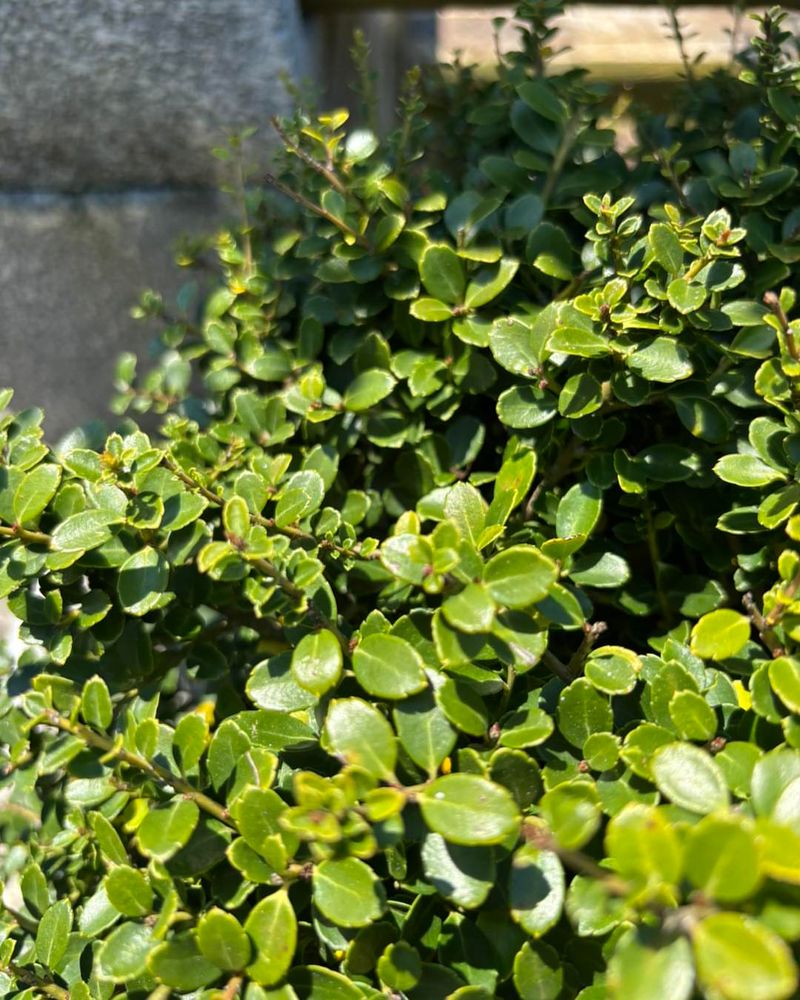
Helleri Japanese Holly has a reputation that holds up under scrutiny. It grows into a naturally low, spreading mound — usually no taller than two feet — without needing much encouragement or correction from the gardener.
Georgia summers are humid and long, and some shrubs respond to that by getting leggy, dropping leaves, or developing fungal spots. Helleri tends to stay clean through those conditions, especially when it has decent air circulation around it.
Planting it with a little space between neighboring shrubs goes a long way.
The leaves are small, dark green, and glossy, giving it a refined appearance that suits both formal garden designs and casual cottage-style yards. It works well as a low border along walkways or as a front-row plant in a layered shrub bed.
Your Georgia Garden Changes Every Week. Your Plan Should Too.
Gardening in Georgia changes quickly throughout the season. Every Friday you’ll receive a simple weekly plan showing exactly what to plant, prune, fertilize, harvest, and protect so you never miss the right timing.
Full sun to partial shade suits Helleri fine, though heavy shade tends to loosen its compact habit over time. Well-drained soil is important — standing water around the roots is one of the few things that genuinely stresses this plant.
In Georgia’s clay-heavy areas, amending the soil at planting time or raising the bed slightly can help prevent drainage issues. With reasonable care, Helleri stays tidy and attractive across multiple growing seasons without requiring frequent intervention.
Slow, steady growth means it holds its size for years, reducing the need for frequent pruning in smaller garden spaces.
3. Boxwood Green Velvet Fits Neatly Into Smaller Planting Areas
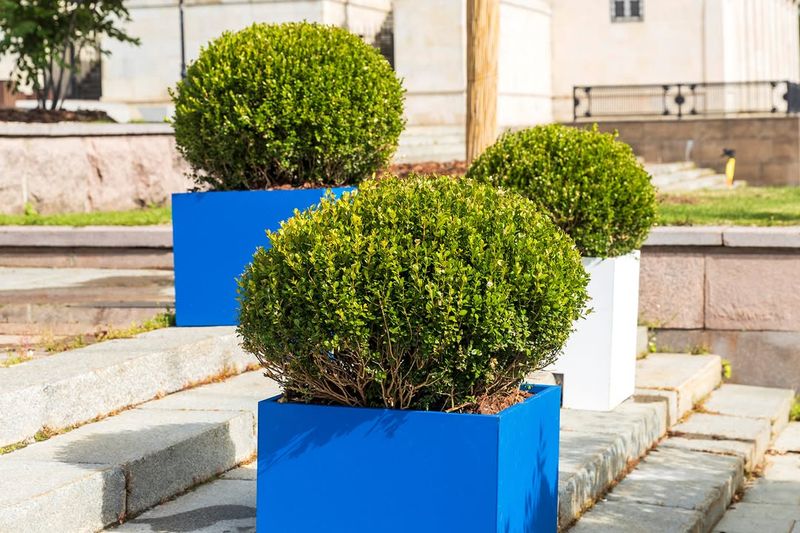
Green Velvet Boxwood earns its name — the foliage really does have a rich, almost velvety quality that makes it stand out in a planting bed, even when it’s sitting next to showier flowering plants.
Sizing is one of its best qualities for small Georgia landscapes. It typically tops out around two to three feet tall and a similar width, so it fits comfortably in spots where larger shrubs would quickly overwhelm the space.
Foundation plantings, low borders, and container arrangements all work well with this variety.
Boxwood in Georgia can occasionally deal with boxwood blight, a fungal issue that has become more widespread in the Southeast. Choosing a resistant variety, keeping foliage dry when watering, and avoiding overhead irrigation reduces the risk considerably.
Green Velvet shows reasonable resistance compared to some older cultivars, though no boxwood is entirely immune under all conditions.
Cold hardiness is also a plus — Green Velvet holds its color better through Georgia winters than some boxwood varieties that tend to bronze out in colder weather. Pruning in late spring after new growth firms up keeps the shape clean without stressing the plant during temperature extremes.
For a formal, structured look in a tight space, this boxwood variety is a dependable option across much of Georgia’s growing zones.
Compact growth keeps it naturally balanced, so shaping is minimal compared to more vigorous boxwood varieties.
4. Gardenia Radicans Stays Low With Strong Summer Blooms
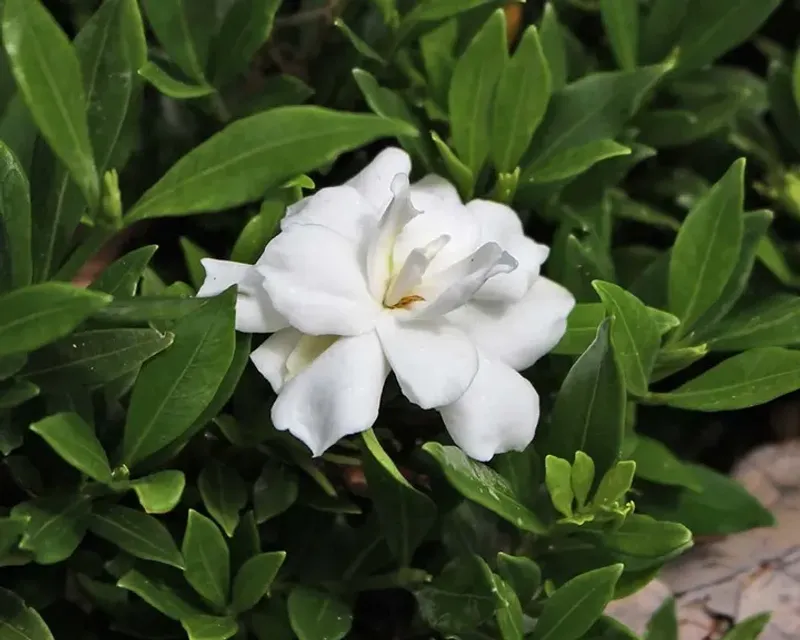
Walking past a blooming Gardenia Radicans on a warm Georgia evening is hard to forget. The fragrance hits you before you even see the flowers — small, creamy white blooms that open reliably every summer and keep going for several weeks.
Radicans is the dwarf form of the classic gardenia, staying low to the ground — usually under two feet tall — while spreading outward a bit wider.
That spreading habit makes it useful as a groundcover on slopes or as a front-border plant where you want something evergreen that also blooms.
Gardenias in Georgia tend to prefer slightly acidic soil, which isn’t hard to find across much of the state. A soil test before planting helps confirm whether any amendments are needed.
Yellow leaves on established plants often point to iron deficiency or a pH that’s drifted too high, both of which are correctable with the right fertilizer or soil acidifier.
Afternoon shade in the hottest parts of Georgia helps prevent leaf scorch during peak summer heat, though the plant still needs several hours of morning sun to bloom well. Pruning right after flowering — not in fall — avoids cutting off next year’s buds.
Radicans won’t replace a full-size gardenia for impact, but in a compact space, it delivers a lot of sensory reward for its small footprint.
5. Loropetalum Purple Diamond Maintains Rich Foliage Color Year Round
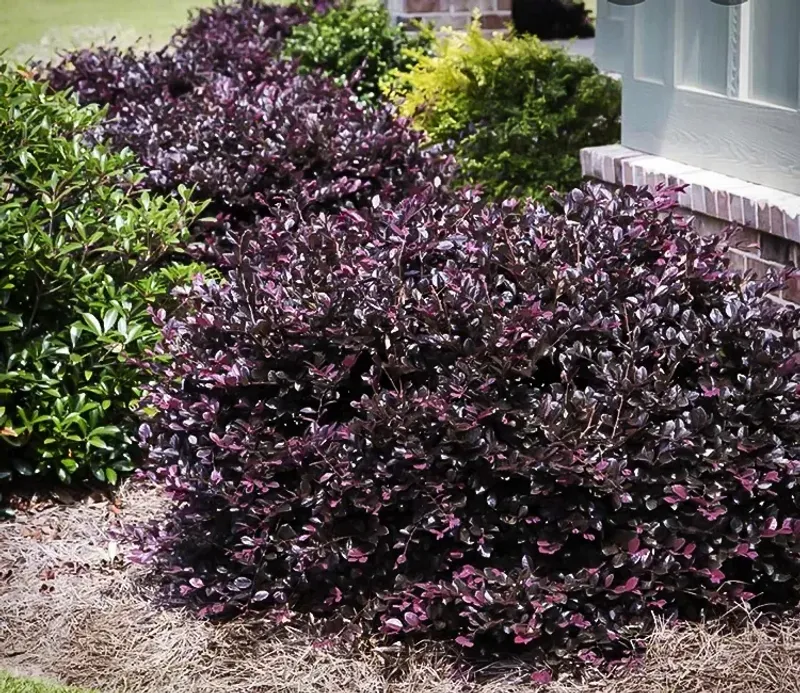
Purple Diamond Loropetalum is one of those shrubs that looks like it’s working hard even when you’re doing nothing.
The foliage stays a deep burgundy-purple through most of the year, and in spring, hot pink fringe flowers cover the whole plant in a way that’s genuinely striking.
Across Georgia, Loropetalum has become a familiar sight in residential landscapes, and Purple Diamond earns that popularity.
It’s more compact than older loropetalum varieties — typically growing four to five feet tall — which makes it usable in spots where the standard types would outgrow their welcome within a few seasons.
Full sun keeps the foliage color most intense. In heavy shade, the leaves tend to shift toward a duller greenish-purple that loses some of its visual punch.
Part shade is workable, especially in south Georgia where afternoon sun is brutal, but morning sun exposure is worth prioritizing when you’re choosing a planting spot.
Soil drainage matters more than soil type with this plant — waterlogged roots cause more trouble than slightly poor fertility.
Mulching around the base helps regulate soil moisture and temperature, which is especially useful during Georgia’s unpredictable late-summer dry spells.
Minimal pruning after spring bloom keeps the shape tidy without sacrificing next season’s flower buds. Purple Diamond earns its place in small Georgia landscapes through consistent, low-effort performance.
Dense branching helps it form a full, layered look, so it fills out planting beds without leaving gaps or bare spots.
6. Inkberry Holly Shamrock Handles Clay Soil Without Thinning Out
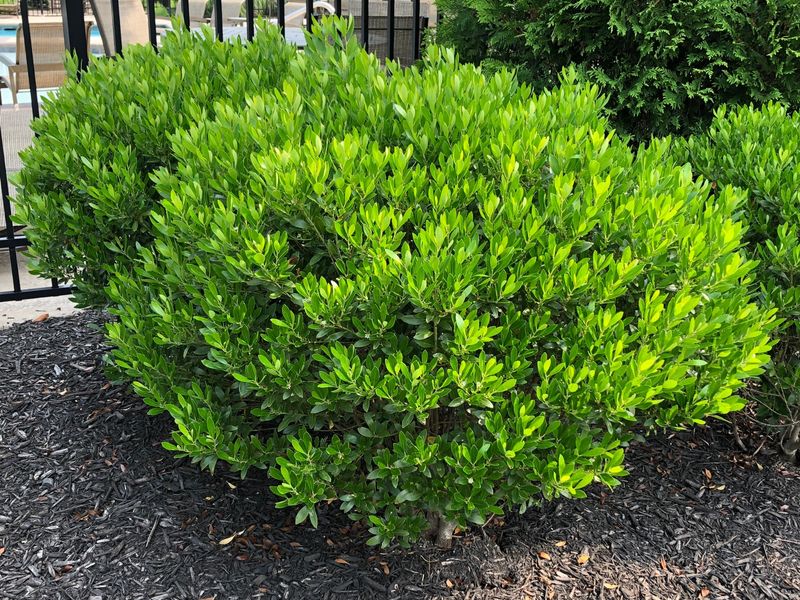
Clay soil is one of the most common frustrations for Georgia gardeners, and Inkberry Holly Shamrock is one of the few ornamental shrubs that actually handles it without falling apart over time.
Shamrock is a selected cultivar with denser, more uniform growth than the straight species. It stays around four to five feet tall and tends to hold its lower branches better, which means it doesn’t develop that bare-legged look that plagues some hollies in shaded conditions.
The dark green foliage stays clean and full through the growing season.
Small black berries appear in fall and persist into winter, providing food for birds — a practical bonus for gardeners who want their landscape to support local wildlife.
The berries aren’t showy in a decorative sense, but they add subtle seasonal interest to an otherwise green plant.
Inkberry Shamrock tolerates wetter conditions better than most shrubs on this list, making it a smart choice for low spots in the yard where drainage is consistently poor.
It also handles partial shade without losing density, which opens up planting options under trees or along north-facing foundations.
In Georgia landscapes where clay soil and variable moisture make plant selection tricky, Shamrock gives you a dependable evergreen that adapts to the site rather than demanding you change it. Regular pruning isn’t usually necessary beyond shaping as needed.
7. Arborvitae Mr Bowling Ball Forms A Rounded Shape On Its Own
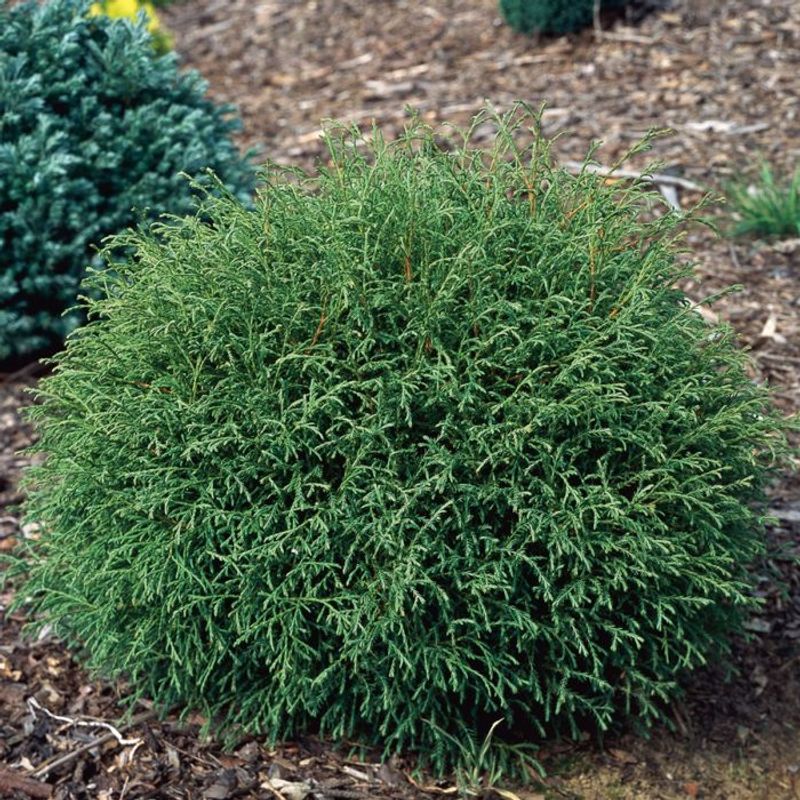
Not every shrub needs a gardener hovering over it with pruning shears. Mr. Bowling Ball Arborvitae grows into a near-perfect sphere entirely on its own, which makes it one of the more satisfying plants to put in a small Georgia landscape and simply watch develop.
It’s genuinely small — usually two to three feet in both height and width at maturity — and the soft, fan-like foliage gives it a texture that reads differently than most other evergreens.
Planted in groups of three or spaced along a walkway, it creates a clean, organized look without demanding much from the gardener.
Georgia’s summer heat can stress arborvitae varieties that aren’t well-suited to the region, but Mr. Bowling Ball handles the climate reasonably well when planted in a spot with good drainage and morning sun.
Afternoon shade during the hottest months is worth considering in south Georgia or any area with intense reflected heat from pavement or walls.
Spider mites can occasionally show up during hot, dry stretches — a strong spray of water from the hose knocks them back without needing chemical treatment in most cases. Keeping the base mulched helps retain soil moisture, which reduces stress during dry periods.
For a formal, structured element in a small bed or container garden, Mr. Bowling Ball delivers consistent results across Georgia’s varied growing conditions with minimal intervention required.
8. Nandina Fire Power Brings Seasonal Color In A Compact Size
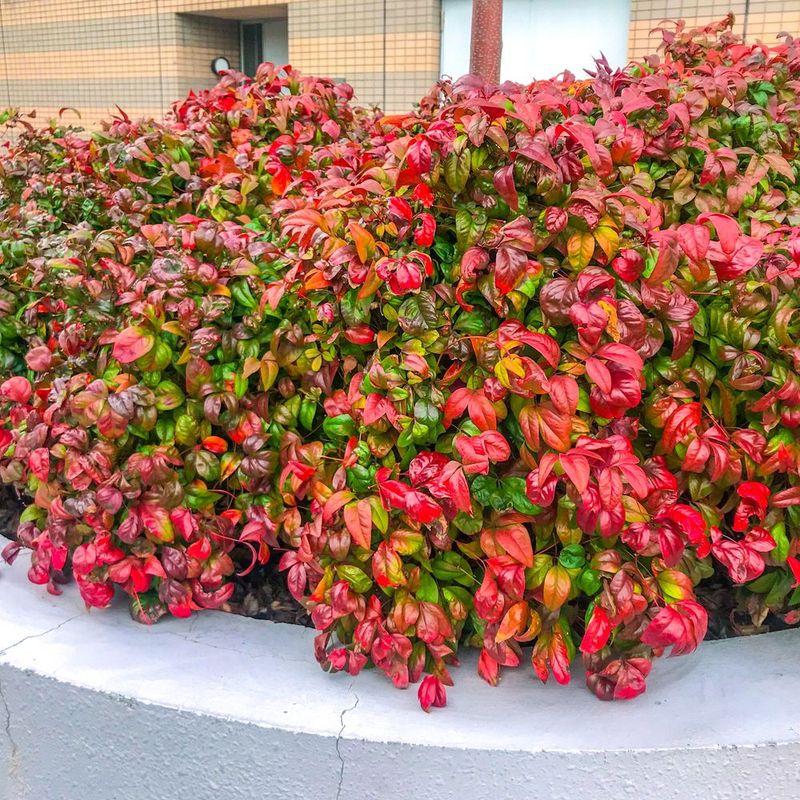
Red foliage in winter is not something most evergreen shrubs offer, but Nandina Fire Power pulls it off consistently.
The leaves shift from green in summer to brilliant orange-red as temperatures drop in fall, and that color holds through most of the Georgia winter without fading out completely.
Fire Power stays compact — usually two feet tall and equally wide — which makes it genuinely useful in tight spaces, container plantings, and spots along foundations where larger nandinas would eventually outgrow the area.
It doesn’t produce the aggressive seedlings that straight-species nandinas are known for, which is worth noting for Georgia gardeners mindful of invasive plant concerns.
Full sun produces the most vivid fall color, though part shade is tolerable. In deep shade, the seasonal color change is noticeably muted and the plant tends to look less vibrant overall.
Planting it where it gets at least four to five hours of direct sun gives the best results across Georgia’s varied light conditions.
Soil quality is flexible — Fire Power adapts to average Georgia soils without needing a lot of amendment. Cutting the stems back by a third every few years keeps the plant from getting woody and encourages fresh growth from the base.
For gardeners who want year-round interest in a small space, Fire Power delivers real seasonal color without taking up more room than it should.