What Arizona Red Bird Of Paradise Needs In Spring For Lush Growth
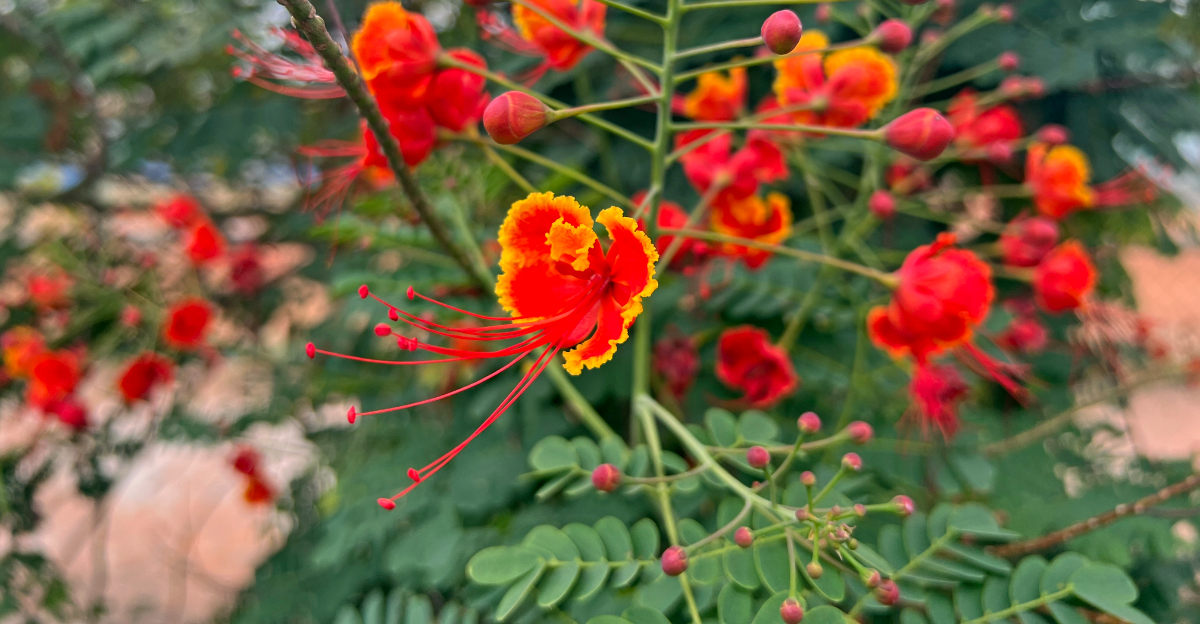
Red Bird of Paradise is one of those plants that can completely change how an Arizona yard feels once it starts filling out. When it is happy, the growth looks full, the color stands out, and it holds up even as conditions get tougher.
But getting it to that point does not always happen by accident.
Spring is when everything starts to shift for this plant, and the way it is handled early on can shape how it grows for the rest of the season.
It is easy to overlook a few small things that seem harmless but can slow it down or keep it from reaching its full potential.
With the right approach at the right moment, it responds fast and starts putting on the kind of growth that makes it stand out.
1. Red Bird Of Paradise Needs Full Sun Early In Spring
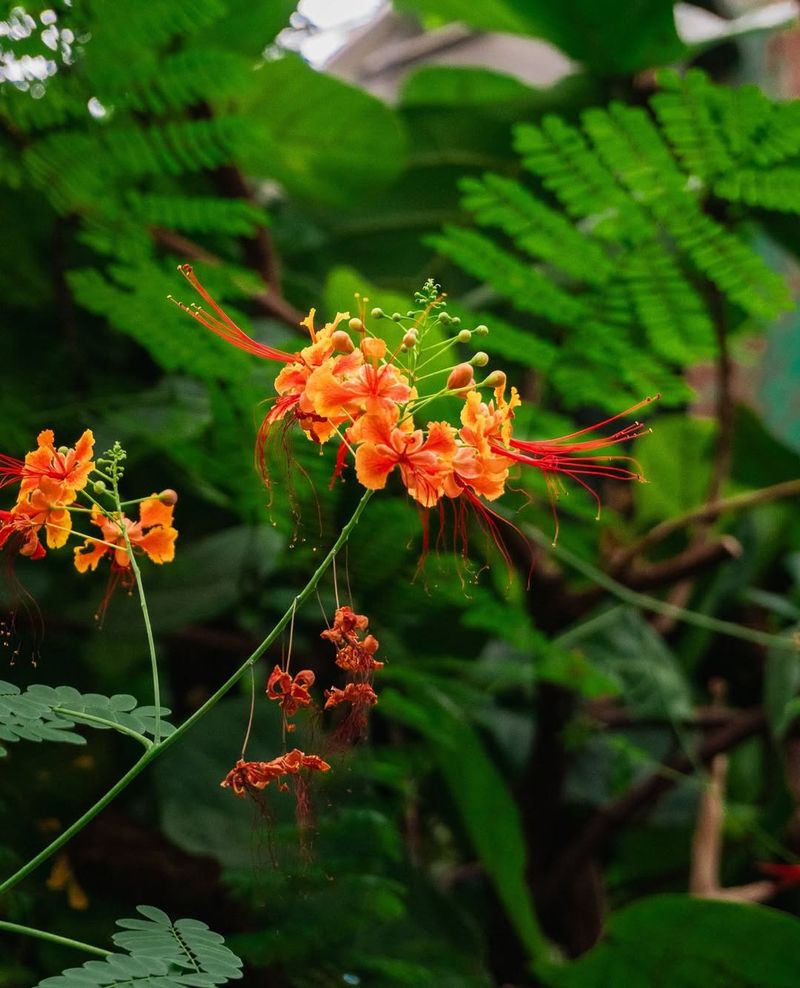
Shade is not this plant’s friend. Red Bird of Paradise is built for blazing Arizona sun, and spring is exactly when you want to make sure it’s getting as much of it as possible.
If yours is planted somewhere that only catches morning light, don’t be surprised when it grows slowly and flowers less than expected.
Full sun means at least six to eight hours of direct sunlight daily. In Tucson and Phoenix, that’s rarely a problem, but nearby trees, walls, or structures can block more light than you’d think.
Walk around your yard at different times of day and actually look at where the shadows fall. You might be surprised.
Early spring sun in Arizona is still mild compared to summer, which is actually ideal. It warms the soil gradually and signals the plant to start pushing out new growth without the stress of extreme heat hitting all at once.
Roots wake up, stems strengthen, and the whole plant shifts into active mode.
Positioning matters more than most people realize. A south or west-facing spot in your Arizona landscape tends to give the best results.
North-facing beds stay cooler and shadier, which slows this plant down considerably. If you’re planting a new one this spring, choose your spot carefully before you dig.
Getting the location right from the start saves a lot of frustration later on.
2. Deep Watering Helps Roots Establish Before Heat Sets In
Shallow watering is one of the most common mistakes Arizona gardeners make with this shrub. When water only soaks the top inch or two of soil, roots have no reason to grow deep.
Shallow roots are vulnerable once summer temperatures arrive and the surface soil dries out within hours.
Deep watering means letting water soak down twelve to eighteen inches into the soil. A slow, steady soak at the base of the plant every ten to fourteen days in spring gives roots time to chase moisture downward.
That downward growth is exactly what builds a resilient, heat-resistant root system.
You can check how deep your water is reaching by pushing a long screwdriver or wooden dowel into the soil an hour after watering. If it slides in easily past a foot, you’re in good shape.
Your Arizona Garden Changes Every Week. Your Plan Should Too.
Gardening in Arizona changes quickly throughout the season. Every Friday you’ll receive a simple weekly plan showing exactly what to plant, prune, fertilize, harvest, and protect so you never miss the right timing.
If it hits resistance at four inches, you need to water longer and slower next time.
Drip irrigation works well for this plant in the Arizona climate, but only if the emitters run long enough. A quick fifteen-minute cycle barely touches the surface.
Set your drip system to run for forty-five minutes to an hour, and position emitters at the plant’s drip line rather than right at the base.
Spreading moisture outward encourages roots to expand laterally too, which adds stability and improves nutrient uptake as the growing season picks up speed.
3. Well Draining Soil Prevents Root Stress As Temperatures Rise
Soggy roots and Red Bird of Paradise do not mix. Standing water around the root zone, even for a short period, causes serious stress and can weaken the plant heading into summer.
Arizona’s native soils are often rocky and fast-draining, which is actually a perfect match for this shrub.
Clay-heavy soil is where things get tricky. Parts of the Phoenix metro area have dense clay layers that hold water far too long.
If you squeeze a handful of your garden soil and it holds a tight ball without crumbling, drainage is likely a problem worth addressing before spring watering begins.
Amending clay soil with coarse sand and decomposed granite helps open it up and improve drainage. Work the amendment in at least twelve inches deep before planting or around the root zone of an existing shrub.
Raised beds are another solid option if your native soil just won’t cooperate.
Rocky, gravelly soil similar to what you’d find naturally in the Sonoran Desert is genuinely ideal for this plant. It never stays waterlogged, warms up quickly in spring, and drains freely even after heavy monsoon rains later in the year.
If you’re in a part of Arizona where the soil leans sandy and gritty, count yourself lucky. Your Red Bird of Paradise will push out new growth faster and look healthier all season compared to one struggling in dense, poorly drained ground.
4. Light Spring Pruning Removes Winter Damage And Encourages Growth
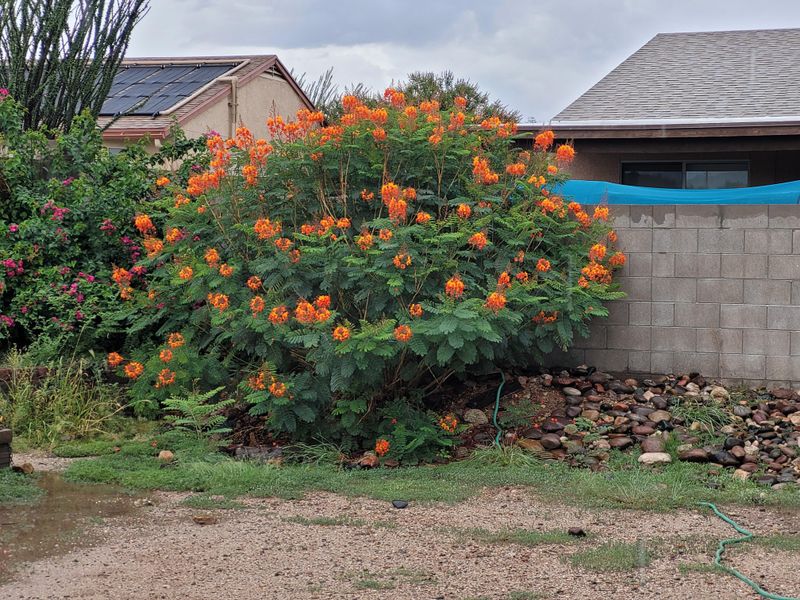
Winter in Arizona can leave Red Bird of Paradise looking rough. Even in warmer parts of the state like Phoenix, a cold snap can brown out stems and leave behind damaged growth that blocks fresh new shoots from pushing through.
Spring pruning is how you clear that mess and get things moving again.
Don’t panic about cutting low. This plant rebounds quickly and aggressively once temperatures warm up.
New shoots often appear within a couple of weeks after a good spring trim, especially when soil temperatures are on the rise.
Sharp, clean pruners make a real difference. Dull blades crush stems rather than cutting cleanly, which creates entry points for pests and slows healing.
Wipe your pruner blades with rubbing alcohol before you start, especially if you’ve been using them on other plants around your Arizona yard.
Avoid the temptation to over-prune in spring. Removing too much green, healthy wood slows the plant down and delays blooming.
Stick to cutting away clearly damaged, brown, or brittle material. Anything that’s still flexible and green-tinged at the base is worth keeping.
A light, targeted trim takes maybe twenty minutes and sets the whole plant up for a stronger, more vigorous growing season than you’d get from leaving winter damage in place all spring.
5. Warm Soil Triggers Faster Growth As Spring Progresses
Cold soil puts the brakes on everything. Even when air temperatures are climbing into the seventies and eighties in Arizona, soil that’s still cold from winter slows root activity and delays new shoot production.
Soil temperature matters more than air temperature when it comes to how fast this plant wakes up in spring.
Red Bird of Paradise really gets moving once soil temperatures hit around sixty degrees Fahrenheit consistently. In low-elevation Arizona areas like the Sonoran Desert valley floor, that usually happens by late February or early March.
Higher elevations in places like Prescott or Flagstaff might not see those soil temperatures until April or even May.
You can speed up soil warming a bit by clearing away any thick layers of old mulch from around the base of the plant in late winter. Exposed soil absorbs solar heat faster than insulated soil.
Once temperatures are reliably warm, you can add fresh mulch back to conserve moisture as the season shifts toward summer.
Planting in a south or west-facing bed also helps soil warm up earlier. Reflective heat from walls, fences, or paved surfaces nearby raises both air and soil temperatures in that microclimate.
Arizona gardeners who use masonry walls as a backdrop for their Red Bird of Paradise often notice noticeably earlier growth spurts in spring compared to plants in more open, exposed spots without that extra warmth radiating nearby.
6. Low Nitrogen Fertilizer Supports Balanced Growth Without Excess Leaves
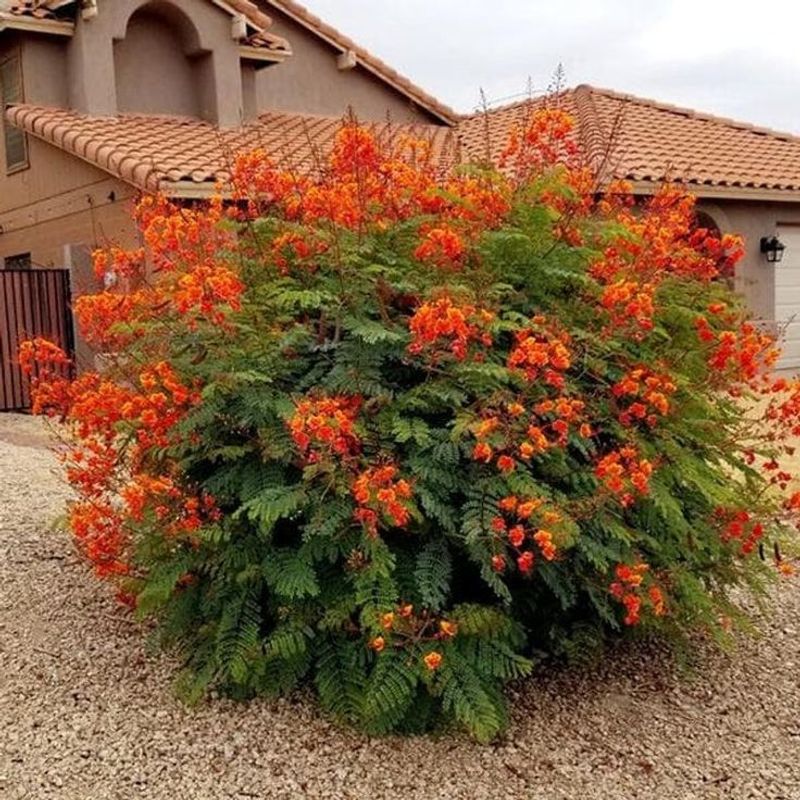
Piling on high-nitrogen fertilizer is a mistake that’s easy to make with flowering shrubs. Nitrogen pushes leafy, green growth fast, but it often comes at the cost of flowers.
Red Bird of Paradise in Arizona already has plenty of heat and sun to fuel growth. What it needs from fertilizer is balance, not a nitrogen boost.
A fertilizer with a low first number in the NPK ratio works best. Something like 5-10-10 or even a balanced slow-release formula feeds roots and supports bloom production without triggering excessive leafy growth that shades out flower buds.
Apply it once in early spring when new growth is just starting to appear.
Organic options like bone meal, compost, or a well-balanced granular shrub fertilizer work well here. They release nutrients slowly, which matches the plant’s pace of growth in spring rather than flooding the root zone all at once.
Slow feeding also reduces the risk of salt buildup in Arizona’s alkaline soils, which can cause leaf tip burn and stress over time.
Skip fertilizing in fall or late summer. Pushing new growth heading into cooler temperatures leaves the plant more vulnerable to cold damage.
Spring is the right window, and once is usually enough for the whole growing season. Arizona’s intense sun and heat do most of the heavy lifting when it comes to fueling growth.
Fertilizer just gives the plant a small, targeted nudge at the right moment.
7. Mulch Helps Retain Moisture As Conditions Dry Out
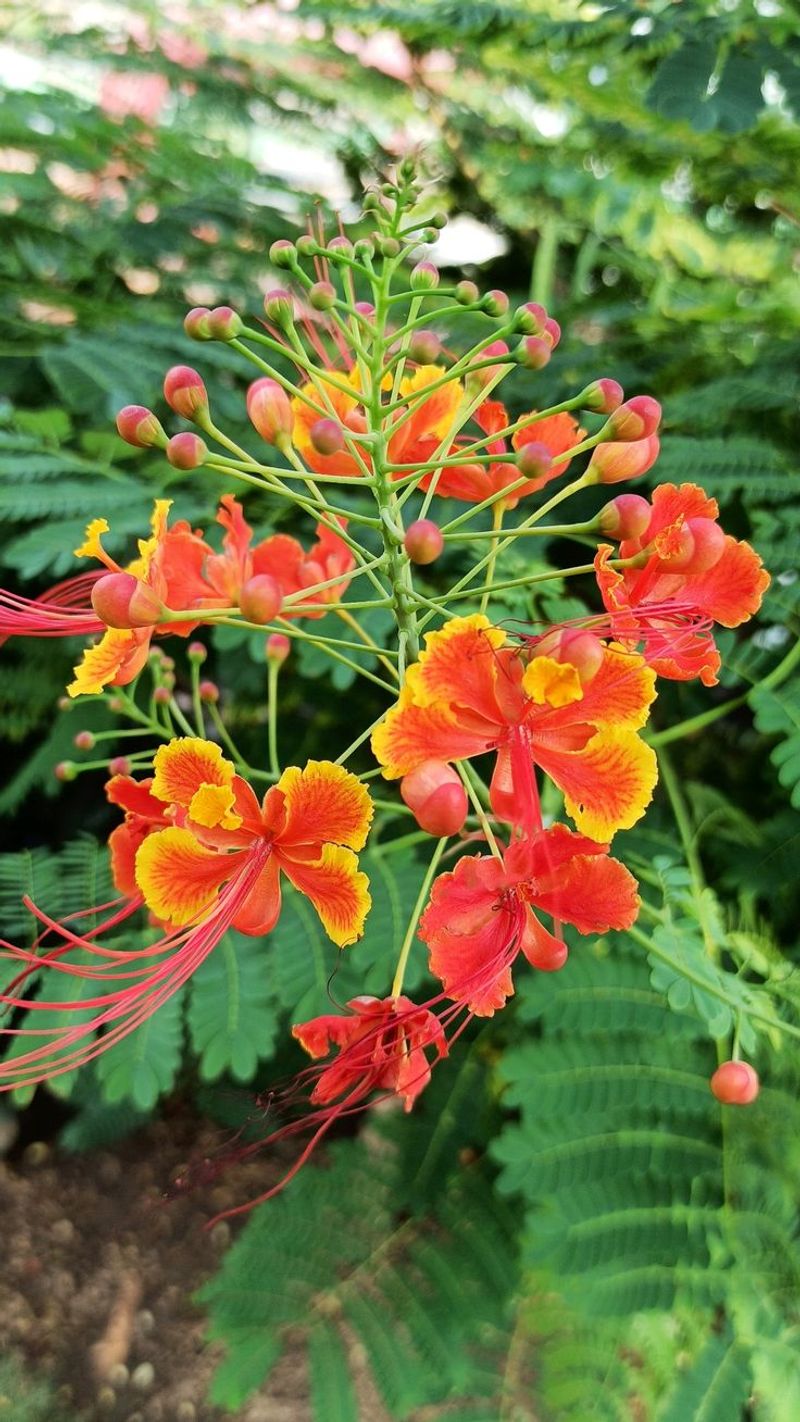
By mid-spring in Arizona, the soil can dry out between waterings faster than you’d expect. Temperatures climb, wind picks up, and humidity drops.
Without something covering the soil surface, moisture evaporates quickly and roots start working harder just to stay hydrated during a time when they should be focused on growth.
A two to three inch layer of mulch around the base of your Red Bird of Paradise makes a noticeable difference. Decomposed granite is popular in Arizona landscapes and works well here.
It holds heat, suppresses weeds, and slows surface evaporation. Organic mulches like shredded bark or wood chips also work and add a small amount of nutrients as they break down over time.
Keep mulch pulled a few inches away from the main stem. Piling it directly against the trunk traps moisture against the bark, which can encourage fungal issues or attract insects.
A donut shape around the plant, rather than a mound against the stem, is the way to go.
Reapplying mulch in spring before temperatures really spike is worth the effort. Over winter, existing mulch breaks down, blows around, or gets scattered.
Starting the warm season with a fresh, even layer sets the plant up to handle the transition from mild spring weather into Arizona’s intense summer heat more smoothly.
Consistent soil moisture during spring growth is one of the simplest ways to get a fuller, more vigorous plant by the time summer arrives.