Arizona Climbing Plants That Cover Fences Fast Without Damaging Foundations
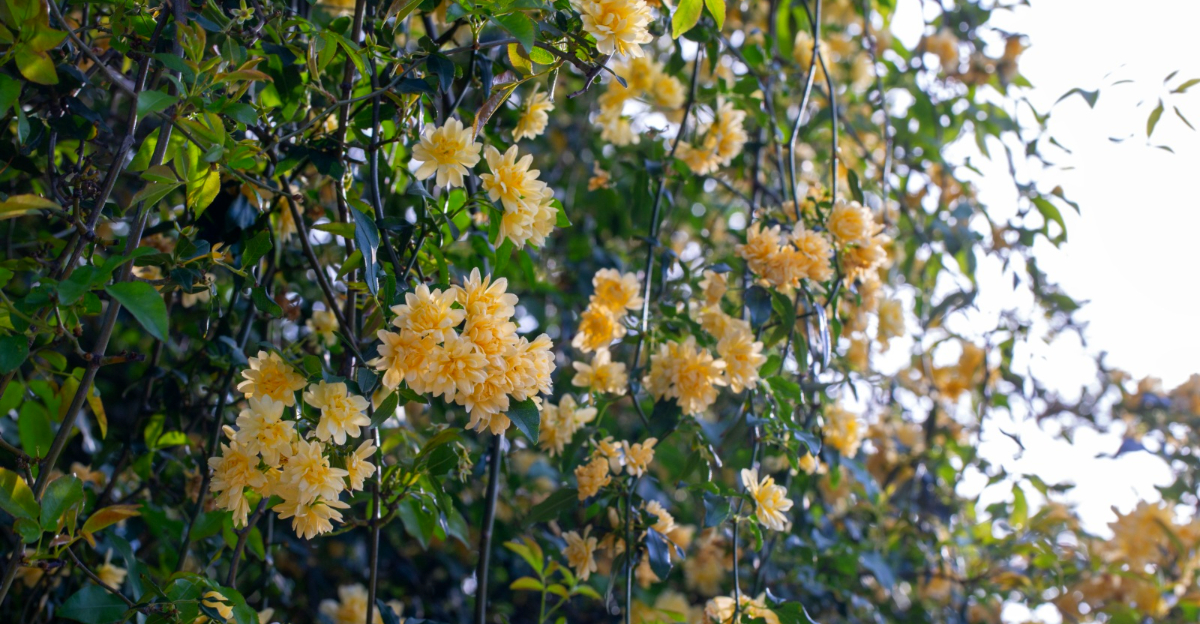
Arizona yards are basically a masterclass in working with limitations. The sun is relentless, the walls reflect heat like a pizza oven, and finding plants that look good without drinking half your water bill is a constant puzzle.
But here’s a solution that a lot of homeowners overlook completely: go vertical. Climbing plants are genuinely one of the smartest moves you can make in an Arizona landscape.
They work with your fences, trellises, and patios instead of competing for ground space, and the right vine can transform a bare block wall or a shadeless patio into something actually worth spending time near.
The trick is picking climbers that can handle Arizona’s specific brand of brutal without turning into a out-of-control sprawling situation.
Because nobody has time for that.
1. Queen’s Wreath Covers Fences With Fast Growth
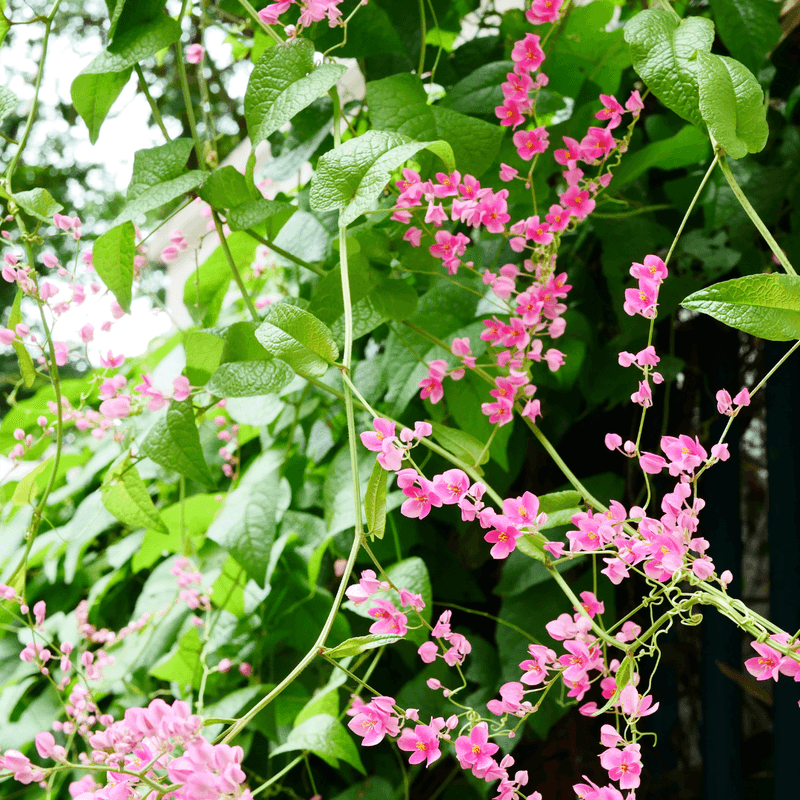
Hot summers are no match for Queen’s Wreath, a vigorous tropical vine that pushes out dense foliage and clusters of rosy-pink flowers once warm weather settles in.
Known botanically as Antigonon leptopus, this vine originates from Mexico and thrives across the low desert, where reflected heat from block walls and metal fences actually encourages faster growth.
Homeowners in the Phoenix and Tucson areas often see it fill a fence section surprisingly quickly during the warmest months.
Queen’s Wreath uses tendrils to grab onto chain-link, wire mesh, or trellis panels, so it needs some support structure to climb effectively.
Installing horizontal wire runs or a simple trellis frame gives the vine something to latch onto without pressing directly against a stucco wall or foundation.
Keeping stems trained onto the support rather than letting them sprawl helps maintain tidy coverage and reduces the chance of stems sneaking into cracks.
Watering needs are moderate for an Arizona vine – established plants can handle some drought, though they bloom more reliably with occasional deep watering during the growing season.
Queen’s Wreath goes dormant in winter, which gives homeowners a natural window to prune back heavy growth and redirect stems for the following season.
Its root system is generally compact and tuberous, making it a reasonable choice for fence lines where foundation proximity is a concern, though maintaining a small buffer from walls is still a sensible habit in any Arizona yard.
2. Yellow Orchid Vine Adds Color Without Heavy Water
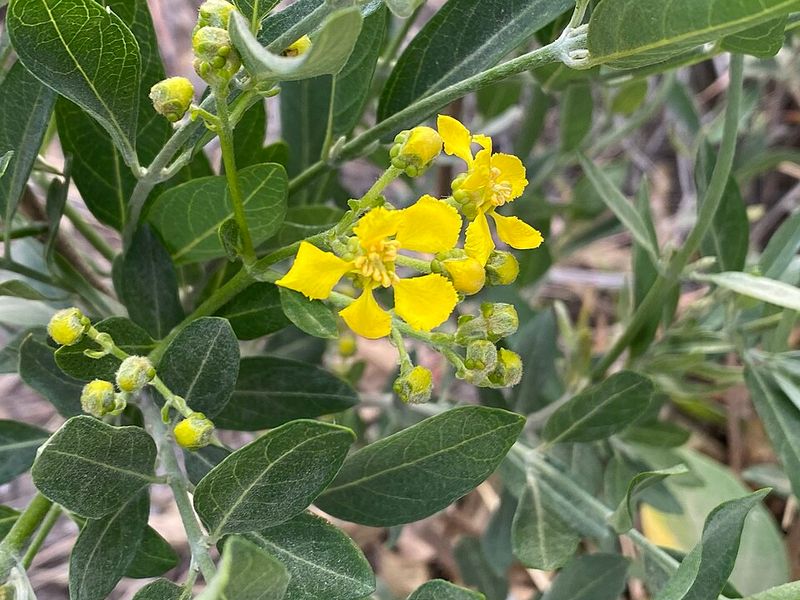
Bright yellow blooms shaped like tiny butterflies make Yellow Orchid Vine one of the more cheerful fence climbers available to gardeners. Botanically known as Mascagnia macroptera, this vine earns its reputation as a low-water workhorse in desert landscapes.
Once established in a sunny spot along a fence or block wall, it handles the kind of heat that sends most ornamental plants into distress.
The foliage stays relatively tidy, and the vine uses twining stems to work its way along wire, trellis panels, or chain-link without the aggressive root behavior that worries homeowners near foundations.
Training the stems early onto a support structure helps direct growth horizontally along a fence line rather than letting it bunch up in one spot.
Your Arizona Garden Changes Every Week. Your Plan Should Too.
Gardening in Arizona changes quickly throughout the season. Every Friday you’ll receive a simple weekly plan showing exactly what to plant, prune, fertilize, harvest, and protect so you never miss the right timing.
A simple horizontal wire system attached to fence posts works well and keeps the vine from pressing hard against stucco or masonry.
Yellow Orchid Vine blooms most heavily in late spring through summer, which lines up nicely with the time Arizona homeowners most want shade and privacy coverage on west-facing fences.
After flowering, the plant produces papery seed wings that add a subtle ornamental touch before dropping.
Water needs are genuinely low once the plant is established, making it a practical fit for gravel beds and low-water landscapes throughout Arizona.
Light pruning after the main bloom cycle helps keep growth in check and encourages fresh stems to fill fence gaps in the seasons ahead.
Its overall manageable size suits most residential fence lines well.
3. Bougainvillea Brings Bold Color To Strong Supports
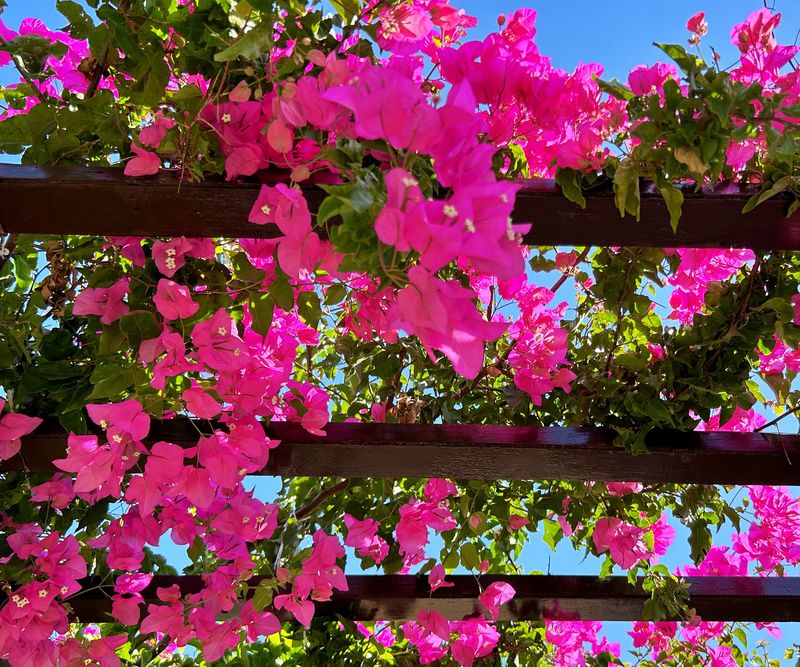
Few plants command attention in an Arizona yard the way Bougainvillea does. The papery bracts – which are often mistaken for petals – come in shades of magenta, orange, red, and purple, creating vivid color displays against block walls and metal fences during the cooler months of late fall through spring.
In the low desert, Bougainvillea thrives in full sun and reflected heat, conditions that actually intensify its color output rather than stress the plant.
Because Bougainvillea can develop thick, woody canes over time, it genuinely needs a strong support structure. Heavy-gauge wire, robust trellis panels, or a well-built pergola frame handles the weight far better than lightweight plastic lattice or thin metal stakes.
Attaching stems loosely with garden ties as they grow helps train coverage along a fence line without forcing the plant into unnatural positions. Thorny canes need careful handling during pruning, so wearing thick gloves is a practical step.
Water needs are low once Bougainvillea is established, and slightly stressing the plant by reducing irrigation before a bloom cycle can actually push heavier flowering.
Keeping roots away from foundation edges is worth the effort – the canes can become sizeable over several growing seasons, and root spread near structures may cause concern over time.
Planting a foot or two from the wall base and training stems outward onto a freestanding trellis gives homeowners bold color coverage while keeping the structure of the home protected.
4. Baja Passion Vine Softens Fences With Desert Charm
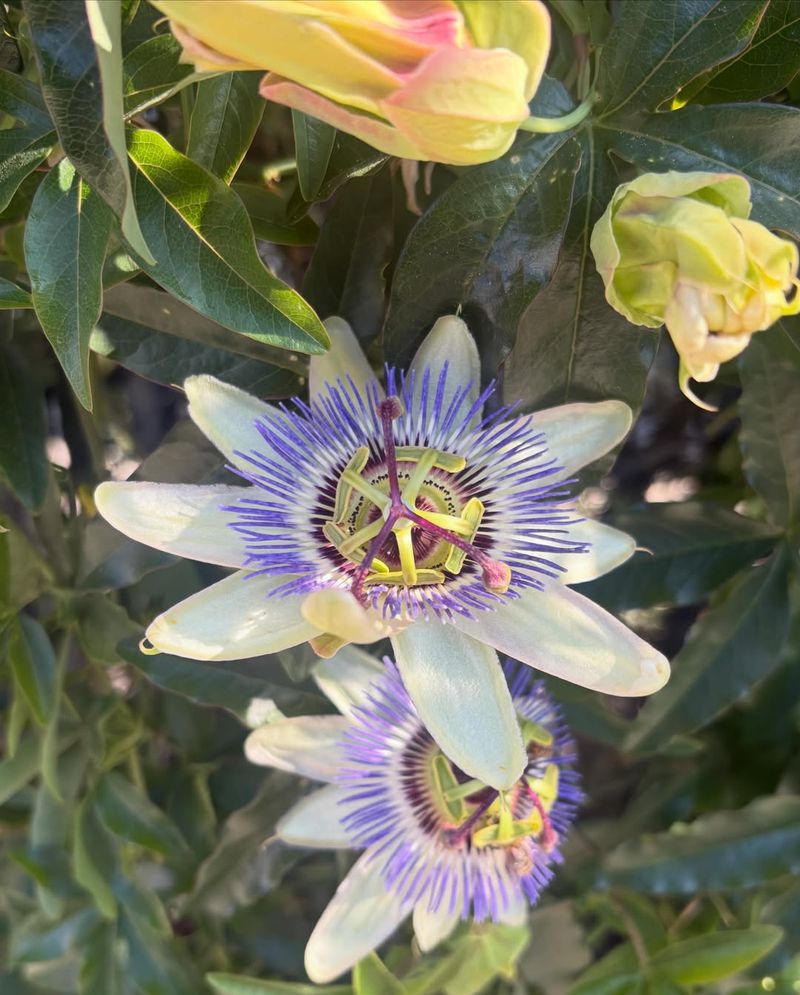
Something about Baja Passion Vine feels genuinely surprising the first time it blooms. The flowers are intricate and exotic-looking, with layered petals and a complex center that seems far too ornate for a plant growing in the middle of an Arizona desert yard.
Botanically known as Passiflora foetida var. gossypifolia, this native-range vine handles low desert heat with much more ease than its tropical relatives, making it a reasonable fit for fence lines in warmer parts of the state.
The vine climbs using delicate tendrils that wrap around wire, mesh, or trellis supports without gripping aggressively. This makes it easier to manage and redirect compared to some of the heavier-climbing desert vines.
Training stems onto a simple wire grid or chain-link section gives the plant a path to follow while keeping growth away from stucco surfaces and foundation edges.
Homeowners managing side yards with limited space often find the vine fills coverage gaps without pushing too far in any one direction.
Water needs lean toward the low-to-moderate range, and established plants in gravel beds or mulched desert landscapes can handle periods without irrigation once roots are settled. Bloom timing varies, but warm weather tends to bring the most consistent flowering.
Light pruning after each bloom cycle keeps the vine from becoming tangled or overly dense along the fence.
The foliage itself has a pleasant texture that softens the hard lines of metal fencing, which suits the relaxed, naturalistic style common in many Arizona desert yards.
5. Arizona Grape Ivy Drapes Naturally Along Fences
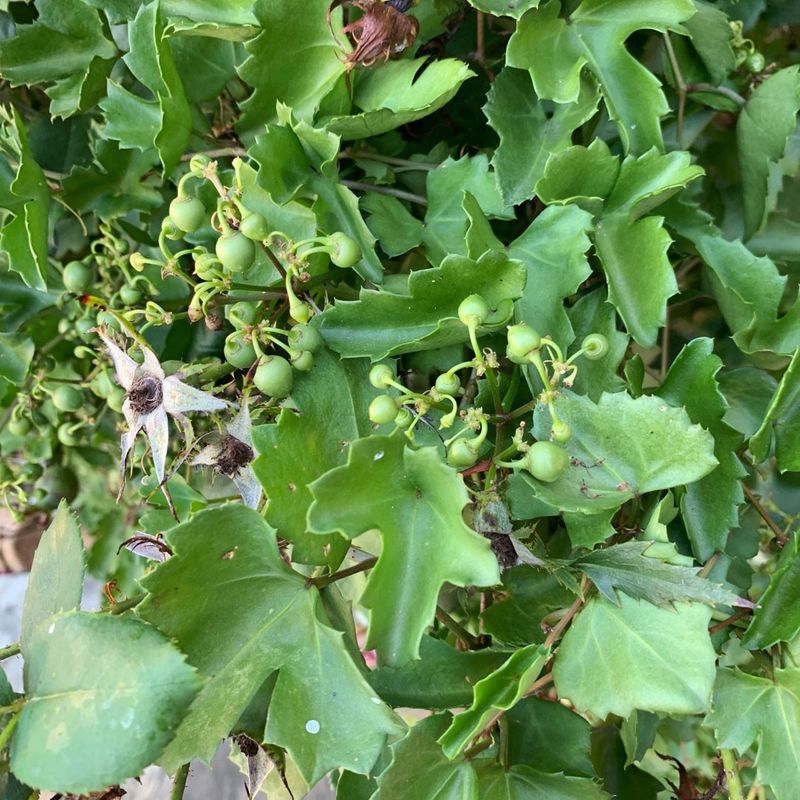
Watching Arizona Grape Ivy work its way along a fence feels almost effortless – the stems seem to find their path naturally, reaching outward and filling gaps with layered green foliage that softens even the most utilitarian chain-link fence.
Known botanically as Cissus trifoliata, this native vine handles the heat and drought stress common across Arizona, though it tends to look its best when given some afternoon shade or placed on a north- or east-facing fence where the sun is less relentless.
The vine uses adhesive tendrils to grip onto surfaces, which means it can climb directly on mesh or rough-textured walls without additional hardware.
That said, homeowners who want to keep stems off stucco or masonry surfaces should install a simple trellis panel or wire frame set a few inches out from the wall.
This small gap reduces moisture buildup against the surface and makes it easier to inspect the wall periodically. Staying mindful of where stems are heading is especially helpful near foundation edges.
Arizona Grape Ivy is not a heavy bloomer, so the appeal comes primarily from its foliage coverage rather than showy flowers. The leaves have a pleasant lobed shape and take on subtle color variation through the seasons.
Established plants are genuinely drought-adapted and fit naturally into low-water landscapes, gravel beds, and desert-style side yards across Arizona.
Occasional deep watering during hot stretches supports healthy growth without encouraging the kind of aggressive spreading that makes some vines difficult to manage on residential fences.
6. Lady Bank’s Rose Climbs Quickly On Sturdy Fences
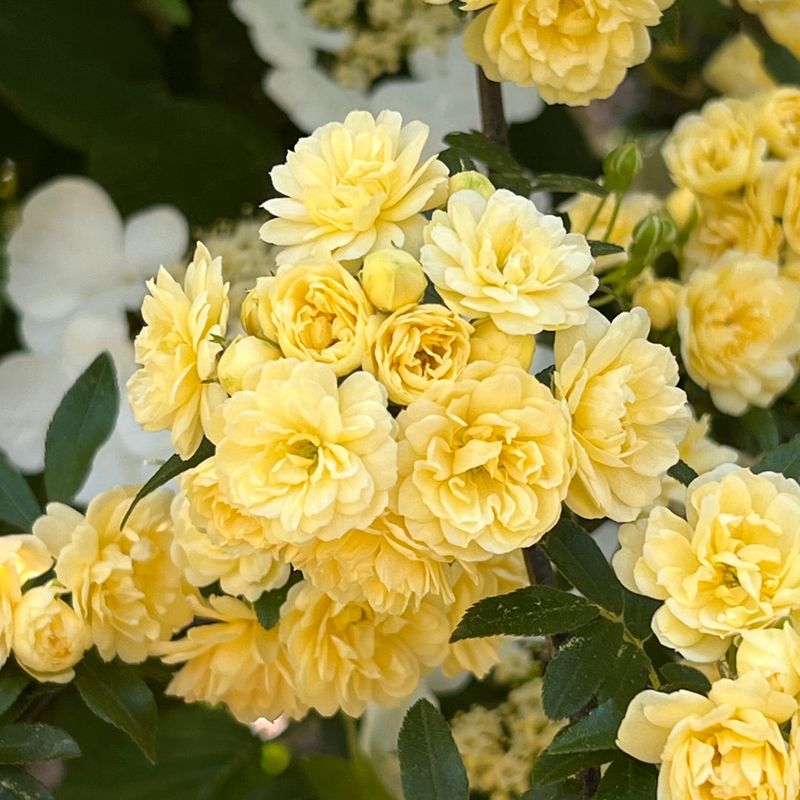
Spring brings one of the most reliable floral displays a fence climber can offer, and Lady Bank’s Rose is often at the center of it.
Masses of small, clustered blooms in pale yellow or white appear in early spring before the heat fully arrives, covering sturdy fences and pergola frames with a soft, romantic look that feels unexpected in a desert yard.
Botanically known as Rosa banksiae, this nearly thornless rose is far easier to handle than most climbing rose varieties.
Lady Bank’s Rose grows vigorously, and that rapid growth is part of its appeal for homeowners wanting fast fence coverage.
The flip side is that a strong support structure is genuinely necessary – lightweight trellises may not hold up to the weight of mature canes over several seasons.
Heavy-gauge wire anchored to solid fence posts, or a well-built wooden pergola frame, handles the load much better.
Keeping canes tied and trained horizontally along the support encourages more blooms and prevents the plant from becoming a tangled mass.
Water needs are moderate, and established plants in Arizona tolerate dry spells reasonably well, though consistent deep watering during the growing season supports the best growth.
Pruning after the spring bloom cycle is the most effective timing for shaping and controlling size.
Roots on established plants can spread, so planting away from foundation edges and monitoring stem direction each season helps homeowners enjoy the coverage without worrying about long-term structural concerns near walls or building bases.
7. Yuca Vine Adds Low-Water Coverage To Hot Walls
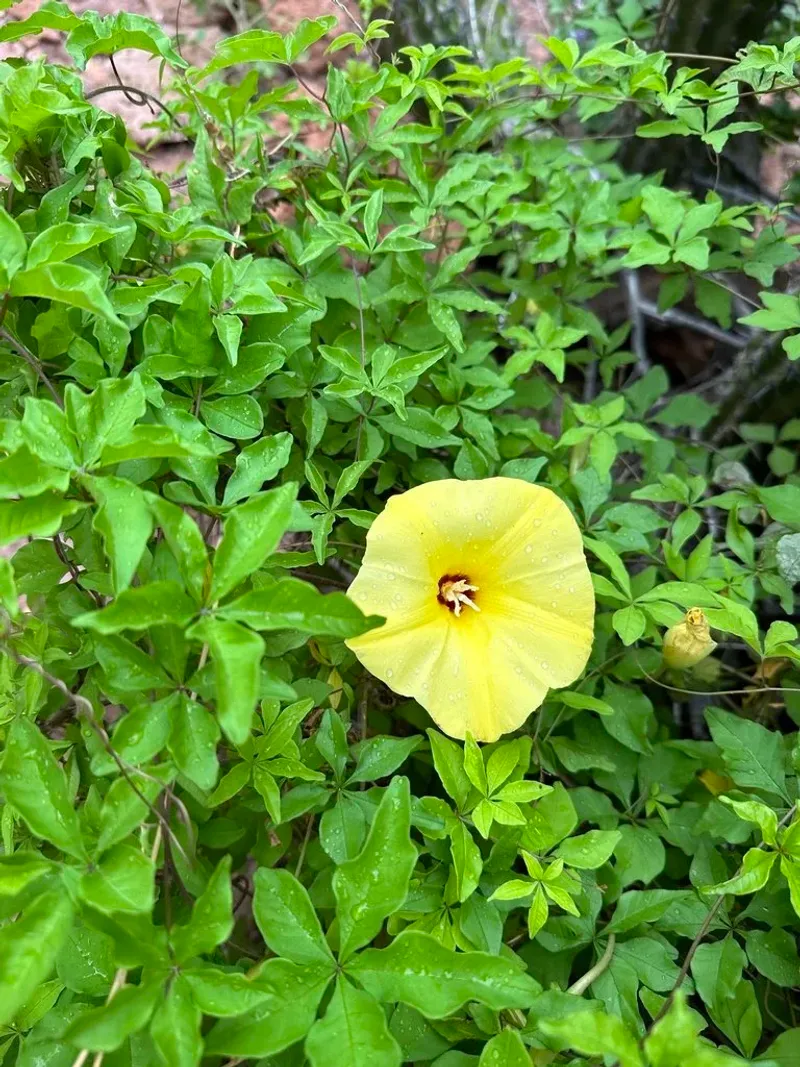
Yuca vine, now classified as Distimake aureus and still often listed as Merremia aurea, is a low-water twining vine that can bring soft green coverage and bright yellow summer-to-fall flowers to Arizona fences, trellises, and hot wall areas.
It is listed for full sun, low water use, and moderate growth, so it fits places where homeowners want coverage without choosing a plant that needs constant irrigation.
Its stems need a sturdy support to climb, which makes it better suited to a fence, arbor, or trellis than direct attachment to a home foundation.
The foliage is deciduous, so it may drop leaves during colder weather, then return with warm seasonal growth.
Because yuca vine climbs by twining rather than clinging with aggressive rootlets, it is easier to guide on a support and keep away from walls, foundations, and rooflines.
That habit can be helpful in Arizona side yards, courtyard edges, and sunny fence lines where controlled coverage matters.
Give it well-drained soil, full sun, and enough room to spread. During establishment, occasional irrigation helps roots settle before the plant handles drier conditions more comfortably.
As growth develops, prune or redirect stems as needed so the vine stays on its support instead of wandering into nearby shrubs, gates, or roof edges.
With thoughtful placement, yuca vine can add color, shade, and movement without overwhelming the structure beneath it.