How To Tell If Your Oregon Soil Is Ready For Planting
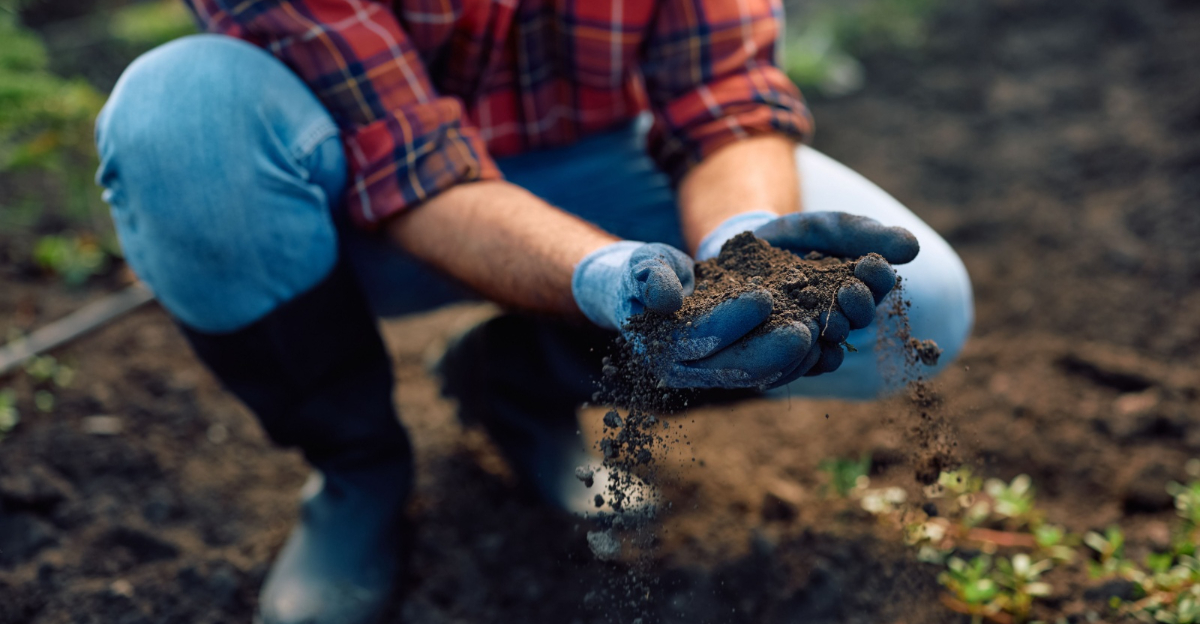
Oregon gardeners feel that first stretch of sunshine and the urge to start planting kicks in fast. After months of rain and cool, soggy soil, it is easy to reach for a shovel a little too soon.
But soil that looks ready on the surface can still be too wet underneath, and working it early can lead to compaction and weaker plant growth later on. Many Oregon gardens get off to a slow start for this exact reason.
Learning how to read your soil before you plant can make a noticeable difference in how everything grows through the season.
1. Soil Crumbles Easily Instead Of Clumping
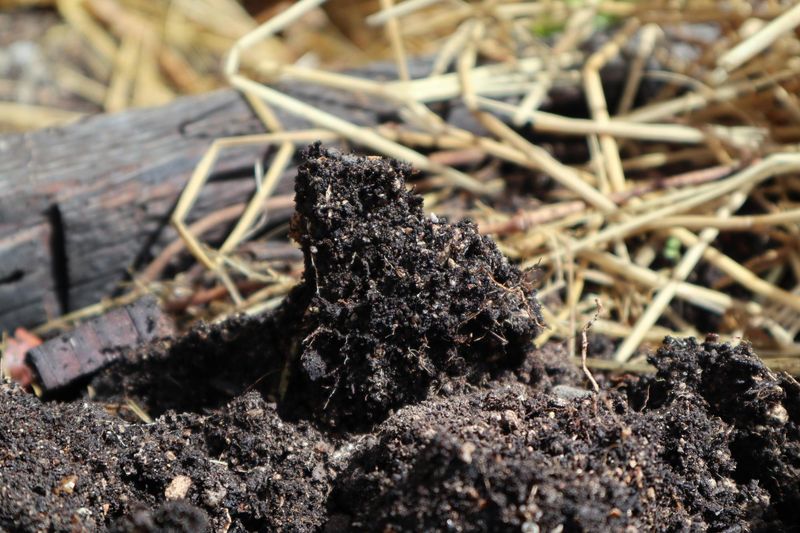
One of the clearest signs that Oregon soil is ready to work is that satisfying moment when it crumbles between your fingers rather than sticking together in a heavy, wet clump.
After a long rainy season, soil tends to hold onto moisture like a sponge, making it dense and sticky.
When you reach down and grab a handful, wet soil will smear and pack tightly, which is a signal to wait a bit longer.
Crumbly soil, on the other hand, means the excess moisture has drained away and the structure is intact. Soil structure matters because it controls how air, water, and roots move through the ground.
When you break up clumps that fall apart with little effort, that is a good sign the conditions are leaning toward workable.
In many parts of Oregon, especially the Willamette Valley, this crumbling quality can appear as early as late February or as late as April, depending on the year.
Walk out to your garden bed and grab a small handful about two inches deep.
If it breaks into smaller pieces without smearing, your soil may be close to ready for planting season.
2. A Handful Of Soil Holds Shape But Breaks Apart With Light Pressure
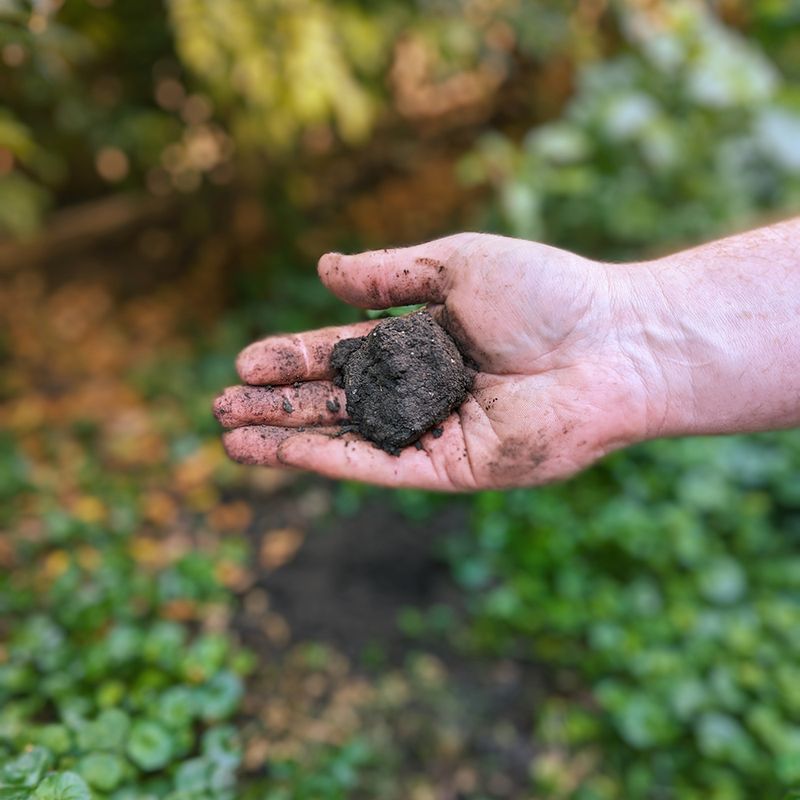
Old-time gardeners in Oregon have used a simple squeeze test for generations, and it still works well today. Scoop up a small handful of soil from about four to six inches deep, squeeze it firmly in your palm, then open your hand.
If the soil holds a loose ball shape, that is a promising start. The real test comes next.
Gently poke the ball with one finger. If it crumbles apart without much resistance, the moisture level is likely close to ideal for planting.
If it smears like clay or stays stuck together in a wet lump, the soil is still holding too much water. Planting into soil that is too wet can lead to compaction, poor root development, and seeds that rot before they sprout.
This test works especially well in Oregon’s heavier clay soils, which are common throughout the valley floors and foothills.
Clay takes longer to drain than sandy or loam soils, so giving it extra time after heavy rain makes a real difference.
Checking the soil every few days during late winter and early spring helps you catch that sweet window when conditions shift from soggy to workable without waiting too long.
Your Oregon Garden Changes Every Week. Your Plan Should Too.
Gardening in Oregon changes quickly throughout the season. Every Friday you’ll receive a simple weekly plan showing exactly what to plant, prune, fertilize, harvest, and protect so you never miss the right timing.
3. The Ground Is No Longer Waterlogged Or Soggy
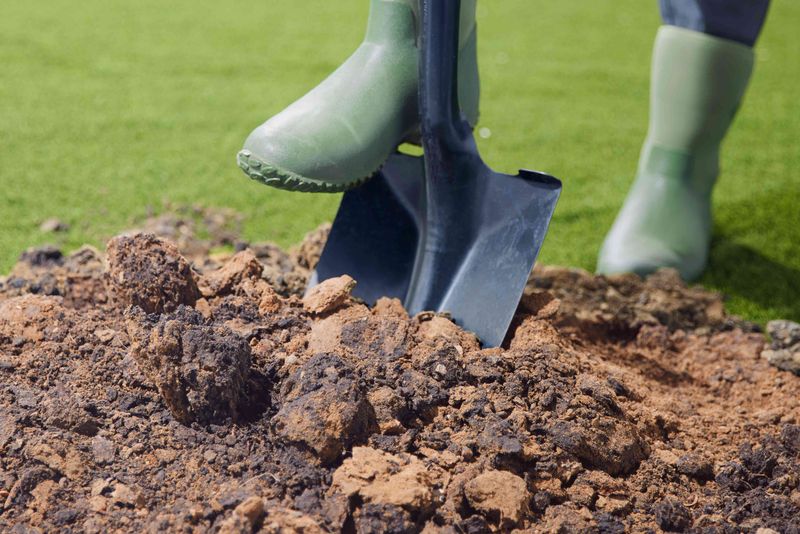
Soggy ground is one of the most common reasons Oregon gardeners run into trouble early in the season. When water saturates the soil, it pushes out the air pockets that plant roots depend on to breathe.
Walking on or tilling waterlogged soil also presses the particles together, creating dense layers that roots struggle to push through even weeks later.
After a stretch of dry or mild weather, take a walk through your garden and notice how the ground feels underfoot. Waterlogged soil tends to squish or give way with each step, sometimes leaving footprints that fill with water.
Soil that has drained properly feels firmer and more stable without that spongy bounce beneath your boots.
Oregon’s wet season can linger well into spring, particularly west of the Cascades where rainfall totals run high from October through May.
Raised beds and slopes tend to drain faster than flat in-ground plots, so keep that in mind when comparing different parts of your yard.
If you press a trowel into the soil and water seeps into the hole within a minute or two, the ground is likely still too saturated. Waiting just a few more days after a dry spell can change conditions dramatically.
4. Soil Temperature Reaches Around 50–55°F For Cool-Season Crops
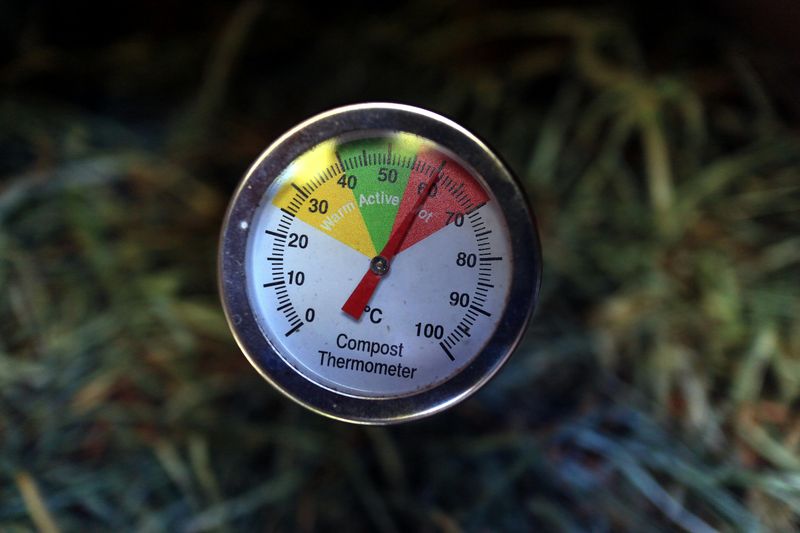
Soil temperature is one of those details that separates experienced Oregon gardeners from those who end up replanting seeds that never germinated.
Cool-season vegetables like peas, radishes, spinach, and arugula can sprout when soil temperatures hover around 50°F, making them good candidates for early spring planting across much of Oregon.
A basic soil thermometer costs very little and provides information that air temperature simply cannot give you. Push the probe about two inches into the ground in the morning, which is when soil temperatures tend to be at their lowest point of the day.
Check the same spot over several consecutive days to get a reliable average rather than relying on a single reading.
In the Willamette Valley and coastal regions of Oregon, soil temperatures in the 50–55°F range often arrive sometime between late February and early April.
Eastern Oregon tends to warm more slowly due to colder winters and later frost dates, so gardeners there may need to wait until late April or even May.
Warm-season crops like tomatoes and peppers need soil temperatures closer to 60–70°F, so patience pays off when it comes to those heat-loving plants.
Getting the temperature right before planting gives seeds a much better chance of sprouting evenly and growing strong.
5. You Can Dig Without Hitting Sticky Or Muddy Layers
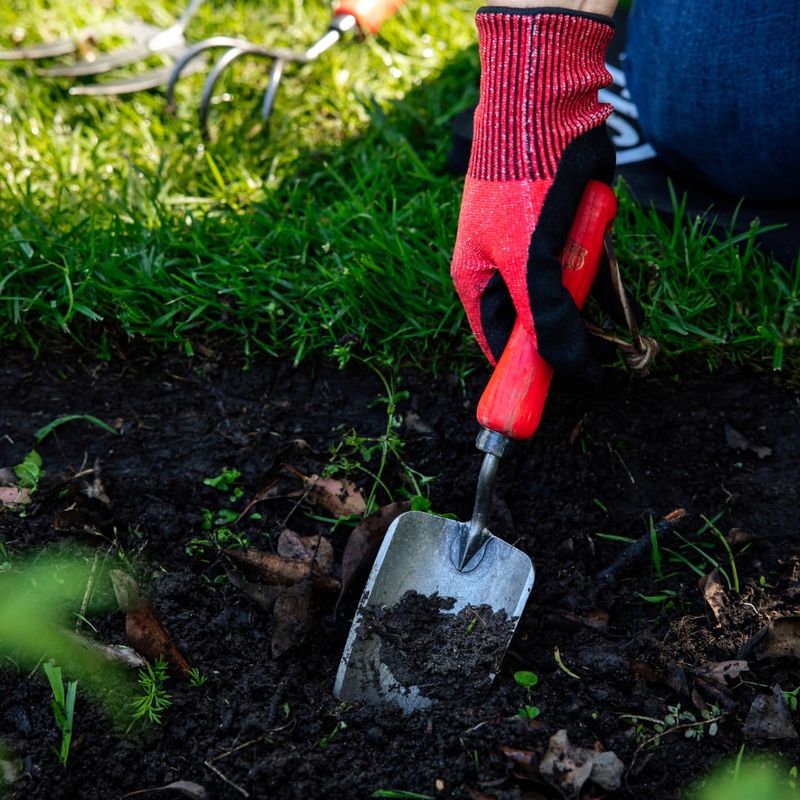
Grabbing a trowel and pushing it into the soil can tell you a lot about what is happening below the surface in your Oregon garden.
When soil is ready to work, the blade should slide in without dragging up sticky, mud-coated clumps that cling to the metal.
If you pull the trowel out and it looks like it was dipped in wet concrete, the soil needs more time to dry out.
Sticky, muddy layers below the surface are a sign that drainage has not fully caught up with recent rainfall. This is particularly common in Oregon gardens with heavy clay content, which holds water longer than lighter soils.
Digging into wet clay and then trying to plant seeds or transplants can leave you with compacted furrows and poor germination rates later on.
A clean dig does not mean the soil should be bone dry. Slightly moist soil that does not stick aggressively to tools is actually a healthy sign.
The goal is to find that middle ground where moisture is present but not excessive. Try digging down six to eight inches in a few different spots across your garden.
Consistency throughout the bed matters more than one good spot, since uneven moisture can lead to uneven plant growth once the season gets going.
6. Earthworms And Soil Life Are Active Near The Surface
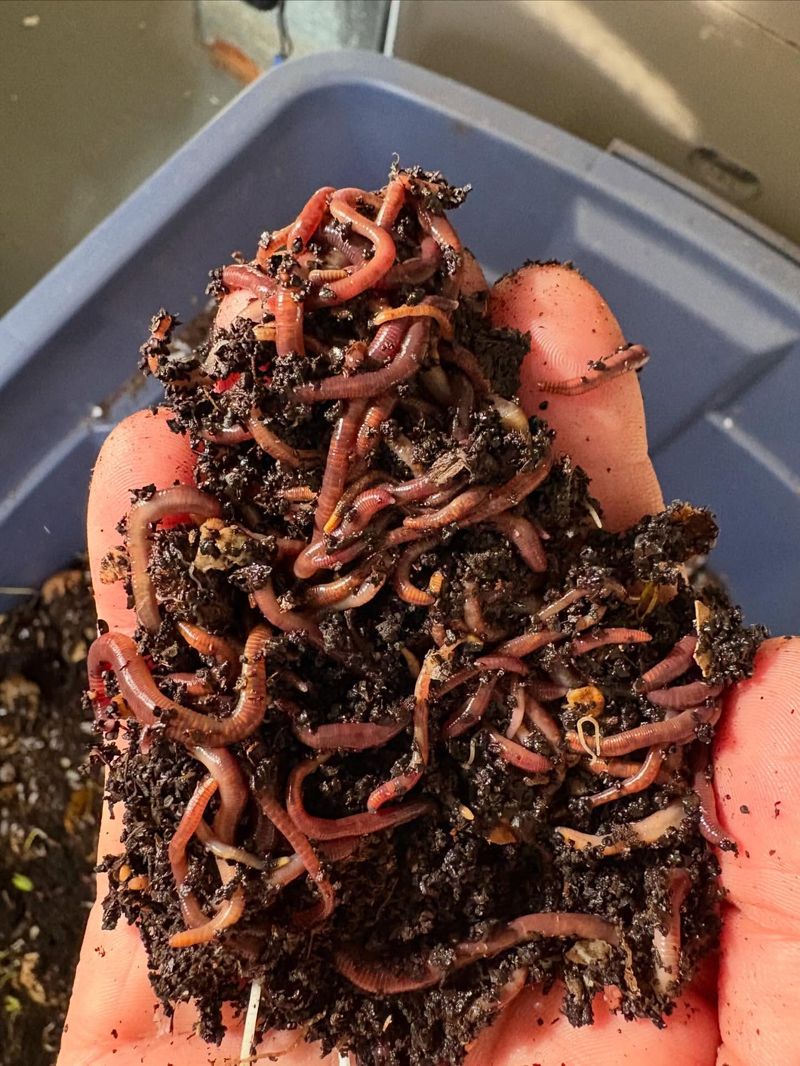
Flip over a shovel of soil in an Oregon garden that is waking up from winter, and you might be greeted by a handful of wriggling earthworms. That is actually great news.
Earthworms moving near the surface indicate that soil moisture and temperature have reached a level that supports biological activity, which tends to align closely with conditions that also support plant growth.
Worms improve soil in several meaningful ways. They break down organic matter, create channels that improve drainage and aeration, and leave behind castings that add nutrients plants can use.
Seeing them active near the top few inches of soil suggests the ground is neither frozen nor waterlogged, two conditions that drive worms deeper underground where they wait things out.
Beyond earthworms, you might also notice small beetles, pill bugs, or fine threads of fungal mycelium when you dig. These are all signs of a living, functioning soil ecosystem.
Oregon soils in good health tend to support diverse communities of organisms that work together to create the kind of environment where vegetable roots thrive.
If your soil looks lifeless and compacted with no sign of critters or organic breakdown, that is a signal worth paying attention to before you start planting for the season.
7. The Soil Surface Has Dried Slightly After Winter Rains
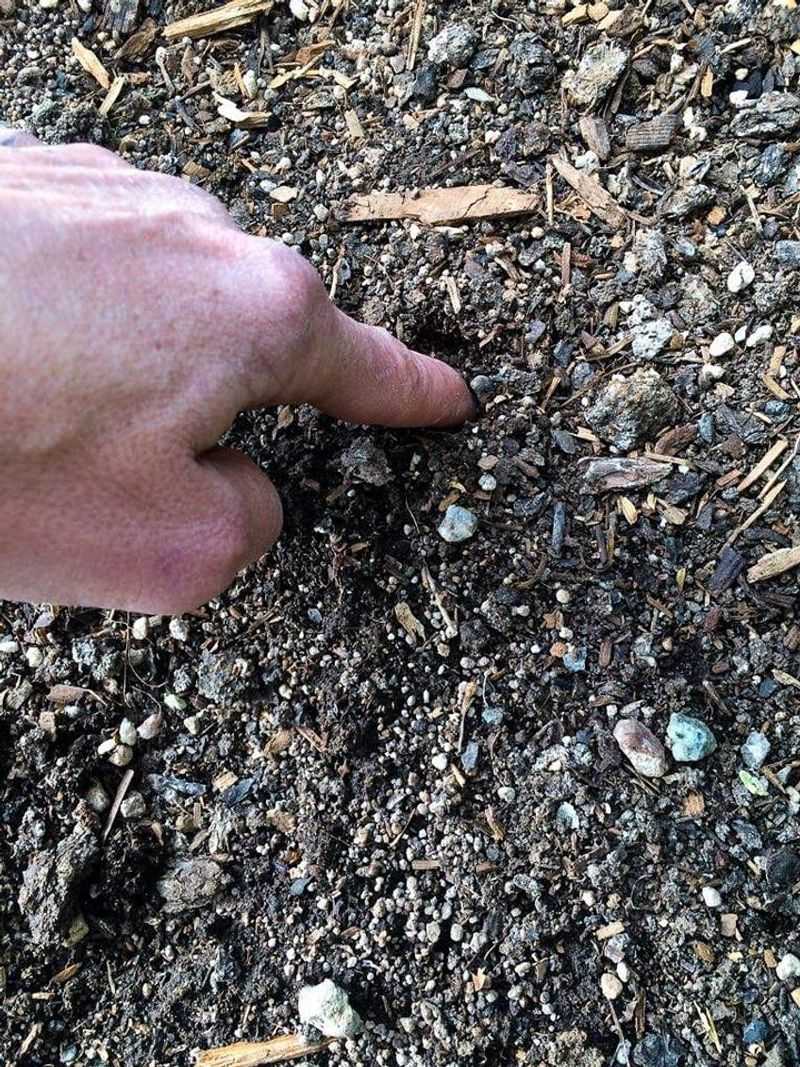
After months of Oregon’s persistent winter rains, the soil surface often looks dark, sealed, and almost glossy from constant moisture.
Watching for a subtle shift in that surface appearance is one of the easier ways to track whether conditions are improving for planting.
When the top layer begins to lighten in color and lose that wet sheen, drying is underway.
A slightly dried surface does not mean the soil is ready all the way down, but it is a useful first indicator that conditions are trending in the right direction.
Combine this visual check with a finger test, pressing about an inch into the surface to feel whether moisture is still very close to the top.
If it feels damp but not wet, progress is being made.
Spring in Oregon often brings alternating stretches of rain and dry days, which means the surface can dry and re-wet multiple times before the soil is truly workable throughout the profile.
Timing your soil check to come after at least two or three consecutive dry days gives a more accurate picture than checking immediately after a shower.
Light weeds beginning to sprout along the edges of beds are another clue that the surface has warmed and dried enough to support germination, which is often a signal worth noting.
8. Raised Beds And Garden Rows Drain Water Within A Few Hours
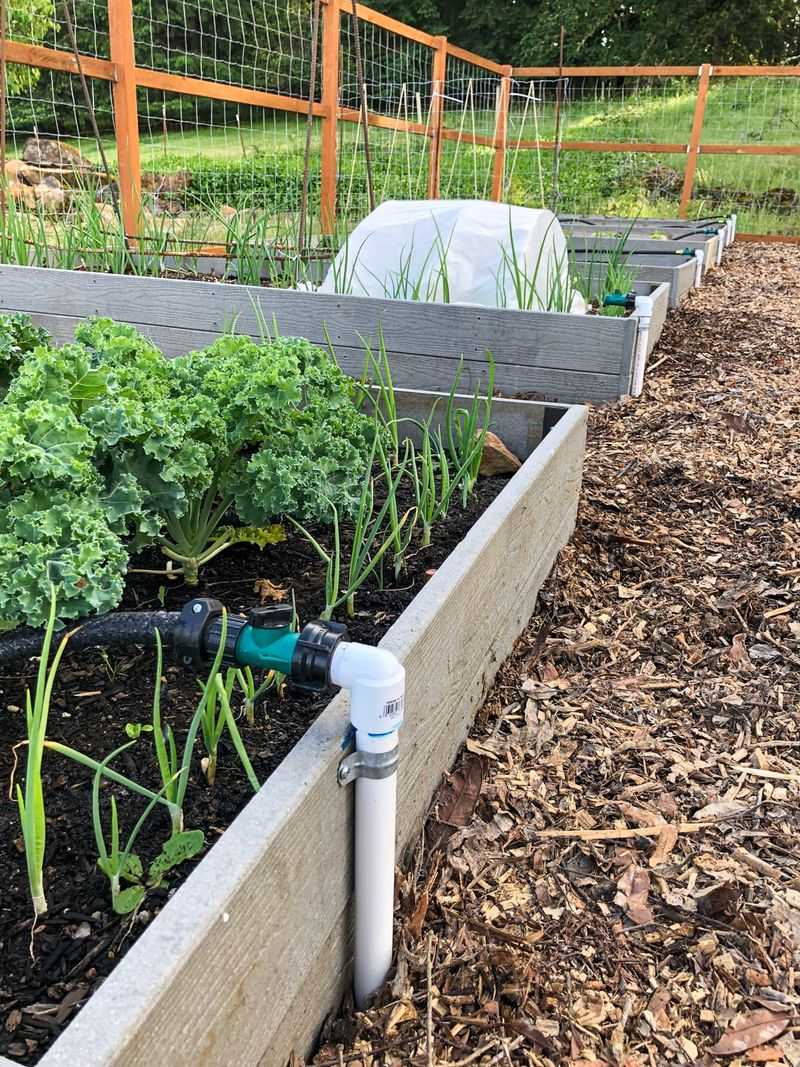
Raised beds have become popular across Oregon for a good reason – they drain faster and warm up earlier than in-ground plots.
If you have raised beds in your garden, watching how quickly they shed water after rain gives you a practical read on whether soil conditions are improving.
Well-draining raised beds can be workable even when the surrounding ground is still saturated.
After a light to moderate rain, check your raised bed or garden rows within two to four hours.
If water is still pooling on the surface or the soil looks shiny and wet well after the rain has stopped, drainage may be limited by compaction, poor soil mix, or a bed that needs organic matter added.
Beds that drain quickly tend to have a good balance of compost, organic material, and soil structure that allows excess water to move through.
For in-ground rows, the same principle applies. Furrows or paths between rows should not hold water for extended periods.
If puddles linger for most of the day after average rainfall, that section of your Oregon garden may need amendments before planting season.
Adding compost and gently loosening the top few inches can improve drainage over time, though heavily compacted or clay-dominant soils may need a full season of improvement before conditions become reliably workable.
9. No Standing Water Remains After Rainfall
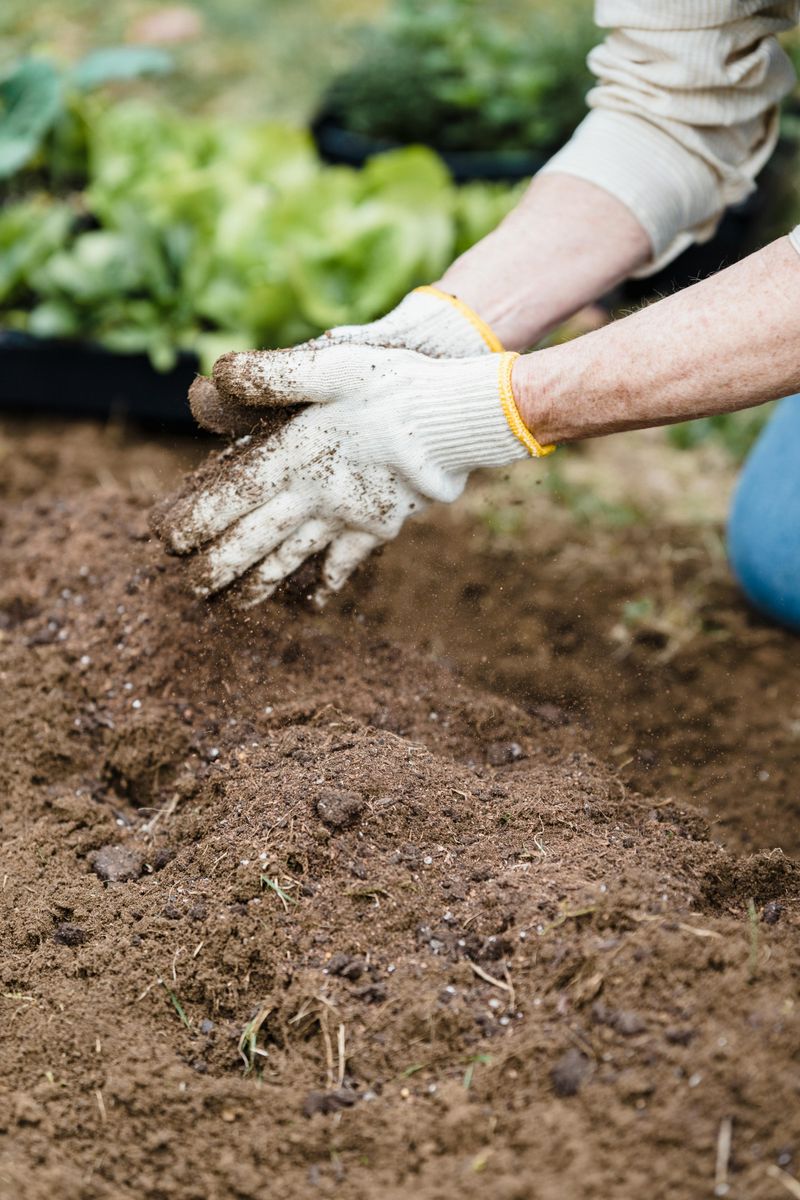
Standing water in a garden bed after rainfall is one of the clearest signs that the soil is not ready for planting. When water sits on the surface rather than soaking in, it usually means the soil below is already at capacity and cannot absorb more.
Planting into those conditions tends to lead to poor outcomes, including rotting seeds, stressed transplants, and root systems that never establish well.
Oregon’s spring rainfall can be unpredictable, with some years delivering heavy downpours well into May. Checking your garden the morning after rain gives you a reliable snapshot of how well the soil is draining.
A garden bed that has absorbed overnight rain by morning is behaving the way workable soil should. One that still shows puddles or shiny wet patches by mid-morning likely needs more time.
Low spots in the garden tend to collect water naturally, so those areas may stay wet longer even when the rest of the bed is fine.
Consider adjusting the grade slightly or adding organic matter to low areas over time.
If standing water is a recurring problem throughout your Oregon garden rather than just in one corner, it may be worth evaluating the overall drainage of the site before investing heavily in planting.
Solving drainage first saves a lot of replanting later.