This Is How Oregon Gardeners Are Using Pine Cones To Fight Slugs
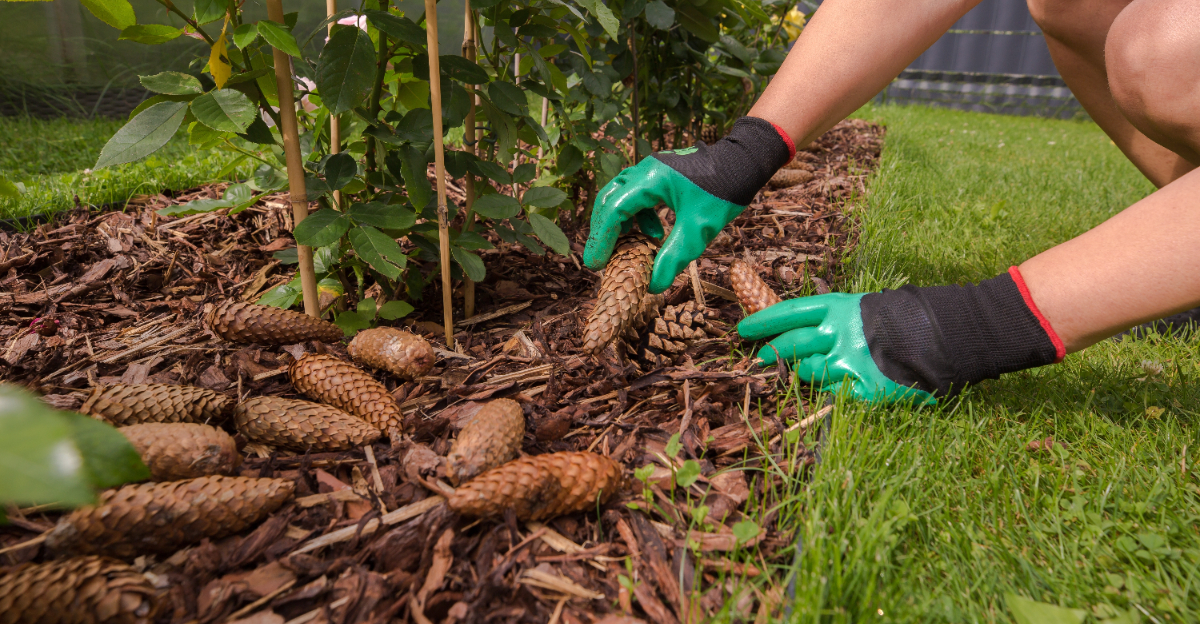
Slugs love an easy path, and Oregon gardeners are getting clever about making the trip a lot less comfortable.
One of the simplest tricks showing up in garden beds is a layer of pine cones placed where these slimy little troublemakers love to crawl.
It sounds almost too easy, but there is a reason the idea catches on fast. Pine cones create a rough, dry, awkward surface that slugs would rather avoid, especially around tender plants they usually treat like an all-you-can-eat buffet. Rude behavior, honestly.
In Oregon, where damp weather can turn slug season into a full-blown garden nightmare, low-effort fixes like this are easy to love.
Pine cones are cheap, natural, and surprisingly handy when you want a little extra protection without turning the yard into a science experiment.
The result is a garden that looks charming, uses what nature already dropped in your path, and makes life just annoying enough for slugs to move along.
1. Why Slugs Hate Pine Cones
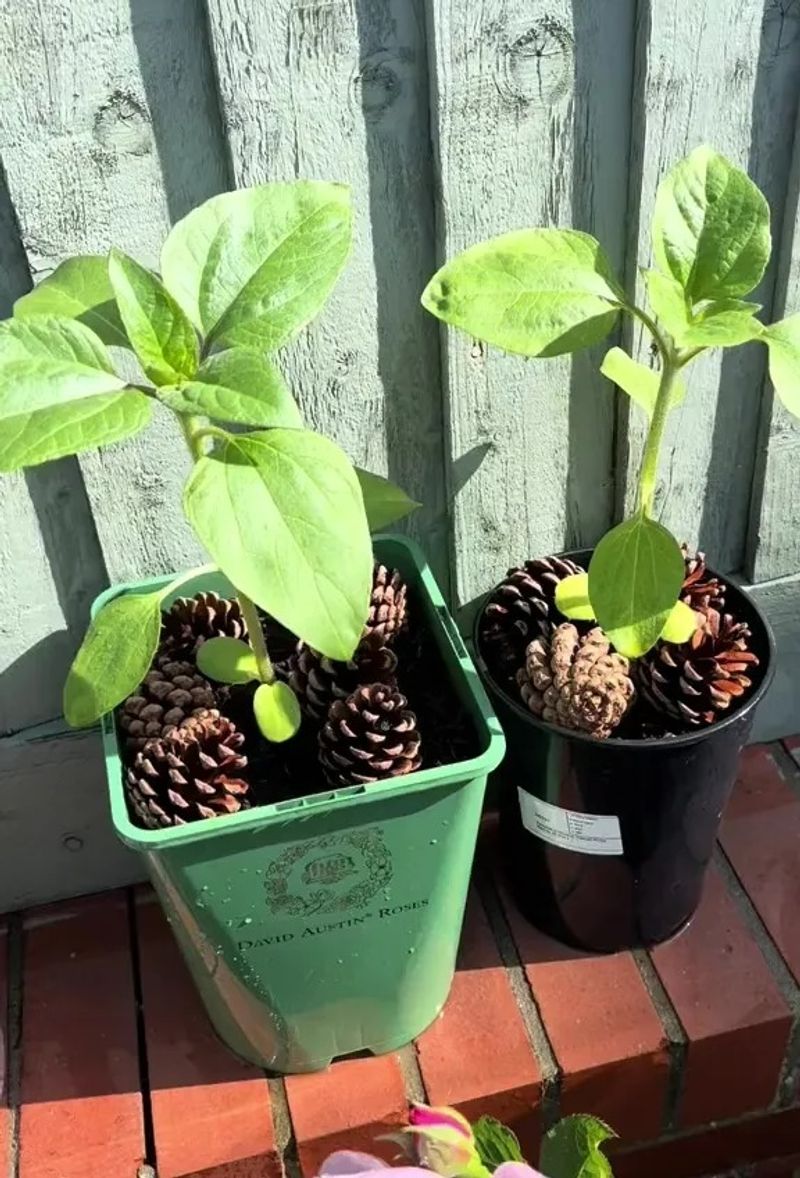
Picture a slug trying to drag its soft, slimy body over a pile of sharp, jagged pine cone scales. Not a pleasant experience for the slug, right?
That discomfort is exactly why pine cones work so well as a natural slug barrier in Oregon gardens.
Slugs move by gliding on a thin layer of mucus. When they hit a rough, uneven surface like a pine cone, their movement slows way down.
The sharp edges of the pine cone scales poke and irritate their soft bodies. Most slugs will simply turn around rather than push through the discomfort.
Oregon’s wet climate is a slug paradise. Rain keeps the soil moist and gives slugs the ideal conditions to thrive.
That means Oregon gardeners need reliable, low-cost solutions that work season after season. Pine cones are free, natural, and always available under the trees in your yard or local park.
Unlike chemical slug pellets, pine cones do not harm pets, birds, or beneficial insects. They are completely safe around children too.
Many Oregon gardeners have moved away from chemical methods and love that pine cones are an eco-friendly option. The texture alone acts like a built-in alarm system, sending slugs in the opposite direction before they ever reach your plants.
2. Where To Place Them
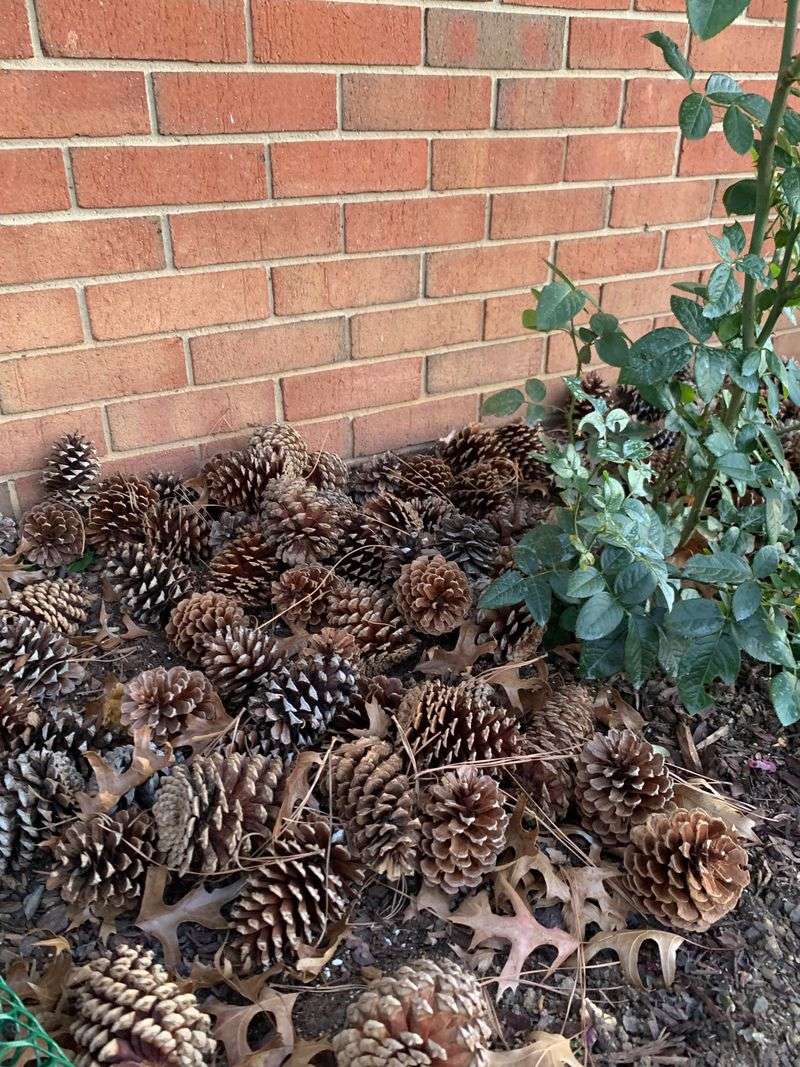
Placement is everything when using pine cones to keep slugs away. Tossing a few cones randomly around your garden will not do much.
You need to think strategically about where slugs are most likely to travel.
Start by creating a ring of pine cones around the base of each plant you want to protect. Make the ring at least two to three inches wide.
Slugs tend to travel along the soil surface at night, so blocking their path right at the base of a plant stops them before they can reach the stem or leaves.
Along the edges of raised garden beds is another smart placement spot. Oregon gardeners who use raised beds often line the inner edges with a row of pine cones to create a perimeter barrier.
Your Oregon Garden Changes Every Week. Your Plan Should Too.
Gardening in Oregon changes quickly throughout the season. Every Friday you’ll receive a simple weekly plan showing exactly what to plant, prune, fertilize, harvest, and protect so you never miss the right timing.
Slugs climbing up the sides of the bed will hit the pine cones and think twice about going further.
Pathways between garden rows are also worth protecting. Laying pine cones along walkways between beds creates a buffer zone that makes it harder for slugs to move freely around your garden.
Think of it like building a fence made entirely of natural materials. The more consistent and complete your pine cone coverage is, the better your results will be throughout Oregon’s long, rainy growing season.
3. Which Plants Need Protection Most
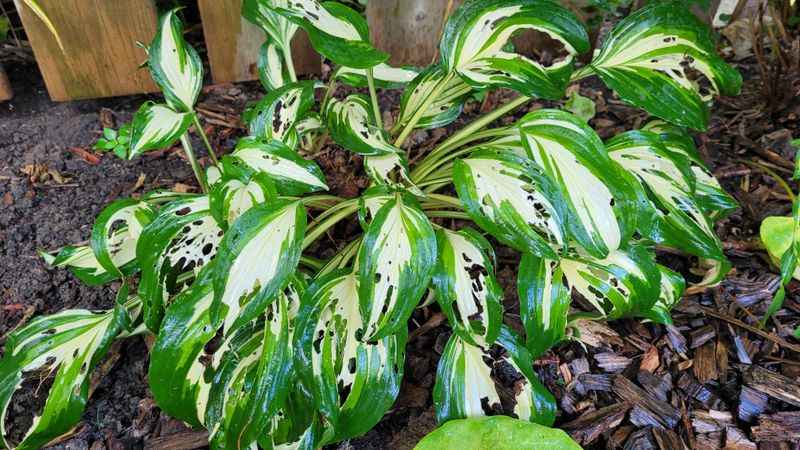
Not every plant in your garden faces the same level of slug threat. Slugs are picky eaters in their own way, and they tend to go after soft, tender plants first.
Knowing which plants are most at risk helps you use your pine cones where they matter most.
Lettuce, spinach, and other leafy greens are at the top of the slug menu. These plants have thin, delicate leaves that slugs can chew through quickly.
Oregon gardeners growing salad greens should always prioritize pine cone barriers around these beds first.
Hostas are another slug magnet. These popular ornamental plants are found in gardens all over Oregon, and slugs love their broad, soft leaves.
Placing pine cones around hostas can save them from looking like Swiss cheese by midsummer.
Strawberries, basil, and young seedlings are also highly vulnerable. Seedlings are especially at risk because slugs can wipe out a whole flat of new starts in a single night.
Protecting seedlings with a tight ring of pine cones right from the time of transplanting gives them a fighting chance.
Root vegetables like carrots and beets can also suffer from slug feeding near the soil surface. Prioritize any plant with soft tissue close to the ground.
In Oregon’s moist growing environment, it pays to be generous with your pine cone barriers around these sensitive crops.
4. Fresh Vs. Dried Pine Cones
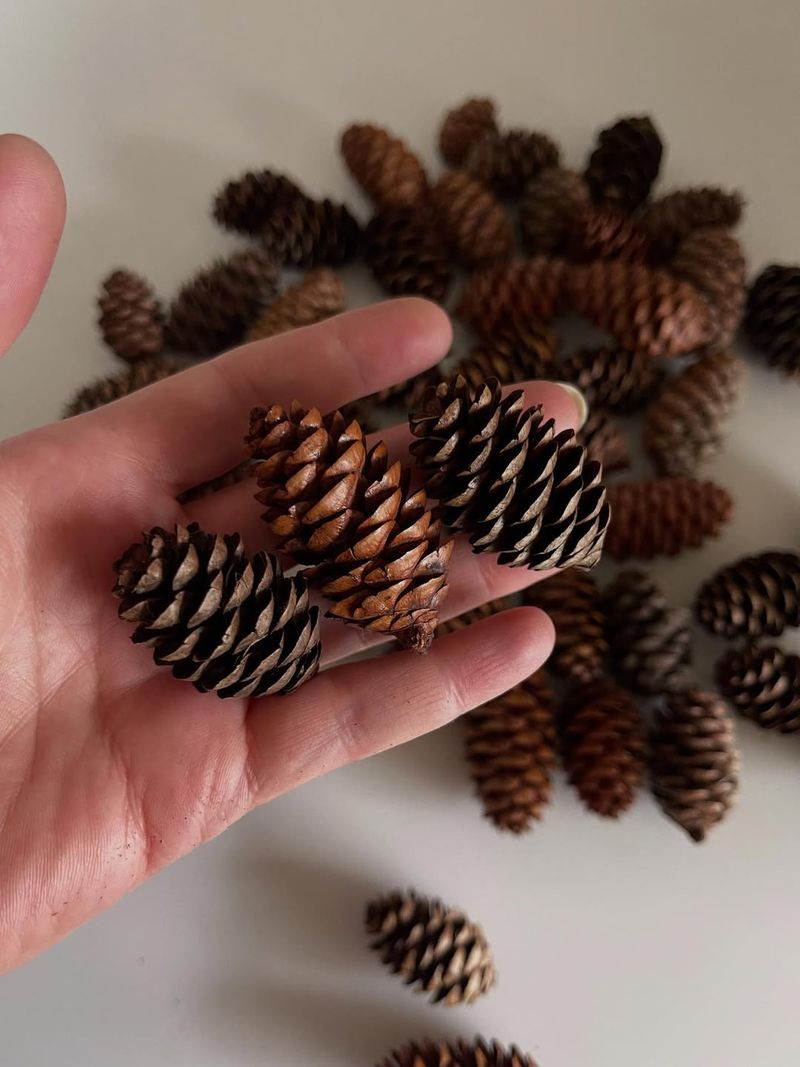
You might not think it matters whether your pine cones are fresh off the tree or dried out on the ground. But there is actually a real difference in how well each type works as a slug barrier, and Oregon gardeners have noticed it firsthand.
Fresh pine cones are tightly closed and have a sticky, resinous coating. That stickiness adds another layer of deterrence for slugs.
The closed scales also create a denser, harder surface. Slugs find it even more difficult to navigate over a fresh cone than a dried one.
Dried pine cones open up as they lose moisture. The scales spread out and become more brittle.
While they are still rough enough to slow down slugs, they are less effective than their fresh counterparts. Dried cones also break down faster in Oregon’s rainy weather, which means you will need to replace them more often.
That said, dried pine cones are much easier to collect in large quantities. They are light, easy to spread, and widely available under pine trees throughout Oregon.
Many gardeners use a mix of both fresh and dried cones to balance effectiveness with practicality.
If you have access to fresh cones, save them for your most vulnerable plants. Use dried cones for general coverage in areas where slug pressure is lower.
Either way, both types offer a completely free, natural solution that is safe for your garden and the environment.
5. How Much Coverage You Need
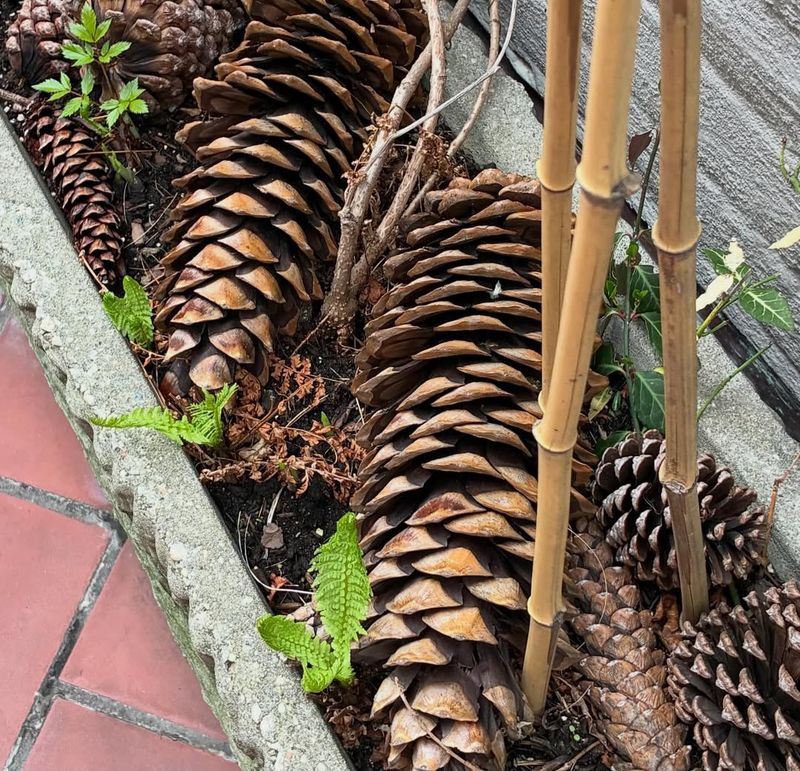
One or two pine cones scattered around a plant will not stop a determined slug. Coverage matters a lot, and skimping on the amount is one of the most common mistakes Oregon gardeners make when trying this method for the first time.
For individual plants, aim for a ring of pine cones that is at least two to three inches wide all the way around the base. The ring should have no gaps.
Slugs are surprisingly good at finding the smallest opening, and they will squeeze through any break in your barrier.
For raised beds, line the entire inner perimeter with a single row of tightly placed pine cones. If your slug pressure is high, which is common in many parts of Oregon, double up the row for extra protection.
A thicker barrier is always more reliable than a thin one.
For larger garden areas, think about how many square feet you are trying to protect. A good rule of thumb is to collect at least a full bucket of pine cones for every ten square feet of garden bed you want to cover.
That might sound like a lot, but pine cones are free and easy to gather in most Oregon neighborhoods and parks.
Consistency is the key. A well-covered garden bed gives slugs no easy entry points and forces them to look elsewhere for their next meal, keeping your plants safe all season long.
6. When To Replace The Cones
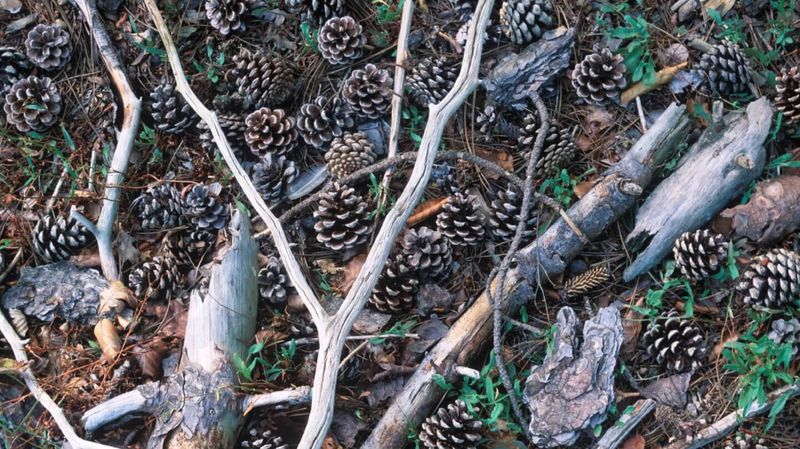
Pine cones do not last forever in the garden, especially in a place like Oregon where rain is a constant companion. Knowing when to swap out old cones for fresh ones keeps your slug barrier working all season long.
In Oregon’s wet climate, pine cones can start to break down within a few weeks during heavy rain periods. As they decompose, they flatten out and lose their rough texture.
A flat, soggy pine cone offers very little resistance to a slug. Check your barriers after every major rain event to see how they are holding up.
A good visual check is all you need. If the cones look dark, waterlogged, or have started to crumble, it is time to replace them.
Fresh, open, and firm cones are the most effective. Limp or broken cones should be composted and replaced right away.
Plan on refreshing your pine cone barriers at least once a month during the wet season, which in Oregon can stretch from October all the way through spring. During drier summer months, cones tend to last longer and may only need replacing every six to eight weeks.
The good news is that collecting replacement cones takes very little time. A short walk in any Oregon park or neighborhood with pine trees can fill a bucket quickly.
Making it part of your regular garden routine keeps your slug defenses strong without much extra effort.
7. Pair It With Other Slug Tricks
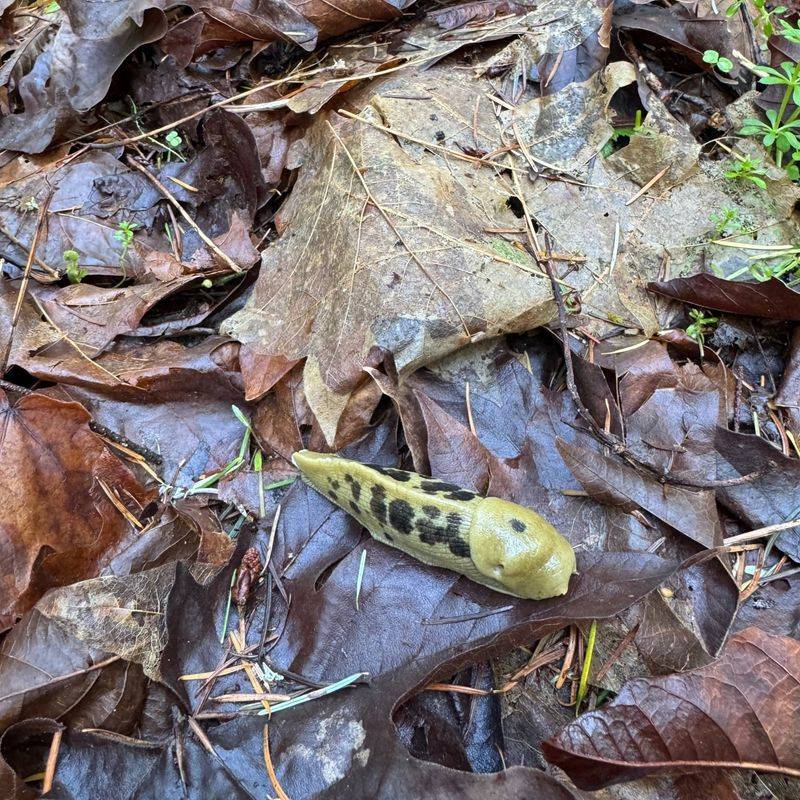
Pine cones are a great start, but the most successful Oregon gardeners know that combining methods gives the best results. Think of slug control like building a team where each player has a different strength.
Crushed eggshells work in a similar way to pine cones. Their sharp, jagged edges are uncomfortable for slugs to cross.
Sprinkling a layer of crushed eggshells alongside your pine cones creates a double barrier that is even harder for slugs to get through.
Copper tape is another popular option. Slugs get a mild reaction when they touch copper, which sends them retreating fast.
Attaching copper tape around the outside of raised beds, combined with pine cones on the inside, gives you protection from two different angles.
Beer traps are a classic Oregon gardener favorite. Shallow dishes filled with cheap beer attract slugs, who fall in and cannot get out.
Place a few traps around the edges of your garden to catch slugs before they even reach your pine cone barriers.
Encouraging natural predators is also a smart long-term strategy. Frogs, ground beetles, and birds all feed on slugs.
Creating a garden environment that welcomes these creatures adds a living layer of pest control to your setup.
Regular garden maintenance helps too. Removing dead leaves, debris, and damp hiding spots reduces the number of places slugs can shelter during the day.
Combined with pine cones, these habits make your Oregon garden a much less welcoming place for slugs all year round.