10 Plants To Grow Instead Of Roses In Florida
Roses can feel like a dream at the garden center, then turn into a full-time job the moment Florida weather kicks in. One week they look promising, the next they are spotted, chewed up, and struggling through heat and heavy air that never really lets up.
It is frustrating, especially when everything around them seems to grow just fine. That is the moment many Florida gardeners start asking a different question.
Why fight the climate at all? There are plants that deliver the same bold color and eye-catching blooms without constant spraying, pruning, and stress.
Swap out the high-maintenance roses, and the whole yard starts to feel easier, brighter, and far more enjoyable through the toughest months.
1. Hibiscus Delivers Bold Blooms With Less Fuss In Warm Climates
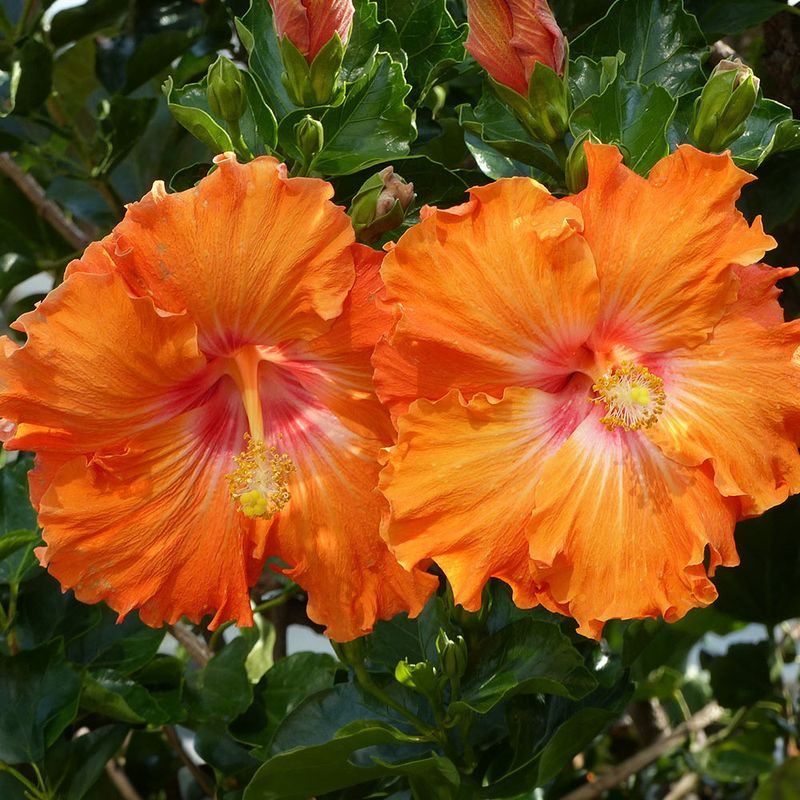
Walking past a yard full of dinner-plate-sized hibiscus blooms on a sunny Florida morning is hard to ignore. Hibiscus rosa-sinensis, the tropical hibiscus most commonly grown in Florida landscapes, produces flowers in rich shades of red, pink, orange, yellow, and coral.
Each bloom may only last a day, but the plant produces new flowers so consistently that you barely notice.
Unlike roses, tropical hibiscus is not particularly vulnerable to the fungal pressure that comes with Florida’s humid summers. It thrives in full sun and performs especially well in South and Central Florida, where temperatures stay warm year-round.
In North Florida, it can be grown as a container plant or treated as a warm-season shrub.
Watering needs are moderate to regular, especially during dry spells, but hibiscus does not demand the intensive spray schedules that roses often require. Well-draining soil and a slow-release fertilizer applied a few times a year will keep blooms coming steadily.
University of Florida IFAS Extension recommends hibiscus as a reliable, low-fuss flowering shrub for warm Florida landscapes. Pruning a few times a year helps maintain a tidy shape and encourages fresh growth.
2. Pentas Keep Color Going While Attracting Butterflies
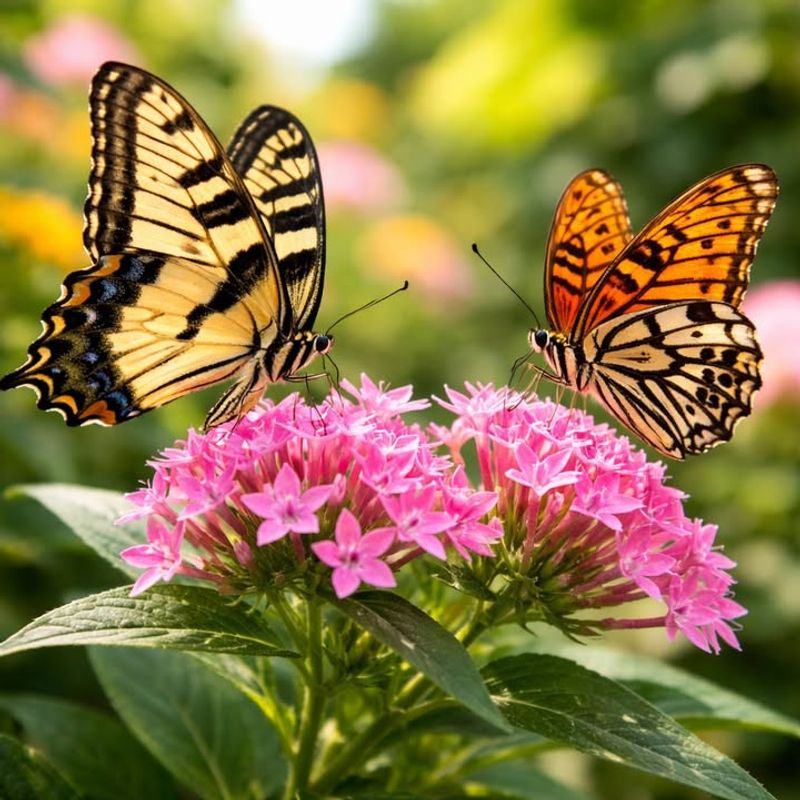
Few flowering plants in Florida earn their place in a garden bed quite like Pentas lanceolata, commonly called the Egyptian star flower. The star-shaped blooms come in shades of red, pink, white, and lavender, and they just keep coming through the hottest months when many other plants slow down or stop altogether.
One of the biggest advantages over roses is that pentas handles Florida’s heat and humidity without breaking a sweat. It does not need fungicide sprays, does not sulk in sandy soil, and bounces right back after a hard summer rain.
Butterflies absolutely love it, and hummingbirds are frequent visitors too, making it a strong choice for anyone building a pollinator-friendly yard.
Pentas performs well across all of Florida, from the Keys to the panhandle, though it truly shines during the long warm seasons. It grows best in full sun with good drainage and appreciates a light trim every few weeks to keep it from getting leggy.
According to Florida-Friendly Landscaping guidelines, pentas is an excellent low-maintenance bedding plant that delivers reliable seasonal color with minimal intervention. It works well as a border plant or massed in garden beds.
Your Florida Garden Changes Every Week. Your Plan Should Too.
Gardening in Florida changes quickly throughout the season. Every Friday you’ll receive a simple weekly plan showing exactly what to plant, prune, fertilize, harvest, and protect so you never miss the right timing.
3. Firebush Thrives In Heat And Blooms With Minimal Effort
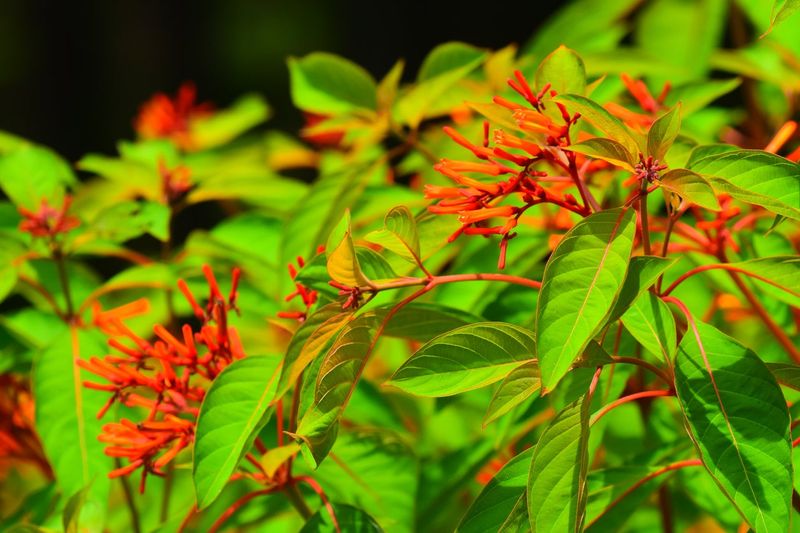
On a blazing August afternoon in Florida when most plants look like they are ready to wave a white flag, firebush looks completely unbothered. Hamelia patens is a Florida native shrub that produces clusters of tubular orange-red flowers from late spring through fall, and sometimes even longer in South Florida where winters stay mild.
Native plants have an obvious advantage in Florida gardens because they evolved here. Firebush is naturally adapted to the state’s sandy soils, heavy rainfall periods, and dry spells in between.
It attracts hummingbirds and butterflies with impressive regularity, and the small berries that follow the flowers bring birds into the yard as well. Compared to roses, the maintenance demands are minimal once firebush gets established.
In North Florida, firebush may experience dieback during a hard freeze, but it typically rebounds from the roots when warmer weather returns. In Central and South Florida, it grows as a reliable evergreen shrub.
Full sun brings out the best flowering, though it tolerates partial shade. University of Florida IFAS Extension lists firebush as a recommended native landscape plant, valued for its wildlife benefits and ease of care.
It can grow quite large, so give it room to spread out.
4. Bougainvillea Produces Vibrant Color In Hot, Dry Conditions
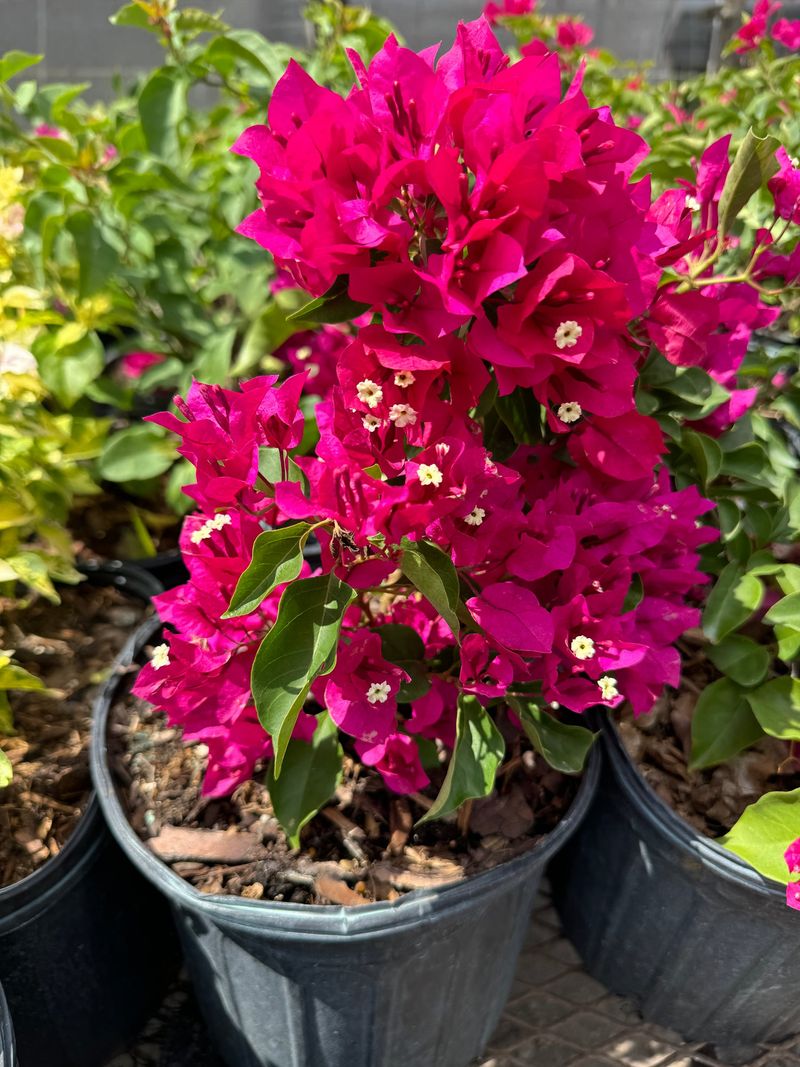
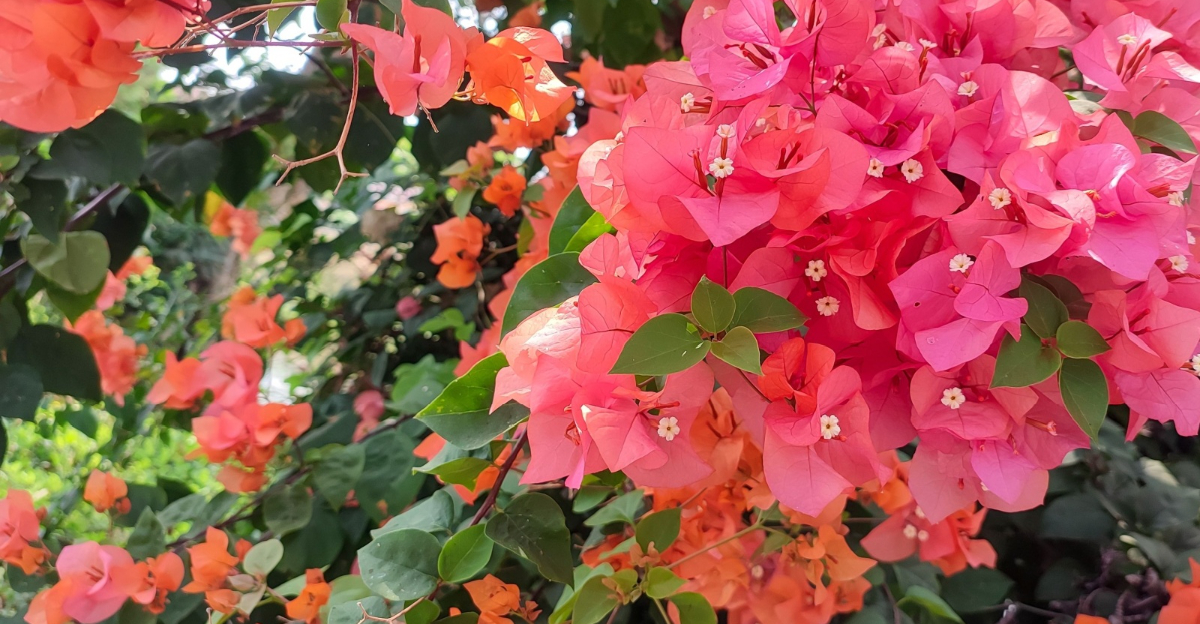
There is something almost theatrical about a bougainvillea in full bloom. The showy color you see is not actually from the flowers themselves but from the papery bracts that surround tiny white blooms.
In shades of magenta, purple, orange, red, and white, a well-placed bougainvillea can completely transform a fence, wall, or trellis into a showstopper.
Bougainvillea spp. loves hot, dry conditions and full sun, which makes it an excellent fit for South Florida and coastal Central Florida landscapes. One important key to getting the most color out of it is to actually hold back on water.
Too much irrigation encourages leafy green growth at the expense of those vibrant bracts. Once established, bougainvillea is remarkably drought-tolerant and does not need the frequent attention that roses demand.
It is sensitive to frost, so gardeners in North Florida should treat it as a seasonal plant or grow it in containers that can be moved when temperatures drop. Thorns are present on most varieties, so wear gloves when pruning.
Sandy, well-drained soil suits it well. Unlike roses, bougainvillea rarely suffers from serious fungal issues in Florida’s humidity, especially when planted with good air circulation and minimal overhead watering.
5. Ixora Handles Humidity While Providing Long-Lasting Blooms
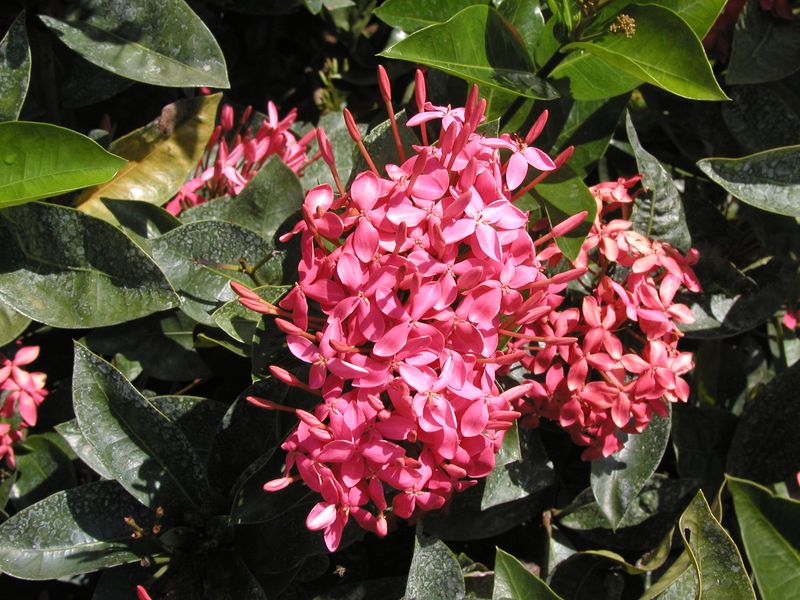
Humid air and frequent afternoon thunderstorms are just part of life in Florida, and ixora has figured out how to thrive through all of it. Ixora coccinea is a tropical shrub that produces dense, rounded clusters of small flowers in shades of red, orange, pink, and yellow.
The blooms appear repeatedly throughout the year in South Florida, making it one of the most consistent flowering shrubs available.
Compared to the constant upkeep roses require, ixora is refreshingly straightforward. It grows best in full to partial sun and prefers acidic, well-drained soil.
In South Florida, where soil pH and growing conditions suit it well, ixora is a landscape staple for good reason. In Central and North Florida, it can be grown but may need extra attention to soil acidity and frost protection during cold snaps.
One thing worth knowing is that ixora does not tolerate alkaline soils well. In areas with naturally high soil pH, yellowing leaves can be a sign of nutrient deficiency.
Adding soil acidifiers or using an appropriate fertilizer can help correct this. University of Florida IFAS Extension recommends compact ixora varieties like Ixora ‘Nora Grant’ for most Florida landscapes.
With the right soil conditions, it delivers reliable color with very little fuss.
6. Blue Daze Spreads Easily And Blooms Through The Heat
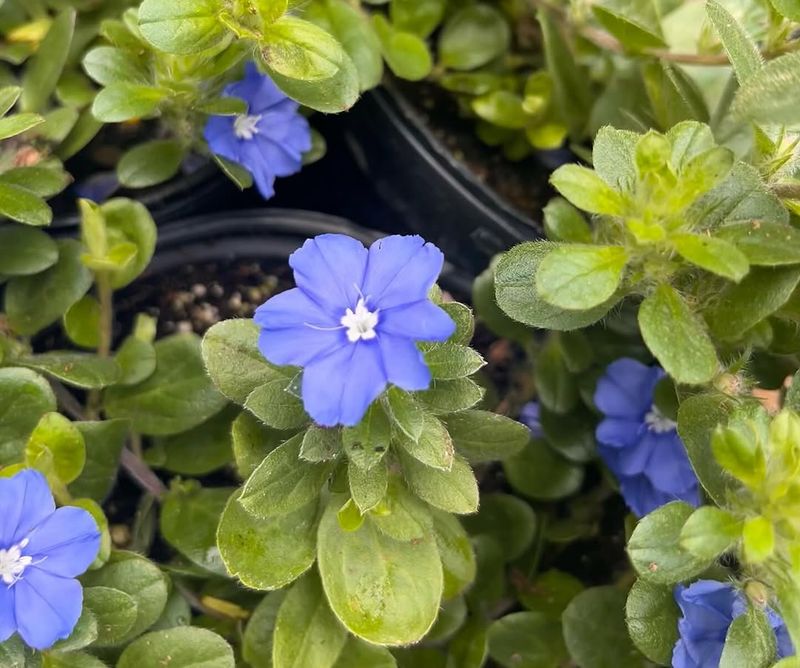
Sky-blue flowers are genuinely rare in Florida’s landscape plant palette, which is part of what makes Blue Daze so worth knowing about. Evolvulus glomeratus is a low-growing, spreading plant that produces small but striking blue blooms almost every single day during warm weather.
The flowers open in the morning and close by evening, but there are always new ones ready to take their place.
As a ground cover or border plant, Blue Daze handles Florida’s heat impressively well. It grows in full sun, tolerates sandy soil, and does not require a complicated care routine.
Compared to the disease management and pruning schedule that roses demand, this plant practically takes care of itself. It stays low and spreading, typically reaching about 12 to 18 inches in height, making it a great option for filling in garden edges or sunny slopes.
A light trim every few weeks keeps Blue Daze looking tidy and encourages fresh branching and more blooms. It does appreciate regular watering during dry periods, though it handles brief dry spells without too much stress.
Blue Daze performs well across Central and South Florida and is widely recommended by Florida-Friendly Landscaping programs as a reliable, heat-tolerant flowering ground cover with real visual appeal.
7. Coreopsis Brings Native Color With Very Little Maintenance
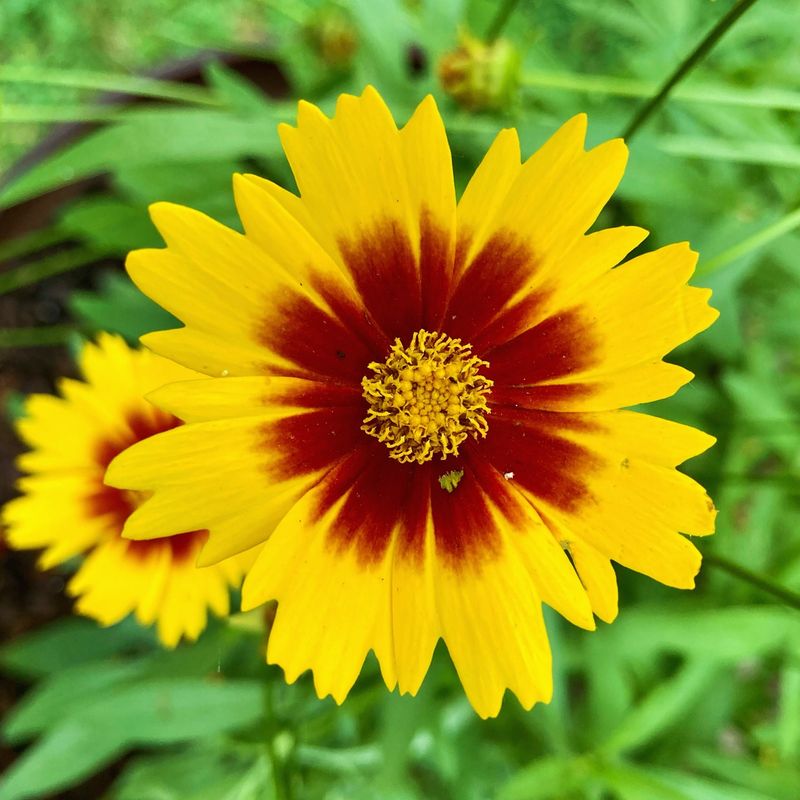
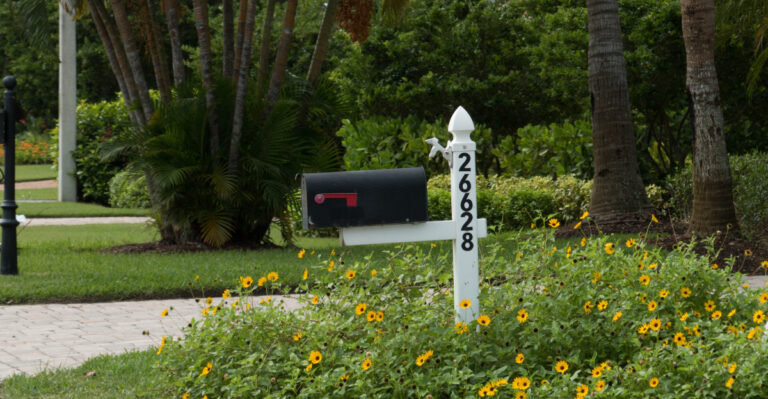
Florida’s state wildflower earns its title without much argument. Coreopsis leavenworthii, the tickseed native to Florida, blankets roadsides, meadows, and home gardens with cheerful golden-yellow blooms that feel like sunshine brought down to ground level.
It is one of those plants that looks like it requires a lot of effort but actually asks for almost nothing in return.
As a Florida native, tickseed is fully adapted to the state’s sandy soils, seasonal rainfall patterns, and summer heat. It does not need fertilizer, rarely needs supplemental irrigation once established, and has no significant pest or disease problems to manage.
That is a dramatic contrast to roses, which need regular feeding, disease monitoring, and often chemical intervention just to stay healthy through a Florida summer.
Coreopsis grows well across all of Florida and naturally reseeds itself from season to season, so a small planting can spread into a cheerful mass of color over time. It performs best in full sun with good drainage.
According to University of Florida IFAS Extension, native coreopsis species are among the most low-maintenance flowering plants available to Florida gardeners. Leaving spent flower heads on the plant encourages reseeding and provides small seeds that birds enjoy during cooler months.
8. Salvia Blooms Long And Handles Florida Heat With Ease
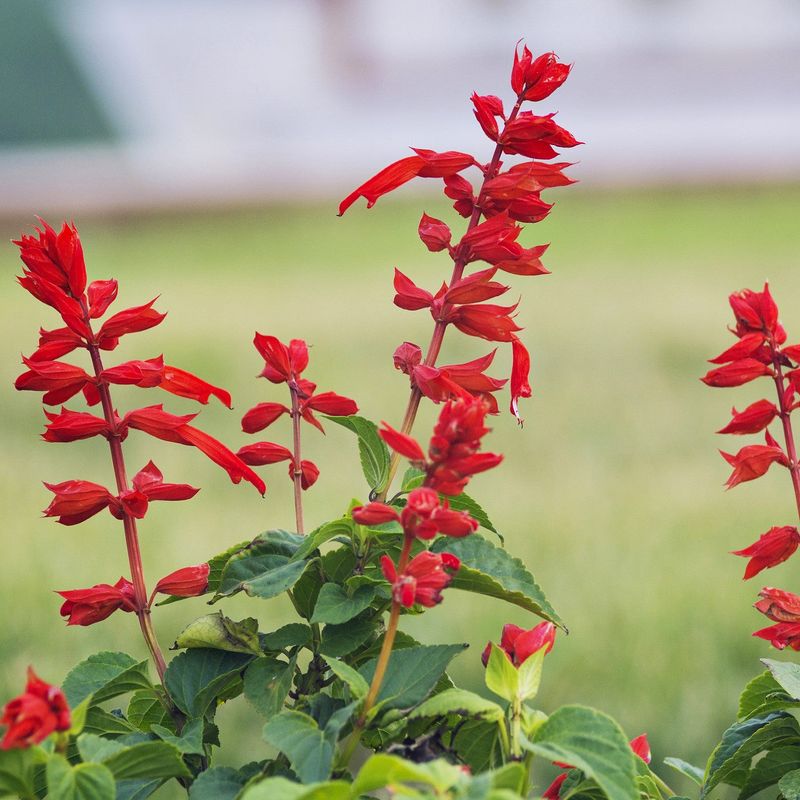
Long bloom seasons are a big deal in Florida gardening, and salvia delivers them reliably. Whether you choose Salvia coccinea, the red tropical sage native to Florida, or Salvia farinacea, the blue mealy sage, both species produce tall spikes of flowers that attract butterflies, bees, and hummingbirds from spring well into fall.
Some varieties bloom nearly year-round in warmer parts of the state.
What makes salvia such a practical choice over roses is its adaptability. It handles sandy soil, tolerates heat without wilting, and does not require the kind of disease management that roses need to survive Florida’s humid summers.
Salvia coccinea even naturalizes in Florida landscapes, meaning it reseeds on its own and returns season after season with minimal effort from the gardener.
Both species are widely adaptable across Florida. Salvia coccinea is particularly well-suited to the state since it is considered a Florida native.
Salvia farinacea handles the heat well across the state and adds cool blue-purple color to garden beds and mixed borders. Full sun and well-drained soil are the main requirements.
University of Florida IFAS Extension recognizes several salvia species as excellent Florida-Friendly plants for their pollinator value and low-maintenance nature in warm climates.
9. Mandevilla Climbs And Blooms Through Florida’s Heat
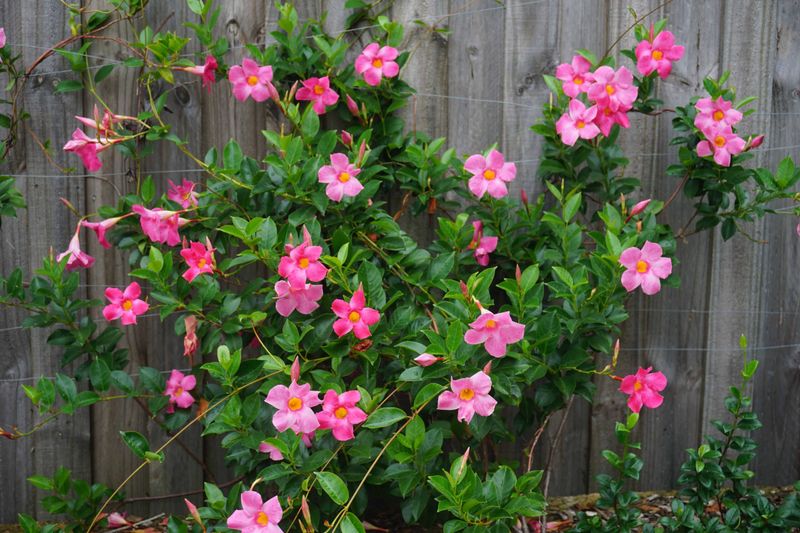
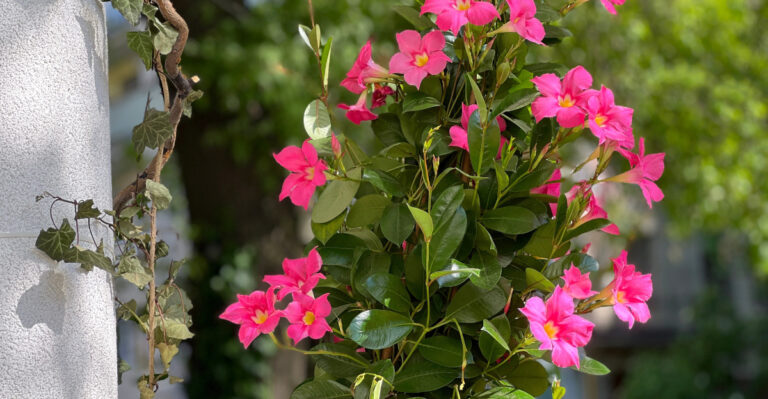
If you have a fence, trellis, or mailbox post that needs some serious color, mandevilla is the kind of plant that makes people slow their cars down to take a second look. Mandevilla spp. produces large, trumpet-shaped flowers in shades of pink, red, and white, and it keeps blooming through Florida’s hottest months without skipping a beat.
Roses can struggle with the combination of heat and humidity that defines Florida summers, but mandevilla actually leans into those conditions. It loves full sun, thrives in warm temperatures, and grows vigorously during the long warm season.
In South and Central Florida, it can be treated as a perennial vine that returns and grows larger each year. In North Florida, cold temperatures in winter may cause it to wither, and it is sometimes grown as an annual or overwintered in a container.
Consistent moisture and a trellis or support structure to climb are the main things mandevilla needs to perform well. It is not considered drought-tolerant, so regular watering during dry stretches is important.
Compared to roses, mandevilla faces far fewer fungal issues in Florida’s humidity, especially when given good air circulation. A balanced slow-release fertilizer applied during the growing season encourages steady blooming and healthy vine growth throughout summer and fall.
10. Gaura Adds Airy Blooms That Thrive In Heat And Humidity
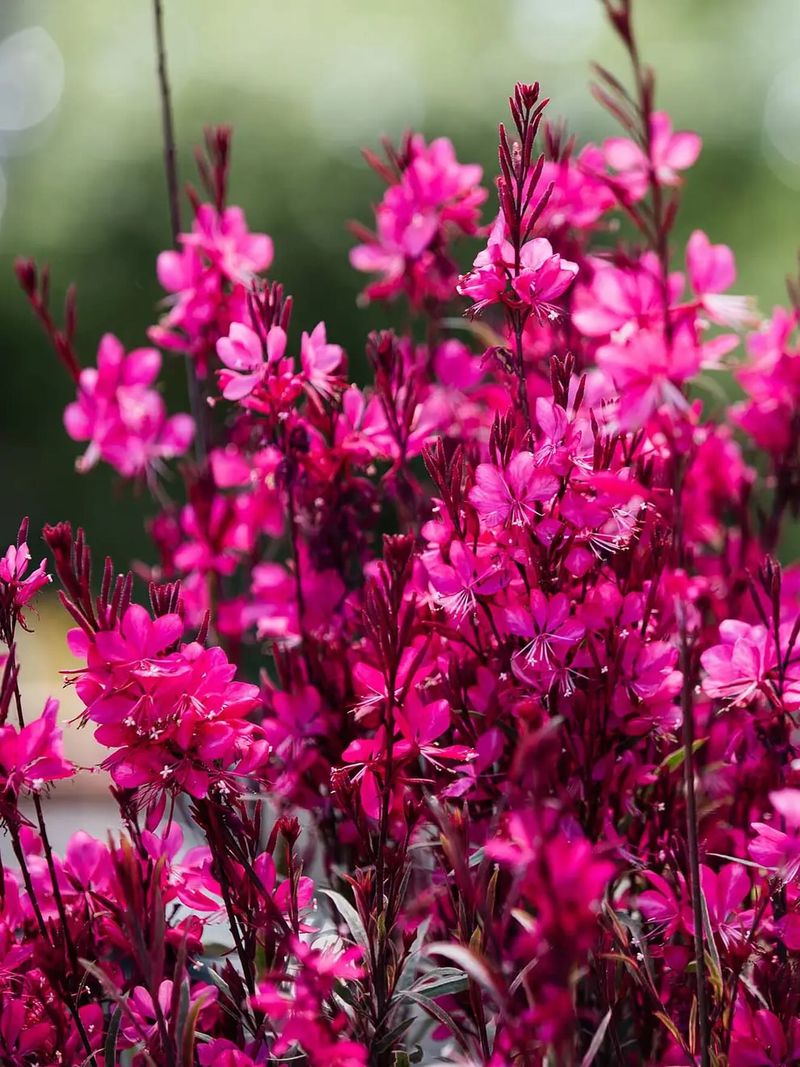
Not every Florida garden needs bold and dramatic. Sometimes the right plant is one that adds movement, lightness, and a soft kind of beauty that makes a garden feel alive even on a still day.
Oenothera lindheimeri, commonly known as gaura or wand flower, does exactly that with its delicate white and pink blooms that flutter on long, wiry stems like small butterflies caught in a breeze.
Gaura handles Florida heat surprisingly well for a plant with such a delicate appearance. It is tolerant of drought once established, which makes it a good fit for Florida’s sandy, fast-draining soils.
The key to success with gaura in Florida is making sure it is planted in well-drained ground. It does not tolerate soggy conditions, so areas with heavy clay or poor drainage can be problematic, particularly during the rainy season.
In terms of maintenance, gaura is far less demanding than roses. No fungicide sprays, no complicated pruning schedules, and no constant monitoring for disease.
It performs best in full sun and benefits from occasional deadheading to encourage continued blooming. Gaura tends to do better in North and Central Florida than in South Florida, where extreme heat and humidity can shorten its season.
It pairs beautifully with other native and Florida-adapted plants in mixed perennial borders.