Why Some California Plants Bloom Twice In One Season
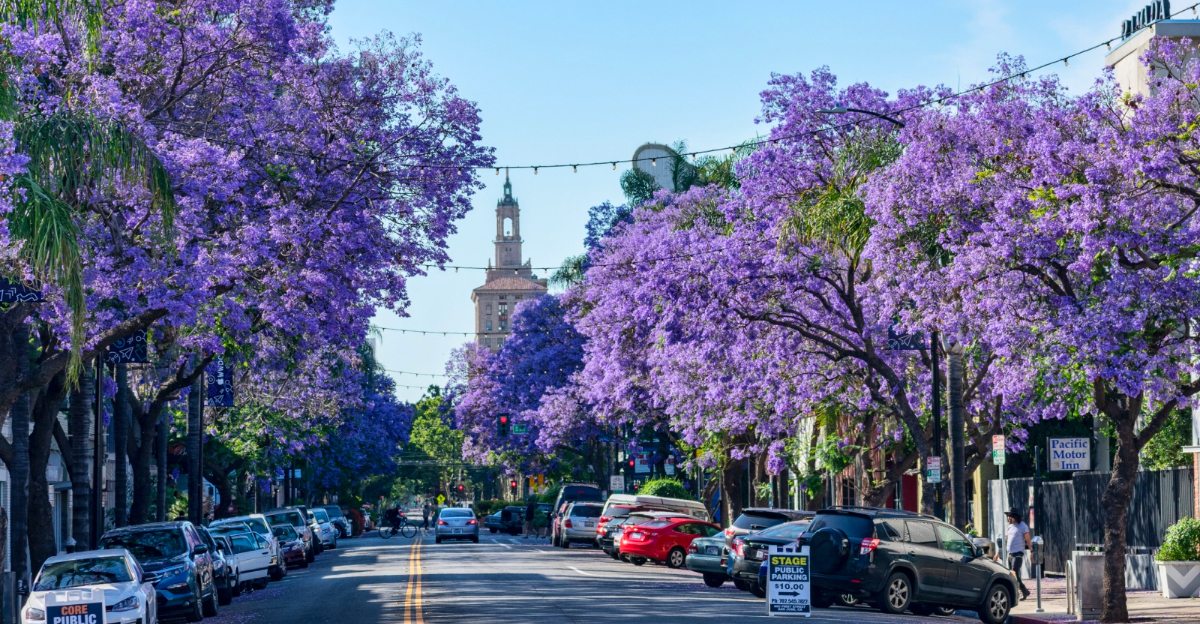
Late summer in California can bring an unexpected surprise. Just when many gardens start to fade, certain plants begin blooming again as if spring returned for a second round.
That second flush often catches gardeners off guard, especially when those same plants flowered months earlier.
California’s mix of mild winters, warm spring growth, and long dry summers creates shifting conditions that some plants respond to with another cycle of blooms.
Changes in temperature, moisture, and day length all play a role.
Once you understand what drives this pattern, it becomes easier to plan for longer-lasting color and make better use of your growing season.
1. Mediterranean Climate With Extended Growing Windows
California’s Mediterranean climate is one of the most plant-friendly environments on the planet, and its extended growing season plays a big role in why some plants manage to flower twice.
Unlike regions that experience hard freezes or short summers, much of California stays warm enough for plants to remain active well into fall.
That longer active window gives certain plants enough time and energy to complete one bloom cycle and then gear up for another.
In coastal regions like the Bay Area or San Diego, temperatures rarely dip low enough to force plants into full dormancy early in the season.
This means the biological clock that triggers flowering can reset more easily than it would in colder climates.
Plants that might bloom only once in a New England garden can squeeze in a second round of flowers in California’s more forgiving conditions.
The dry season, which typically runs from late spring through early fall, also plays a surprising role.
When plants experience mild stress during the dry period and then receive water again, they often respond by pushing out new growth and flower buds.
Gardeners in inland California valleys, where summer heat is intense, sometimes notice this rebound bloom happening in September or October after temperatures cool slightly.
The climate essentially gives plants multiple opportunities to reproduce, which is exactly what flowering is all about.
2. Summer Or Late Season Irrigation Encourages New Growth
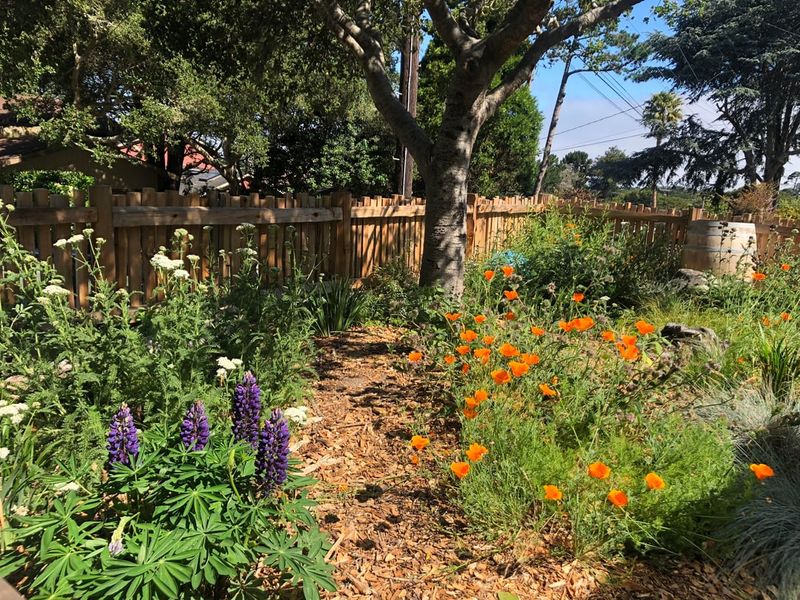
Walk through almost any California neighborhood in August, and you will likely see sprinklers running early in the morning to keep ornamental plants alive through the dry season.
That routine irrigation does more than just prevent plants from wilting.
For many species, a consistent supply of summer water acts as a biological signal that conditions are favorable for a new round of growth and flowering.
Plants evolved to bloom when moisture is available because that is when pollinators are active and seeds have the best chance of surviving.
In California’s natural landscape, the rainy season runs from roughly November through April, which is why many native plants bloom in spring.
When gardeners water during summer, they are essentially mimicking rainy season conditions, which can fool certain plants into thinking it is time to bloom again.
The key is consistency. Irregular watering that swings between drought stress and flooding tends to confuse plants and can lead to poor bloom quality.
Your California Garden Changes Every Week. Your Plan Should Too.
Gardening in California changes quickly throughout the season. Every Friday you’ll receive a simple weekly plan showing exactly what to plant, prune, fertilize, harvest, and protect so you never miss the right timing.
A steady, moderate irrigation schedule that keeps soil evenly moist without waterlogging encourages strong root activity, which supports healthy flower production.
Drip irrigation systems, which are popular across California for water conservation reasons, tend to work especially well for encouraging repeat blooms because they deliver water directly to the root zone in a slow, steady way that mimics natural rainfall patterns.
3. Light Pruning Or Removing Spent Blooms After The First Bloom
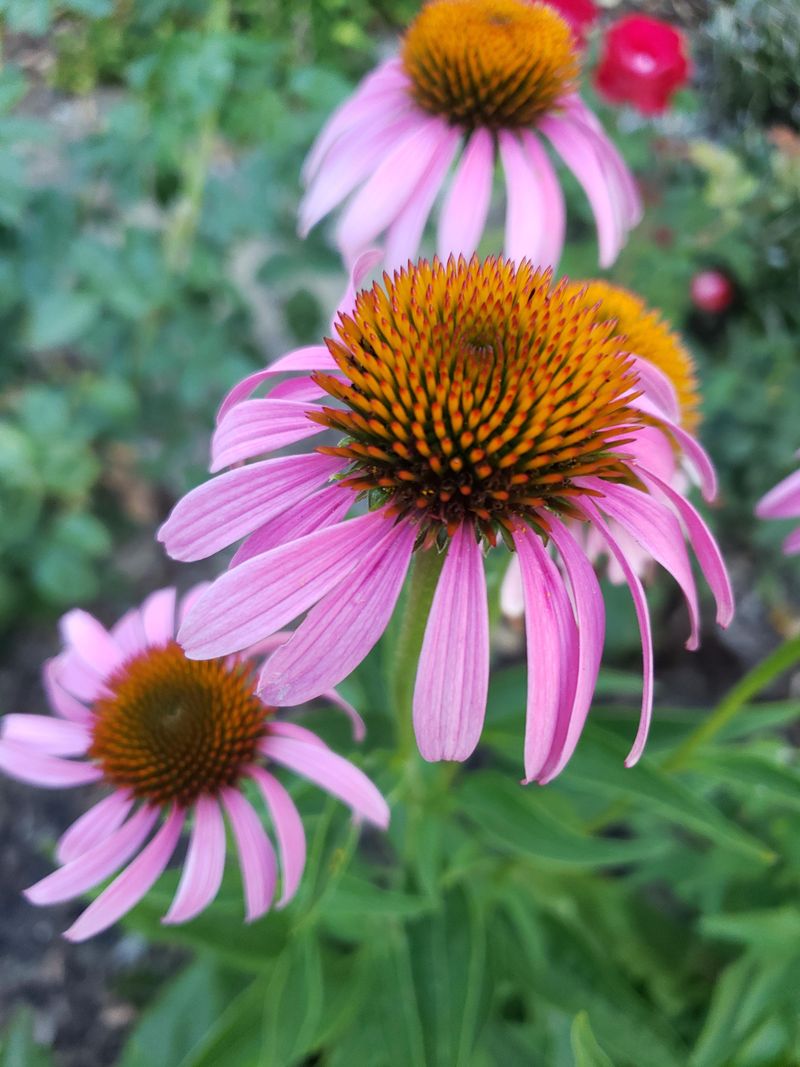
Spent flowers left on a plant are a signal to the plant that its job is done. Once a flower sets seed, the plant shifts its energy toward maturing that seed rather than producing more blooms.
Removing those spent flowers before seeds form interrupts that signal and essentially tricks the plant into trying again.
Across California, gardeners who regularly remove spent blooms from plants like salvia, yarrow, and coneflower often see longer bloom periods and even a second flush of flowers in late summer or fall.
The process is simple and doesn’t require special tools or expertise.
Pinching off faded blooms with your fingers or snipping them back with clean pruning shears a few inches below the flower head is usually enough to encourage new bud formation within a few weeks.
Light pruning goes a step further than simply removing spent blooms.
Cutting the entire plant back by about one-third after the first bloom cycle removes faded flowers and tired stems, encouraging fresh, vigorous growth from the base.
Plants like lavender and salvia respond especially well to this approach in California’s climate. Timing matters, though.
Pruning too late in fall may not leave enough warm weather for a second bloom to develop fully before cooler temperatures arrive.
4. Temperature Swings And Coastal Influence
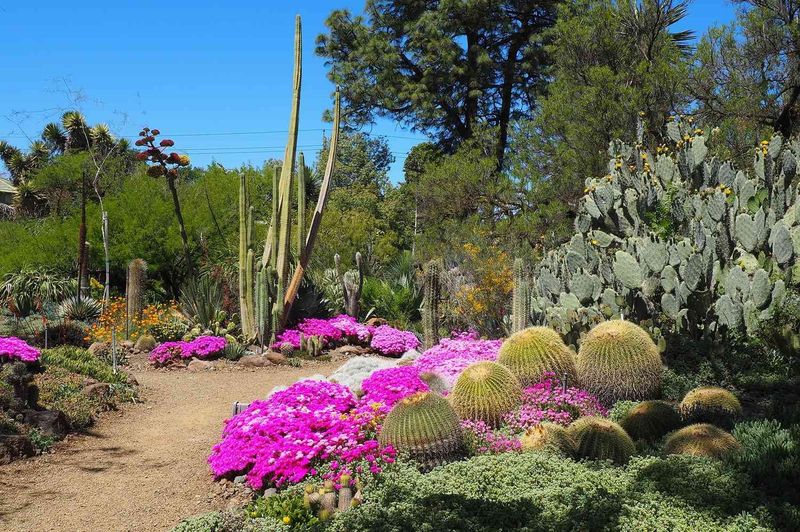
California’s geography creates some of the most dramatic temperature contrasts found anywhere in North America.
On a single August day, coastal communities like Santa Barbara or Half Moon Bay might sit at a comfortable 65 degrees while inland areas like Fresno or Sacramento push past 100 degrees.
Those differences shape how and when plants bloom in ways that are not always obvious at first glance.
Along the coast, the marine layer keeps temperatures mild and relatively consistent throughout the year. Plants in these zones experience less extreme heat stress during summer, which means they maintain more steady metabolic activity.
That consistent energy output makes it easier for coastal plants to rebloom after their first flowering cycle because they never fully shut down the way plants in hotter inland areas sometimes do during peak summer heat.
Inland plants follow a different pattern. Intense summer heat can push some species into a brief semi-dormant state where they stop blooming and focus on survival.
When temperatures drop in late August or September, those plants often wake back up and push out a second wave of flowers.
This fall rebound bloom is a familiar sight to gardeners in the Central Valley and foothill communities.
Coastal and inland California gardens can both experience double blooming, but the timing and triggers tend to differ based on how much the local temperature swings throughout the season.
5. Plants With Natural Reblooming Traits
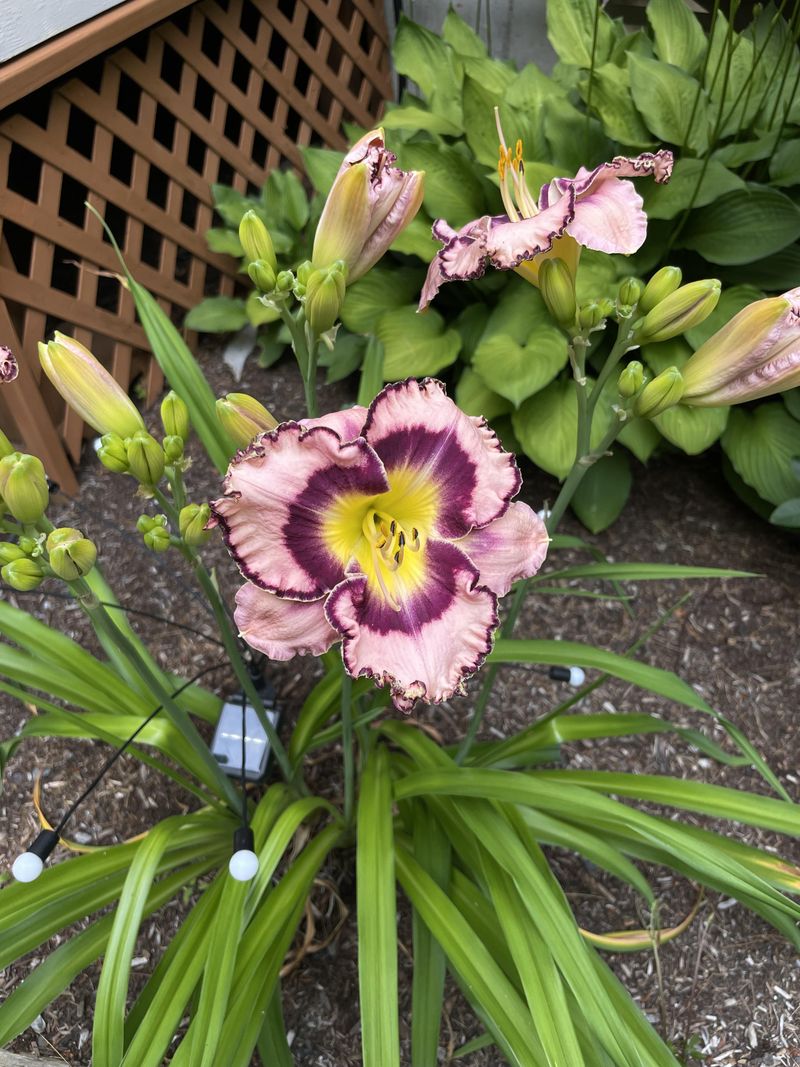
Not every plant that blooms twice in California is responding to environmental cues. Some species and cultivars are simply built that way.
Plant breeders have spent decades selecting and developing varieties that naturally produce more than one flush of flowers per season, and many of those selections thrive particularly well in California’s mild climate.
Reblooming daylilies are a well-known example. While traditional daylily varieties bloom once in early summer, reblooming types like the Stella de Oro produce flowers in spring, take a brief rest, and then flower again in late summer or fall.
Certain iris cultivars follow a similar pattern, sending up a second set of bloom stalks in September or October after their main spring show. Yarrow, which grows vigorously across many California regions, tends to rebloom reliably when cut back after its first flush.
California native plants also include natural rebloomers.
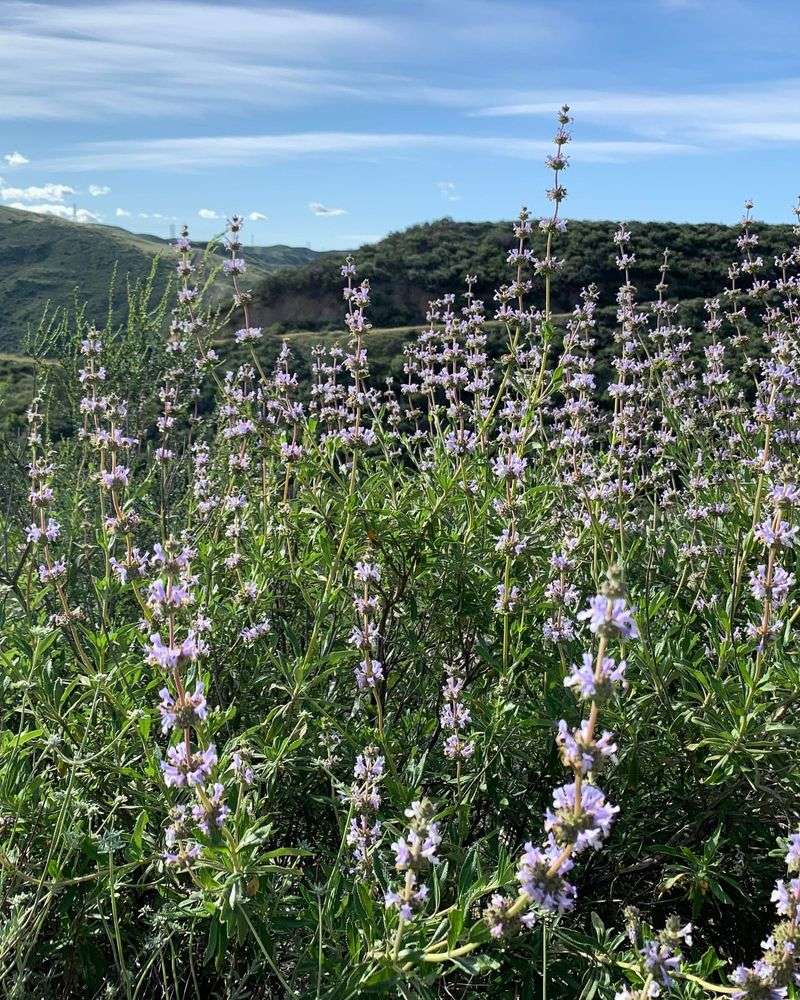
Salvia clevelandii, commonly known as Cleveland sage, and some ceanothus varieties can produce a second round of blooms in response to fall rains or supplemental irrigation.
Selecting plants with documented reblooming habits is one of the most straightforward ways California gardeners can build a landscape that offers color in both spring and fall.
Checking plant labels and researching cultivar descriptions before purchasing can save a lot of guesswork later in the season.
6. Moisture From Late Summer Storms Or Monsoonal Patterns
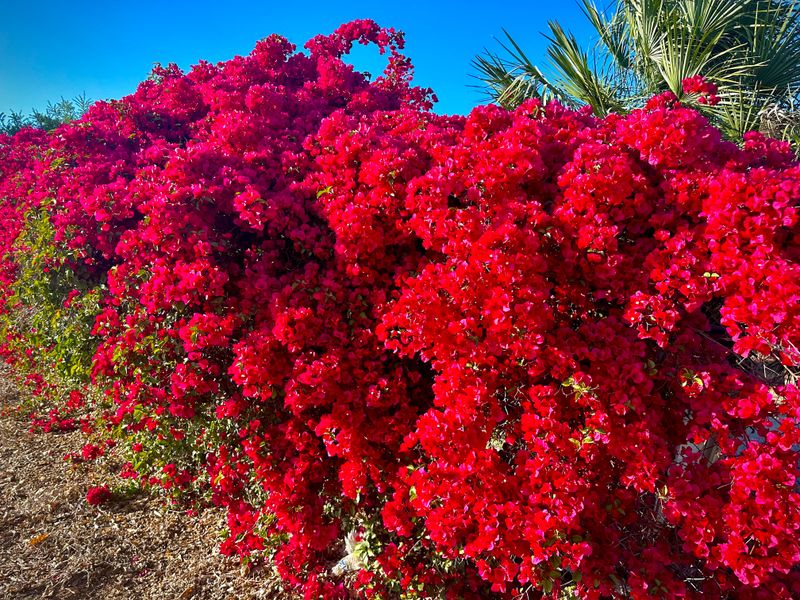
Southern California and parts of the Central Valley occasionally receive moisture from the North American monsoon system, which pushes humid air and afternoon thunderstorms into the region during July and August.
For plants that have been sitting in dry, dormant-like conditions through the summer, even a modest amount of unexpected rainfall can trigger a rapid biological response that includes new growth and flower bud formation.
This moisture signal is similar to what happens when gardeners start irrigating in summer, but it carries an added layer of intensity because natural rainfall also cools temperatures, increases humidity, and delivers small amounts of nutrients that have accumulated in the atmosphere.
Plants seem to respond more vigorously to natural rain than to irrigation alone, possibly because of these combined effects rather than moisture alone.
Gardeners in the Inland Empire, the San Diego backcountry, and parts of the Central Valley sometimes notice a striking rebound bloom in September following a monsoonal storm event.
Plants that looked tired and finished by midsummer suddenly push out fresh leaves and flower buds within a week or two of a good rain.
This pattern is not reliable every year because monsoon moisture reaching California varies significantly from one season to the next.
When it does arrive, though, the effect on garden plants can be dramatic and rewarding, offering an unexpected burst of color just as summer begins to wind down.
7. Microclimates That Shift Bloom Timing
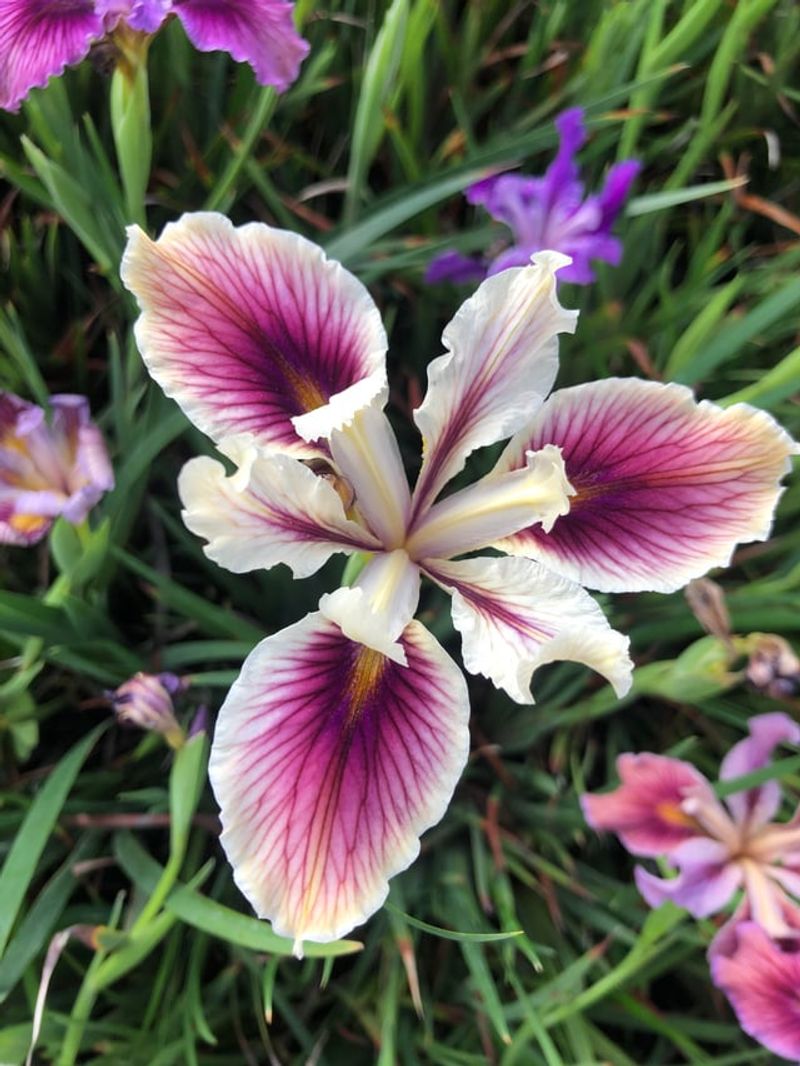
California is famous for its microclimates, and anyone who has gardened across more than one part of the state quickly learns that conditions can change dramatically within just a few miles.
A garden tucked against a south-facing wall in Pasadena behaves very differently from one planted under a coastal redwood canopy in Santa Cruz, even if both locations are technically in the same climate zone.
These microclimatic differences can directly influence bloom timing and the likelihood of a second flowering cycle.
South-facing slopes and walls absorb and reflect more heat, which can push plants to bloom earlier in spring and potentially trigger a second bloom earlier in fall.
North-facing spots stay cooler and shadier, which can delay the first bloom but also protect plants from heat stress, sometimes allowing them to bloom more steadily over a longer period.
Urban heat islands, which are common in dense California cities like Los Angeles and Sacramento, create another type of microclimate where temperatures run consistently warmer than surrounding areas.
Plants growing in these zones may experience accelerated bloom cycles that result in a second flush of flowers before the season ends.
Gardeners who pay attention to the specific conditions of each planting area in their yard, including sun exposure, reflected heat, wind patterns, and soil moisture, can often predict and even encourage double blooming by matching the right plants to the right spots.
8. Soil Health And Nutrient Availability Support Repeat Blooms
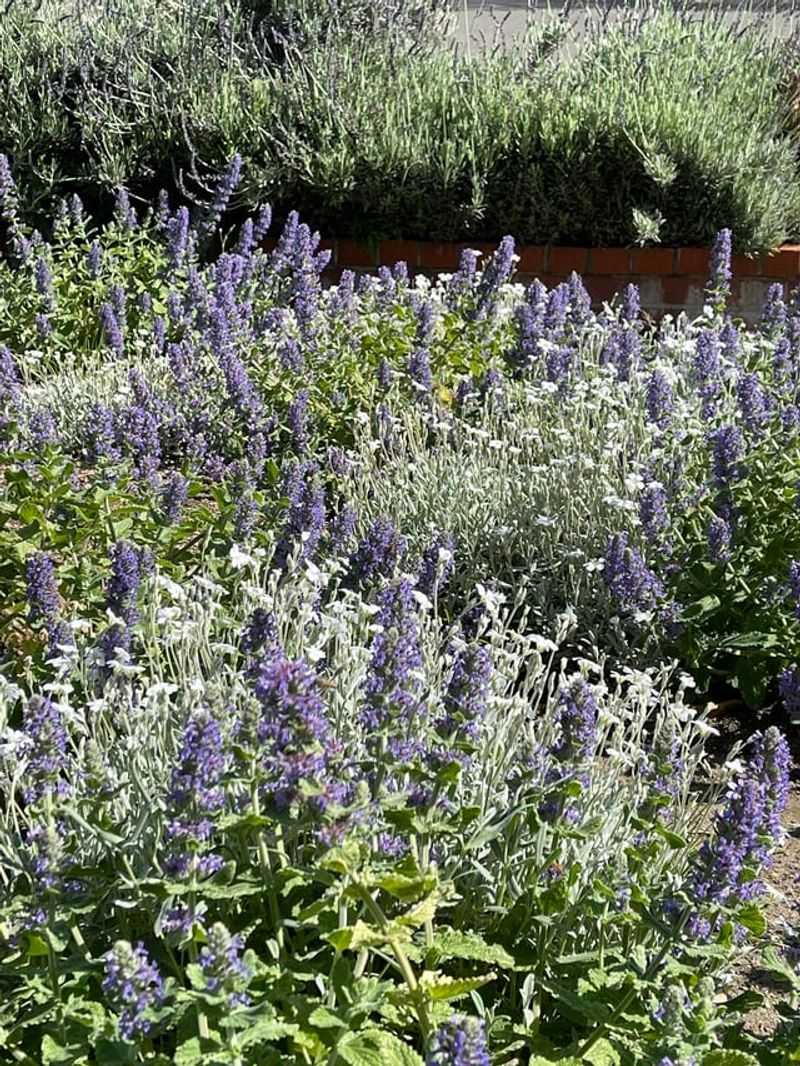
Healthy soil is the foundation of any productive garden, and its role in supporting repeat blooms is often underestimated. Plants that bloom twice in one season are essentially running their energy systems at a higher level than plants that flower only once.
That extra output requires a consistent supply of nutrients, good drainage, and active soil biology to keep roots functioning efficiently throughout the growing season.
Nitrogen encourages leafy growth and supports the development of new flower buds, while phosphorus plays a key role in root development and flower production.
Potassium helps plants manage water stress, which is especially important during California’s long dry season.
When any of these nutrients becomes depleted after the first bloom cycle, plants may struggle to produce a second round of flowers even if all other conditions are favorable.
Adding a layer of compost in late spring or early summer, just as the first bloom cycle winds down, can give plants the nutrient boost they need to recharge for a second flowering push.
Many California gardeners also use a balanced slow-release fertilizer around this time to support sustained growth without triggering excessive leafy growth at the expense of flowers.
Mulching around plant bases helps retain soil moisture and moderates soil temperature, both of which support the steady root activity that makes repeat blooming possible.
Well-fed, well-watered plants in healthy soil simply have more resources available to flower again.