What To Grow In California If You Want A Beautiful Yard Without Constant Watering
Anyone who has tried to keep a California yard looking good through a long dry spell knows how quickly the romance can wear off. A few warm weeks go by, the hose comes out again, and suddenly that dream landscape starts feeling more like a running tab.
Plenty of homeowners still want beauty. They want color near the porch, texture along the walkway, and a yard that looks cared for without turning water bills into a monthly jump scare.
That is exactly why plant choice matters so much in California. The right mix can carry a yard through heat, bright sun, and dry conditions while still looking inviting instead of sparse.
It is less about chasing fussy plants and more about choosing ones that understand the assignment.
Some of the best options bring far more style than people expect. They can change the whole feel of a yard before summer.
1. California Lilac Bursting With Spring Color
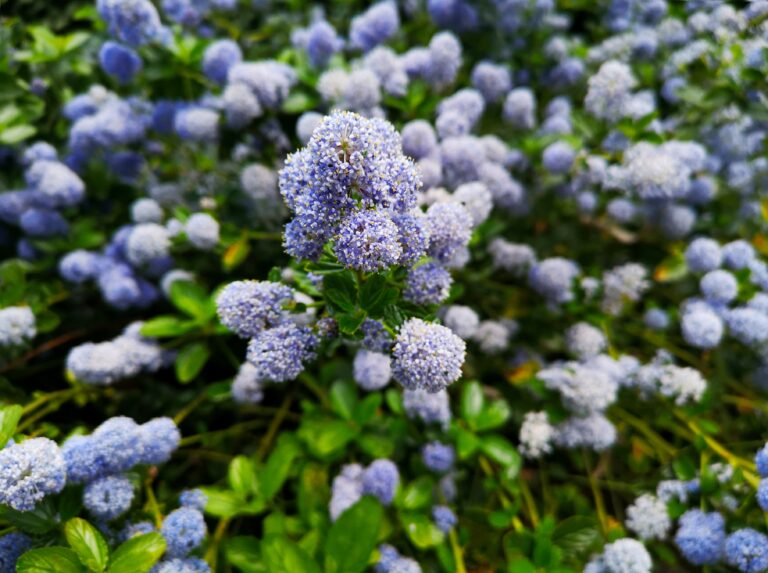
Few plants can stop a passerby in their tracks quite like a California Lilac in full bloom. Known scientifically as Ceanothus, this native shrub bursts into waves of intense blue and purple flowers from late winter through spring, turning any yard into a showstopper before most other plants even wake up for the season.
California Lilac thrives across much of California, from coastal gardens to inland hillsides. It loves full sun and well-drained soil, and once its roots settle in after the first season, it handles dry spells without breaking a sweat.
You can pretty much plant it and let it do its thing.
Beyond looking beautiful, California Lilac is a powerhouse for local wildlife. Bees absolutely love it, and you will often see butterflies and other pollinators buzzing around the blooms.
It grows quickly and can reach anywhere from two to twelve feet tall depending on the variety, making it useful as a hedge, a backdrop plant, or even a standalone focal point in your landscape.
2. Manzanita With Its Striking Sculptural Branches
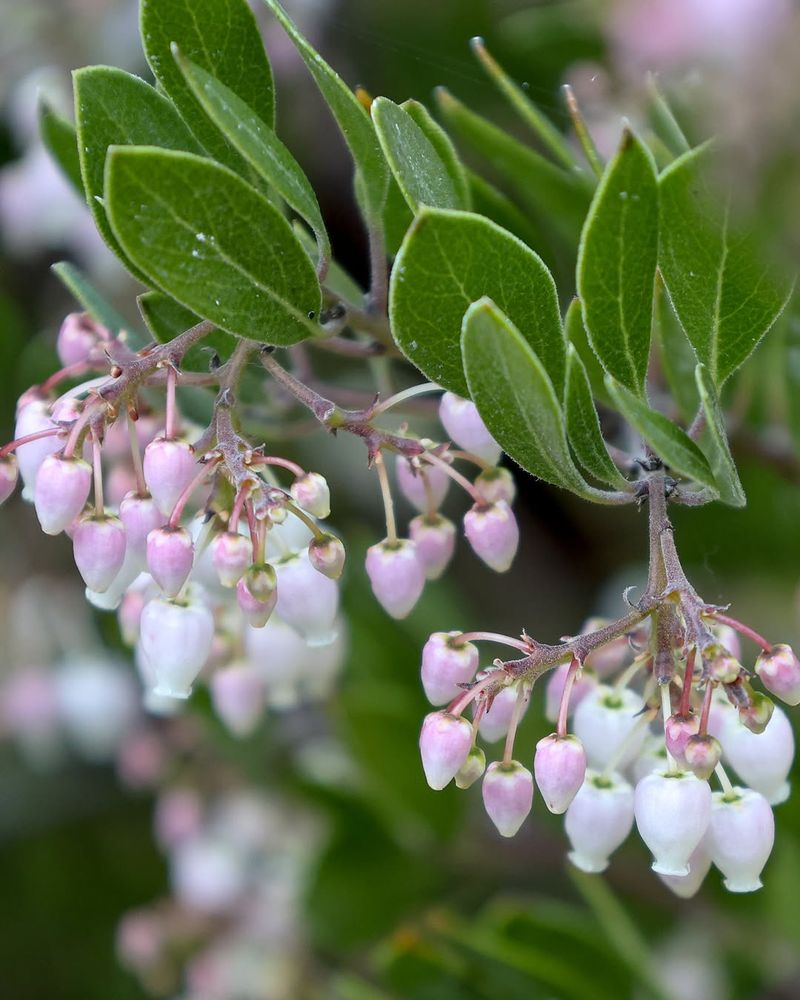
Few plants feel as sculptural as this one. Smooth, reddish-brown bark twists into living art, and in winter, clusters of pink or white bell-shaped flowers appear when most gardens look bare.
It is one of those plants that earns its spot in a California yard in every single season.
Manzanita belongs to the genus Arctostaphylos and is deeply native to California, meaning it evolved specifically to survive the state’s hot, dry conditions. Once established, it needs almost no supplemental watering and actually prefers to be left alone rather than fussed over.
Overwatering is one of the few things that can cause problems with this tough plant.
With hundreds of varieties available, you can find a Manzanita to fit nearly any space. Some stay low and spreading, making excellent ground covers for slopes prone to erosion.
Others grow tall and shrubby, providing privacy and structure. Birds love to nest in the branches, and the small berries that follow the flowers attract wildlife too.
For a truly no-fuss, naturally beautiful California garden, Manzanita is hard to beat.
Your California Garden Changes Every Week. Your Plan Should Too.
Gardening in California changes quickly throughout the season. Every Friday you’ll receive a simple weekly plan showing exactly what to plant, prune, fertilize, harvest, and protect so you never miss the right timing.
3. Sage Tough And Thriving In Dry Heat
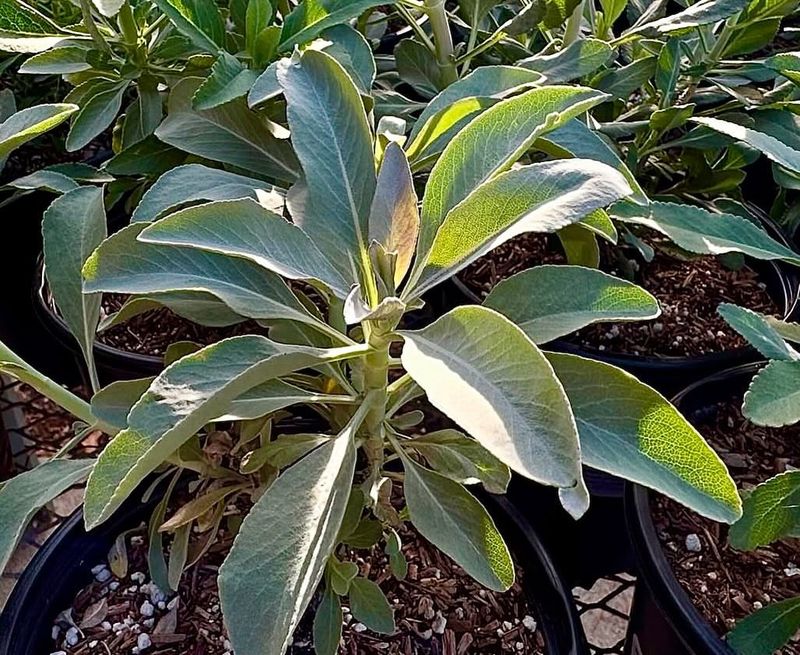
Sage is one of those plants that works overtime in a California garden. It smells incredible, looks beautiful, feeds pollinators, and barely asks for water in return.
Whether you go with native Cleveland Sage, Black Sage, or the popular ornamental Salvia varieties, you are getting a plant that was practically born for California’s dry summers and mild winters.
Most sage plants prefer full sun and fast-draining soil. They are naturally adapted to survive long dry periods, so once they are established, you can cut back on watering significantly.
In fact, giving sage too much water during the summer can cause root rot, so less really is more with this plant. A little neglect goes a long way.
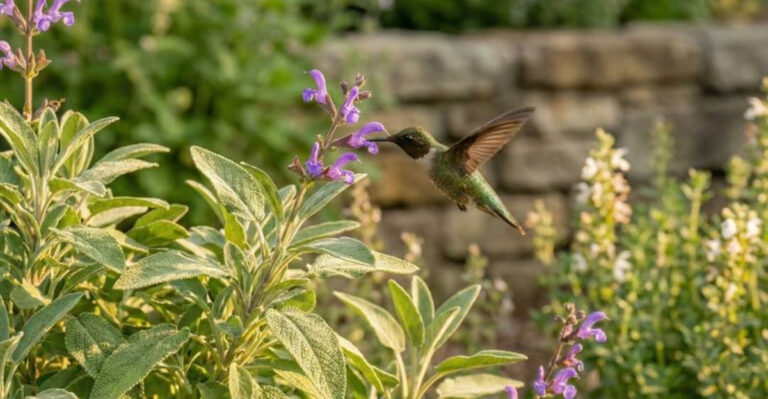
The flowers are where sage really shines. Tall spikes of purple, blue, red, or white blooms rise above the foliage and attract hummingbirds, bees, and butterflies in impressive numbers.
Some varieties bloom in spring, others carry on through fall, giving you months of color and wildlife activity. Sage also works well as a border plant, a low hedge, or a fragrant backdrop for other drought-tolerant plants in your California landscape.
It is a true garden workhorse.
4. Yarrow Blooming Through Long Dry Spells
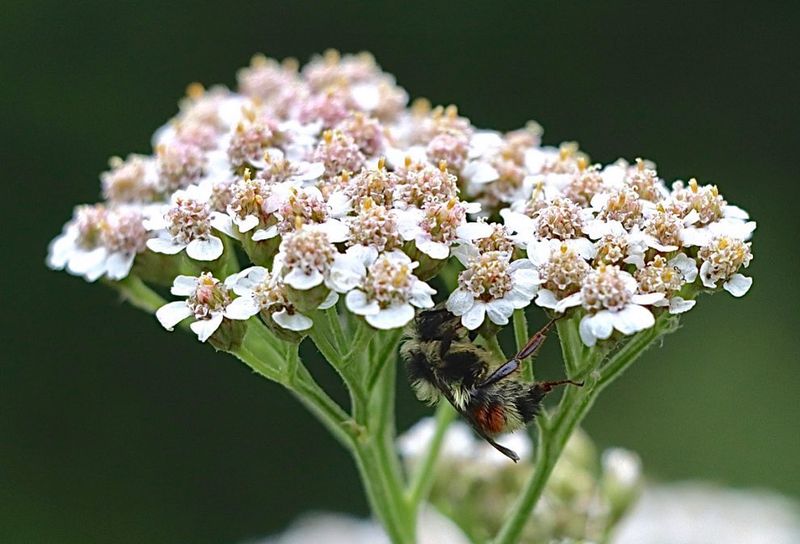
Growing wild across California for centuries, this plant keeps showing up in garden after garden for a very good reason. This tough perennial produces flat-topped clusters of tiny flowers in shades of white, yellow, pink, and red, and it does all of this with minimal water and almost no special care.
If you have ever tried to grow plants in poor or rocky soil, yarrow is your new best friend.
One of the best things about yarrow is how adaptable it is. It tolerates heat, dry conditions, and even light foot traffic along garden edges.
Full sun brings out the best blooms, but it can handle partial shade too. After the first growing season, established yarrow plants are remarkably self-sufficient, spreading gradually to fill gaps in the garden without becoming invasive.
Yarrow is also a magnet for beneficial insects. Ladybugs, lacewings, and predatory wasps are drawn to its flowers, helping to naturally manage pest populations in your yard.
Butterflies and bees visit regularly too. You can cut the flowers and dry them for long-lasting indoor arrangements, which is a bonus most gardeners appreciate.
For anyone in California looking to add easy, reliable color to a dry garden, yarrow delivers season after season.
5. Agave Bold Structure With Almost No Water
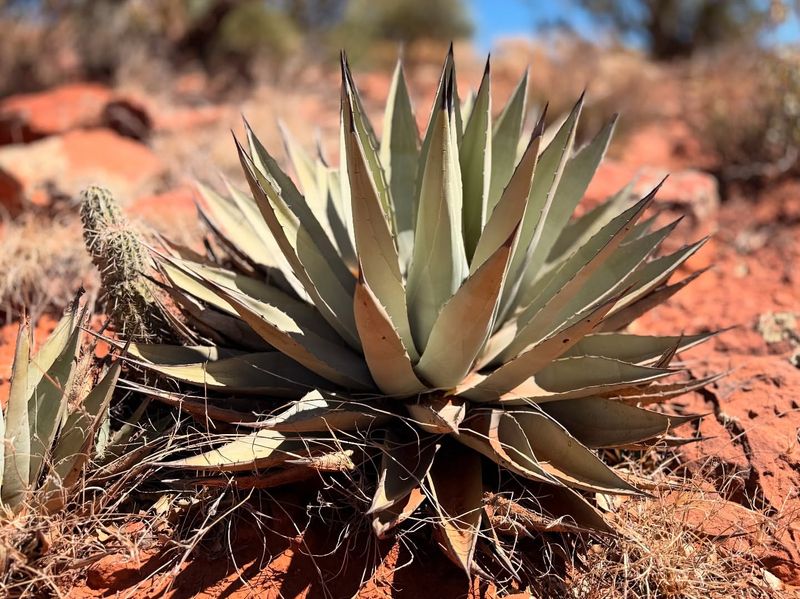
Bold, architectural, and almost completely maintenance-free, agave is the plant that makes a statement without asking for much in return. Its thick, fleshy leaves radiate outward in a perfect rosette shape, and depending on the variety, it can range from a compact tabletop-sized plant to a massive five-foot-wide centerpiece that dominates the landscape.
In California’s warm, dry climate, agave absolutely thrives.
Agave stores water inside its thick leaves, which is how it survives long dry periods without any help from you. Plant it in full sun with well-draining soil or gravel, and you are basically done.
It requires almost no regular watering once established, making it one of the most water-wise choices available for California homeowners who want a striking yard without a high water bill.
There are dozens of agave species and cultivars to explore, from the soft-leaved Agave attenuata that works great near walkways to spikier species that create natural barriers. Some agaves bloom after many years, sending up a dramatic tall flower stalk that can reach twenty feet high before the plant sets seed.
Even without the bloom, agave adds year-round structure, texture, and a bold desert personality that makes any California garden feel intentional and well-designed.
6. Red Hot Poker Adding Fiery Vertical Color
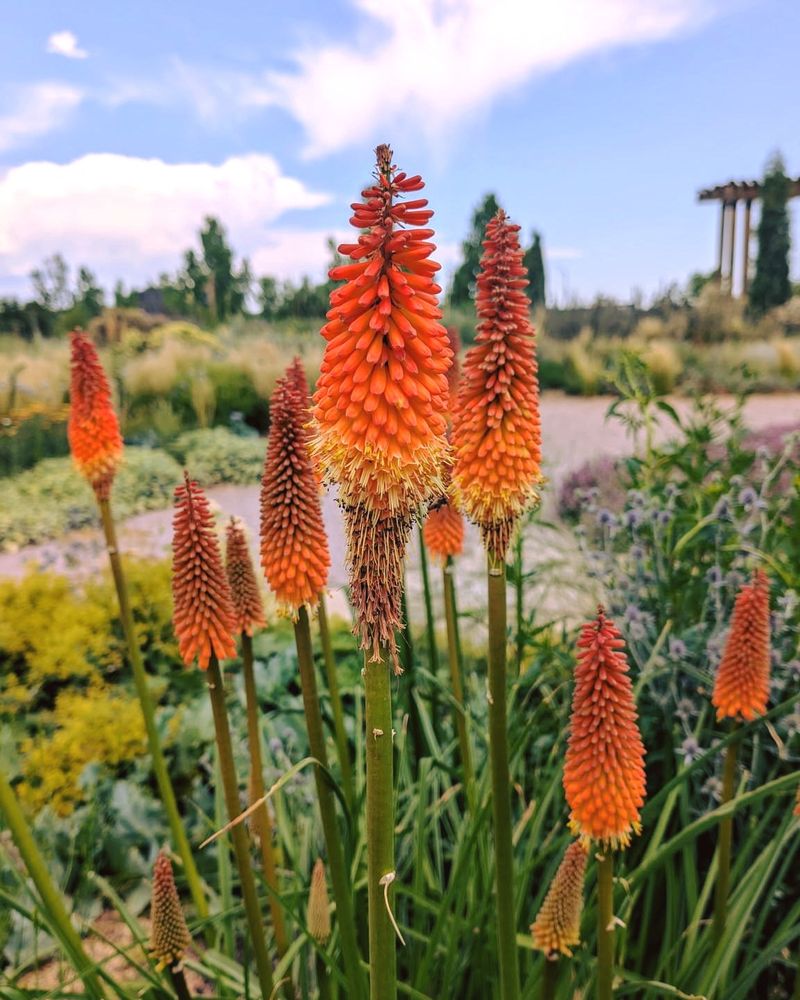
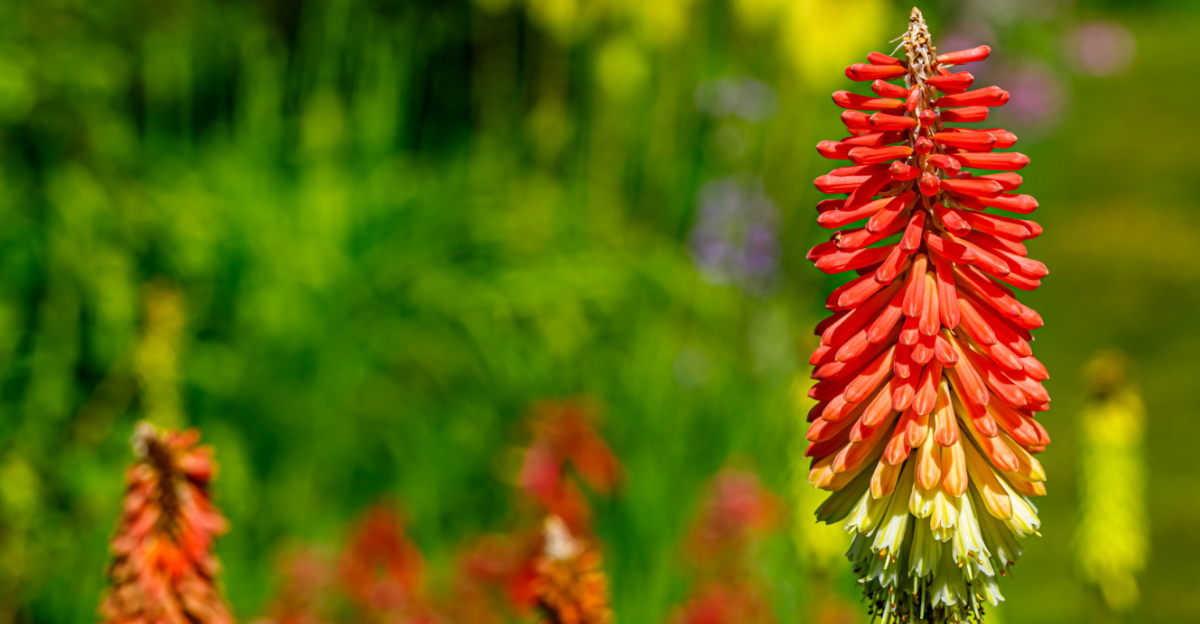
If your California yard needs a jolt of energy, Red Hot Poker is ready to deliver. Also known as Kniphofia, this plant sends up dramatic torch-shaped flower spikes in blazing combinations of red, orange, and yellow that look like something out of a tropical dream.
The blooms typically appear in late spring through summer, right when many other drought-tolerant plants are taking a break from flowering.
Red Hot Poker grows best in full sun and well-drained soil, and it handles California’s dry summers with ease once established. It forms clumping mounds of grass-like foliage that stay attractive even when the plant is not in bloom.
Dividing the clumps every few years keeps the plant vigorous and gives you extra plants to spread around the garden or share with neighbors.
Hummingbirds are absolutely wild about Red Hot Poker. The tubular flowers are perfectly shaped for their long bills, and you can expect regular visits throughout the blooming season if you plant a few clumps.
Beyond the wildlife benefit, the tall flower spikes add vertical interest to flat garden beds and look stunning when planted in groups. For a California garden that needs bold color and easy upkeep, Red Hot Poker is a reliable and exciting choice.
7. Kangaroo Paw Unique Blooms That Stand Out
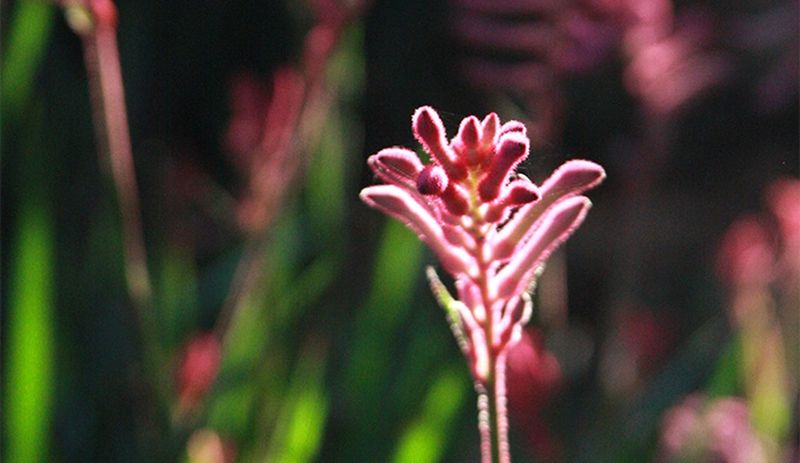
Originally from Australia, Kangaroo Paw found a second home in California and settled in like it had always belonged here. Its name comes from the distinctive shape of its flowers, which look remarkably like a kangaroo’s paw, covered in velvety fuzz and arranged in clusters of red, orange, yellow, or pink.
Few plants bring as much visual interest to a dry garden as this one does.
Kangaroo Paw thrives in California’s Mediterranean-like climate, which closely mirrors its native Australian habitat. It loves full sun and fast-draining soil, and once established, it handles dry spells without any fuss.
Planting it in raised beds or on slopes where water drains quickly helps it perform at its best. Cutting old flower stalks down after blooming encourages fresh growth and more flowers the following season.
Beyond its unique appearance, Kangaroo Paw is a fantastic plant for attracting hummingbirds, which are drawn to its tubular blooms. The flowers also make excellent cut stems for indoor arrangements, lasting a surprisingly long time in a vase.
In Southern California especially, Kangaroo Paw is a popular choice for modern, low-water landscapes because it pairs beautifully with ornamental grasses, agave, and other drought-tolerant plants. It brings an exotic touch without any extra effort.
8. Deer Grass Soft Movement In Every Breeze
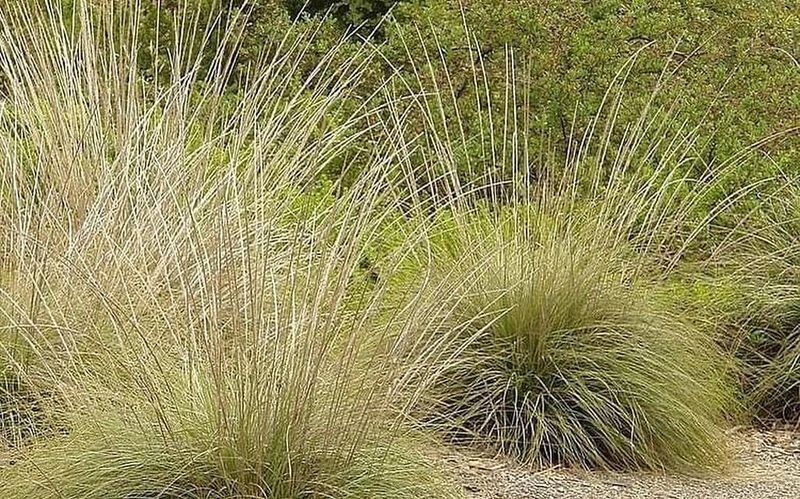
Not every great garden plant has to produce showy flowers to earn its place. Deer Grass, known scientifically as Muhlenbergia rigens, is one of California’s most graceful native grasses, forming dense, arching clumps of fine-textured foliage that sway beautifully in the breeze.
It brings movement, softness, and a natural California feel to any yard without demanding much in return.
Deer Grass is incredibly drought-tolerant once established, which makes it a smart choice for California homeowners trying to reduce outdoor water use. It grows in full sun to partial shade and tolerates a wide range of soil types, including the rocky, clay-heavy soils that are common throughout much of the state.
In fall, it sends up tall, slender seed stalks that add extra height and a delicate, feathery texture to the garden.
Practically speaking, Deer Grass is also very low maintenance. It rarely needs fertilizing, does not require much pruning, and stays attractive year-round.
Cutting it back to a few inches in late winter encourages fresh, tidy growth for the coming season. It works beautifully as a mass planting along slopes or pathways, as a border between garden beds, or as a companion to flowering drought-tolerant plants like sage and yarrow.
It is effortless elegance in plant form.
9. California Poppy Effortless Color All Season
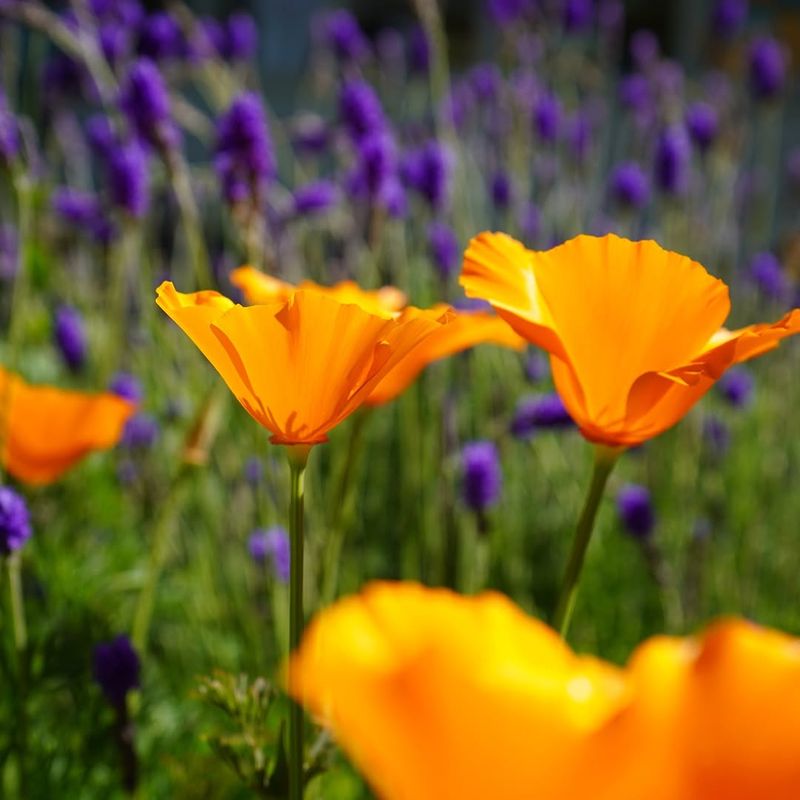
There is a reason the California Poppy is the state flower. Every spring, these cheerful orange blooms carpet hillsides and roadsides across California in waves of warm color that feel almost impossibly vibrant.
Growing them in your own yard brings a little piece of that wild California magic right outside your front door, and the best part is they practically grow themselves.
California Poppies, or Eschscholzia californica, thrive in full sun and poor, well-drained soil. They actually prefer conditions that would stress out most other plants, which is exactly why they are so perfectly suited to California’s dry climate.
Scatter the seeds directly onto bare ground in fall or early spring, water lightly, and then stand back. They germinate quickly and bloom prolifically without any fuss or special treatment.
One of the most useful traits of the California Poppy is that it self-seeds freely. Once you have a patch going, it will come back year after year on its own, naturalizing beautifully and spreading gradually across open areas.
The flowers close at night and on cloudy days, which gives them a playful, living quality that is fun to observe. Mixing California Poppies with other drought-tolerant plants like yarrow and sage creates a wildflower-inspired California garden that looks effortless and feels genuinely alive.
10. Lavender Filling The Garden With Fragrance
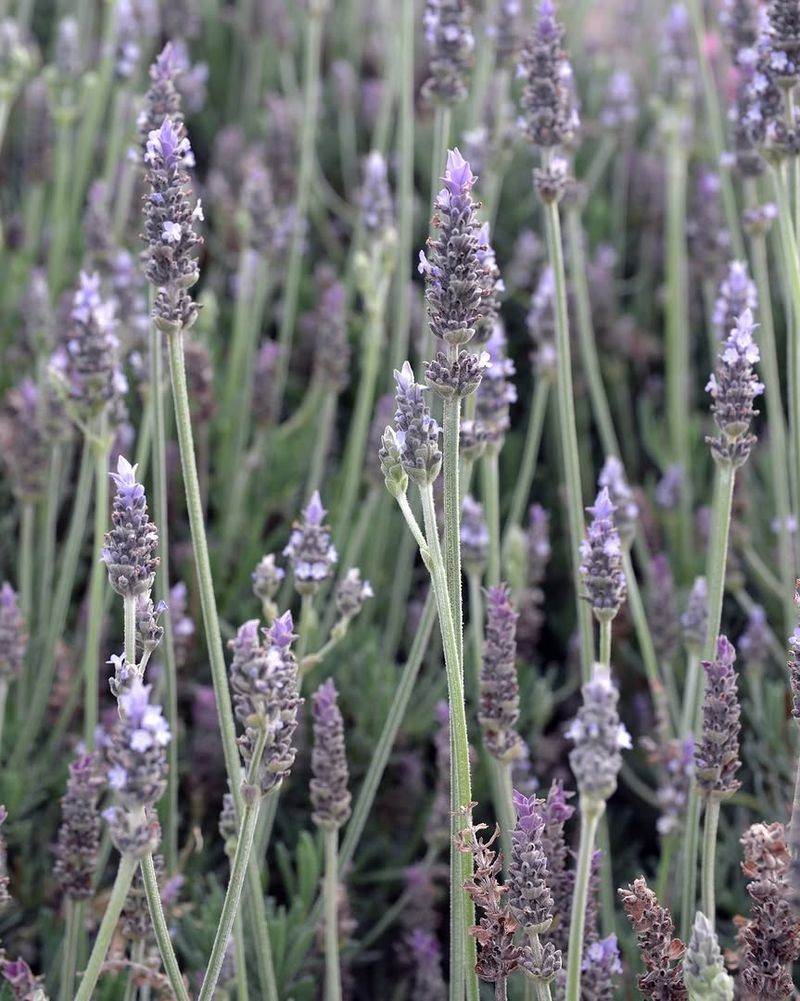
Walk past a lavender plant on a warm California afternoon and the scent alone will make you pause. Lavender is beloved worldwide for its fragrant purple flower spikes and silvery-green foliage, and it turns out it is also one of the most drought-tolerant plants you can put in a California yard.
Once it gets settled in, it practically takes care of itself.
Lavender thrives in full sun and well-drained soil, which makes it a natural fit for California’s climate. It struggles in soggy ground, so raised beds or slopes work especially well.
Watering deeply but infrequently is the key during the first year, and after that, rainfall often does most of the work for you. Pruning it lightly after blooming keeps the plant tidy and encourages more flowers the following season.
Beyond its good looks, lavender is incredibly useful. You can cut the stems and dry them for sachets, use them in cooking, or simply enjoy the fresh fragrance in your garden.
Bees and butterflies flock to the flowers, making your yard a friendlier place for pollinators. With varieties ranging from compact English types to sprawling Spanish lavender, there is a perfect fit for almost any California garden space.