8 Ohio Plants To Prune In April (And 4 To Leave Alone)
April in Ohio feels like a green light, and it is tempting to grab the pruners and start cutting everything in sight. After months of bare branches and slow growth, the garden suddenly wakes up, and every plant seems to be asking for attention.
But this is where many gardeners trip up. One wrong cut at the wrong time can mean fewer blooms, weaker growth, or a season that never quite delivers.
Timing matters more than effort in an Ohio yard. Cool springs, late frosts, and shifting temperatures make pruning decisions a little tricky this time of year.
Some plants respond with fresh, vigorous growth when trimmed in April, while others need to be left alone to protect buds that are already set. Knowing the difference is what separates a garden that thrives from one that struggles.
A few smart choices now can set the tone for a stronger, fuller season ahead.
1. Panicle Hydrangea Blooms Better With A Strong Spring Cut
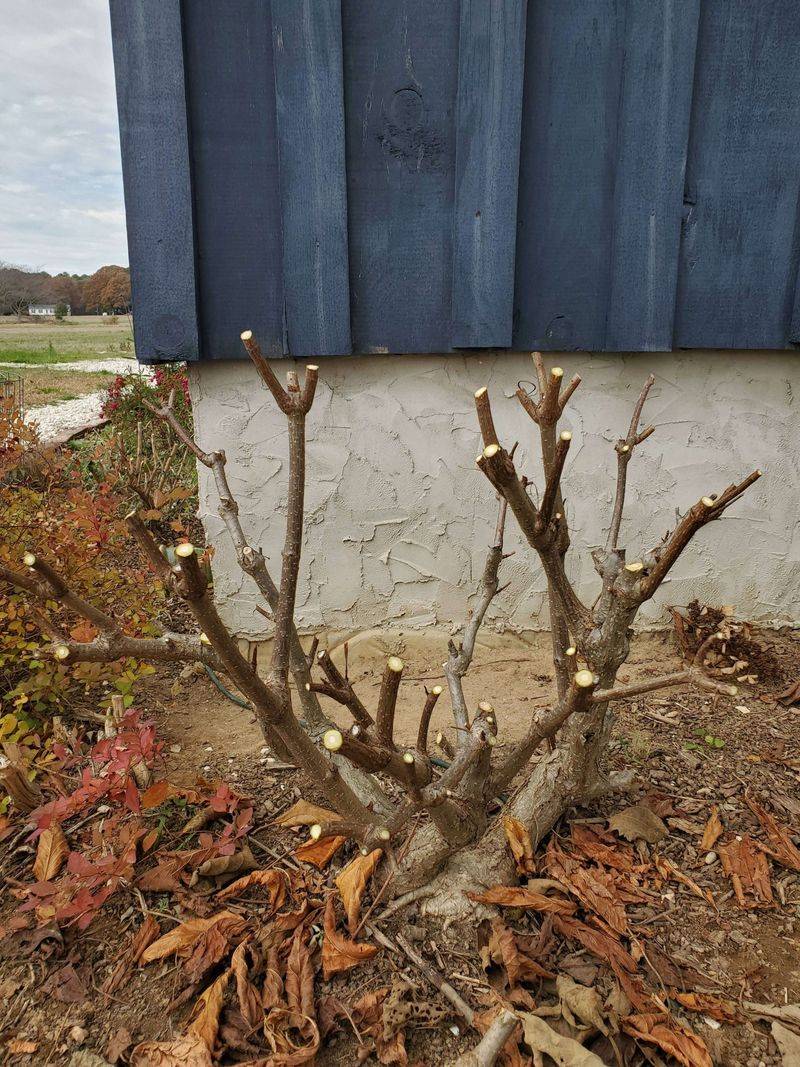
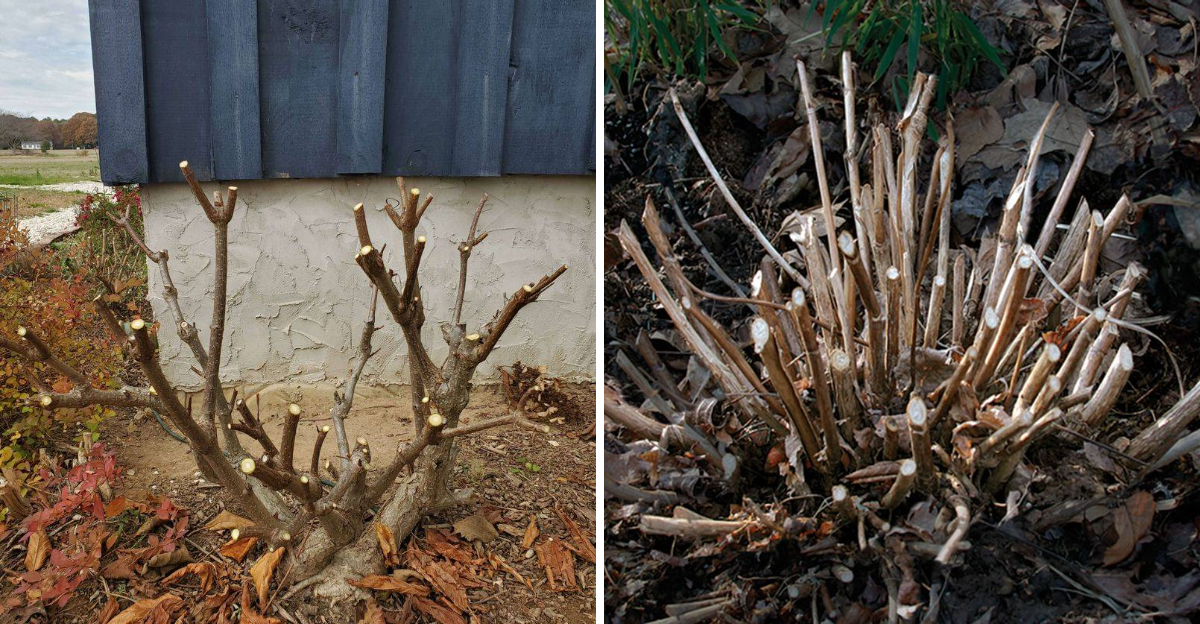
Few shrubs reward a bold haircut quite like the panicle hydrangea. Unlike some of its cousins, this one blooms entirely on new wood grown during the current season, which makes April the perfect window to cut it back hard without any worry about losing flowers.
In Ohio, early to mid-April is generally the sweet spot. Gardeners in northern Ohio near Cleveland or Toledo may want to wait until temperatures are consistently above freezing at night before making cuts.
Southern Ohio, including areas around Cincinnati and Columbus, often sees reliable spring warmth by early April.
For a hard pruning, cut stems back to about one-third of their total height, leaving two to four strong buds per stem. This encourages the plant to push out vigorous new growth and produce larger, showier flower heads by late summer.
Remove any crossing branches, thin or weak stems, and anything that looks weathered from winter.
A practical tip: always use clean, sharp bypass pruners to make smooth cuts just above a healthy bud. Ragged cuts invite disease, especially in Ohio’s damp spring conditions.
Panicle hydrangeas are forgiving plants, so even beginner gardeners can tackle this job with confidence.
2. Smooth Hydrangea Responds Well To Hard Early Pruning
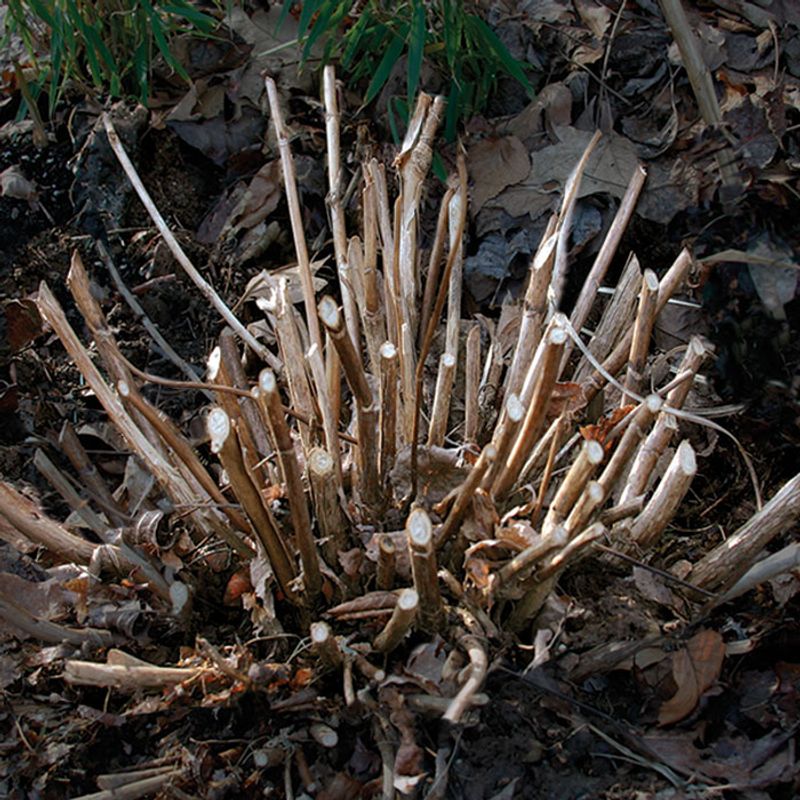
Walk past an unpruned smooth hydrangea in late summer and you will often see heavy flower heads flopped over onto the ground. That floppiness is actually a sign the plant was not cut back hard enough the previous spring.
Smooth hydrangeas, including the popular Annabelle variety, bloom entirely on new wood, making them one of the easiest plants to prune in April.
The standard recommendation from Ohio State University Extension is to cut these shrubs back quite aggressively, often to just six to twelve inches above the ground. Some gardeners prefer to leave a slightly taller framework to help support new growth, which can reduce flopping later in the season.
Both approaches work well depending on your plant’s age and size.
Across most of Ohio, early April works well for this task. In colder zones of the state, such as the northeastern snowbelt region, waiting until mid-April gives the soil a chance to warm up and reduces stress on the plant after cutting.
Your Ohio Garden Changes Every Week. Your Plan Should Too.
Gardening in Ohio changes quickly throughout the season. Every Friday you’ll receive a simple weekly plan showing exactly what to plant, prune, fertilize, harvest, and protect so you never miss the right timing.
Remove all old woody stems and any growth that looks thin or spindly.
One useful tip: after pruning, top-dress the base of the plant with compost. Ohio’s clay-heavy soils benefit from organic matter, and smooth hydrangeas respond well to the added nutrients heading into the growing season.
3. Rose Of Sharon Flowers More After A Late Winter Trim
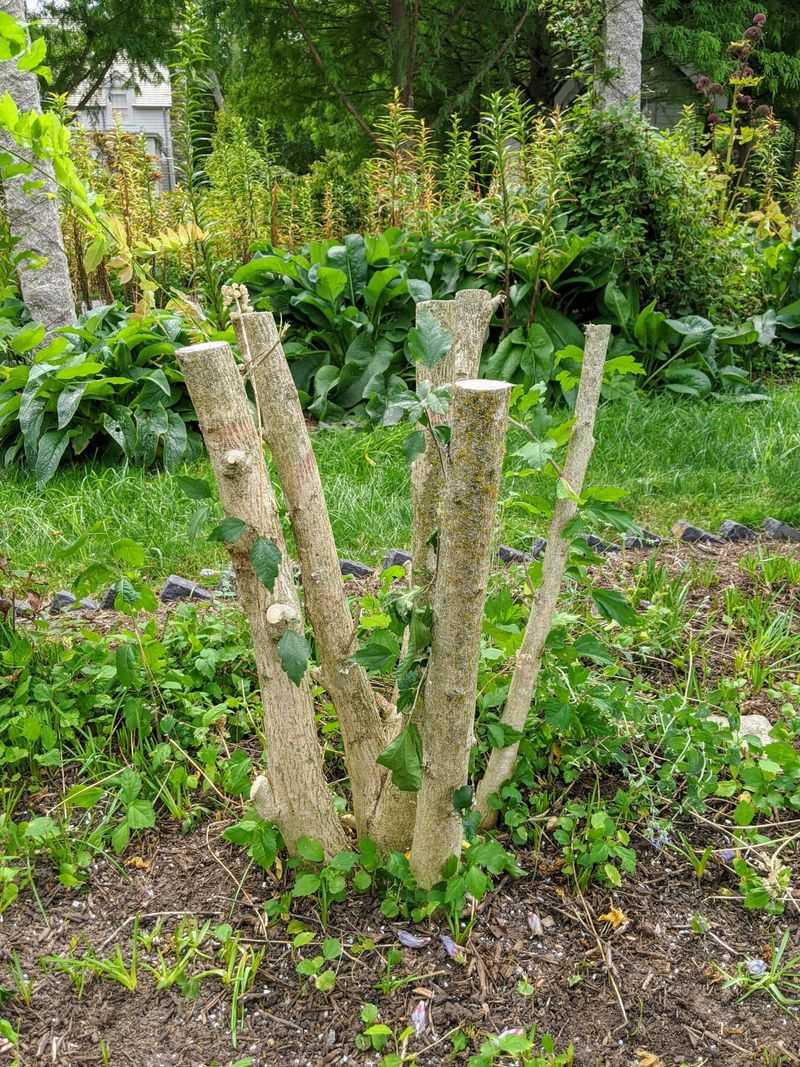
Most gardeners know Rose of Sharon as that reliable late-summer bloomer that seems to thrive even when the rest of the garden is struggling with heat. What fewer people realize is that giving it a solid pruning in April sets it up for a much more impressive flower show come July and August.
Rose of Sharon blooms on new wood, so cutting it back in early spring does not cost you a single flower. In fact, removing weak, crossing, or overcrowded stems encourages the plant to put its energy into fewer but much larger blooms.
Across Ohio, April pruning is safe and well-timed, whether you are in Dayton or Youngstown.
For a moderate pruning, reduce the overall height by about one-third and thin out the interior to improve airflow. If your plant has become very overgrown over the years, a harder cutback is perfectly fine.
Just be sure to leave a handful of strong, healthy stems as the main framework.
One thing to watch for in Ohio: Rose of Sharon self-seeds aggressively. After pruning, keep an eye out for seedlings sprouting in nearby beds and pull them early.
Removing spent flower heads before seeds form is a simple habit that saves a lot of cleanup work later in the season.
4. Butterfly Bush Grows Back Stronger With A Deep Cutback
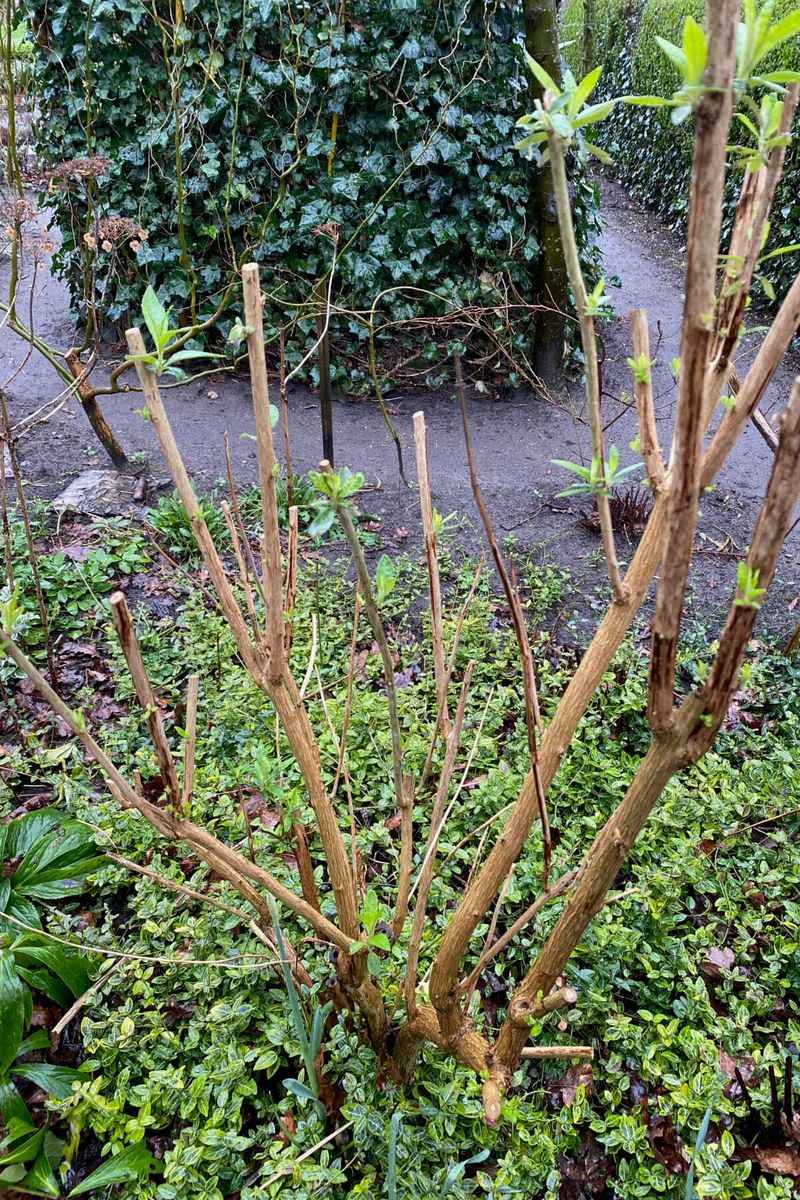
Butterfly bush is one of those plants that looks completely finished by the time Ohio winters are done with it. The stems turn gray and brittle, and the whole shrub can look like it might not come back at all.
That appearance is misleading. Given a hard cutback in April, butterfly bush almost always pushes out strong new growth that outpaces whatever was there before.
Because butterfly bush blooms on new wood produced during the current season, spring pruning is not just safe but actually necessary for the best performance. Cut the stems back to a low woody framework, typically leaving about six to twelve inches of structure above the ground.
In colder parts of Ohio, particularly the northern regions, the plant may have experienced more dieback over winter, so you might end up cutting back even further than planned.
Use loppers or sturdy bypass pruners for this job, as the older stems can be surprisingly thick. Make clean cuts just above a visible bud or side shoot.
After pruning, the plant will begin pushing out new green growth fairly quickly once temperatures stabilize.
Keep in mind that butterfly bush is considered invasive in some Midwest states. Deadheading spent flowers through the season helps prevent unwanted self-seeding in Ohio landscapes.
5. Cold Hardy Crape Myrtle Benefits From Careful Spring Pruning
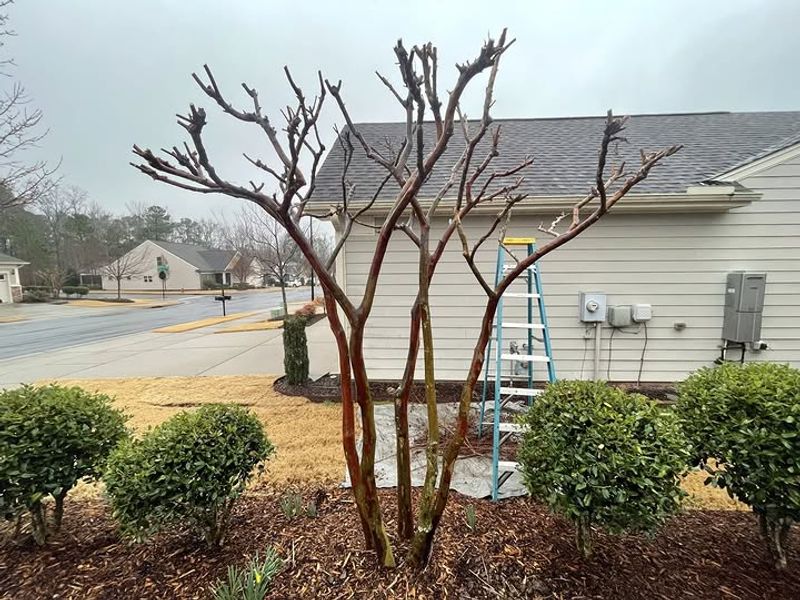
Crape myrtle is not exactly a plant most people associate with Ohio, but cold-hardy varieties have found a home in the southern part of the state. If you are gardening in areas around Cincinnati, Chillicothe, or the Ohio River valley, you may already have one of these shrubs in your yard.
For gardeners in central or northern Ohio, crape myrtle is a much riskier choice and often struggles to survive harsh winters.
In southern Ohio, April is an appropriate time to assess your crape myrtle after winter and do some careful cleanup pruning. The key word here is careful.
Unlike in the Deep South where crape myrtle is pruned aggressively, Ohio plants often experience significant dieback and need a gentler approach. Start by identifying which stems are still alive by scratching the bark lightly with your fingernail.
Green tissue underneath means the stem is healthy.
Remove only the portions that are clearly no longer viable, and avoid heavy structural cuts that remove large amounts of living wood. Light to moderate pruning is the right approach here.
Cutting back too aggressively can leave the plant with very little to work with after an already tough Ohio winter.
Wait until you see signs of new bud activity before making any final decisions about how much to remove.
6. Warm Season Grasses Need A Clean Cut Before New Growth Starts
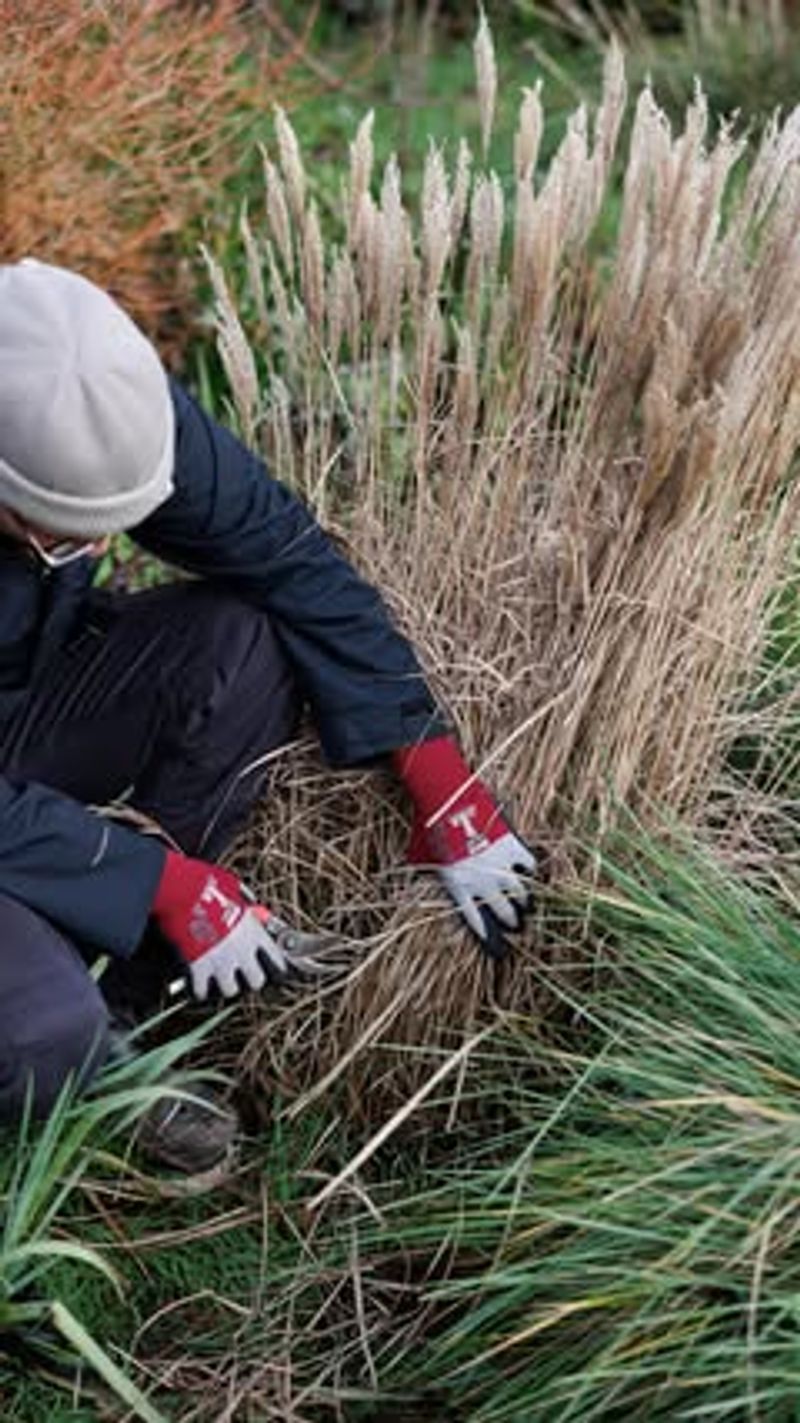
There is a brief but important window in Ohio spring when warm season ornamental grasses need to be cut back, and April is right in the middle of it. Wait too long and you risk cutting into fresh new growth that has already started emerging from the base.
Cut too early in northern Ohio and a late frost could stress the newly exposed crown.
For most warm season grasses like Miscanthus, switchgrass, and big bluestem, the goal is a hard cutback to just three to six inches above the ground. This removes the previous year’s dried foliage and makes room for the fresh green growth that will emerge over the coming weeks.
The old stems can be bundled and cut with hedge shears or even a reciprocating saw for very large clumps.
Timing varies a bit across Ohio. Southern Ohio gardeners can often get this done in early April, while those in the northern snowbelt may want to watch for soil temperatures to creep up before cutting.
A good rule of thumb is to look for any signs of new green shoots at the base of the clump.
Tie the old foliage together with twine before cutting to make cleanup much easier. This simple trick saves a lot of raking time and keeps the garden looking tidy throughout the process.
7. Roses Produce Better Blooms With Early Spring Pruning
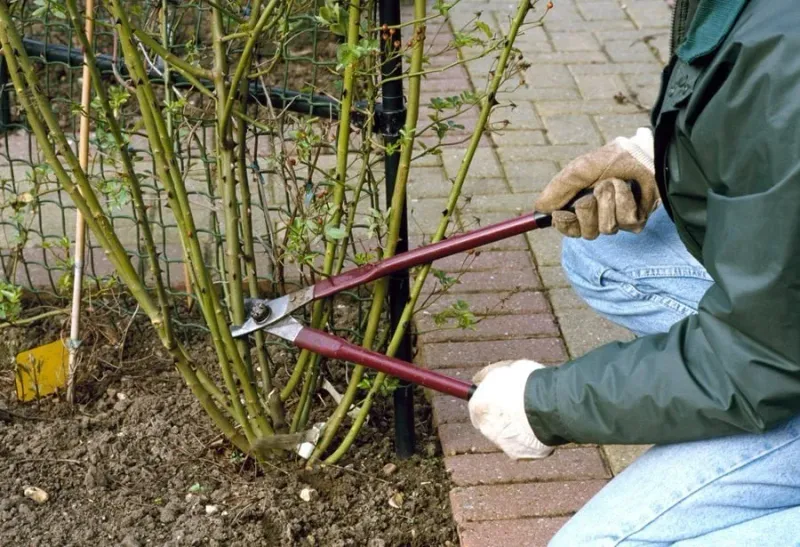
April is the month when Ohio rose gardeners finally get to do something productive after a long winter of watching and waiting. The timing for rose pruning is closely tied to bud activity rather than the calendar, so the best cue is watching for the swelling red or green buds along the canes.
Once those buds are noticeably active, it is safe to start pruning across most of Ohio.
The main goals during April pruning are removing canes that did not survive winter, cutting out weak or spindly growth, and opening up the center of the plant to improve air circulation. Ohio’s humid summers can encourage fungal diseases like black spot, so good airflow from the start of the season makes a real difference.
For hybrid teas and grandifloras, cut healthy canes back to about twelve to eighteen inches, making cuts at a forty-five degree angle just above an outward-facing bud.
In northern Ohio where late frosts are common well into April, wait until nighttime temperatures are consistently above freezing before uncovering roses and beginning to prune. Cutting too early and then getting hit with a hard frost can damage the freshly pruned canes.
Always discard pruned material rather than leaving it in the bed. Old rose canes can harbor disease spores that overwinter and reinfect plants the following season.
8. Late Blooming Clematis Thrives When Cut Back In Spring
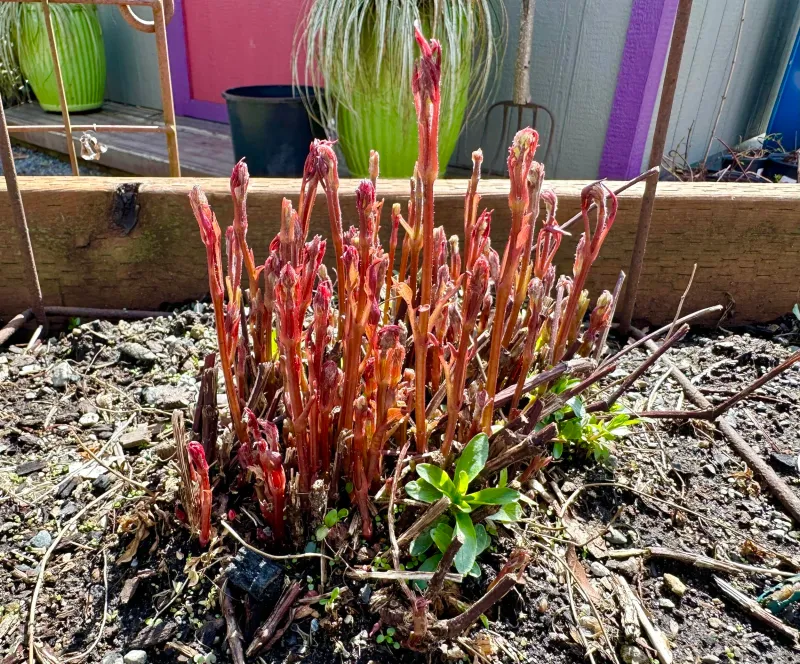
Clematis can be confusing because different types have completely different pruning needs. The good news is that the large-flowered summer and fall-blooming types, known as Group 3 clematis, are among the easiest plants to prune in Ohio in April.
These varieties produce flowers on new growth made during the current season, so cutting them back hard in spring is exactly what they need.
Popular Group 3 varieties like Jackmanii, Sweet Autumn clematis, and Viticella types should be cut back to about twelve to eighteen inches above the ground, leaving at least one or two sets of strong buds on each stem. Look for those buds carefully before cutting because they can be small and easy to miss in early spring before the plant fully wakes up.
Timing is fairly consistent across Ohio for this task. As long as you can see some sign of bud activity on the lower stems, you are in the right window.
Both northern and southern Ohio gardeners can usually complete this pruning in April, though northern areas may be closer to mid-month.
One common mistake is confusing Group 3 clematis with Group 2 types that bloom on old wood. Check the label or plant tag before pruning.
Cutting a Group 2 clematis back hard in spring will remove all the flower buds set to bloom in late spring and early summer.
9. Bigleaf Hydrangea Sets Buds Early And Should Not Be Cut Now
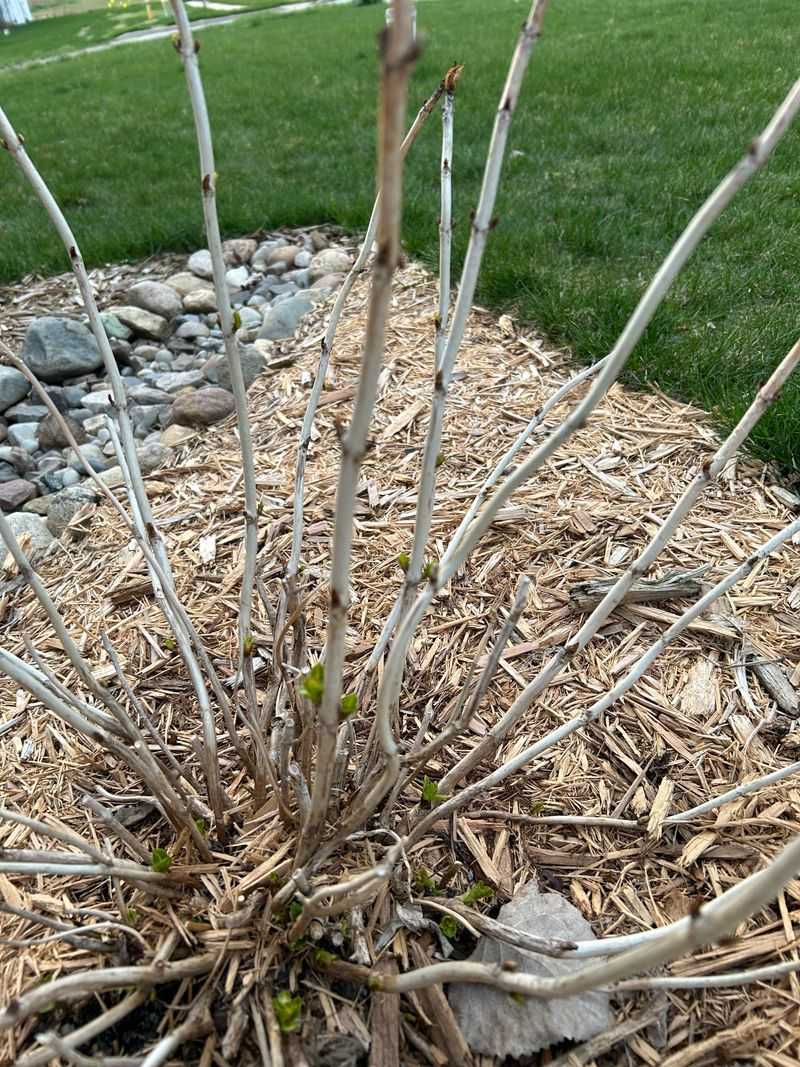
Bigleaf hydrangeas, the classic mophead and lacecap types so popular in Ohio gardens, are probably the most misunderstood shrubs when it comes to pruning. Every year, gardeners cut them back in spring hoping to tidy things up, and every year they wonder why the plant produces almost no flowers.
The answer is simple: bigleaf hydrangeas bloom on old wood, meaning the flower buds were formed on last year’s stems during the previous summer and fall.
By the time April arrives in Ohio, those buds are already set and ready to develop into this season’s flowers. Cutting the stems back now removes exactly the wood you need to have blooms.
The result is a perfectly healthy, leafy shrub with no flowers at all. It is one of the most common and heartbreaking mistakes in Ohio gardens.
Some newer reblooming varieties like Endless Summer can produce flowers on both old and new wood, which gives a little more flexibility. Even so, pruning them hard in spring is still risky and can significantly reduce the first flush of flowers.
The safest approach for all bigleaf hydrangeas in April is to leave them completely alone. If you need to do any cleanup, limit yourself to removing stems that are clearly no longer alive, and wait until after flowering to do any shaping.
10. Oakleaf Hydrangea Blooms On Old Wood And Needs Patience
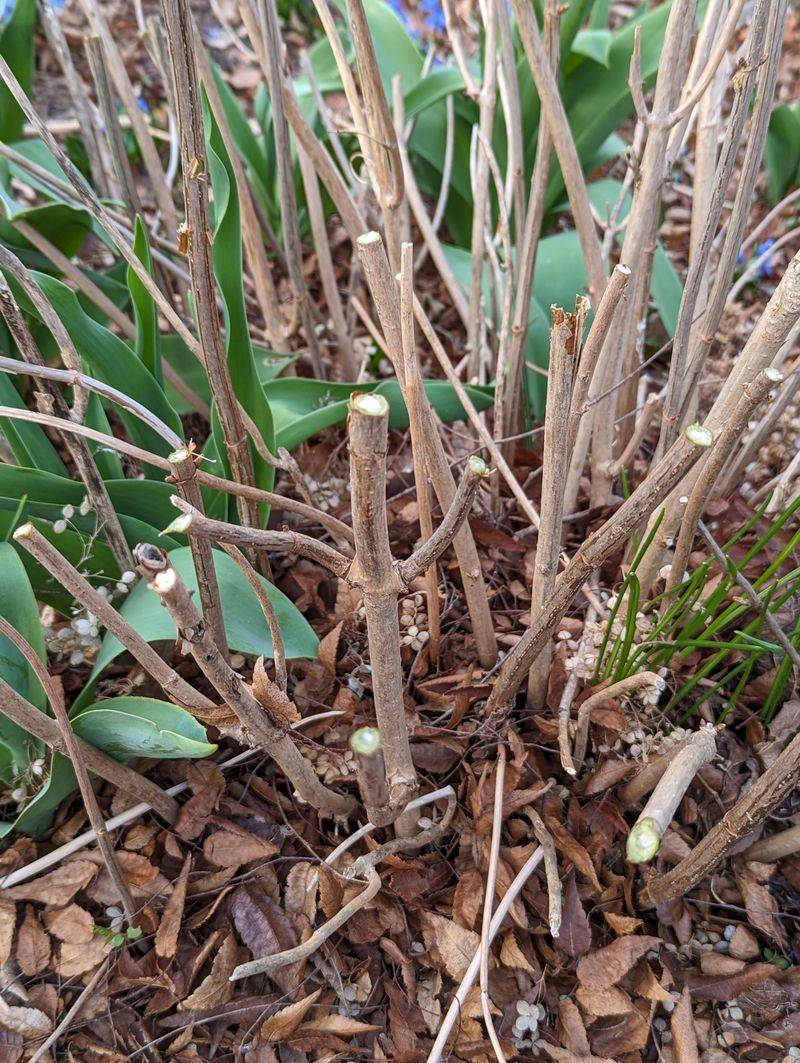
Oakleaf hydrangea is one of the most beautiful native shrubs you can grow in Ohio, with stunning white flower cones in summer, rich fall foliage, and attractive peeling bark in winter. It is also a plant that asks very little of you in April, because the right move is to simply leave it alone and let it do its thing.
Like bigleaf hydrangea, oakleaf hydrangea blooms on old wood. The flower buds for the coming season are already present on last year’s stems by the time spring arrives.
Pruning now means cutting off the very wood that holds those buds, and the result is a summer with no blooms. Ohio gardeners who prune oakleaf hydrangeas in spring often do not realize the mistake until July when the shrub is full of leaves but completely flowerless.
If your oakleaf hydrangea has a few stems that clearly did not survive winter, you can carefully remove just those. Use your thumbnail to scratch a small section of bark and check for green tissue underneath before making any cuts.
Healthy stems should be left completely intact through spring and early summer.
The correct time to prune oakleaf hydrangea for shaping or size control is immediately after it finishes flowering, typically in mid to late summer. That timing allows the plant to set new buds for the following season without interruption.
11. Lilac Forms Next Season’s Buds Soon After Bloom
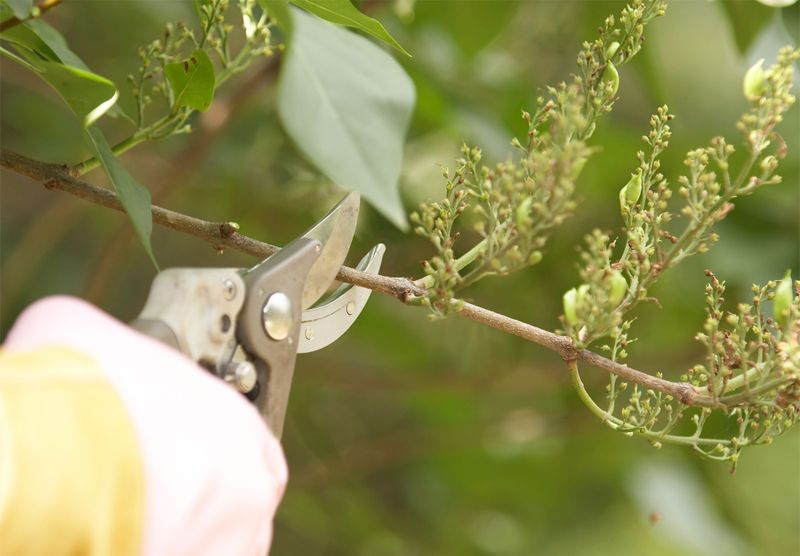
Few plants are more beloved in Ohio gardens than the common lilac. That deep purple fragrance drifting across a backyard on a warm May afternoon is the kind of sensory memory people carry for years.
But that beautiful display depends entirely on leaving the plant alone in April, which is exactly when a lot of well-meaning gardeners make the mistake of reaching for their pruners.
Lilacs bloom on old wood, and not just any old wood. They begin forming the buds for next year’s flowers almost immediately after the current season’s blooms fade.
Pruning in April removes the stems that are about to flower and also disrupts the plant’s ability to set buds for the following year. The result can be two years of reduced blooming from a single poorly timed cut.
The right time to prune lilacs in Ohio is within about two to three weeks after flowering ends, which usually falls in late May or early June depending on your location and the variety. During that window, you can remove spent flower heads, thin out crowded stems, and cut back any overly tall or crossing branches without affecting next year’s bloom cycle.
A simple tip for Ohio gardeners: mark your calendar for right after bloom rather than trying to remember the timing each spring. That small habit makes a big difference in keeping your lilac healthy and full of flowers year after year.
12. Forsythia Flowers Early And Should Be Pruned After Bloom
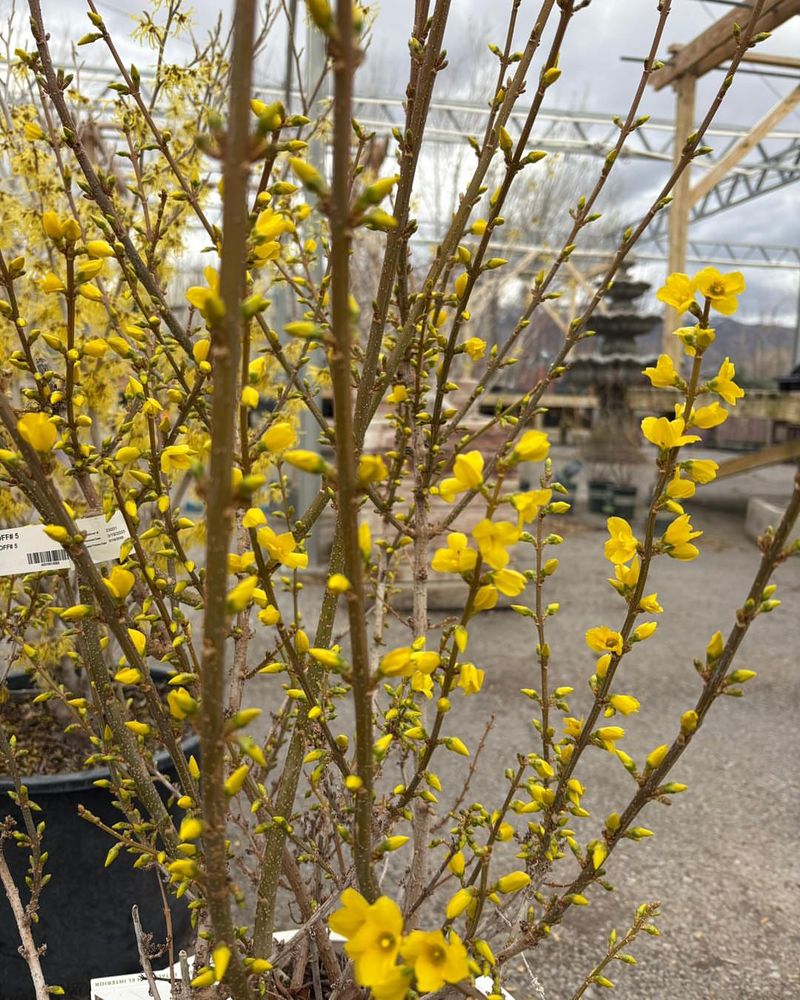
Forsythia is practically the official sign of spring in Ohio. Those bright yellow flowers burst open on bare stems while most of the landscape is still brown and dormant, usually in late March or early April depending on the year.
That cheerful early show is exactly why you should keep your pruners away from this shrub until after flowering is completely finished.
Forsythia blooms on old wood, and the flower buds were set on last year’s stems during the previous growing season. Pruning in April, while the plant is either in bloom or just finishing up, removes the very branches responsible for that yellow display.
Even cutting back just a portion of the shrub significantly reduces how much color you get to enjoy.
Once the flowers have faded and the leaves begin to emerge, that is the correct time to prune forsythia in Ohio. Post-bloom pruning, typically in late April or May, allows you to shape the shrub, remove old woody stems from the base, and control the overall size.
Forsythia can get quite large and unruly if left unpruned for several years, so annual post-bloom shaping keeps it manageable.
Avoid the common mistake of shearing forsythia into a tight ball shape. That pruning style removes most of the naturally arching stems that produce the best flower coverage and leaves you with a dense, twiggy shrub that blooms poorly for years afterward.