11 Best Full-Sun Perennials For Georgia Gardens That Love The Heat
If you’ve ever watched your favorite flowers surrender to a sweltering July afternoon, you know that Georgia summers are a brutal trial by fire.
Between the “thick enough to wear” humidity of the Piedmont and the salt-scorched heat of the coast, our gardens face a relentless three-month gauntlet.
But what if your landscape didn’t just survive the Peach State sizzle – what if it actually thrived in it? The secret lies in a rugged “A-list” of perennials that treat our triple-digit stretches like a spa day.
These sun-worshipping stars offer a low-maintenance, high-voltage explosion of color that laughs at the humidity.
Ready to plant the champions that stay cool when the thermometer spikes?
1. Purple Coneflower Brings Native Color And Pollinators
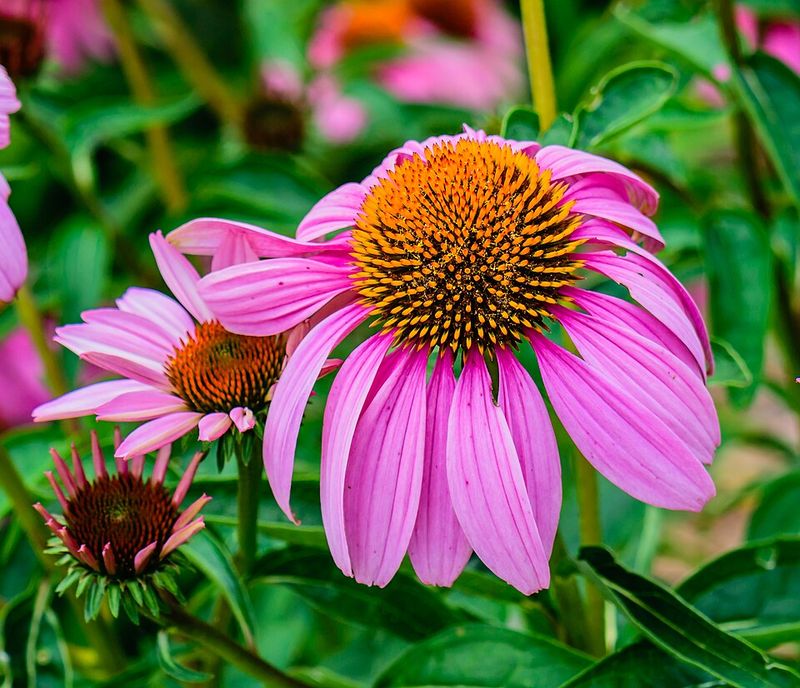
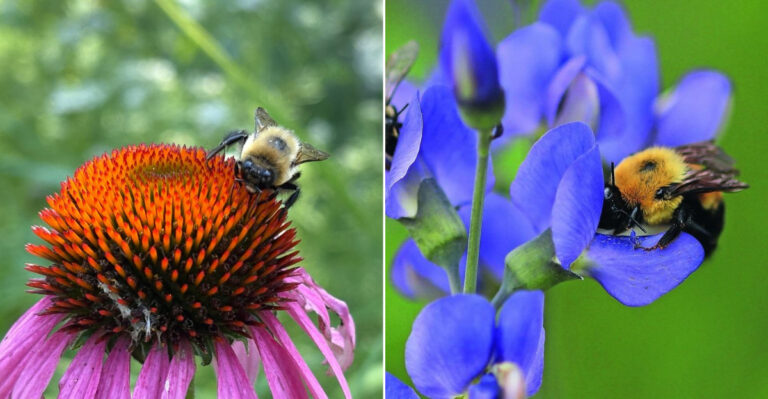
Few plants earn their keep in a Georgia garden quite like purple coneflower.
Native to much of the eastern United States, Echinacea purpurea is well adapted to the region’s long, hot summers and is comfortable in the kind of clay-heavy or sandy soils that frustrate so many other perennials.
The rosy-purple petals surrounding that bold, spiky orange-brown center make it one of the most recognizable wildflowers in any sunny border.
Blooming from early summer into fall, purple coneflower is a magnet for bees, butterflies, and even goldfinches that arrive late in the season to feed on the seed heads.
University of Georgia Extension recommends leaving those seed heads standing through winter, as they provide valuable wildlife food and add textural interest to the dormant garden.
Plants grow roughly two to four feet tall and spread gradually over time, making them a solid choice for cottage gardens, pollinator beds, and naturalized areas.
Water regularly during the first growing season to help roots establish, but once settled in, purple coneflower handles drought surprisingly well.
Space plants about 18 to 24 inches apart for good air circulation, which helps reduce fungal issues in Georgia’s humid conditions.
2. Black-Eyed Susan Adds Bright Summer Color
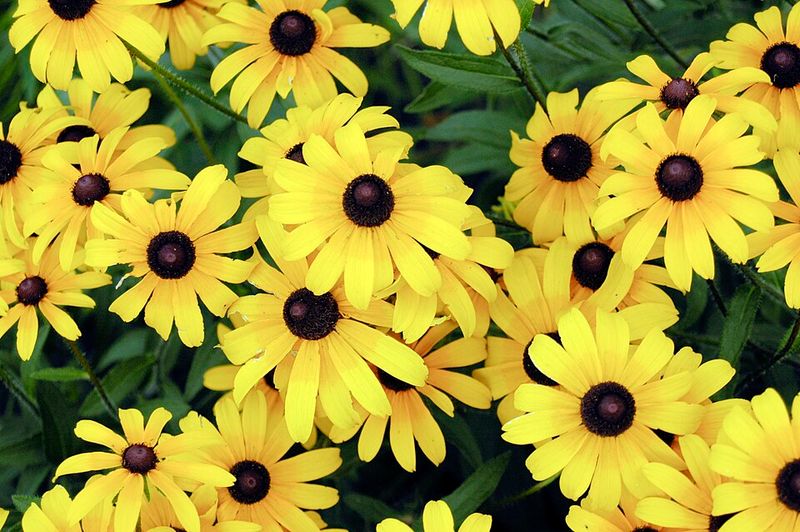
Golden-yellow petals radiating out from a rich, dark center make black-eyed Susan one of the most cheerful sights in any summer garden.
Rudbeckia hirta is a tough, adaptable wildflower native to Georgia and surrounding states, and it thrives in the full sun and well-drained soils found throughout much of the region.
It blooms from midsummer through early fall, bridging that stretch when many spring bloomers have faded and fall color has not yet arrived.
Bees, butterflies, and skippers visit the flowers regularly, making black-eyed Susan a reliable addition to any pollinator garden.
The plants typically reach one to three feet in height and work well in borders, meadow plantings, and informal cottage-style beds.
Because it naturalizes readily, it can spread through self-seeding, something some gardeners enjoy, while others prefer to manage by removing spent blooms.
Georgia gardeners will find black-eyed Susan fairly unfussy once established. It tolerates the heat and humidity that settle over the state in July and August without much complaint.
Your Georgia Garden Changes Every Week. Your Plan Should Too.
Gardening in Georgia changes quickly throughout the season. Every Friday you’ll receive a simple weekly plan showing exactly what to plant, prune, fertilize, harvest, and protect so you never miss the right timing.
Water young plants consistently through their first season, then ease back as roots develop. Spacing plants 12 to 18 inches apart encourages airflow and helps keep foliage healthy through Georgia’s muggy summers.
3. Coreopsis Delivers Easy, Cheerful Blooms
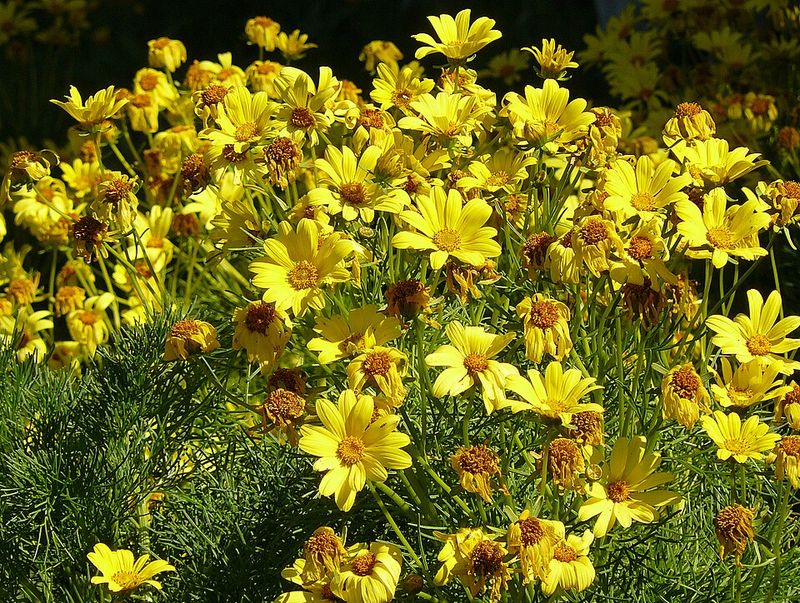
Sunny and undemanding, coreopsis is the kind of perennial that makes even beginning gardeners look good.
Often called tickseed, Coreopsis species are native to Georgia and the broader Southeast, which means they have spent generations adapting to the region’s heat, humidity, and variable rainfall.
The bright yellow or gold flowers appear from late spring and can continue blooming well into fall if spent flowers are removed periodically.
One of the biggest selling points for Georgia gardeners is coreopsis’s tolerance for poor, well-drained soil.
Unlike some perennials that demand rich, amended beds, coreopsis often performs better when not over-fertilized, producing more flowers and fewer floppy stems.
It grows six inches to three feet tall depending on the variety, making it useful in everything from rock gardens to mixed perennial borders.
Butterflies are frequent visitors to coreopsis blooms, and the plants hold up impressively well through Georgia’s summer heat waves.
Established plants are notably drought-tolerant, though some watering during extended dry spells helps maintain bloom production.
Space plants 12 to 18 inches apart and divide clumps every two to three years to keep them vigorous. Coreopsis grandiflora and Coreopsis verticillata are among the most reliable choices for Georgia landscapes.
4. Blanket Flower Thrives In Georgia Heat
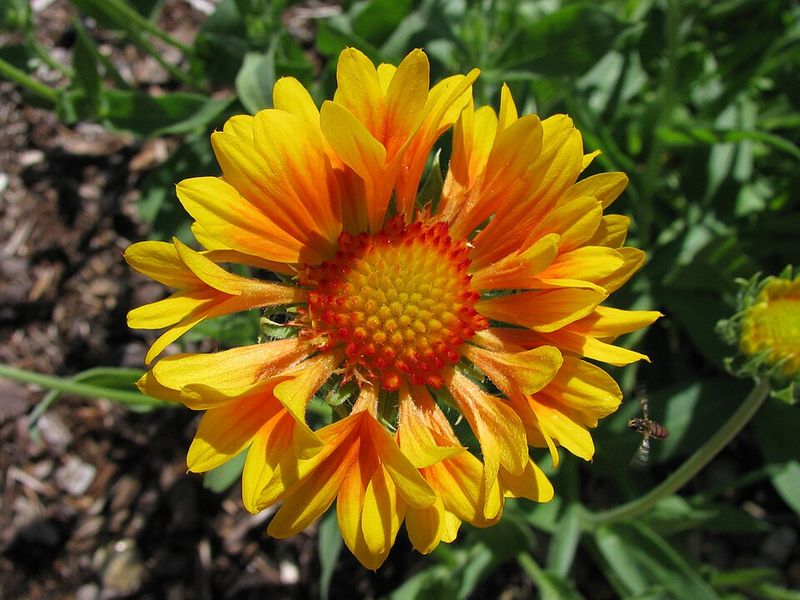
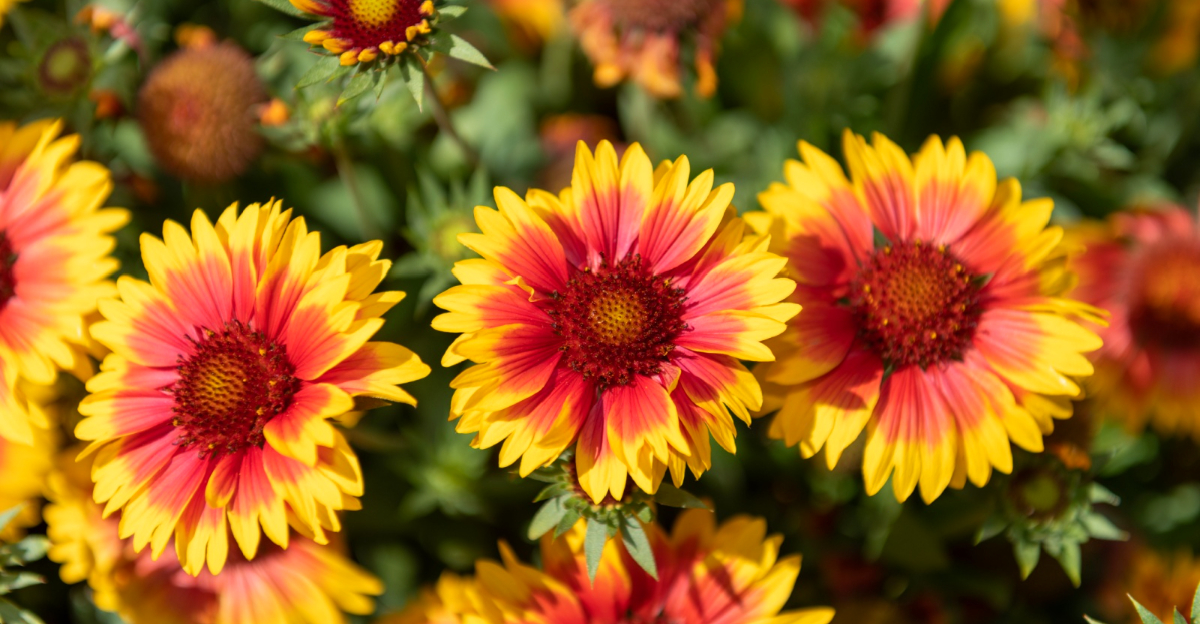
Bold, fiery, and completely at home in the heat, blanket flower is one of those perennials that seems to get more vibrant as temperatures climb.
Gaillardia x grandiflora produces eye-catching blooms in combinations of red, orange, and yellow that look almost like a sunset frozen in petal form.
It starts blooming in early summer and keeps going through fall, giving Georgia gardens an extended season of warm-toned color.
Blanket flower is particularly well suited to Georgia’s often sandy or clay soils as long as drainage is adequate. Poor drainage is one of the few conditions it struggles with, so raised beds or slopes work especially well.
The plants typically reach 12 to 24 inches tall and wide, making them a natural fit for borders, xeriscape plantings, and any sunny spot that tends to dry out between rains.
Pollinators find blanket flower irresistible. Bees and butterflies visit the blooms consistently through the season, adding life and movement to the garden.
Removing spent flowers encourages continued blooming, though leaving some seed heads late in the season can attract birds. Water young plants regularly during establishment, then reduce watering once roots are settled.
Blanket flower is impressively heat-tolerant once it finds its footing in a Georgia landscape.
5. Salvia Attracts Pollinators To Sunny Spots
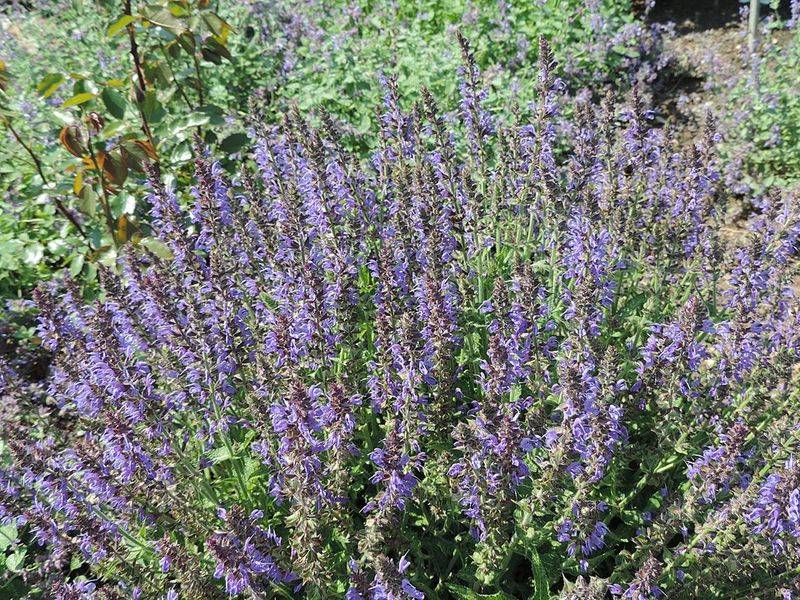
Hummingbirds spotted hovering over a garden border in Georgia are often following the signal of salvia’s tubular blooms.
Several salvia species and cultivars perform well in the state’s heat, including Salvia nemorosa, Salvia farinacea, and the native Salvia coccinea, each offering upright spikes of flowers in shades of blue, purple, red, or pink that rise above aromatic foliage.
The blooming period stretches from late spring into fall with regular removal of spent flowers or light shearing.
Salvia thrives in full sun and well-drained soil, two conditions that are easy to meet in many parts of Georgia.
The plants handle heat and periods of dryness well, though consistent moisture during the first growing season helps establish a strong root system.
Most varieties grow 18 inches to three feet tall, making them effective as mid-border plants or as anchors in pollinator gardens.
Beyond hummingbirds, salvias attract bees and butterflies in significant numbers, making them one of the most ecologically valuable perennials a Georgia gardener can plant.
The aromatic foliage also tends to discourage deer browsing, a real advantage in suburban and rural Georgia landscapes.
Space plants 12 to 24 inches apart depending on the variety, and cut them back mid-season to encourage a fresh flush of bloom through late summer and fall.
6. Daylily Offers Reliable, Low-Fuss Blooms
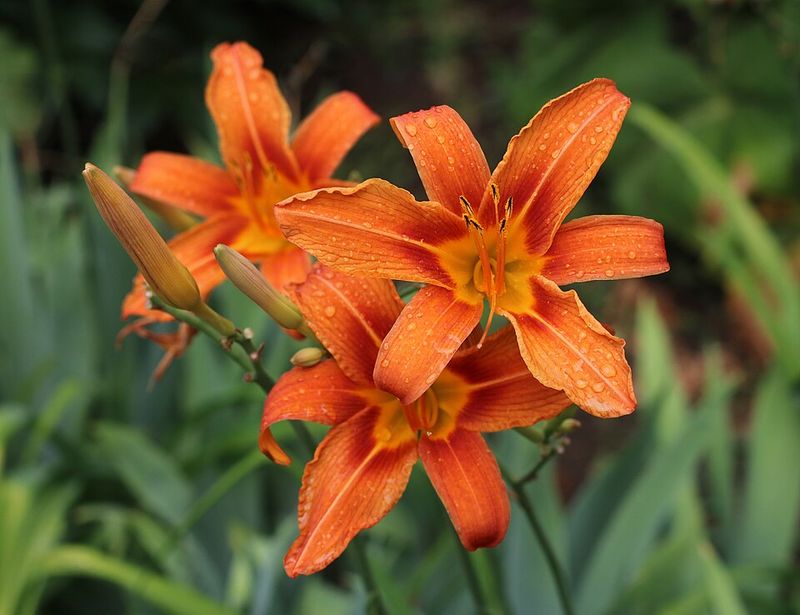
Walk through almost any established Georgia neighborhood in early summer and you are likely to spot daylilies lining a driveway or spilling over a garden edge.
Hemerocallis species have been trusted workhorses in Southern landscapes for decades, and with good reason.
They are tough, adaptable, and capable of producing an impressive show of blooms even in the intense heat that settles over Georgia from June through August.
Daylilies prefer full sun but tolerate light afternoon shade, which can actually help preserve flower color during the hottest stretches.
Thousands of cultivars exist in colors ranging from pale yellow to deep burgundy and near-black, with bloom times spread across late spring through midsummer depending on the variety.
Planting a mix of early, mid, and late-season cultivars extends the overall bloom period considerably.
Once established, daylilies are notably drought-tolerant, though they bloom more consistently with regular watering during dry spells.
They adapt to a wide range of Georgia soils, from sandy coastal plain soils to heavier piedmont clay, as long as drainage is reasonable.
Divide clumps every three to five years to maintain vigor and bloom quality. Space new divisions 18 to 24 inches apart, and expect them to settle in and thrive with minimal fuss.
7. Yarrow Handles Dry, Sunny Conditions
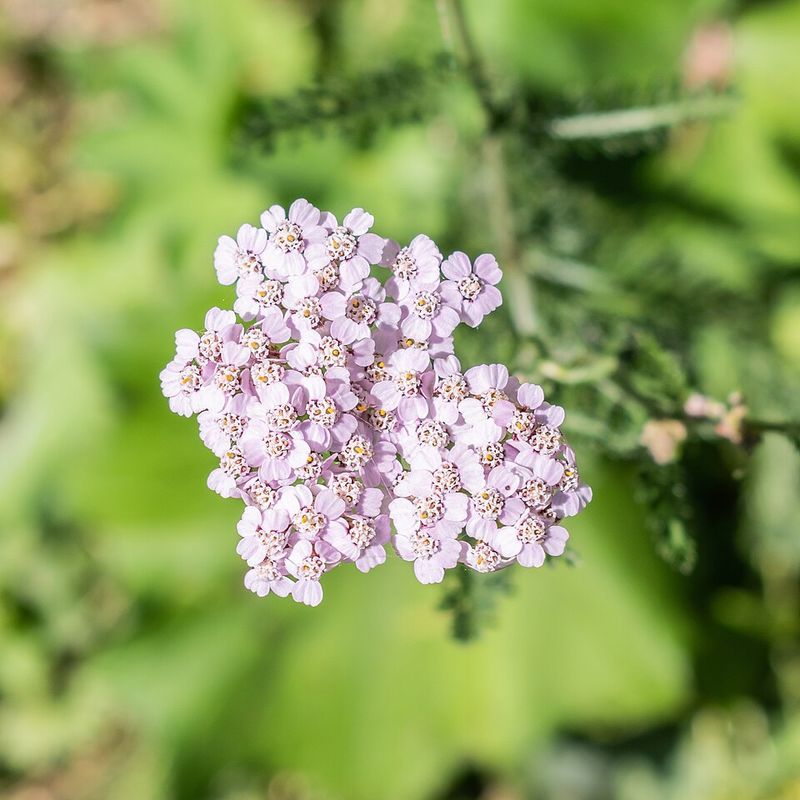
When summer rainfall gets stingy and the sun beats down hard, yarrow keeps right on blooming.
Achillea millefolium and its cultivars are built for exactly the kind of hot, dry stretches that challenge Georgia gardens in July and August.
The flat-topped flower clusters come in shades of yellow, white, red, pink, and coral, held above finely textured, fernlike foliage that adds visual interest even when the plant is not in bloom.
Yarrow thrives in full sun and prefers lean, well-drained soil. Rich, heavily amended soil can actually cause yarrow to flop and produce fewer flowers, so it is one of those plants that rewards a more hands-off approach.
In Georgia landscapes, it works particularly well in hot, dry borders, rock gardens, and low-maintenance areas where other perennials might struggle without regular irrigation.
Pollinators, especially native bees and beneficial wasps, are drawn to yarrow’s flat flower heads, which provide easy landing platforms.
Plants typically grow 18 to 36 inches tall and spread gradually through underground rhizomes.
Dividing clumps every two to three years keeps them tidy and productive.
Removing spent blooms encourages rebloom through late summer, and the dried flower heads also work well in arrangements, giving yarrow extra value beyond the garden border.
8. Bee Balm Supports Pollinators With Bold Color
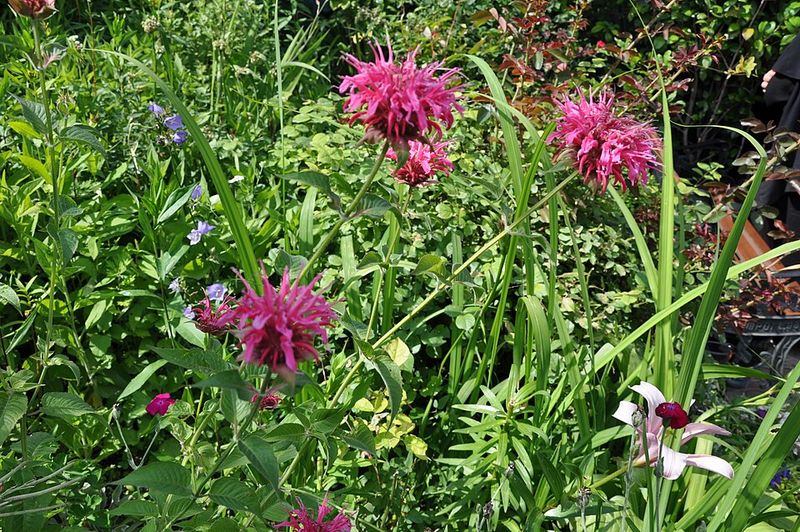
There is something almost theatrical about bee balm in full bloom.
Monarda species produce shaggy, crown-like flower heads in vivid shades of red, pink, purple, and white that rise on tall stems and command attention from across the garden.
Native to North America, bee balm has real ecological value in Georgia landscapes, drawing hummingbirds, bumblebees, and a wide range of native bee species to its nectar-rich blooms throughout summer.
Bee balm prefers full sun in Georgia but appreciates some afternoon shade during the hottest weeks, which can help reduce stress on the foliage.
It grows best in moist, well-drained soil and benefits from consistent watering, especially during dry stretches in July and August.
Plants typically reach two to four feet tall, making them effective as back-of-border specimens or focal points in pollinator gardens.
Powdery mildew on the foliage is a common issue in Georgia’s humid summers, but selecting mildew-resistant cultivars such as ‘Jacob Cline’ or ‘Raspberry Wine’ helps manage this considerably.
Good air circulation is also important, so space plants 18 to 24 inches apart and avoid crowding.
Cutting plants back by about one-third after the first bloom flush often encourages a second wave of flowers in late summer, extending the season for pollinators and gardeners alike.
9. Garden Phlox Brings Fragrant Summer Blooms
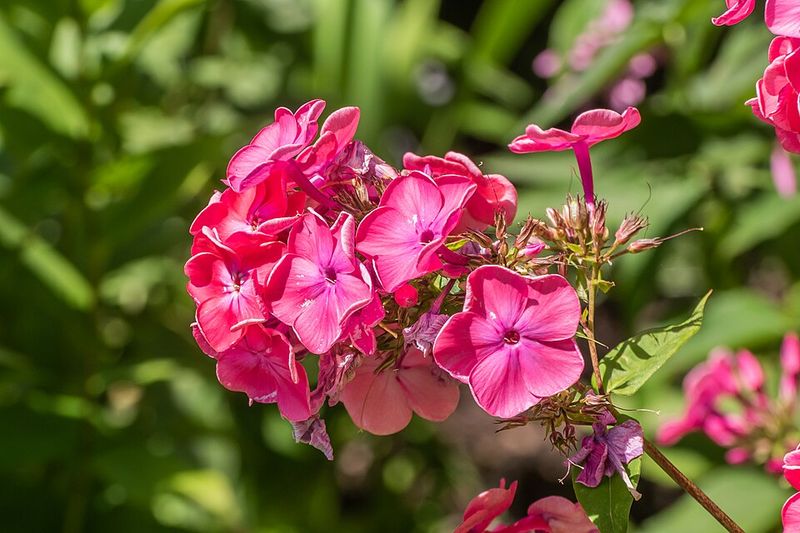
Fragrance is one of garden phlox’s most memorable qualities. On a warm Georgia evening, the sweet scent of Phlox paniculata in bloom can drift across an entire yard, making it one of the most sensory-rich perennials available to Southern gardeners.
The large, dome-shaped flower clusters come in shades of pink, lavender, white, coral, and red, and they bloom from midsummer into early fall when many gardens are starting to look tired.
Garden phlox grows best in full sun with moist, well-drained soil enriched with organic matter. In Georgia, it benefits from consistent watering through the summer months, as it is less drought-tolerant than some other perennials on this list.
Plants grow three to four feet tall and work beautifully in the back of perennial borders, cottage gardens, and cutting gardens where the blooms can be enjoyed up close.
Like bee balm, garden phlox can be prone to powdery mildew in Georgia’s humid summers. Choosing mildew-resistant varieties such as ‘David,’ ‘Laura,’ or ‘Robert Poore’ makes a significant difference in foliage health.
Water at the base of plants rather than overhead to keep foliage dry, and space plants 18 to 24 inches apart for adequate airflow.
Butterflies and hummingbirds visit the blooms regularly, adding lively pollinator activity to the late-summer garden.
10. Sedum Adds Late-Season Color And Texture
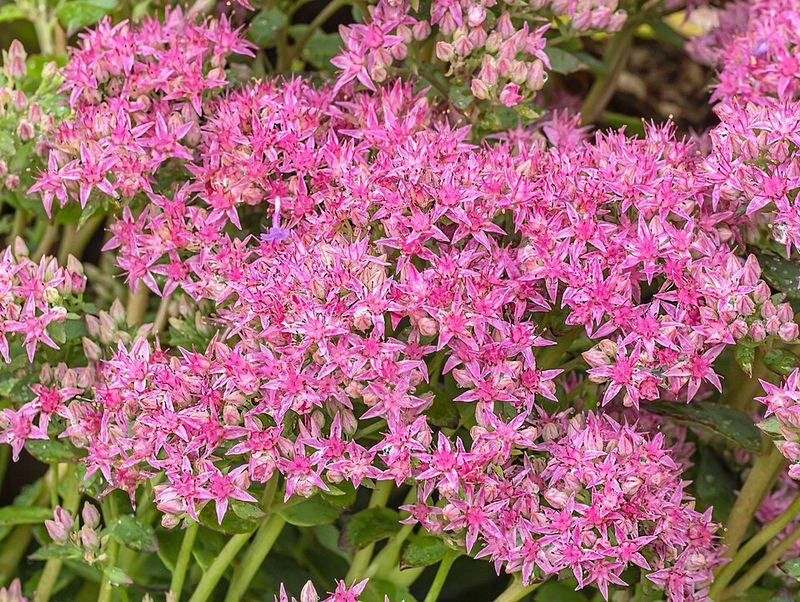
As summer winds down and many perennials begin to fade, sedum steps forward with some of the most interesting texture and color in the fall garden.
Sedum ‘Autumn Joy’ and other upright stonecrop varieties produce thick, fleshy stems topped with flat flower clusters that open pale pink in late summer, deepen to rosy red through fall, and eventually turn a warm russet-brown as temperatures drop.
That extended color arc makes sedum genuinely valuable in Georgia landscapes.
Sedum thrives in full sun and well-drained to dry soil, which makes it an outstanding option for Georgia gardens dealing with sandy soils, sloped beds, or areas that dry out quickly between rains.
It is highly drought-tolerant once established and requires very little supplemental watering in most parts of the state.
Rich, wet soils tend to cause floppy growth, so lean conditions suit it well.
Bees and butterflies are frequent visitors to sedum’s late-season blooms, providing a valuable nectar source as other flowers wrap up for the year.
Plants grow 18 to 24 inches tall and wide, forming tidy, architectural clumps that look attractive even in winter when the dried flower heads persist.
Divide clumps every three to four years in spring to maintain compact growth and strong flowering. Sedum pairs well with ornamental grasses and coneflowers in mixed perennial plantings across Georgia.
11. Tickseed Provides Long-Lasting Color
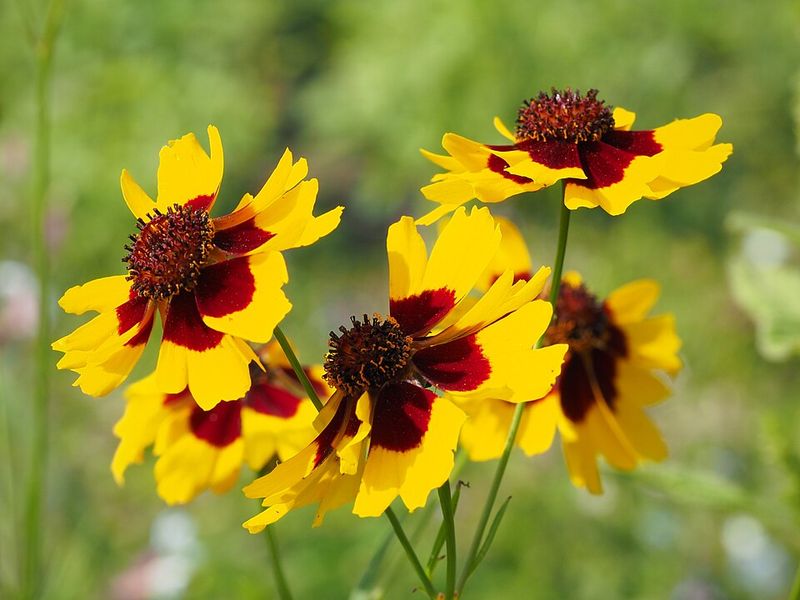
Long bloom seasons are something Georgia gardeners truly appreciate, and tickseed delivers one of the most extended flowering periods of any full-sun perennial in the region.
While coreopsis was mentioned earlier in this list for its general cheerfulness, tickseed deserves its own spotlight for the sheer staying power it brings to sunny beds from late spring through the first cool nights of fall.
With regular removal of spent blooms, some varieties bloom for months without much interruption.
Tickseed handles Georgia’s heat and humidity with ease, and it thrives in the kind of lean, well-drained soils that are common across much of the state.
Overwatering and overly rich soil can actually reduce flowering and cause weak, sprawling stems, so a restrained approach to fertilizing and irrigation tends to produce the best results.
Most varieties grow between six inches and two feet tall, making them versatile enough for edging, containers, and mixed borders.
Native bees and butterflies visit the flowers regularly, and the fine-textured foliage provides a soft, airy look that contrasts well with bolder-leafed companions like coneflower and daylily.
Coreopsis ‘Moonbeam,’ with its soft pale yellow blooms, and Coreopsis ‘Zagreb,’ with bright golden flowers, are among the most reliable cultivars for Georgia conditions.
Divide clumps every two to three years in spring to keep plants vigorous and free-flowering throughout the season.